Built for cold-chain tubs that hold shape
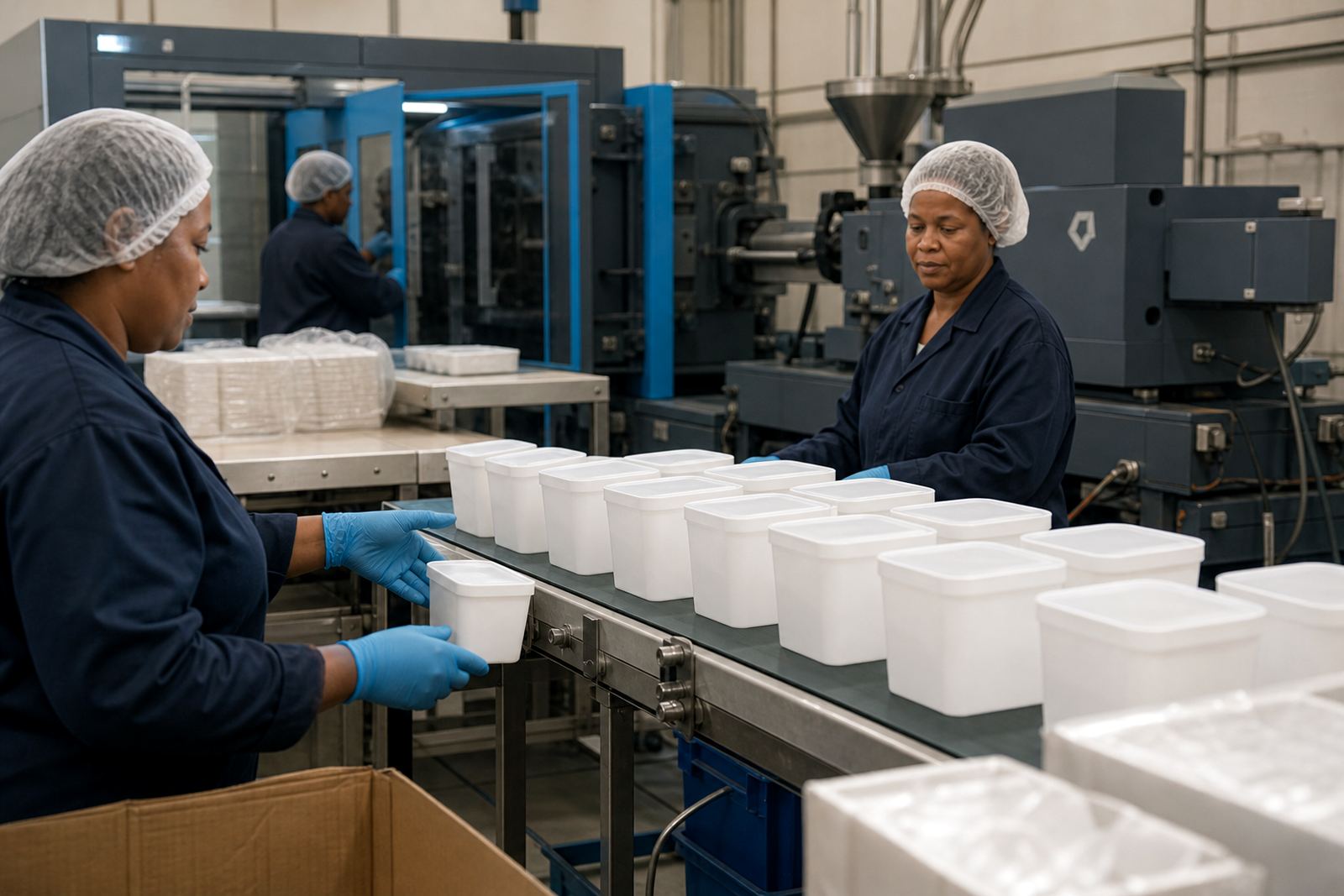
The Deep Freeze Tub is a moulded container format used for packed goods that may sit in chilled stores, move through freezer rooms, or travel in insulated delivery crates. It is commonly specified for foods, pharmaceutical secondary packs, and cosmetic components where the pack has to hold its form and keep contents organised during handling. In day to day packing, that means a tub with a consistent wall profile, a matching lid, and a finish that stays practical when boxes are opened and closed through the cold chain.
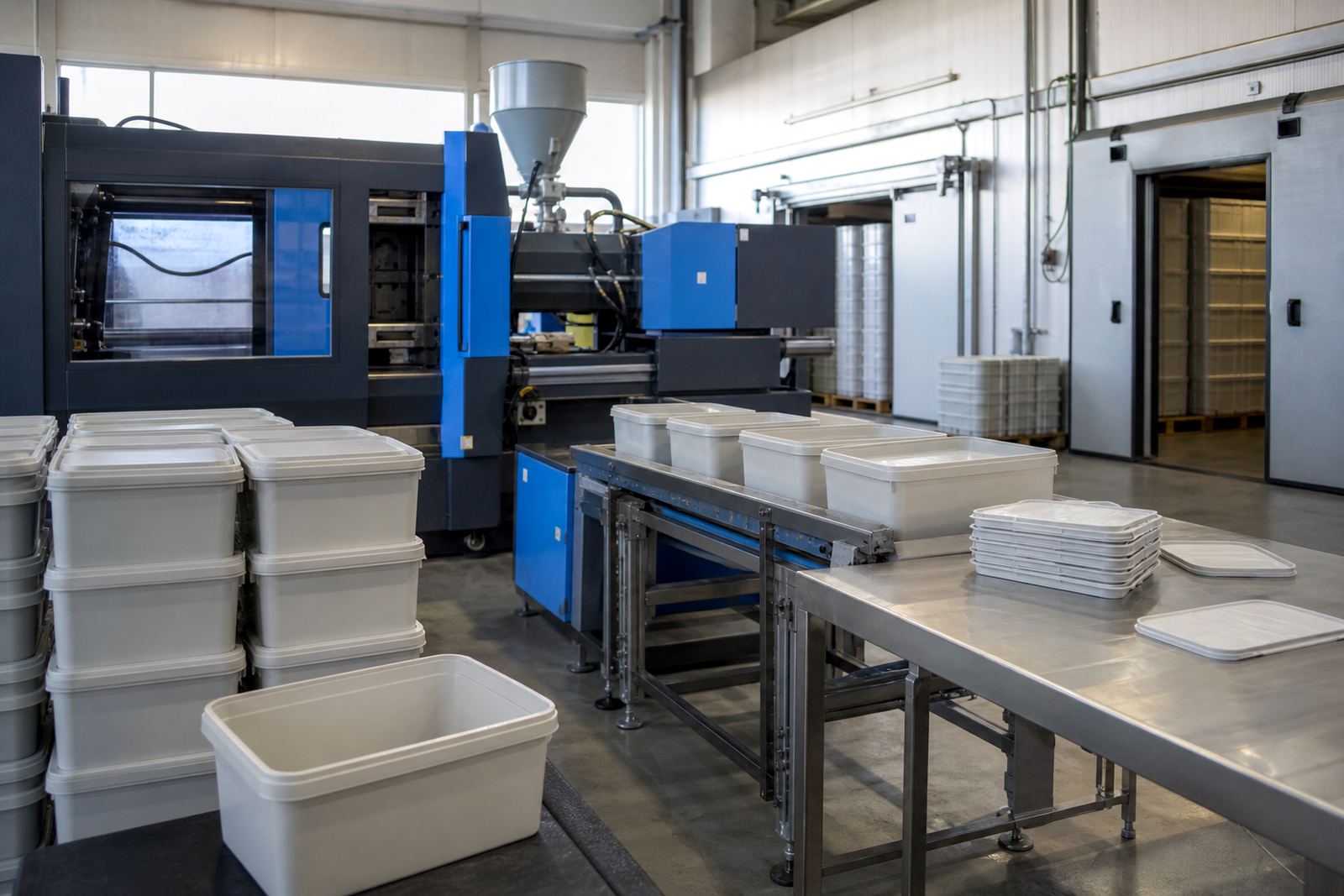
Injection moulding gives a repeatable result from one batch to the next, which matters when a packing line needs uniform stacking and lid fit. Polypropylene is often chosen for general cold storage use because it offers a useful balance of stiffness and impact resistance, while HDPE is selected where packers want a different feel in the hand and good resistance to moisture. Both materials can be worked into food safe container formats, with colour choice, wall thickness and rim profile adjusted to suit the intended pack and the filling method.
- Injection moulded tub body with matching lid options
- Polypropylene or HDPE material selection
- Suitable for chilled handling and frozen storage chains
- Stackable form for cartons, crates, and pallet layers
Sizes and closures that fit actual packing runs
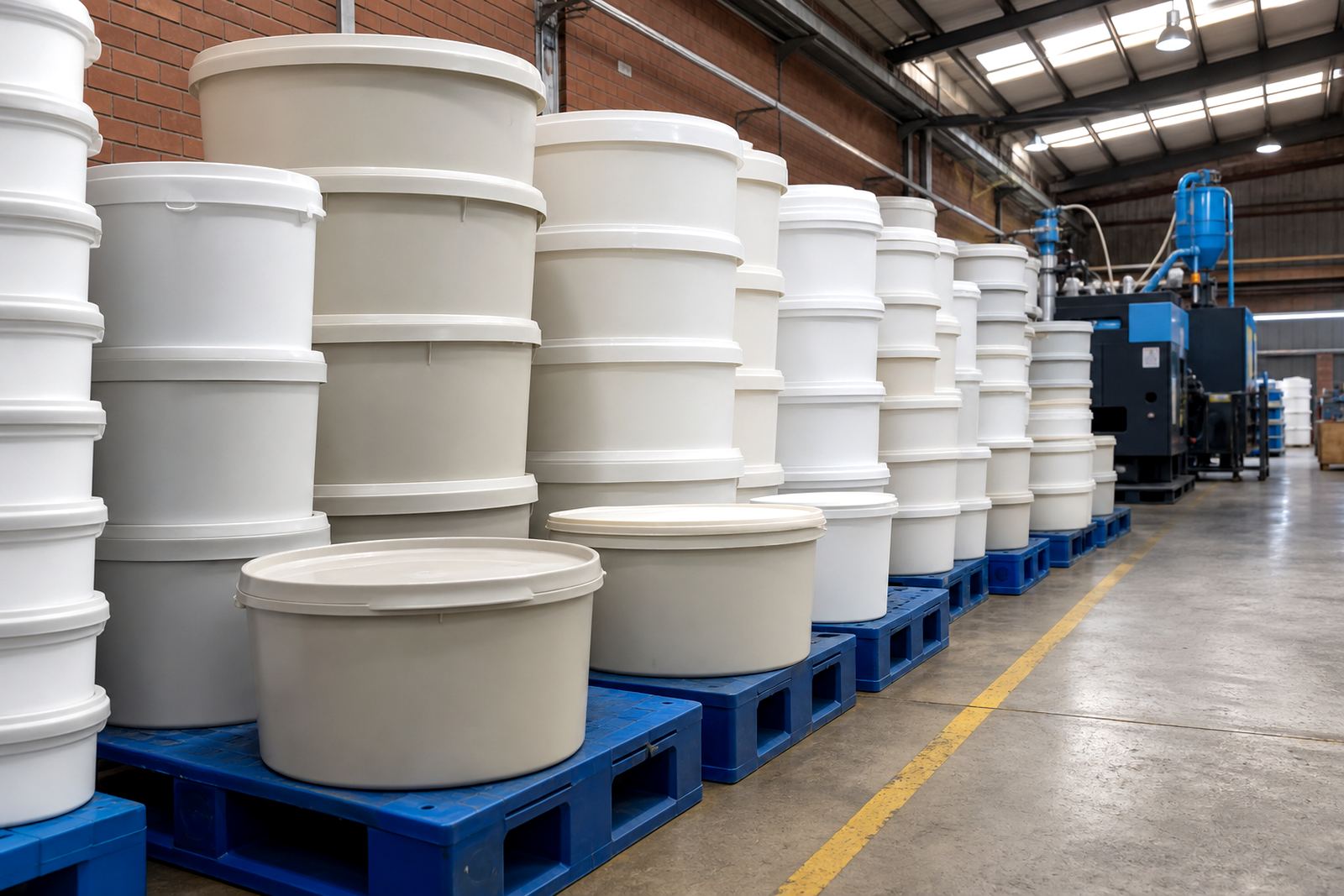
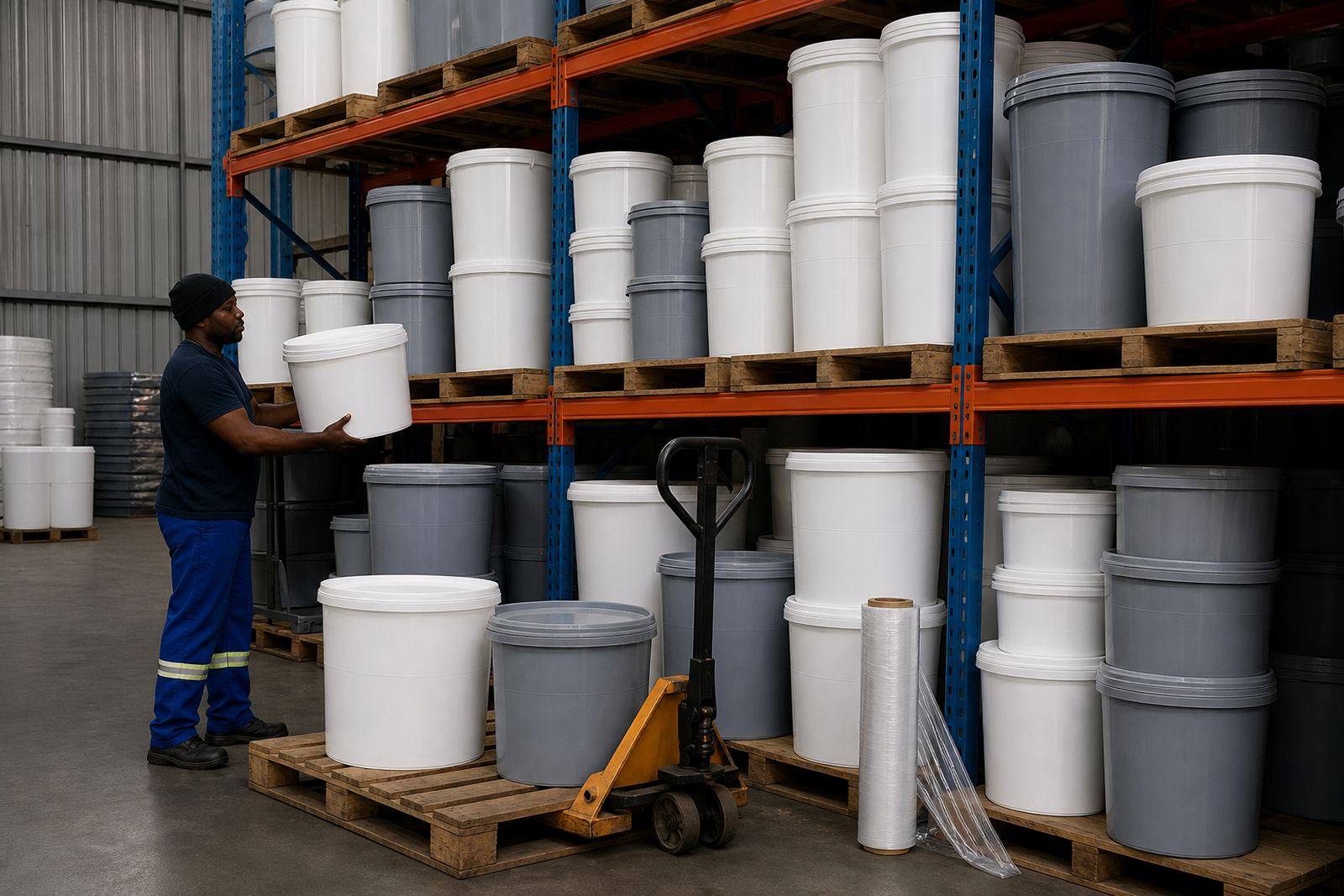
The range is set up around practical pack sizes rather than one fixed shape. Common volume choices run from small sample and portion tubs through to larger formats used for bulk ingredients, finished food packs, and contract filling work. Internal capacity, top diameter, base footprint, and usable fill height all matter because a tub that looks similar on paper can behave very differently on a line. Lid engagement is also part of the brief, especially where operators need a clean hand close or a seal that supports tamper evidence.
Available options can include plain press fit lids, snap on lids, and tamper seal features for retail or regulated pack applications. Some packers want an easy open lid for repeat access in a kitchen or production room, while others need a firmer closure where the pack is transported across Gauteng or loaded for coastal distribution. For sensitive goods, the rim and lid joint can be planned to work with film seals or tamper bands, depending on the fill process and the presentation required on shelf.
- Typical capacities from small portion tubs to larger bulk packs
- Round, rectangular, and square formats depending on line needs
- Press fit, snap fit, and tamper seal lid choices
- Colour matching guidance for product coding or range separation
Where the tub suits food, pharma and cosmetic packers
This tub format suits a wide mix of cold-chain products. In food packing, it is used for spreads, dairy items, frozen meal components, sauces, and other packed goods that move through chilled display or storage. In pharmaceutical work, the pack can support secondary containment, organised lots, or handled components that need a neat and repeatable container. In cosmetics, it works for creams, balms, salt scrubs, and similar fill types where the finish and closure need to feel tidy and dependable.
For Johannesburg, Durban, Cape Town, Pretoria and Port Elizabeth supply routes, the practical issue is how the pack behaves after filling and during stacking in transit. Coastal humidity can affect label adhesion and outer carton performance, so the container choice should work with the full pack format, not only the tub itself. The shape must suit the product viscosity, the filling nozzle, and the line speed. If the product is hot-filled first and then chilled, the wall strength and lid seating become even more important, because a tub that distorts under handling will create trouble further down the chain.
- Food packs for chilled and frozen goods
- Pharmaceutical secondary packaging and component storage
- Cosmetic tubs for creams, balms, and similar fills
- Suitable for depot storage, line packing, and distribution
Fitting the tub into a packing line without drama
Line fit checks matter when a new tub is being introduced. The base diameter, neck finish, and stacked height must work with the filling head, closing station, coding position, and carton count. A trial production run helps to confirm that the tub feeds cleanly, the lid seats properly, and the pack holds together after cold storage. That step also shows whether the stack slips in transit or sits too tightly in a case.
Where tamper evidence is needed, the seal band or break feature must match the packing order and the shelf handling method. Some clients need a tub that nests neatly into a secondary pack, while others need a stand alone retail unit. Material selection also changes the feel of the job, because certain fills benefit from a slightly stiffer wall and others from a more forgiving container. It is worth checking the exact closing method, the label position, and whether the product will be handled by gloved staff or open handed operators, because that shapes the final finish. A slight change in lid profile can save a lot of trouble later on.
- Trial production runs for fit and closure checks
- Pack size planning against case counts and pallet layers
- Secondary packing advice for cartons, sleeves, or trays
- Ongoing product updates where pack formats shift over time
Care, storage, and the details to confirm first
These tubs should be stored away from direct sun and rough stacking that can stress the rim or lid edge. In chilled depots or frozen rooms, the pack should be handled with care when it is cold, because impact resistance can change slightly at lower temperatures. Labels, seals, and printed marks should also be matched to the storage condition so that the final pack stays legible through handling and dispatch. Cleaning and reuse should only be planned where the product format and the user process allow it.
When ordering, confirm the volume required, the product fill temperature, the lid style, and whether tamper evidence is needed. Also confirm the colour, any special shape requirement, and the delivery destination, especially where goods are moving from Alrode to regional depots. If a line uses a specific closing head or cartoning size, that detail should be shared before the mould is finalised. A small difference in rim dimension can affect the whole run, so it is better to lock in those measurements early rather than adjusting later.
- Confirm capacity in millilitres or litres
- Confirm lid type and tamper seal requirement
- Confirm material choice, PP or HDPE
- Confirm fill method, storage temperature, and delivery route
Key facts
| Product type | Injection moulded deep freeze tub |
|---|---|
| Material options | Polypropylene and HDPE |
| Closure options | Press fit lid, snap fit lid, tamper seal ready |
| Common use | Chilled and frozen packing chains |
| Finish options | Plain, colour matched, branded label ready |
| Supply areas | Alberton, Germiston, Boksburg, Johannesburg, Durban, Cape Town, Pretoria, Port Elizabeth |