

Picking A Tub Shape That Fits The Pack Line
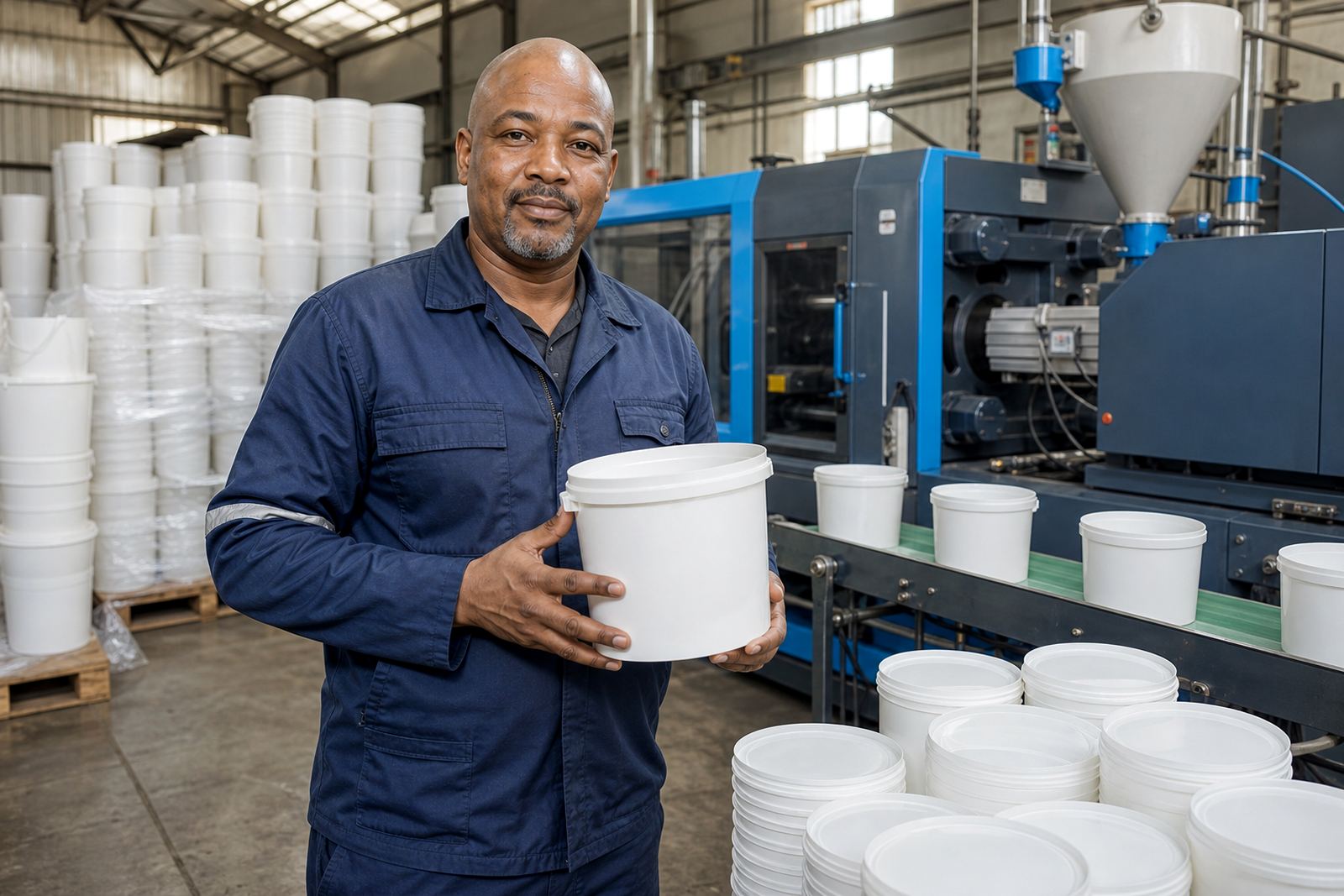
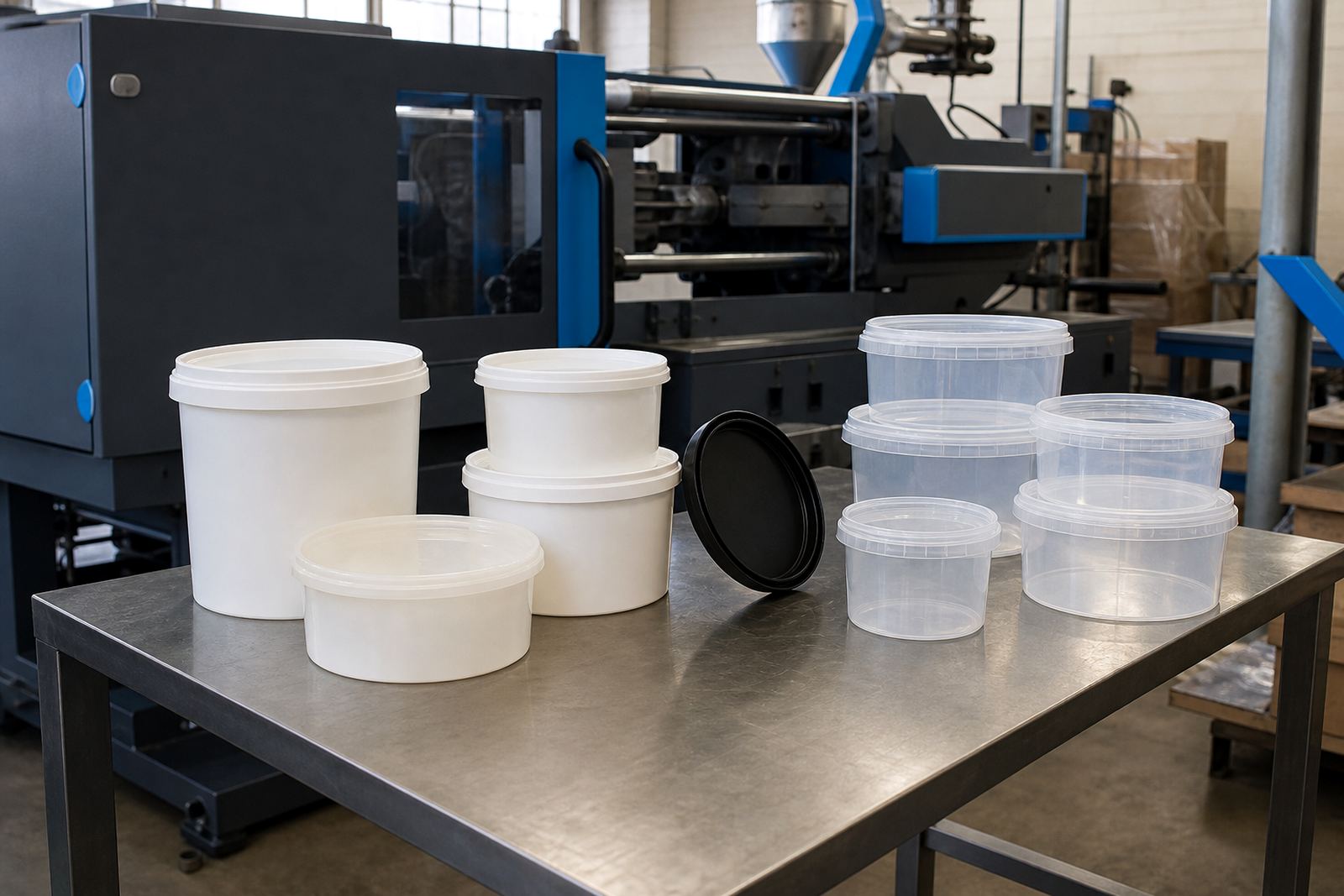
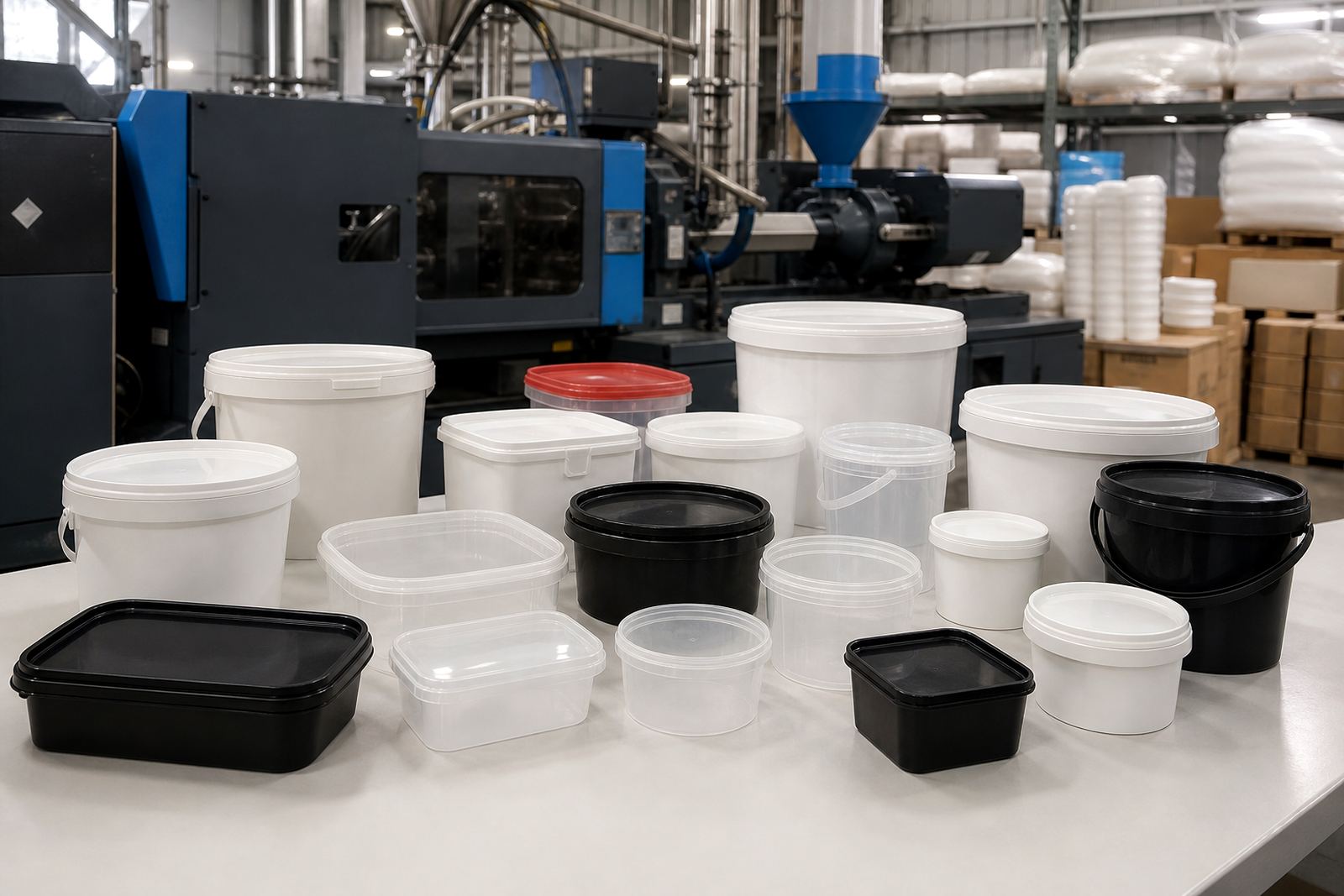
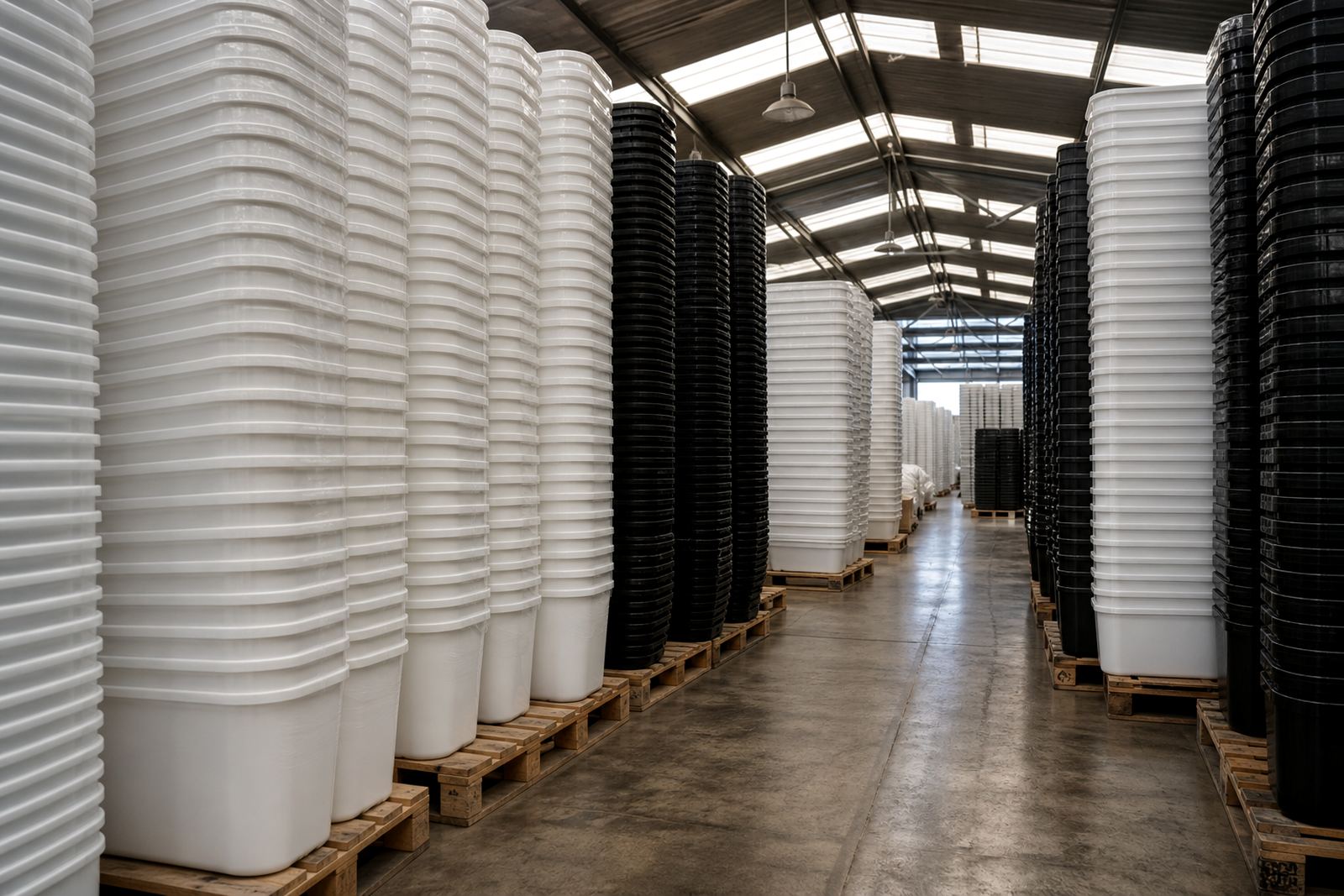
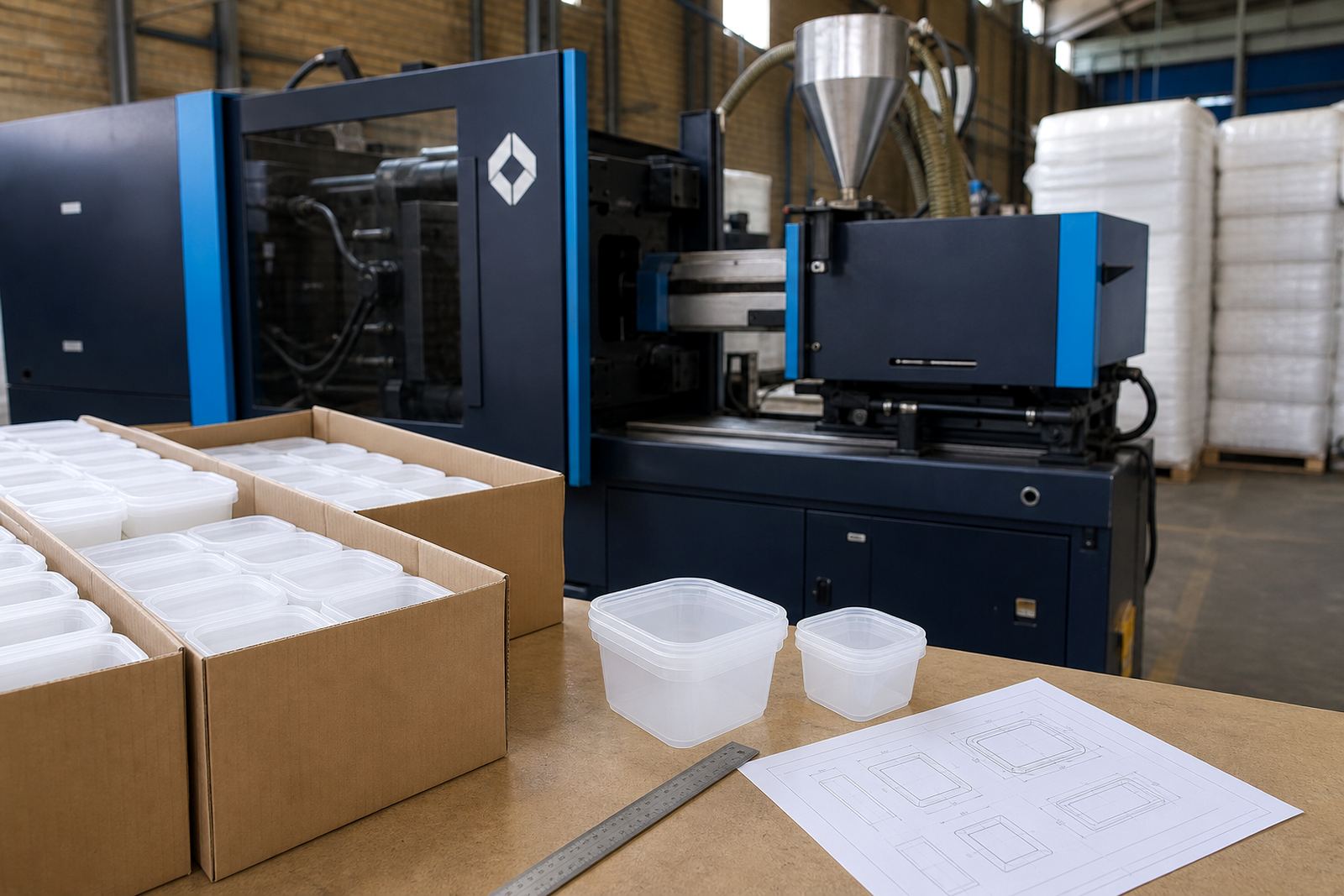
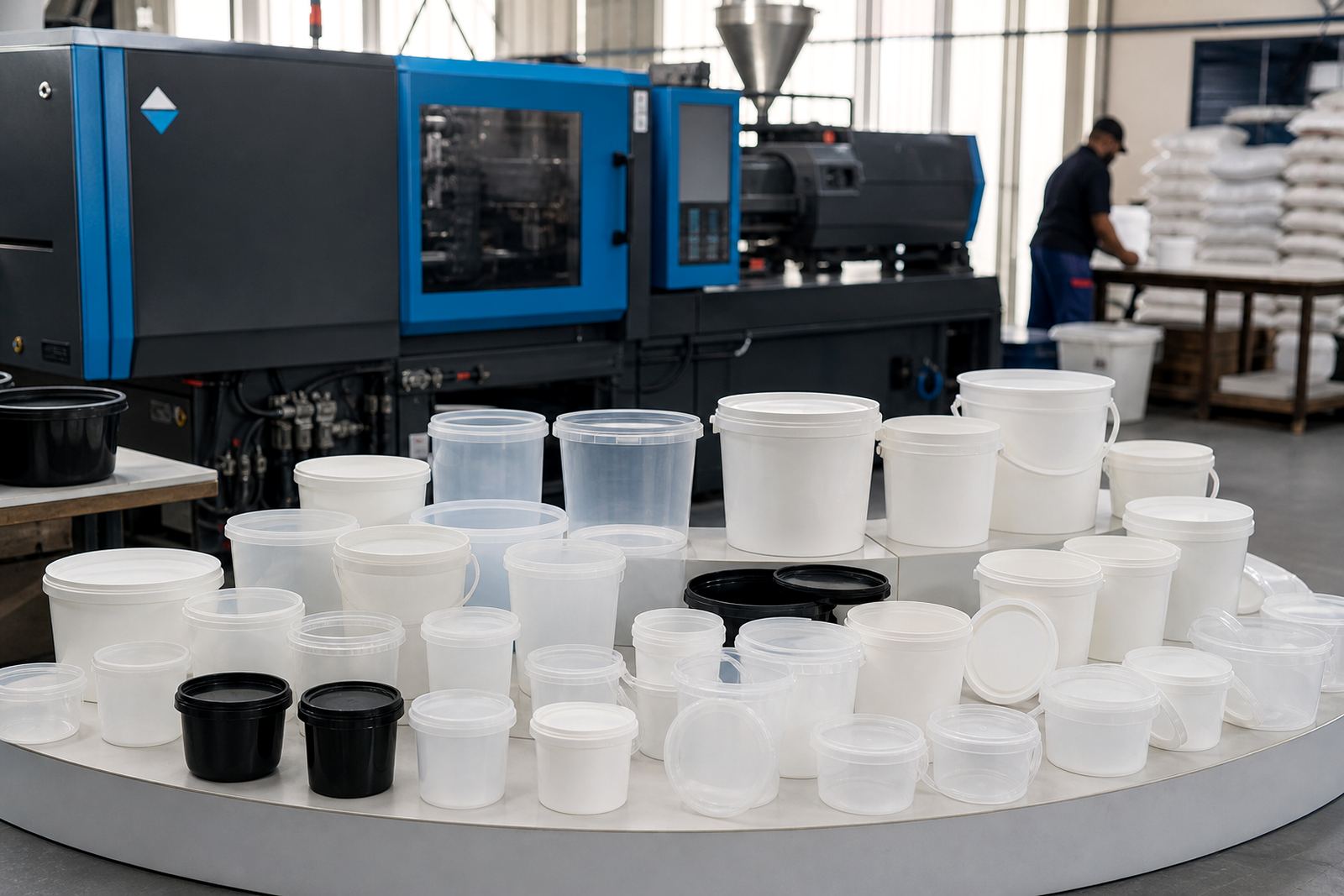
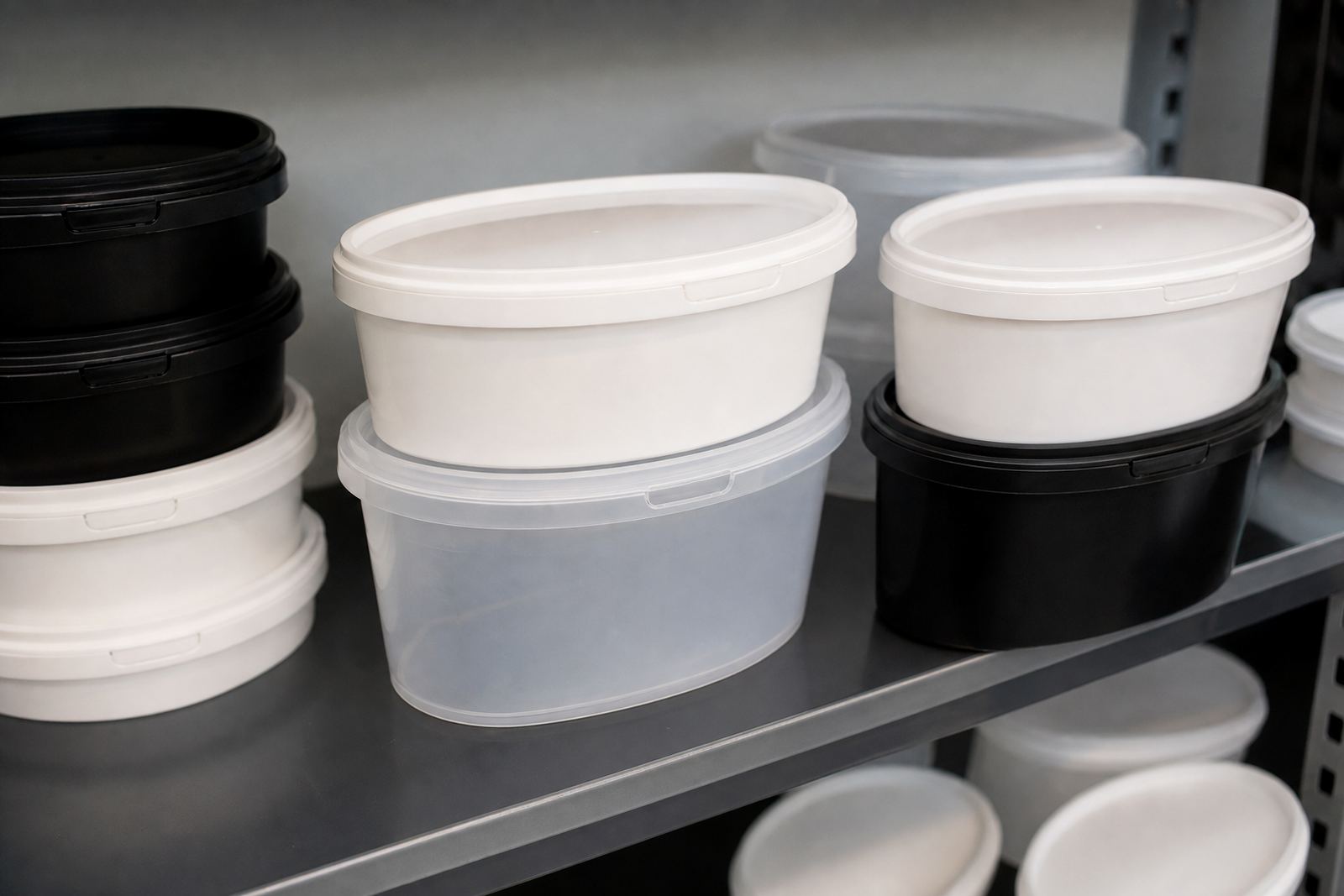
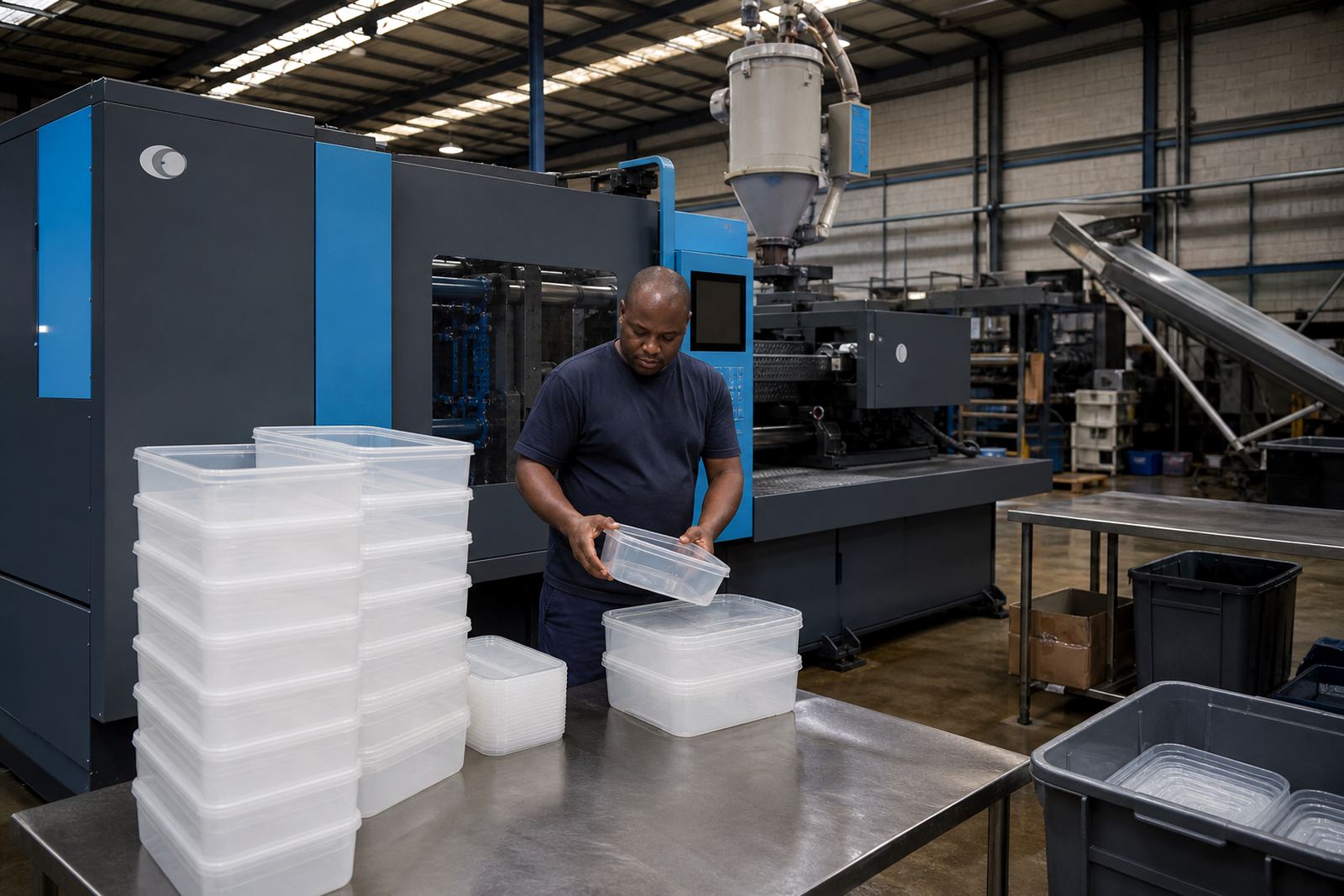
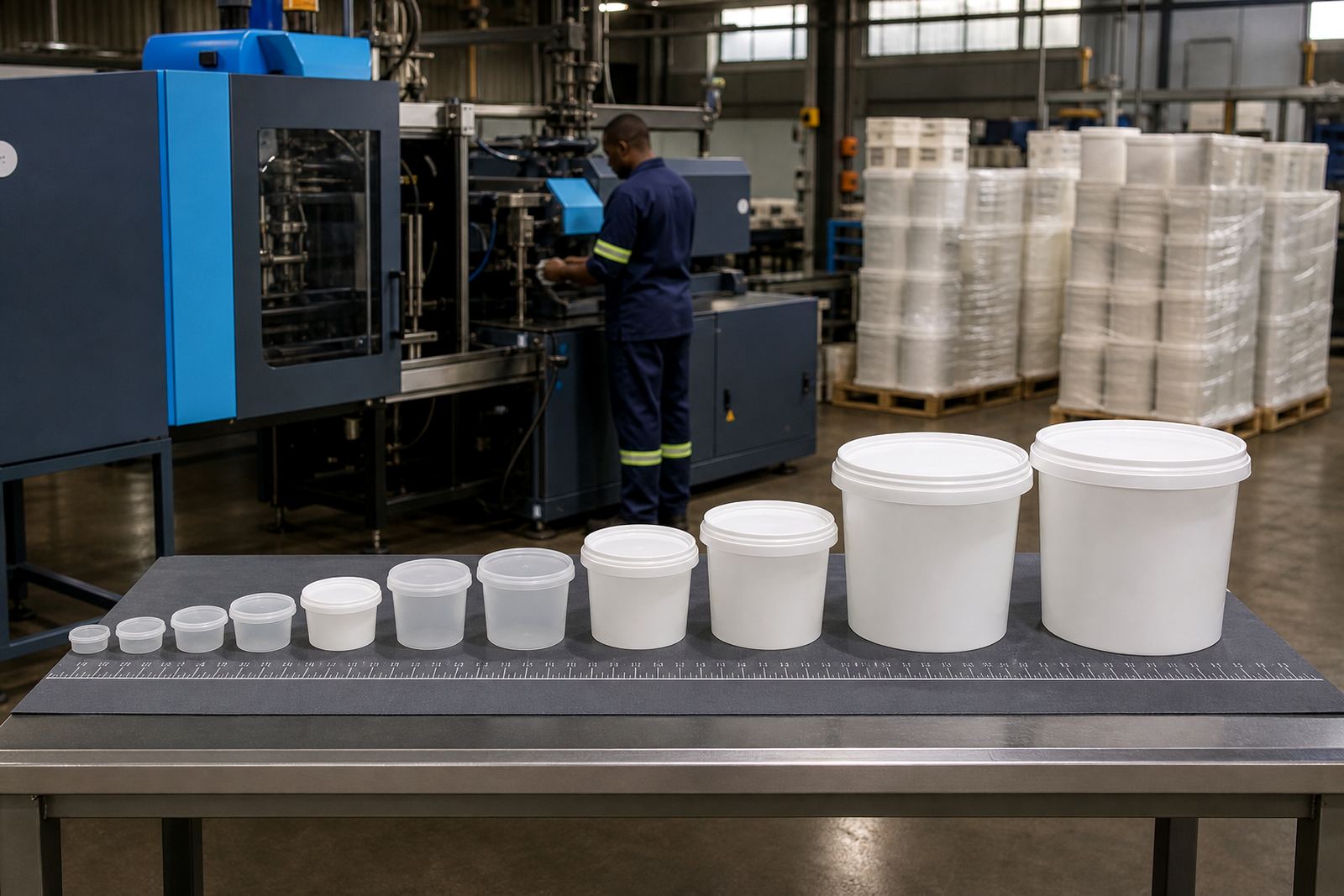
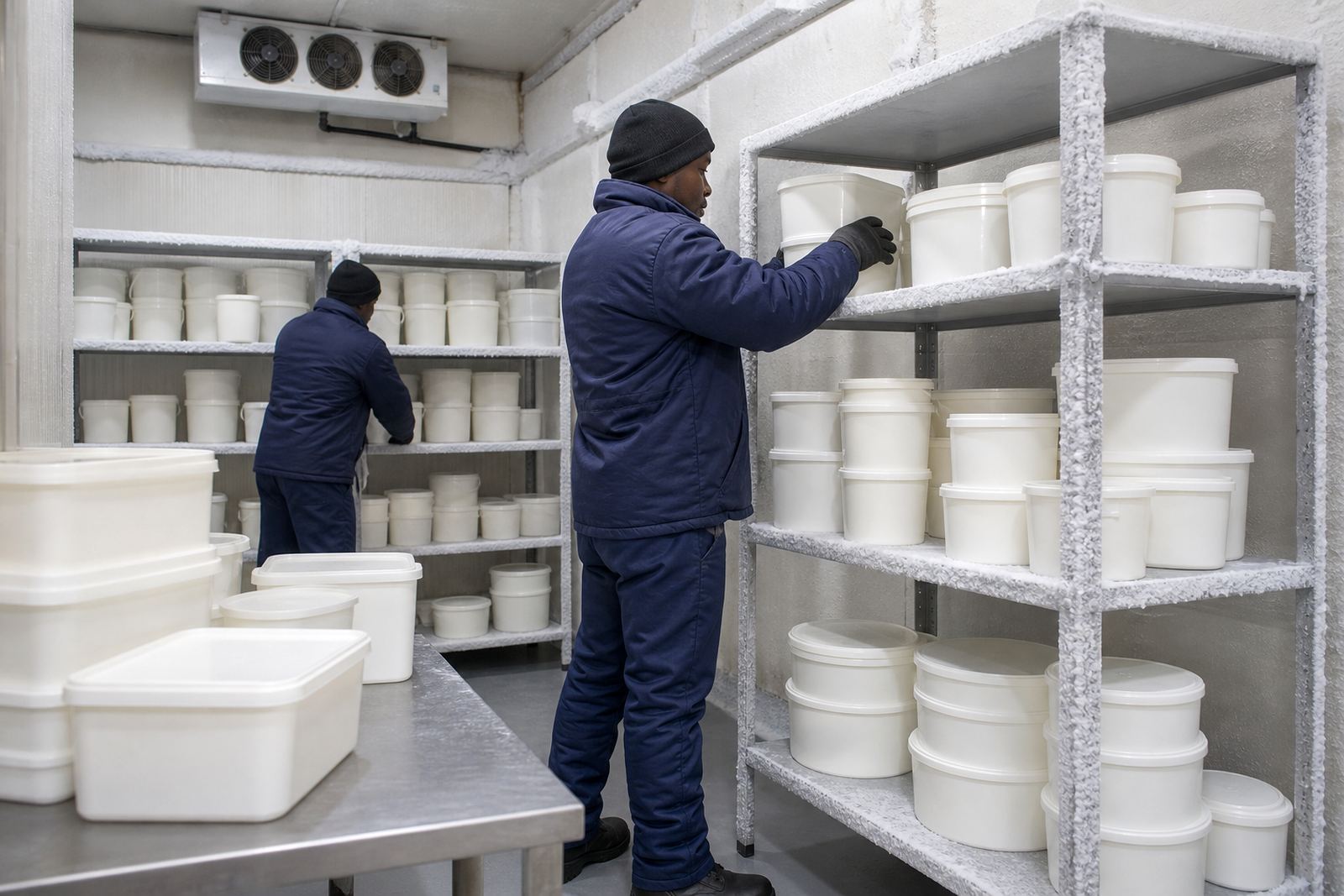
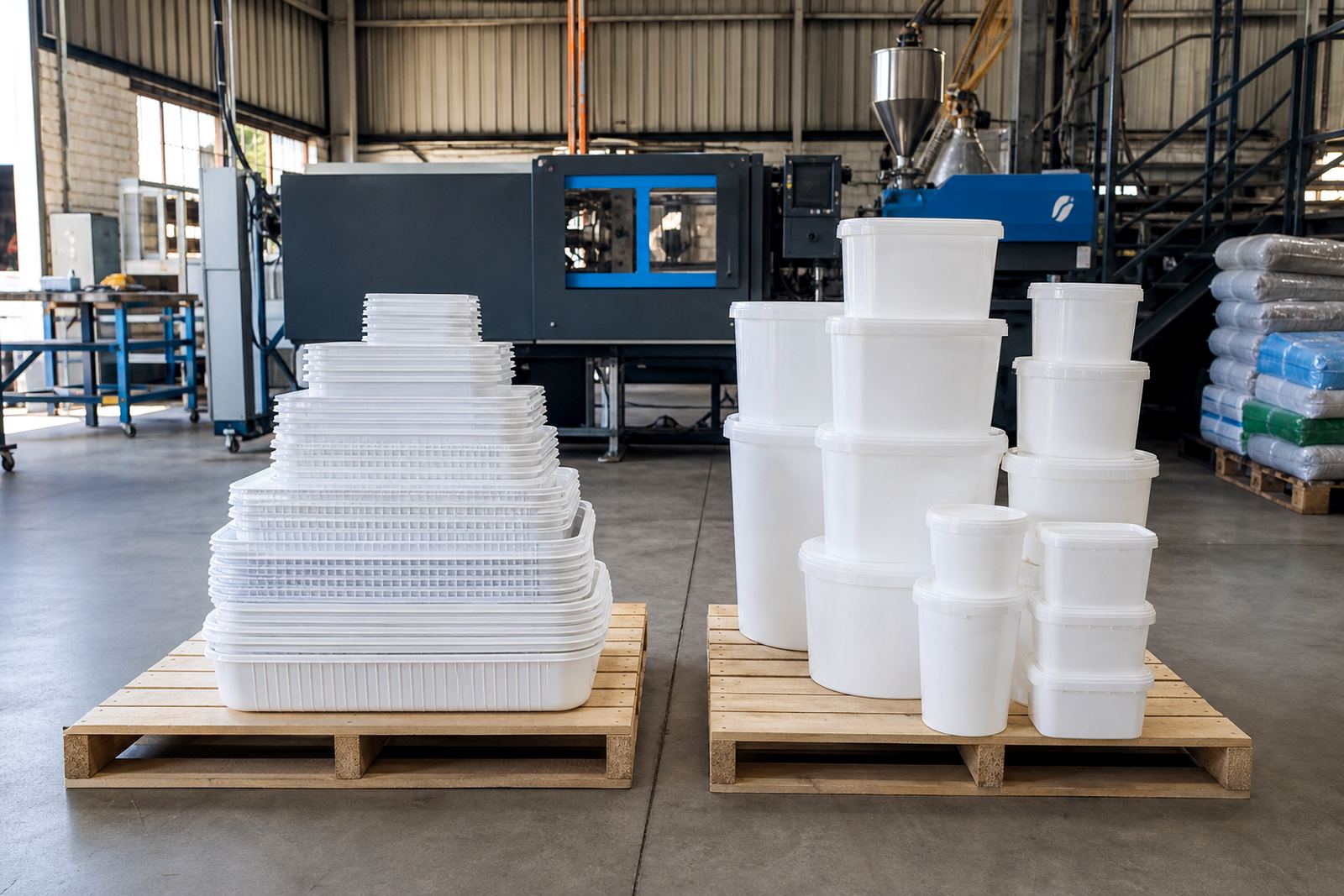
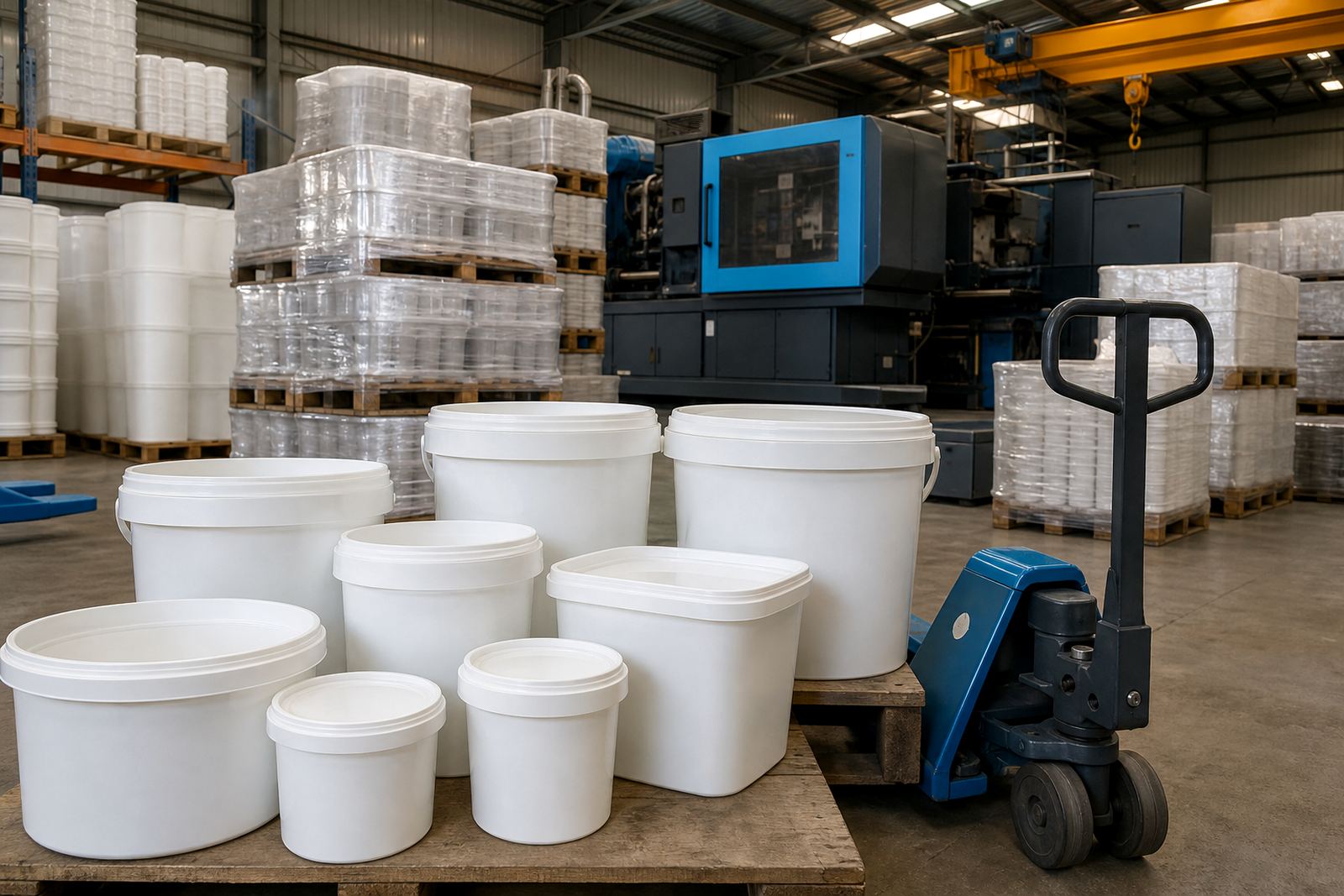
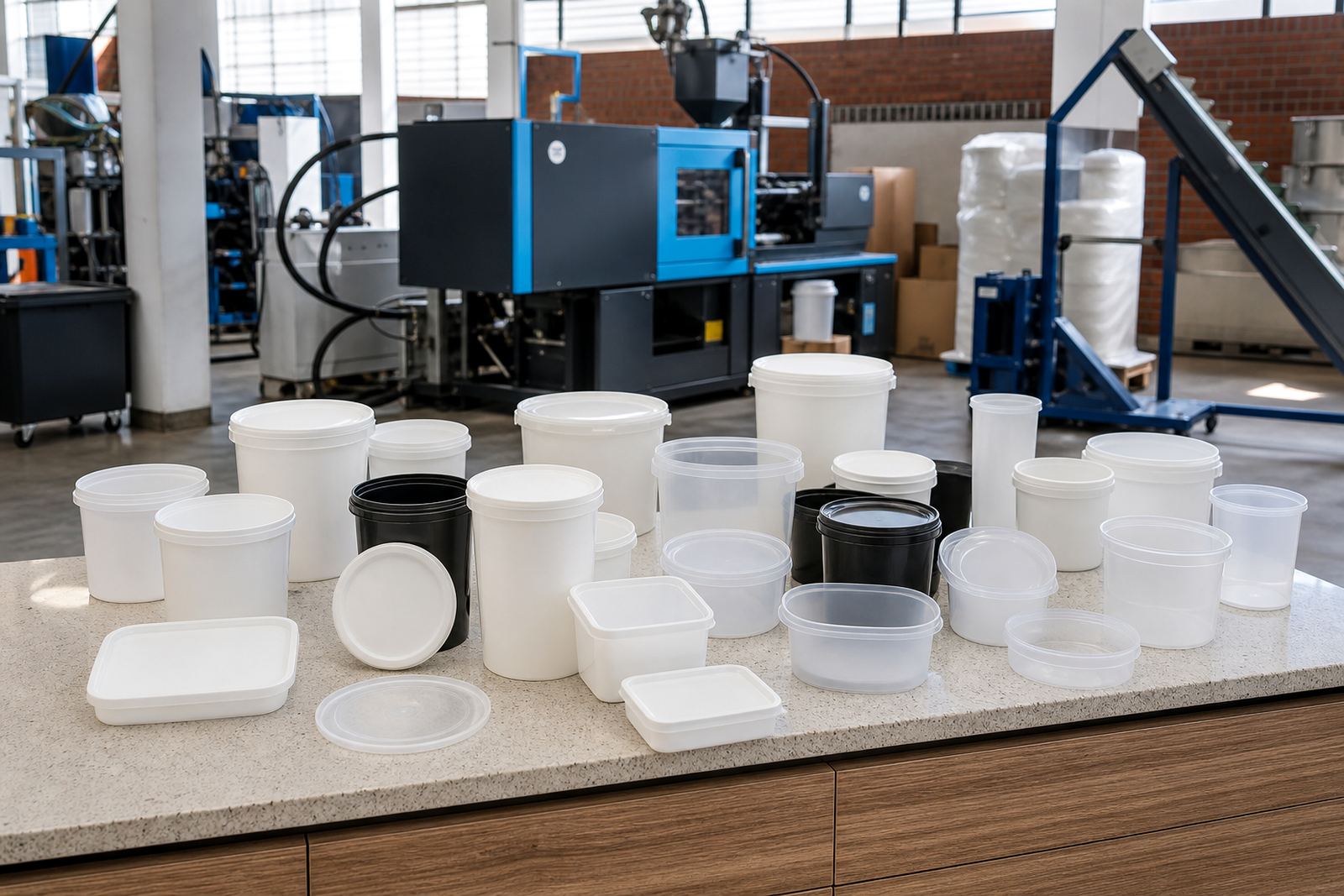
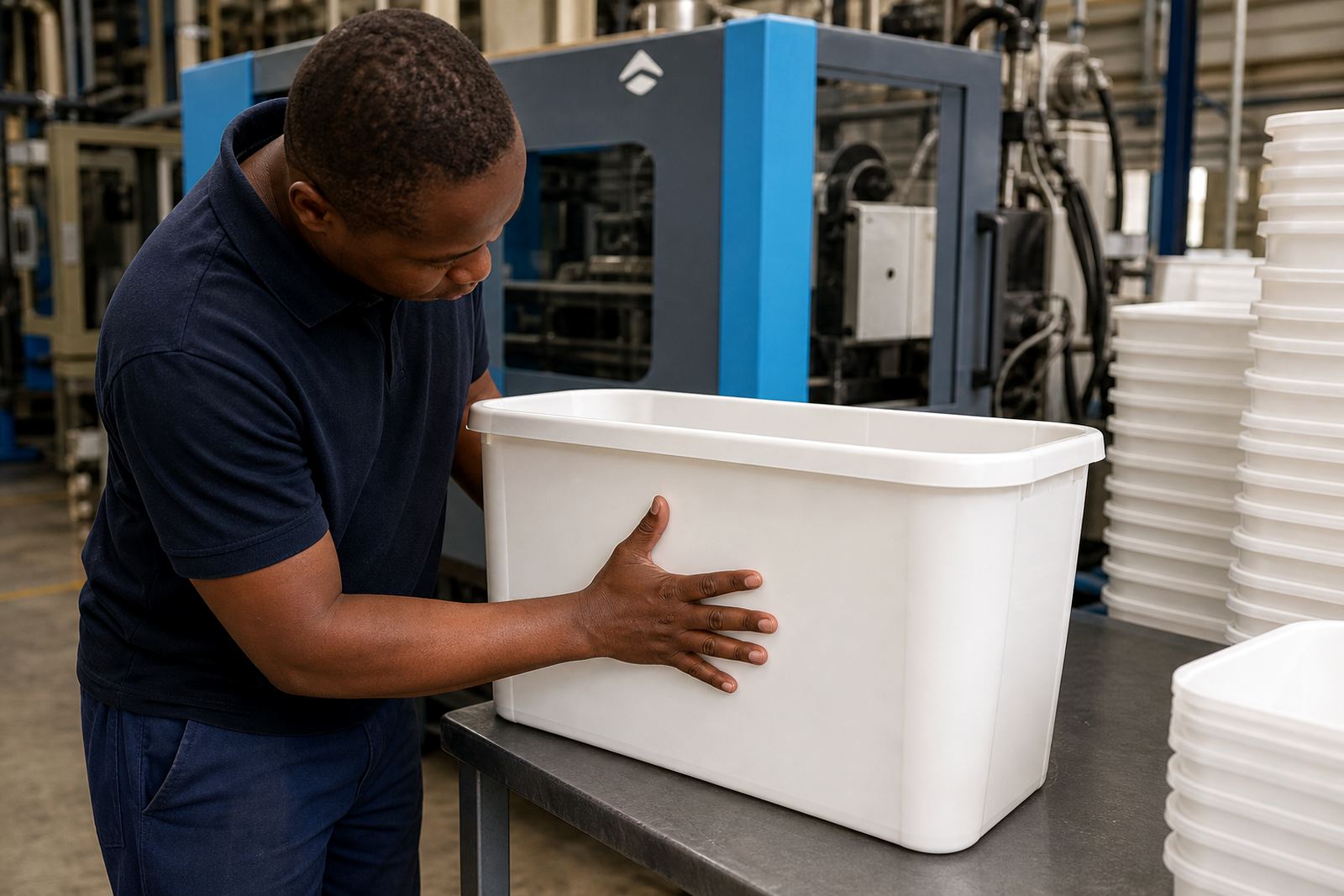
Injection-moulded tubs are used for many pack sizes, from small cosmetic fills to larger food service packs. The shape matters because it affects filling, stacking, label space and how neatly the container runs through a line. Straight-sided tubs are easier to stack, while more tapered forms can release from the mould cleanly and nest well for storage. In Alrode and across Gauteng, many buyers ask for container shapes that fit existing carton sizes and cold room shelving without wasted space.
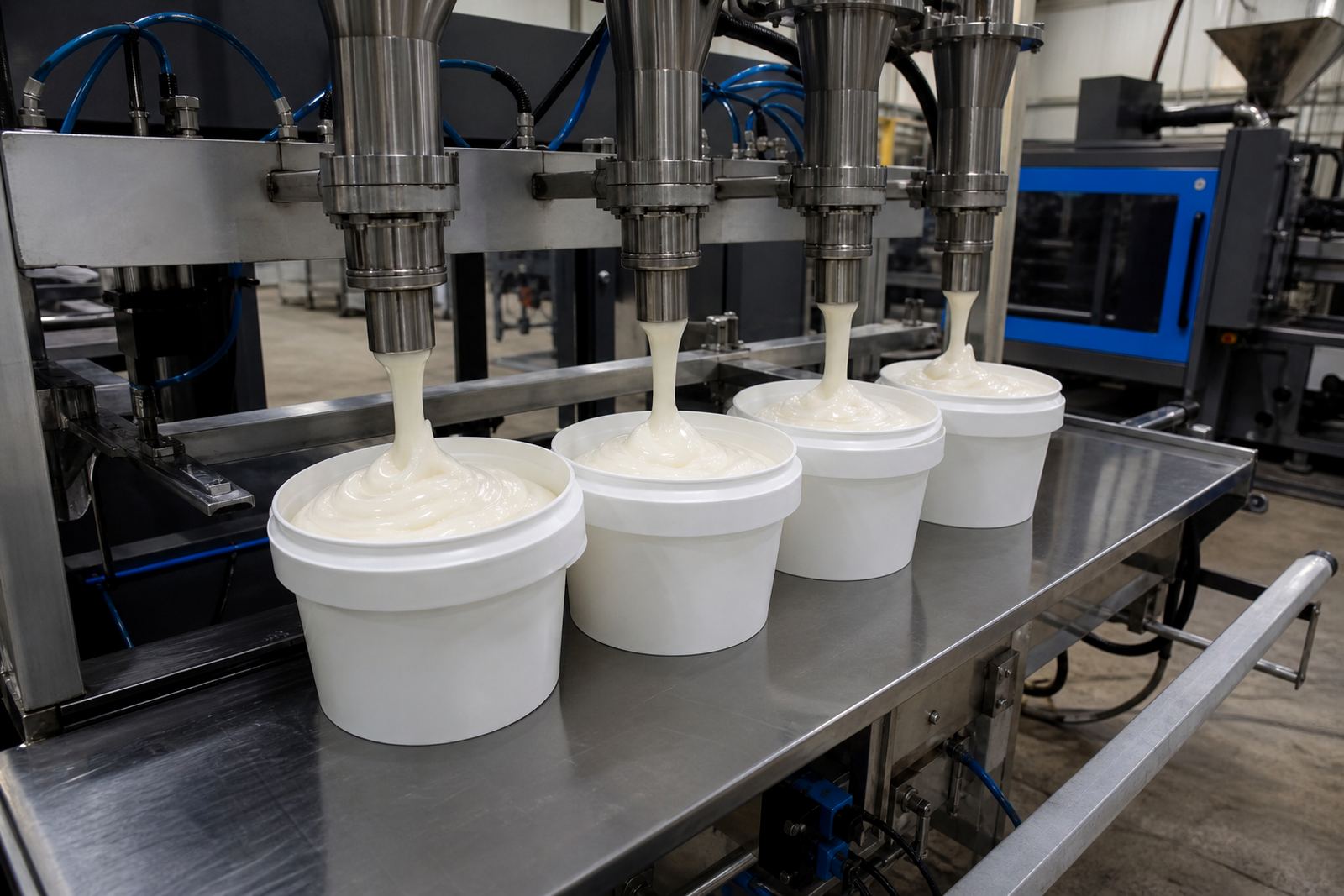
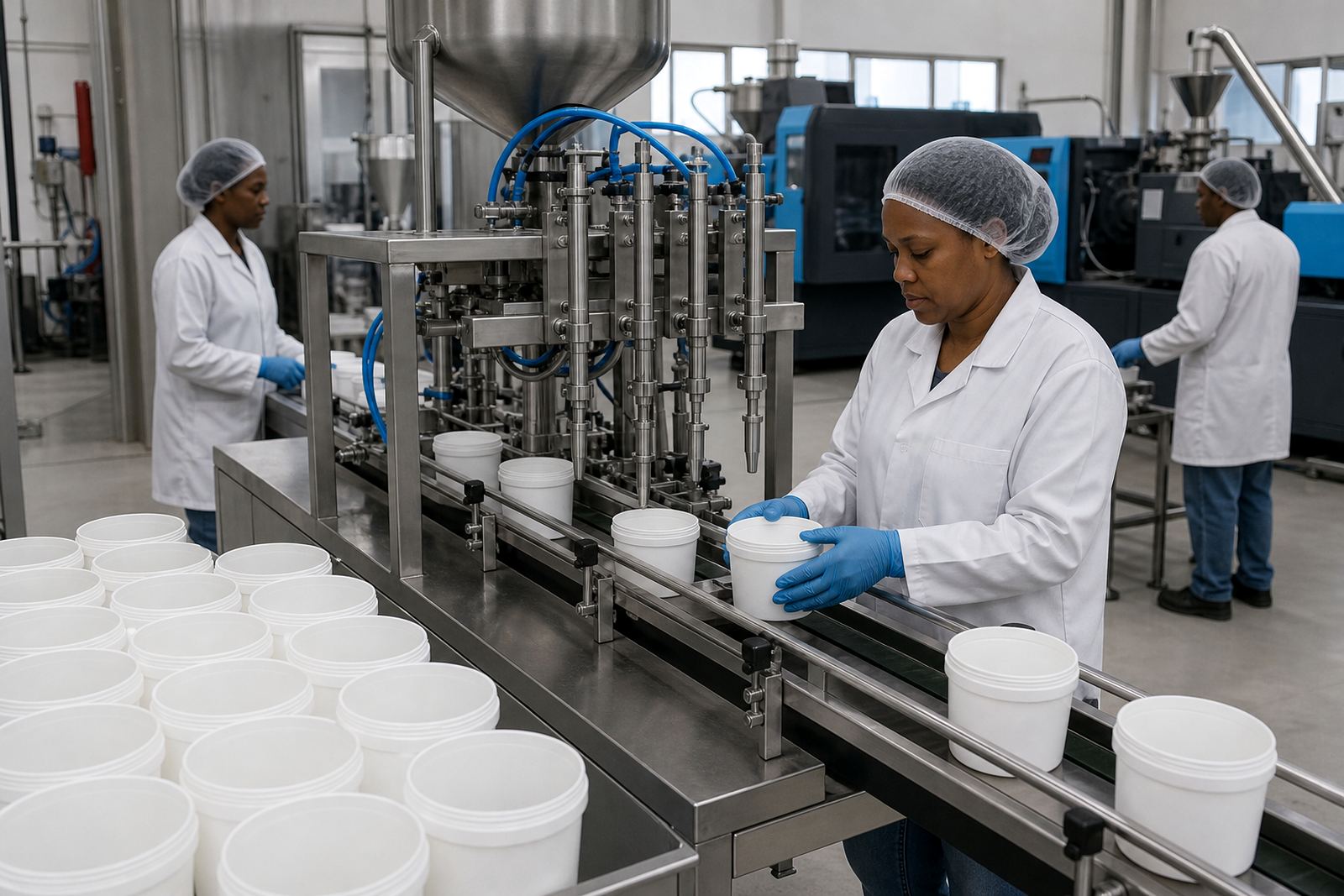
For a filling line, the rim profile and side wall stiffness matter just as much as the overall volume. A tub that flexes too much can make lid closing uneven, while a shape with good wall support stays predictable during packing. We also look at hand grip, tamper evidence and how the finished pack behaves in transport on rough roads, especially when pallets move between Johannesburg, Durban and Cape Town.
- Choose the volume that matches the net weight, not just the product height.
- Check whether the pack needs nesting, stacking or stable shelf presentation.
- Match the rim and side wall to the closing method on the line.
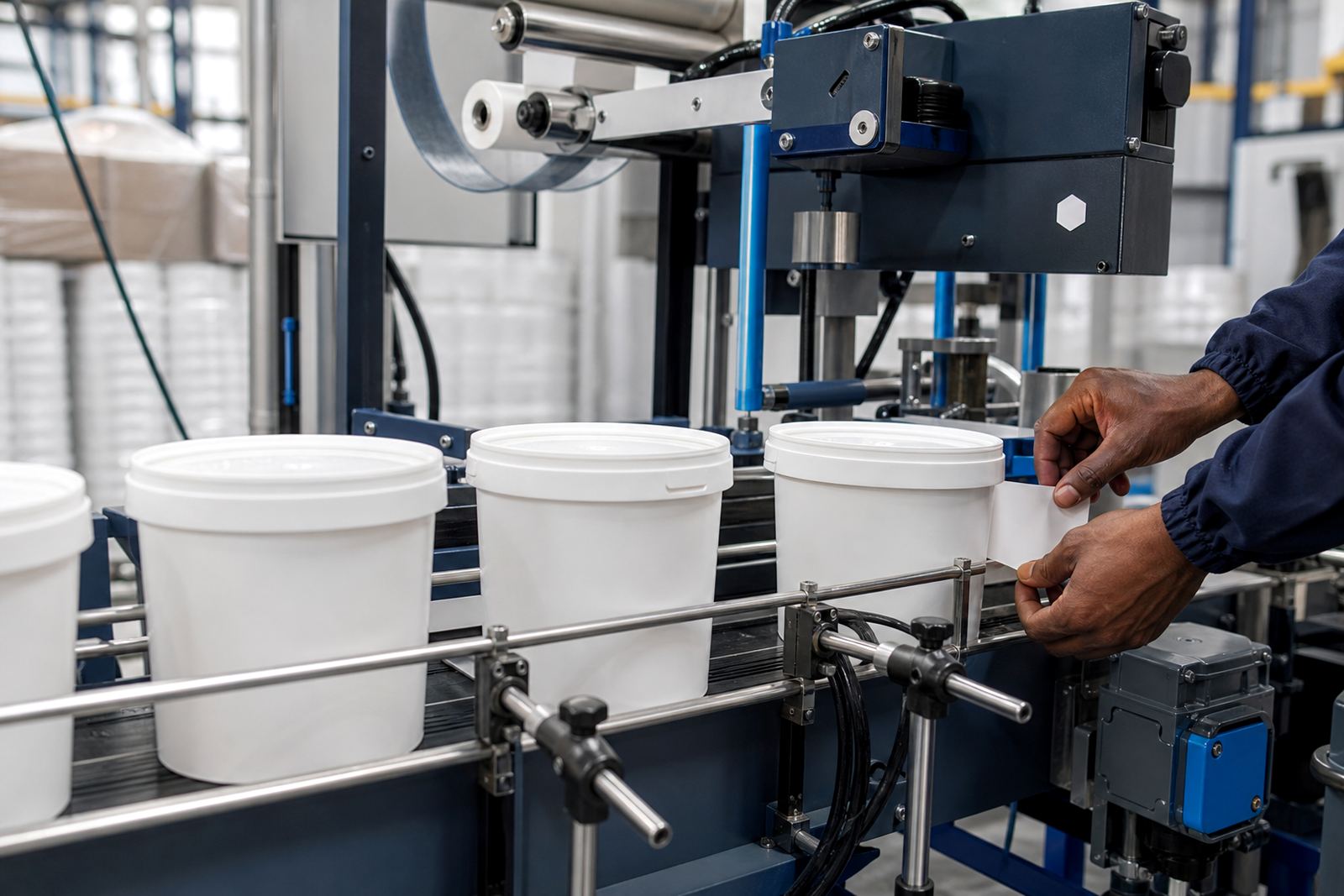
- Allow space for labels, batch codes and date marking.
Polypropylene And HDPE In Plain Terms
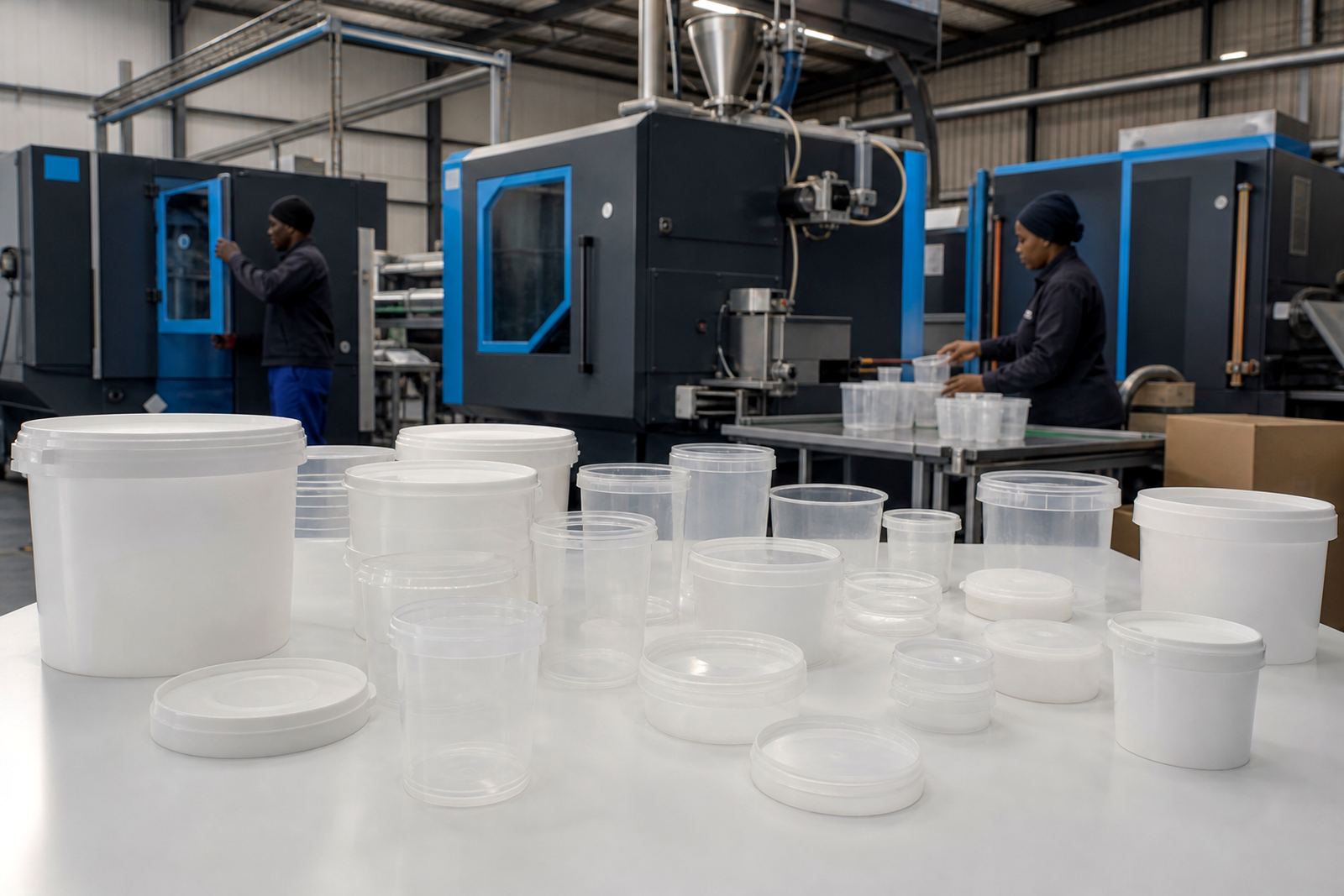
Polypropylene and HDPE are common materials for injection-moulded containers and tubs. Polypropylene is often selected where a firmer feel and good heat tolerance are useful. HDPE is valued for impact resistance and a slightly different surface finish, which can suit many food and personal care packs. The right choice depends on the product, the filling method and how the pack will be stored in South African conditions, including warm inland warehouses and humid coastal depots.
Material choice is not only about the container itself. It affects lid fit, seal performance and how the pack behaves after stacking or transport. Clear product handling notes from the production team help avoid guessing later on the line. For pharmaceutical and cosmetic packers, a tidy pack profile and consistent mould finish can make the full run easier to manage.
- Polypropylene suits many tubs where rigidity and form retention matter.
- HDPE is often preferred where impact resistance is important.
- Material colour can be matched to the pack range, subject to the brief.
- Trial runs help confirm how the material behaves in real use.
Lids, Tamper Seals And The Close On The Line
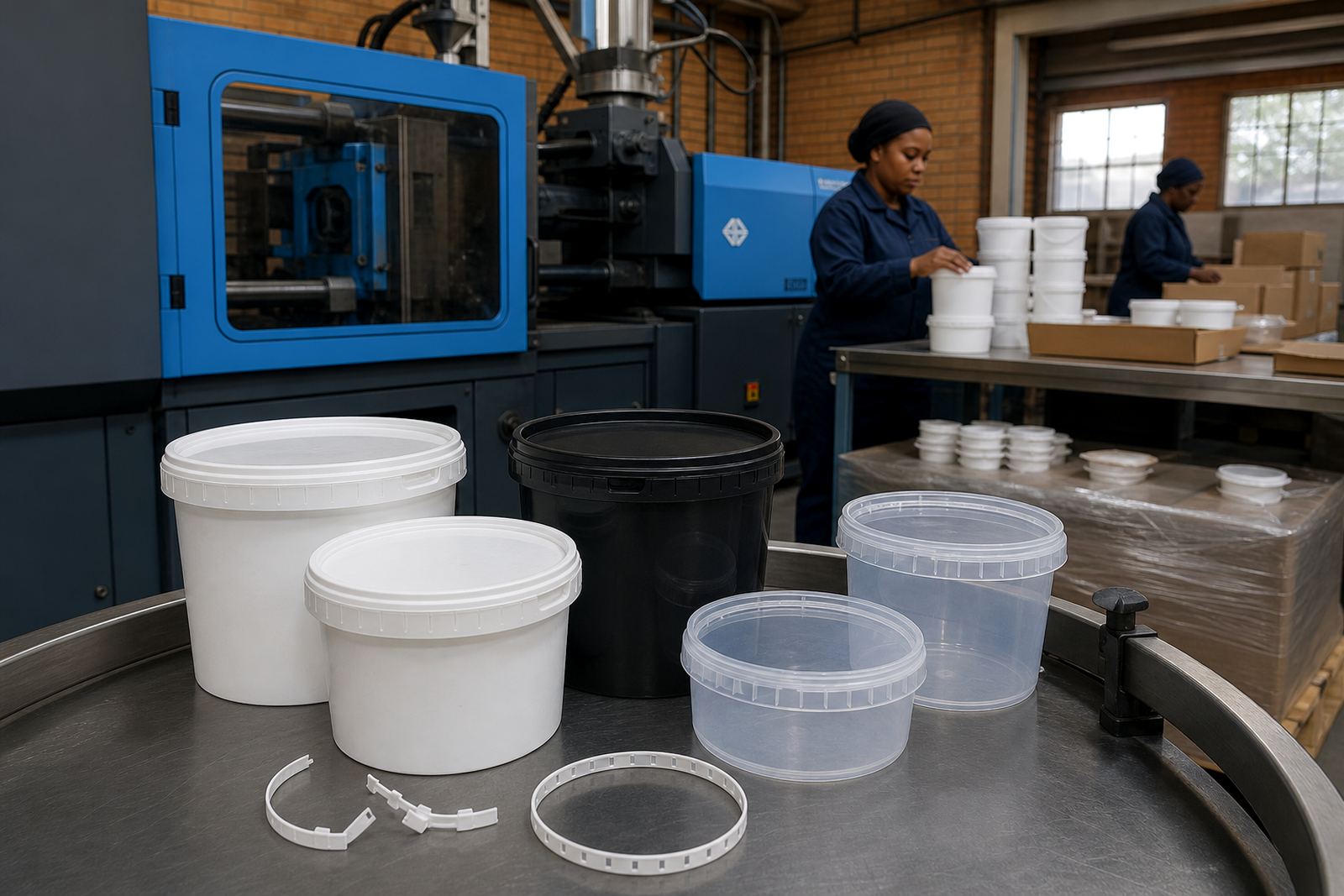
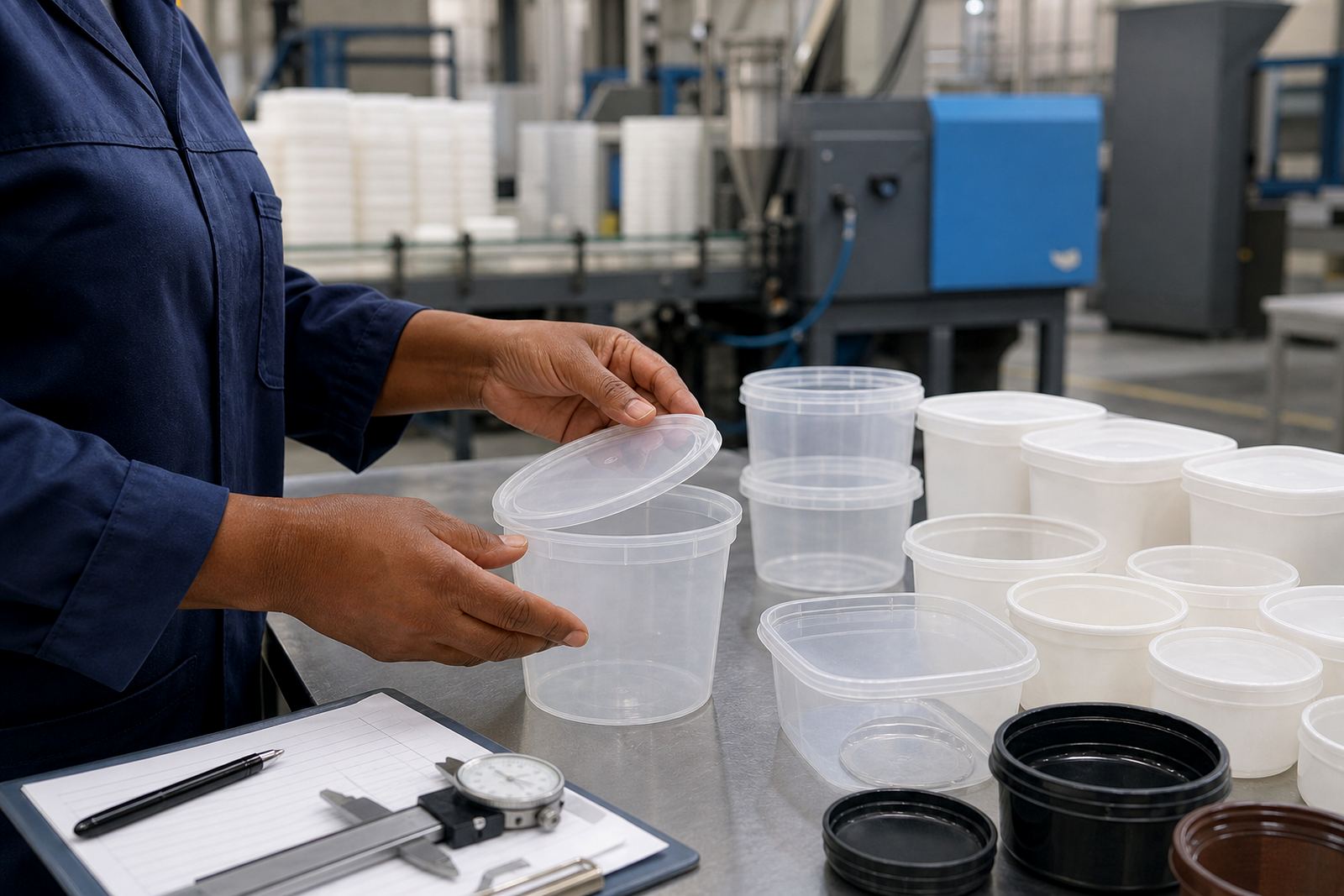
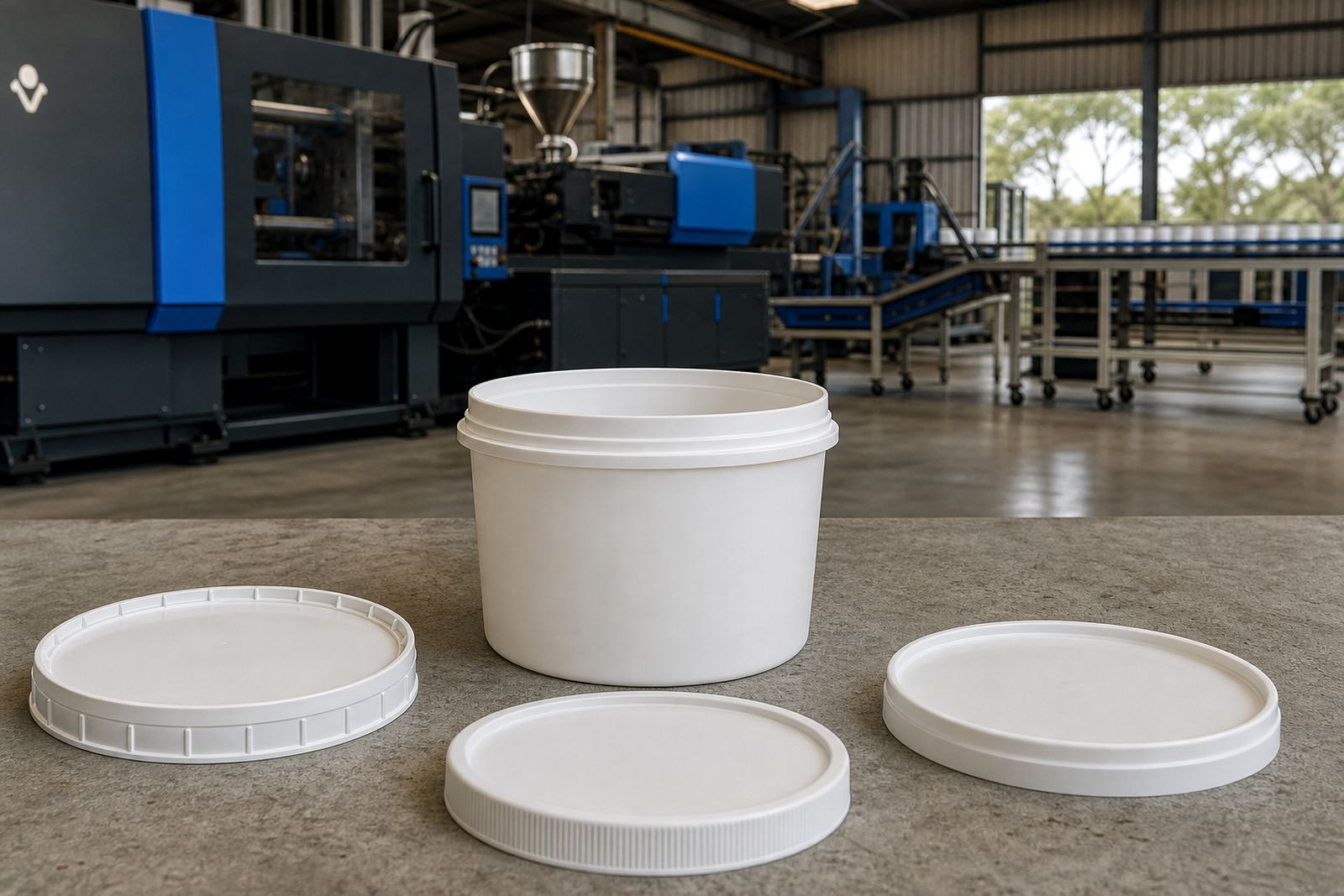
A lid must seal cleanly, sit evenly and open without damage to the rim. Tamper seals add a visible sign that the pack has not been opened, which is important for food, pharmaceutical and cosmetic goods moving through retail and distribution channels. The exact closure style depends on the container neck, the product fill and the level of protection needed during storage and transport.
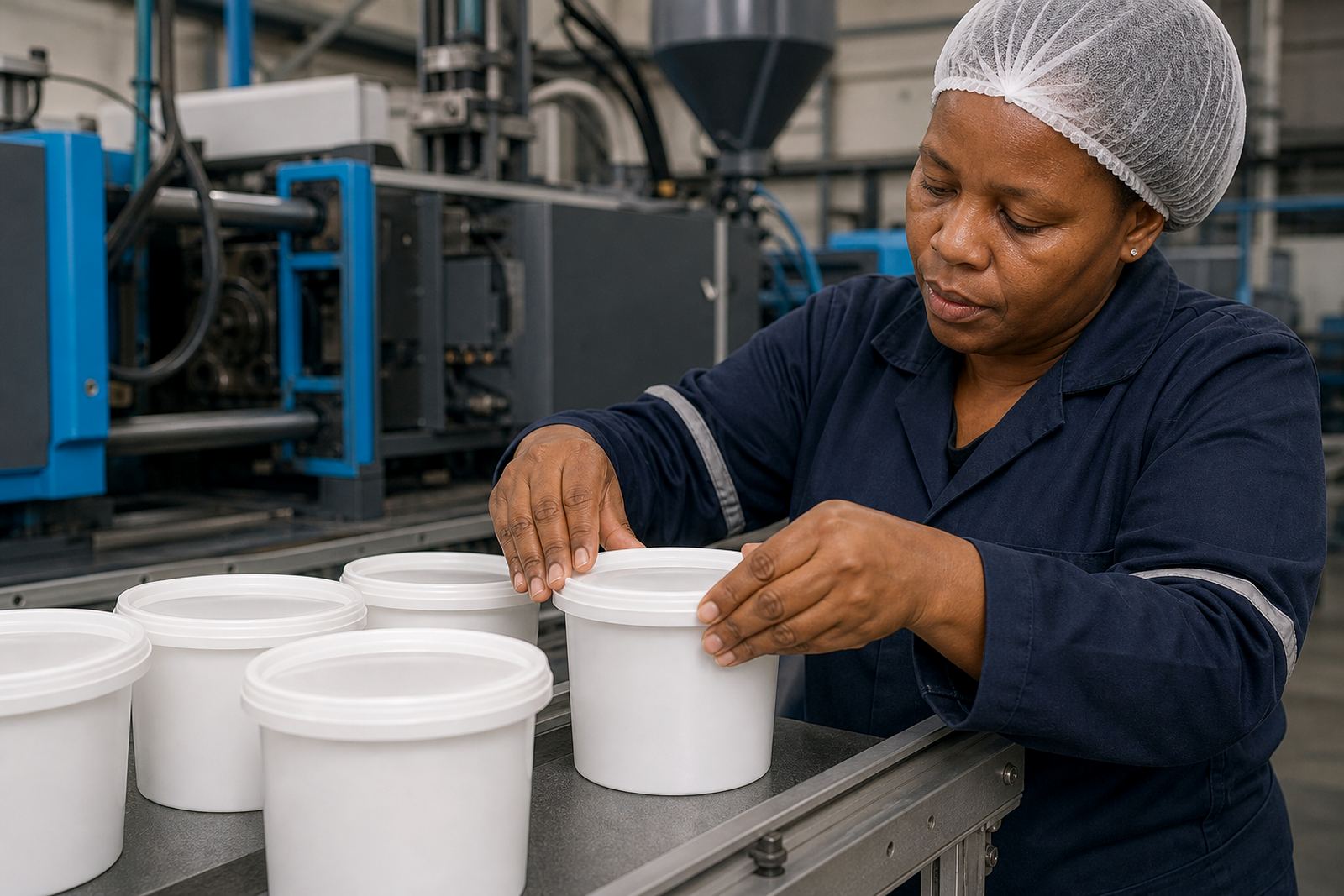
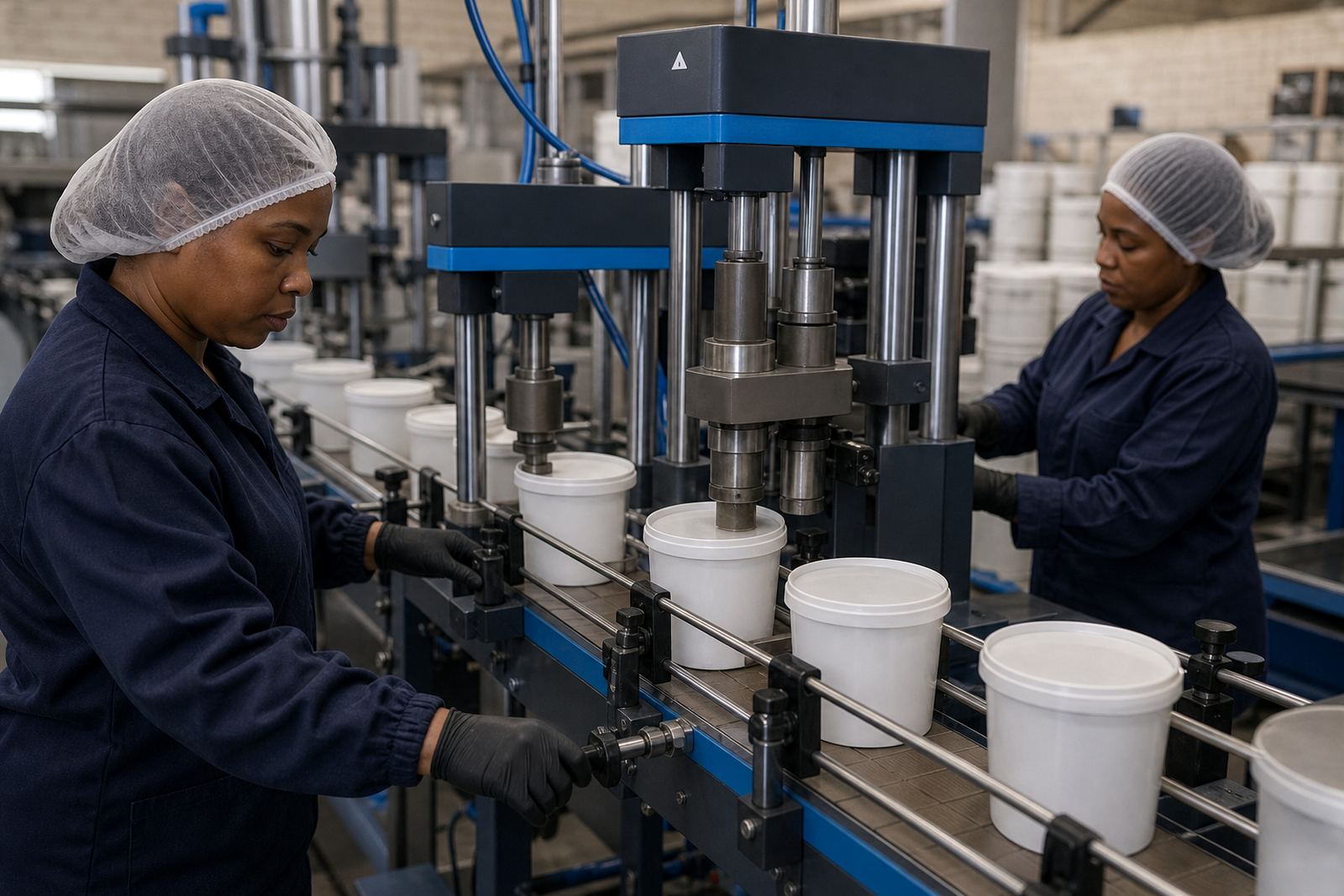
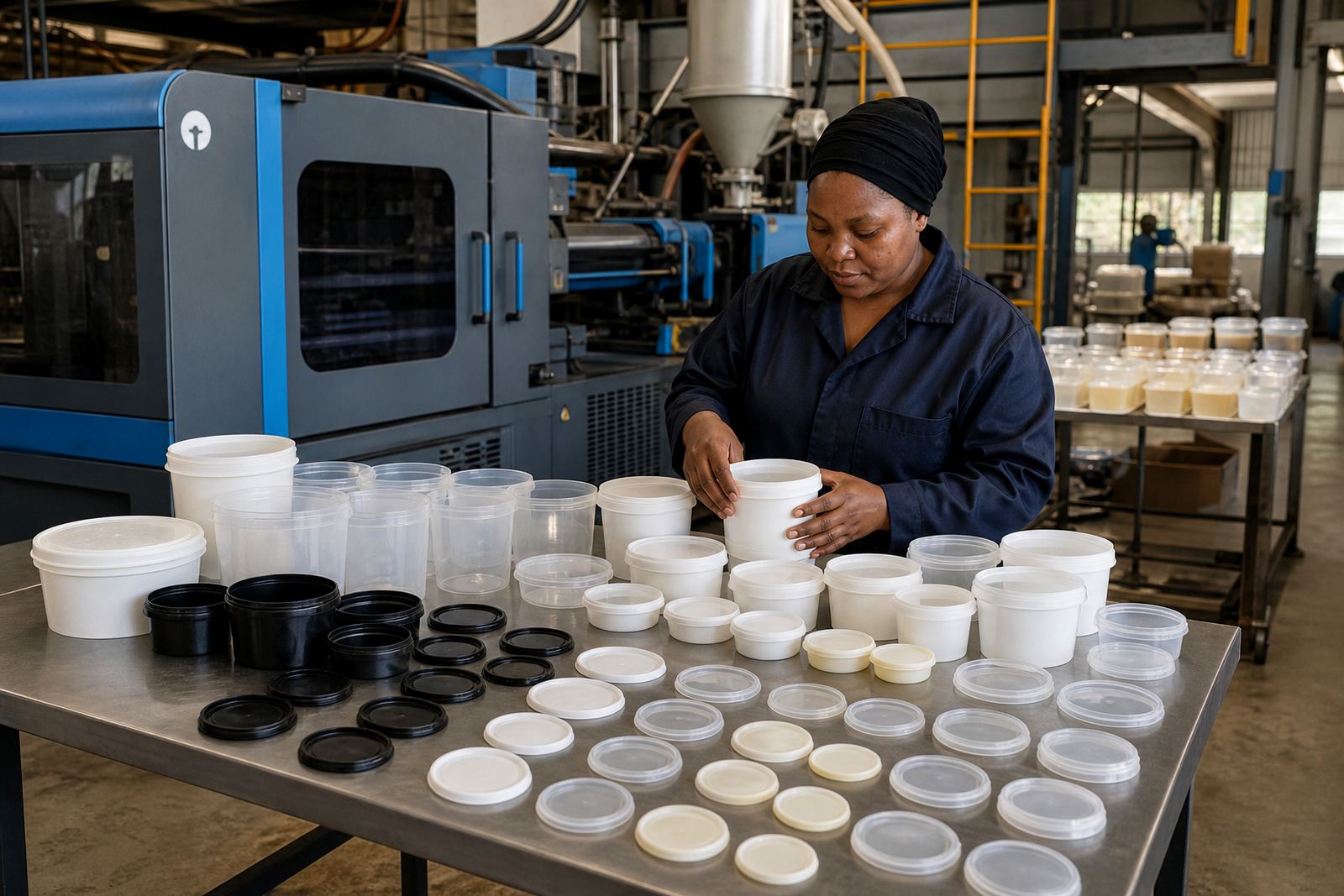
On a packing line, small differences in lid fit can slow the whole process. If the closure is too tight, the line may need extra pressure. If it is too loose, packs can fail in transit. That is why lid development and tamper seal design are often tested together, not as separate items. Our work includes line fit checks, so the pack suits the people actually closing it on a busy floor.
- Keep the lid profile consistent across the full pack range where possible.
- Test the seal feel during actual closing, not only by hand.
- Check that tamper evidence remains clear after stacking.
- Confirm whether the closure must be opened easily for repeat use.
Trial Runs Before A Full Production Run
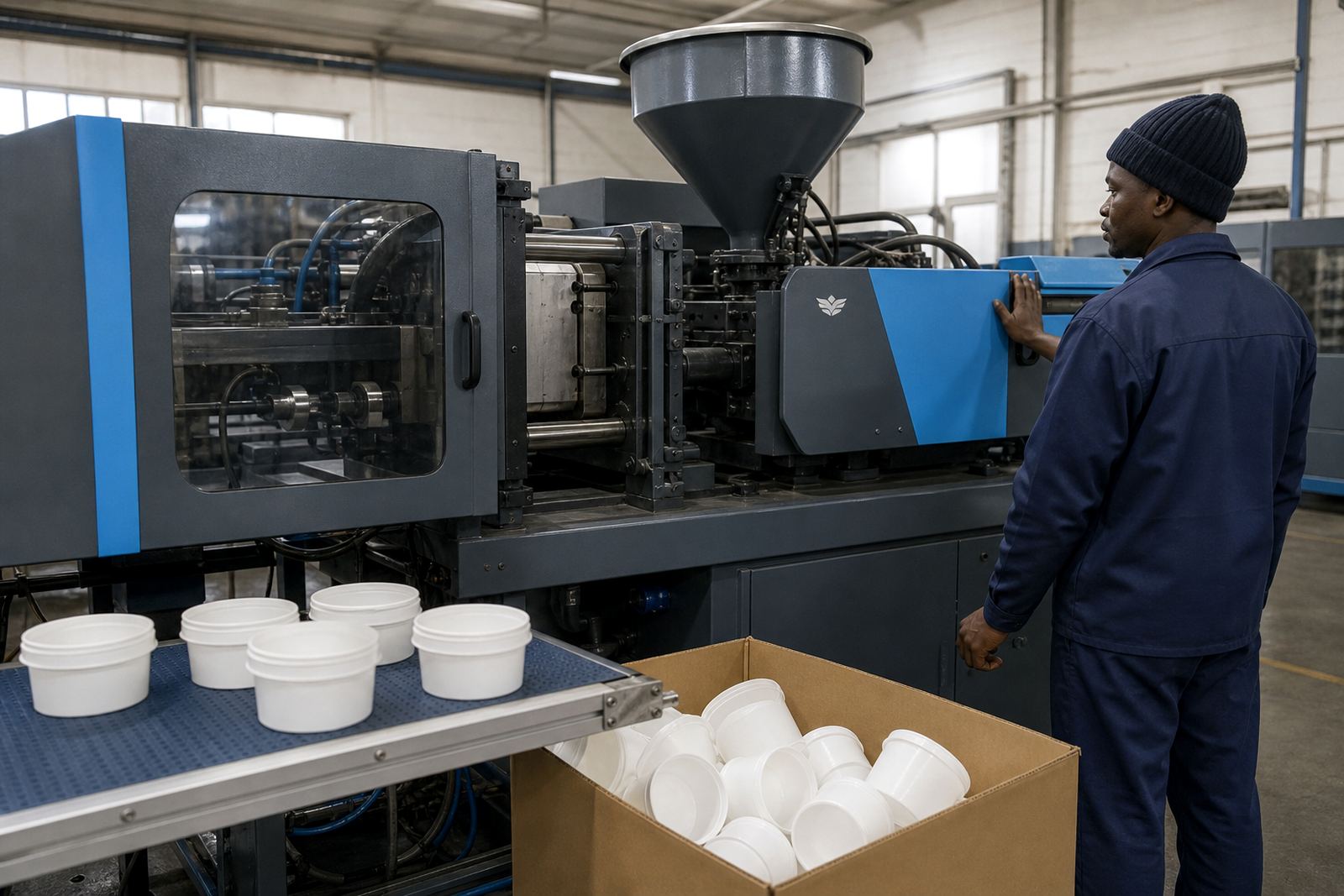
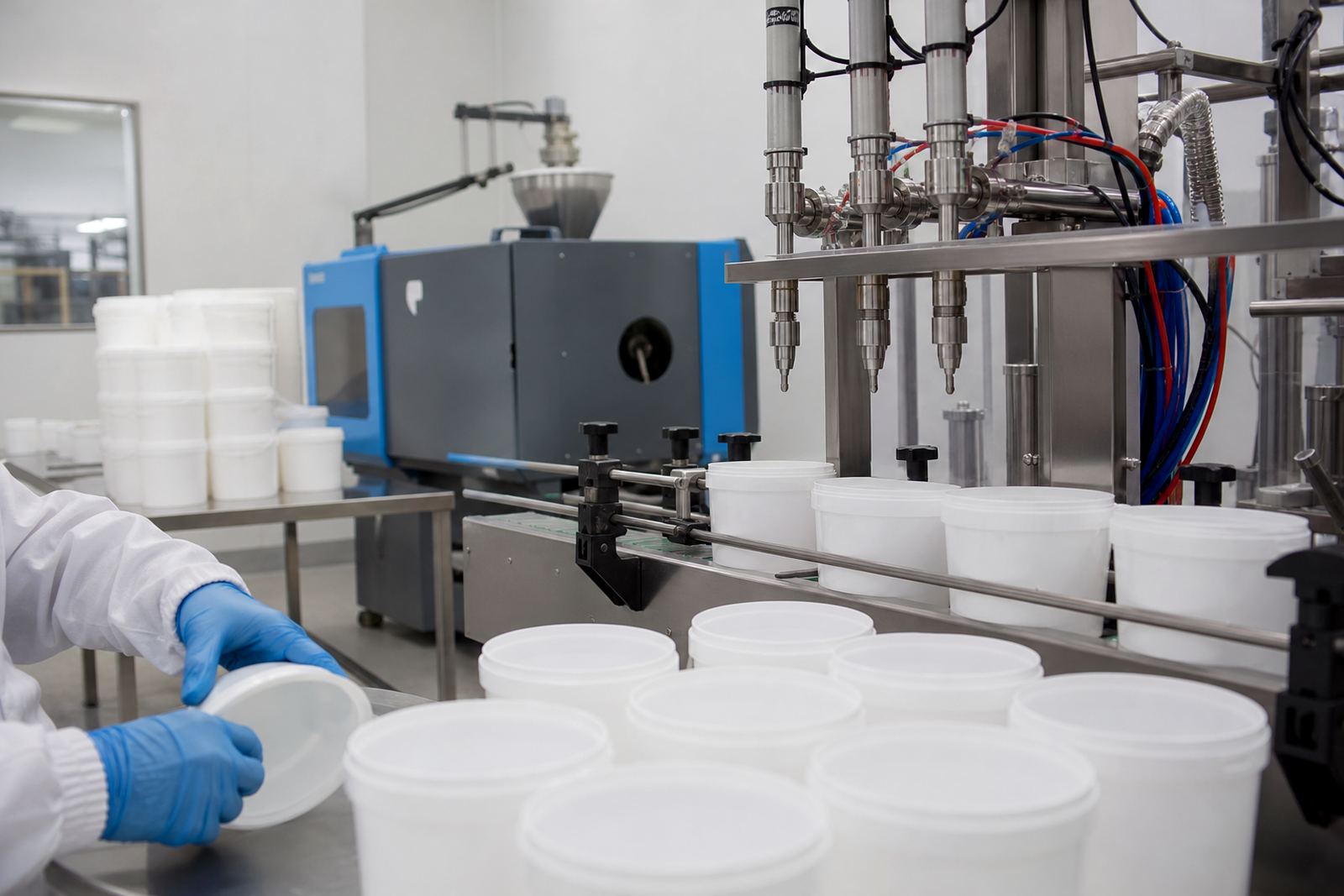
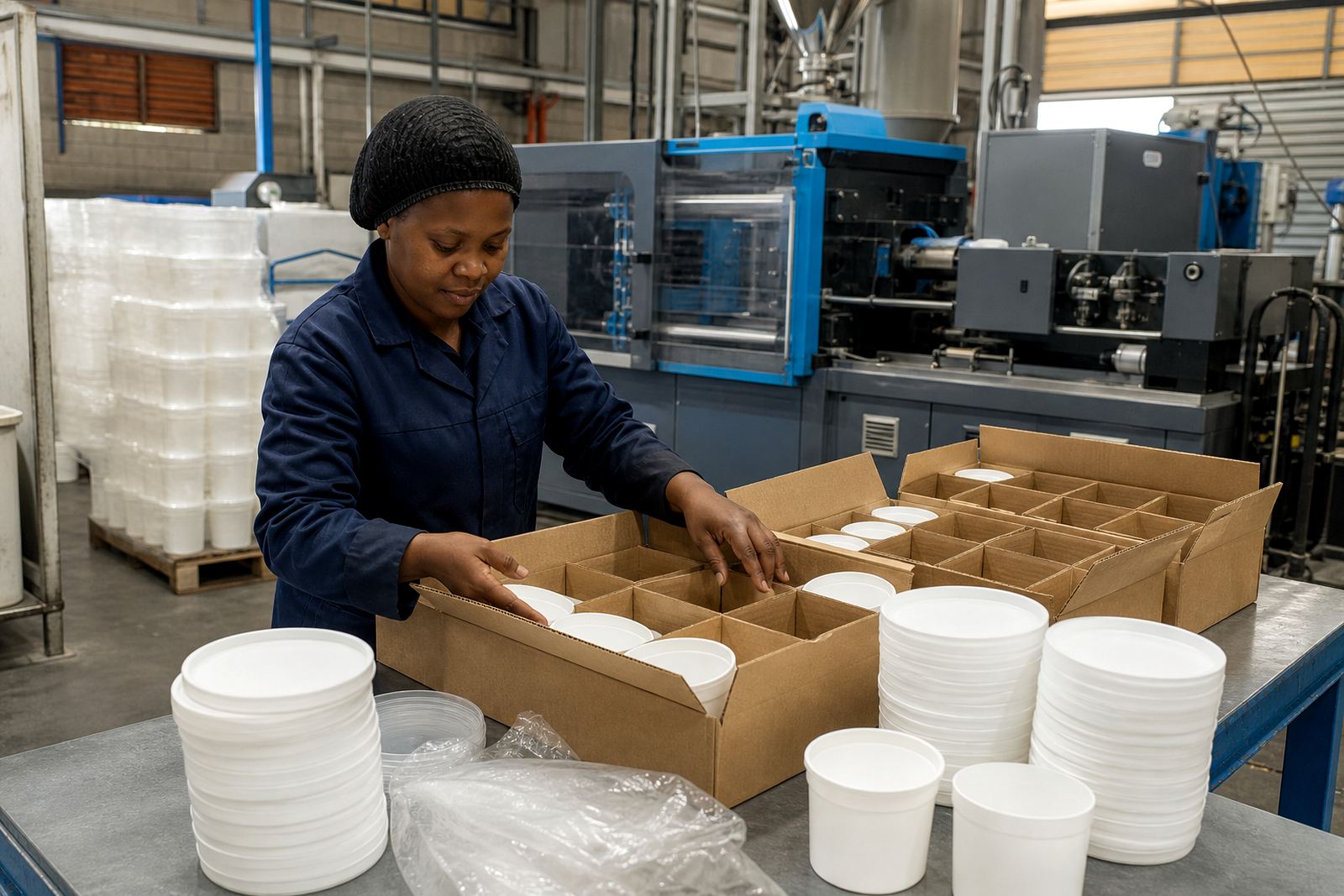
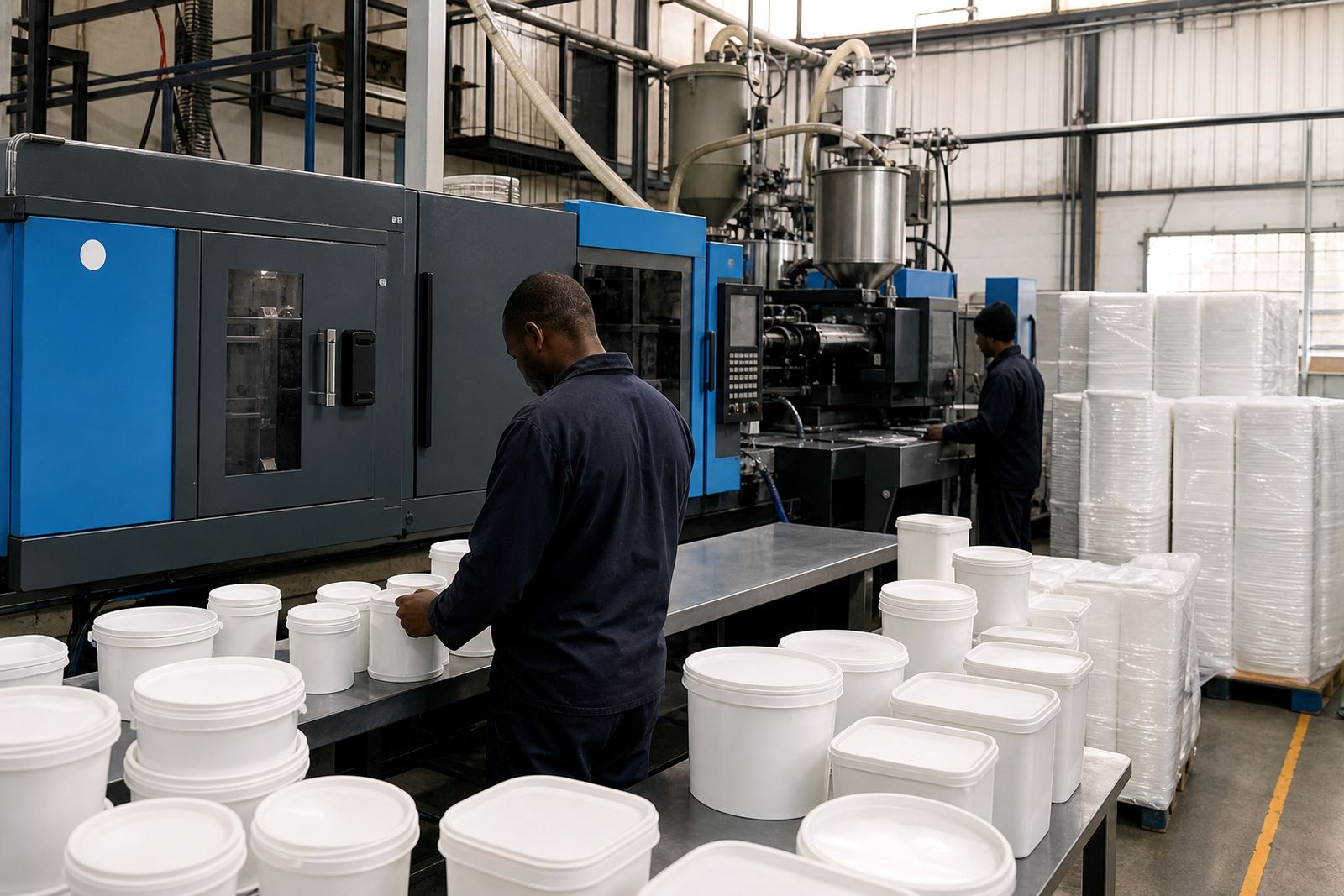
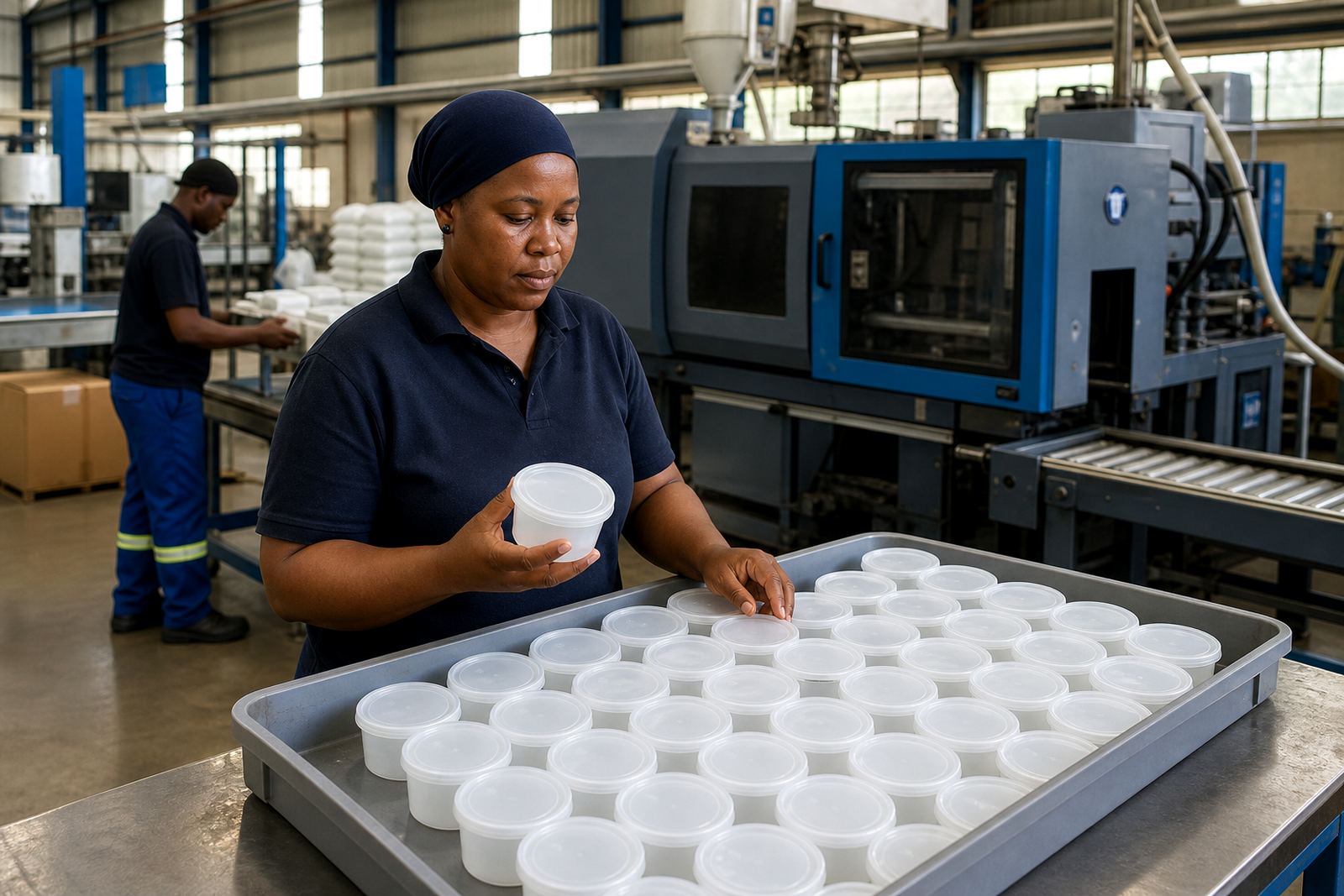
Trial production runs are useful when a new tub, lid or seal is being introduced. They show how the container behaves with the real product, real pack speed and the actual handling routine. A good trial can reveal issues with static, label position, nesting, fill height or how the container sits in cartons. It also helps production teams judge whether the selected material and wall thickness feel right for everyday use.
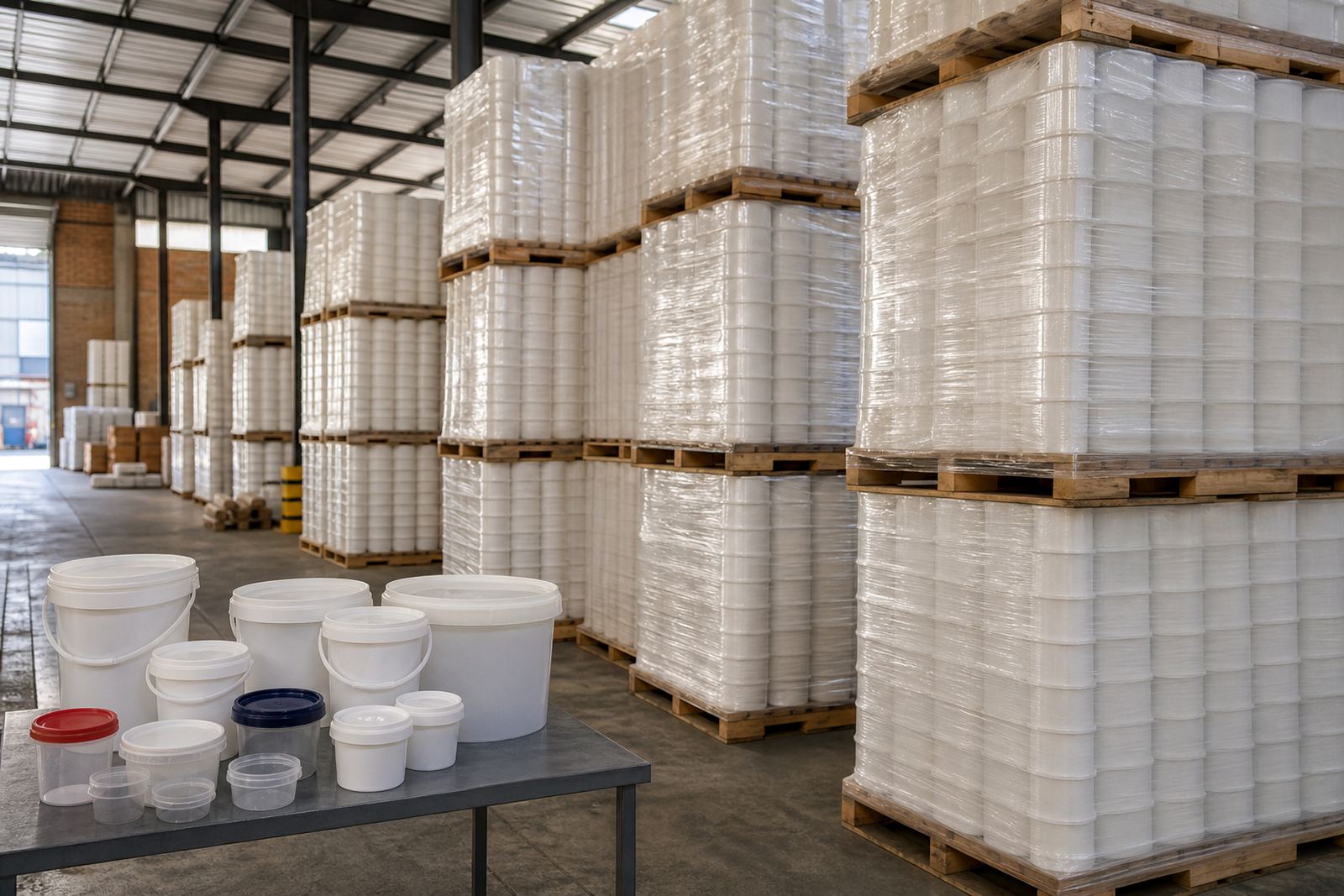
For local packers, trial runs are often the point where small changes save time later. A slightly deeper lid grip, a different rim detail or a cleaner colour match can make the finished pack work better across several sites. If stock planning is part of the brief, the trial stage also helps with ordering patterns and secondary packing advice for bulk dispatch.
Colour, Branding And Batch Control Without Fuss
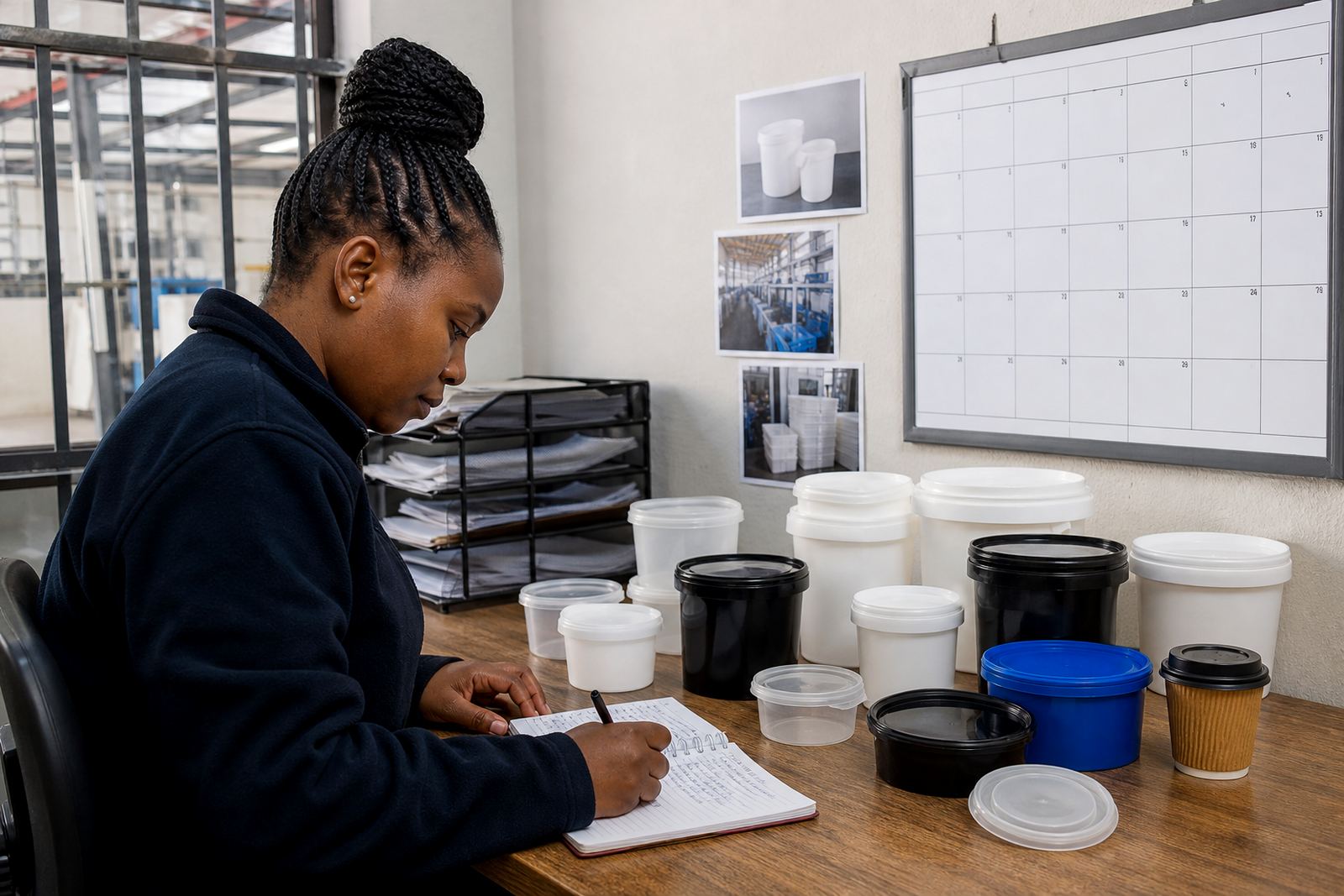
Colour matching guidance is useful when a pack family needs a consistent shelf presence. The aim is not decoration for its own sake, but a finish that stays clear across different runs and pack sizes. For some buyers, a neutral natural tub works well. Others need a specific colour to separate product lines, support flavour coding or keep a cosmetic range tidy on display.
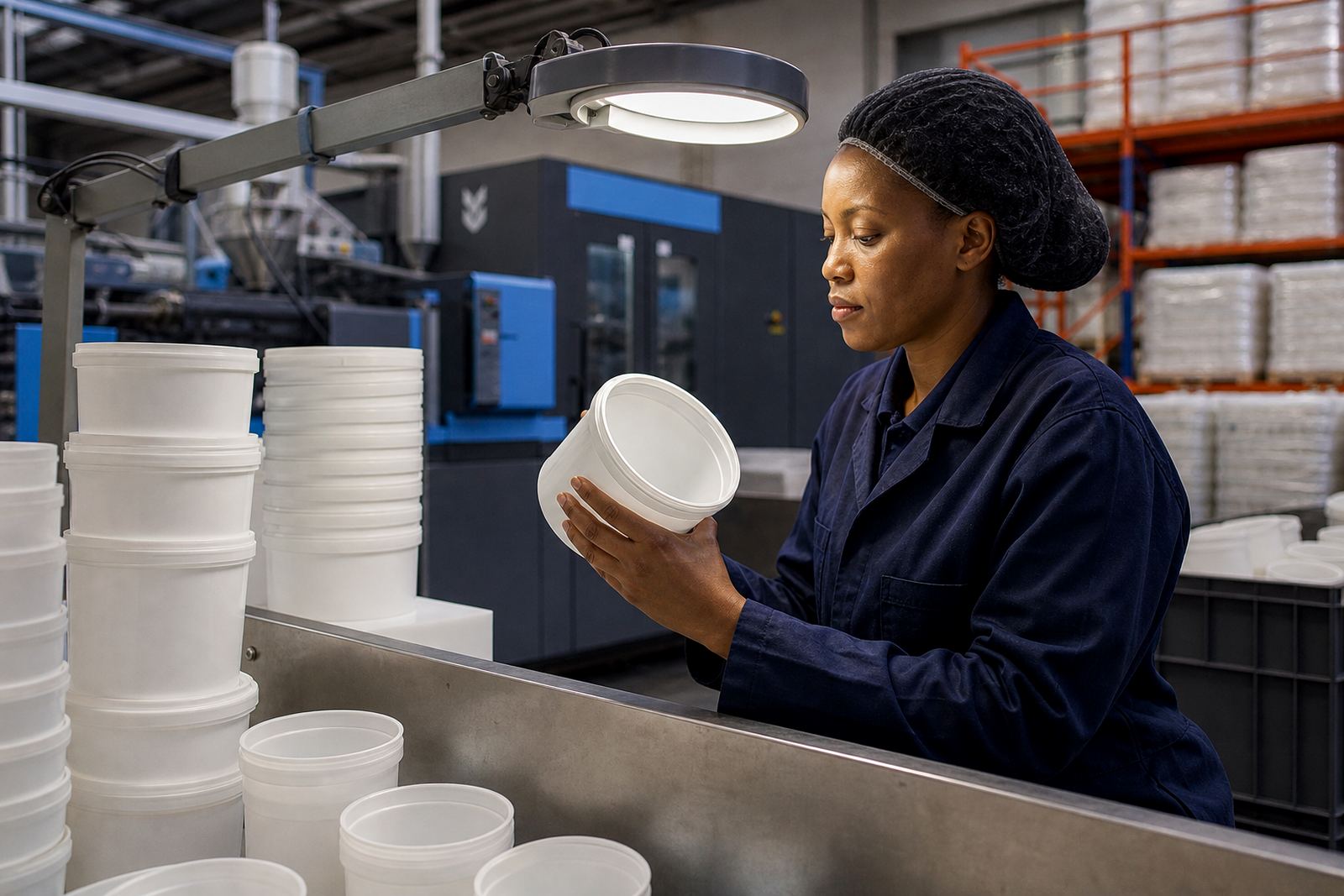
Batch control also matters in daily production. A clear container range makes inspection easier, while a coloured range may help staff sort products faster on the floor. If the same tub is used for different pack sizes, line teams need sensible stock planning so the right lid and seal stay paired with the right container. That keeps the run orderly, even when schedules shift during the week.
Local Supply, Dispatch And Packing Advice
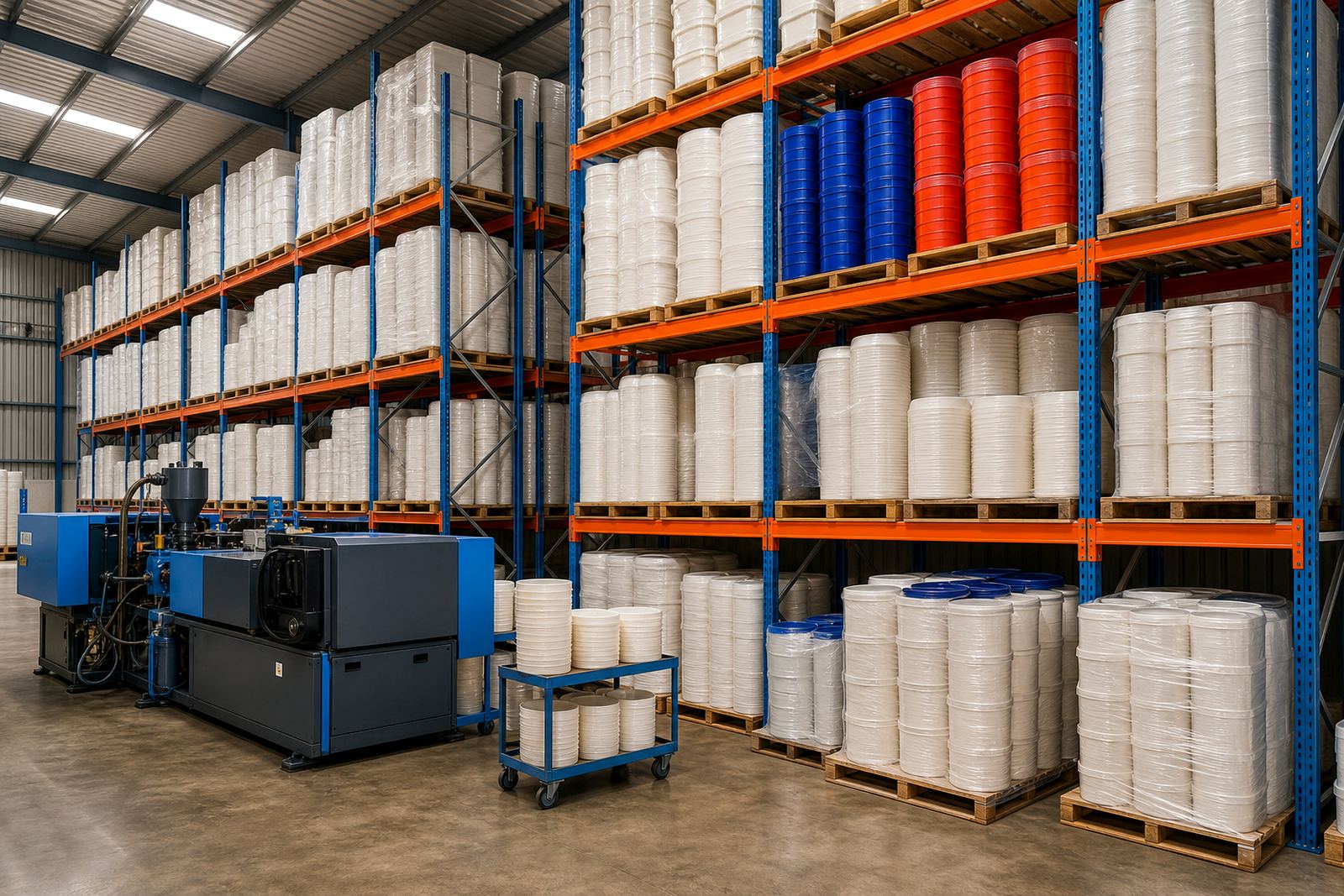
Plastic Factory supports businesses from Alberton, Germiston and Boksburg through to Johannesburg, Pretoria, Durban, Cape Town and Port Elizabeth. The base in Alrode serves packers who need practical container supply, along with design input for tubs, lids, tamper seals and stock run planning. Some customers need a single container style, while others need a fuller system for several product lines.
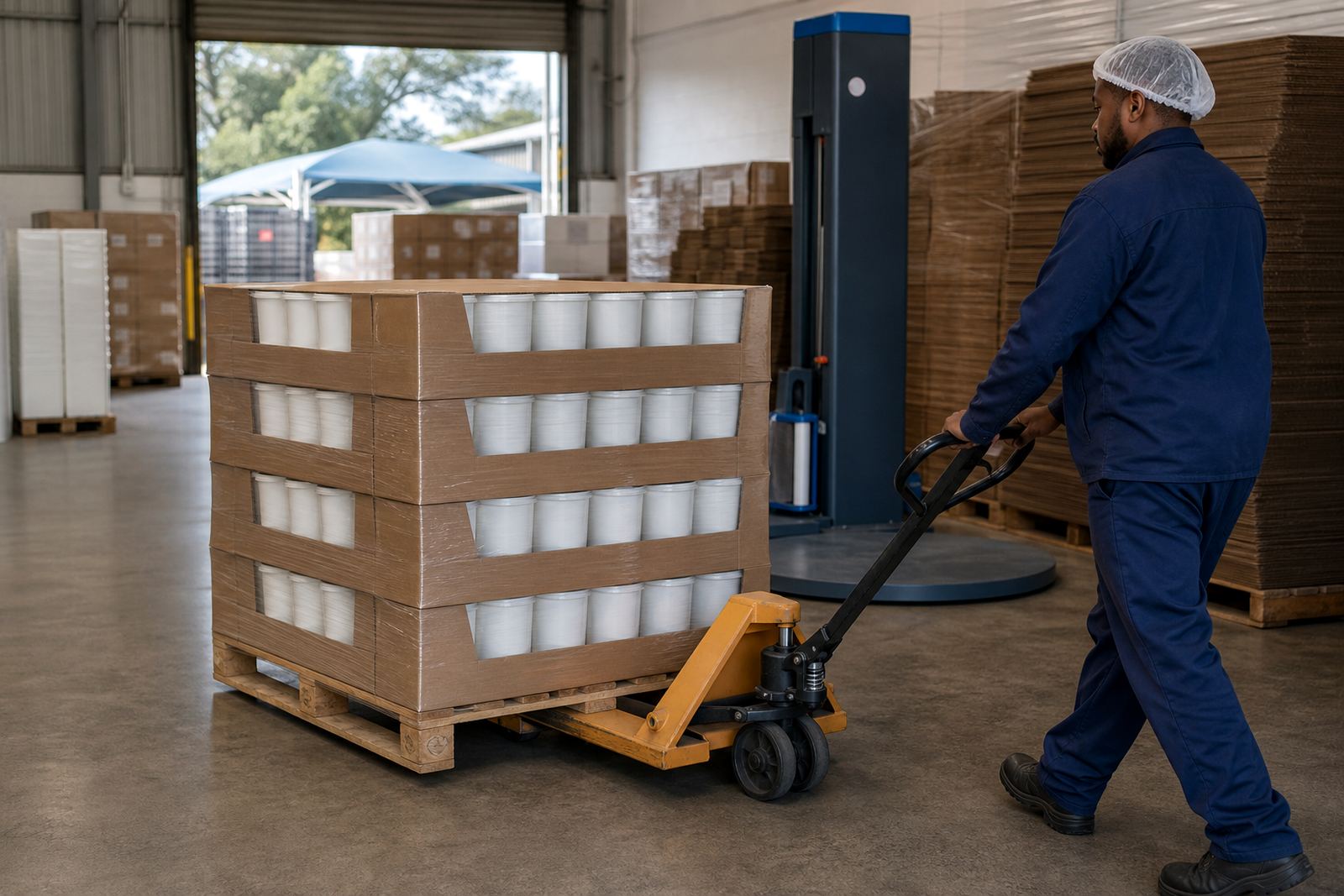
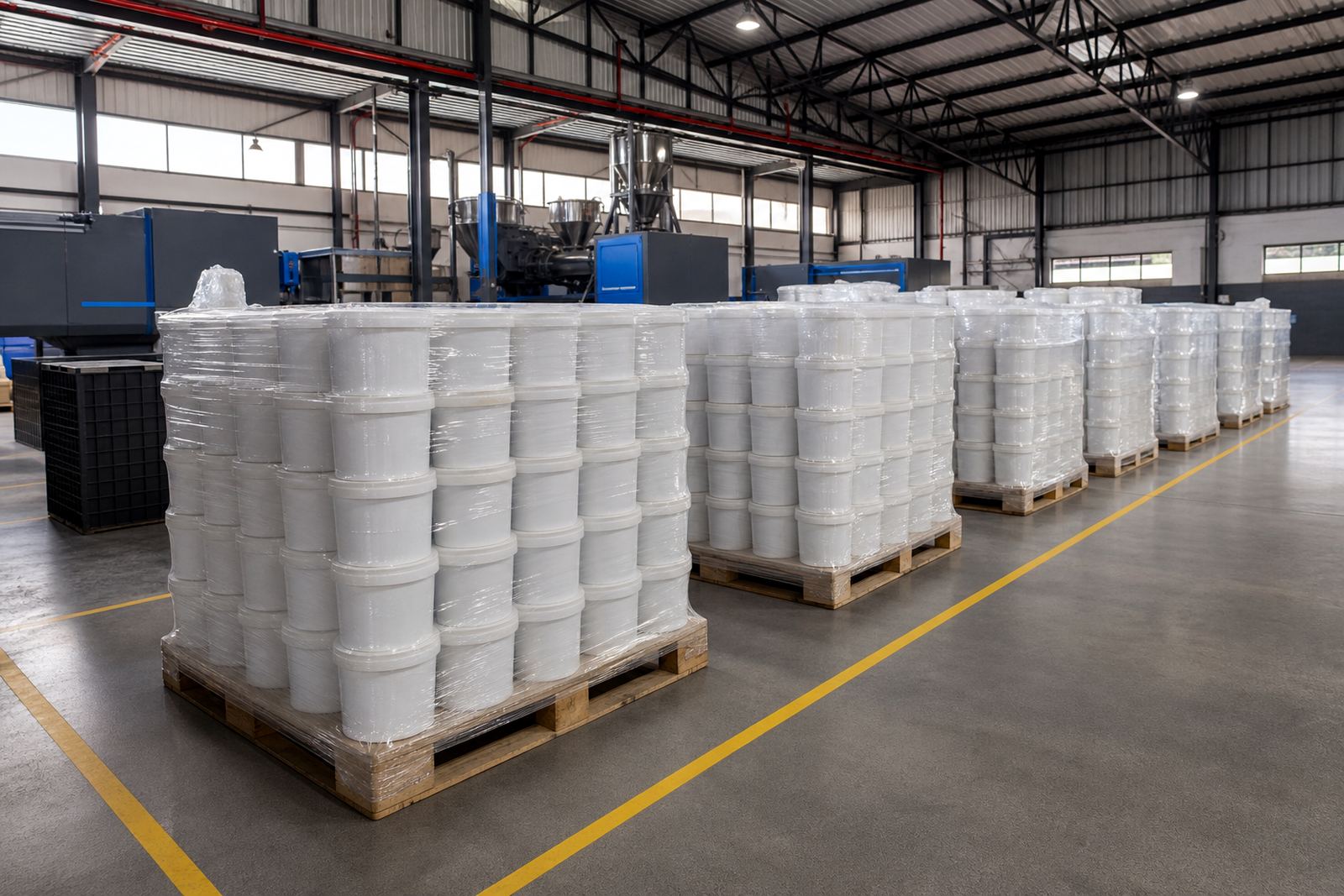
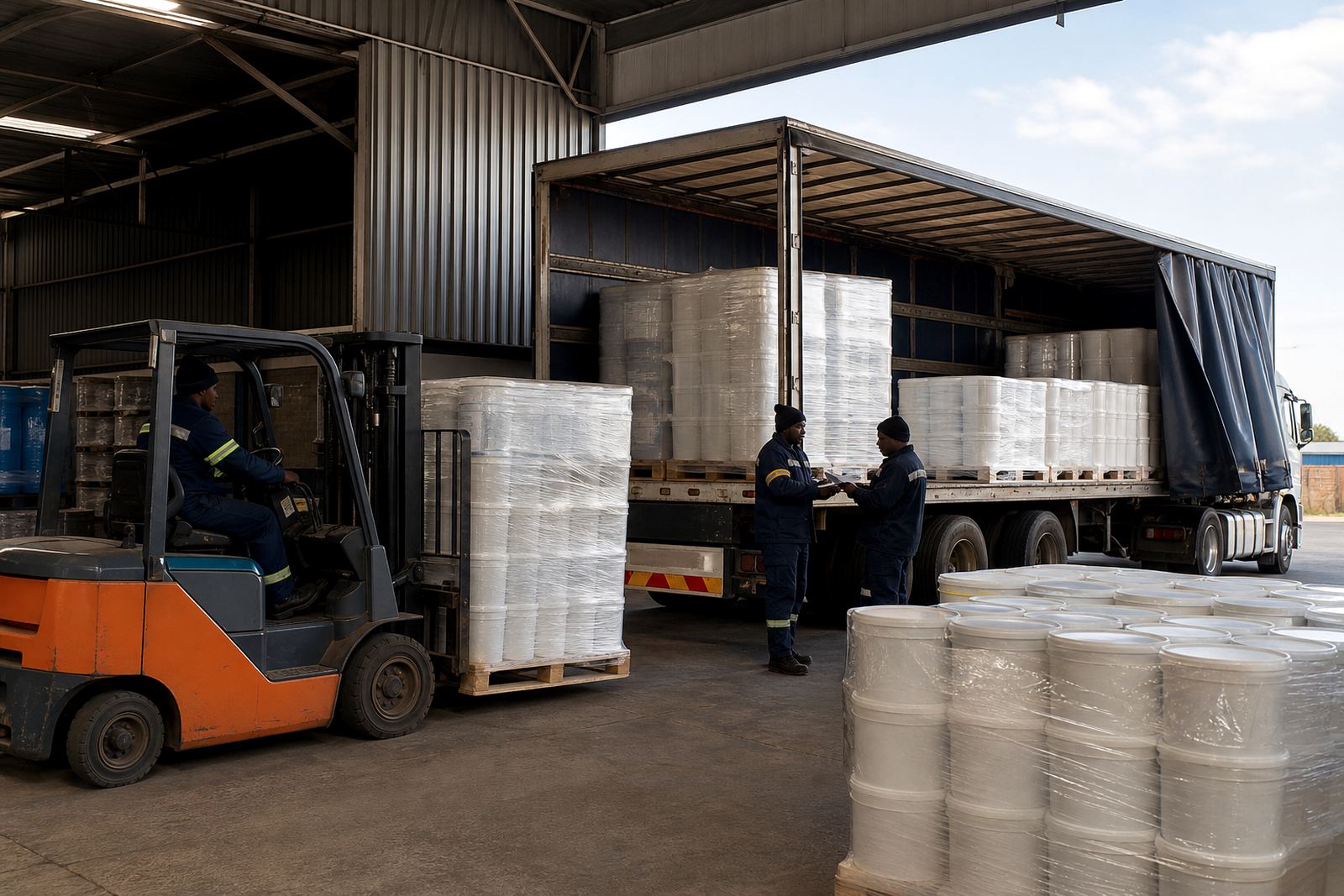
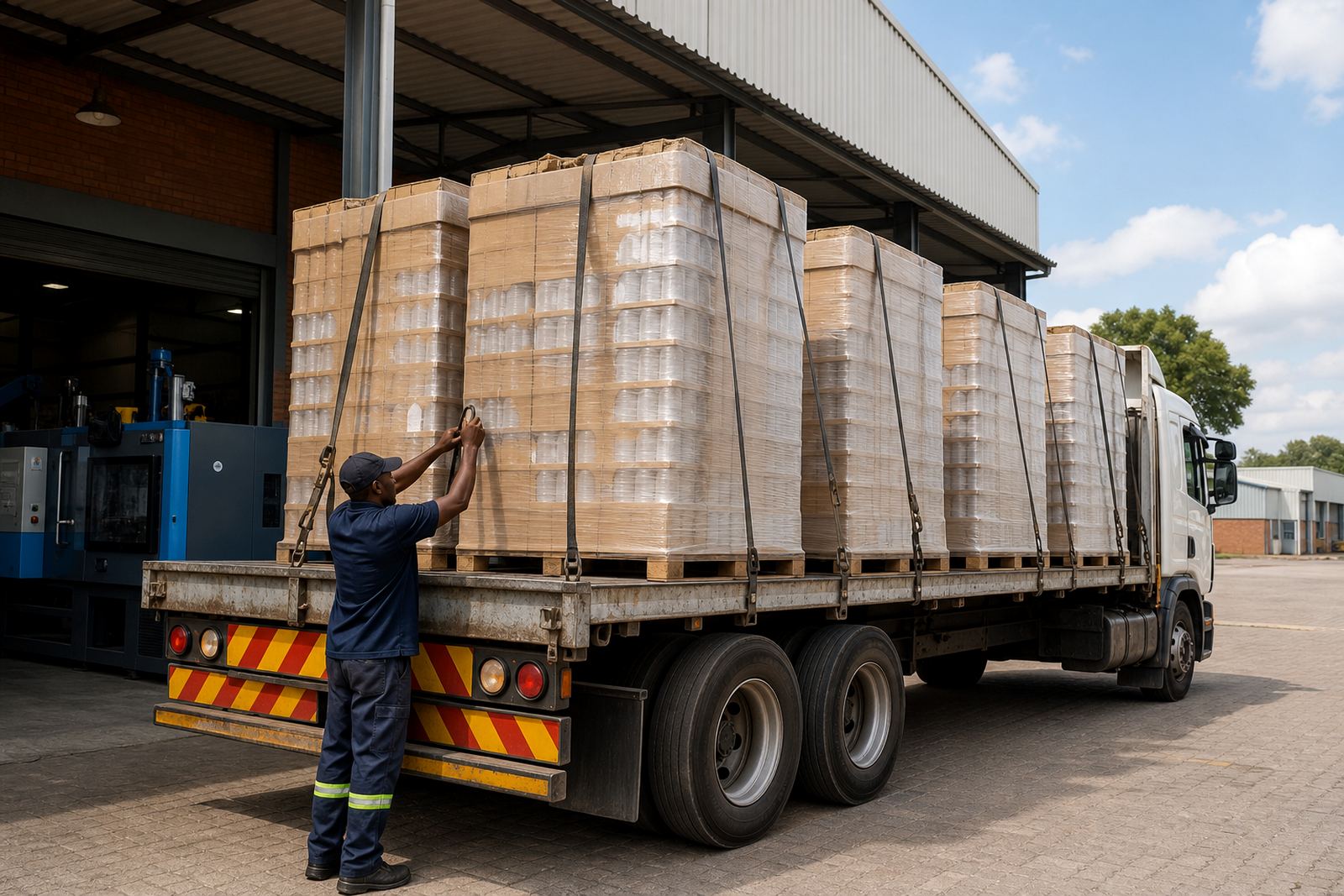
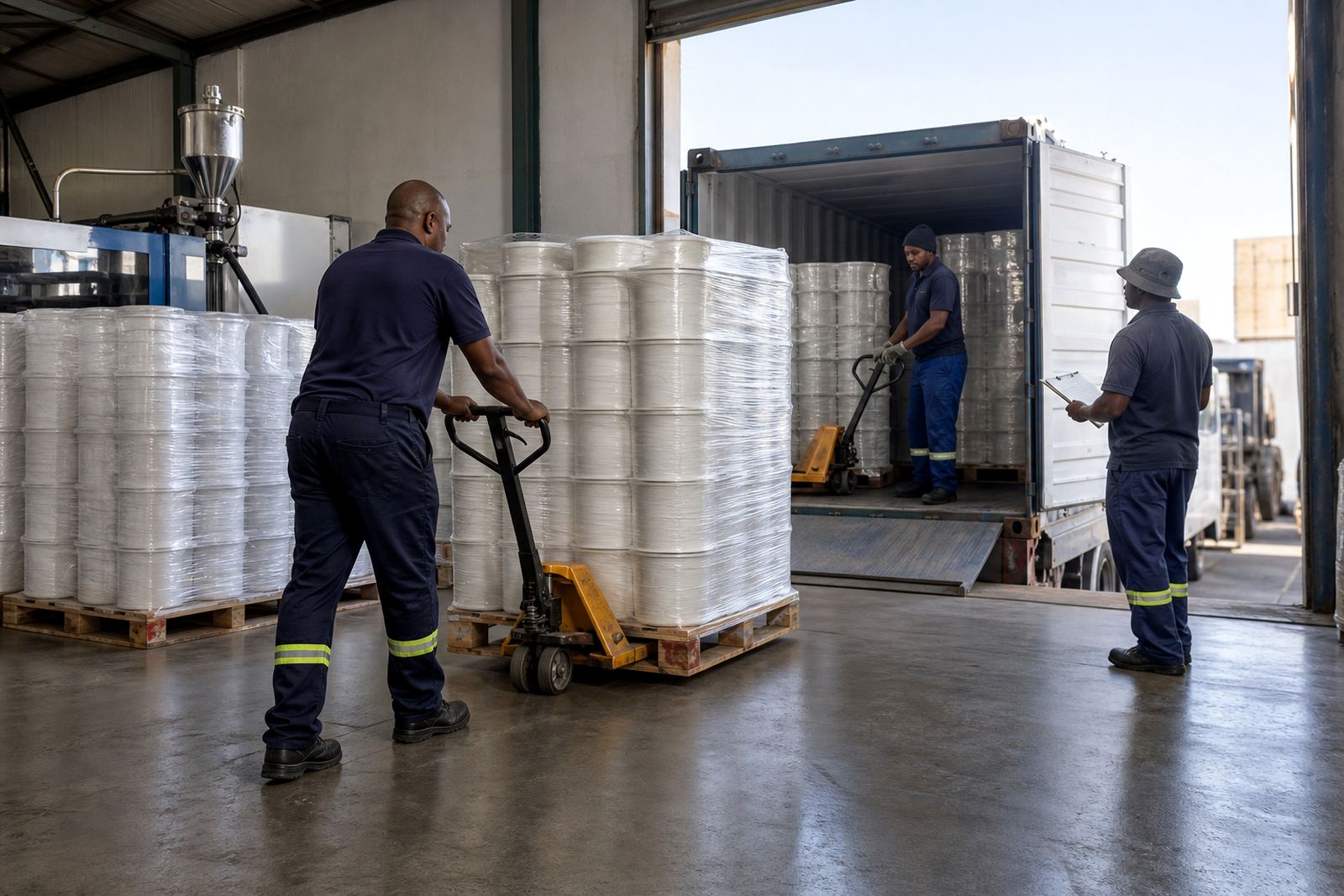
The useful questions are usually about fit, fill, closure and movement. How the container stacks in a carton, how it survives transport, and whether the pack line can keep moving without awkward handling are the points that matter most. Factory Notes is where those subjects are set out plainly for buyers and production teams who need clear local guidance.
- Custom tub design
- Lid development
- Tamper seal design
- Material selection
- Mould development
- Secondary packing advice