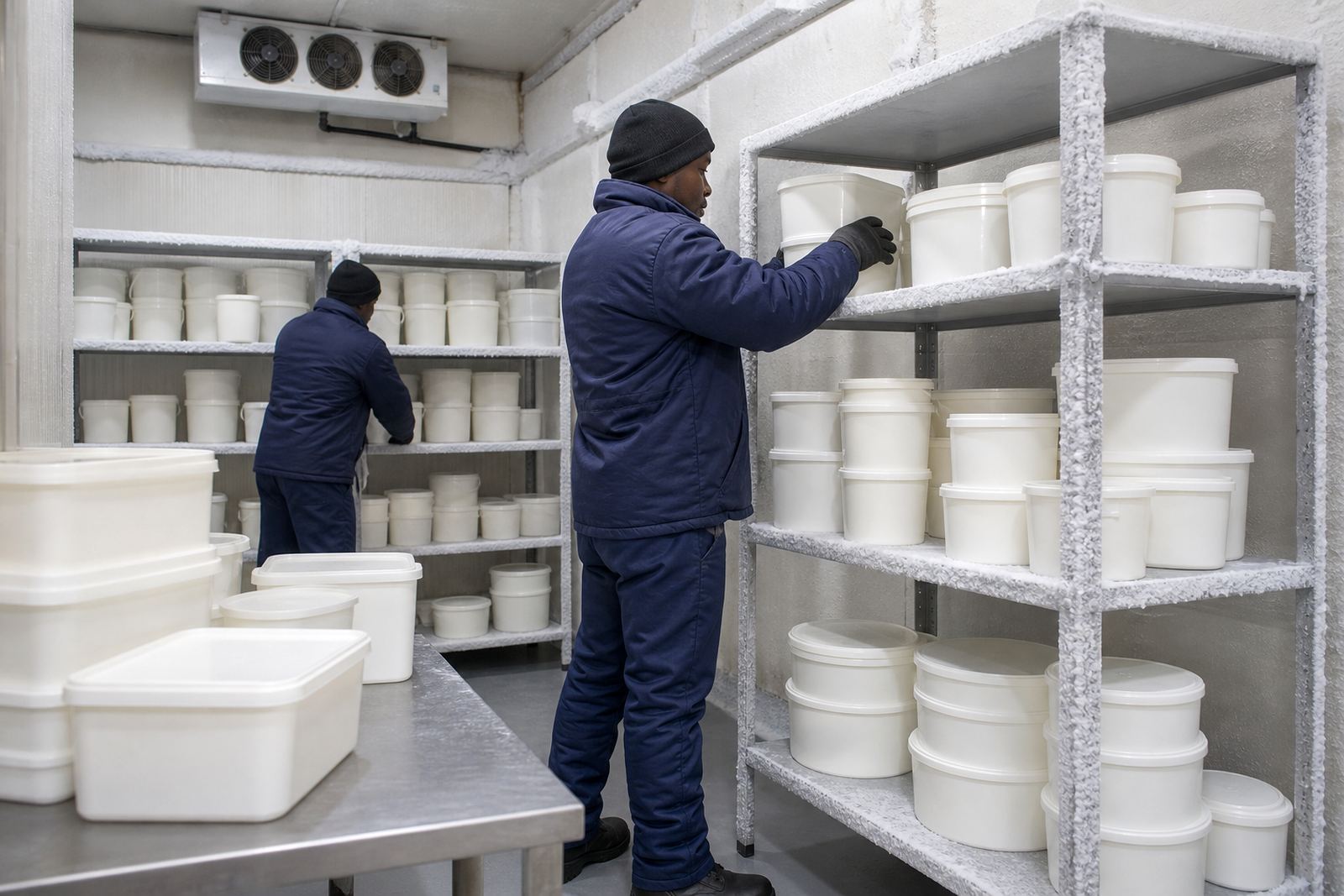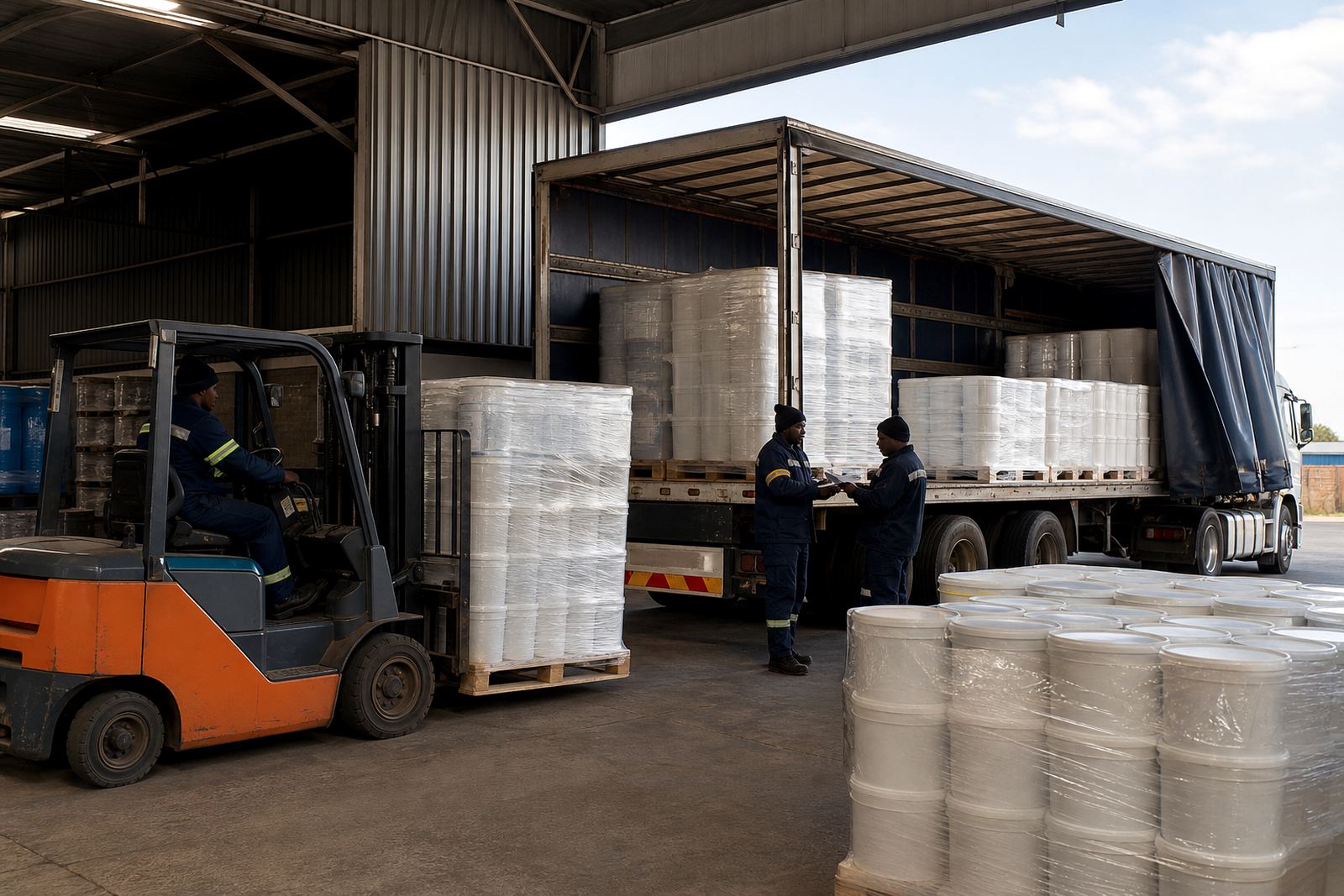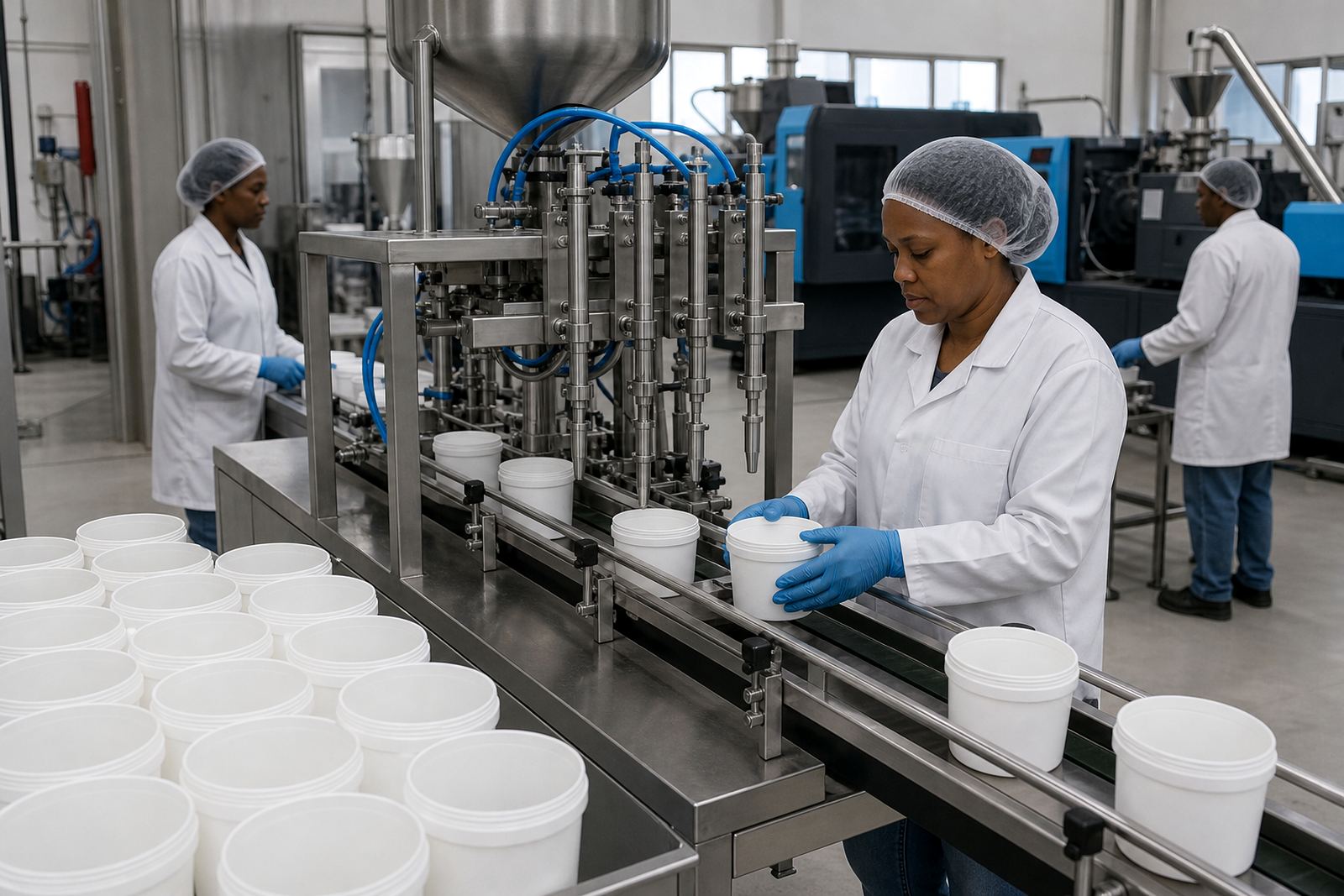

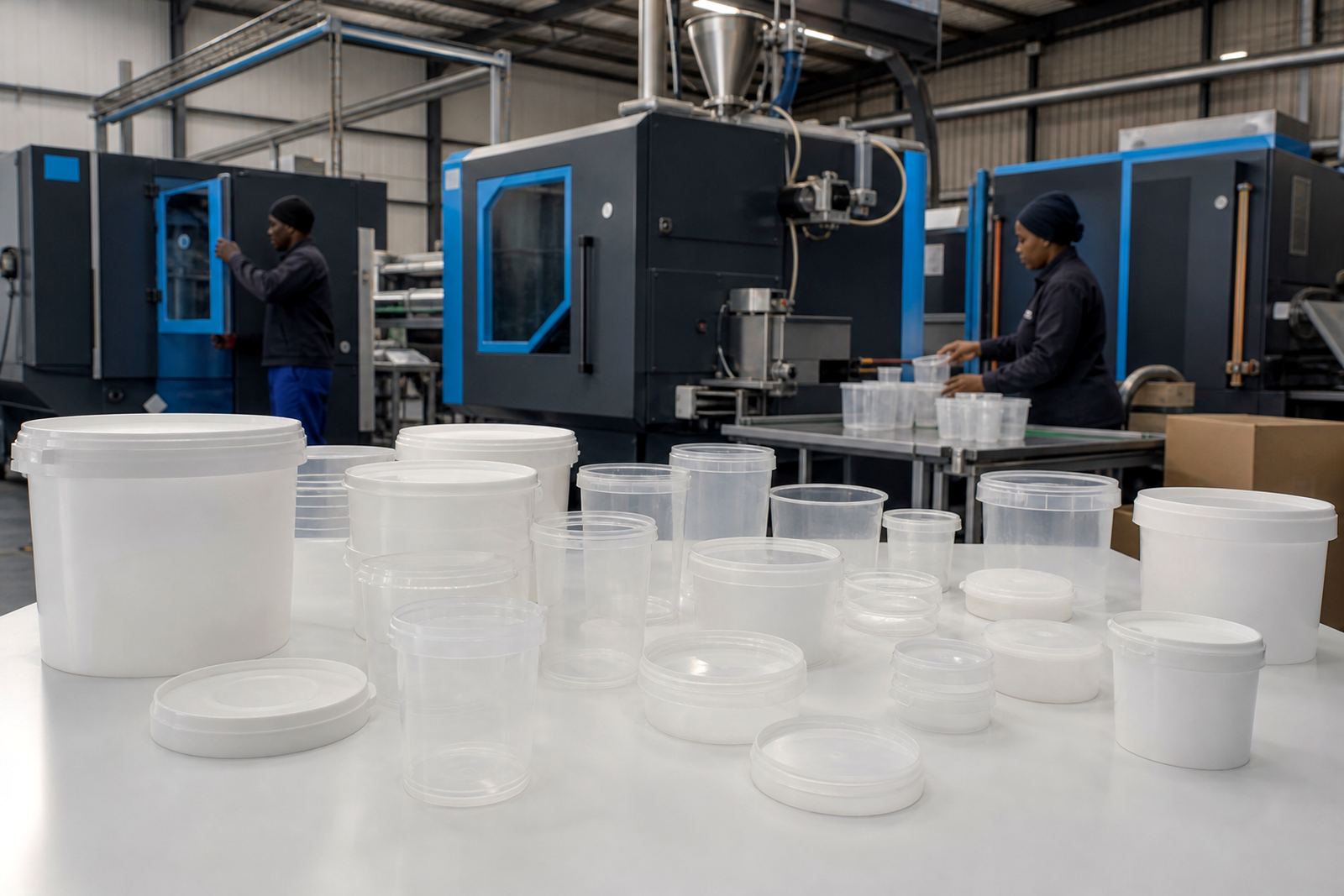
PP in a packing room, not just on a spec sheet
PP is a light thermoplastic that suits injection moulding well. It flows into moulded shapes cleanly, so tub walls, ribs, hinges and lid rims can be made with consistent detail. For packers, that matters because the container has to fill, seal, stack and travel without creating fuss on the line.
When teams talk about PP, they are usually looking for a balance between stiffness and a bit of give. That balance helps tubs keep their form in cartons and on pallets, yet still close properly with a matching lid. It is a practical material for large runs and for packaging that needs a neat shelf finish.
Where PP suits food, pharma and cosmetics
PP is often selected where the pack contents are light to medium weight and need a tidy container with a sound lid fit. It works across dry food, powdered ingredients, tablets, balms, creams and similar products. The material is commonly used for food-safe packing lines when the pack format, filling method and closure all need to work together.
- Dry foods that need a clean tub and close-fitting lid
- Powders, granules and other free-flowing contents
- Pharmaceutical products that need tidy presentation and repeatable pack sizes
- Cosmetic creams, soaps and personal care items
- Retail packs that move from filling to cartoning without awkward handling
In practice, PP is often the middle ground between appearance and function. It gives a neat moulded finish, but it also holds up in storage and transport without weighing the pack down too much.
Lids, seals and the fit around the rim
PP tubs and PP lids are often used together because the material can be matched across the pack set. That helps with fit, flex and repeated opening on shelf. A tamper seal can be built into the closure design, or added as part of the pack format where extra protection is needed.
The rim geometry matters just as much as the material. If the lid needs a snap fit, peel seal or tamper evident feature, the profile has to suit the filling line and the intended customer use. A lid that sits too tight can slow packing, while one that is too loose can create leaks or lifting in transit.
- Snap-fit lids for quick closing on busy lines
- Tamper seals for added protection and product integrity
- Peel or press closure styles where access needs to be controlled
- Stackable lid shapes for cartons and warehouse storage
When HDPE may be the better answer
PP is not the only option. HDPE has its place too, especially where impact handling, chemical resistance or a softer feel is needed. The choice between PP and HDPE usually comes down to the pack contents, the filling temperature, the closure style and how the container will behave during transport.
PP is often preferred when a firmer sidewall and crisp moulded detail are useful. HDPE may be the better call when the pack needs a different squeeze feel or when the application asks for more resistance to certain handling conditions. For packers in coastal towns like Durban, storage conditions and humidity also matter when cartons sit in stores for longer periods.
Colour, print and shelf presentation
PP containers can be made in natural, white, coloured or tinted forms, depending on the pack range and product look. Colour matching helps with product families, flavour coding and range separation. For a cosmetic pack line, a softer tone may suit the shelf. For a food pack, clear product identification often matters more than decoration.
Because PP takes moulded detail well, it can support a clean label area, ribbing for grip and a consistent shape from one run to the next. That gives packers a steadier base for secondary packing and shelf presentation, especially when multiple sizes sit side by side.
- Colour coding for flavours, variants or sizes
- Clean label panels for retail information
- Grip features that help handling in packing rooms
- Stacking shapes that keep cartons neat in transit
Line fit, trial runs and pack size planning
A good PP tub is not only about the container itself. It has to fit the filling line, the carton count and the way the finished pack is handled. Trial production runs help check whether the lid seats properly, whether the seal holds, and whether the container nests or stacks the way the packer expects.
Pack size planning also matters. A 250 ml tub, a 500 ml tub and a deeper bulk tub may all use PP, but each one needs its own wall thickness, rim shape and lid match. For a Johannesburg food packer or a Pretoria cosmetic filler, that means less guesswork when product changes or when a line runs several pack sizes in one shift.
A local example from Alrode to the coast
A plant in Alrode packing a powdered food product may start with a PP tub because it gives a stable shape, good lid engagement and straightforward cartoning. If the same product then moves to Durban or Cape Town, the pack still needs to hold together through warehousing, road freight and retail storage. That is where the material choice shows its value in real use, not just on paper.
For many packers, PP is the sensible option when the brief calls for repeatable moulding, tidy presentation and a container that works across the supply chain. It is not the answer for every product, but when the size, closure and fill method line up, it is often a steady choice for local packing lines.