

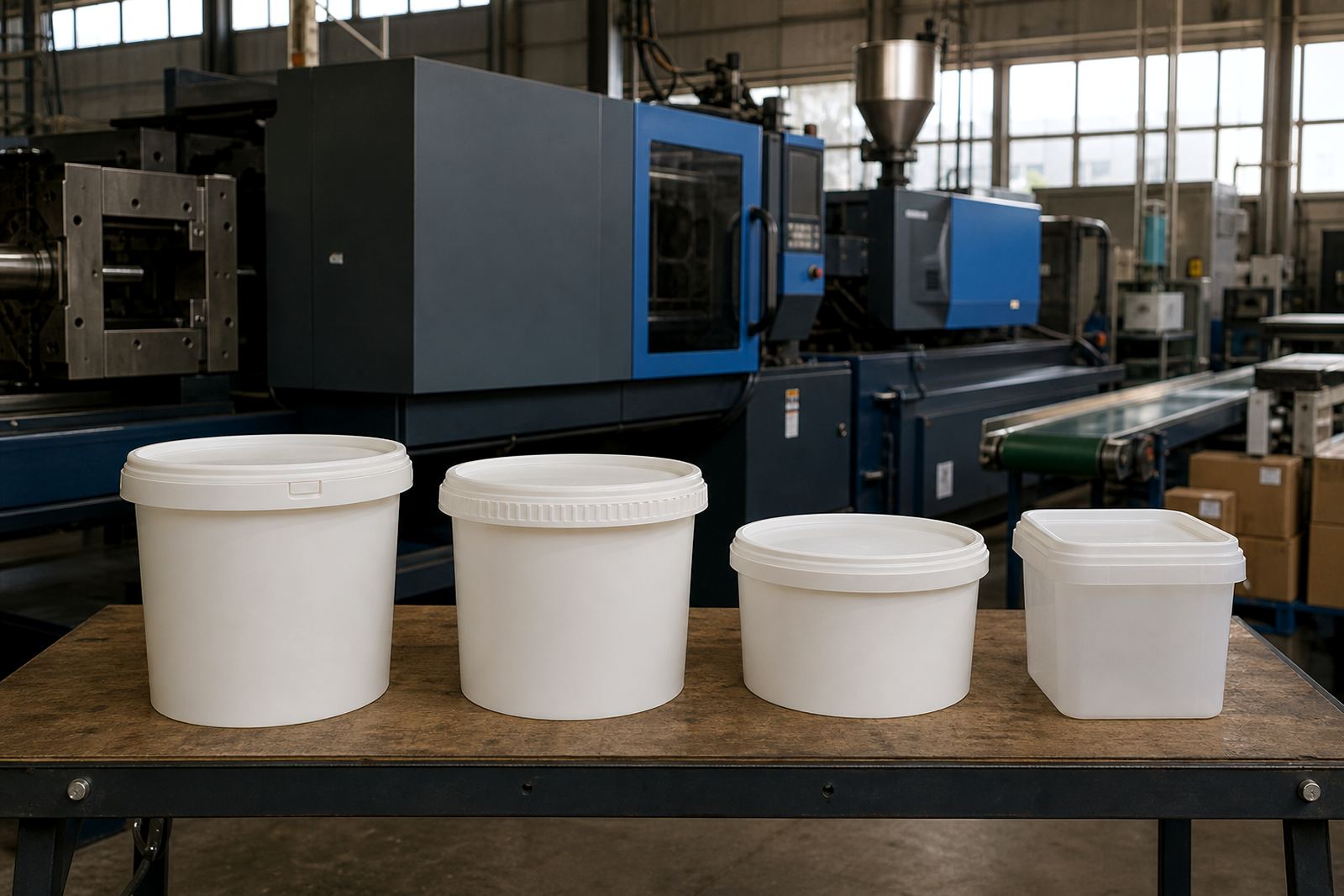
Matching the tub to the product on the line
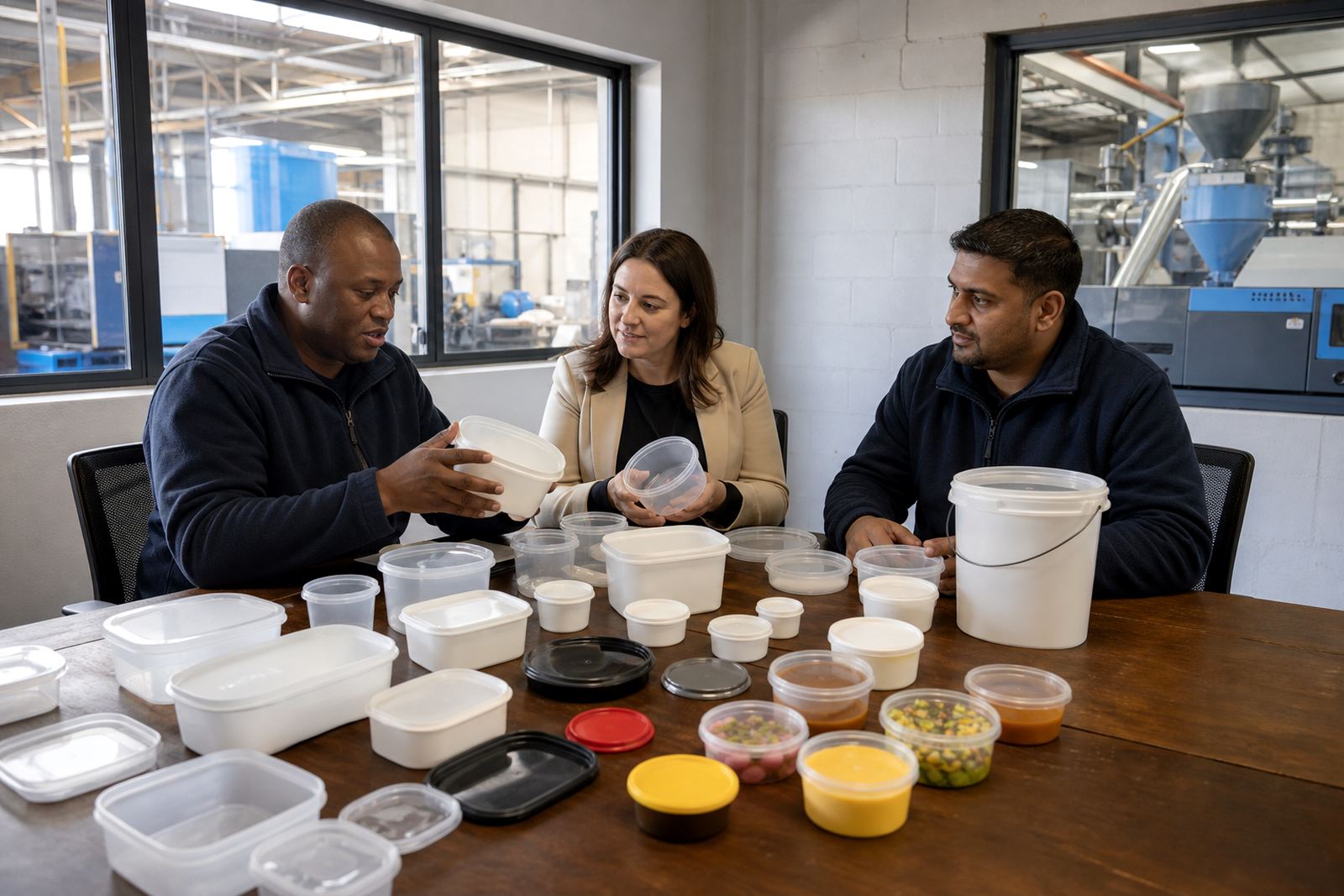
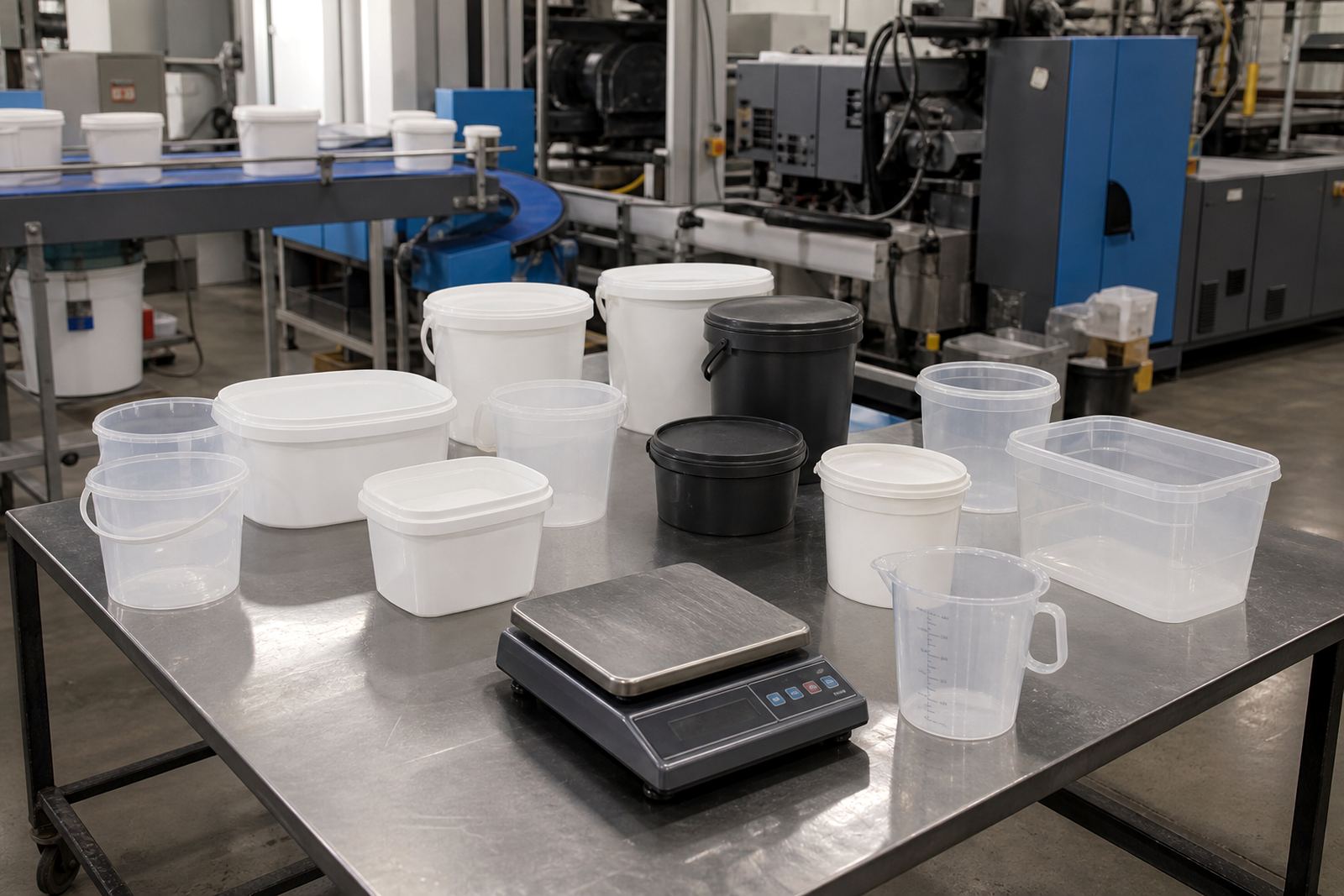
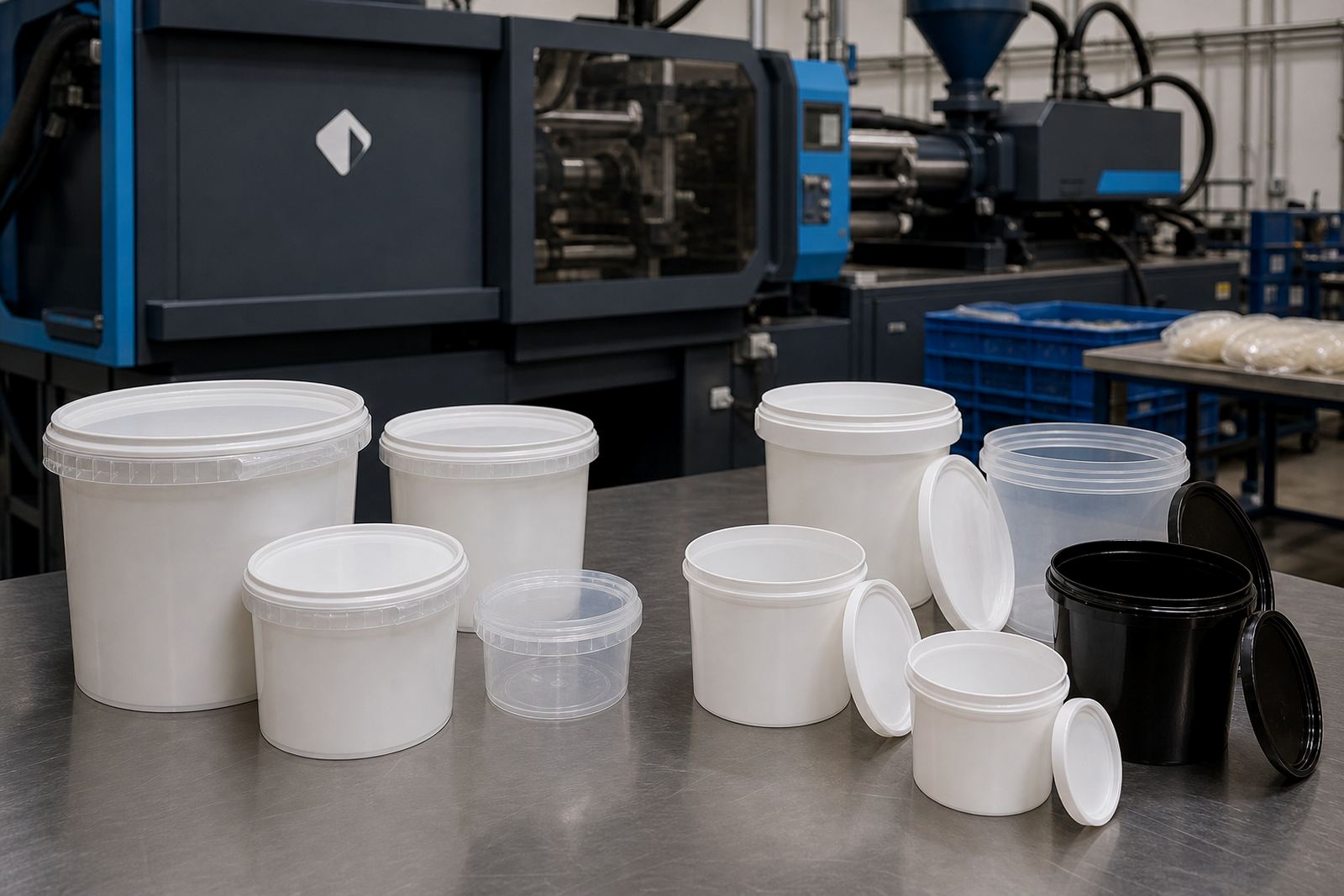
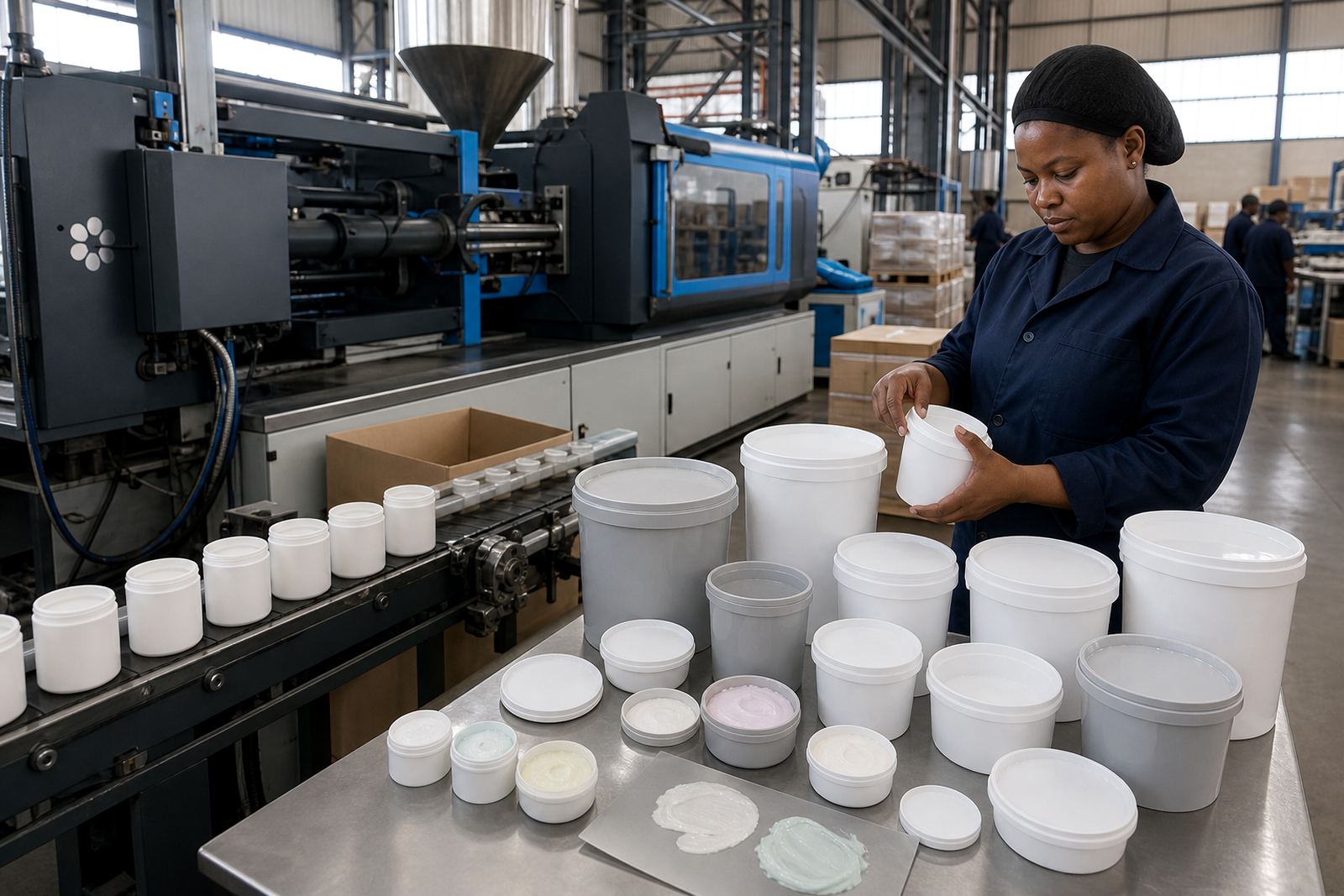
Injection-moulded tubs are used for more than one category, but the right choice depends on the product, the fill weight and how the pack moves through your line. A shallow tub may suit creams or dry goods, while a deeper body can work better for bulk sauces, powders or components that need a little extra headroom.
Polypropylene and HDPE are both common for packers who need a light, durable container. Polypropylene is often selected for a cleaner look and good stiffness, while HDPE is valued for impact handling and practical day to day use. The final choice depends on the pack, the lid and the way the container is handled in stores, warehouses and during transport.
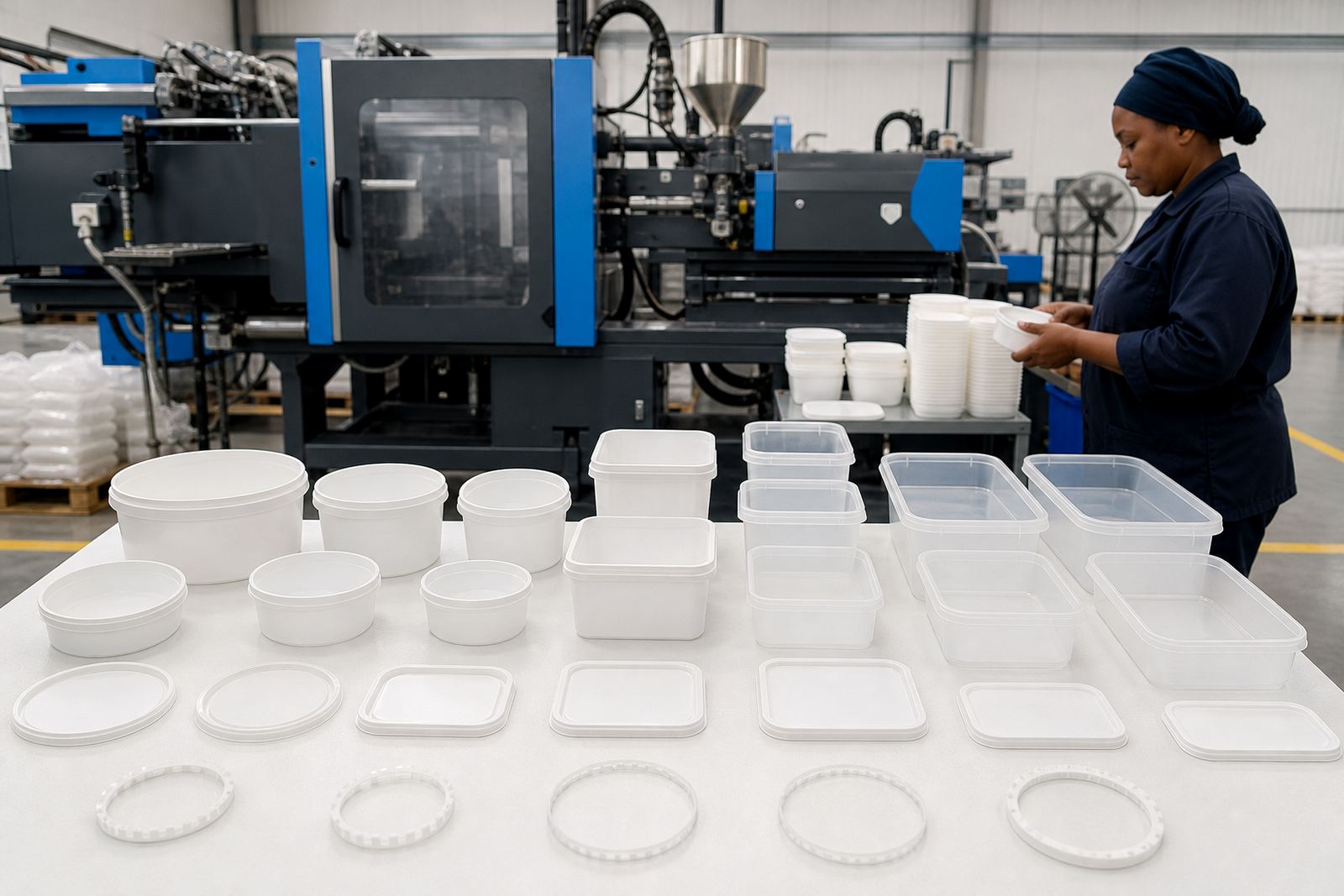
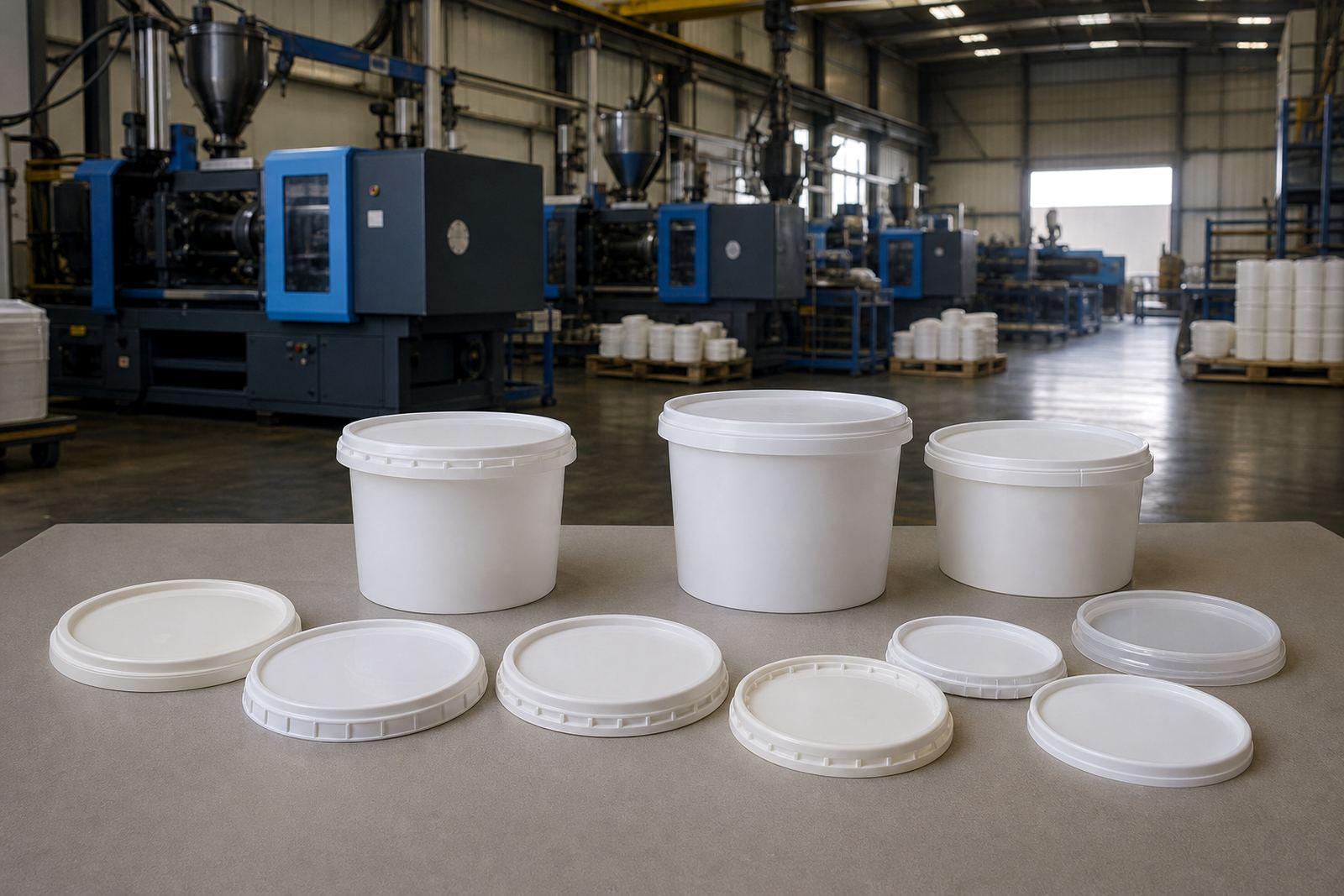
Lids, seals and closure fit
A good lid is more than a cover. It has to sit correctly, hold during stacking and work with the seal you plan to use. For some ranges the lid is part of the product presentation, for others the main concern is closure security and repeatable fit across a full production run.
- Check that the lid profile matches the tub rim.
- Allow for tamper seals where a closed pack must show if it has been opened.
- Confirm the seal position on the line before a large fill run.
- Keep the lid style consistent across pack sizes where possible.
Food, pharma and cosmetic packing needs
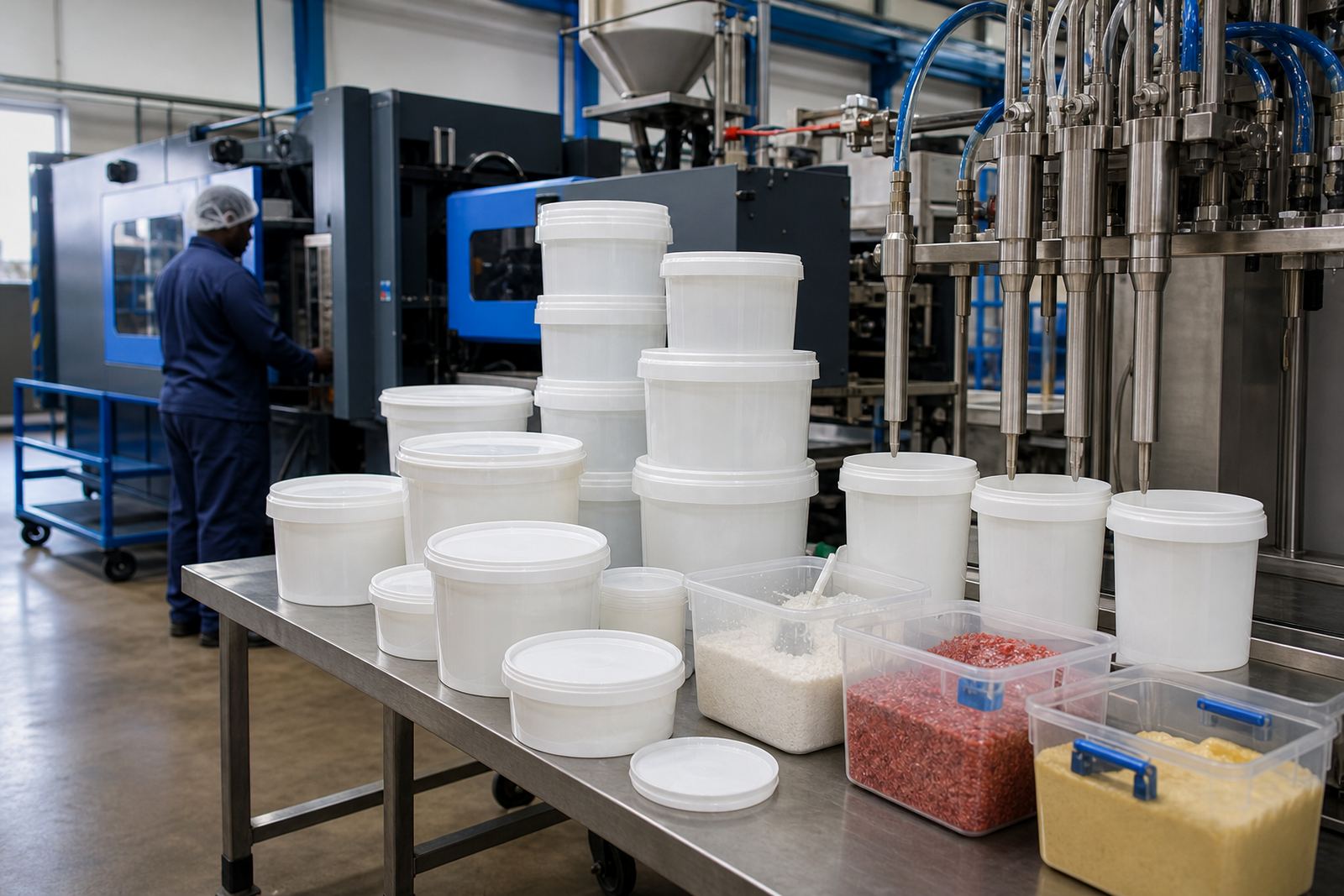
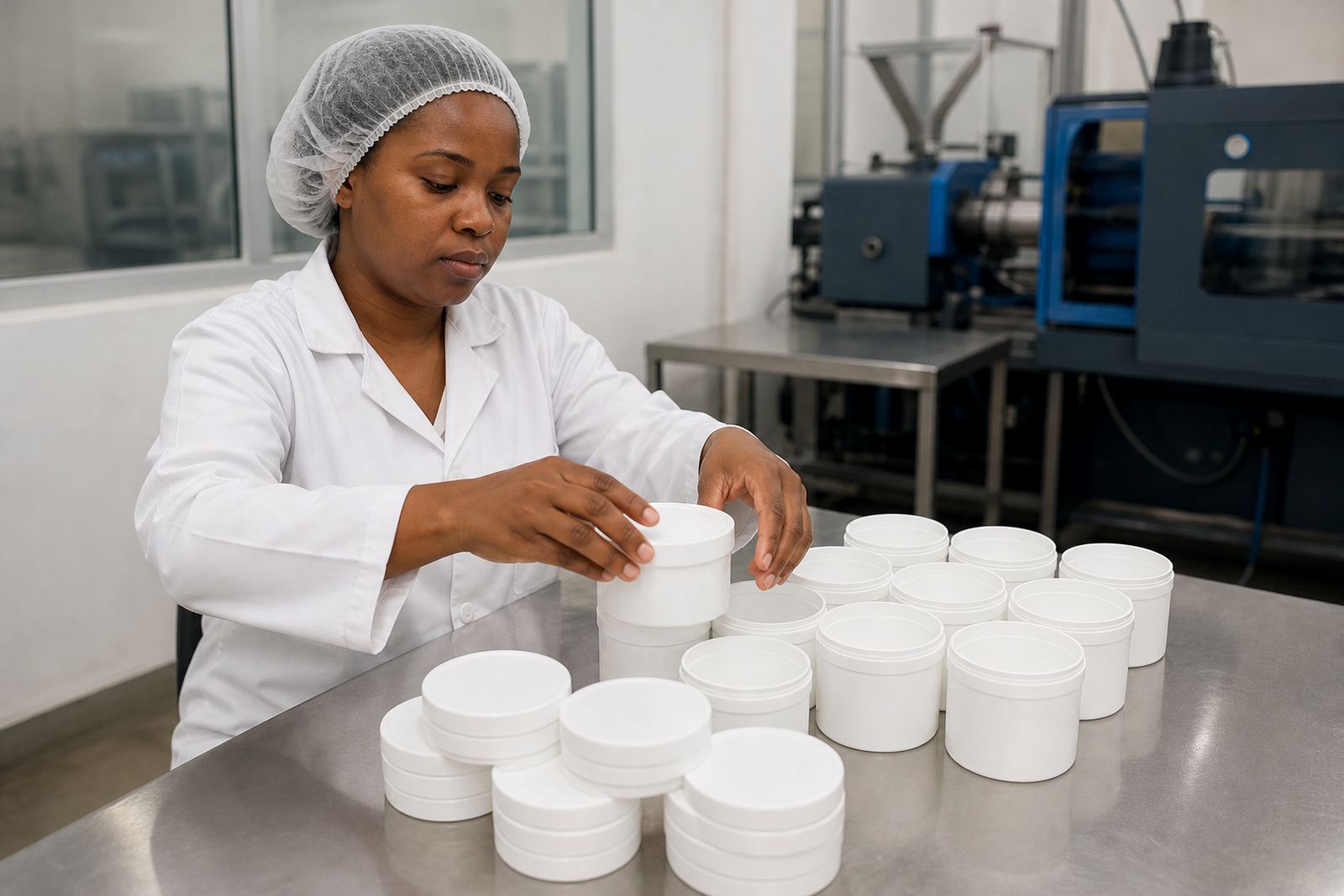
Food packers often want food-safe materials, stable stacking and clear pack sizes that suit retail shelves or bulk supply. Pharmaceutical and cosmetic users usually look more closely at fit, finish and product protection, especially where powders, tablets, creams or gels need tidy handling and no wasted space in the tub.
In coastal centres like Durban and Port Elizabeth, humidity can affect stored packs and labels, so the container format and lid fit should be settled with the storage environment in mind. If the pack will move through refrigeration, ambient storage or warehouse racking, those conditions should be part of the material choice.
When a custom tub makes sense
Standard sizes do a lot of work in South African packing, yet some products need a container built around their own fill pattern. That can include odd fill volumes, a specific stack height or a body shape that supports better shelf use. A custom tub can also help when a closure, label panel or tamper seal position needs to be set more precisely.
- Pack size changes across the range.
- Special lid seating or seal placement is needed.
- The pack must fit a carton or secondary pack exactly.
- The product needs a shape that is easier to handle on the line.
Trial runs and line fit checks
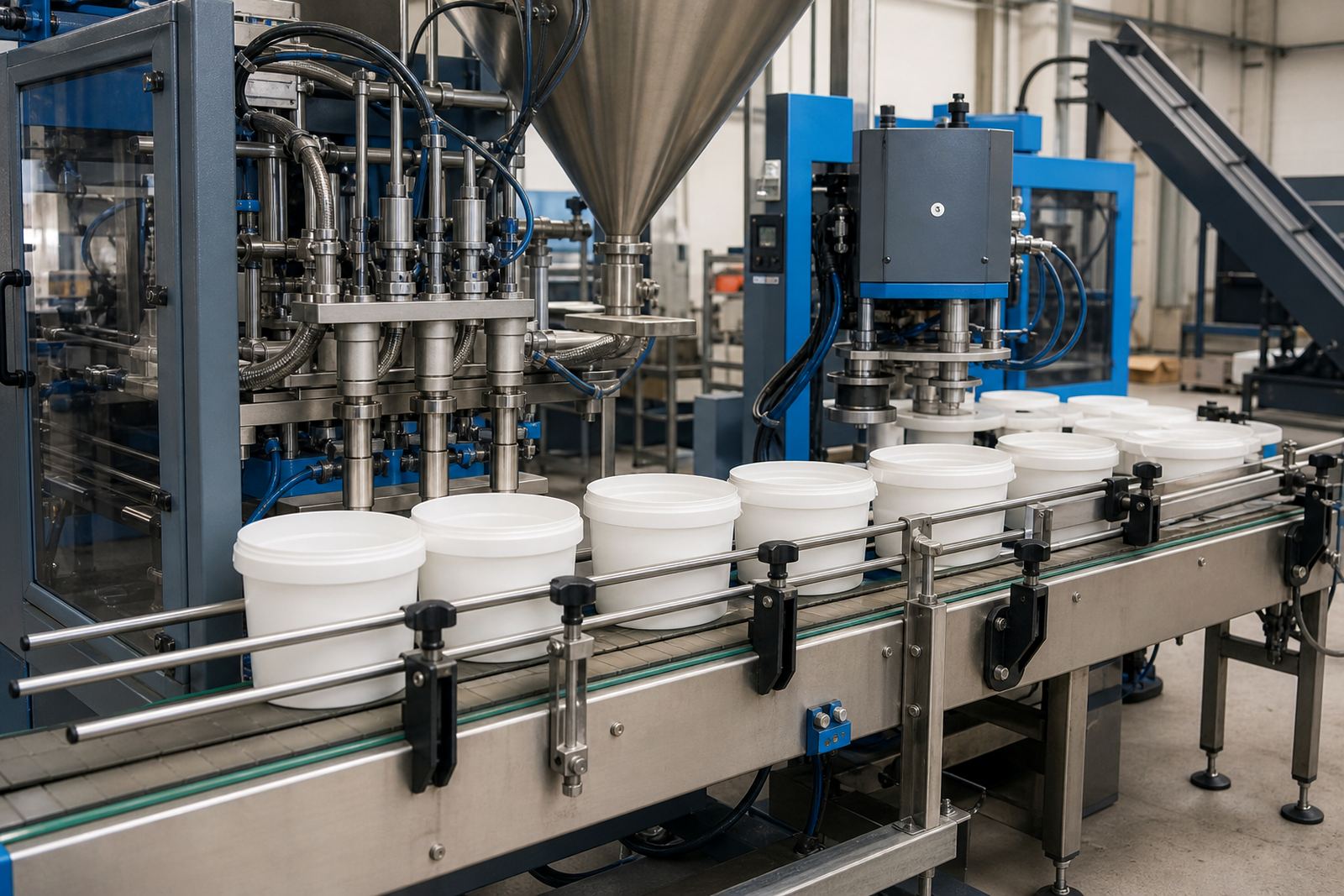
Before a full production schedule is set, trial production runs help show whether the container works properly with filling equipment, capping equipment and packing tables. A line fit check can also show if the tub topples, nests badly, or sits awkwardly in cartons and display packs.
Good pack planning saves small problems later, especially when a line is running in Johannesburg, Pretoria or Germiston and stock has to move in mixed loads. Small changes in lid pull, tub height or wall shape can affect the way the whole pack behaves, so these details are worth checking early.
Colour, stock planning and secondary packing
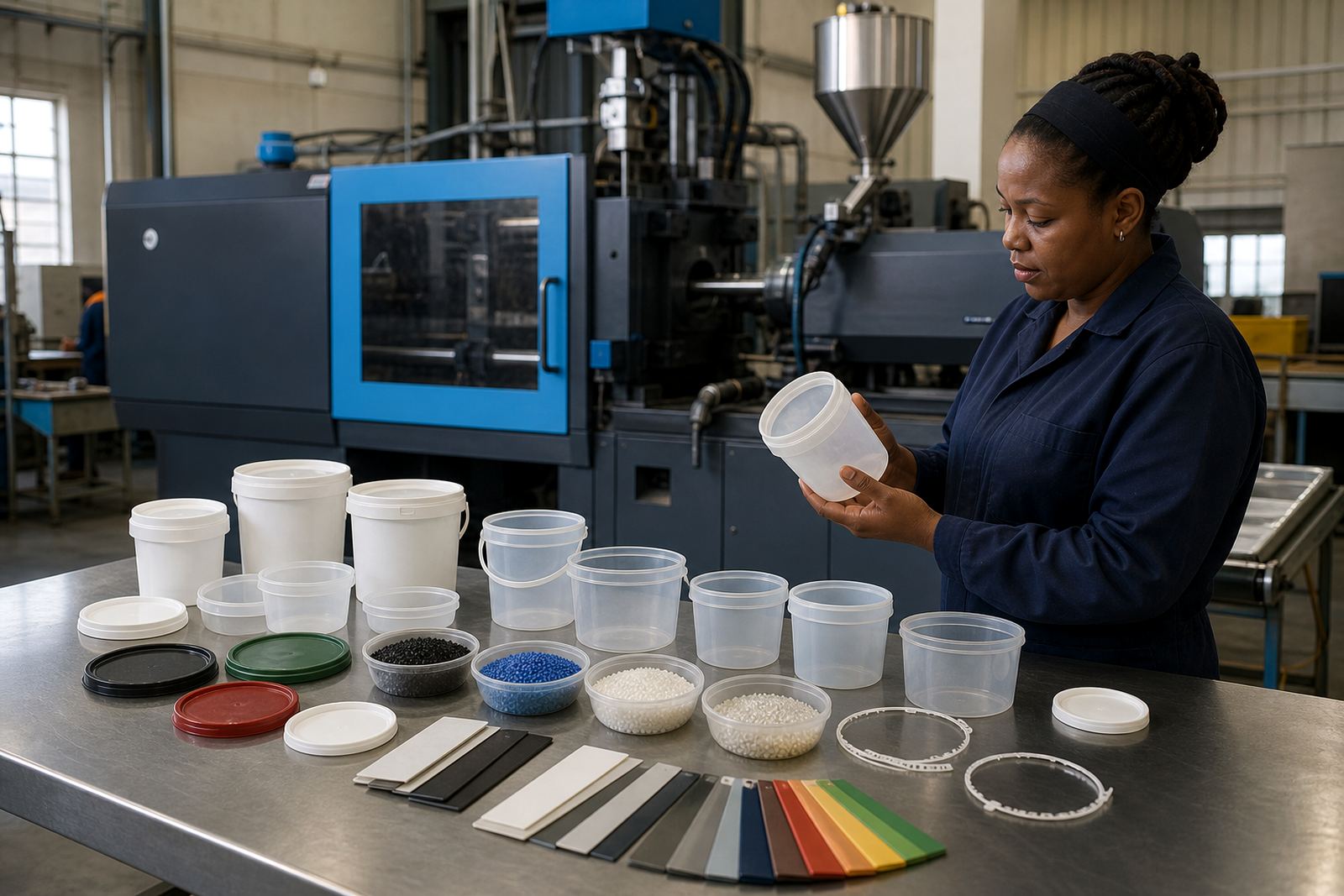
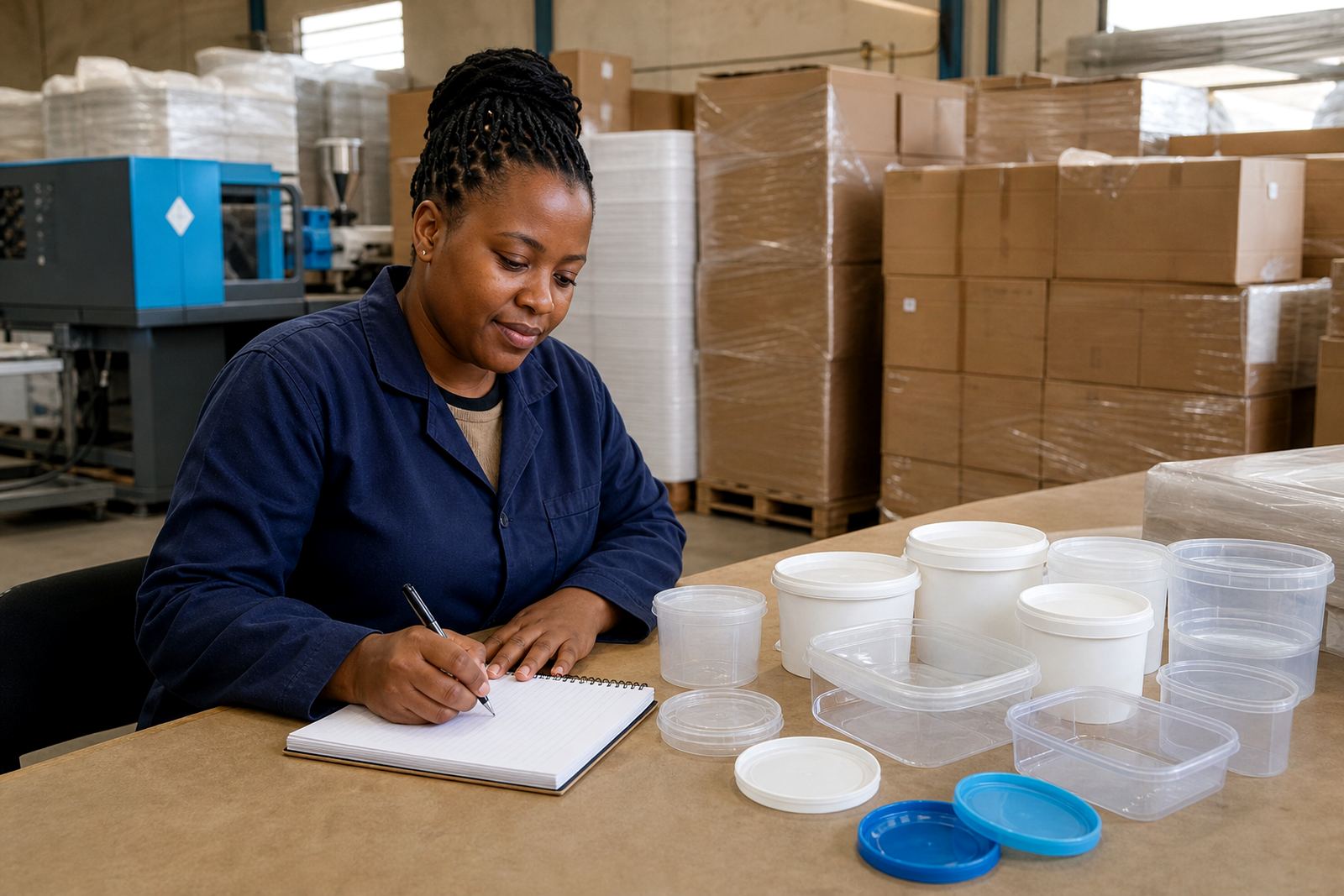
Colour matching guidance is useful when a customer wants the container to sit neatly with a label, a product family or a market segment. Clear, white and tinted packs all have a place, but the choice should fit the product and the packing plan, not only the shelf appearance.
- Plan stock runs around real usage, not just a catalogue list.
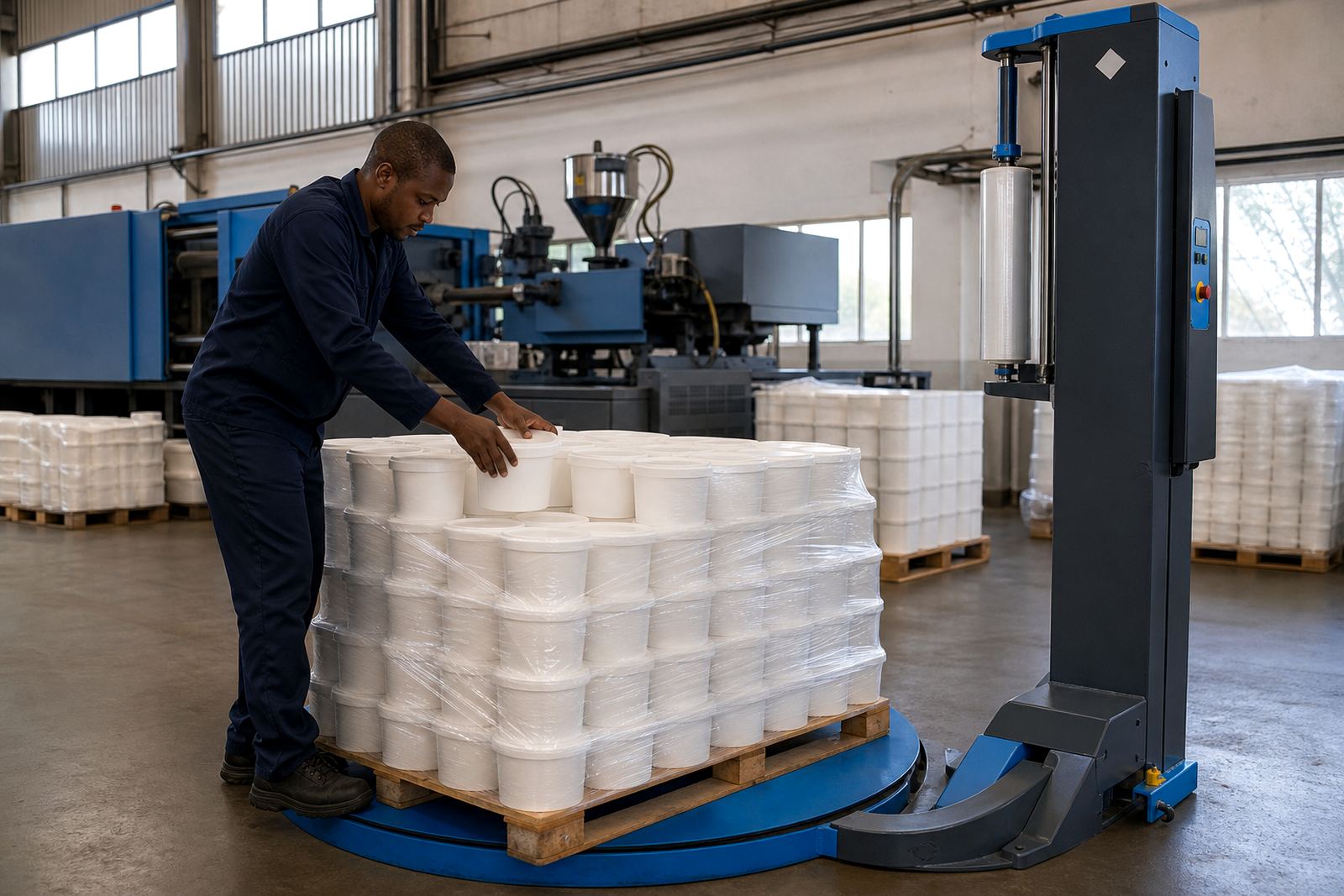
- Allow room for secondary packing such as sleeves, cartons or shrink packs.
- Keep a note of lid, seal and tub combinations used on each line.
- Review pack sizes when sales volumes shift or a new format is launched.
Plastic Factory works from Alrode, Alberton and supplies container ranges across South Africa, including Johannesburg, Durban, Cape Town, Pretoria and Port Elizabeth. The guides in this hub are there to help teams compare options before settling on the right tub and closure for the job.