Shape sets the first packing decision
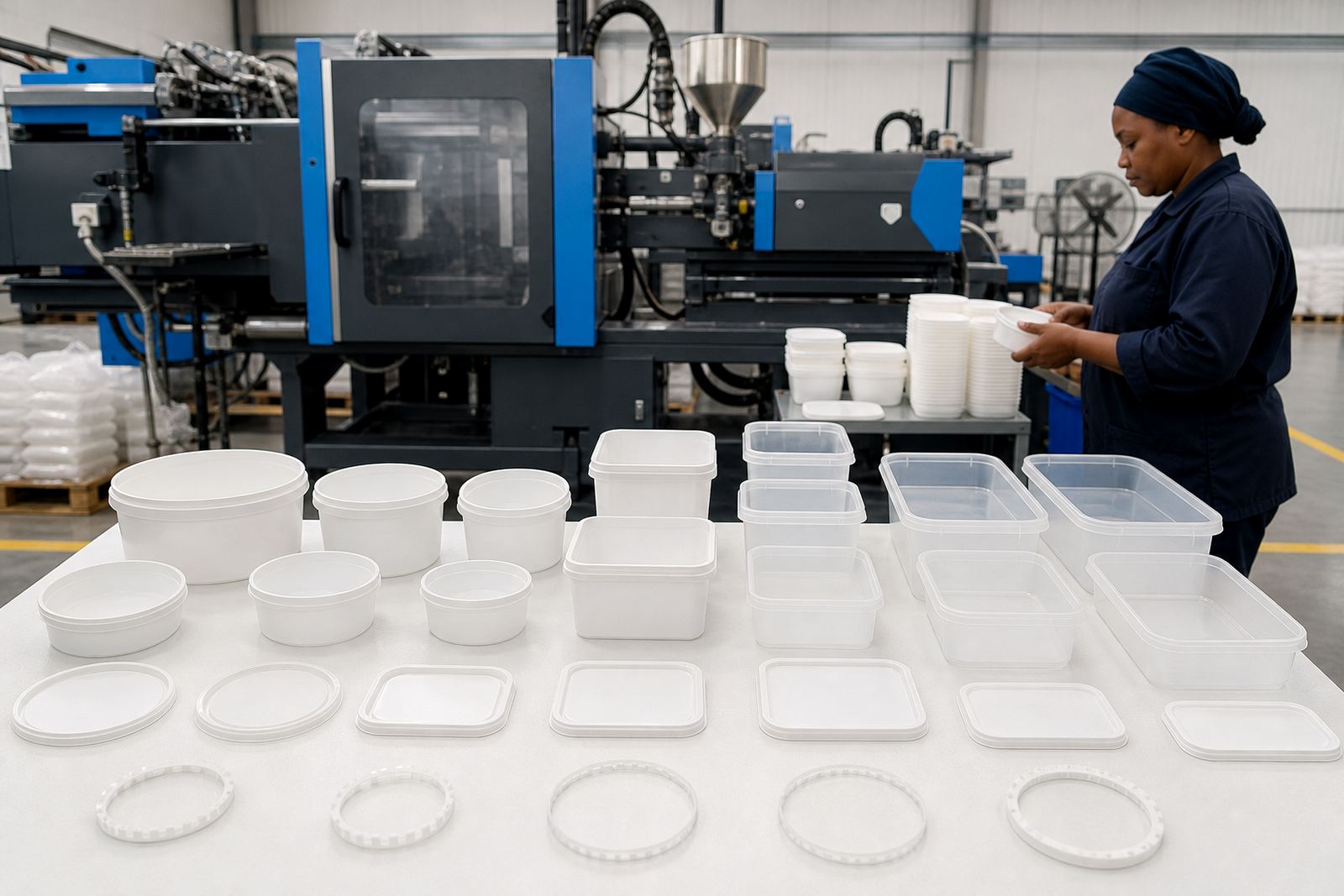
The outline of a container affects more than appearance. A round tub turns well on a filling line and is easy to grip, while a square or rectangular container uses shelf space more tightly and can help with carton packing. Wide-mouth tubs suit thicker products and hand filling, while narrower openings can reduce spill on lighter or finer fills. The right shape depends on how the pack moves from filling, to sealing, to storage and transport.
For food, pharmaceutical and cosmetic packers, the shape must fit the product and the line rhythm. A lid that sits neatly on a straight wall tub may not suit a tapered form, and a tamper seal has to follow the rim cleanly. If a pack is awkward to hold or tip, staff slow down and product losses creep in, especially where the same pack is handled many times during a shift.
Shelf fit and carton use in real stores
Retail shelf fit matters when cartons move through distributors and wholesalers. A shape that matches common carton footprints saves wasted space and can reduce shifting during transport. In Durban and other coastal areas, packers also look at how containers behave in humid storage areas, because labels, sleeves and outer cartons must hold their form while goods wait for dispatch.
When planning pack size, the container should work with the secondary pack. Tall narrow tubs may look neat, but they can tip inside a carton if the base is too small. Shorter, broader tubs are often steadier and easier to layer. The point is not to chase the smallest footprint, it is to keep the product upright, visible and easy to count.
How shape affects filling line flow
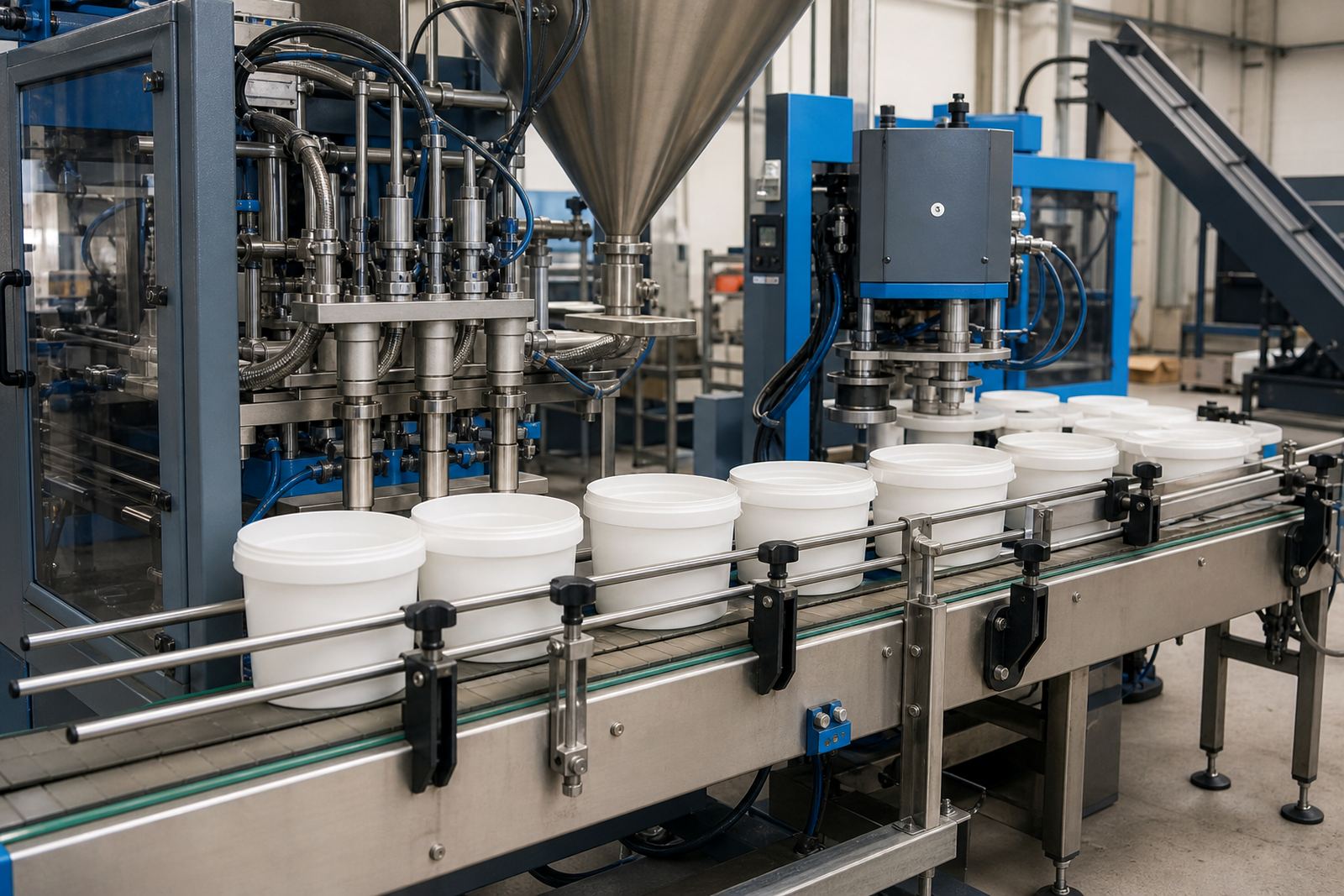
On a packing line, the shape must work with the pace of the operation. Straight sided tubs sit more neatly in guides and are easier for operators to align, while tapered containers may need a different feed setup. If a line uses automatic lidding or sealing, the rim profile becomes even more important because the lid has to seat evenly every time.
Polypropylene and HDPE containers are both common for packers who need tough, practical packs. Polypropylene often suits food and cosmetic tubs where a cleaner, lighter feel is wanted. HDPE is widely used where a tougher wall and different material behaviour are useful. Shape, wall thickness and rim detail all need to be considered together, otherwise the line may run well for one shift and become awkward on the next.
Trial production runs help confirm whether a chosen shape feeds smoothly, fills cleanly and seals without trouble. That is especially useful when a packer is working with more than one product size on the same line, or when a new lid design must match existing equipment and packing habits.
User convenience in food, pharma and cosmetic packs
A container should be practical for the person opening it, dosing from it, or closing it after use. In food packaging, a wider mouth may help with scooping or pouring. In pharmaceuticals, a controlled opening can support cleaner handling and reduce mess. Cosmetic tubs often need a shape that feels neat in the hand and gives enough wall space for labelling.
For customer convenience, think about the end use as well as the fill stage. A pack that nests well in production may still be awkward on a shelf or during customer use. Handles, grip points and shoulder shape all change the experience. Even a small change in height or corner profile can improve the way the pack sits in a box, on a tray, or in a warehouse crate.
Here, the choice is about everyday handling. Staff want a pack that moves cleanly, and customers want a pack that opens and closes without fuss.
Material, lid and seal should match the form
Shape cannot be chosen on its own. The material, lid and seal all need to match the container form. Food-safe materials are selected according to the pack and product requirements, then the mould shape is adjusted to support the rim, walls and base. A tamper seal must line up cleanly and stay consistent around the full edge, otherwise the pack may look untidy or feel loose when handled.
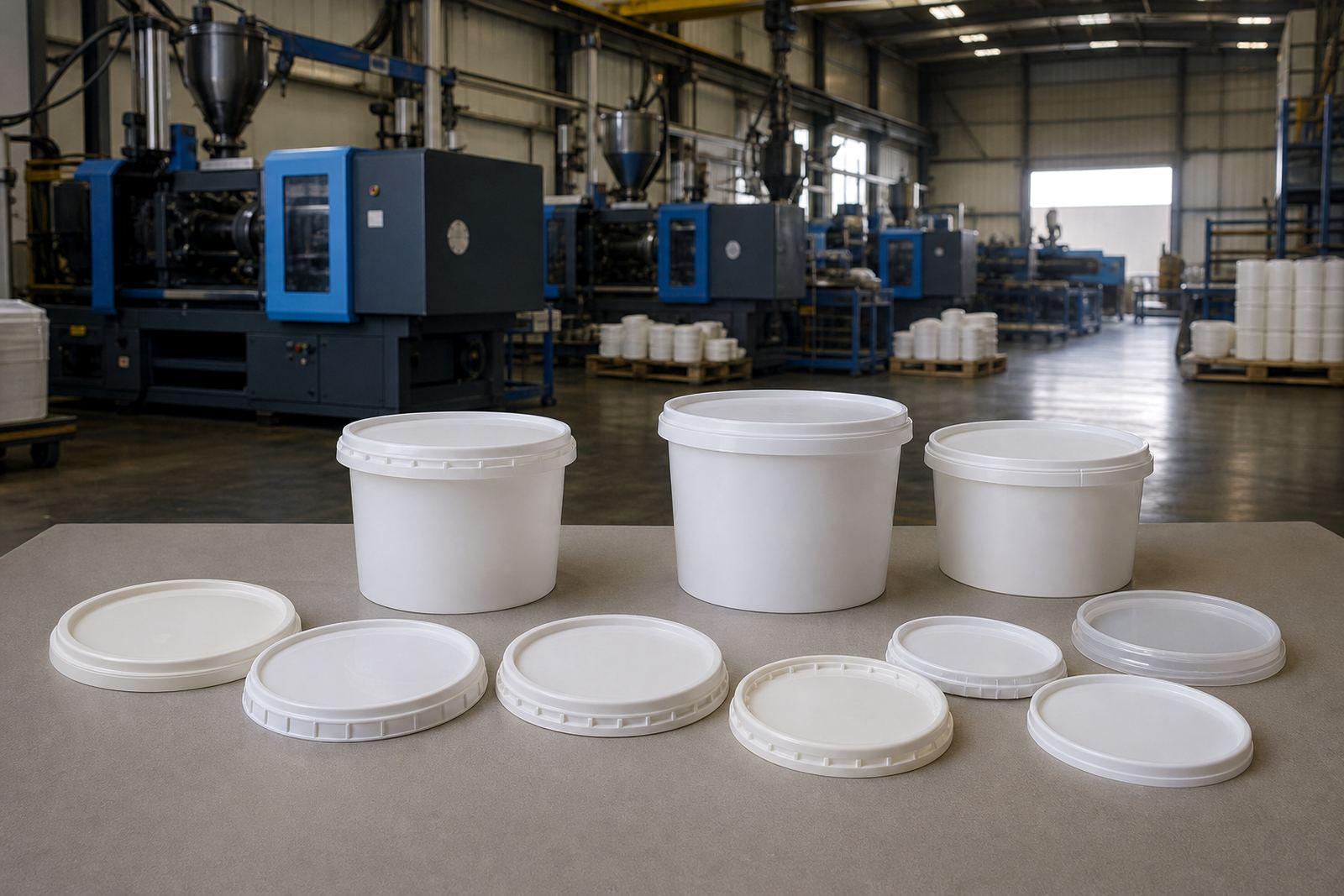
When the mould is being developed, the team looks at draft angles, stacking strength and whether the pack will nest or stack. A straight wall may suit a stackable run, while a tapered body helps with storage before filling. Colour matching guidance can also matter, especially where the container is part of a wider product family and the same mould needs to serve different pack sizes.
A working checklist before the mould is signed off
Good pack shape work comes from checking the full route, not only the sample on the table. The Plastic Factory team in Alrode looks at pack size planning, line fit checks and stock run planning so the chosen container works in production and in dispatch. That matters for Johannesburg supply, Pretoria supply, Alberton supply and the longer routes to Durban, Cape Town and Port Elizabeth.
Use this practical checklist before the final shape is locked in:
- Confirm the product weight or fill volume.
- Check the shelf footprint and carton layout.
- Test lid fit, tamper seal fit and easy opening.
- Review how the pack stacks, nests or stores empty.
- Make sure the shape suits the filling line and packing crew.
- Ask whether the outer case and pallet pattern stay stable.
Once the shape is right, ongoing product updates are easier to manage. The pack can be adjusted for a new volume, a different line or a revised lid without changing the whole operation. That keeps the container useful across normal production runs and seasonal demand.