

Pack sizes that suit real filling lines
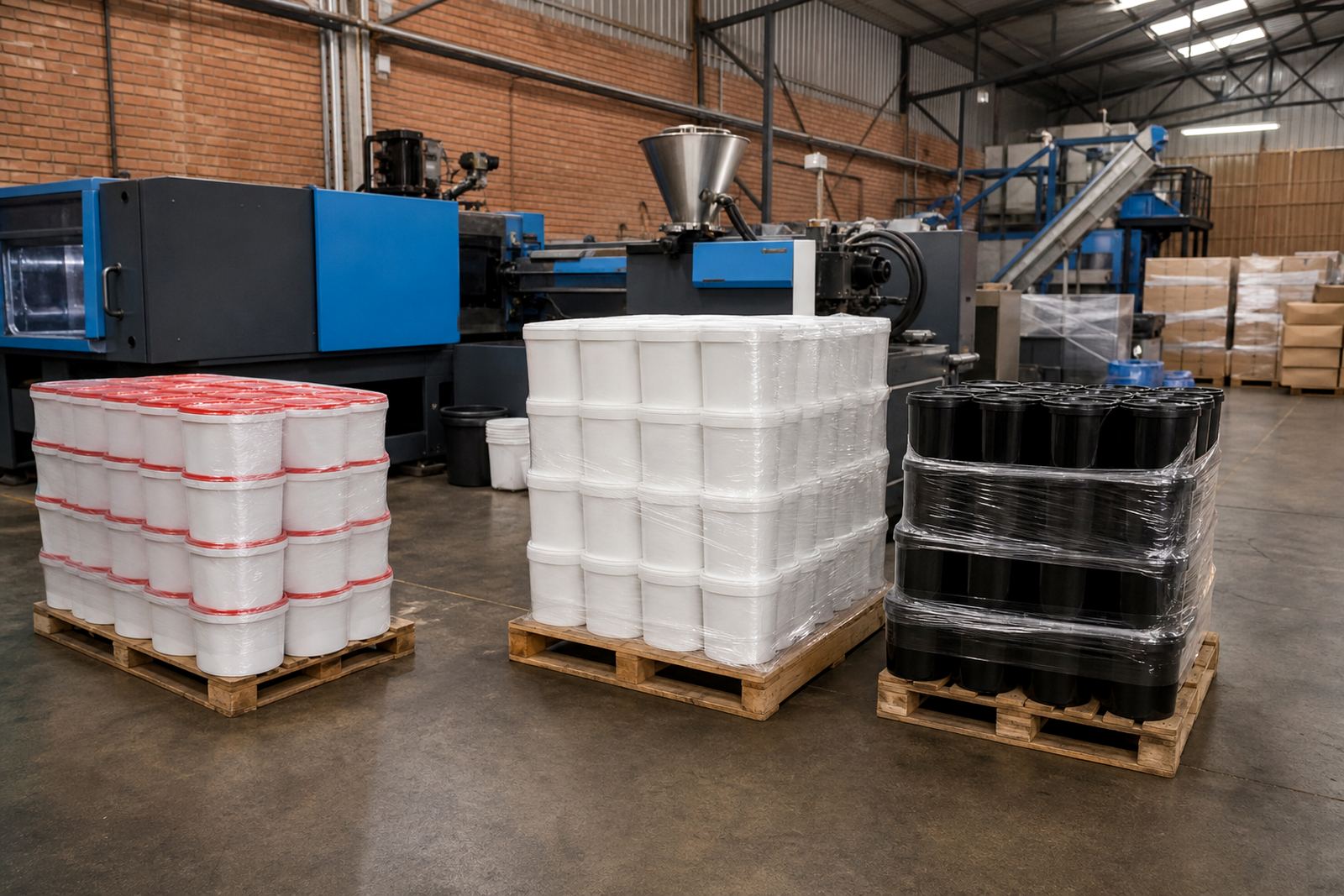
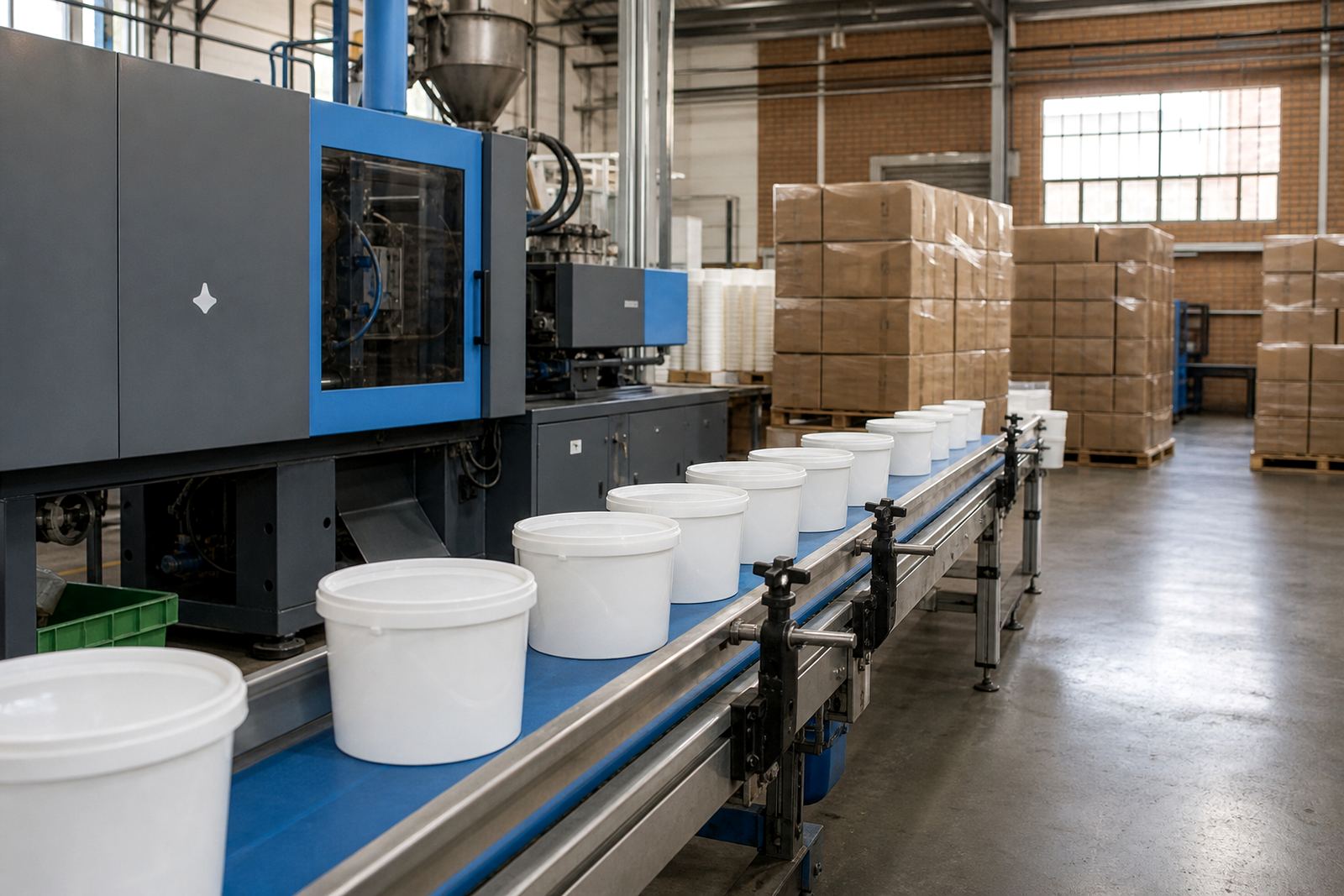
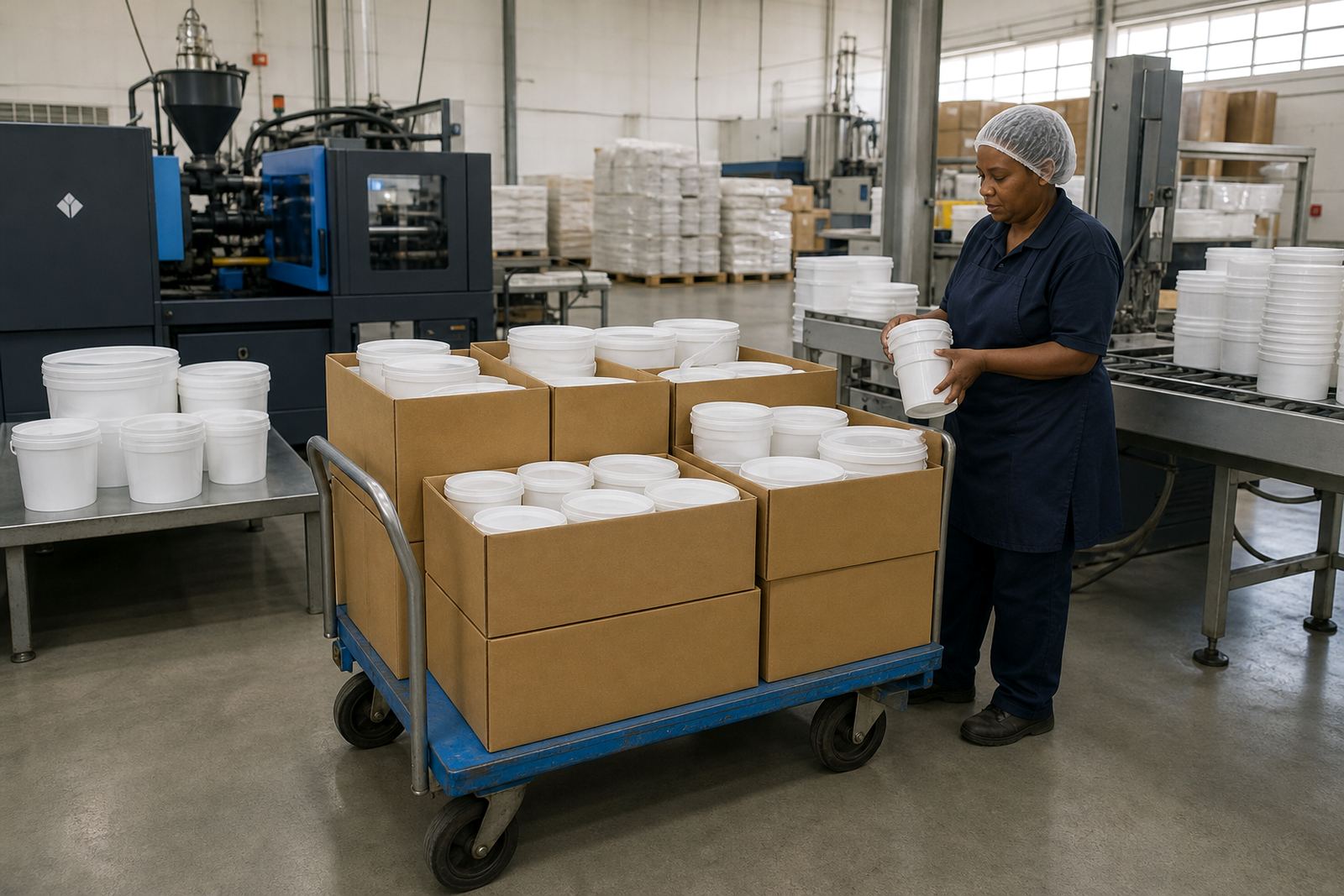
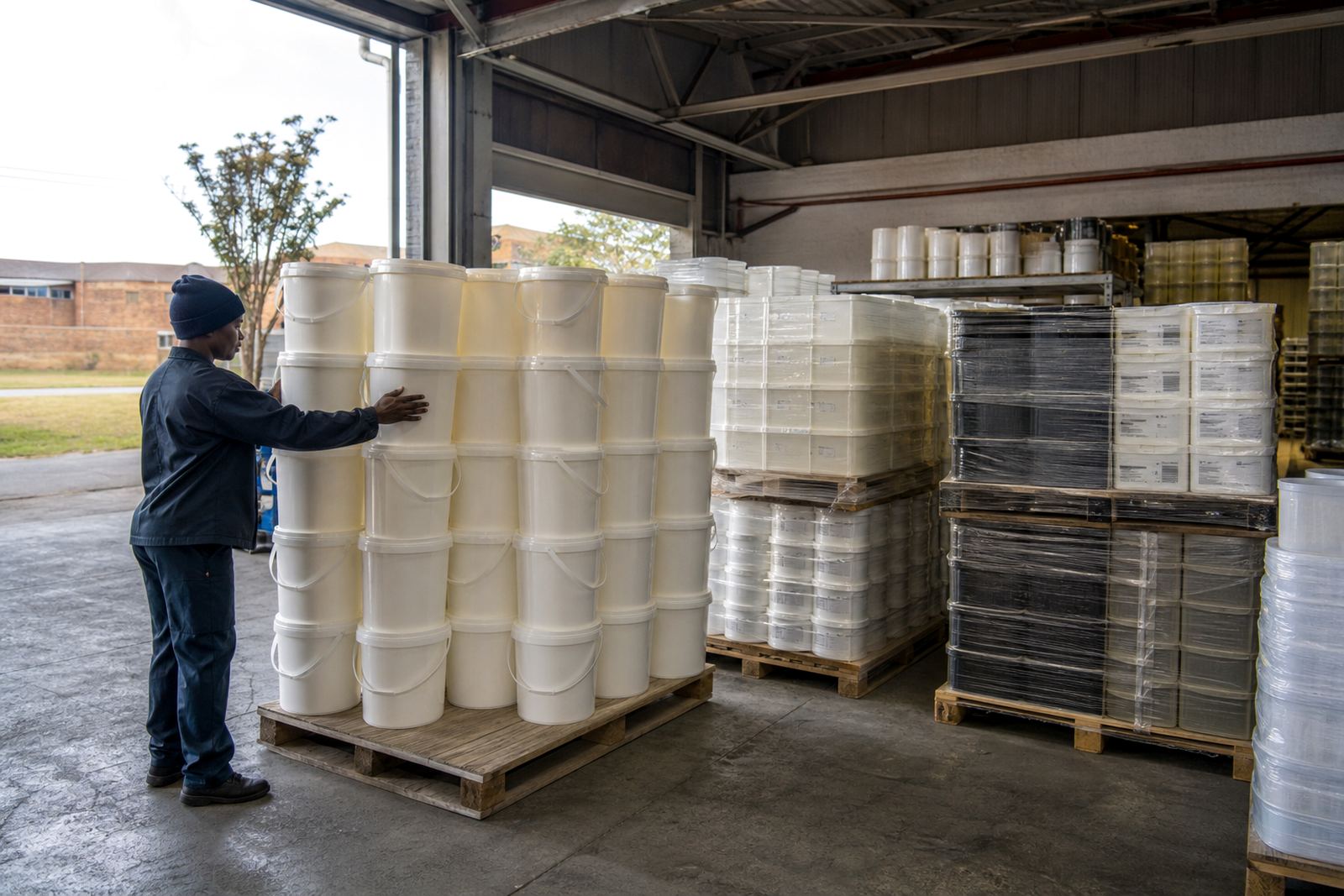
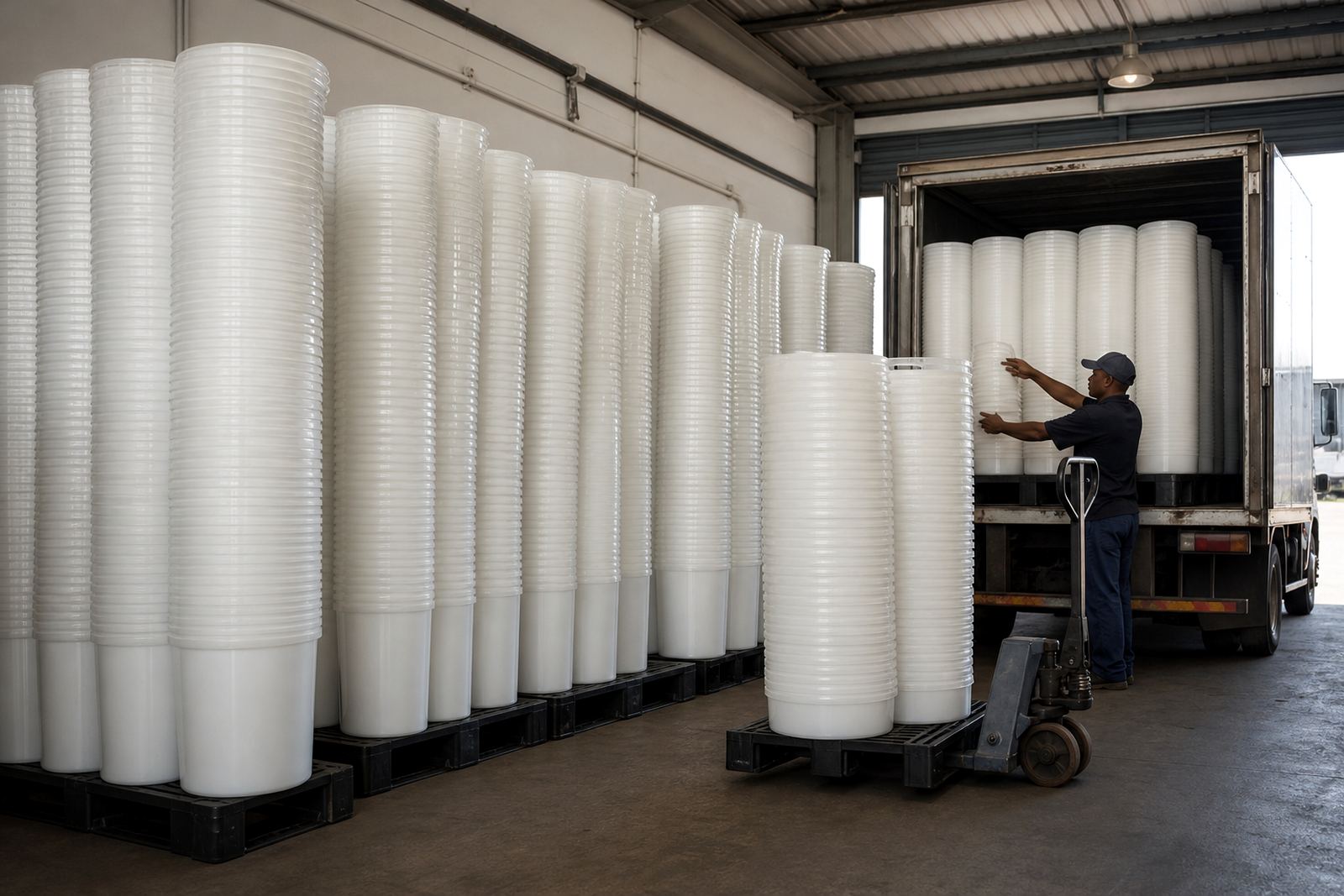
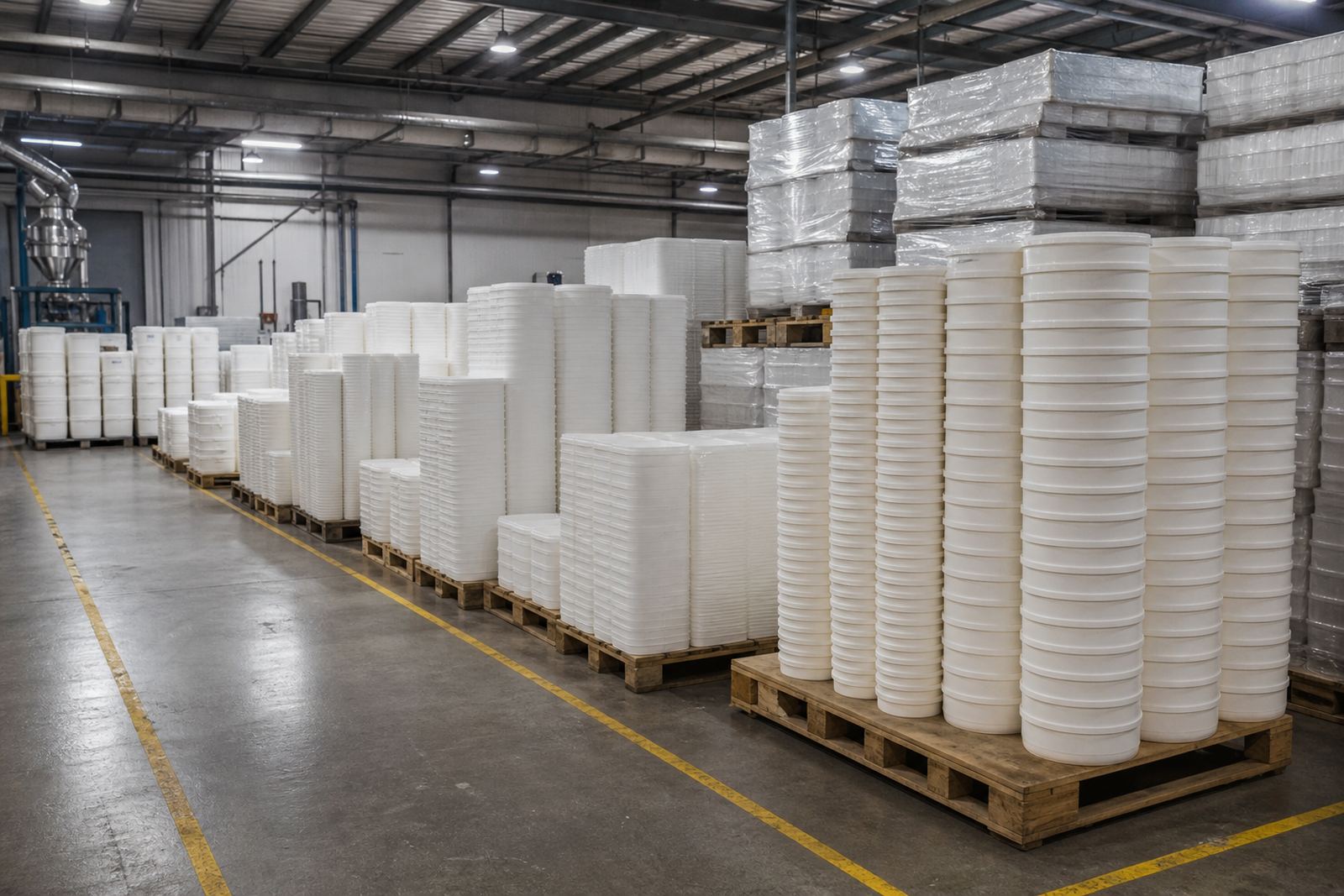
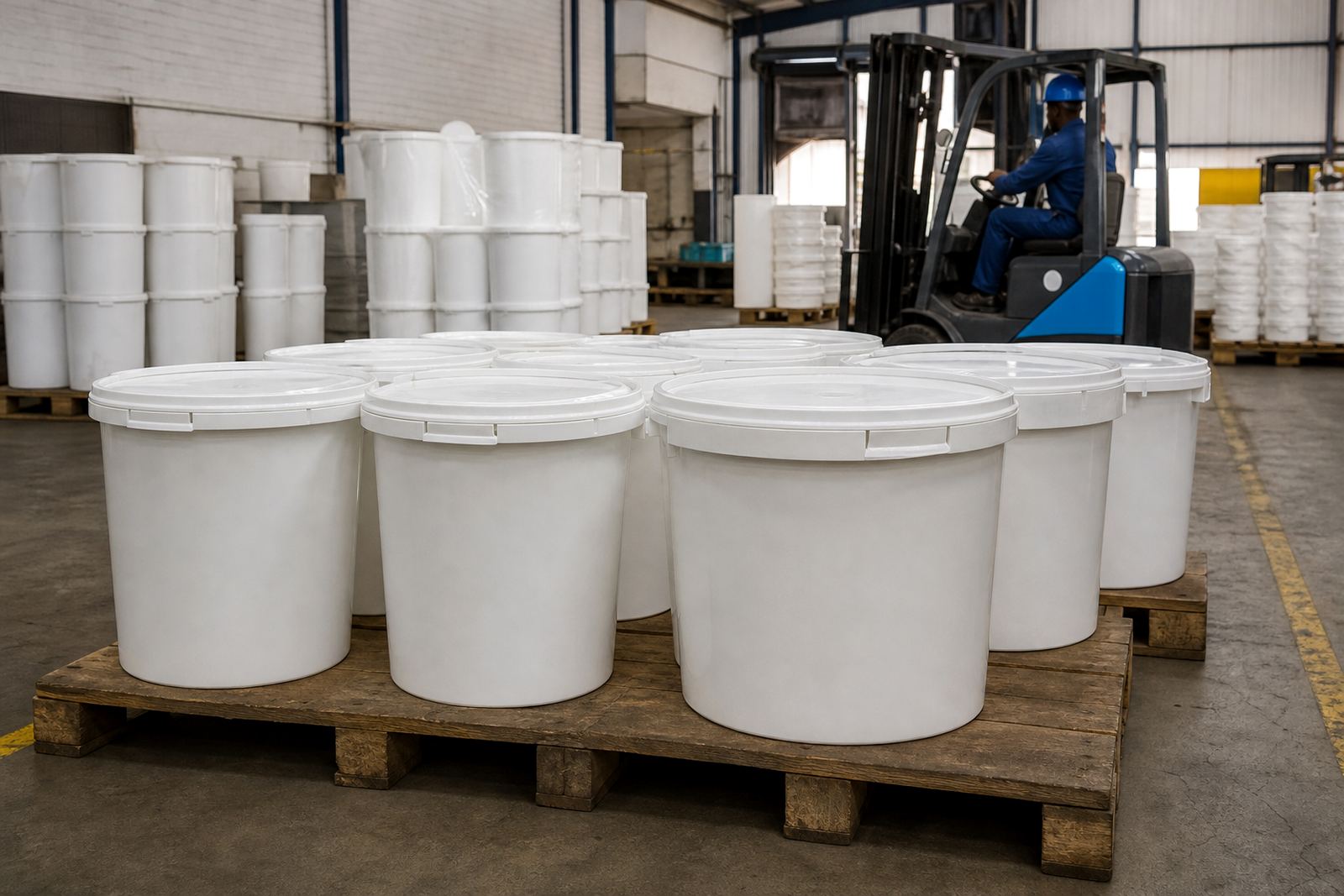
Every packing run starts with the container shape and the way it sits on a line. A round tub, square tub or nesting container can change how easily sleeves, lids and seals move through the pack area. In Alrode and across the larger Gauteng supply chain, packers often work with a few standard sizes so cartons stay tidy and pallet counts stay predictable.
For food, pharmaceutical and cosmetic products, polypropylene and HDPE are common choices because they handle a wide range of pack formats. The final decision usually depends on the product texture, the fill temperature, storage conditions and the look the packer wants on shelf.
Lids and tamper seals for cleaner handover points
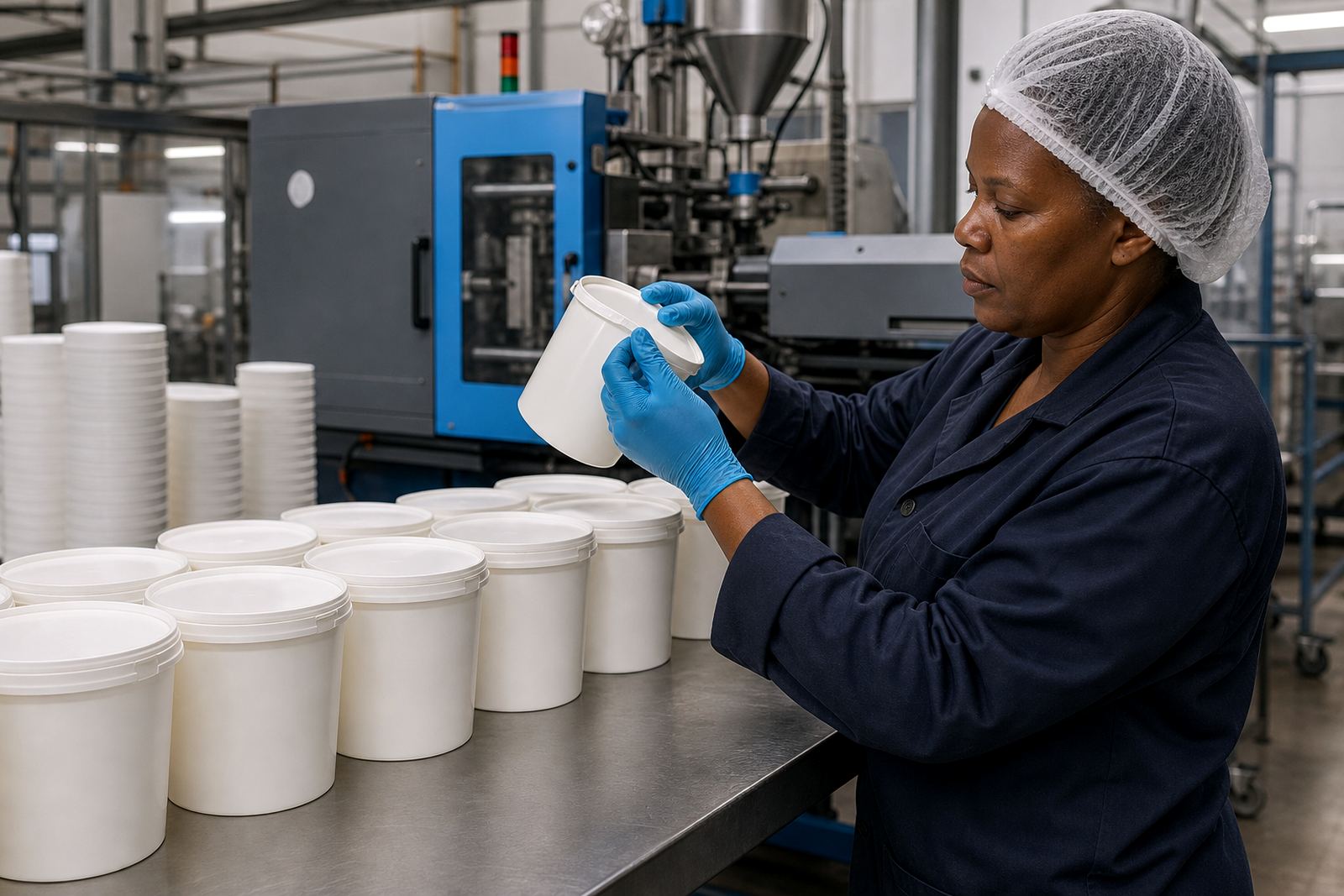
Lid fit matters just as much as the tub itself. A lid that sits too loose can cause movement in transit, while one that bites too hard can slow down packing and inspection. Tamper seals add a clear point of closure for goods that move through wholesalers, retail shelves or regulated distribution channels.
- Snap-on lids for fast packing lines
- Sealable lids for tamper-evident use
- Options for stacked storage and stable palletising
- Guidance on closure depth and rim fit
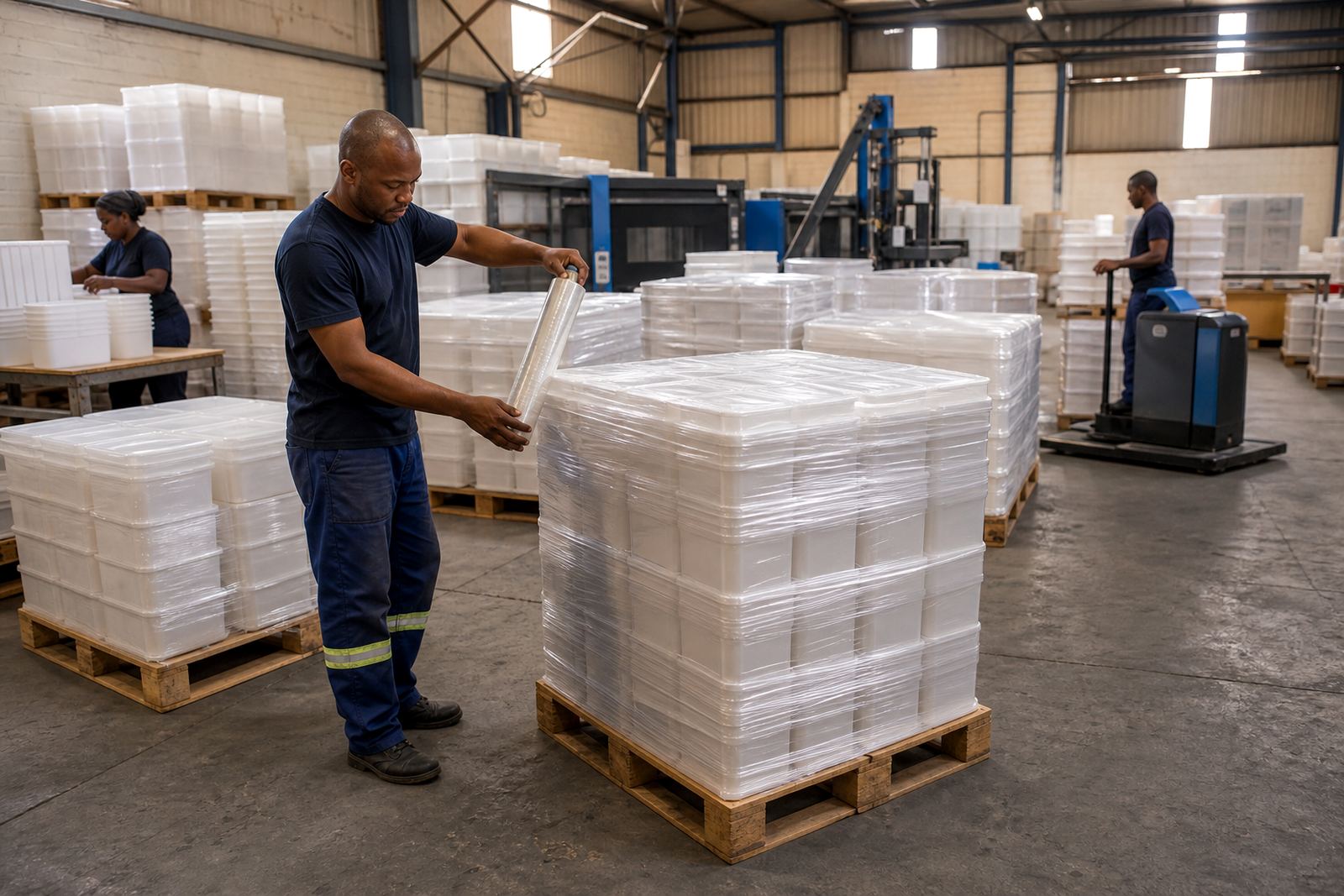
Secondary packing also plays a part. If cartons are too tight or too loose around the packed tubs, the load can shift and scuff during long road freight from Johannesburg to Durban or Cape Town.
Material selection for food, pharmaceutical and cosmetic goods
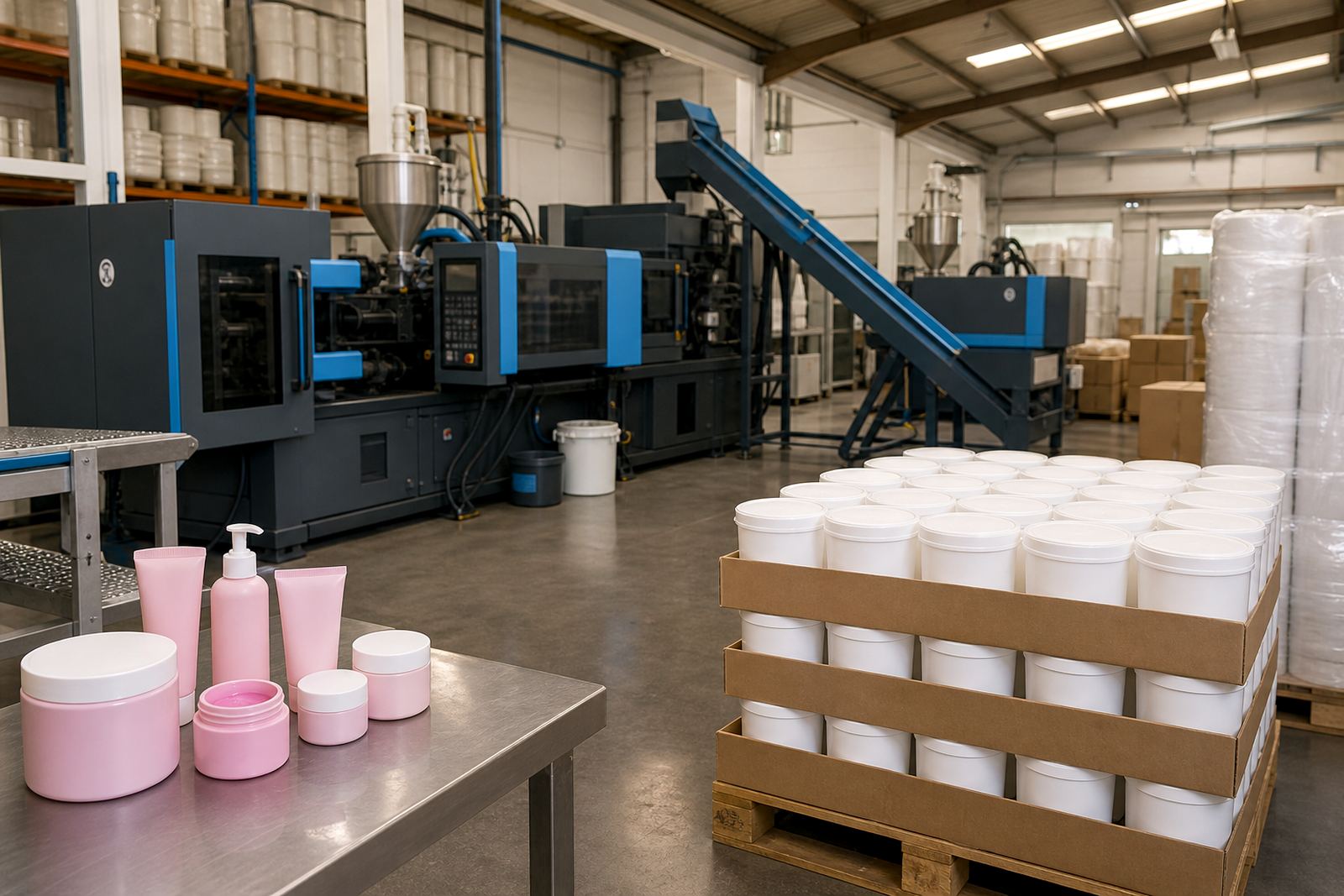
Different products ask for different plastics. Food packers often want a container that handles chilled goods, dry ingredients or sauces without odd odours or flexing. Pharmaceutical packers may need a cleaner finish, tighter closure control and a stable shape that works well with labelling and batch coding. Cosmetic lines often need a neat appearance, colour control and a container that presents well under retail lighting.
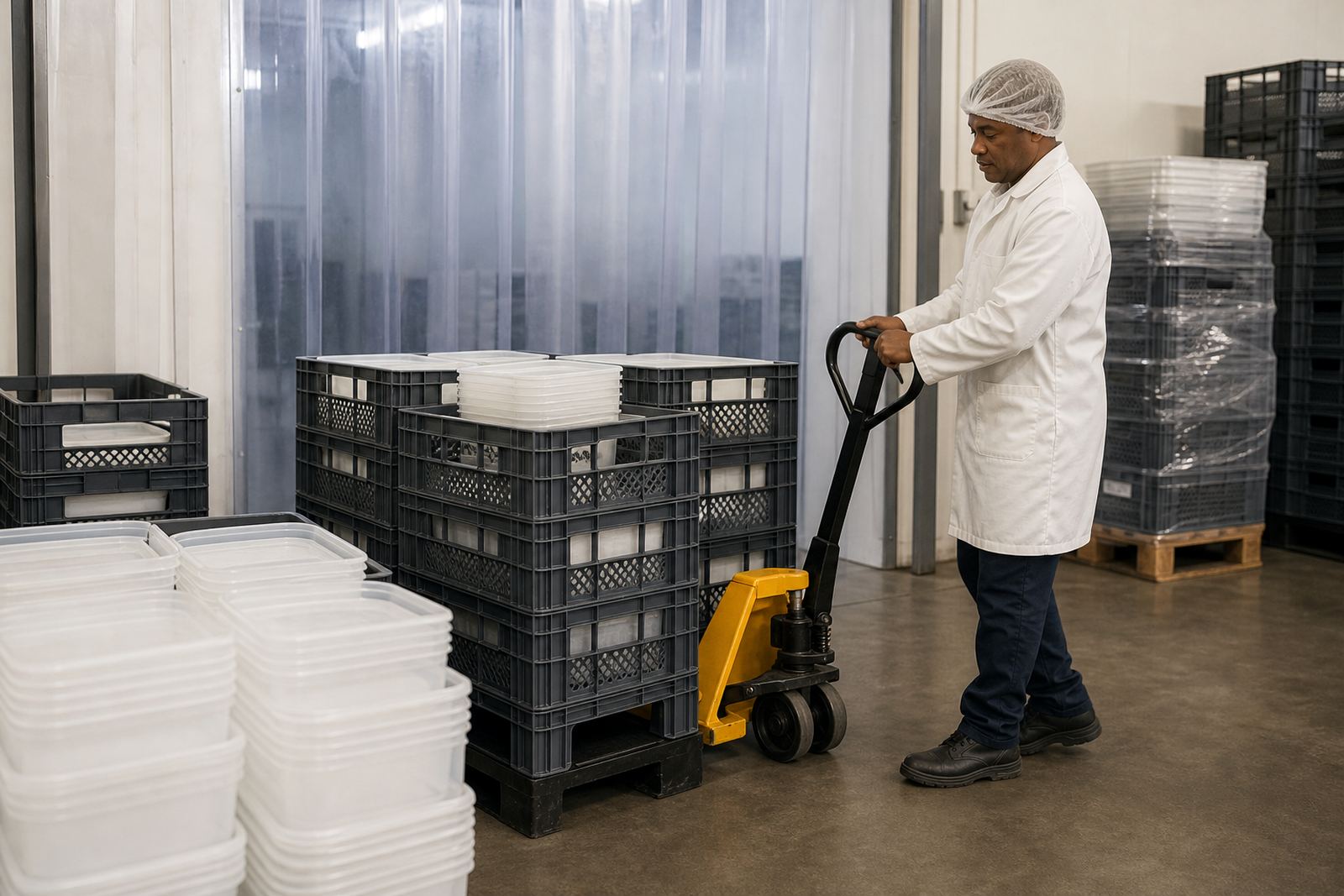
Material selection is not only about the plastic type. Wall thickness, finish, lid style and the way the tub stacks all affect the packing run. The wrong combination can make a line awkward, especially when the same pack needs to move between filling, sealing, boxing and dispatch.
Trial production runs before a full stock call
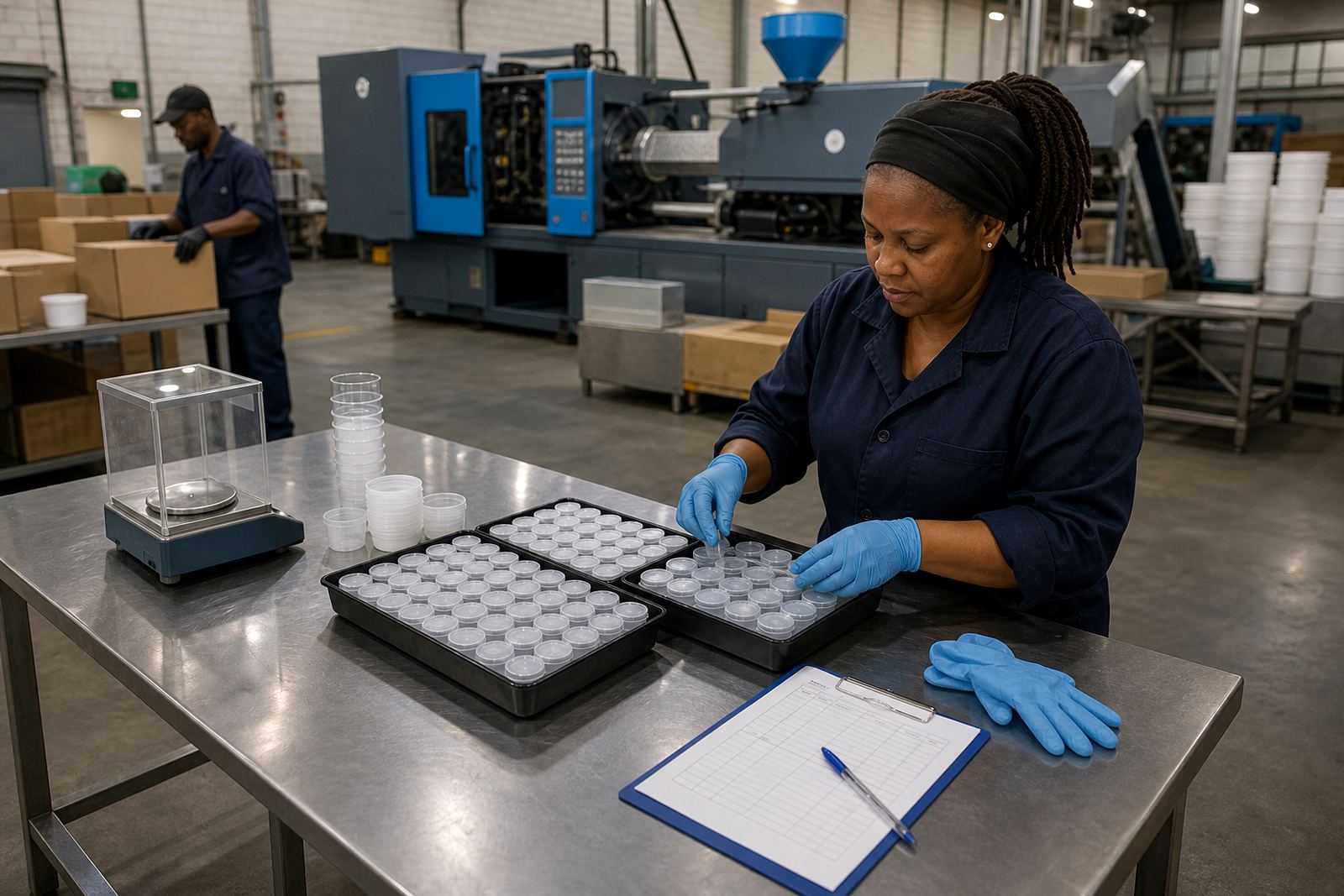
Trial production runs help packers check the fit before larger volumes are set in motion. A short run can show whether the container nests cleanly, whether the lid closes properly, and whether labels sit straight on the curved surface. It also gives room to test how the pack behaves in cold rooms, humid stores and transport over longer routes.
- Trial tubs for lid fit and closure feel
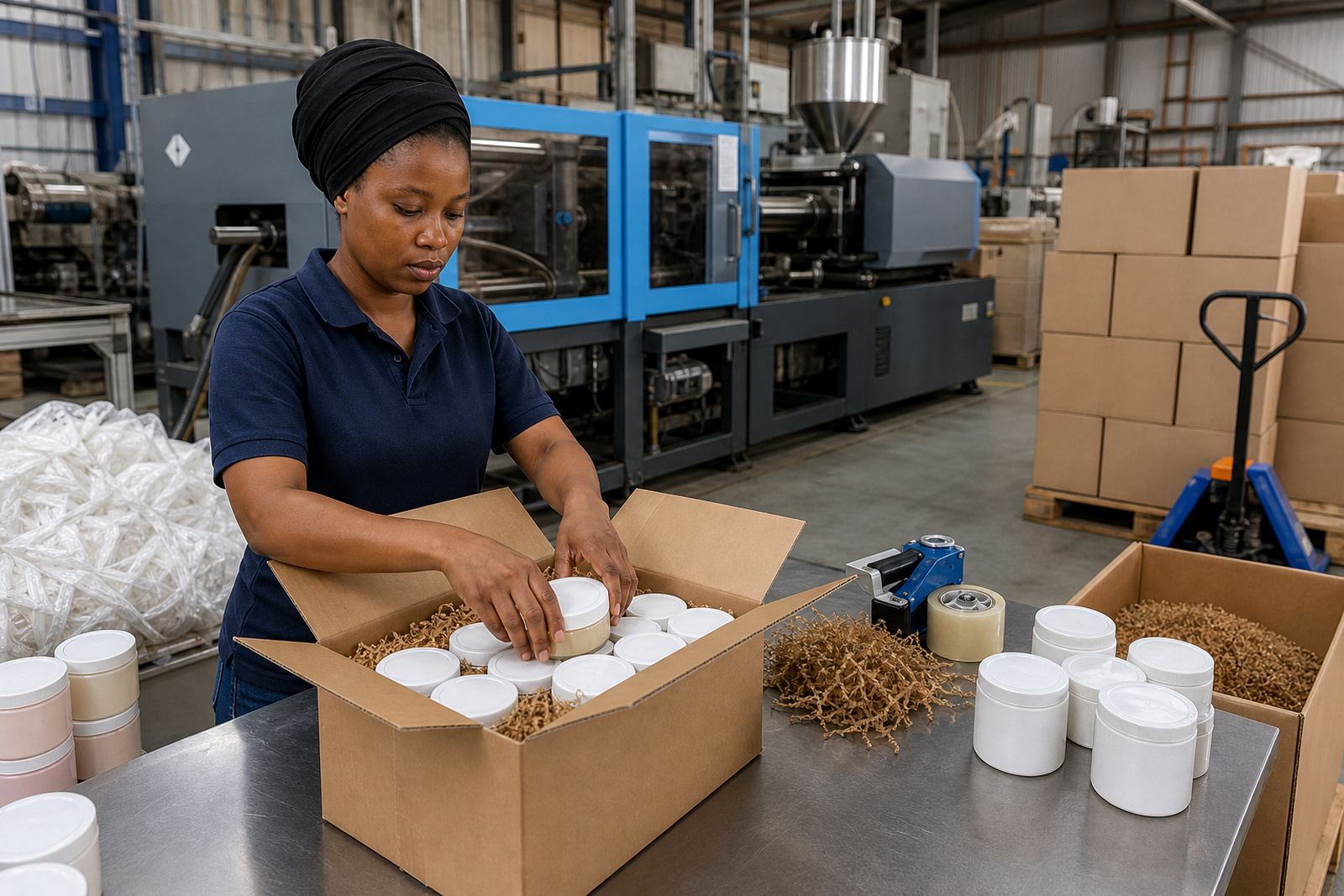
- Line checks for filling, stacking and carton pack-out
- Colour matching guidance for branded ranges
- Pack size planning for shelf and warehouse use
For packers moving goods through Alberton, Germiston or Boksburg, a small adjustment at this stage can prevent a lot of waste later.
Dispatch planning for South African delivery routes
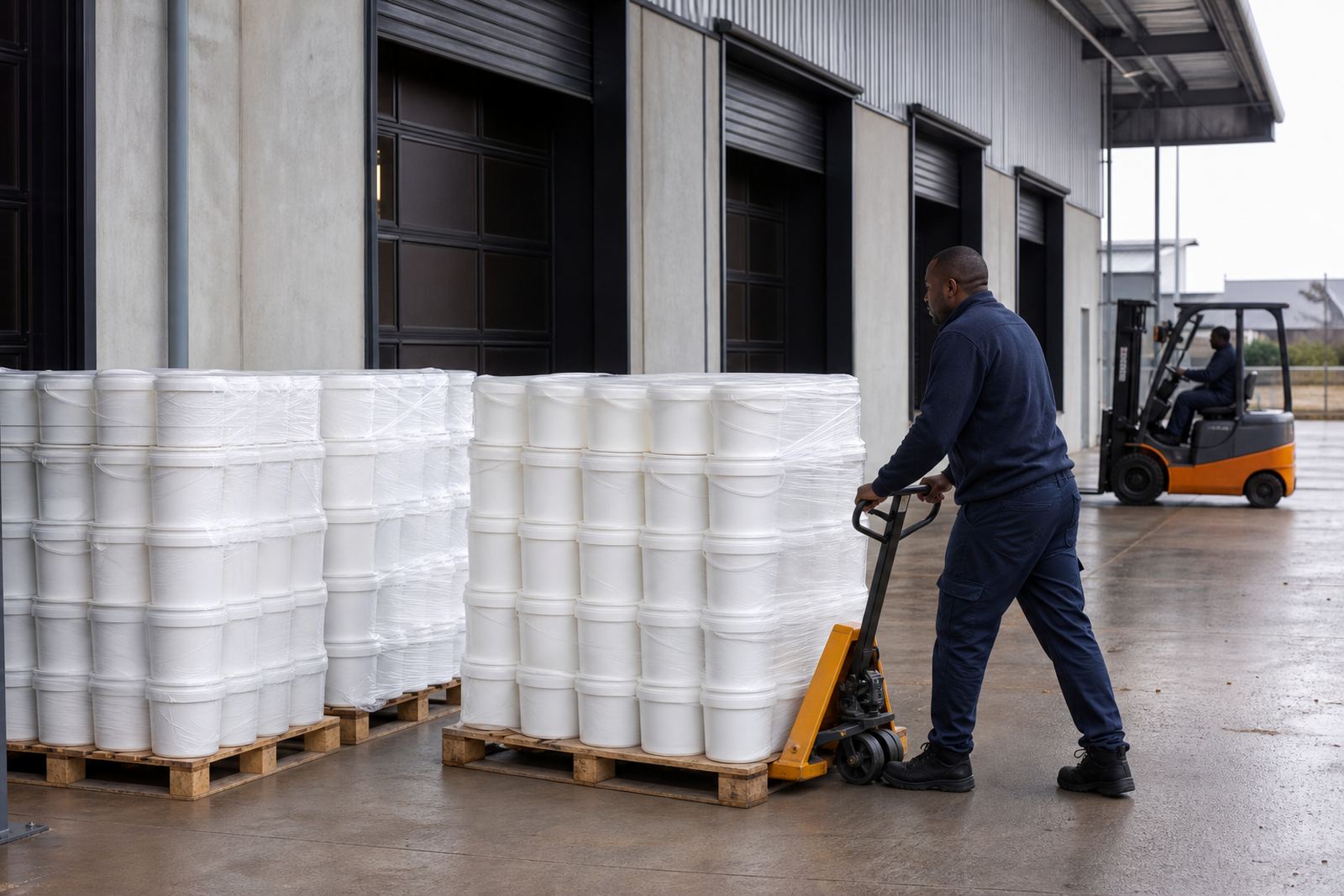
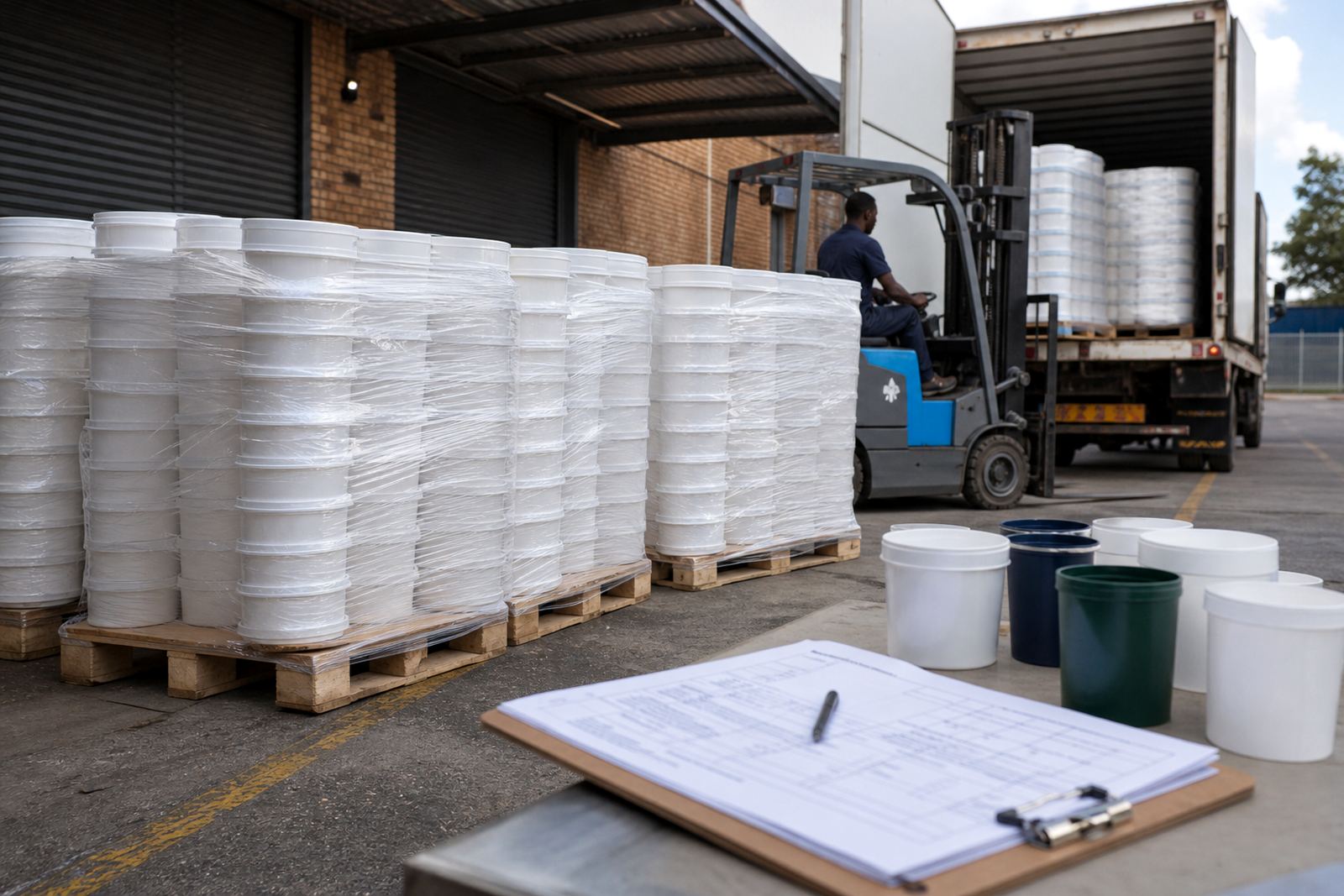
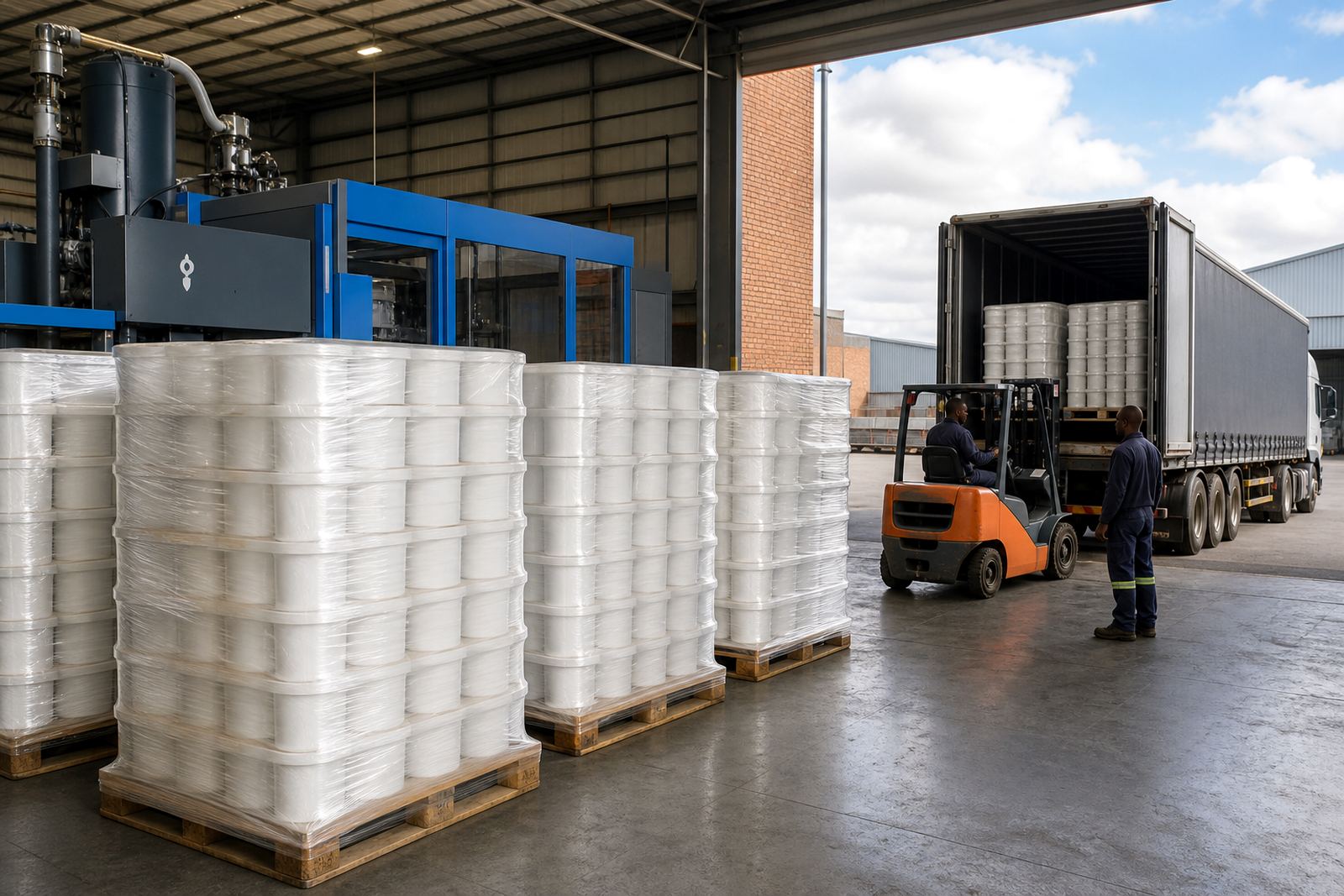
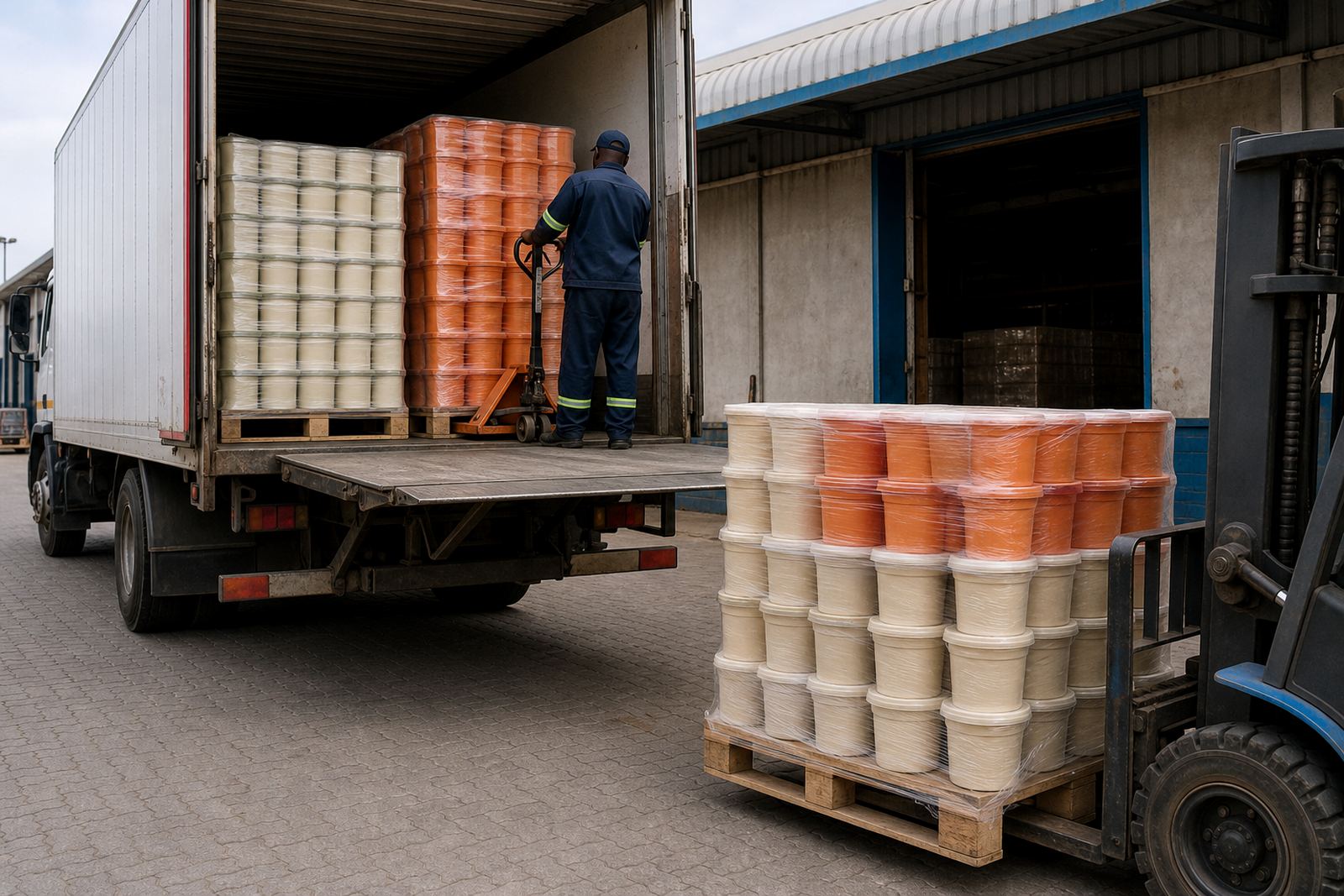
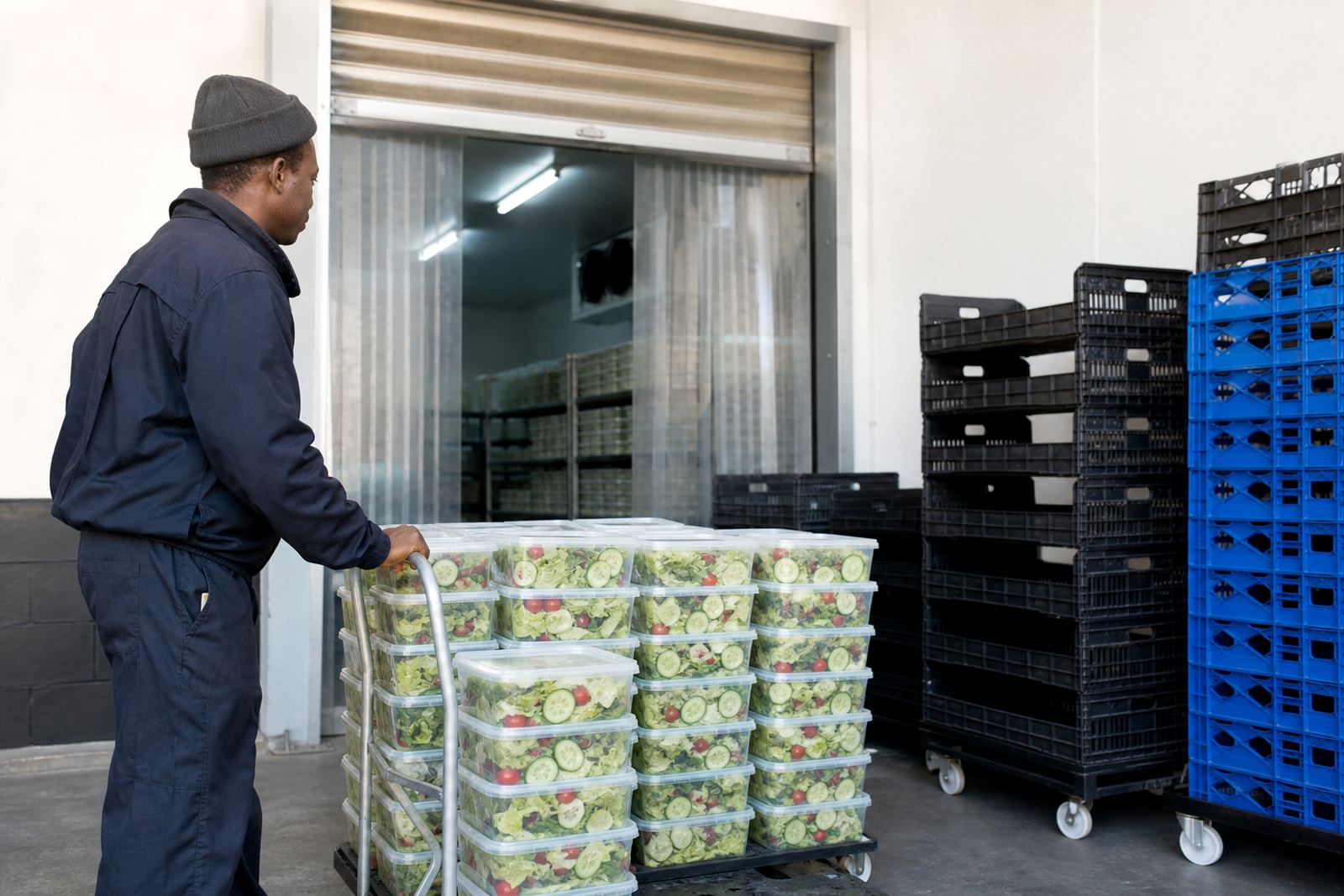
Packing runs rarely stay in one place. Goods may leave Alrode for Pretoria, Durban, Cape Town or Port Elizabeth, and the pack has to hold together through that movement. Hot inland weather, coastal humidity and long courier legs all place pressure on closures, cartons and pallet wrap. A container that is fine in the warehouse can still cause issues once it sits in a warm truck or a damp store room.
Dispatch planning links back to stock run planning, because the right pack size helps keep loads consistent. When tubs and lids are lined up to the same specification, the packing team can keep the run orderly and the warehouse can work with fewer surprises.
A packing run brief that saves time on the floor
When a packer sends through a brief, the most useful detail is usually practical: product type, fill size, storage temperature, carton count, and whether the pack needs tamper evidence. That information gives the production team a solid base for mould development, line fit checks and stock planning. It also helps with colour matching guidance when a range needs to stay visually consistent across several pack sizes.
Plastic Factory works with businesses that need supply jobs shaped around real packing conditions, not loose catalogues. That means the container, lid and seal are considered together, with the final pack meant to move cleanly from moulding to filling to dispatch.