A Soweto line that needed steadier tub supply
The packer worked from Soweto and moved a steady volume of chilled and ambient food through a short filling line. Their team needed tubs that sat squarely on the conveyor, nested cleanly in storage, and kept their product sealed through delivery to local wholesalers and shop shelves.
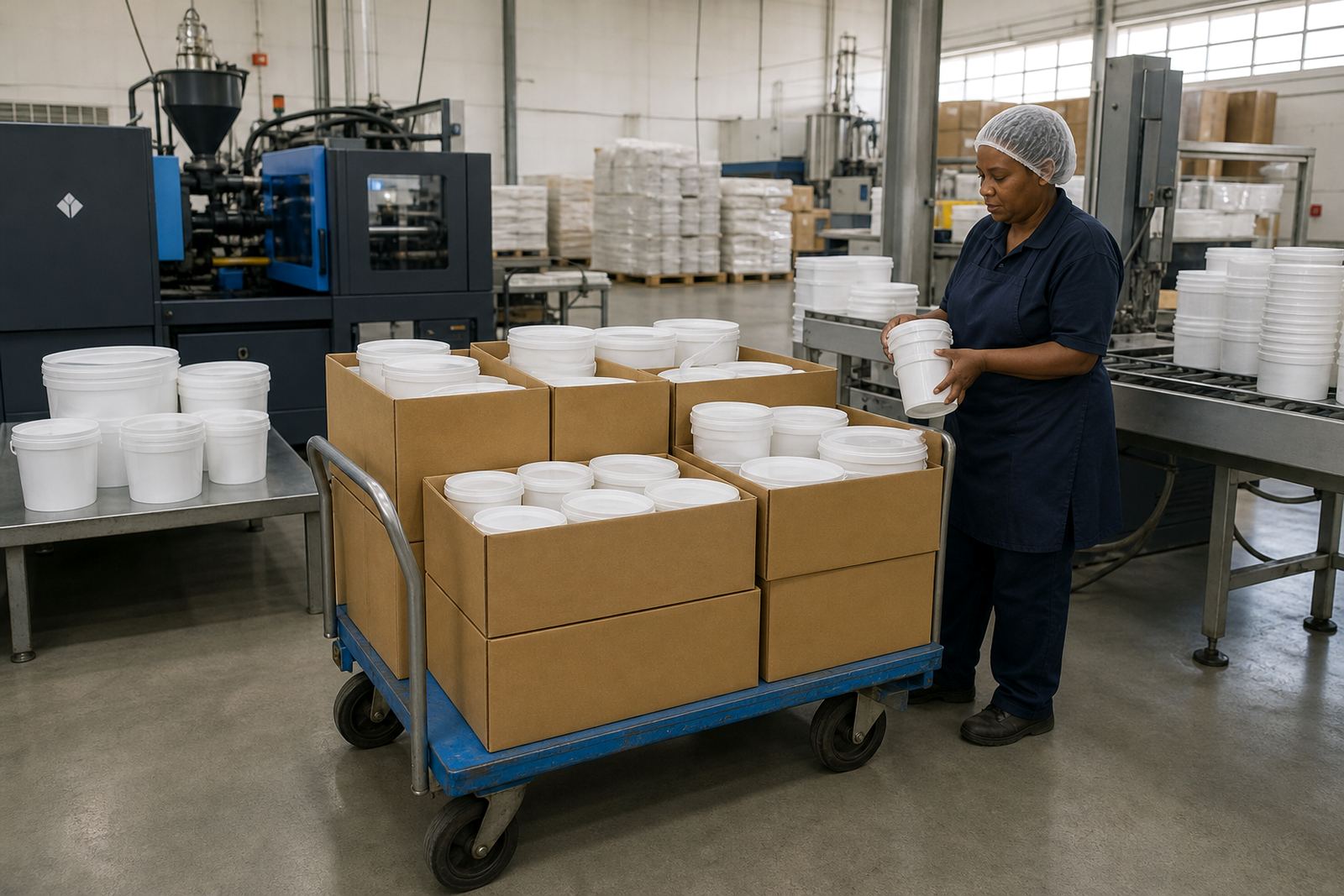
The pack size was for everyday production rather than display stock, so the tub shape had to suit fast handling. We worked around a fill line that used manual placement at one point and a heat seal step at another, so the rim profile and lid engagement mattered just as much as the container wall thickness.
- Product type: injection-moulded food tub
- Main material: food-grade polypropylene
- Format: matching lid with tamper seal feature
- Use case: daily packing for chilled and ambient foods
The brief, plus the practical limits on site
The client wanted a tub that looked clean, held shape under stacking pressure, and did not deform during warehousing in warm weather. In Soweto and the wider Johannesburg area, that means packaging has to cope with summer heat, repeated handling, and short runs where changeovers still need to stay tidy.
There was also a colour requirement tied to product sorting on the packing floor. We kept the base resin suitable for food contact use and worked within the moulded finish needed for a clean seal line. The challenge was balancing strength, weight and ease of closing without making the tub awkward for staff wearing gloves.
- Wall profile set for stacking strength
- Rim detail matched to the lid line
- Colour guidance supplied for product separation
- Form chosen for neat shelf presentation
How the container spec was set up
The container was developed as an injection-moulded polypropylene tub, with a matching lid that locked in place firmly and supported a tamper-evident seal. Polypropylene suits many food packing jobs because it stays light, moulds with a clean finish and handles routine stacking without feeling flimsy.
For this job, the tub range was built around several pack sizes, so the packer could use one family of containers across different product weights. The moulded parts were checked for consistent rim dimensions, since even a small variation can affect sealing on a busy packing line. We also kept the shape easy to label, because smooth panel areas help with batch coding and shelf marking.
- Materials: polypropylene tubs and lids
- Closure: snap-fit lid with tamper seal option
- Finish: smooth sides for labelling and coding
- Sizes: multiple pack volumes for one product range
Trial runs and line fit in three weeks
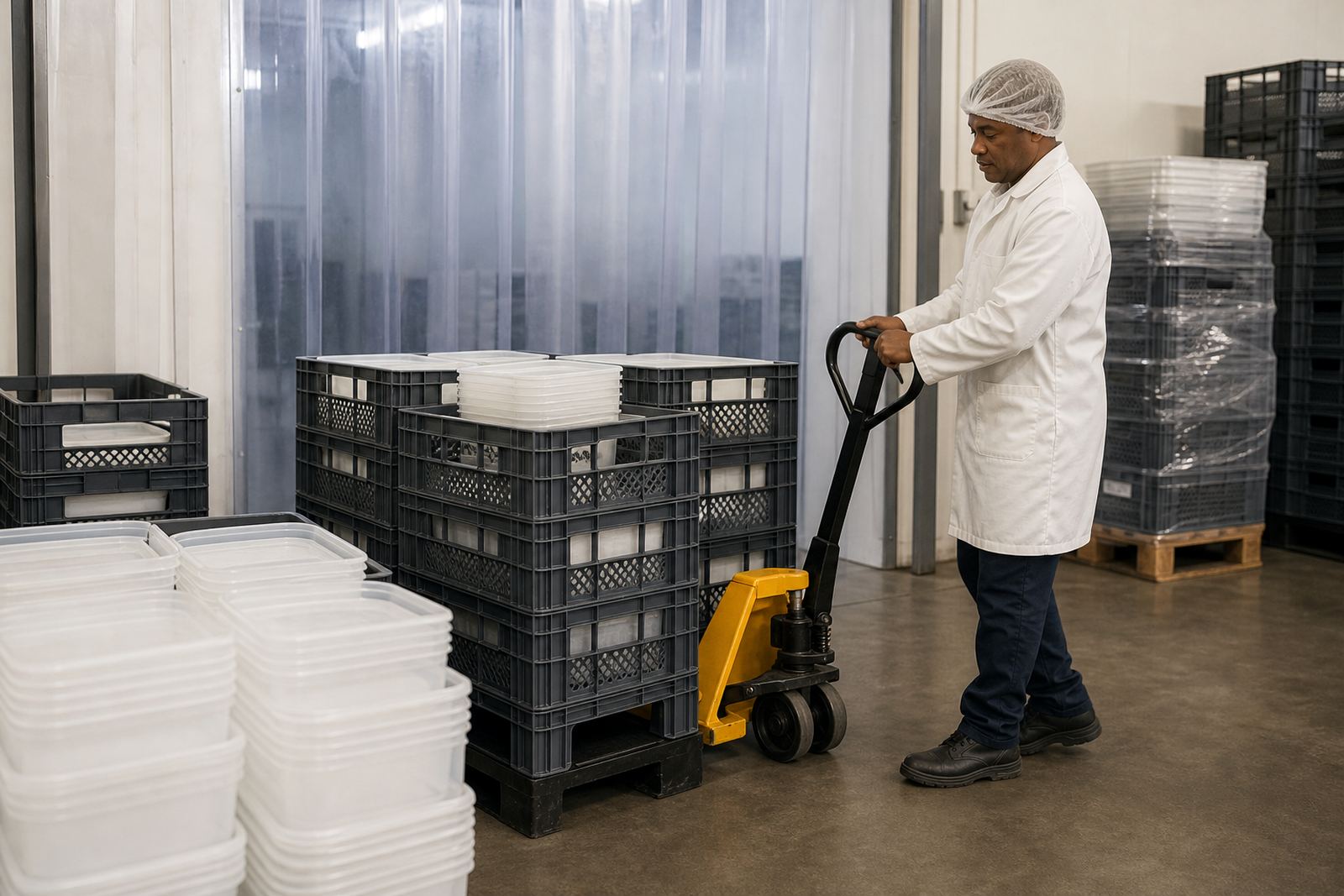
The first stage covered sample confirmation and fit checks against the client’s existing packing method. After that, trial production runs were used to confirm lid seating, seal behaviour and stacking during transport crates. The line fit work was important because the packer needed a tub that moved cleanly through the same handling rhythm already used on site.
Over three weeks, the team reviewed samples, checked fill height against the rim, and adjusted the sealing interface so the lid sat evenly. Small changes to the mould detail helped reduce wobble in stacked cartons and gave the packing team a more consistent closing action. That cut down on rejected tubs and made the worktable neater during peak periods.
- Week 1: sample review and fit measurement
- Week 2: trial production runs and closure checks
- Week 3: packing-line confirmation and dispatch planning
- Final step: stock run planning for repeat demand
What was supplied for the packing floor
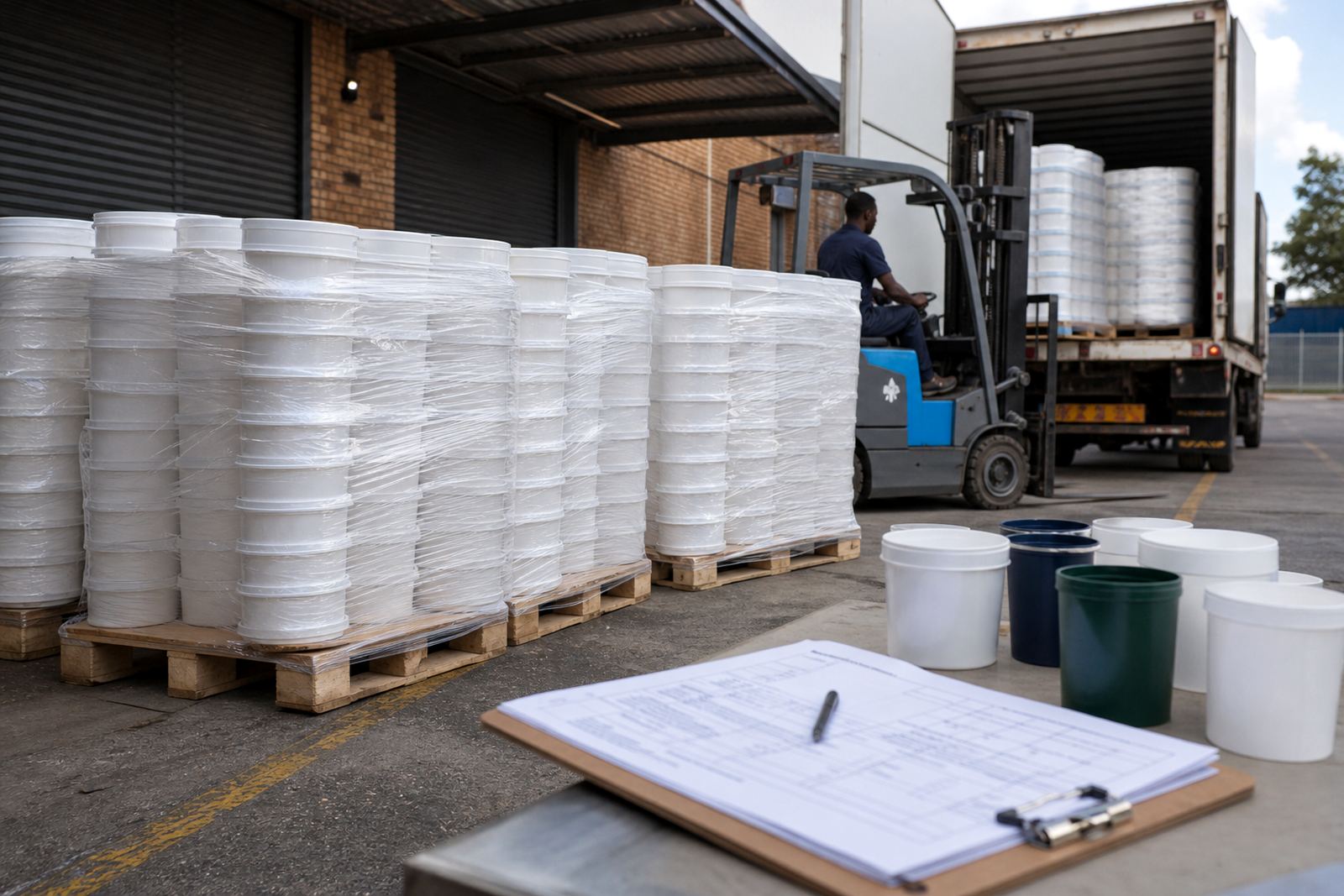
We supplied the agreed tub range, lids, and tamper seals, then coordinated the pack size planning around the client’s daily volumes. Secondary packing advice was included so the cartons could be loaded without crushing the lids or forcing the tubs out of shape. For a food packer, that part matters because a neat tub can still fail the job if the outer handling is rough.
The final supply package also covered colour matching guidance, so the containers suited the client’s product grouping and brand look without making the line harder to run. The result was a practical set of containers that packed well, stored neatly and travelled without obvious lid lift or side distortion.
- Lids matched to each tub format
- Tamper seals supplied for retail confidence
- Carton packing advice for safer dispatch
- Colour matching guidance for line sorting
Results on a busy Soweto production rhythm
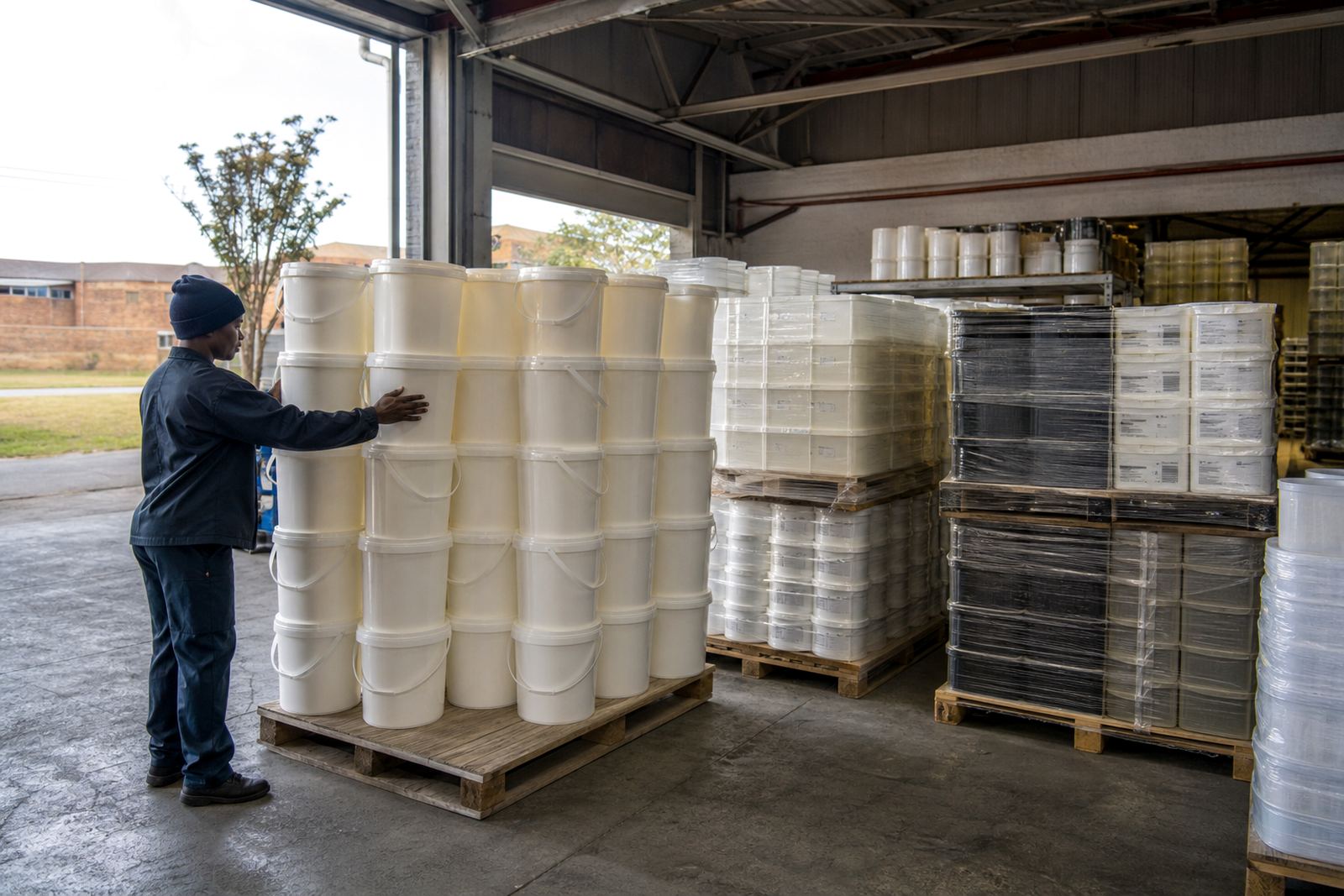
The packer ended up with a container range that suited daily output and kept the packing table moving with fewer stoppages. The tubs stacked more neatly in transit crates, and the lid fit gave the staff a more predictable closing action during longer shifts. That made stock handling cleaner in the warehouse and less awkward during dispatch to Johannesburg and nearby areas.
For a food operation, the main gain was control. The team had a tub family that looked consistent on shelf, stored well in warm conditions and matched the way their line already worked. It also left room for future product updates without changing the whole packing method.
- Cleaner stacking in store and transit
- Better fit between tub, lid and seal
- Less handling trouble during peak shifts
- Room to extend the range later
What to carry through on a similar job
On a similar food packing project, we would again start with line fit checks before locking the mould detail. That approach keeps the container family practical from the first run, instead of trying to force the packing floor to work around an awkward shape.
We would also keep the conversation tied to the real pack sizes used on site, not just the target volume on paper. In food packaging, the space above the fill, the lid compression and the way cartons are stacked all affect the final result. A neat-looking tub still has to survive real handling in Alrode, Soweto and the transport legs beyond Gauteng.
- Confirm pack height against the sealing setup
- Check crate and carton stacking before release
- Keep rim detail consistent across all sizes
- Plan stock run volumes around daily demand
Key facts
| Project type | Food tub supply for a Soweto packing operation |
|---|---|
| Material | Food-grade polypropylene |
| Container format | Injection-moulded tubs with matching lids |
| Seal feature | Tamper-evident closure option |
| Pack sizes | Multiple volumes for one product range |
| Project timeline | 3 weeks from sample to line-fit confirmation |