

Food Lines That Need Tight Lids and Clean Filling
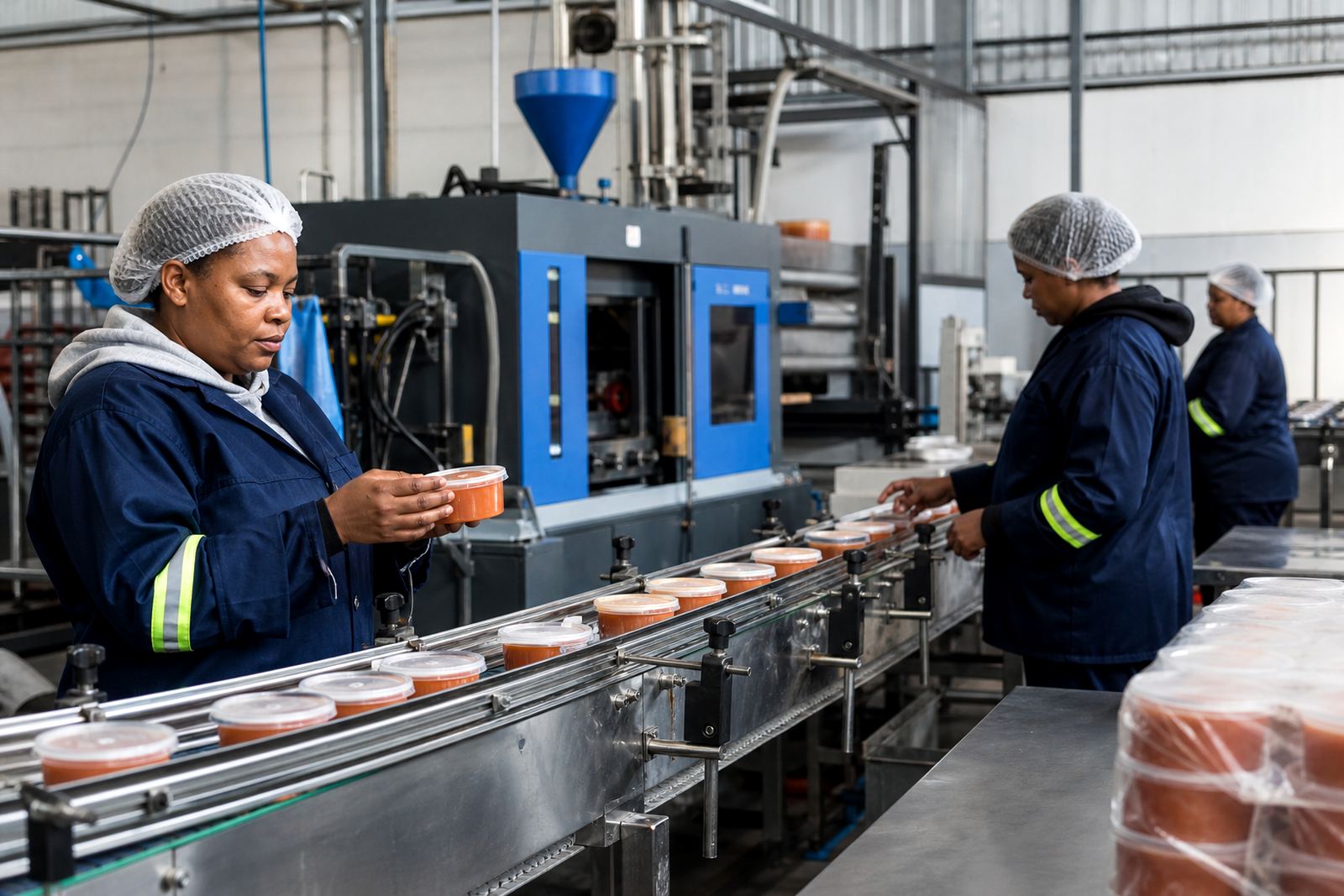
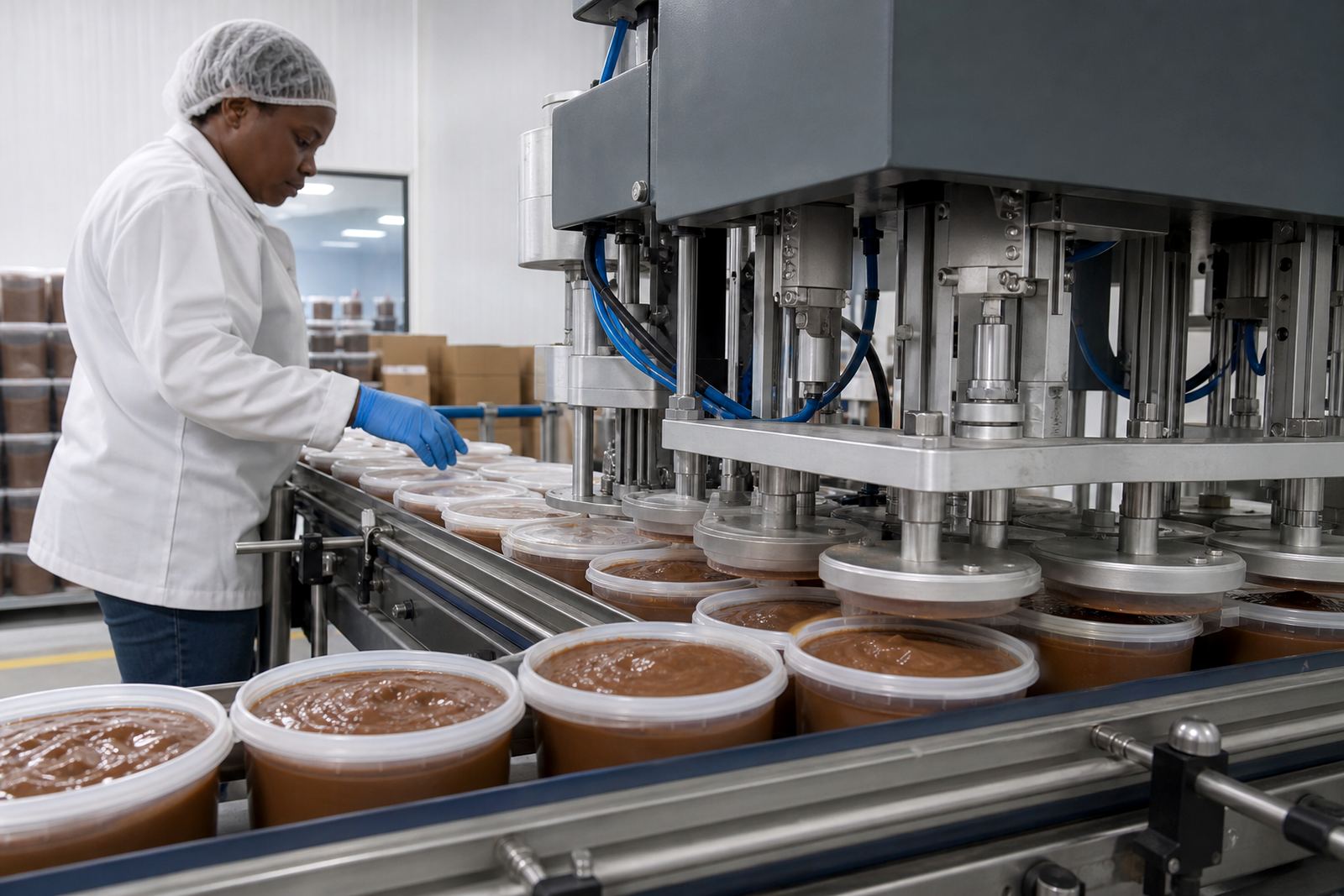
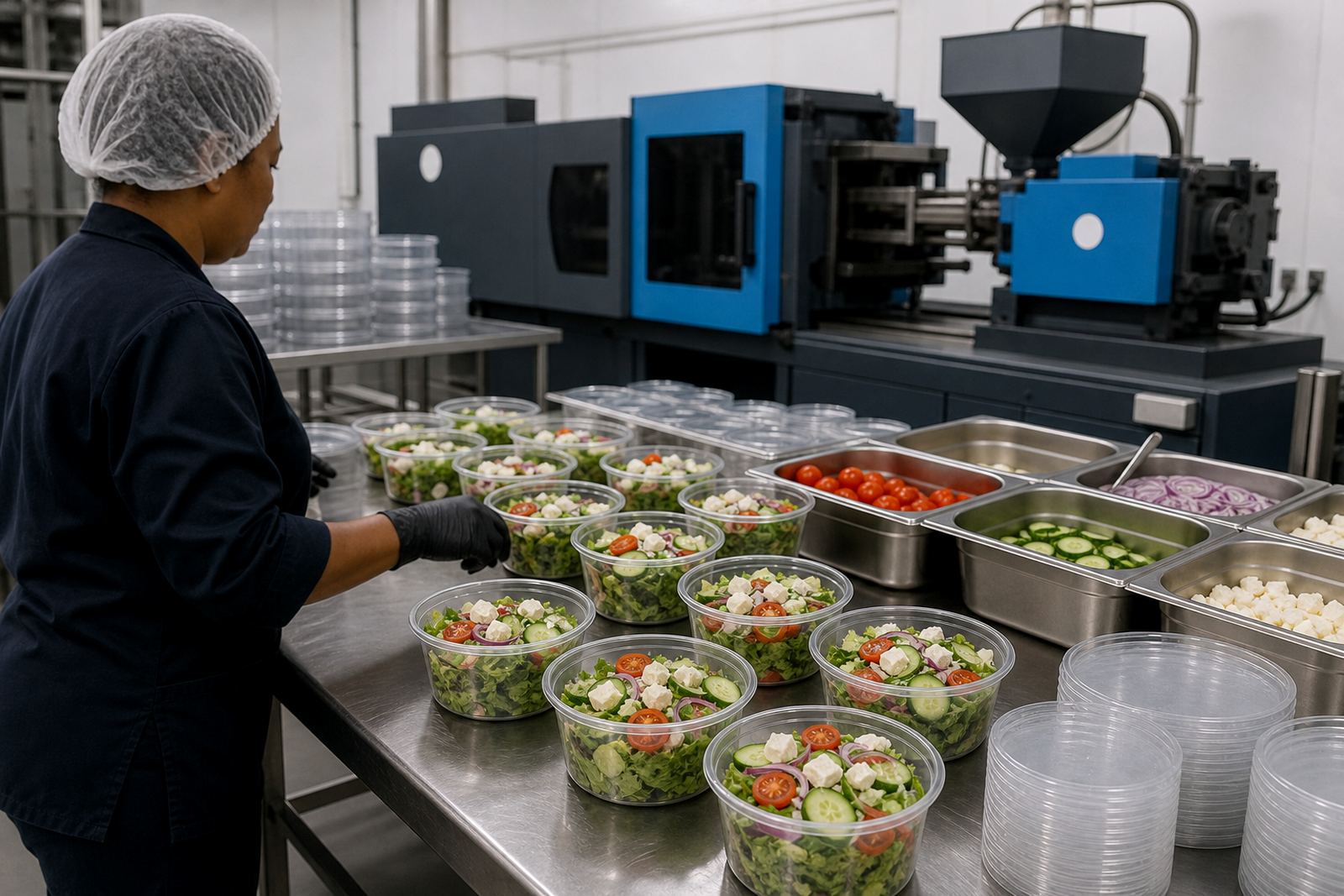
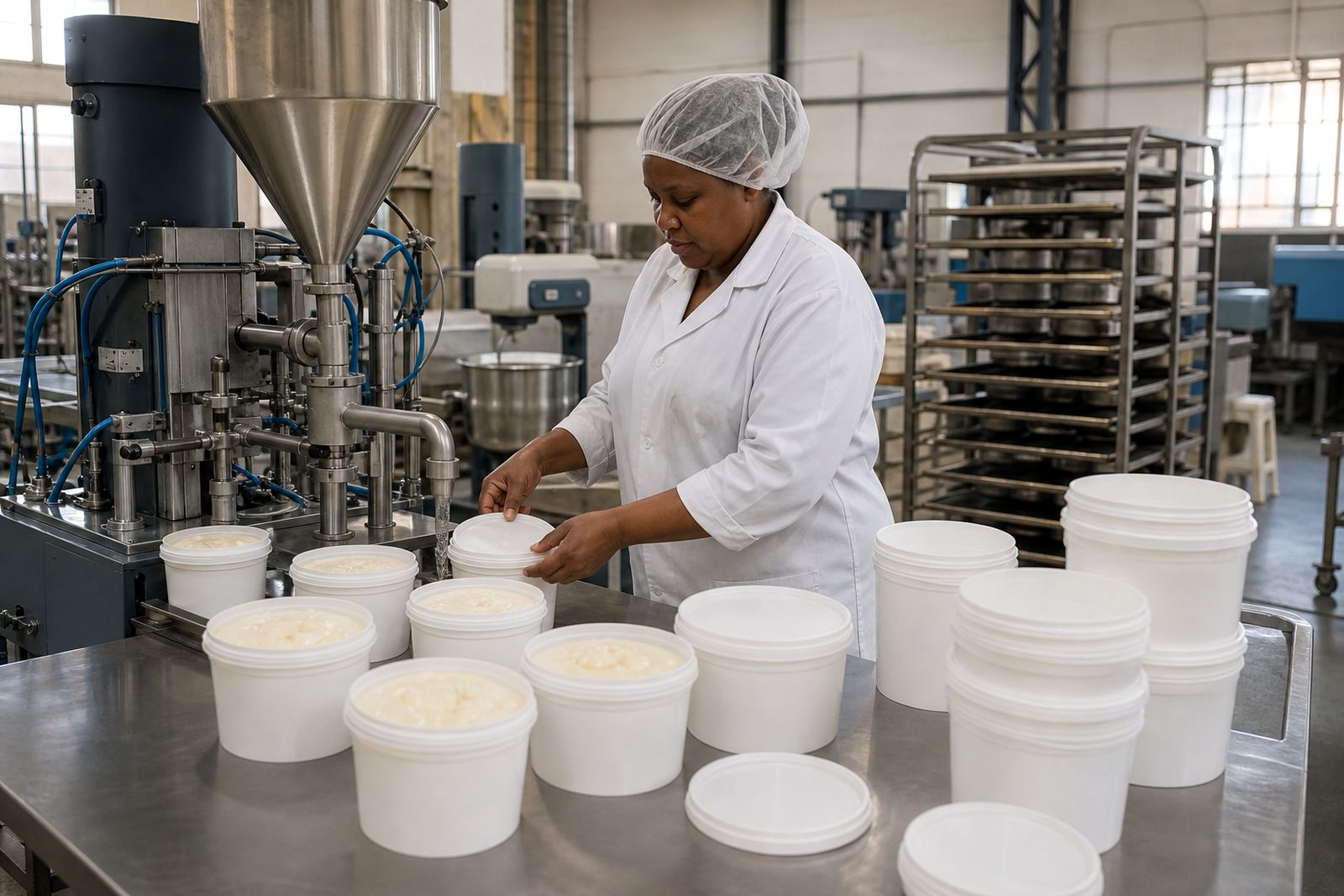
Food packers often need tubs that can move neatly from filling line to shelf, with closures that sit square and hold under stacking. Polypropylene is common for dry mixes, spreads, sauces, powders and chilled products, while HDPE suits many dairy, condiment and ingredient packs where a firmer wall and good chemical resistance matter.
Shape matters as much as the material. Round tubs work well on high-speed lines, square and rectangular formats help with crate use and shelf packing, and deeper profiles suit heavier fills. If a product needs tamper evidence, the lid style and seal area must match the way the pack is opened in store or in kitchen use.
- Dry foods often need a light but stiff tub with a close-fitting lid
- Sticky or oily fills benefit from a smooth internal finish for cleaner emptying
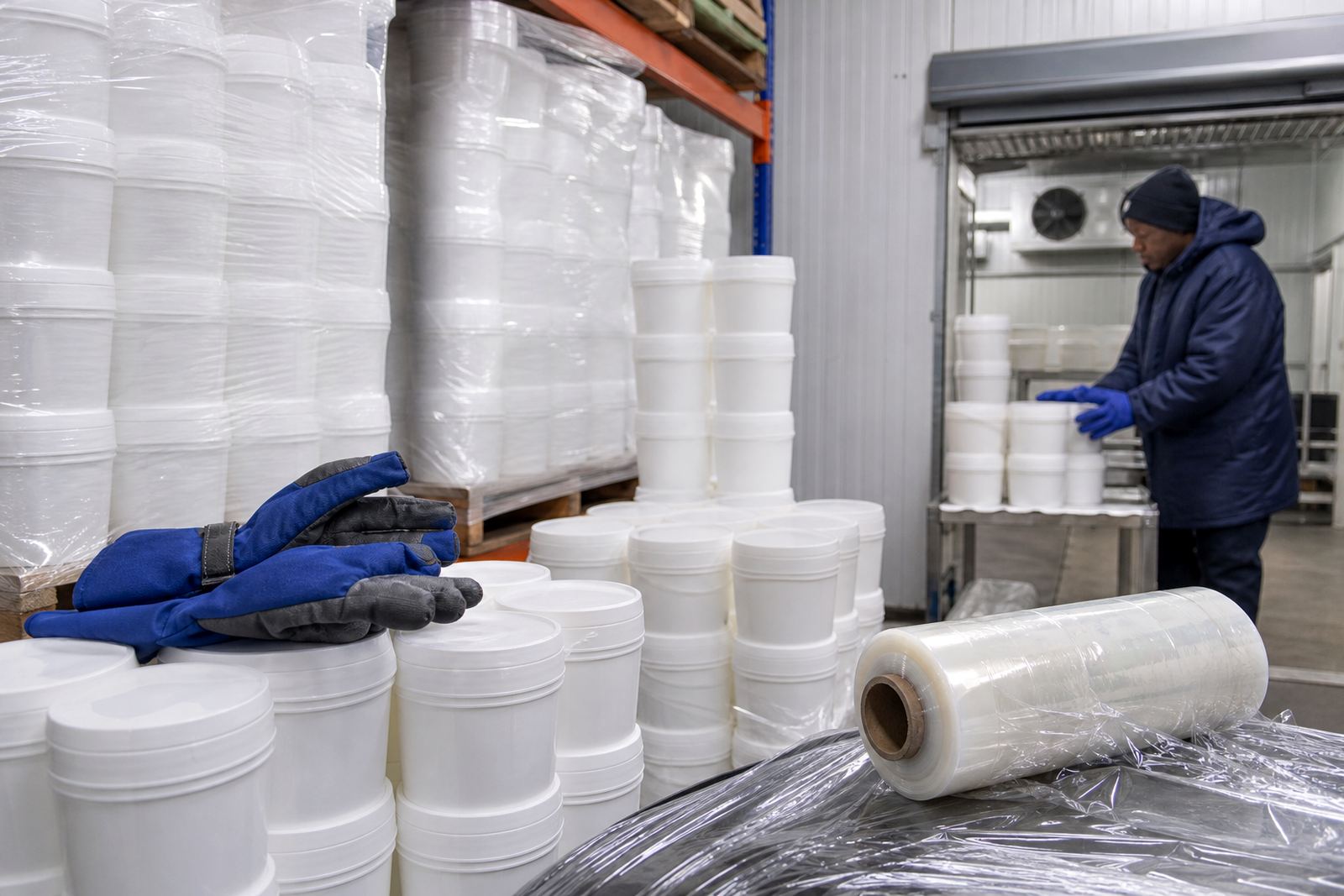
- Cold-chain packs need lids that stay secure during handling and transport
Pharmaceutical Packs for Measured Handling
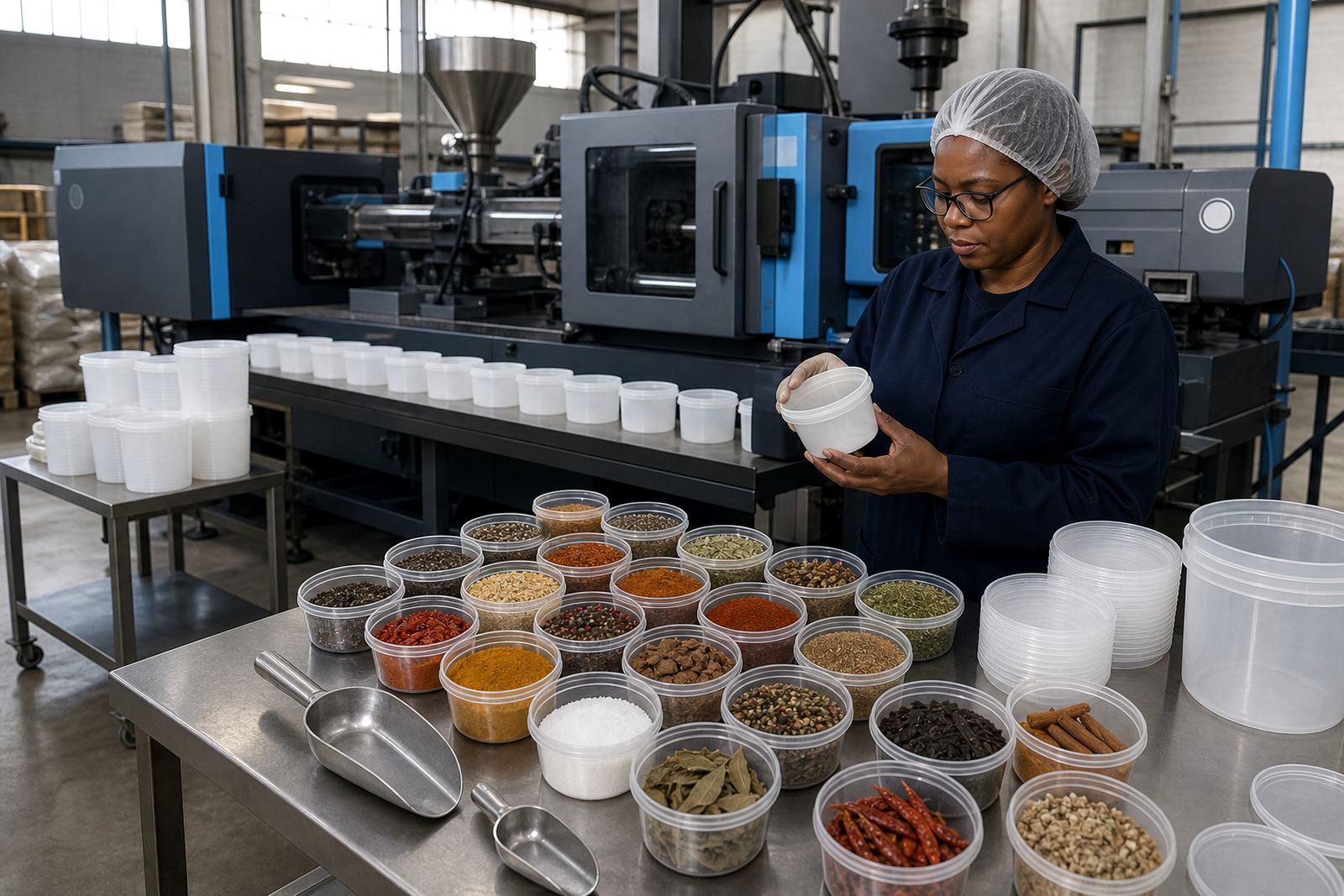
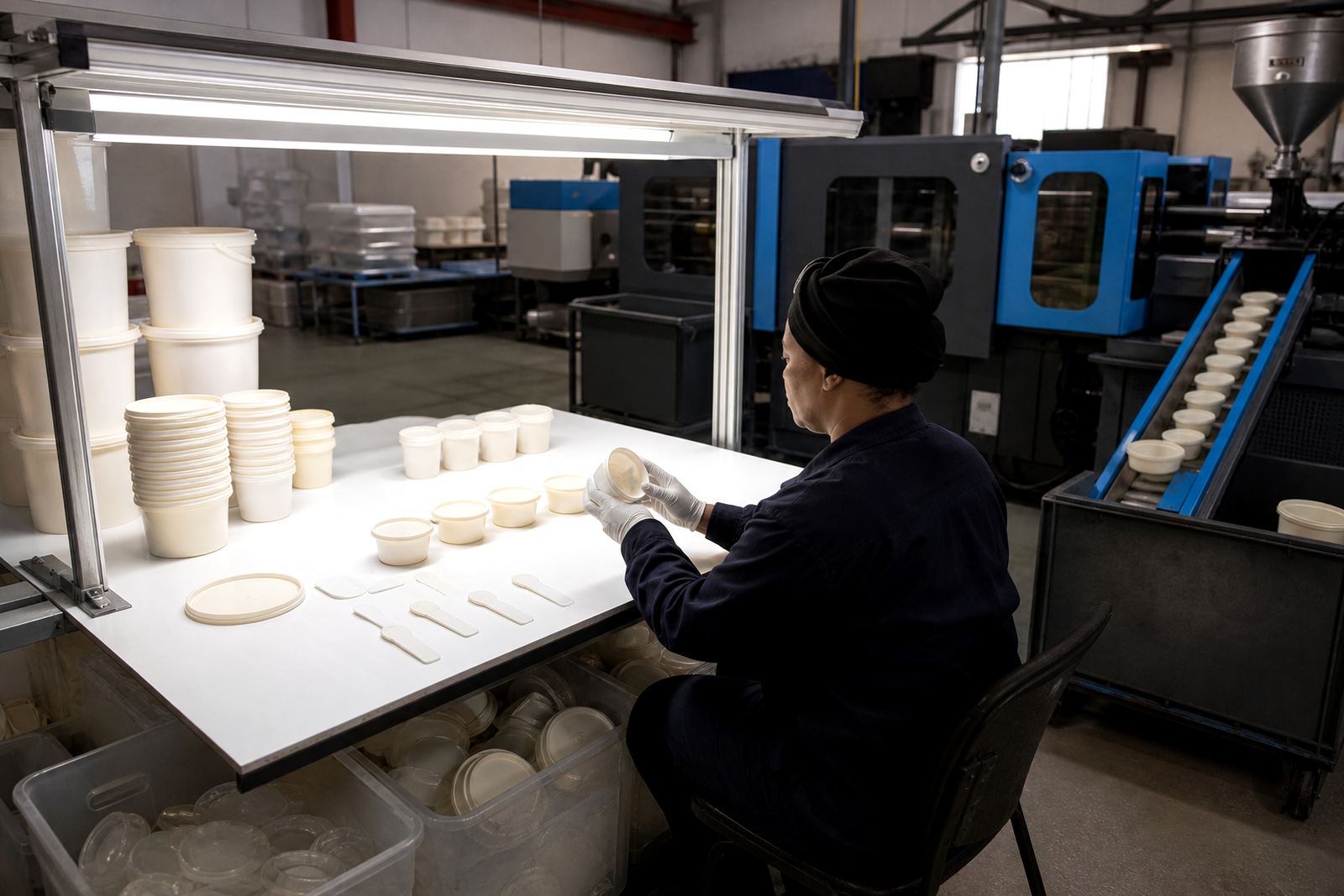
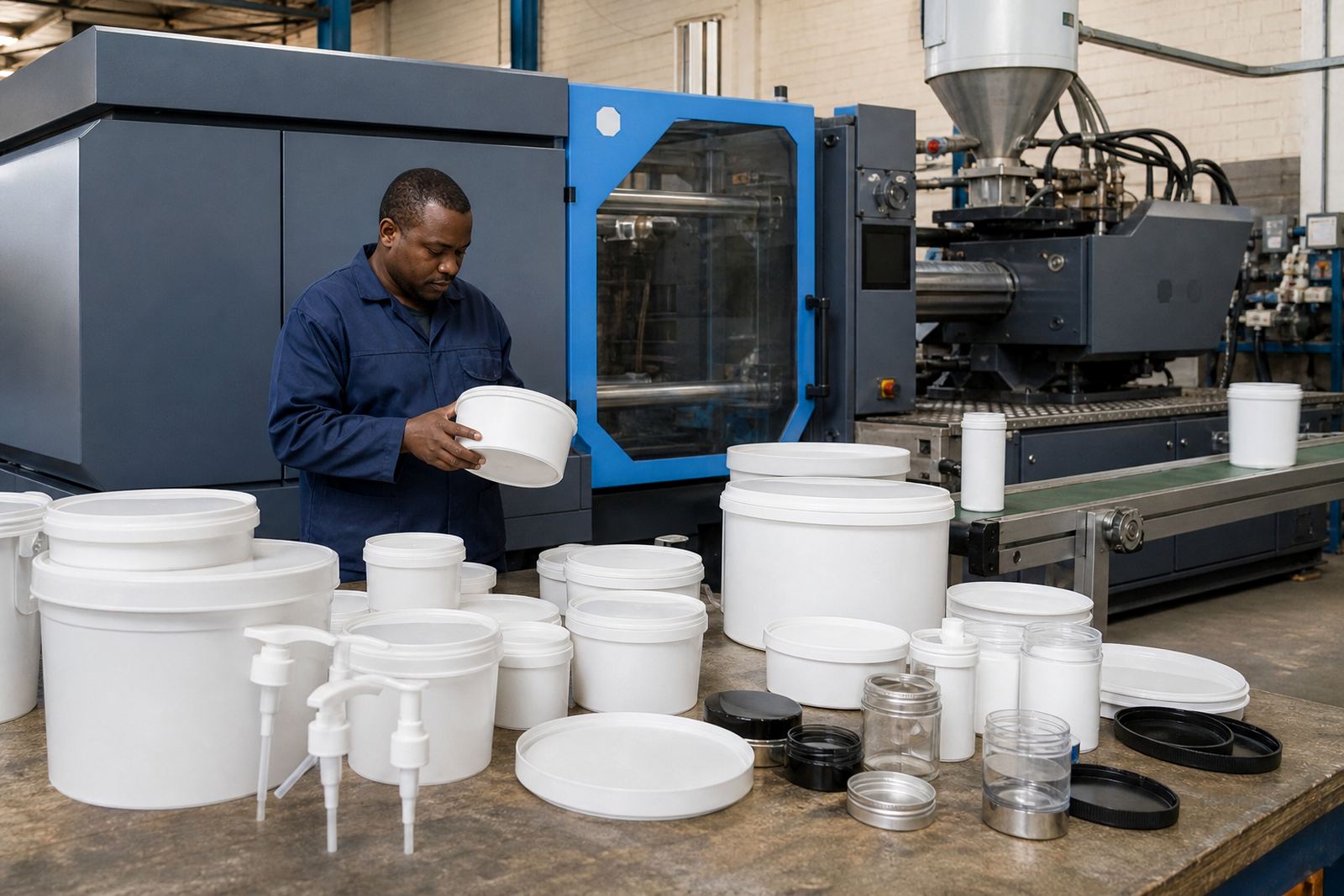
Pharmaceutical packers usually look for consistency in wall thickness, clean closure fit and repeatable dimensions across every batch. Injection moulding suits this work because it allows controlled shapes, stable neck finishes and tub walls that can be matched to a defined fill mass.
For tablets, capsules, powders and topical products, packers often want clear marking areas, lids that seat properly and tamper seals that are easy to inspect. Material choice is important too. Polypropylene is often used where stiffness and neat presentation matter, while HDPE is useful where impact handling and practical storage are more important.
- Tablet and capsule packs need neat neck finishes for reliable closing
- Powder packs need tubs that stay tidy during filling and capping
- Secondary packing should suit cartons, sleeves and line loading patterns
Cosmetic Jars, Tubs and Presentation Packs
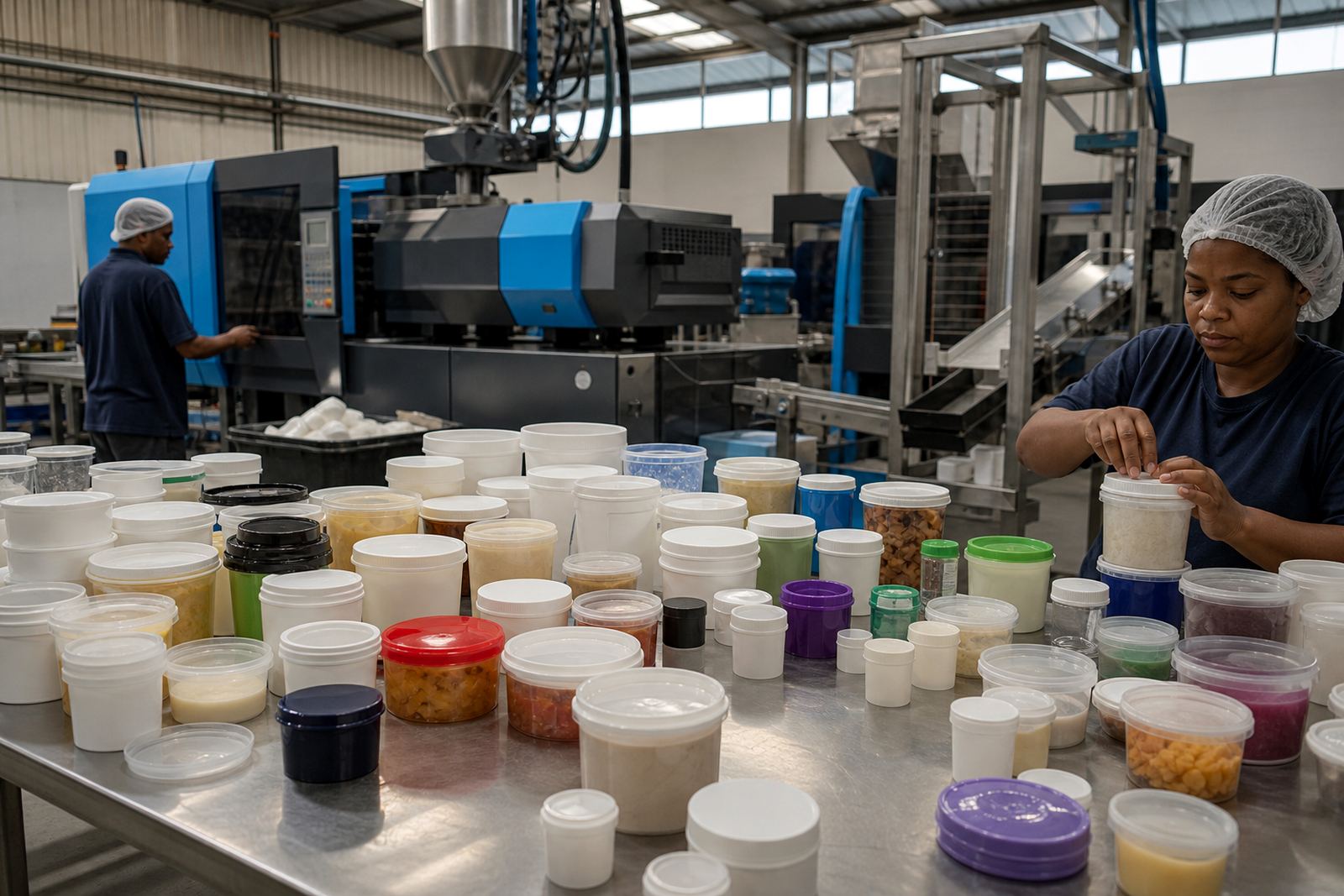
Cosmetic products usually ask more from the pack than a plain storage container. Creams, balms, scrubs and gels need tubs that support easy dipping or spoon filling, while the finish must still look clean on retail shelves. A broad lid surface can help with labels, batch marks and decorative sleeves.
Polypropylene is often selected for its clean appearance and useful stiffness, and HDPE is used where the product needs a tougher everyday pack. Colour matching can support brand separation across ranges, from travel sizes to larger family formats. The lid should suit the product texture, because a loose fit or a lid that twists unevenly can cause handling issues in packing rooms and stores.
- Small cosmetic tubs need consistent stack height for shelf trays
- Wide-mouth formats help with filling thicker creams and body products
- Opaque or coloured packs can protect contents and support range coding
Tamper Seals and Closures for Visible Protection
Tamper seals are part of the pack system, not an add-on after the fact. They need to suit the tub rim, lid profile and the way the product is opened by the end user. Some lines call for an obvious break feature, while others need a seal that supports repeated opening without losing alignment.
Closures can be developed around the way stock moves through a depot, retail shelf or export carton. If a product is likely to be handled in warm storage areas or coastal humidity, the fit and seal line should be tested under real packing conditions. A lid that looks fine on the bench can behave differently once it is filled, stacked and moved through transport.
- Seal design must work with the opening method used by the customer
- Lid development should account for container rim tolerance
- Line fit checks help confirm how the pack behaves on production equipment
Material Choice for Product, Route and Storage
Polypropylene and HDPE both serve useful roles, but they are not the same. Polypropylene is often chosen for a cleaner look, better stiffness and good use in hot-fill or warm handling scenarios. HDPE gives many packers a practical option for impact resistance, lower-temperature use and products that need a tougher feel in the hand.
Material selection also affects how the tub behaves in transit, on pallet and in display bins. A light pack can save space, but it still needs enough wall strength to handle stacking and repeated movement through packing rooms. The right choice depends on the product, the fill method and the storage conditions in places like Johannesburg, Durban or Cape Town where heat and humidity are not identical.
- Wall thickness affects stacking and side squeeze during handling
- Colour and opacity can support product protection and product separation
- Trial production runs help confirm the pack before full stock planning
How Packs Move Through South African Filling Lines
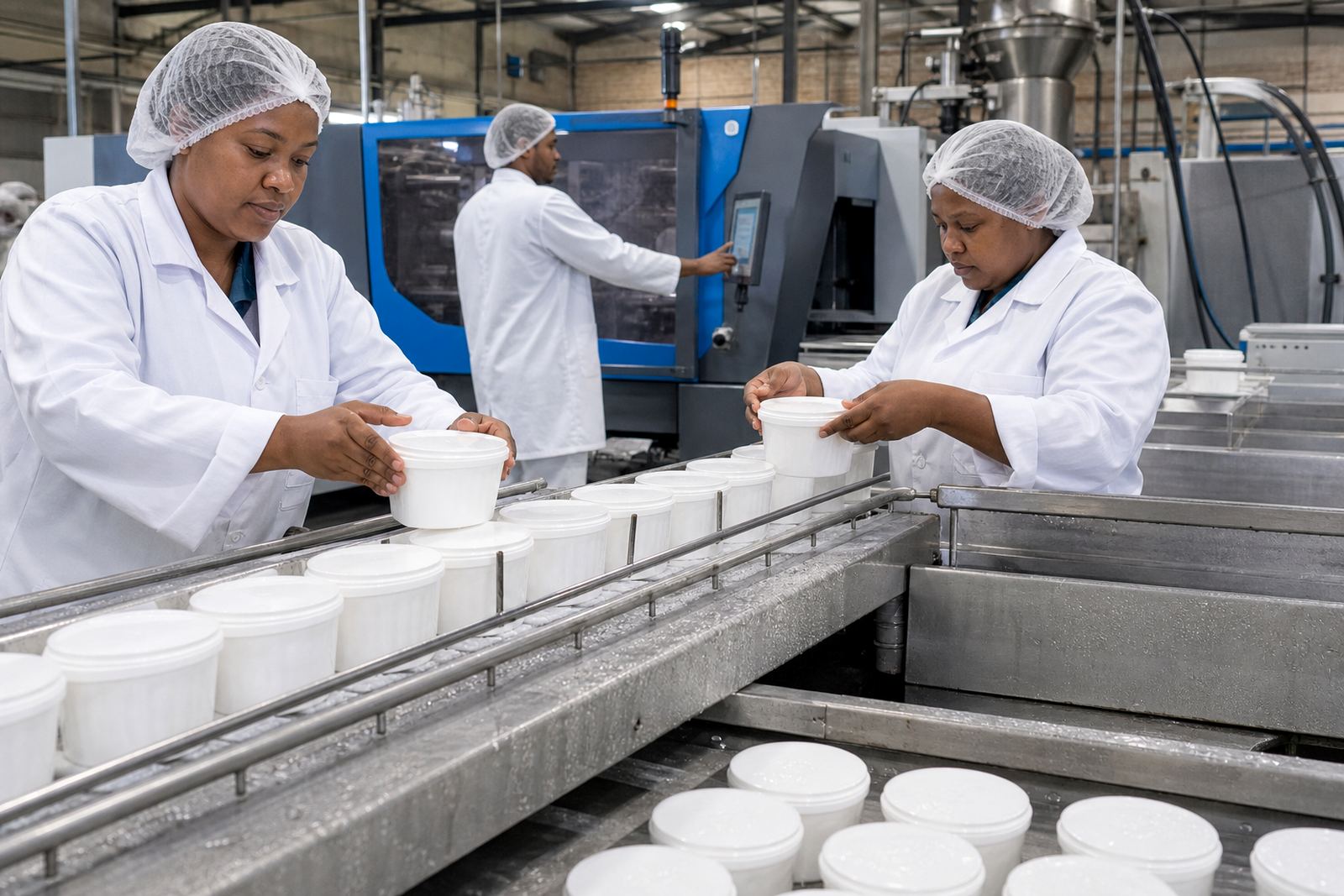
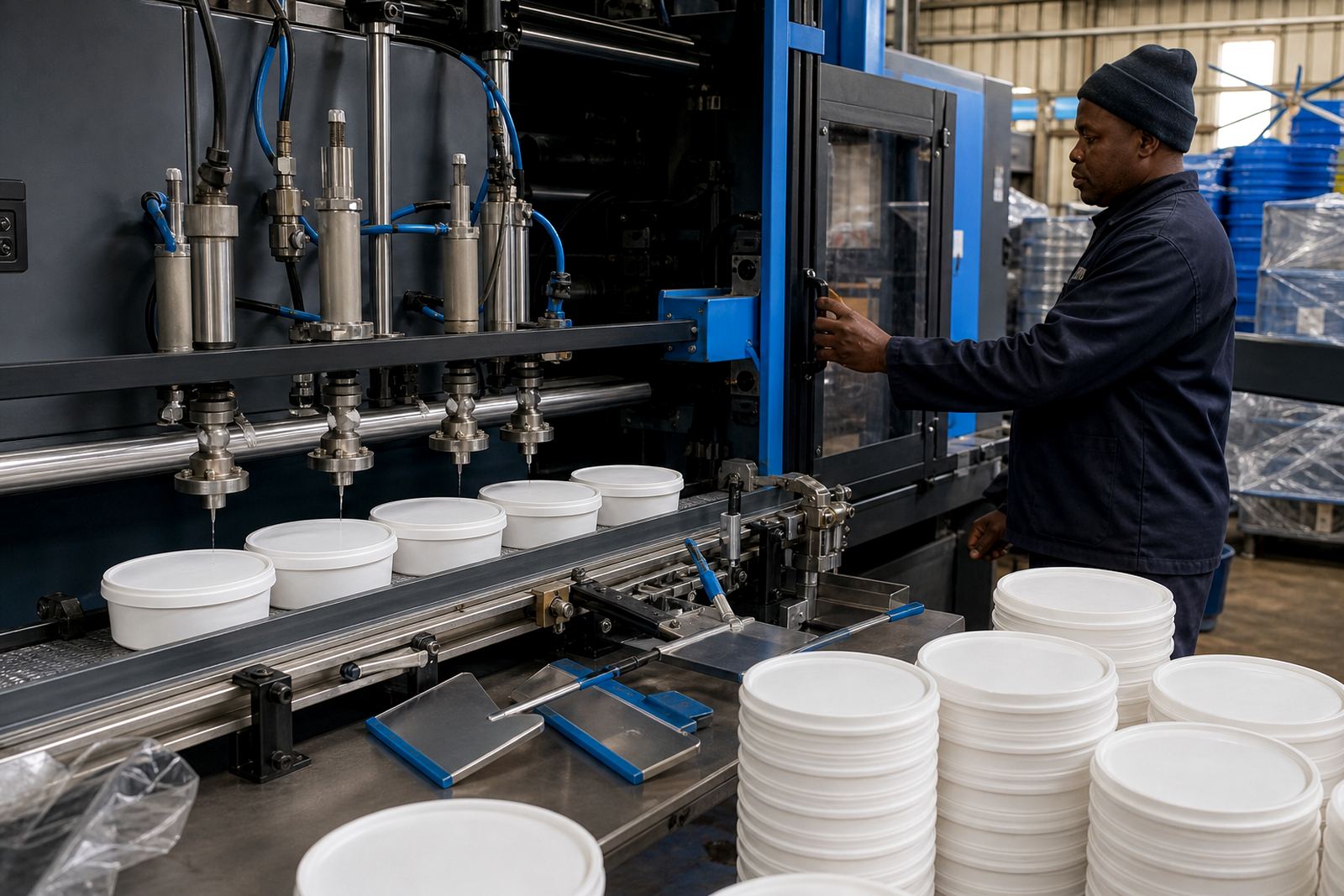
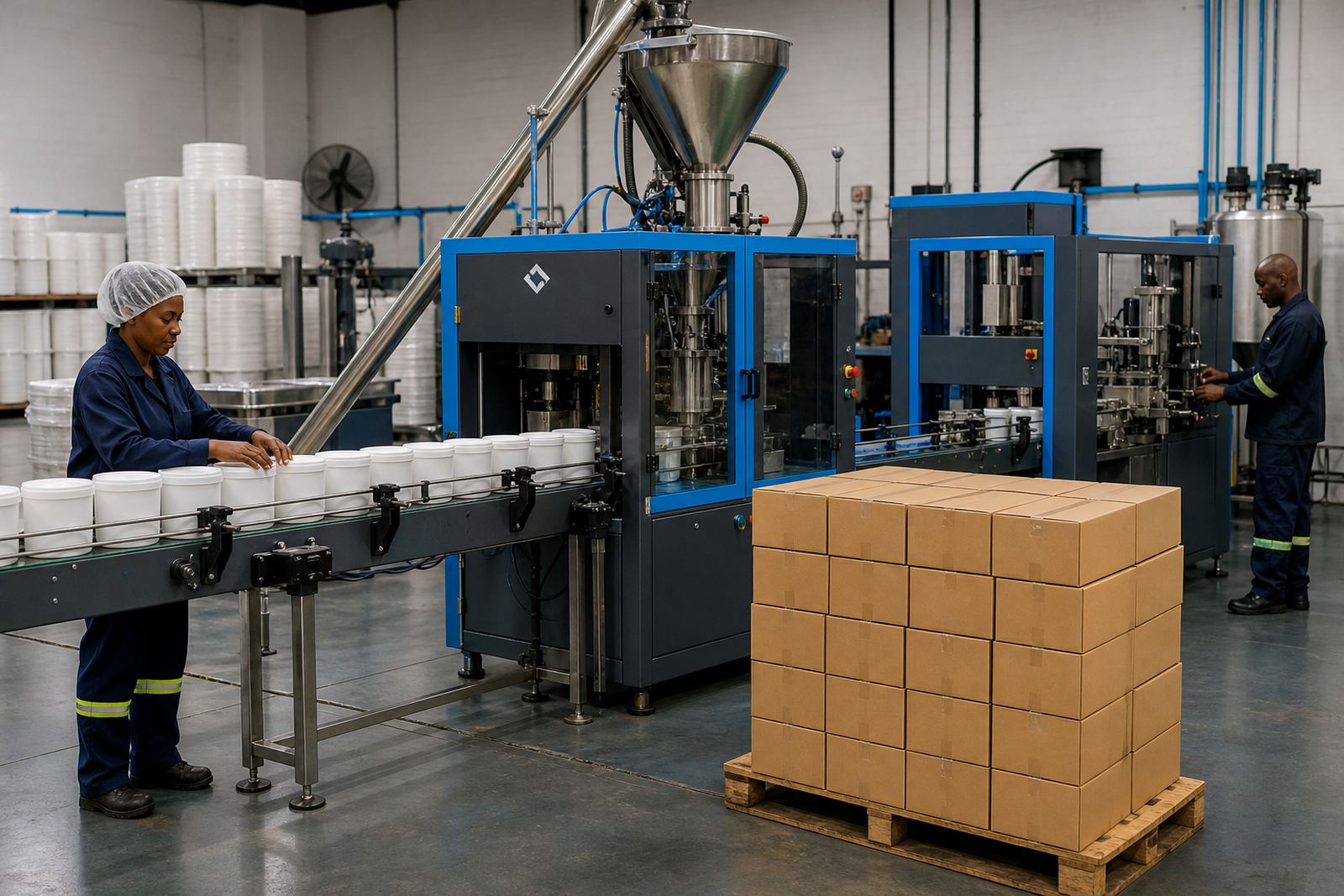
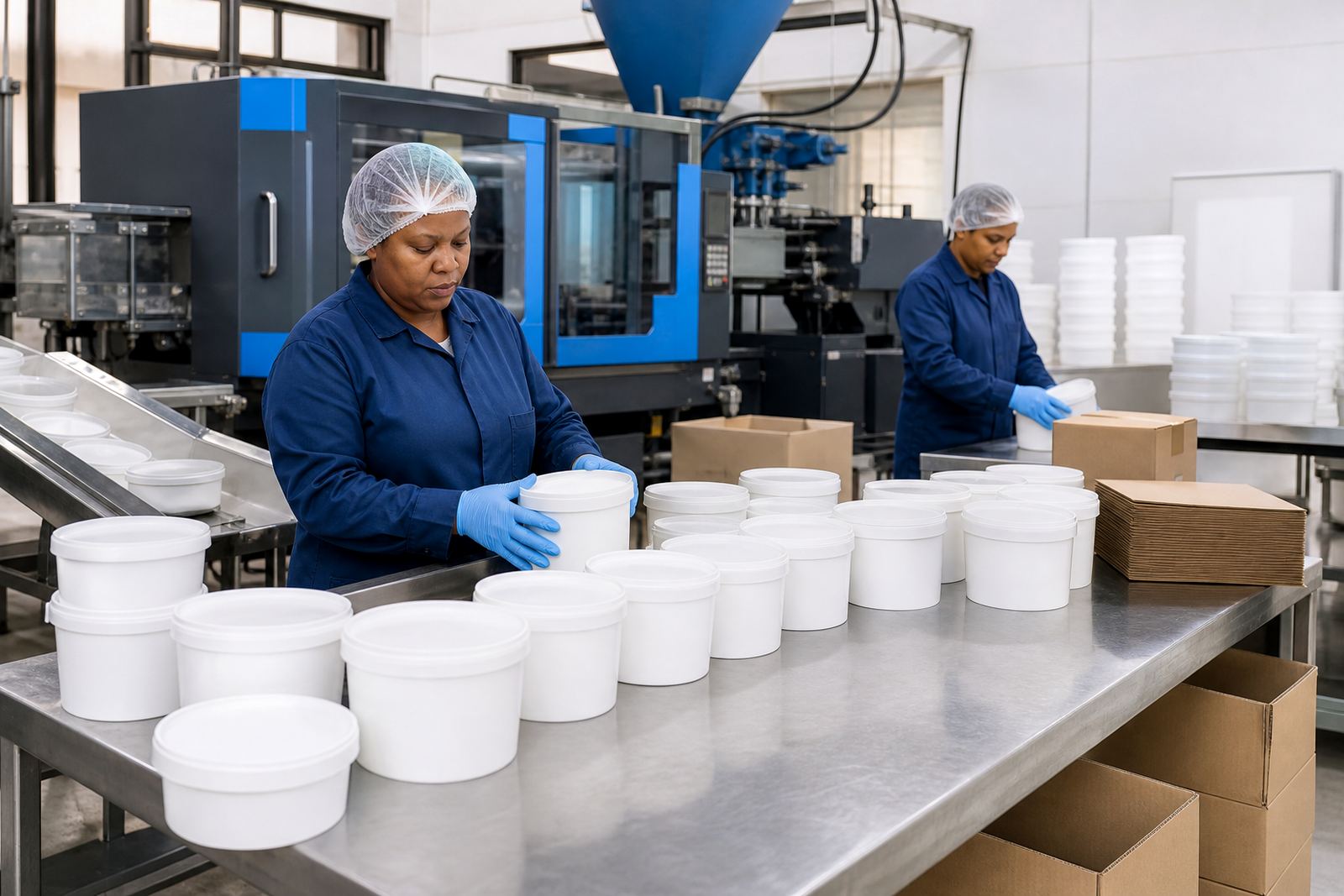
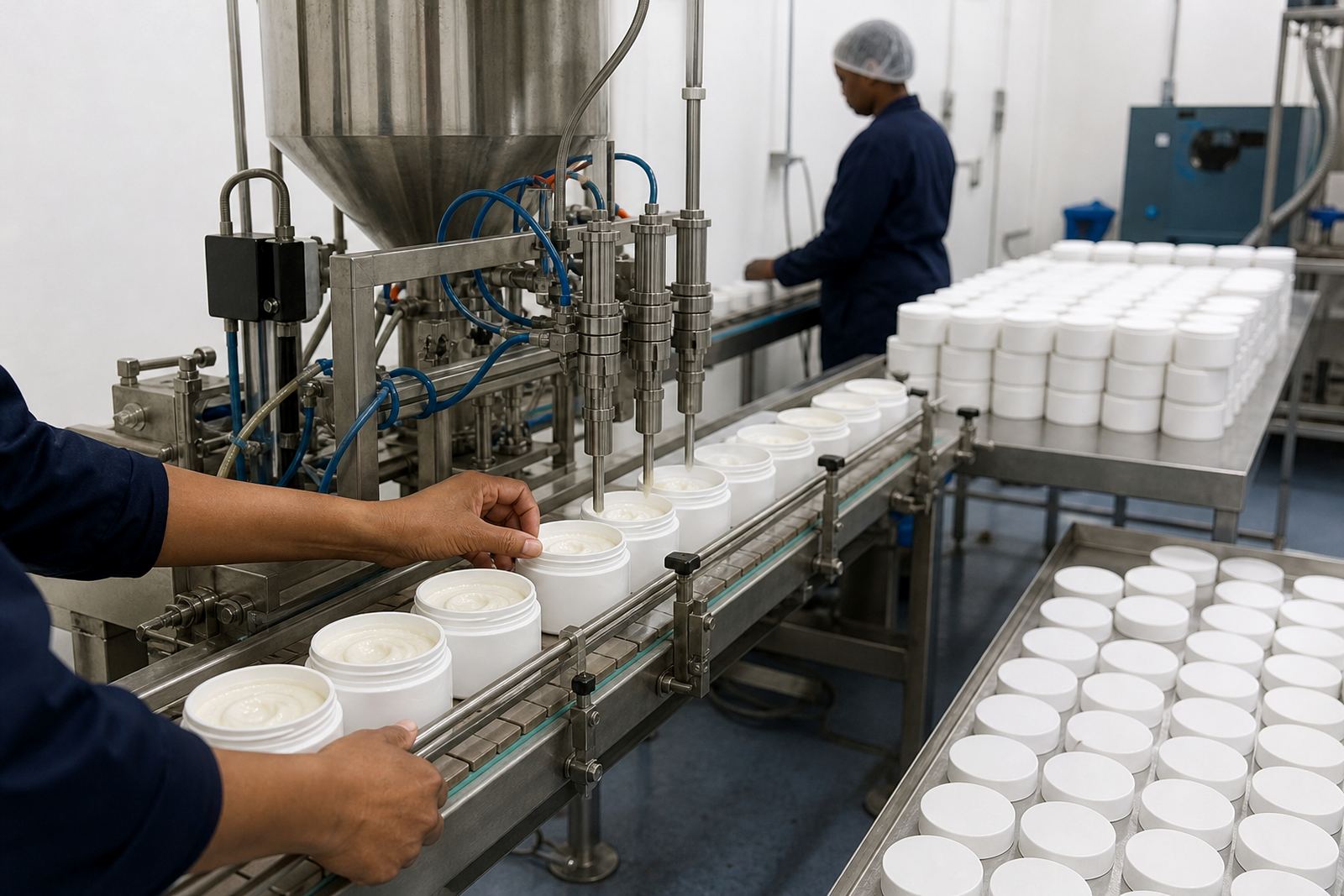
Most packers need containers that suit the filling line as much as the final product. That means checking neck finish, lid engagement, carton fit and how the container sits on conveyors or in manual packing stations. A tub that loads neatly can save a lot of handling trouble later, especially where secondary packing is done by hand or with mixed product sizes.
Pack size planning is also part of the picture. A 250 ml tub, 500 ml tub and 1 kg tub may all need different wall detail and closure pressure. The best result comes from matching the pack to the way stock is filled, sealed, labelled and shipped across South Africa.
For enquiries, clients send the details through the enquiry form on our contact page. That is where the product details, fill type and preferred pack style can be sent through for review.