Small tubs that suit busy spice shelves
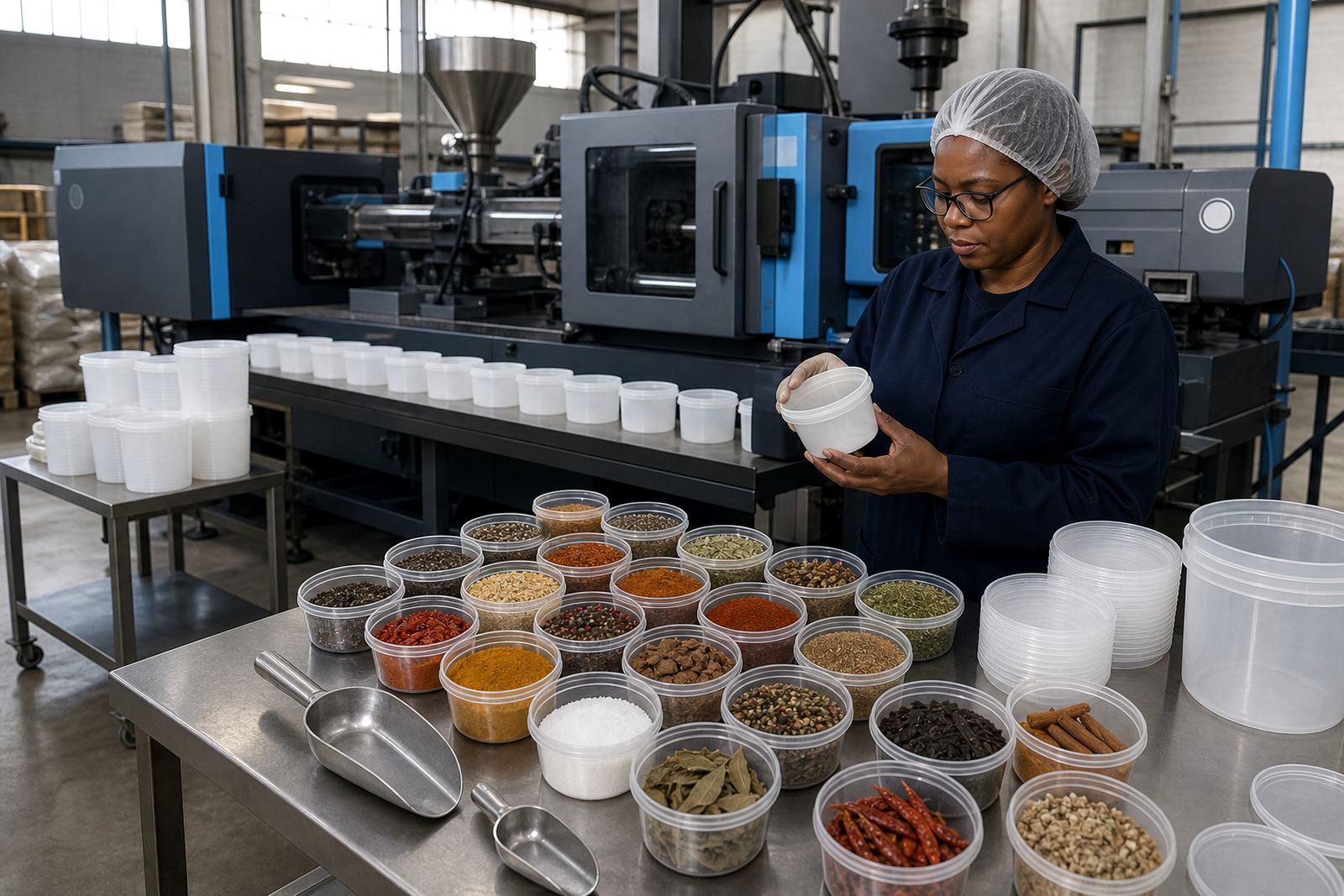
Seasoning and spice packs are handled often, tipped into scoops and stored in kitchens where moisture, steam and cupboard heat are part of daily use. For that reason the container has to keep its shape, close properly and stay clean at the rim after repeated opening.
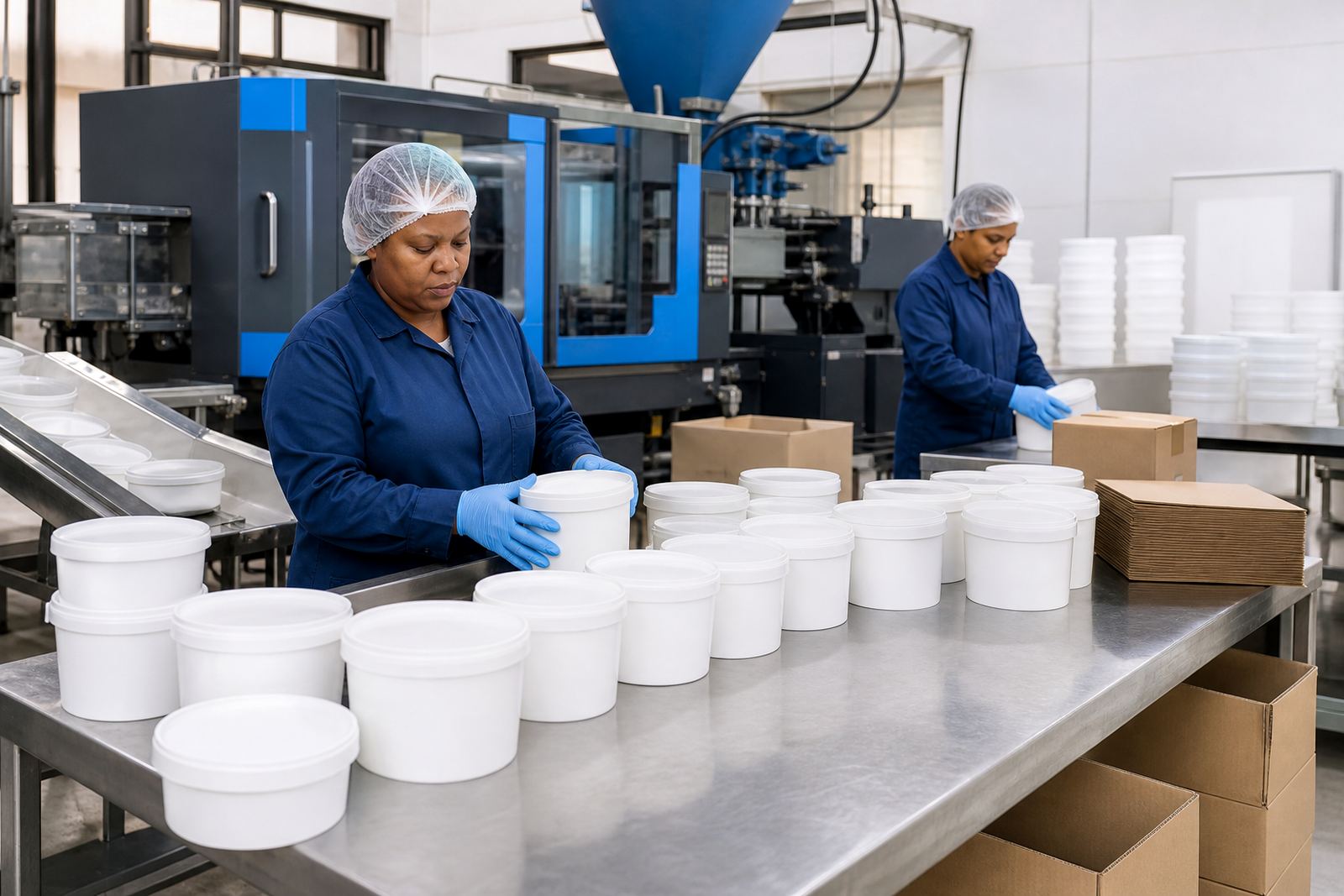
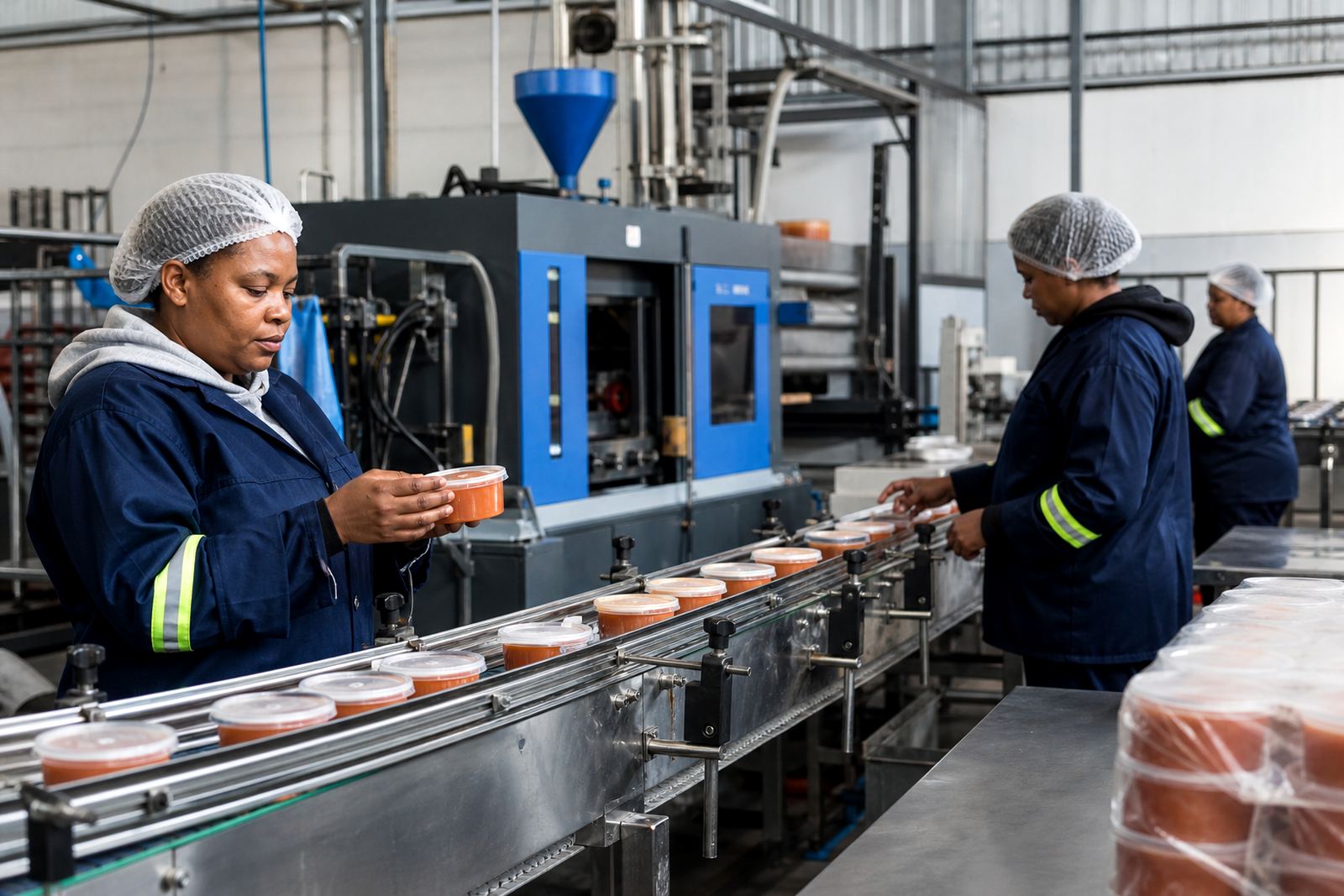
Injection-moulded tubs are used because the wall thickness, neck finish and lid fit can be held to a steady standard. That matters when the same tub is filled on a fast packing line or sealed by hand after blending, sorting or repacking. Polypropylene is commonly used for dry seasonings, while HDPE suits packs that need a slightly tougher feel and dependable handling through transport.
For spice packers in Johannesburg, Germiston and Boksburg, the size choice often sits between 50 ml and 500 ml, with 250 ml and 500 ml tubs used often for table blends and rubs. Smaller packs need a secure closure and enough headspace for easy scooping without crushing the product at the top.
Container parts that work together on the line
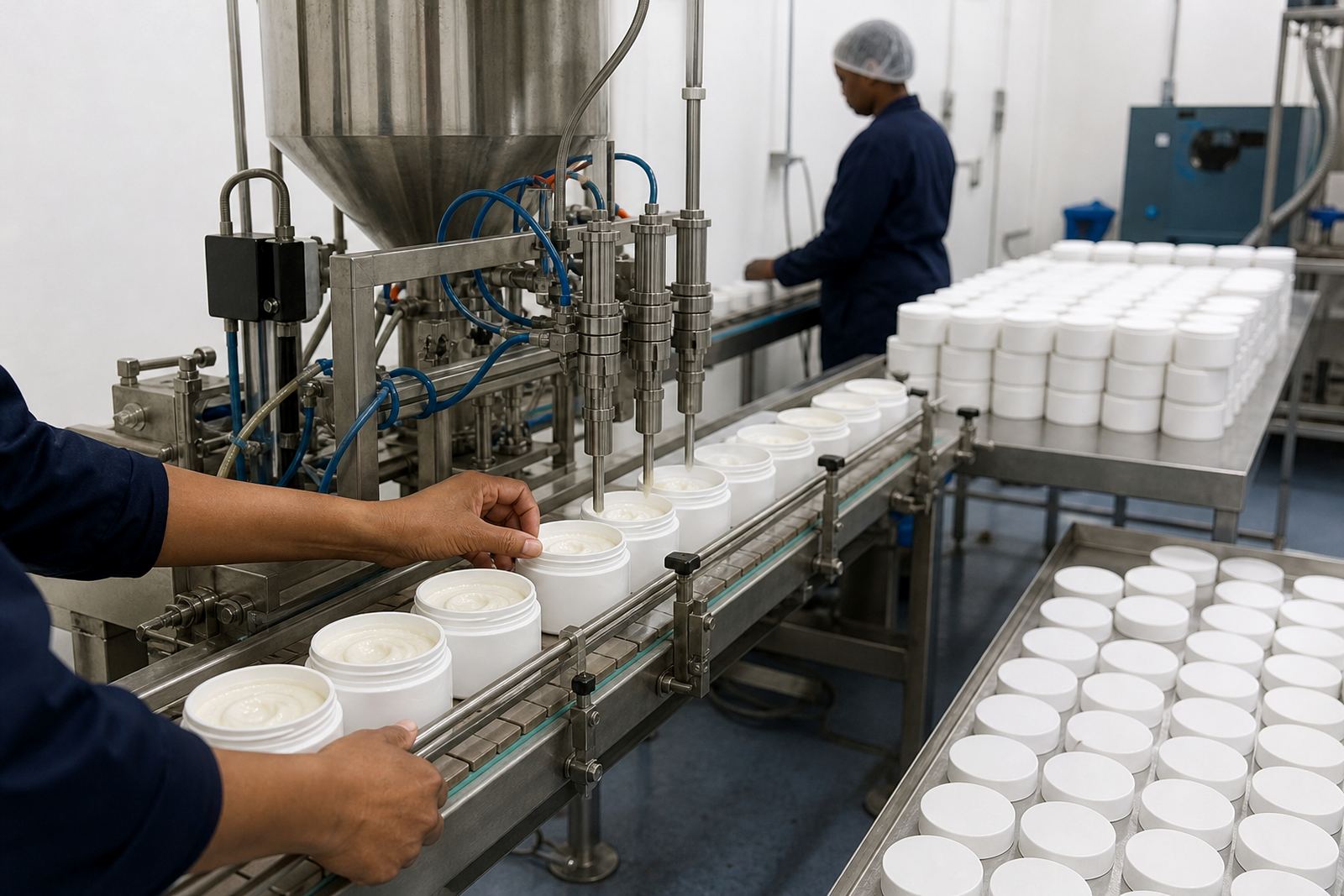
A seasoning range usually needs more than the tub itself. The lid shape, seal line and tamper evidence all affect how the pack behaves in filling, capping and on shelf. When the closure is too loose, fine powder works its way into the thread or rim. When the fit is too tight, operators struggle to keep pace and the pack can deform during closing.
- Polypropylene tubs for dry spice blends and rubs
- HDPE tubs for firmer handling and tougher pack sides
- Snap-on or press-fit lids for repeated opening
- Tamper seals for first-open confidence in retail packs
- Stackable profiles for carton loading and shelf display
Where seasoning packs move through bulk bagging, weighing and final boxing, the lid and seal need to run cleanly with the rest of the packing line. A lid that sits well on the tub saves handling, and a seal that strips cleanly helps the retail pack look tidy at the end of packing.
Layout notes for blend rooms and packing benches
Spice and seasoning packing areas are often compact, with blending on one side and filling on the other. Layout has to allow for scoop access, weighing, label application and carton packing without crowding the tubs. A straight flow from mix to fill to close helps keep product movement sensible, especially when different blends are packed in the same shift.
Pack size planning is useful where the same seasoning is sold in several formats. A 125 ml tub for retail shelf packs can sit alongside a 250 ml or 500 ml tub for family use, with the same lid style where possible. That reduces the number of change parts on the line and makes stock holding easier for the depot in Alberton.
- Leave enough bench space for filled tubs before boxing
- Match neck finish and lid style across related sizes
- Use clear or opaque walls based on shelf display and light protection
- Check stack height against carton depth before final fill runs
- Allow for label wrap around curved sides without lifting at the edge
In coastal centres like Durban and Port Elizabeth, the pack room can pick up humidity during the day. Fine spice powders can clump if storage is poor, so the container and seal should support dry, clean handling right through to dispatch.
Common mistakes in seasoning pack choices
One common mistake is choosing a tub by fill volume only, then discovering the seasoning bridge at the neck or spills over the lip during closing. Another is using a lid that suits display but does not hold firm after the pack has been opened and closed several times. The pack may look neat on day one and then become awkward in a home kitchen.
Some packers also underestimate how fine powders behave in transit. Smalls crumbs and dust can build up at the rim, especially where scoops are used in a rush. A test run should check the closure after filling, after shaking in a carton and after a short storage period under normal room conditions.
Colour can also create issues. Darker tubs hide powder residue better, while clear packs show the blend clearly on shelf. The better choice depends on product style, labelling and the display conditions in the shop or pharmacy. A wrong choice here can leave the pack looking untidy even when the contents are fine.
Budget ranges in rand for spice repack work
Budget depends on the size of the tub, the lid style, whether tamper seals are included and whether a new mould is needed for a special shape. For many seasoning and spice packers, standard container options keep the spend lower than a fully custom mould development route. Trial quantities are useful before a full stock run is committed.
In practical terms, smaller standard tubs and lids can sit in a modest per-pack range, while special tooling, custom necks or tailored closures lift the cost. Mould development and trial production runs are usually a separate line in the project budget, especially when a new blend range needs to fit an existing filling line or carton size. For a simple repack project, the budget often stays far below a new product launch with bespoke tooling.
Packers working across Pretoria, Cape Town and Johannesburg often start with standard sizes, then move to line fit checks and colour matching guidance once the product range is settled. That keeps the first spend focused on the container that will actually be used on the shelf and in the kitchen.
Moving from a sample to a working stock run
Seasoning tubs need to suit the product, the filling method and the way the customer opens them at home. Plastic Factory works with food packers, pharmaceutical lines and cosmetic filler rooms, but seasoning and spice work often asks for a practical approach to opening, resealing and shelf presentation.
The team in Alrode handles custom tub design, lid development, tamper seal design, material selection, mould development and trial production runs. For a spice range, that can include checking a pack against the filling scoop, the label panel and the carton footprint before a larger stock run is planned. Secondary packing advice also helps when jars or tubs are packed into sleeves, cartons or display trays.
- Start with the product weight and opening style
- Confirm whether the pack will be hand filled or machine filled
- Check if the same lid should serve several sizes
- Allow for storage in warm rooms and humid coastal areas
- Keep the pack shape compatible with boxing and pallet loading
Thabo Letsoalo leads the business from Alrode, with support from the production, quality and dispatch team. Clients across South Africa can use the enquiry form on the contact page to discuss seasonings, spices and repack projects that need proper container fit.