

Packaging that fits the line, not just the sample
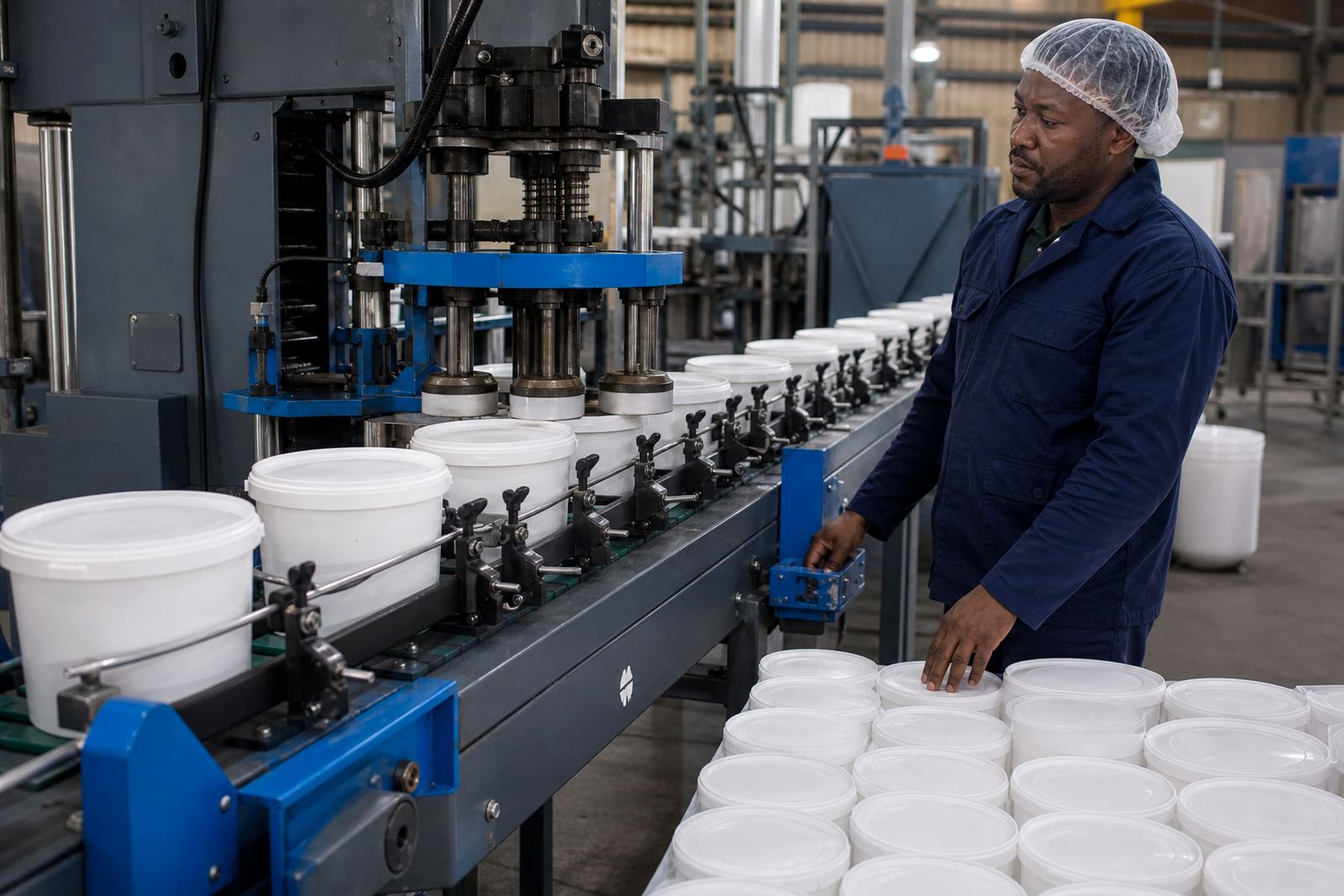
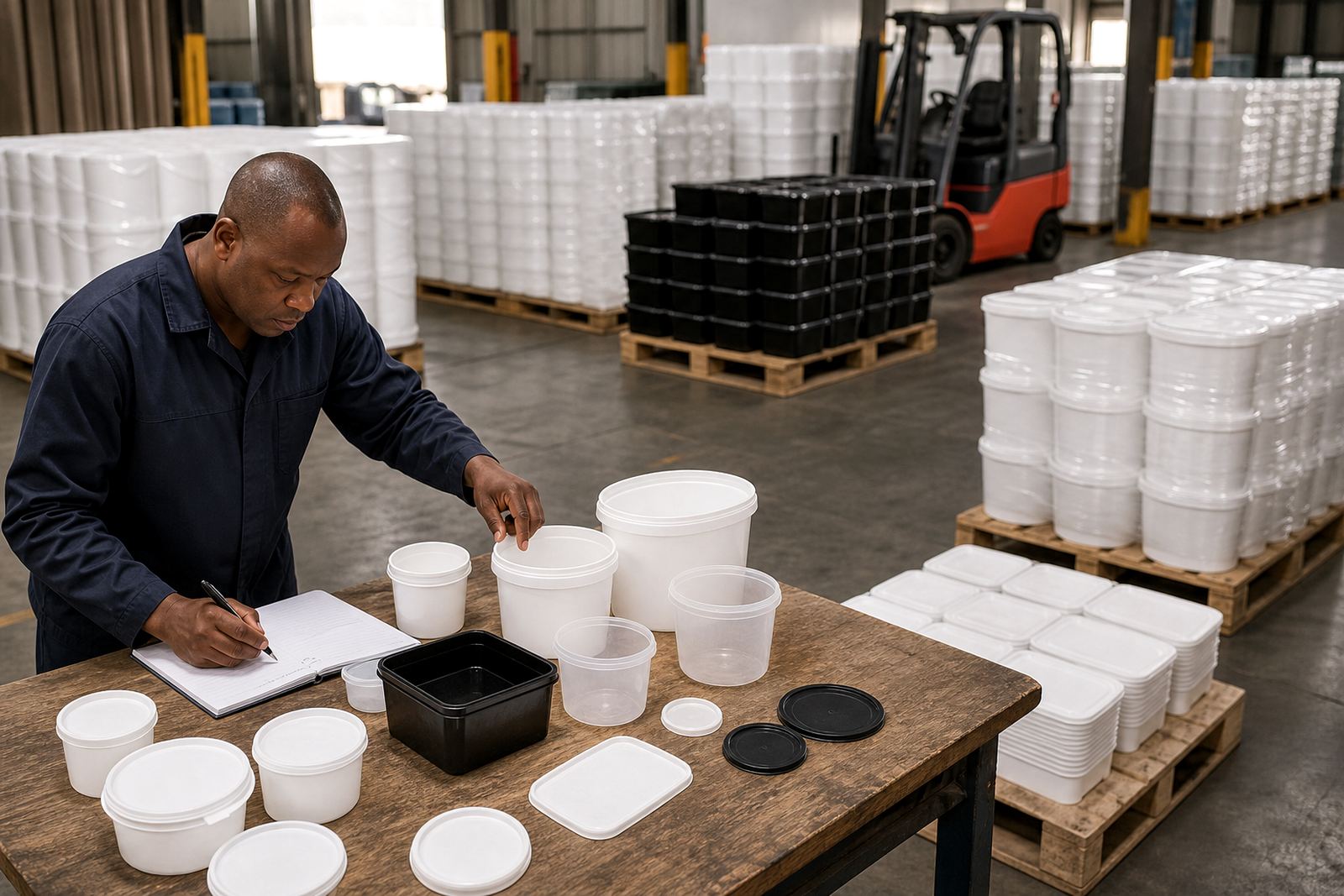
Custom moulding is useful when a standard tub almost works, but not quite. The wall thickness, neck finish, lid engagement and pack count all need to suit the way your product is filled, closed, labelled and moved. That is where moulding decisions matter. A good pack must hold shape through filling, storage and transport, with no fuss on the line.
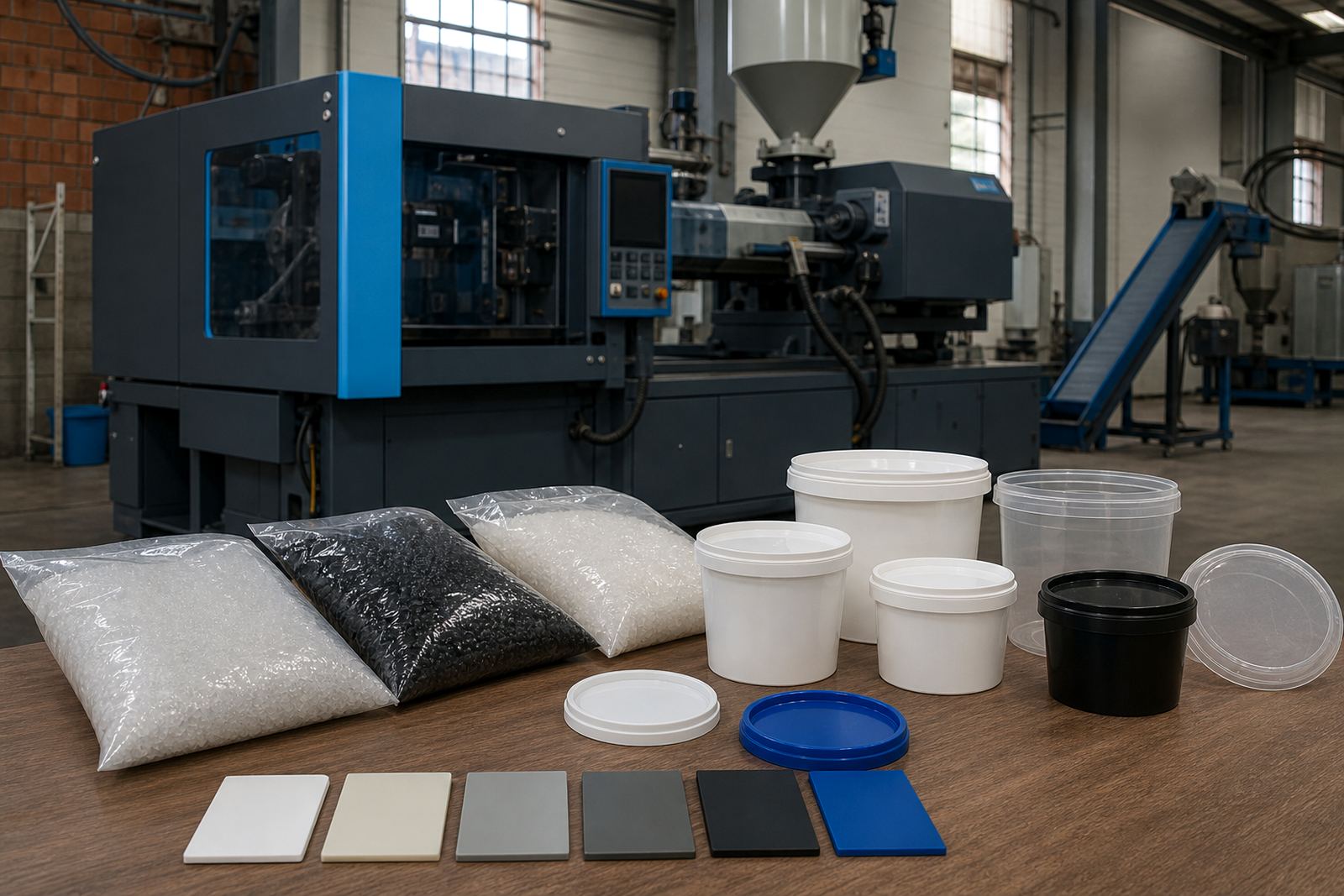
Plastic Factory works with injection-moulded polypropylene and HDPE containers and tubs for food, pharmaceutical and cosmetic packing. These materials are widely used for their balance of strength, chemical resistance and clean presentation. For food-contact packs, material choice and colour selection are guided carefully, especially where product oils, powders or moisture are part of the fill.
- Round, square and rectangular tubs
- Lidded packs for dry goods, creams and powders
- Low-profile packs for shelf stacking
- Fill sizes matched to your pack plan
Where the mould design makes the difference
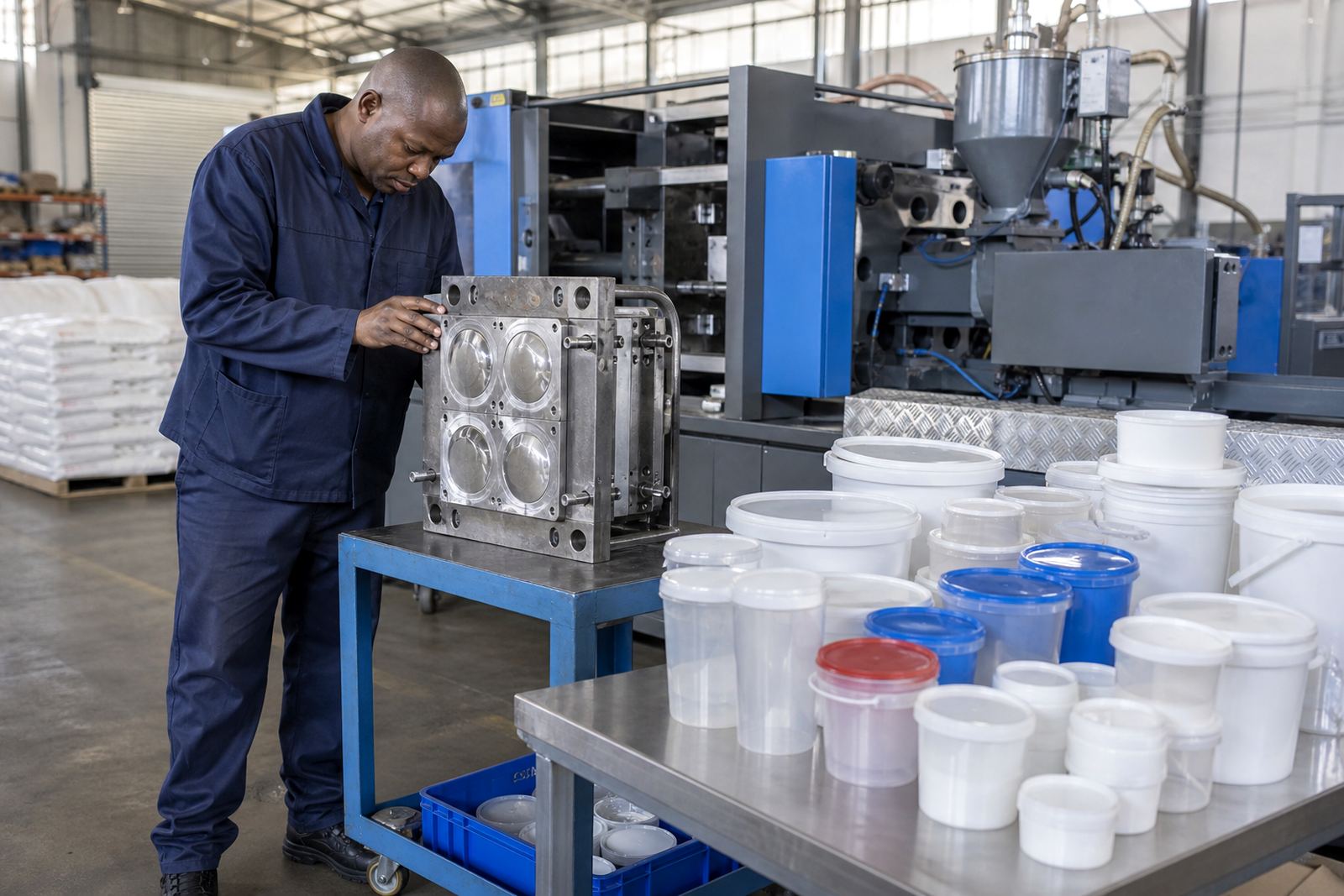
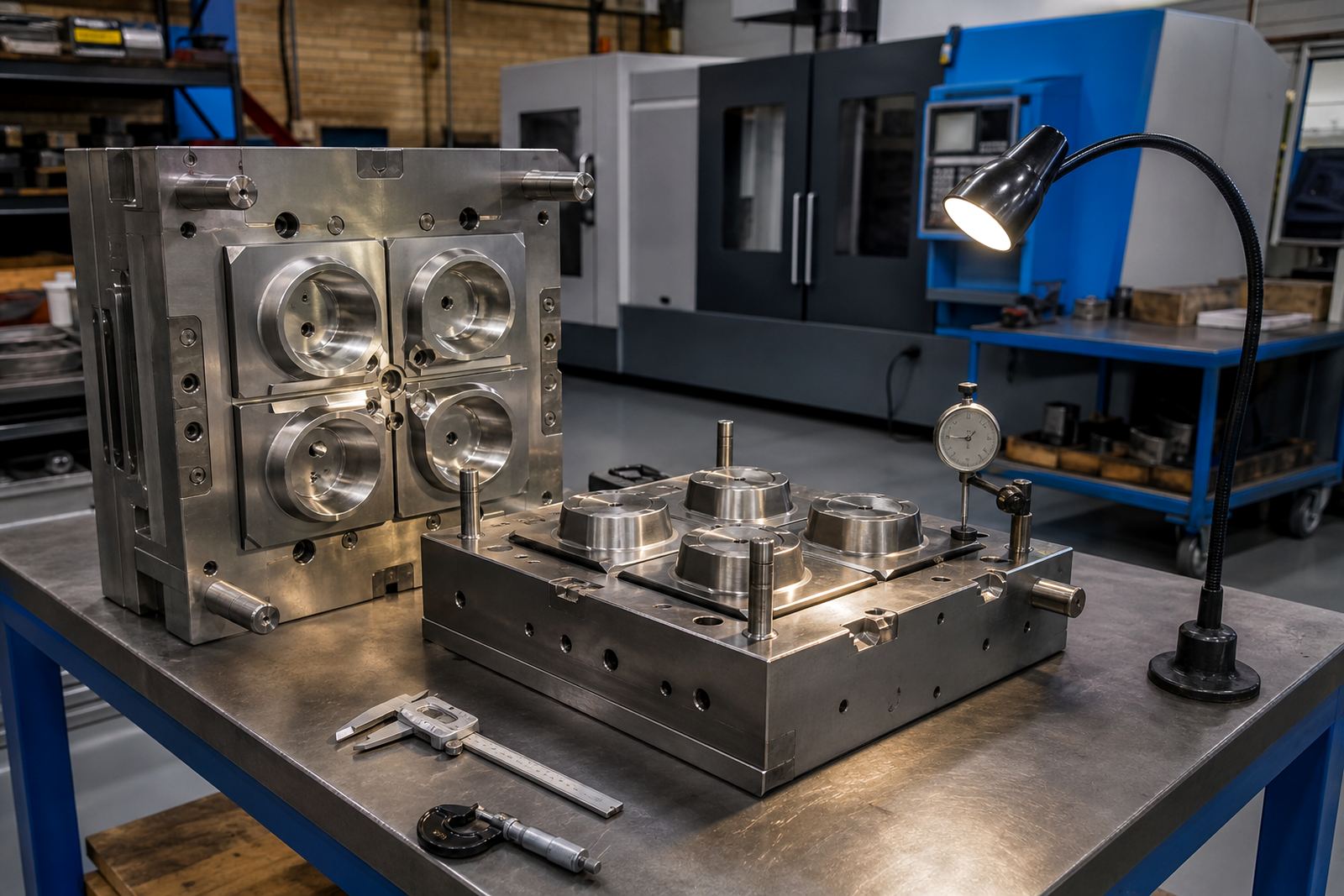
Injection moulding suits repeat production where shape and fit must stay consistent from batch to batch. Once the mould is set, the same cavity forms each unit with controlled detail at the rim, side wall and base. That is important where lids must sit evenly and tamper evidence must hold through transport from Gauteng to coastal destinations with more humidity and handling changes.
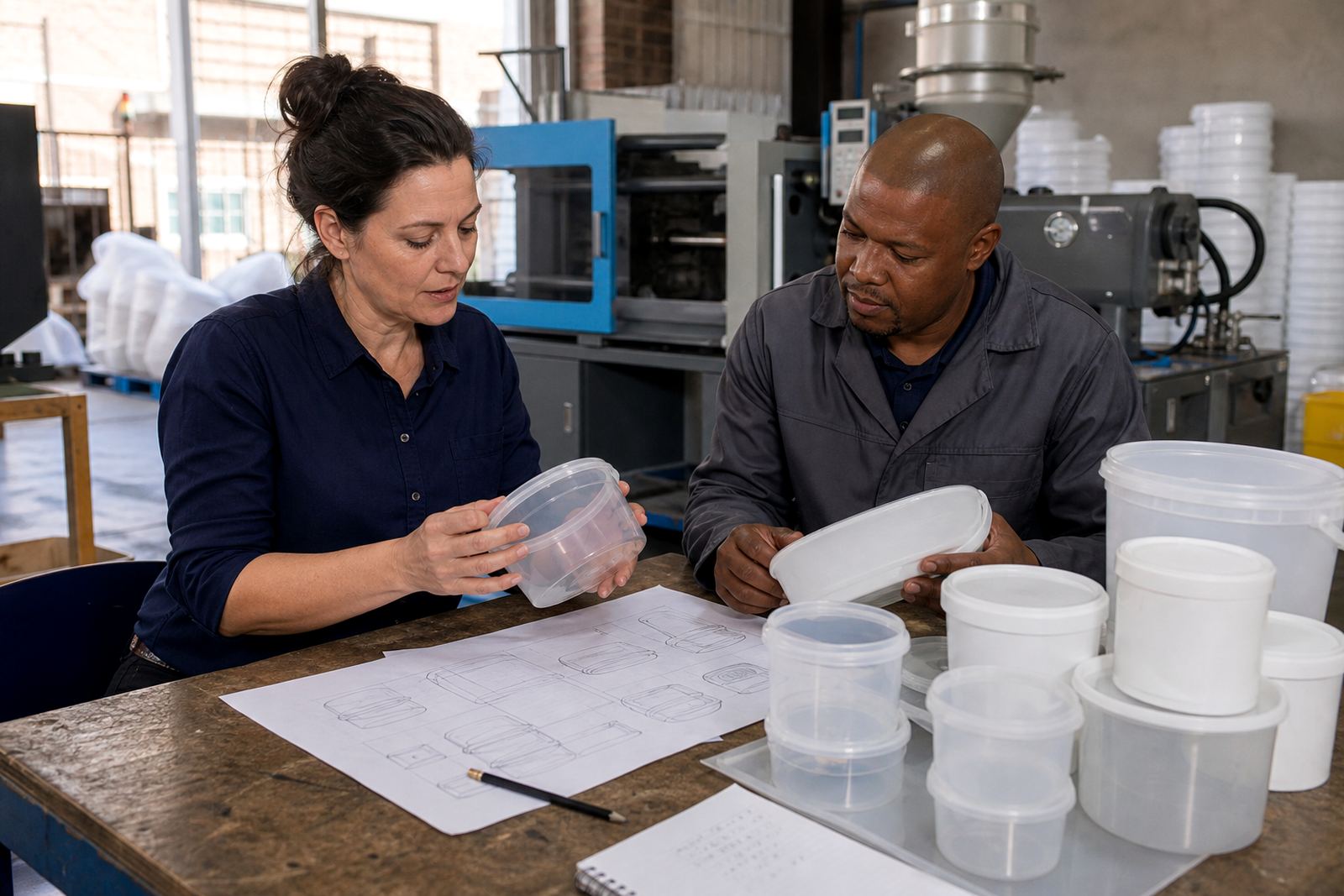
Our mould development work can cover new container shapes, lid profiles, tamper seal features and pack changes for existing lines. We also look at how the pack nests, stacks and separates on a filling line. Small changes in draft angle or rib placement can make a big difference to ejection, packing speed and warehouse handling, so the geometry is checked with that in mind.
- Mould development for new pack shapes
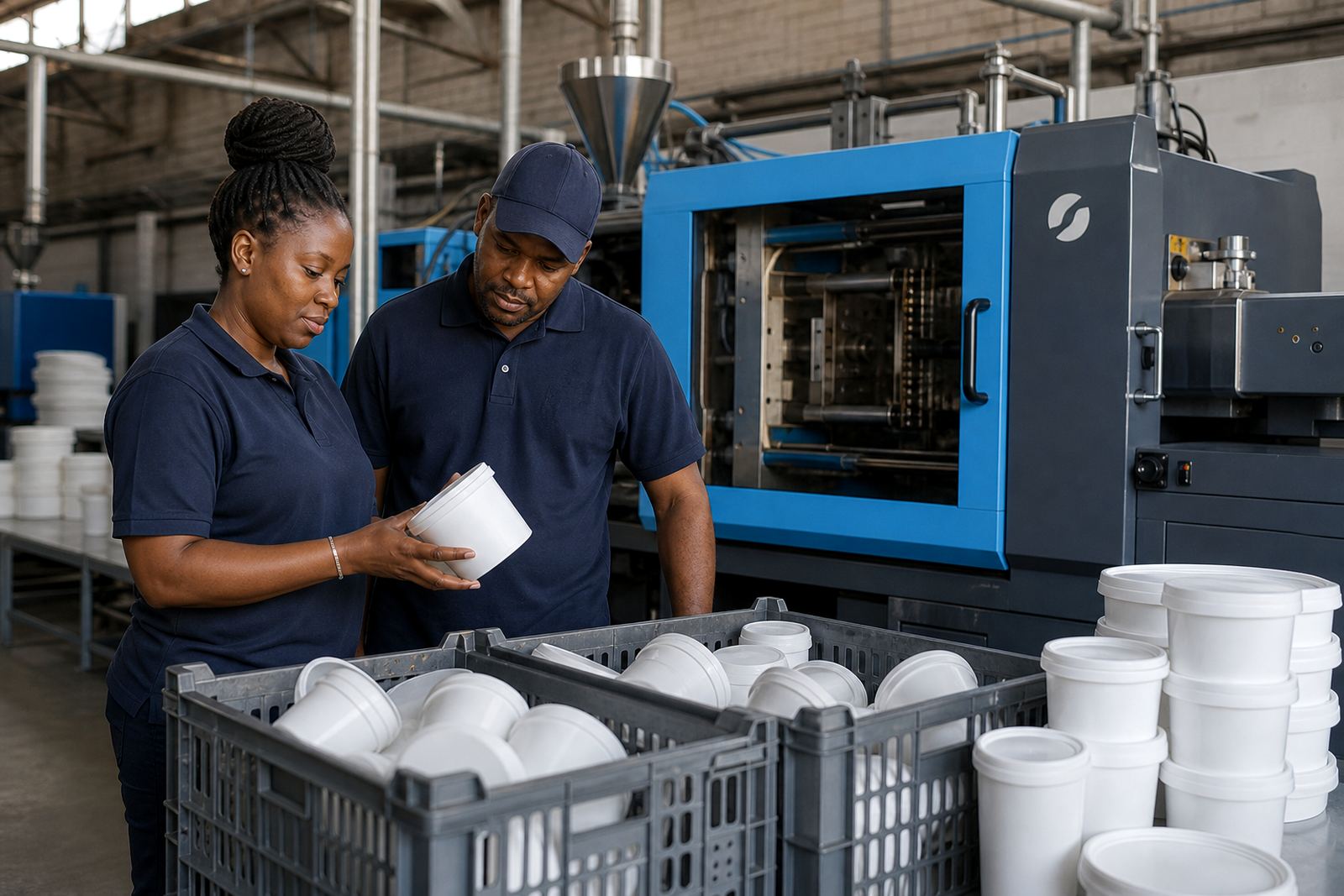
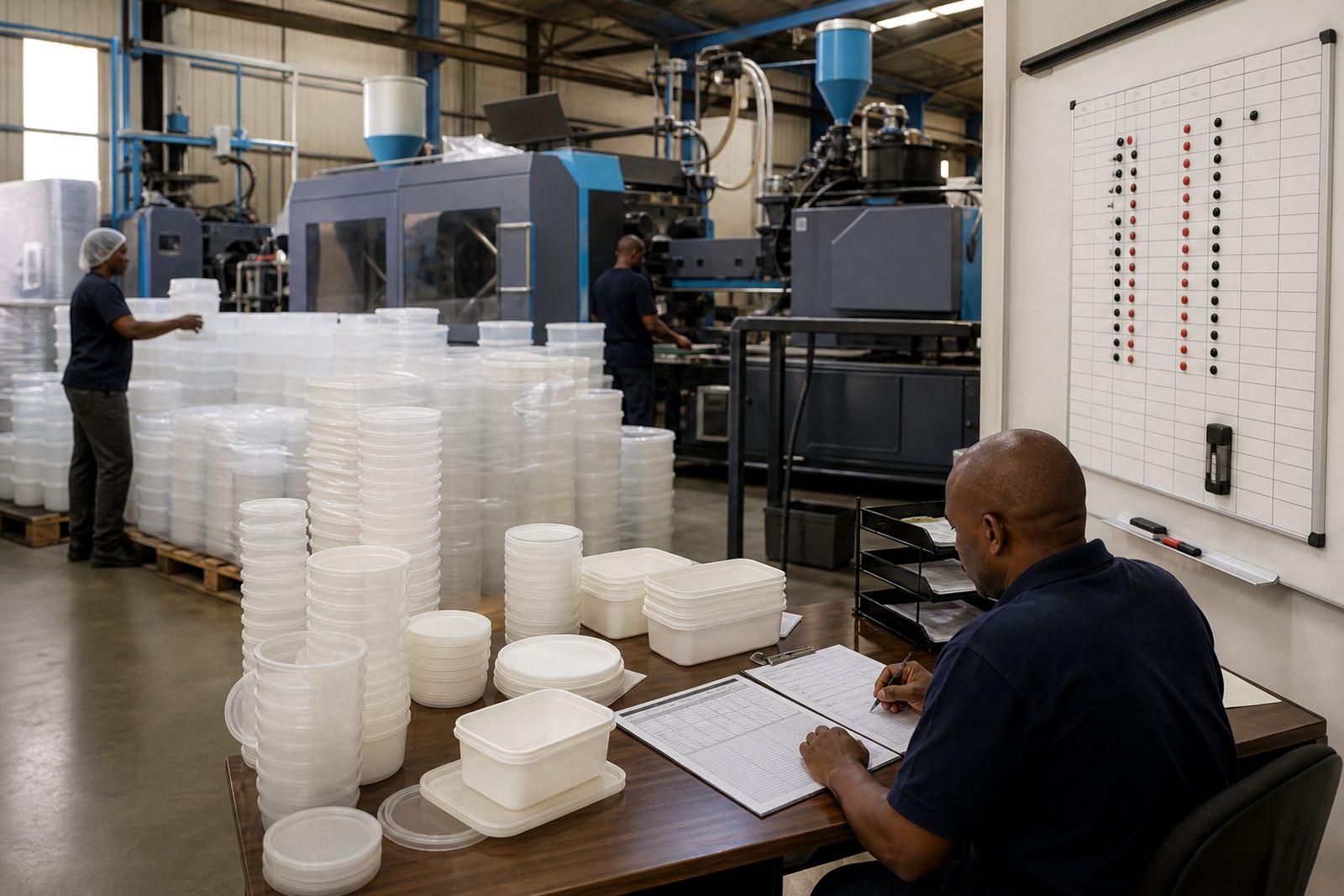
- Trial production runs for line testing
- Line fit checks for closure and handling
- Secondary packing advice for bulk dispatch
Tubs, lids and seal features working as one unit
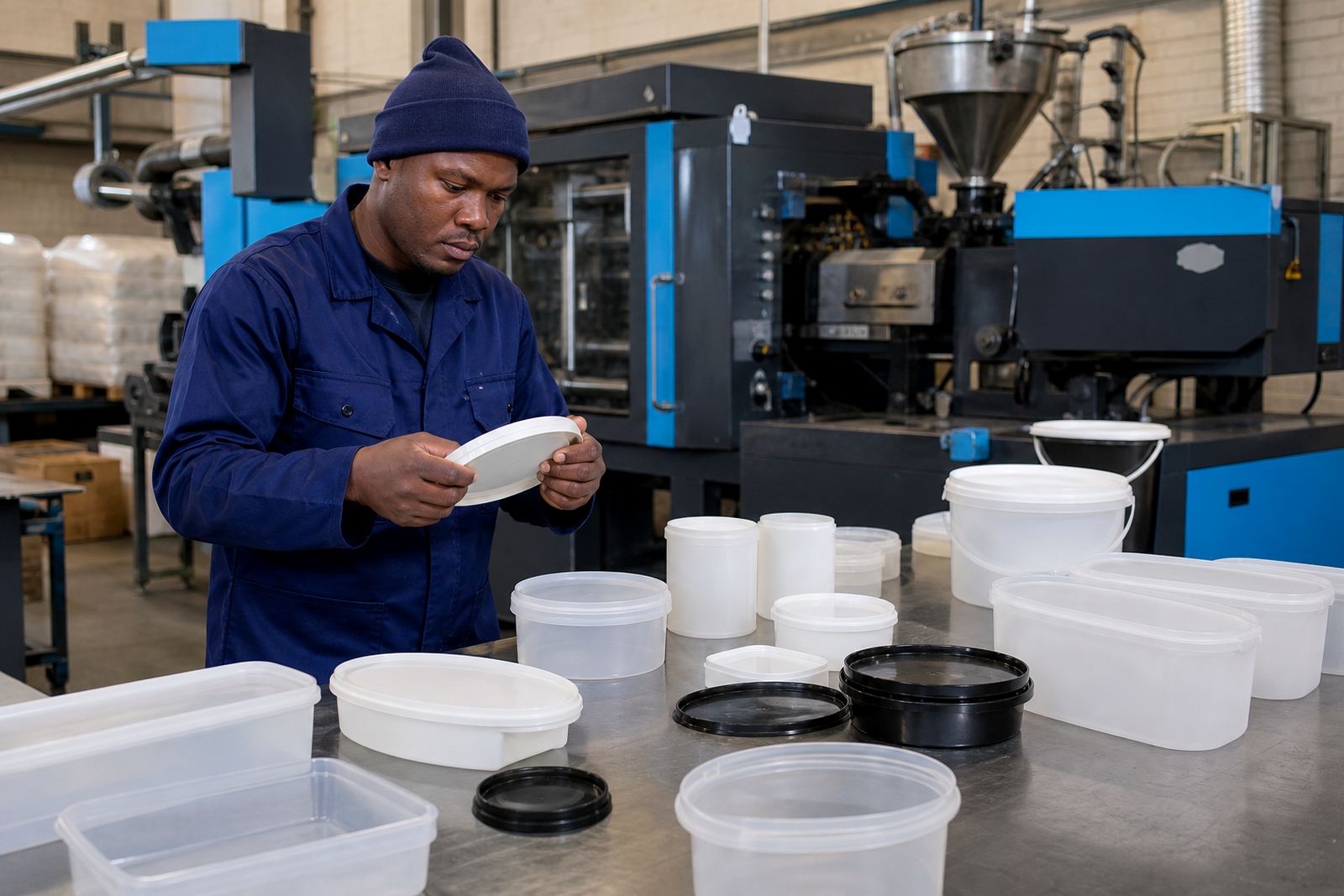
A container on its own is only part of the package. The lid must close properly, the tamper seal must stay intact until opening, and the pack size must suit the product fill without wasted headspace. For creams, powders, sauces and dry food items, that combination affects shelf appearance and product protection.
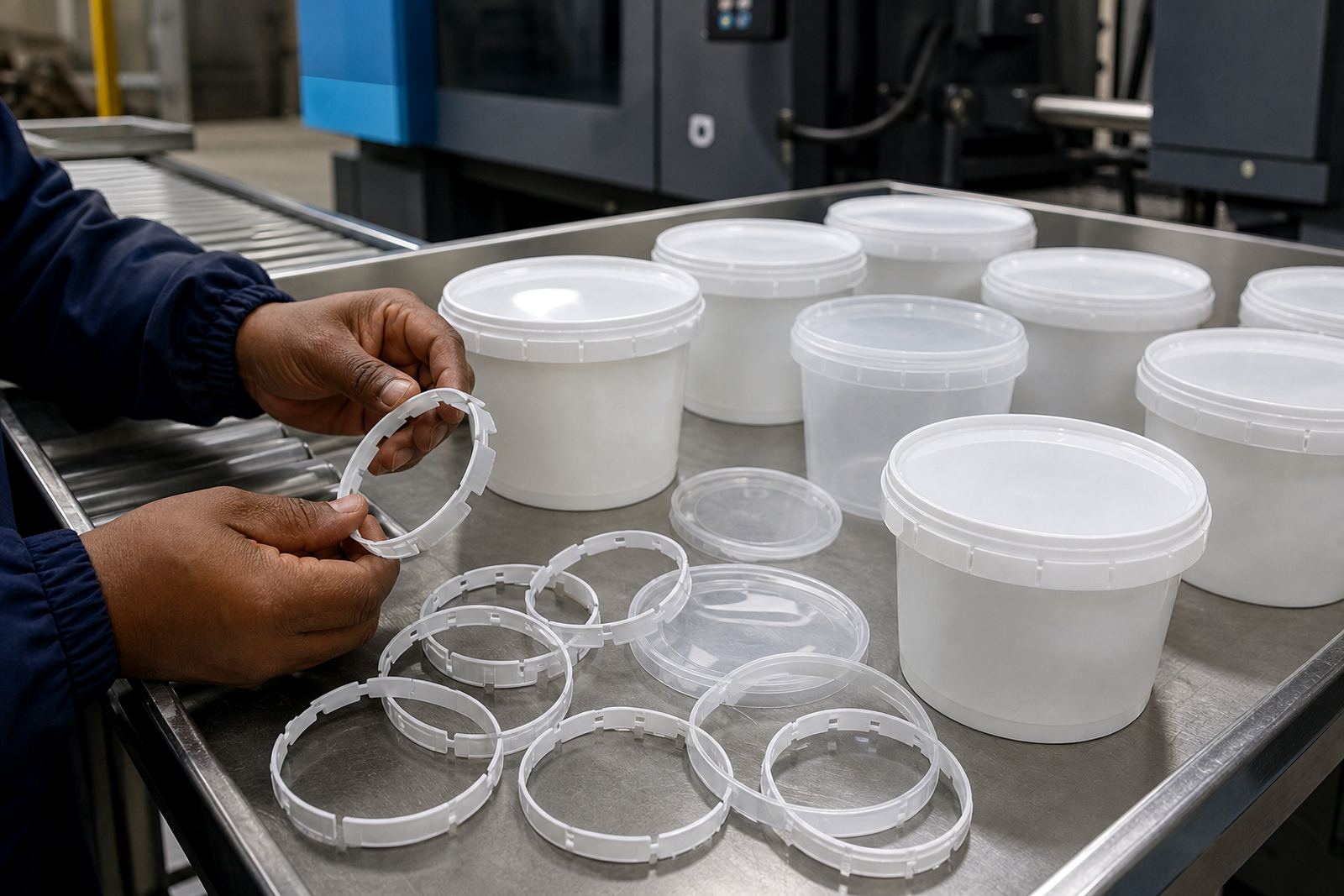
Plastic Factory supports lid development and tamper seal design where a standard closure is not enough. The aim is to keep opening predictable and the seal clear to users, while still allowing efficient packing on local lines. For some fills, a wide mouth helps scooping or dosing. For others, a tighter opening is better for mess control and product retention.
- Lid designs for snap fit or secure closure
- Tamper seal options for retail packs
- Pack size planning around fill volumes
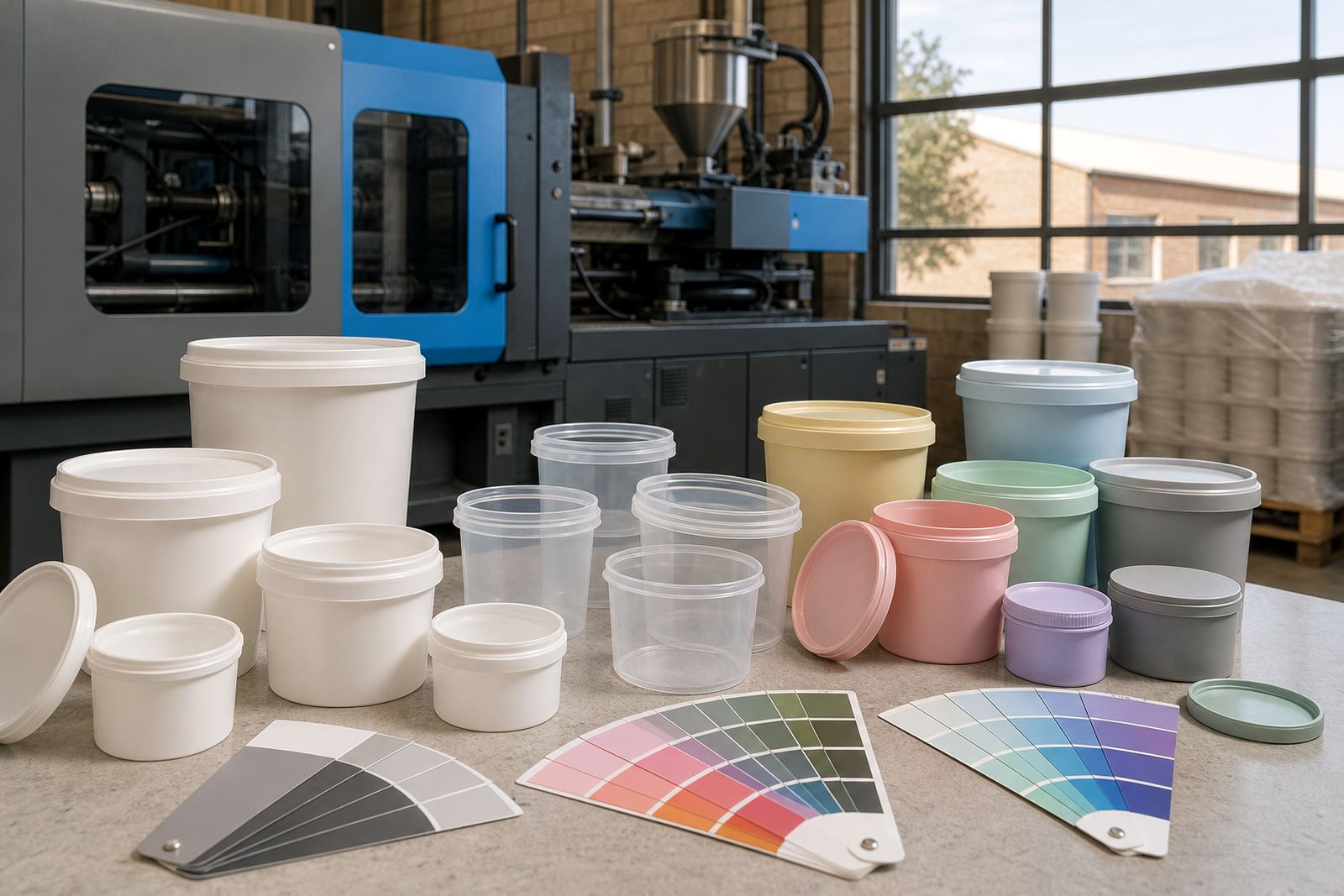
- Colour matching guidance for product ranges
Material choices for South African packing conditions
Polypropylene and HDPE each have their place. Polypropylene is commonly used where heat resistance, stiffness and a cleaner finish are useful. HDPE is often chosen for toughness, impact handling and good performance in everyday distribution. The right call depends on the product, the shelf life target and the handling a pack will face in transit and on site.
Food-safe materials are selected with care for packers working in kitchens, plants and contract packing rooms. That includes the practical matters too, such as stacking in warm stores, transport in coastal humidity and the way a container behaves when filled, capped and boxed. A pack that looks fine in isolation can still be troublesome if it bridges, slips or shifts on the line.
- Polypropylene for a firm, neat pack profile
- HDPE for impact handling and flexible use
- Material selection matched to product type
- Ongoing product updates for changing pack needs
Planning pack counts and stock movement
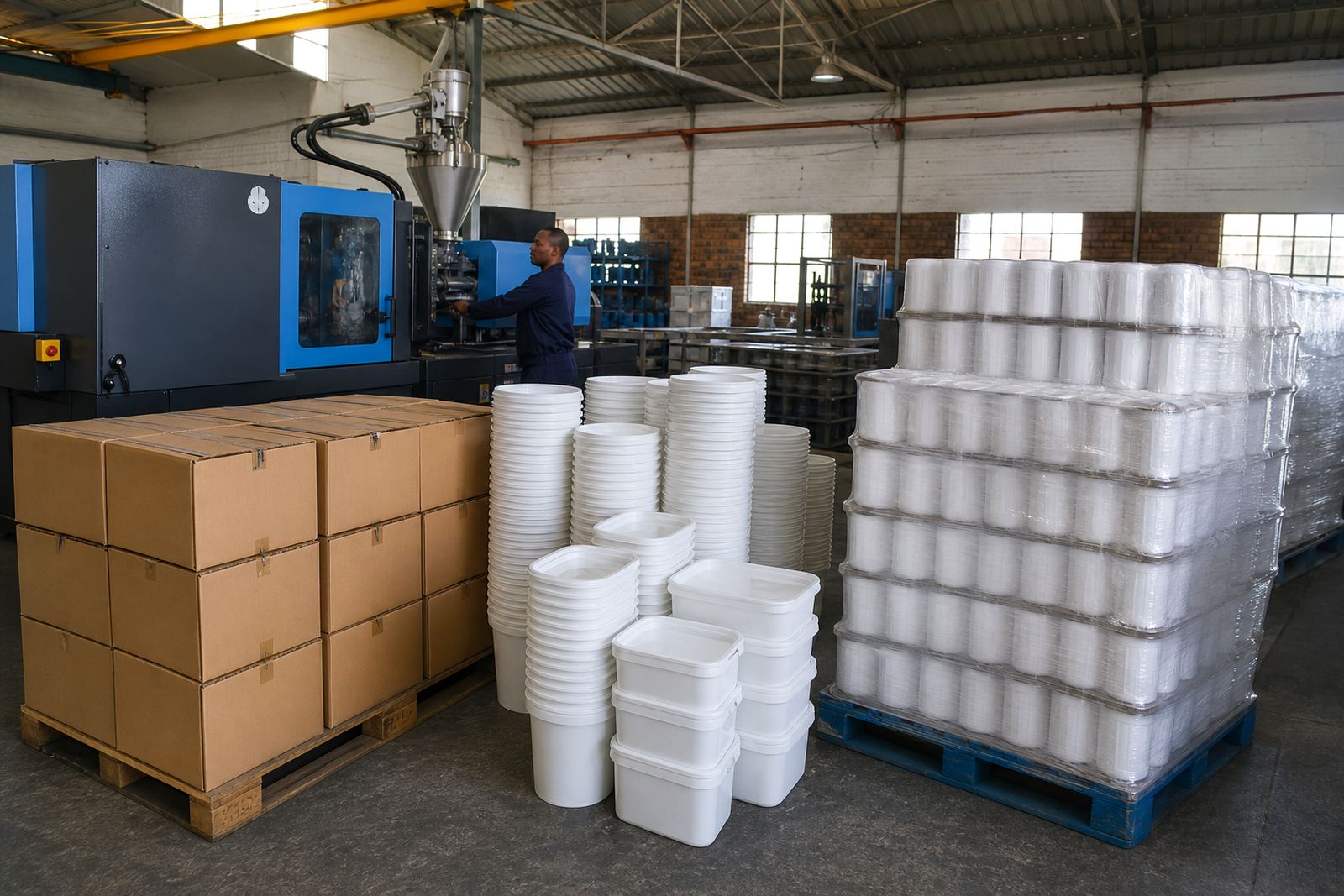
Packaging development is not only about the mould. It also needs to fit the way stock is ordered, packed and moved out of Alrode to Johannesburg, Durban, Cape Town, Pretoria and Port Elizabeth. A practical pack plan considers units per carton, pallet pattern, closure fit and how the tubs sit in storage before dispatch.
For large packers, stock run planning can reduce hold-ups when a product range moves through different sizes or colour ways. For smaller runs, a tighter production plan may suit seasonal demand or trial volumes. The details matter, because packaging is part of the working stock, not just the finished item.
- Stock run planning for regular production
- Pack size planning for cartons and pallets
- Dispatch-friendly shapes for safer transport
- Alberton supply with delivery across South Africa
A practical start for custom packaging work
Custom moulding works best when the product details are clear from the start. That includes the fill type, target pack size, closure style, label area and any handling concerns on the packing floor. From there, the development can move through material choice, mould design and trial runs without unnecessary changes.
Plastic Factory supports businesses that need packaging built around real filling conditions, not guesswork. The result is a moulded tub or container that sits properly in the line, protects the contents and fits the way local packers move stock through their operations.