
What a line fit check covers in practice
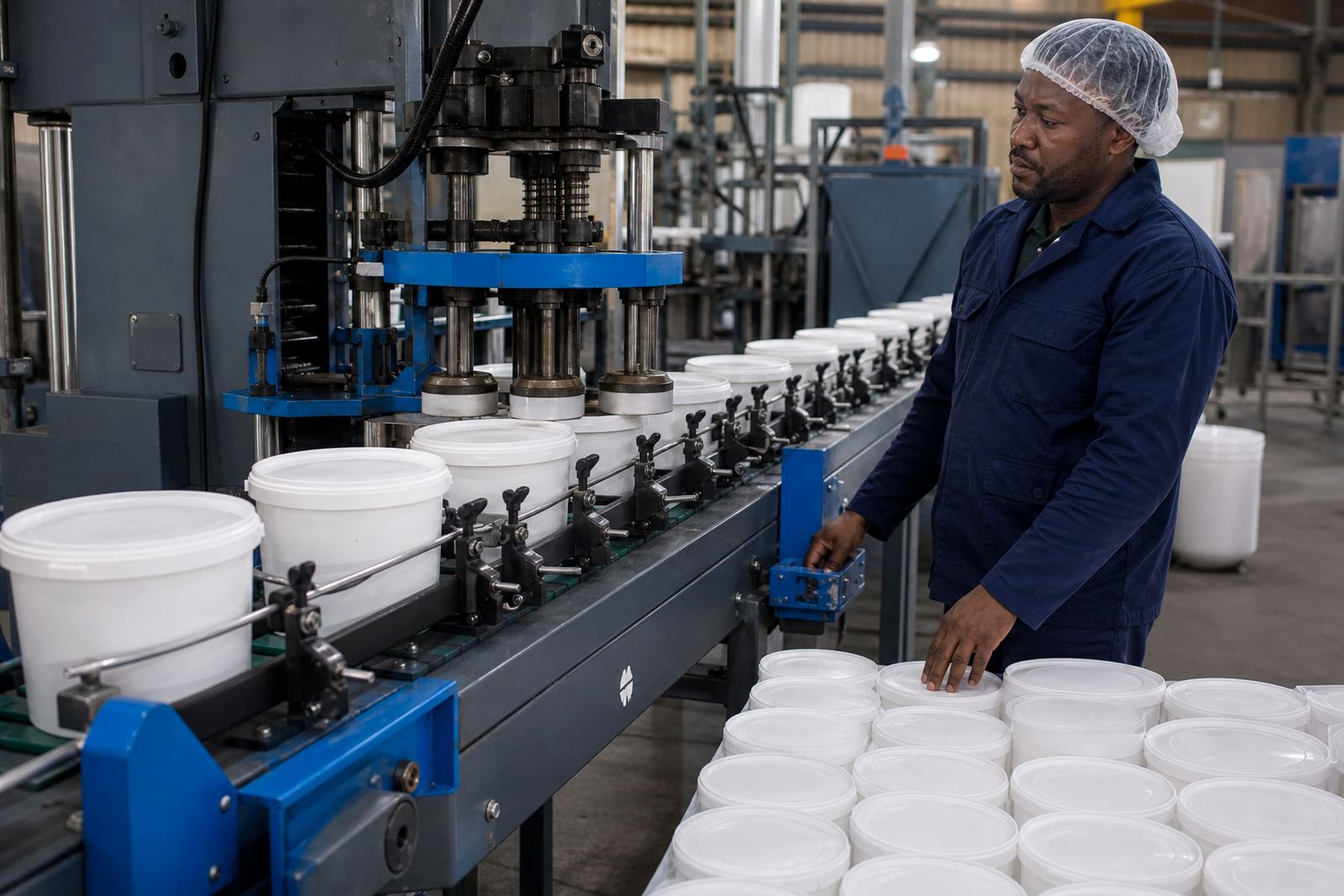
A line fit check looks at how a container, lid and seal behave through the packing line, from infeed through to closing, stacking and dispatch. The focus is practical: do the tubs travel cleanly, sit square on the conveyor, close without twisting, and stack without scuffing or tipping.
We assess container geometry, neck finish, lid engagement, tamper seal placement and the way the pack size sits in trays or cartons. Where needed, we also look at grip points for operators, fill clearance, label space and how the pack behaves in humid coastal conditions or warmer inland stores.
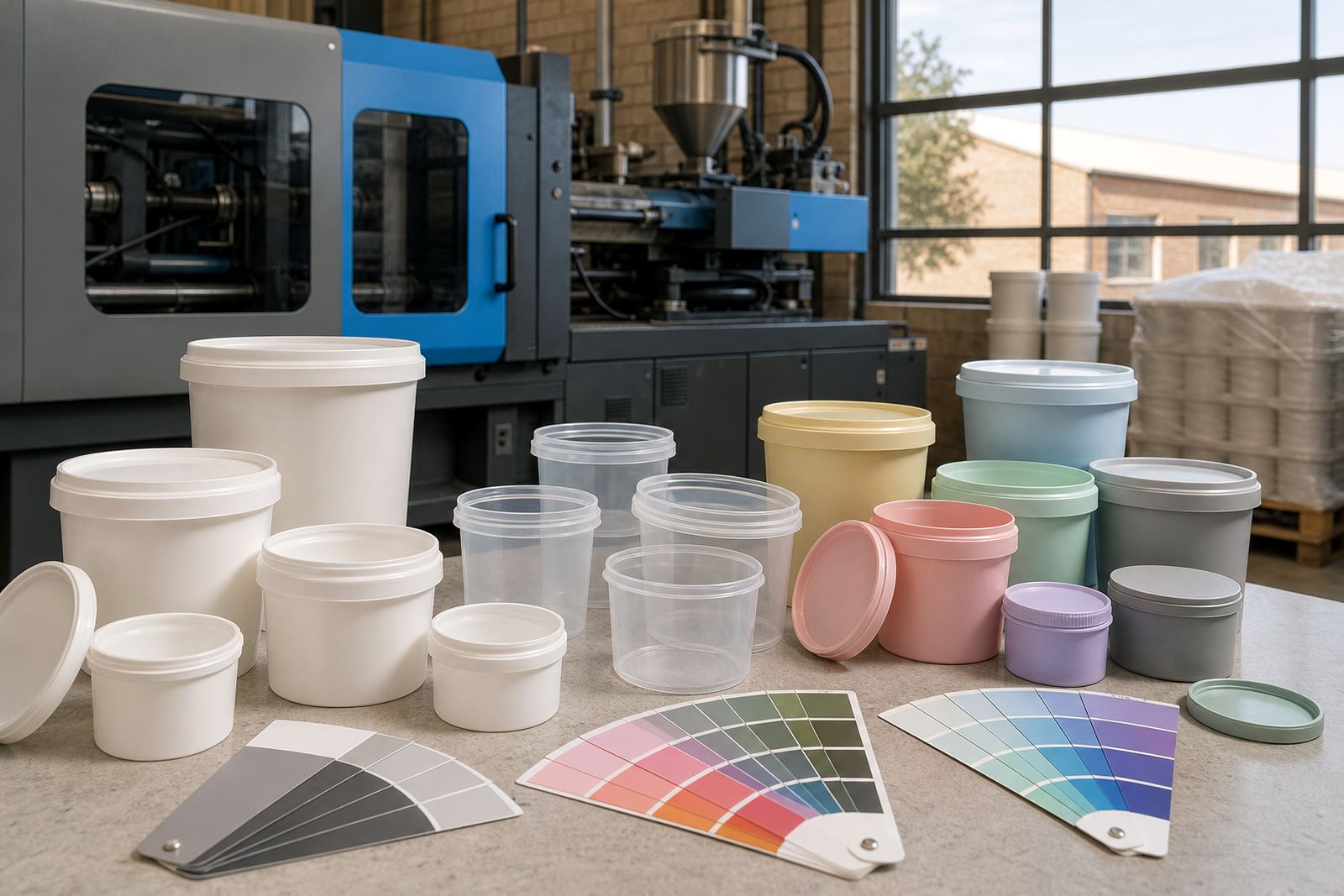
- Polypropylene and HDPE tubs in a range of common pack sizes
- Lids matched for snap fit, pressure fit or tamper evident use
- Checks for infeed stability, seal closure and stack performance
- Practical notes for cartons, trays and secondary packing steps
Sample set-up and line observations
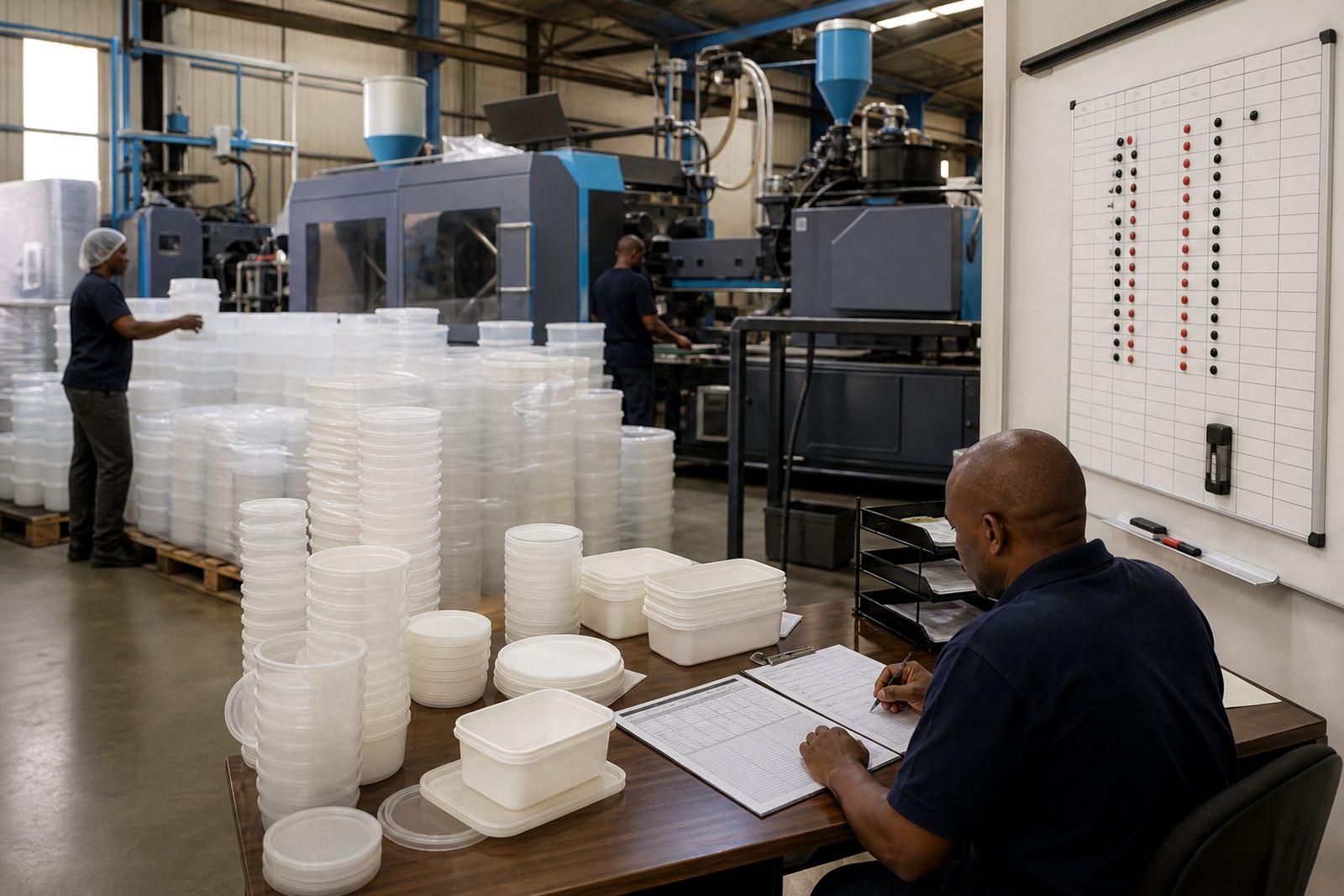
Before a check starts, the team agrees on the container style, lid type and pack size that need testing. Samples are then handled on the same sort of equipment used in production, whether the line is filling sauces, dry foods, creams or tablet containers.
The check notes where a pack may snag, lean or sit too high for current guides and closures. It also flags any handling issue that could lead to scuff marks, poor lid seating or inconsistent pack presentation after filling. A good result is not only about closing the lid, it is about keeping the whole run steady and tidy.
- Container height, base stability and wall stiffness
- Lid seating, removal force and reclose behaviour
- Tamper seal alignment and break point consistency
- Pack movement through guides, chutes and case packing stages
Materials that suit the product and the line
Injection moulded polypropylene and HDPE are the main materials used for these containers and tubs. Polypropylene is often selected for hotter fill conditions and good chemical resistance, while HDPE is widely used for tough handling and reliable everyday packing. The right choice depends on the product, the filling temperature and the finish expected on shelf.
Food-safe material selection matters for packers of dry goods, dairy items, sauces, pharmaceutical units and cosmetics. During the line fit check, we look at how the material behaves with the lid, how it flexes under pressure and whether the chosen pack size stays stable through repeated handling. If the product needs a tamper seal, that is checked as part of the same process.
How the check is run from first sample to final note
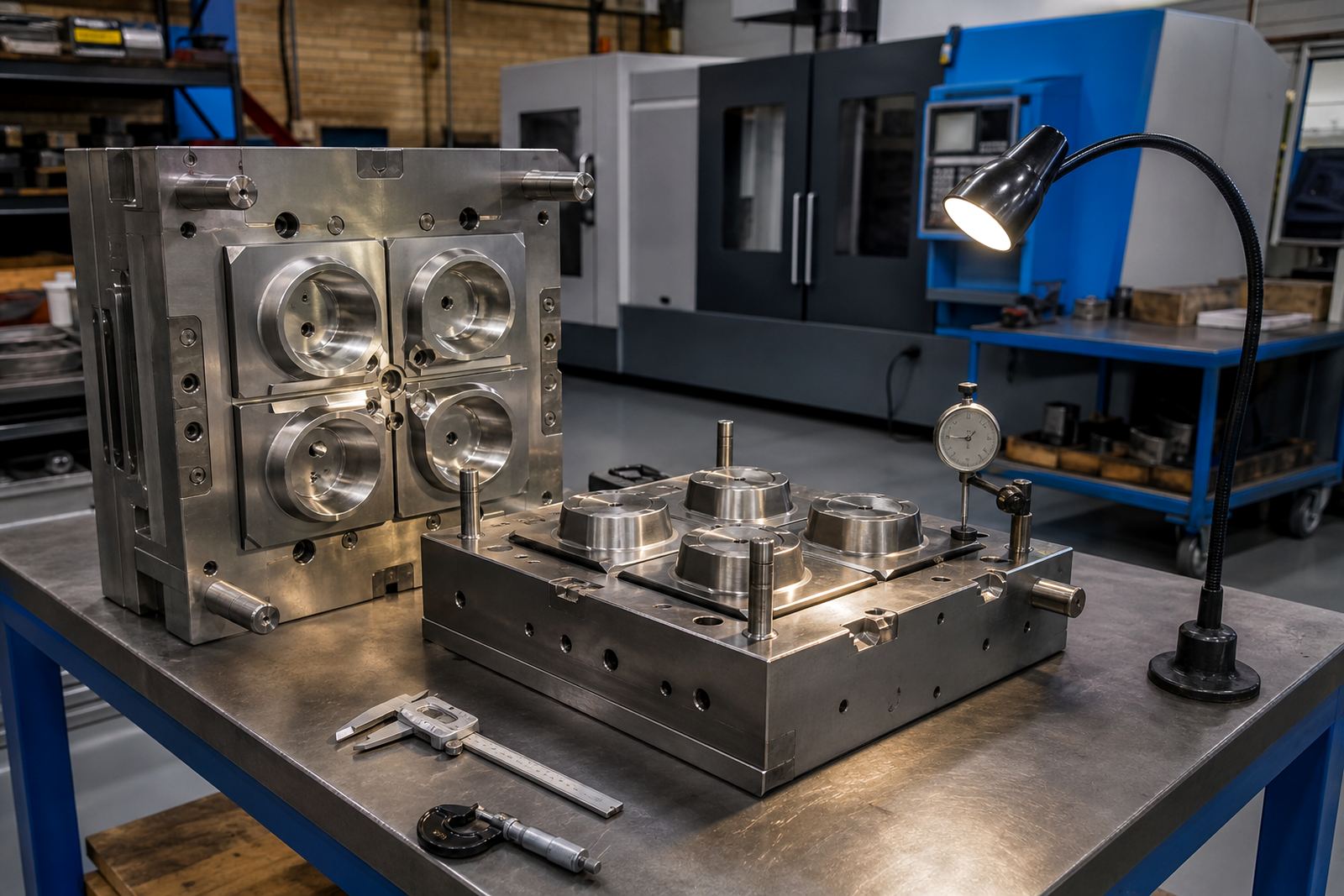
The process is straightforward and built around production realities. It starts with the pack specification, then moves to sample testing, line observation and a short written summary of what worked well and what needs adjustment before full production. Where useful, the review can be linked to mould development, lid development or trial production runs.
Typical steps include the following:
- Confirm the container size, lid style and intended product use
- Review the filling and closing equipment already in place
- Test sample packs on the line, including operator handling
- Note fit, alignment, stacking and any handling concerns
- Agree on changes to pack size, lid detail or secondary packing
That report is then used to guide the next production step, whether the need is a small lid change or a larger pack redesign.
Timing, pricing and production planning
Timing depends on the type of pack, the number of samples needed and whether mould changes are part of the work. A straightforward check on an existing tub and lid can move quickly once samples and line access are in place, while a fuller review with pack size planning or trial runs needs a longer window.
Pricing is handled according to the scope of the check. A simple fit review costs less than a project that includes mould development, trial production runs and colour matching guidance. For packers in Johannesburg, Durban, Cape Town, Pretoria, Port Elizabeth, Alberton, Germiston and Boksburg, delivery and collection details are factored into the project plan where needed.
- Existing pack and lid check only
- Check with minor dimensional adjustment
- Check linked to trial production and sample handling
- Check tied to new mould or lid development
Aftercare for production teams and pack changes
After the line fit check, support continues around the pack specification and any updates that follow. If the filling line changes, the seal specification shifts or a new product fill is introduced, the earlier notes help reduce wasted sampling and unnecessary stops on the floor. That matters in plants where different pack sizes move through the same line through the week.
The aftercare also covers practical adjustments to carton counts, lid supply planning and secondary packing advice. For food, pharmaceutical and cosmetic packers, the aim is to keep the container, lid and packing line working together with fewer handling problems and clearer production notes for the team.
Key facts
| Material range | Polypropylene and HDPE containers and tubs |
|---|---|
| Closure options | Matching lids and tamper seal designs |
| Typical pack sizes | Small tubs through larger bulk containers |
| Use sectors | Food, pharmaceutical and cosmetic packing |
| Assessment focus | Filling, closing, stacking and secondary packing |
| Service areas | Alrode, Alberton and deliveries across South Africa |