Colour decisions that suit the pack and the shelf
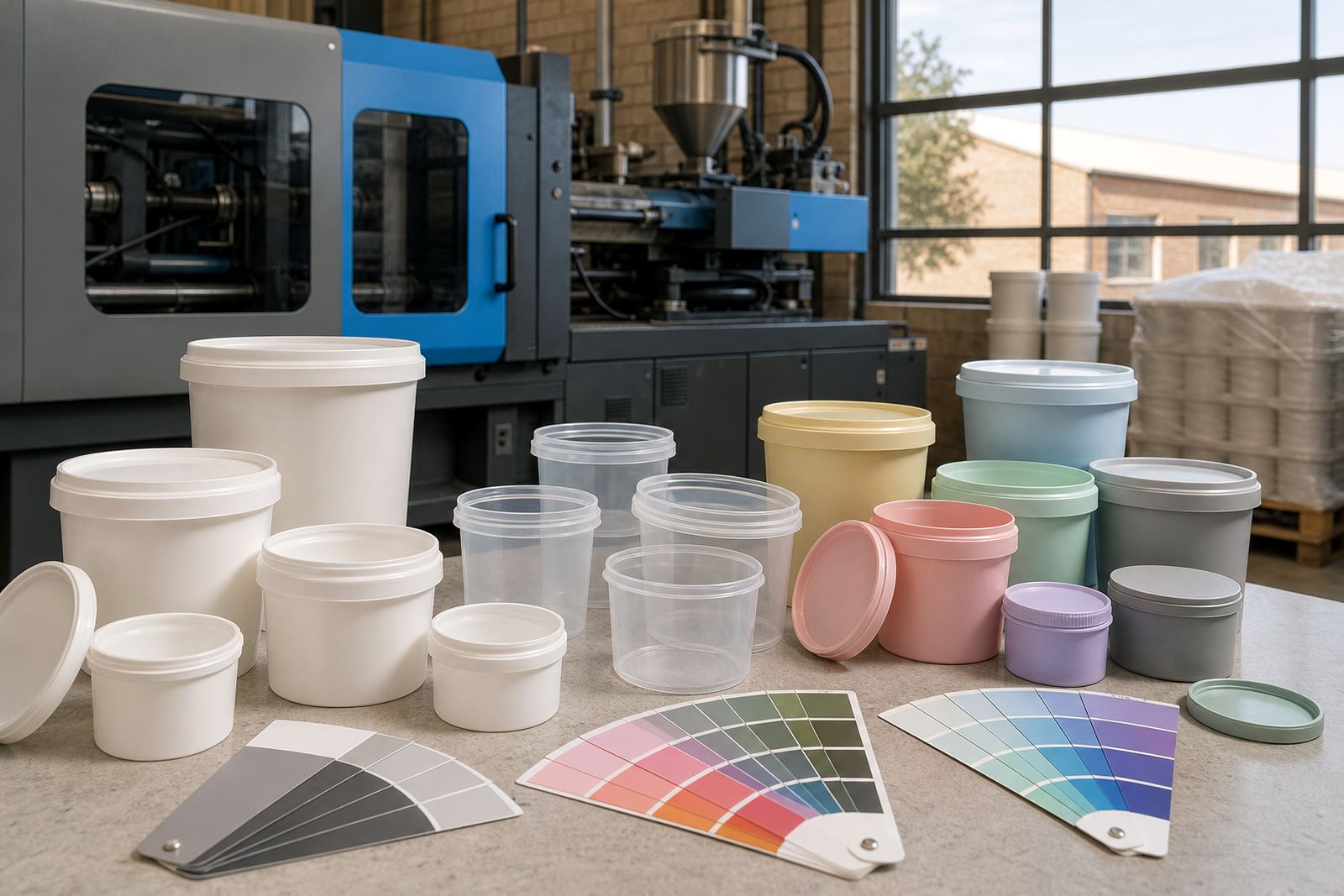
Colour matching is never just a visual exercise. For tubs and containers, the shade has to suit the product, the filling line, the label artwork, and the way the pack sits on a shelf under shop lighting or warehouse fluorescents. In Alrode and across South Africa, many packers want a stable range look for different sizes, from small cosmetic jars to larger food tubs, without ending up with half a range that looks slightly off from the rest.
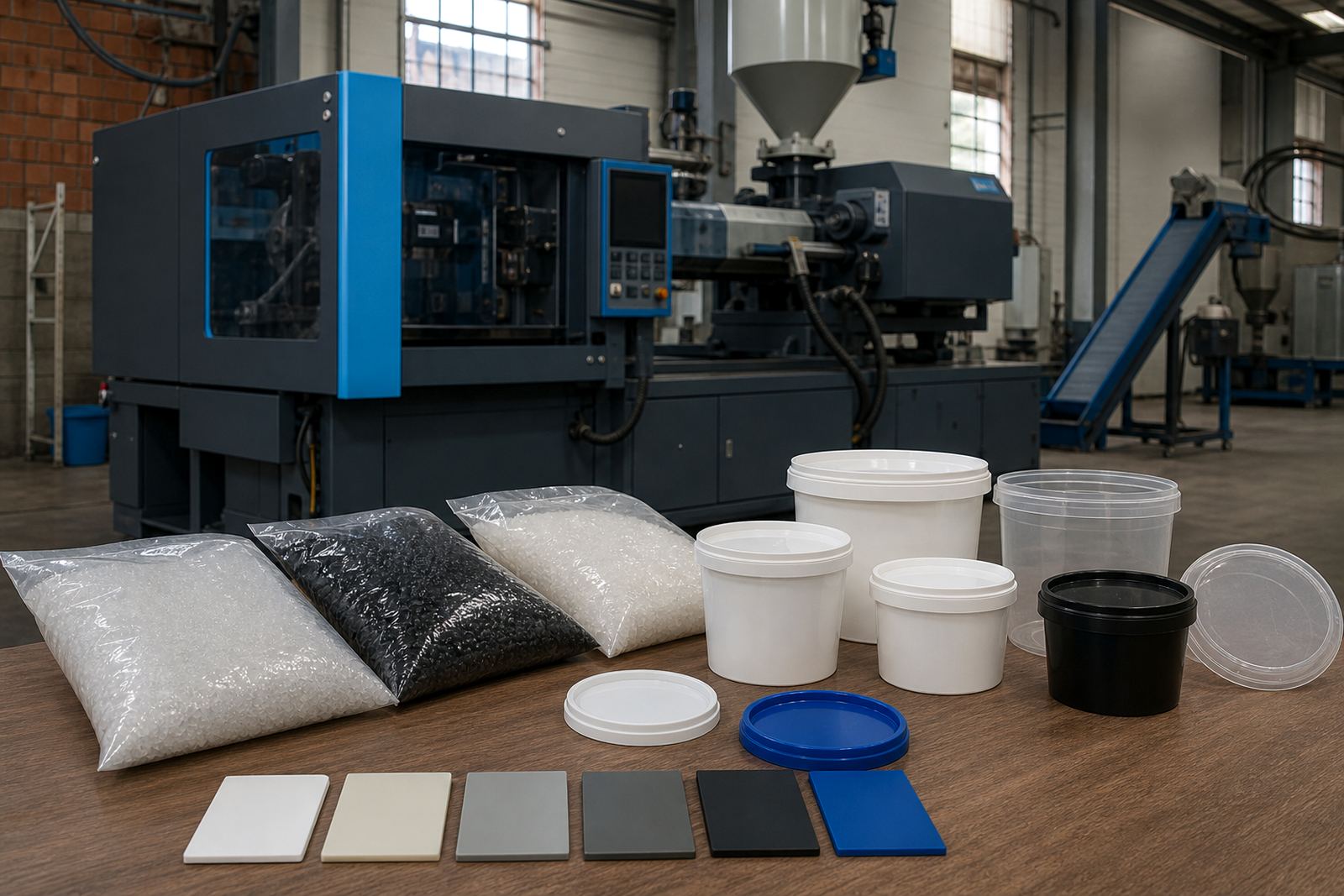
We look at the base resin, the wall thickness, the lid shade, and the intended use before suggesting a colour direction. A light pastel may suit a cosmetic line, while a deeper tone can help with product separation in food or pharmaceutical packs. Where a translucent or opaque finish is needed, we guide the choice so the result fits the product and the fill presentation, not just the sample in your hand.
- Guidance on opaque, translucent, and tinted finishes
- Matching across tubs, lids, and tamper seals
- Advice for range consistency across multiple pack sizes
Materials, tint behaviour, and pack-line fit
Polypropylene and HDPE behave differently when colour is added. Polypropylene often gives a clean, crisp pack appearance, while HDPE can give a softer look with good toughness for handling and stacking. Pigment load, resin flow, and mould surface all affect the final shade, so the same colour chip can read slightly differently once it is injection-moulded and cooled.
We also consider the practical side of the packing line. If a packer is using conveyor handling, shrink sleeves, or secondary packing cartons, the container colour has to work with those steps. A dark container can hide product variation, while a pale container may show the fill level more clearly. In humid coastal areas like Durban, the pack still needs to hold its appearance through storage and transport, especially where printed labels and closures sit tightly together.
- Colour guidance for polypropylene and HDPE grades
- Support for tubs, lids, and tamper-evident closures
- Checks for stackability, label visibility, and product contrast
What the colour matching service includes
The service covers practical colour guidance from first sample discussion through to production release. We work with your target shade, existing pack references, or artwork direction and then narrow the options to what can be moulded reliably. If a client in Johannesburg needs a range to match older stock, or a Durban packer wants a fresher shelf look for a new line, the guidance is adjusted to suit that product family.
Included in the process are material selection input, sample comparison, mould development support where needed, and trial production runs for visual confirmation. We also help with line fit checks, because a colour that looks correct in sample form still has to move cleanly through the actual pack line. For larger runs, stock planning matters too, since different colour batches should not create visible shifts across the same order.
- Review of target shades and acceptable colour variation
- Trial samples for visual assessment and pack-line checks
- Advice on colour stability for repeat production batches
How the guidance is handled from sample to run
The process starts with the container type, closure type, and product use. From there, we review whether the pack needs a neutral look, a branded colour, or a colour family that can be carried across several sizes. For food products, colour is often used carefully so the contents remain easy to identify, while pharmaceutical packaging may need a more restrained presentation. Cosmetic ranges often allow more freedom, but the shade still has to stay consistent from launch through later production runs.
After the first discussion, sample options are prepared for comparison. We then check how each shade performs on the moulded surface, how it appears next to a lid or tamper seal, and whether it suits the filling method. If needed, small adjustments are made before the production colour is approved. That step can prevent avoidable variation later, especially where a packer is running several sizes in the same range and needs the visual identity to stay steady.
- Briefing on product use, pack size, and finish requirements
- Sample review against target shade and packaging components
- Adjustment stage before production release
Timing, pricing approach, and order planning
Colour matching work is priced according to the complexity of the brief, the number of sizes involved, the need for trial production, and whether mould or material adjustments are needed. A single colour adjustment for one tub is not the same as a full range across several lids and tamper seals. Project timing depends on the availability of samples, the colour accuracy required, and the amount of testing needed for a stable result.
For packers in Pretoria, Boksburg, Germiston, or Alberton, the order plan may also need to fit into current stock runs and dispatch schedules. We help with practical planning so colour changes do not disrupt filling or secondary packing more than necessary. If the range must be repeated later, the same records and sample references are kept for future production, which helps keep the colour family steady across orders.
- Pricing depends on range size, sample work, and trial needs
- Planning can cover colour changes within stock run schedules
- Reference records help with future repeat production
Aftercare for colour consistency in later production
Once a colour is approved, the next priority is holding that result across later batches. That means keeping a clear reference of the approved shade, the resin used, and the mould settings that produced it. If a customer later wants a small adjustment for a new label or a revised lid shade, the earlier reference helps narrow the change without starting from zero.
Aftercare in this service is practical rather than decorative. We stay focused on how the pack behaves in real use, from storage to dispatch, and on whether the colour still sits well with the rest of the range. If a container is used for food, pharmaceutical, or cosmetic packing, small visual differences can change how the product is read by customers, so steady colour records are worth keeping close at hand.
- Approved shade references for later production
- Notes on resin, mould settings, and matching limits
- Support for small adjustments across future batches
Key facts
| Materials covered | Polypropylene and HDPE |
|---|---|
| Pack types | Injection-moulded containers, tubs, lids and tamper seals |
| Finish guidance | Opaque, translucent, tinted, and neutral range matching |
| Use sectors | Food, pharmaceutical, and cosmetic packing |
| Base location | Alrode, Alberton |
| Delivery areas | Johannesburg, Durban, Cape Town, Pretoria, Port Elizabeth, Alberton, Germiston, Boksburg |