

Container formats that suit the fill line
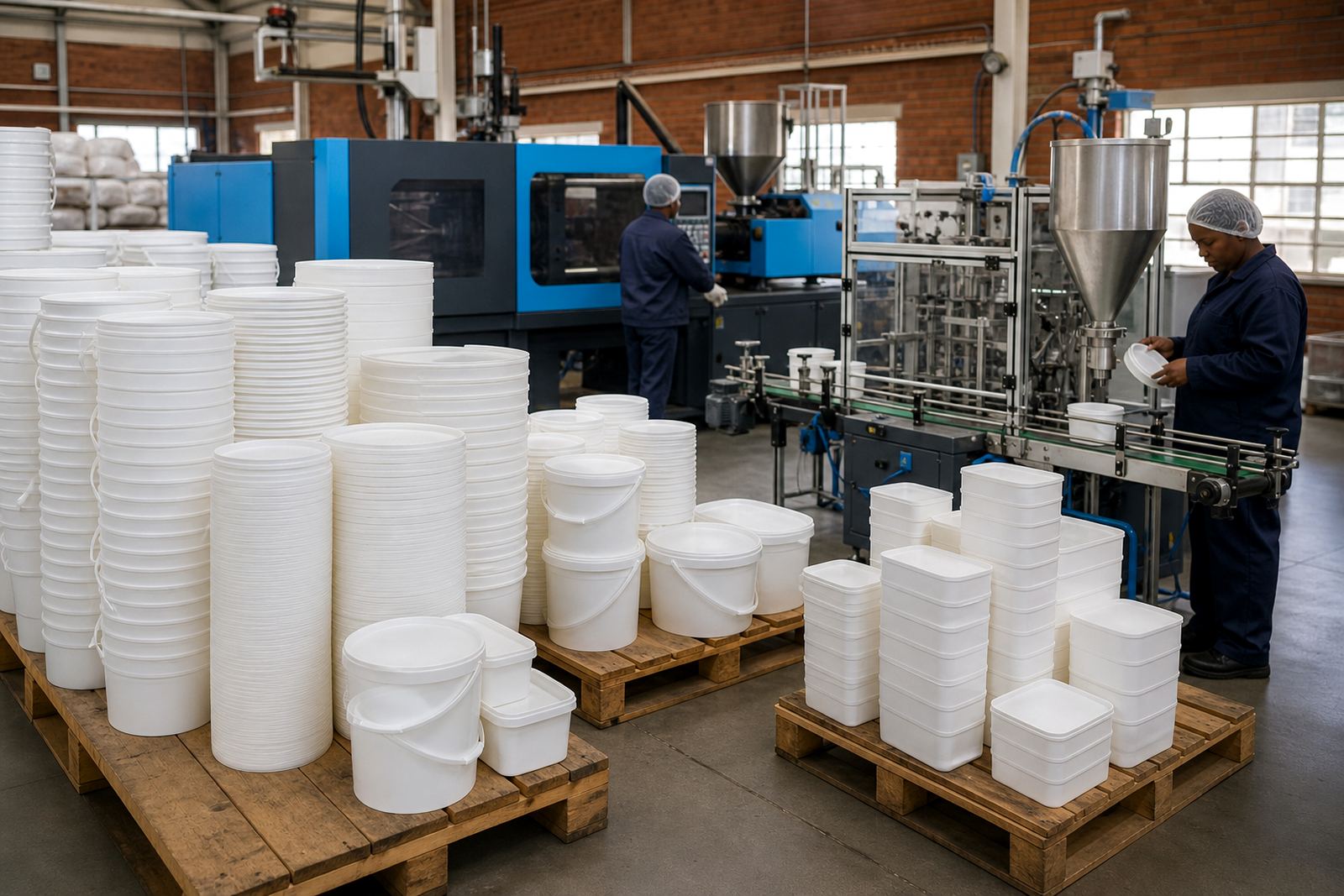
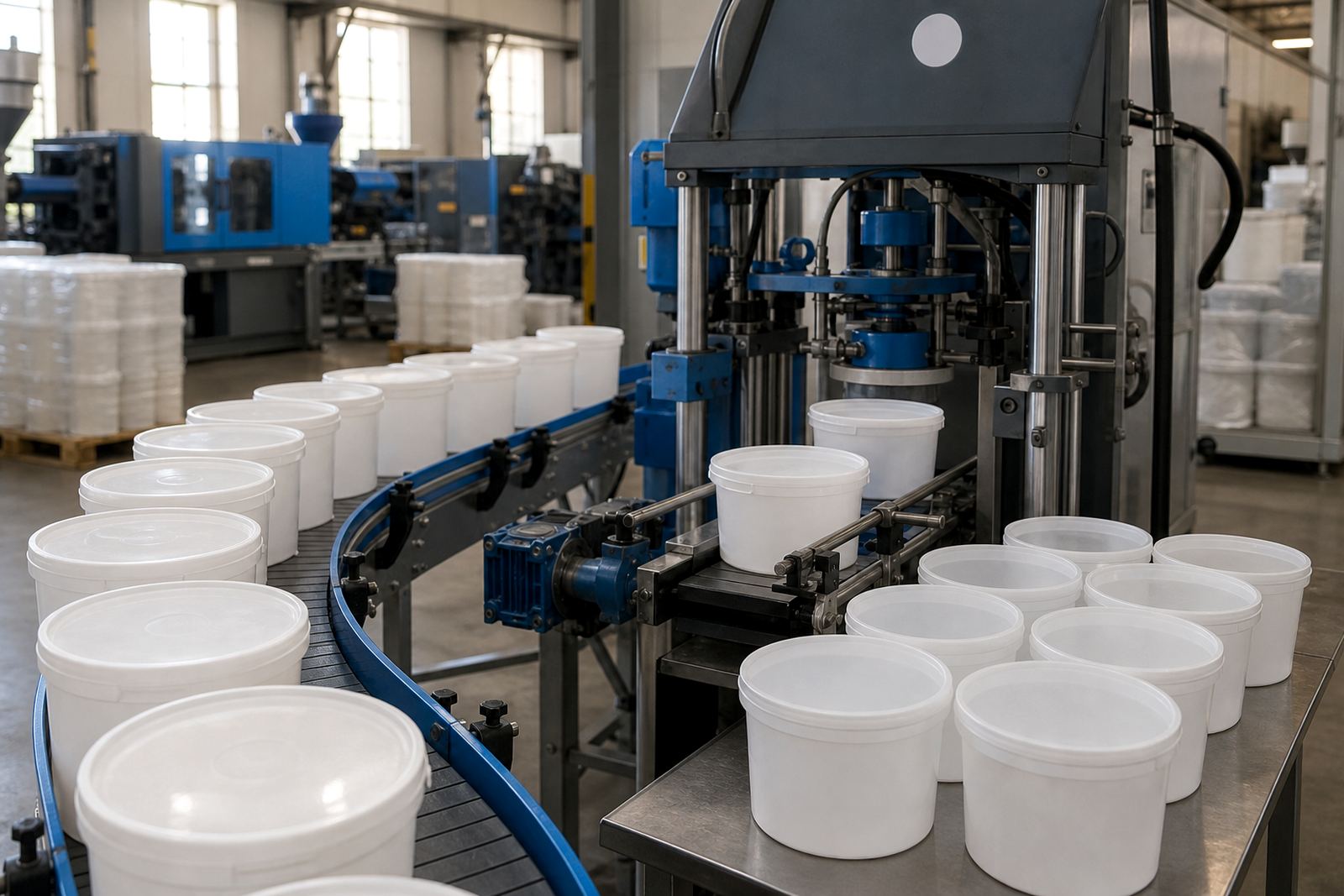
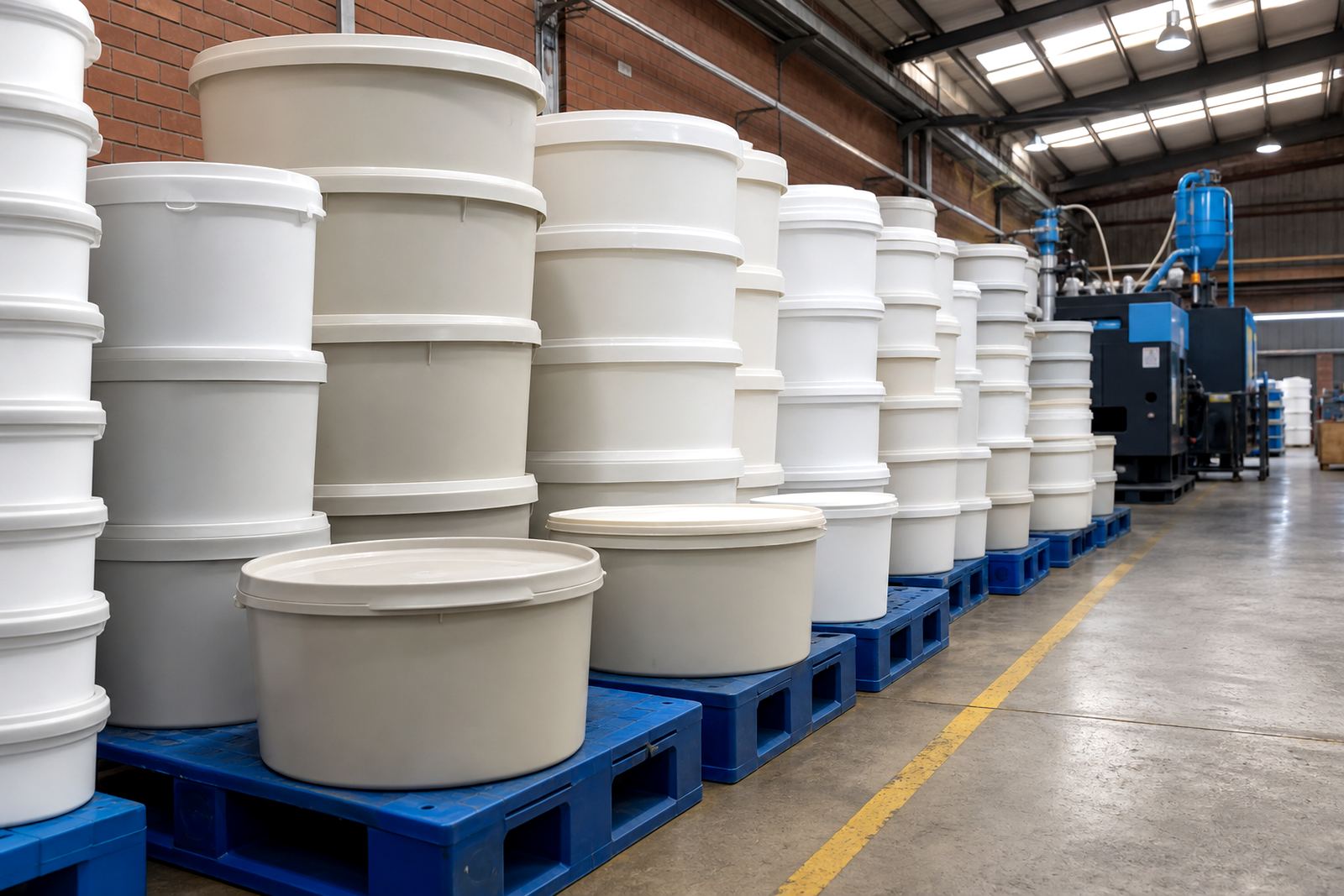
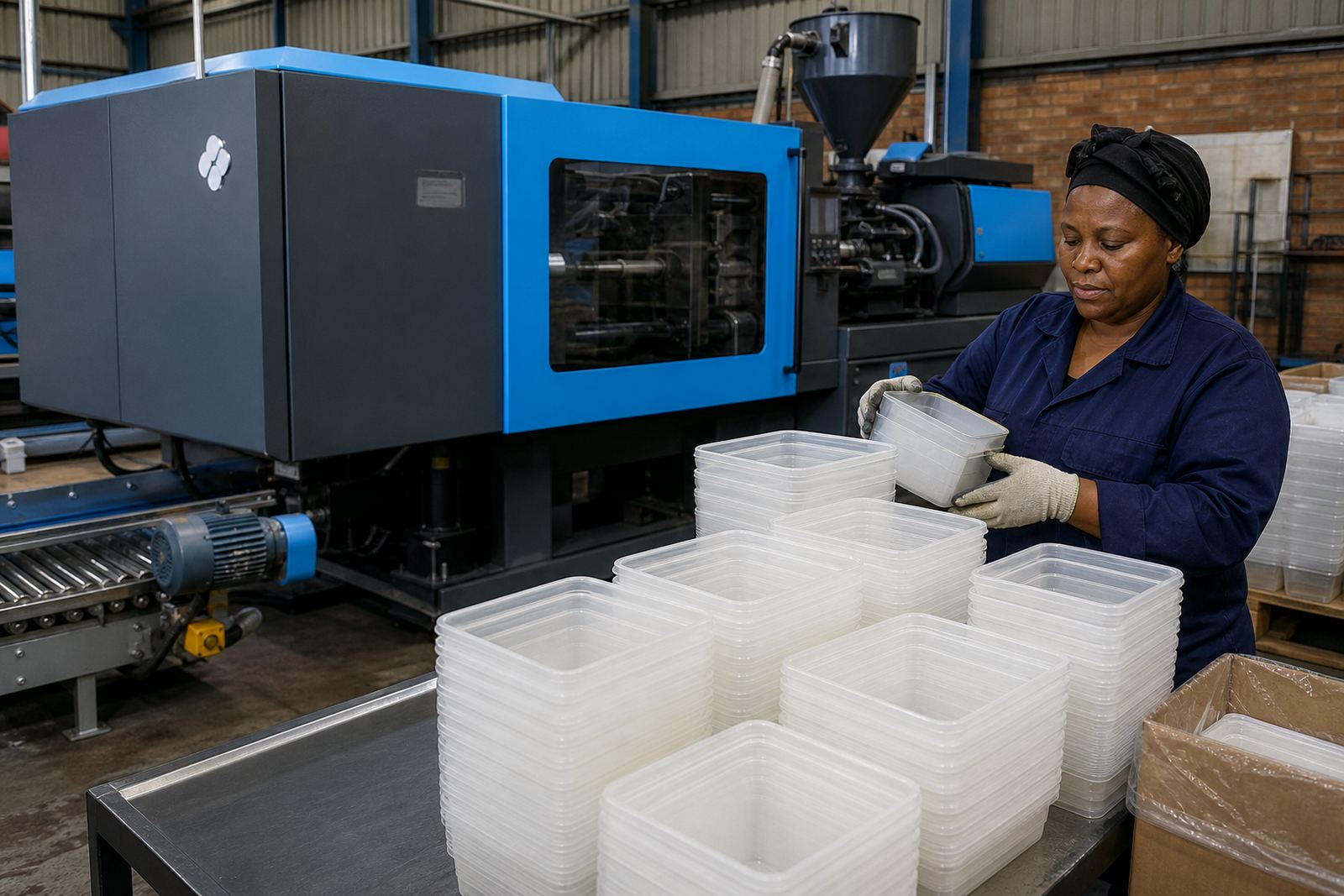
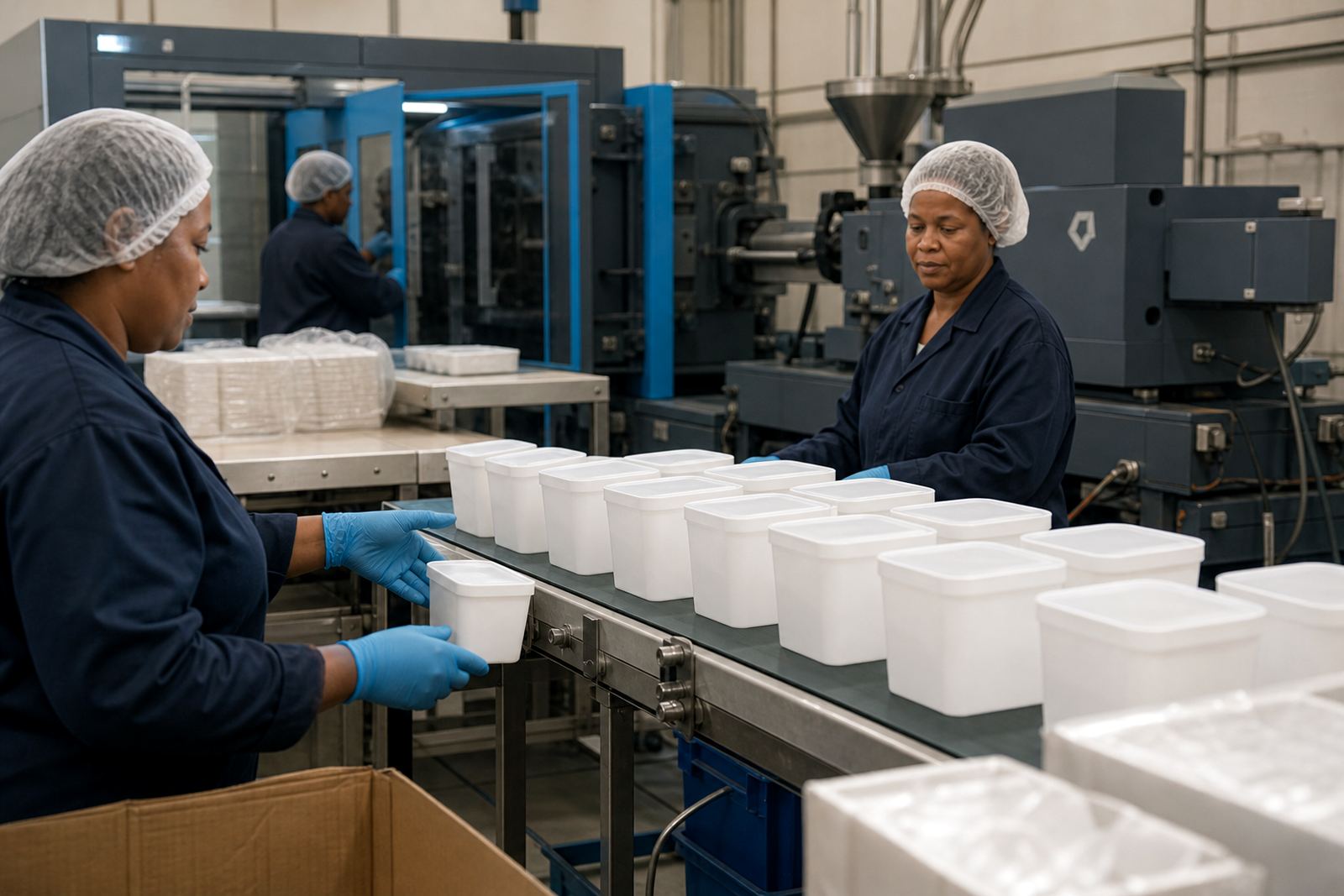
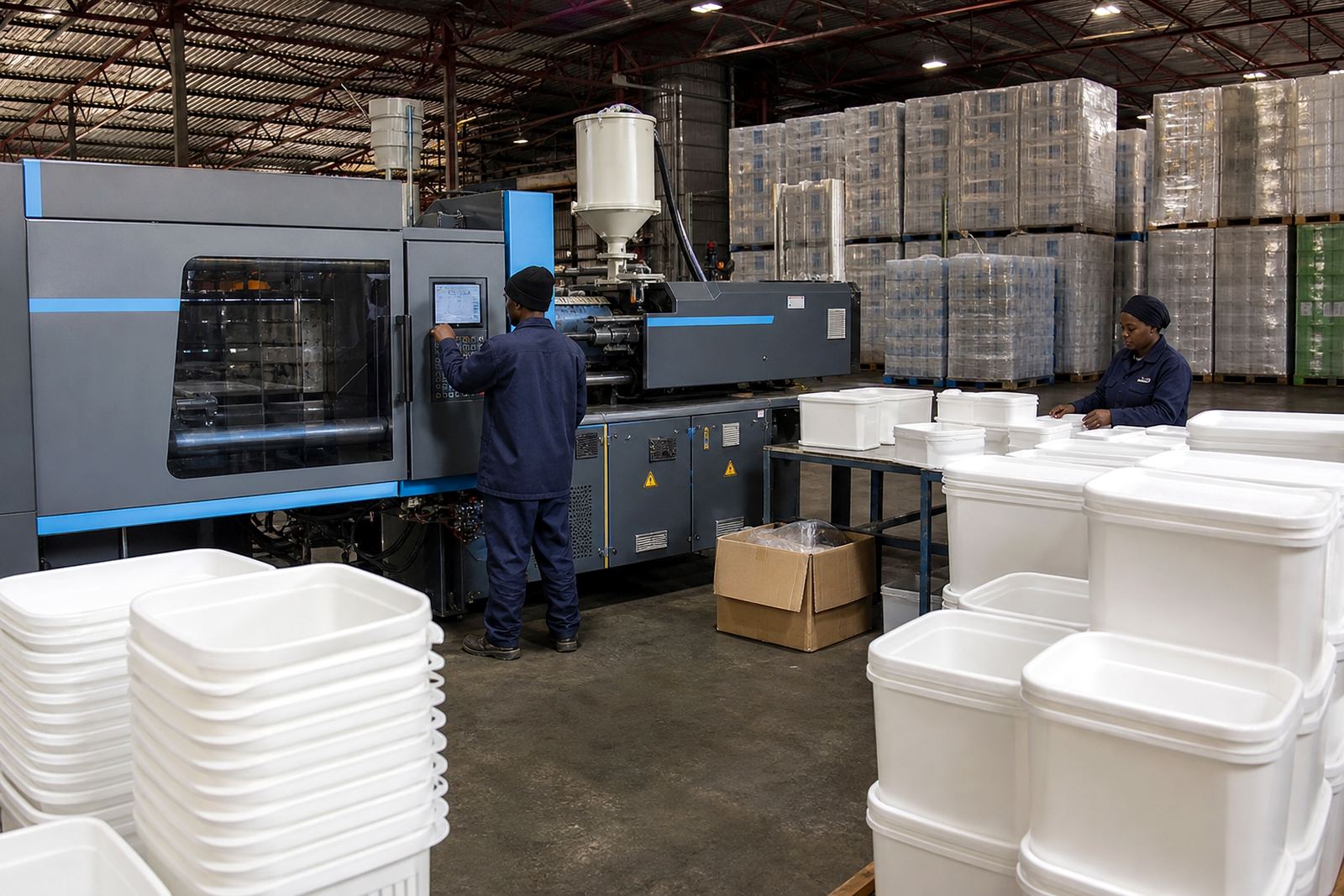
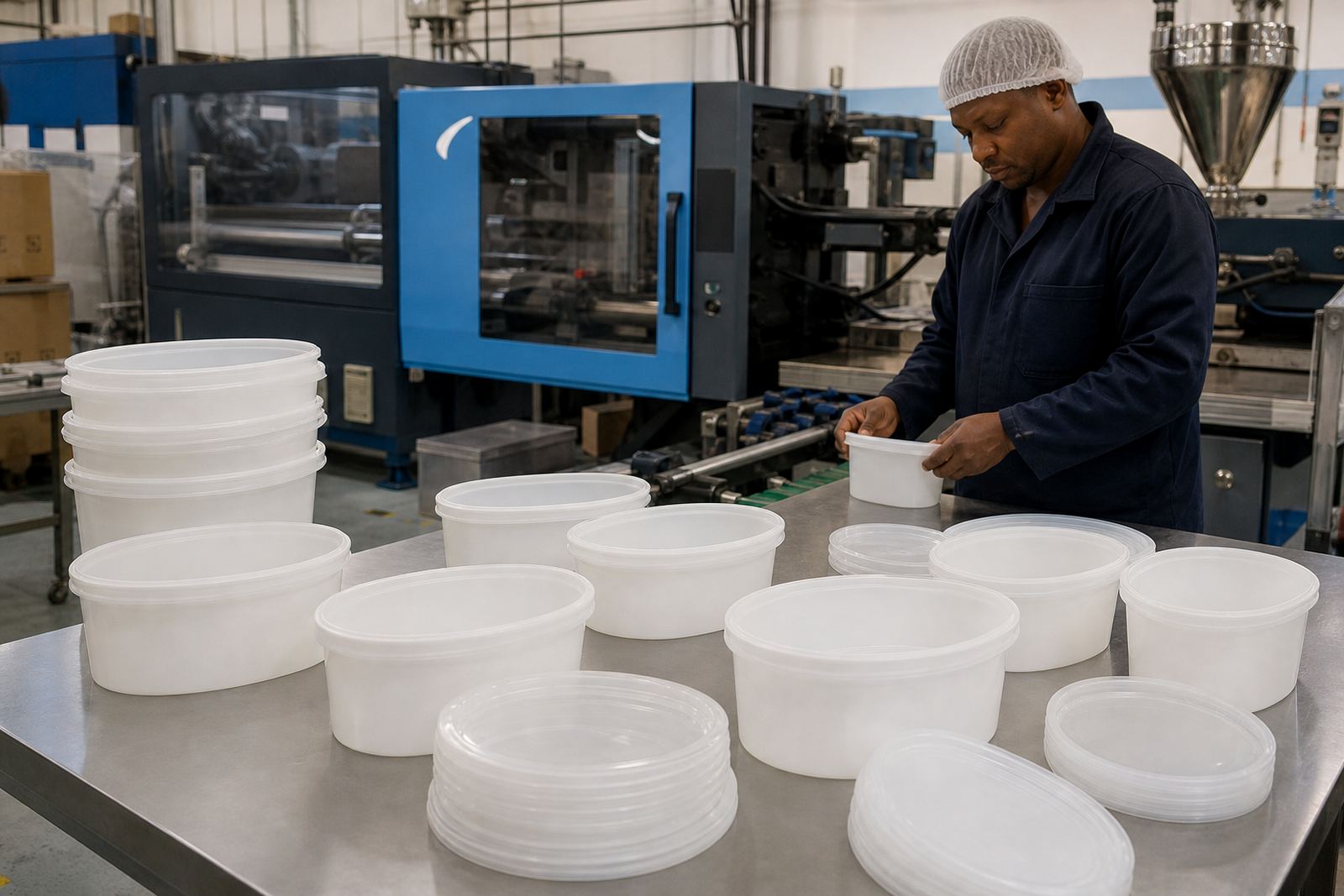
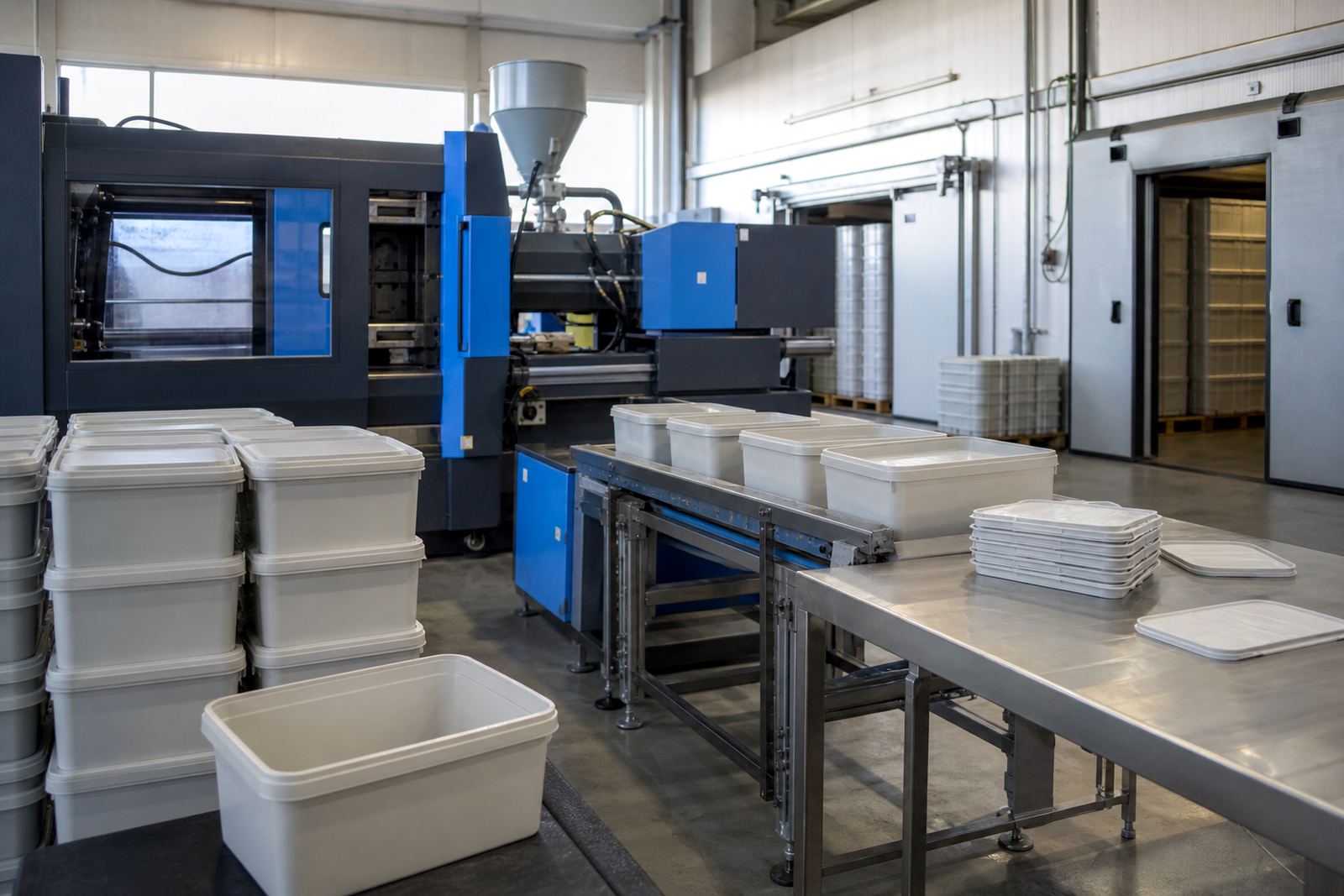
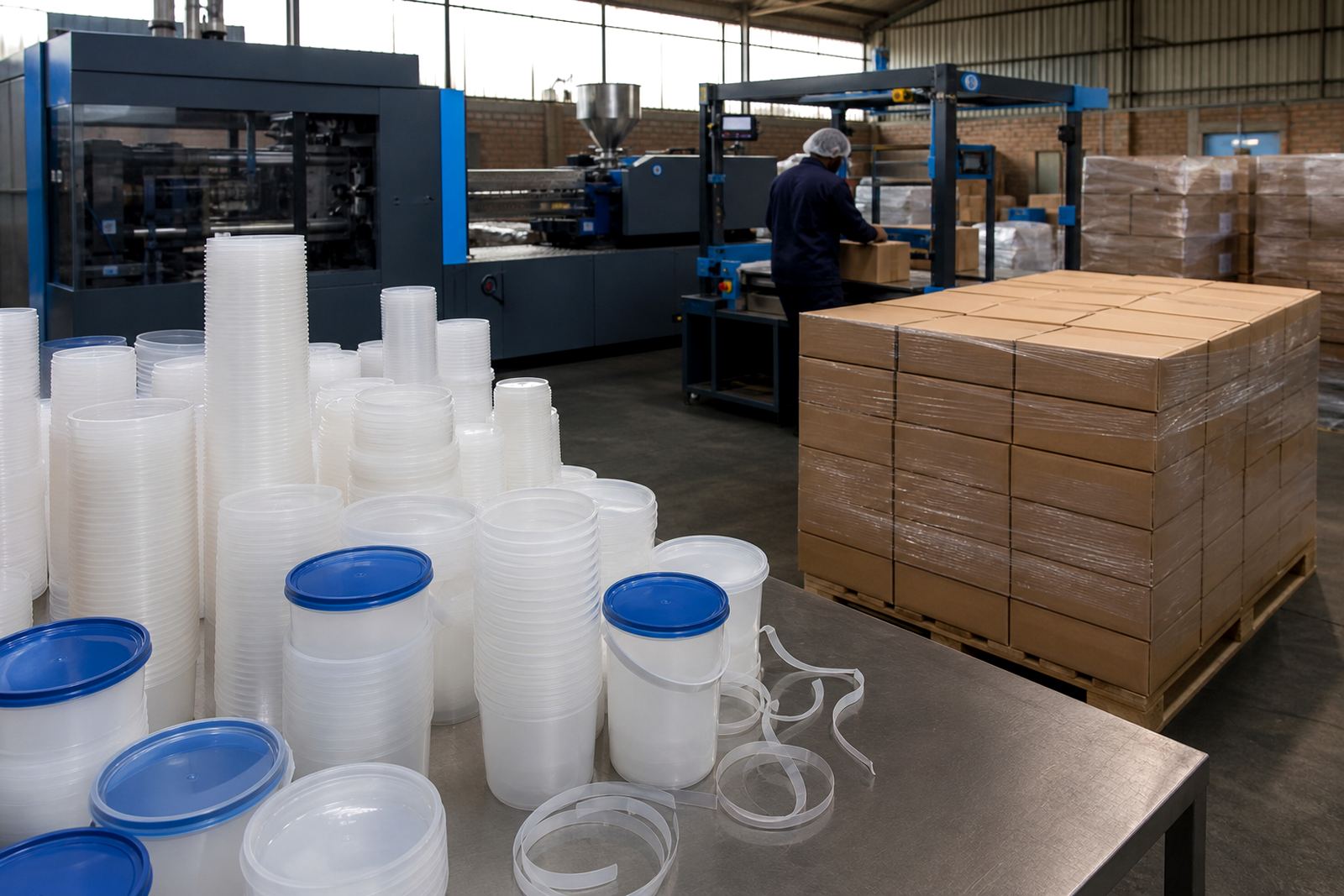
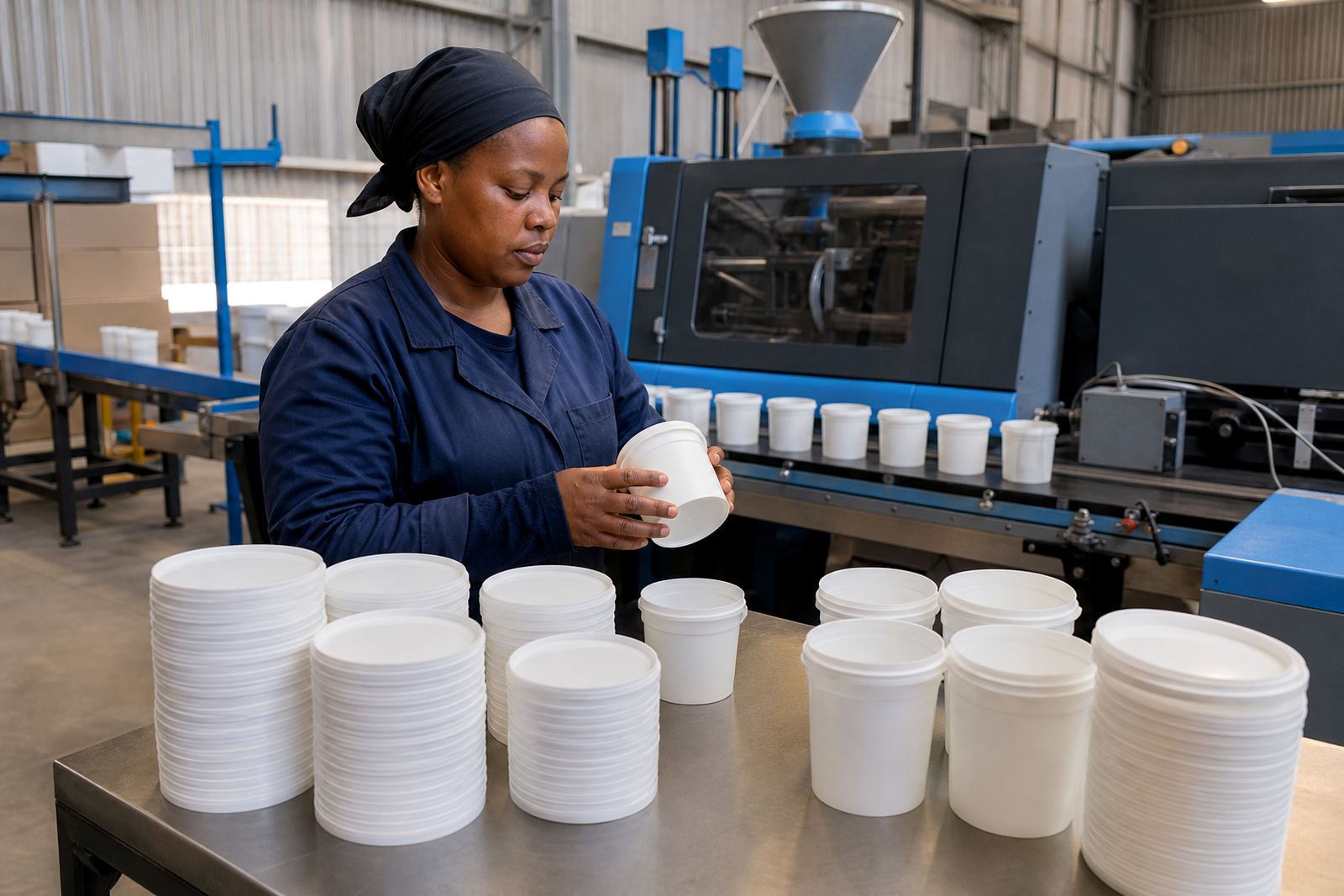
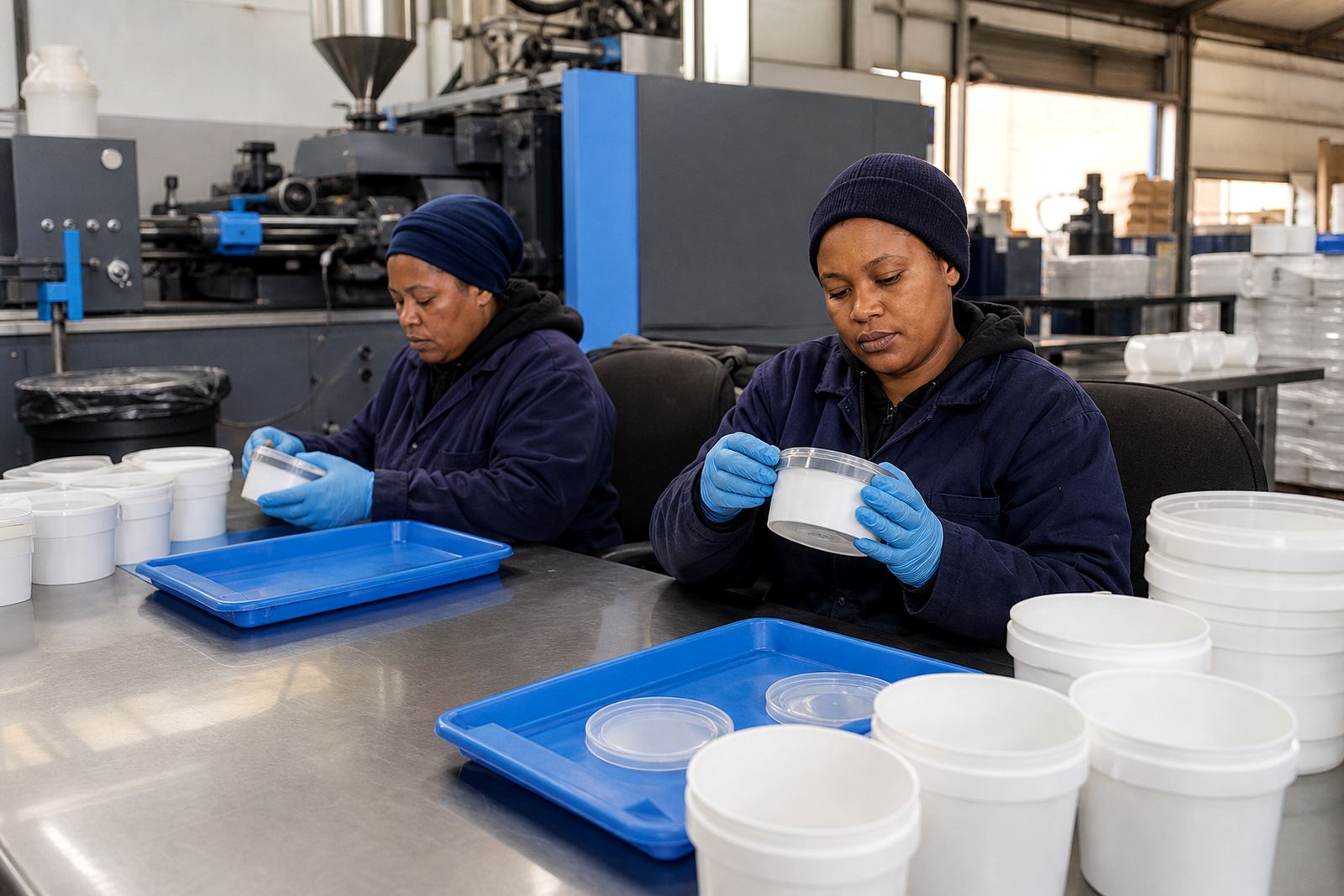
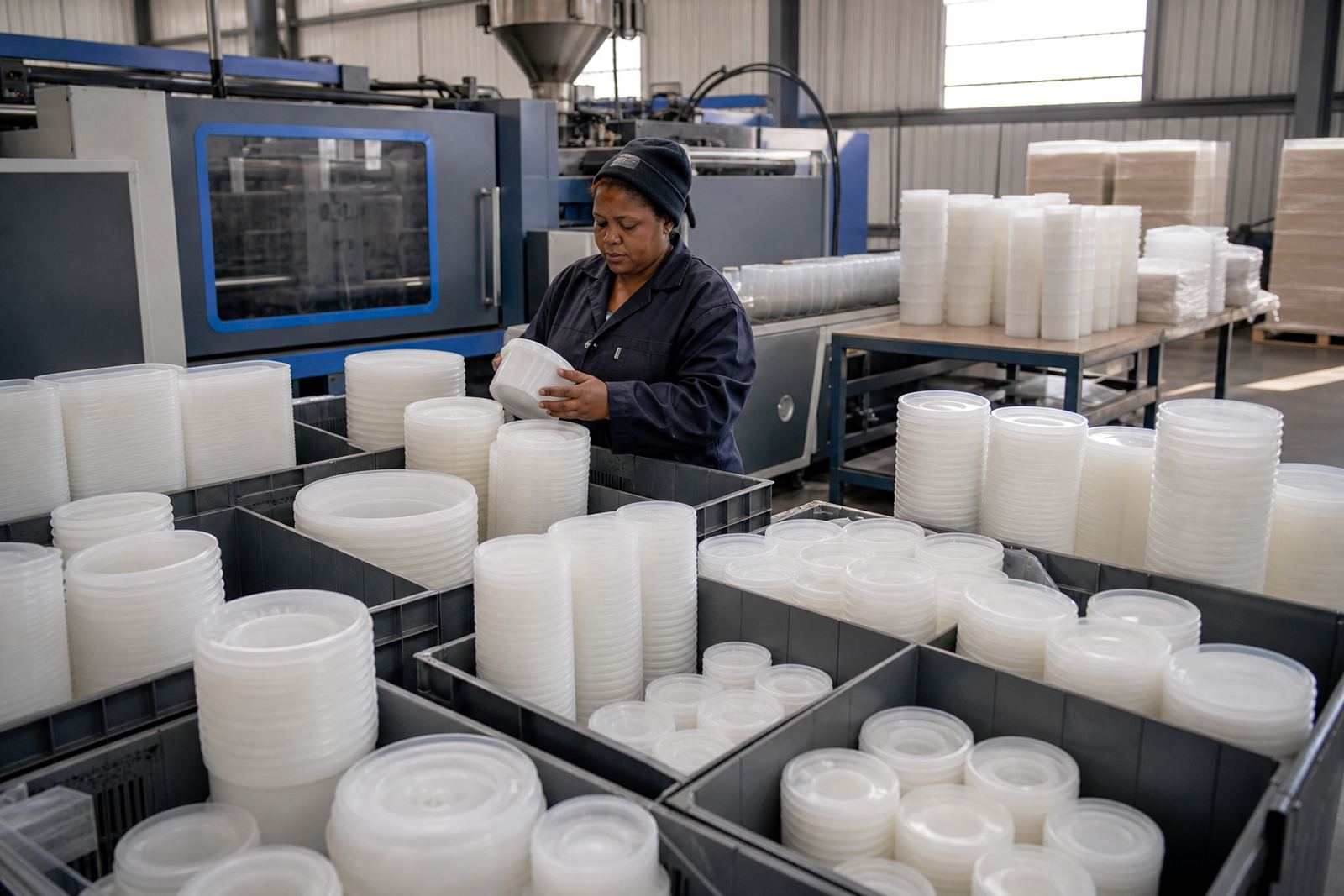
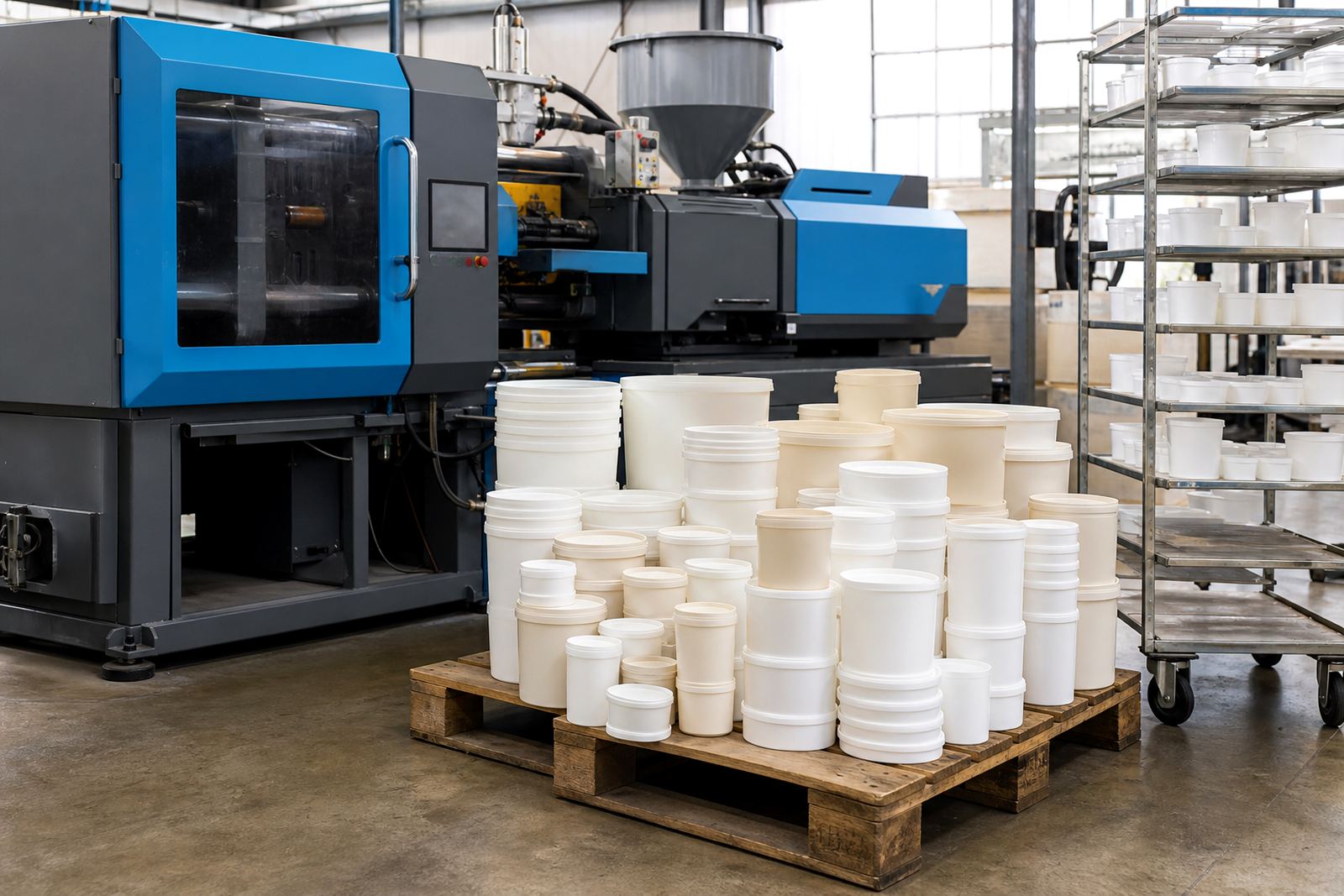
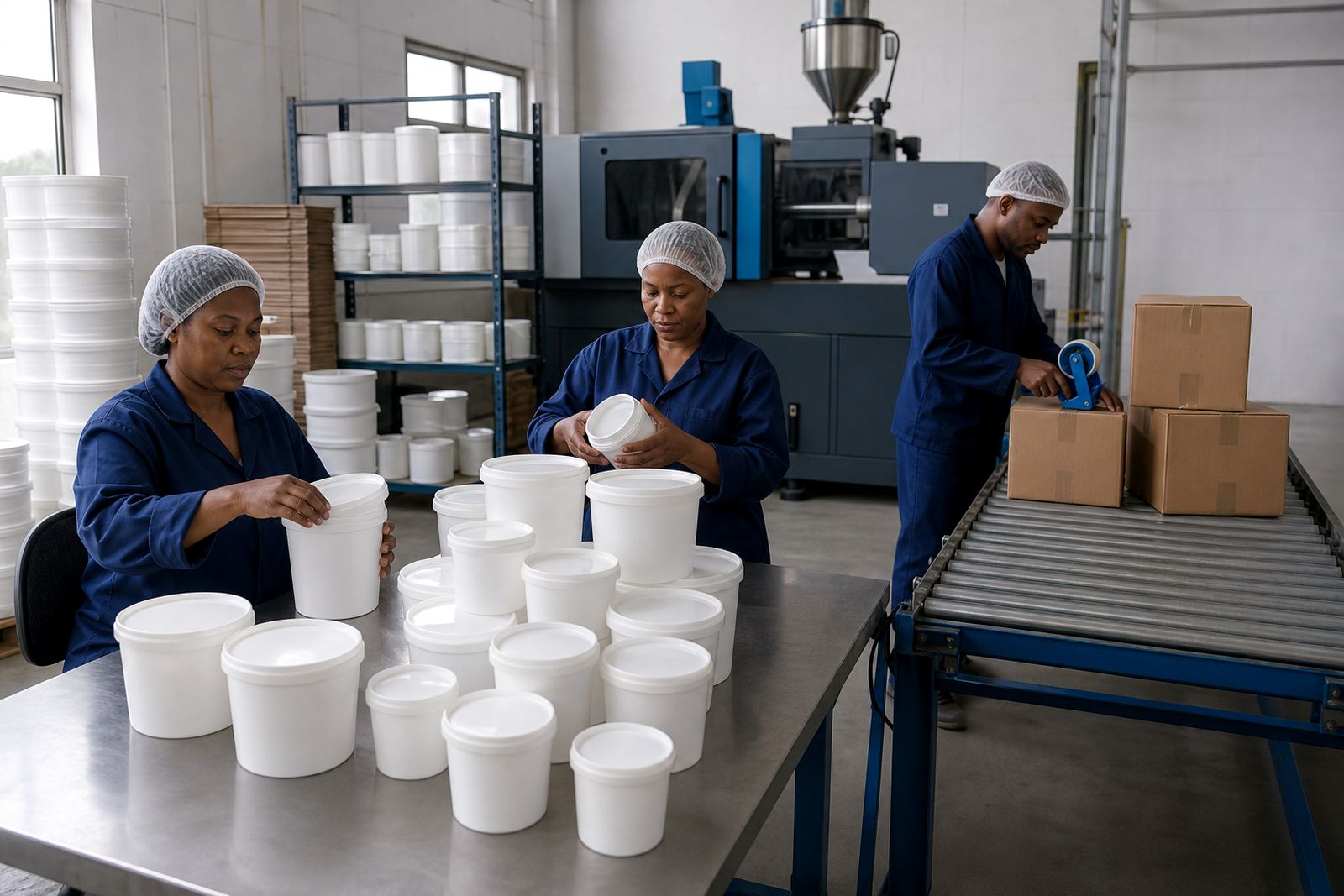
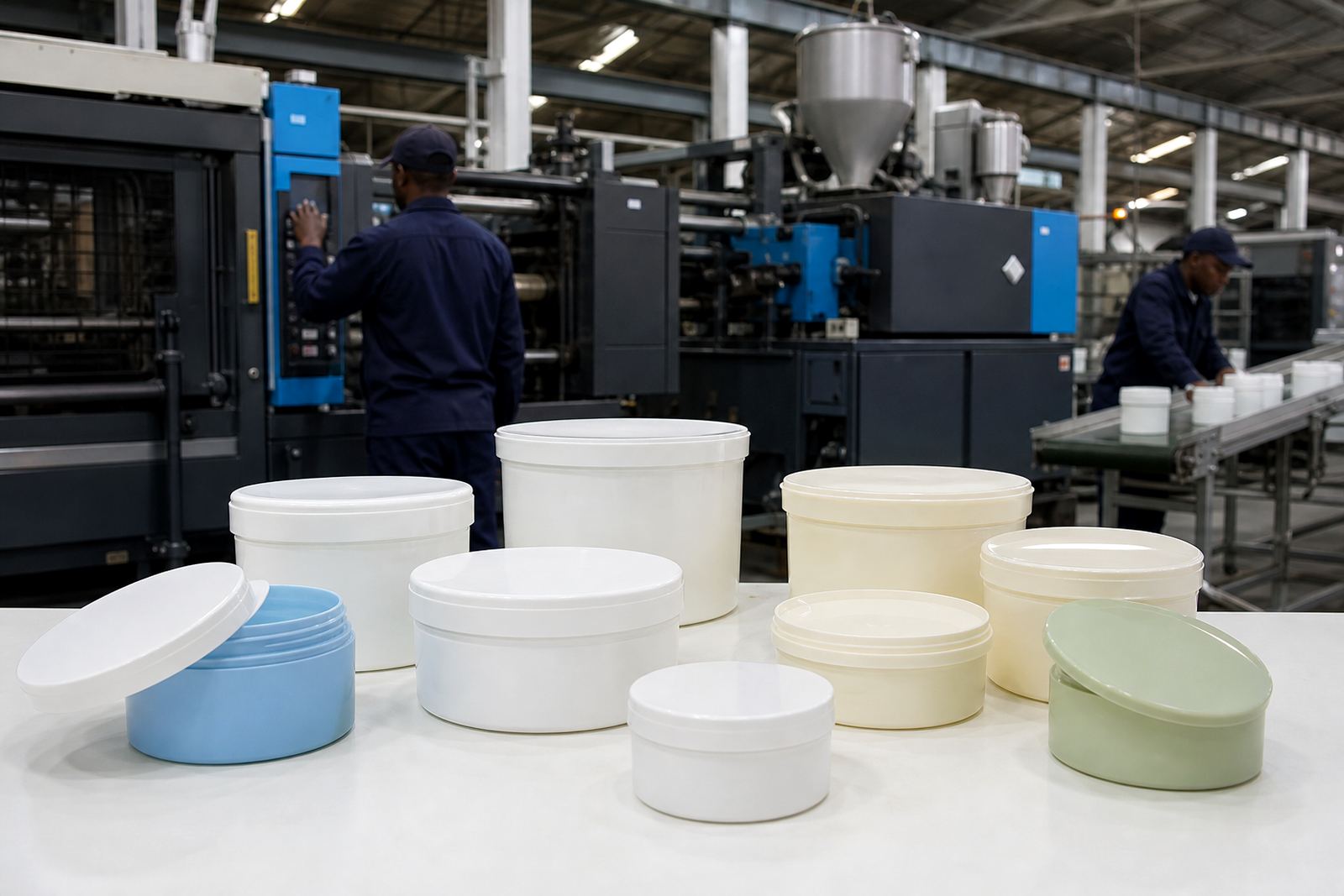
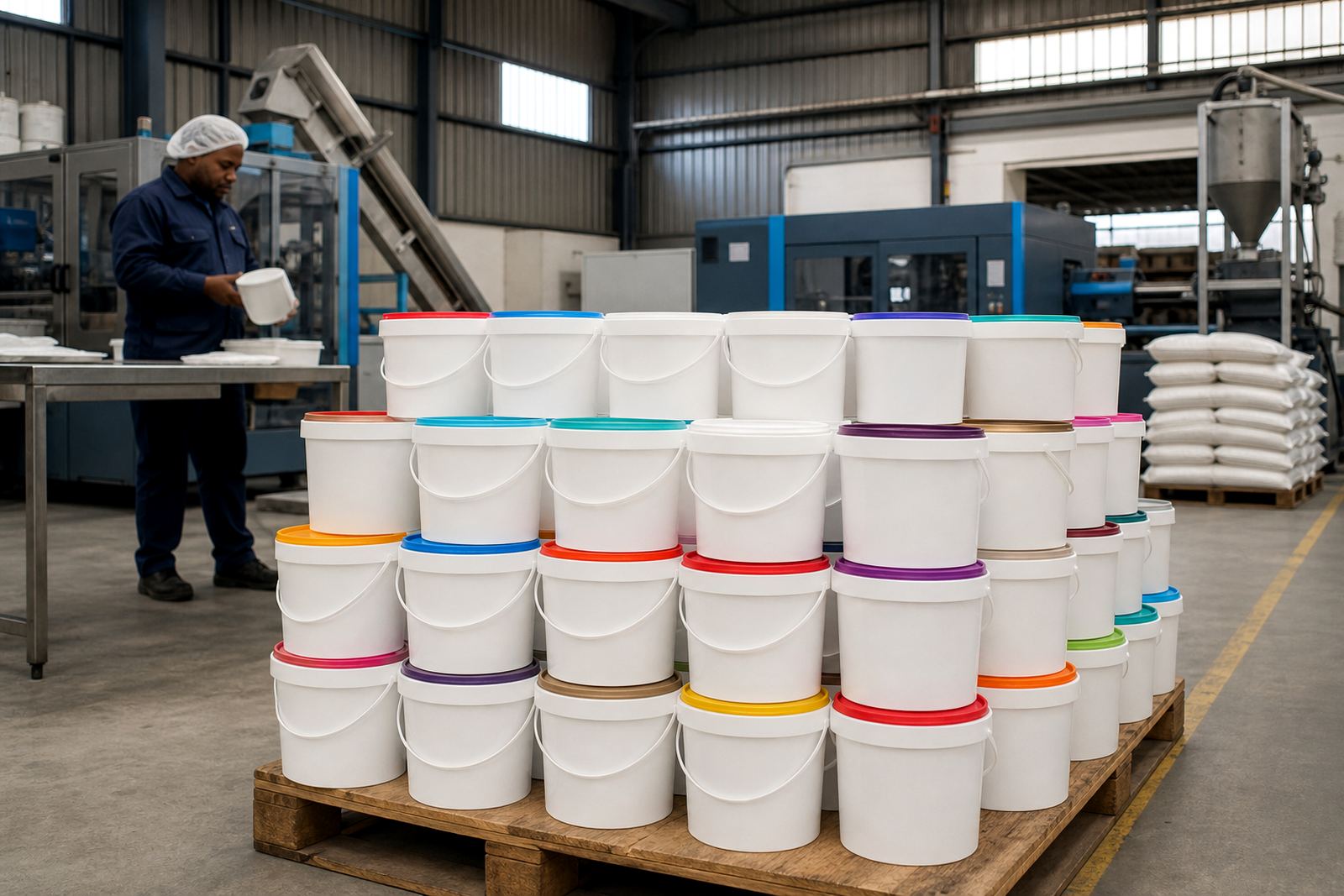
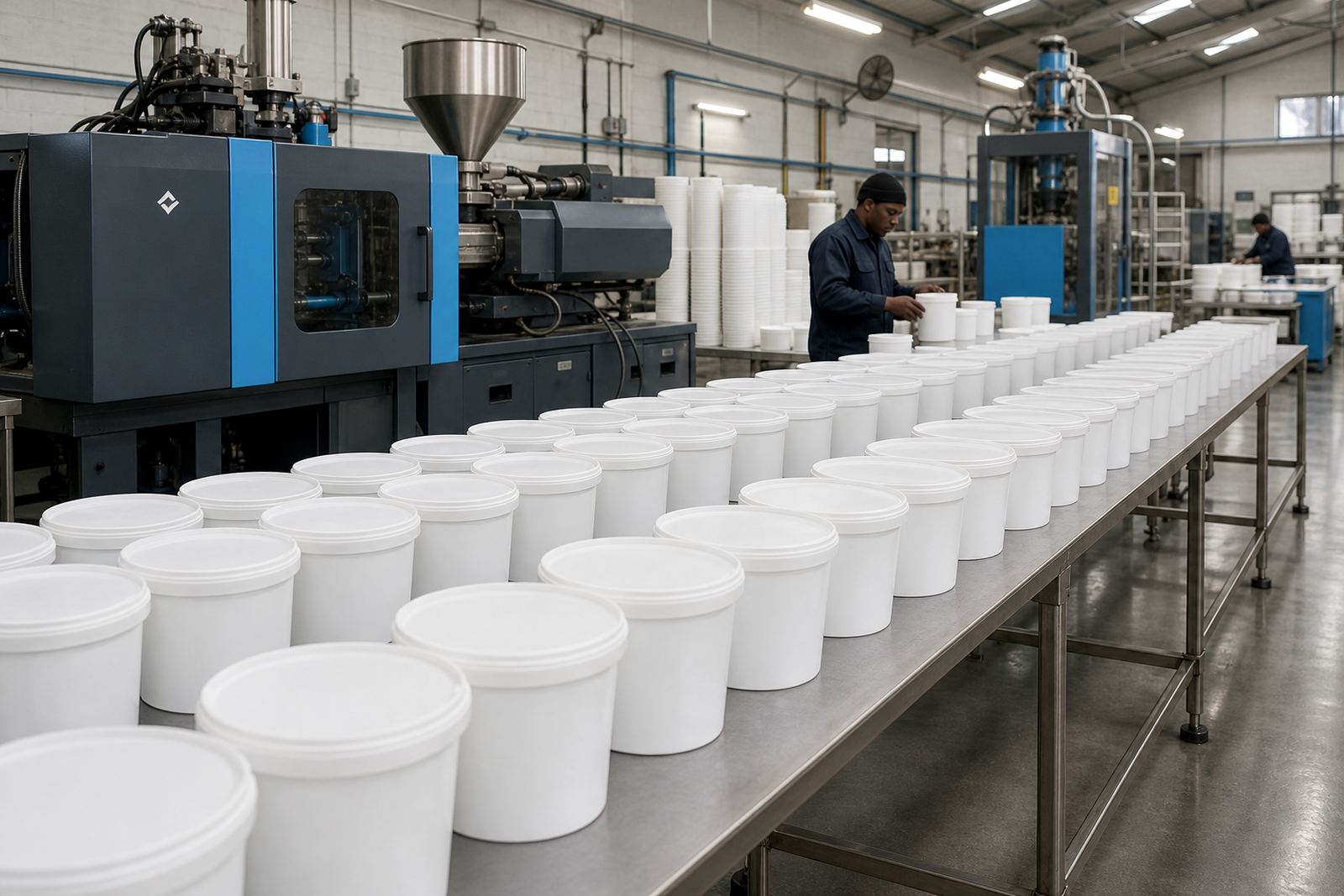
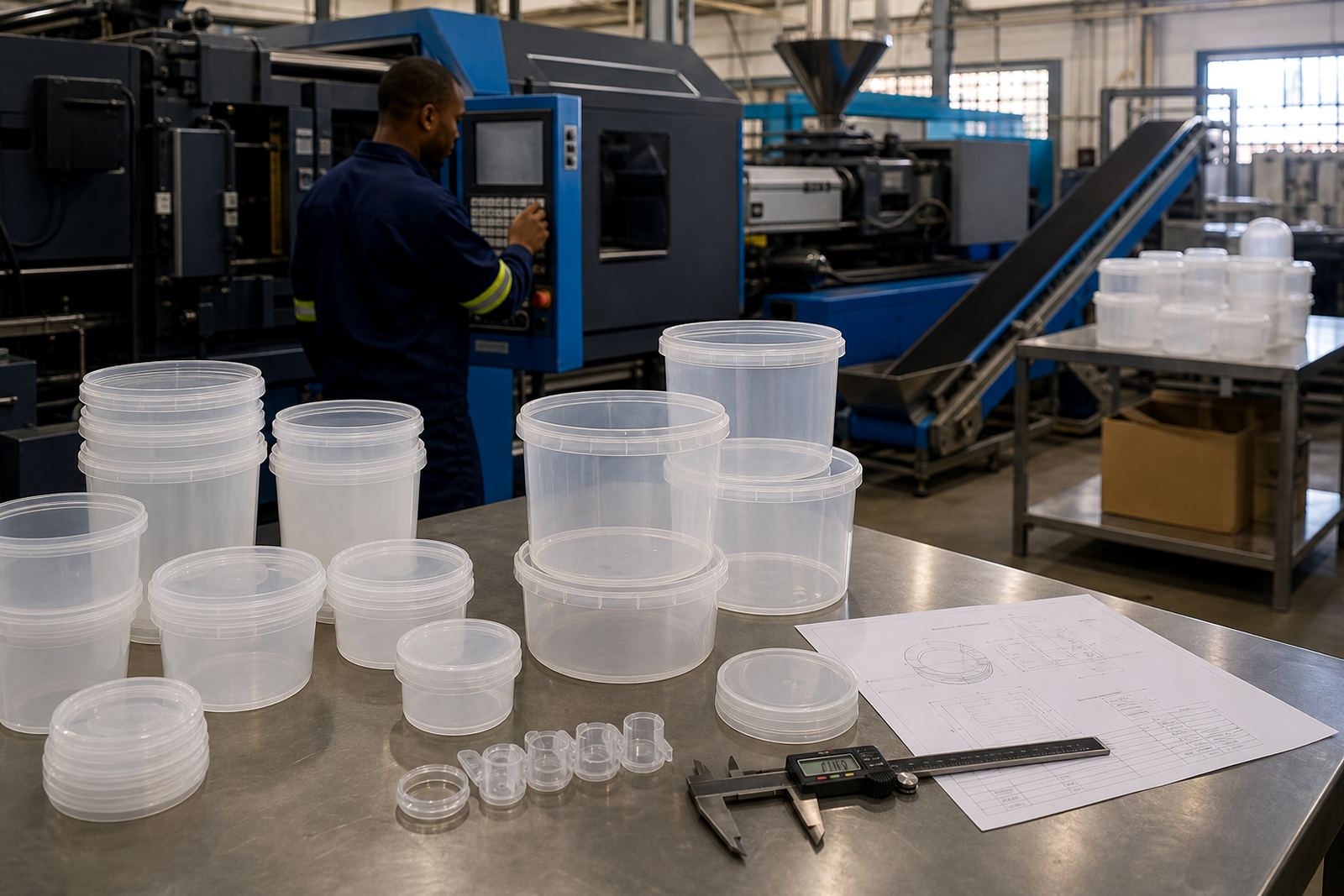
Our containers and tubs are made for packers who need practical sizes, clean stacking and consistent wall finish from one batch to the next. The range includes round and rectangular formats, shallow tubs for portions, deeper pails for higher fills, and matching lids for standard packing lines in Gauteng, KZN and the Cape. Injection moulding gives repeatable shapes and tight dimensional control, which helps when tubs must travel through a capper or label station without fuss.
For many products, the shape matters as much as the material. Wide-mouth tubs help with scooping and filling, while taller containers can save shelf space. Clear pack size planning also makes palletising easier for local distribution into Johannesburg, Durban, Cape Town, Pretoria and Port Elizabeth.
Polypropylene and HDPE in day-to-day use
Polypropylene and HDPE are widely used in packaging because they handle everyday filling, transport and storage well. Polypropylene is often selected for tubs and lids where stiffness, good finish and light weight are useful. HDPE is commonly chosen for container bodies that need a tougher feel and practical resistance to handling in busy stores or warehouses.
The right choice depends on the product, the fill temperature, the closure style and how the pack will move through your packing line. For food and cosmetic goods, material selection also needs to suit the look of the brand, whether the pack will be clear, white or coloured. In coastal areas like Durban and Port Elizabeth, the material and lid fit need to hold up under humidity and regular transport.
Lids, tamper seals and closure details
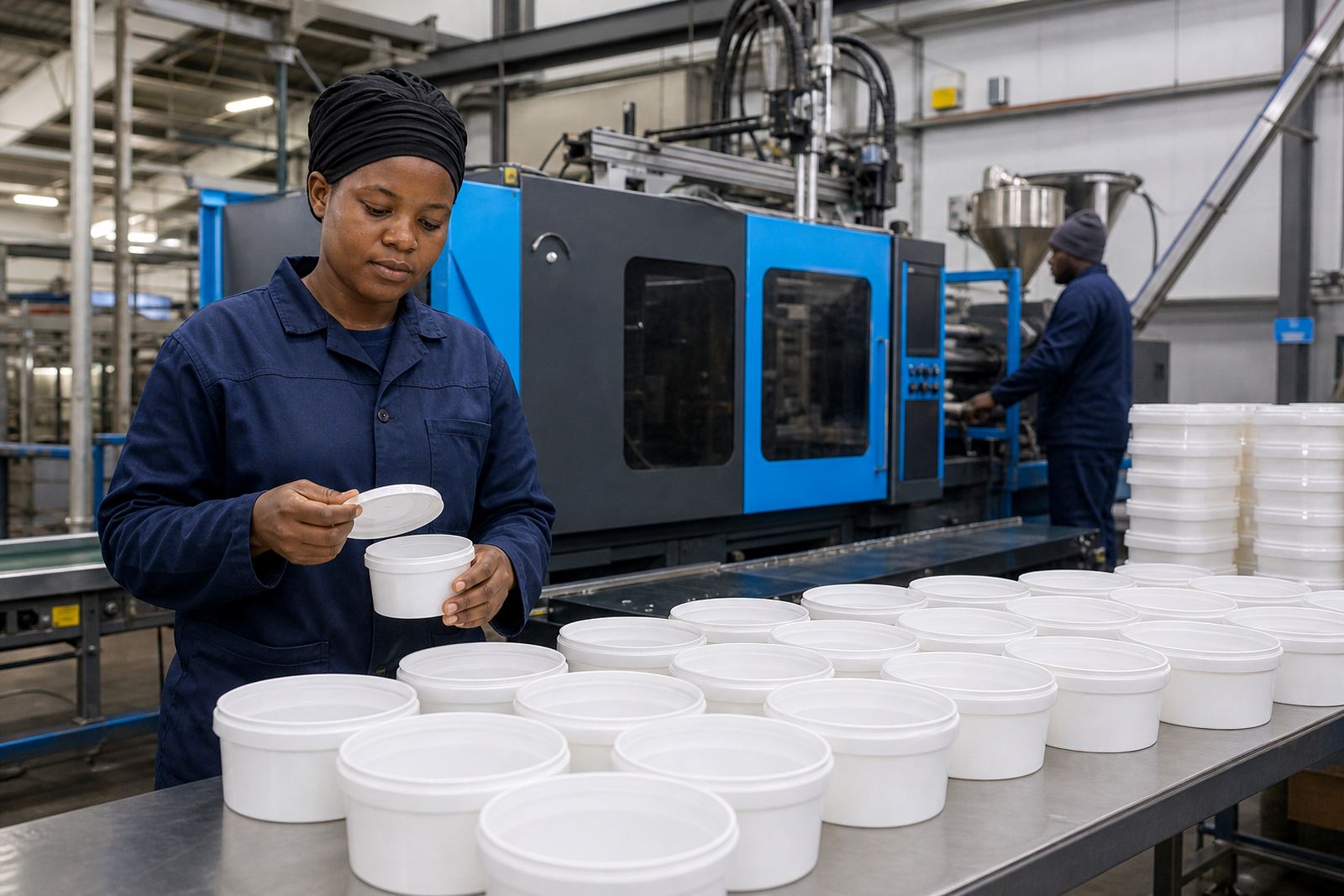
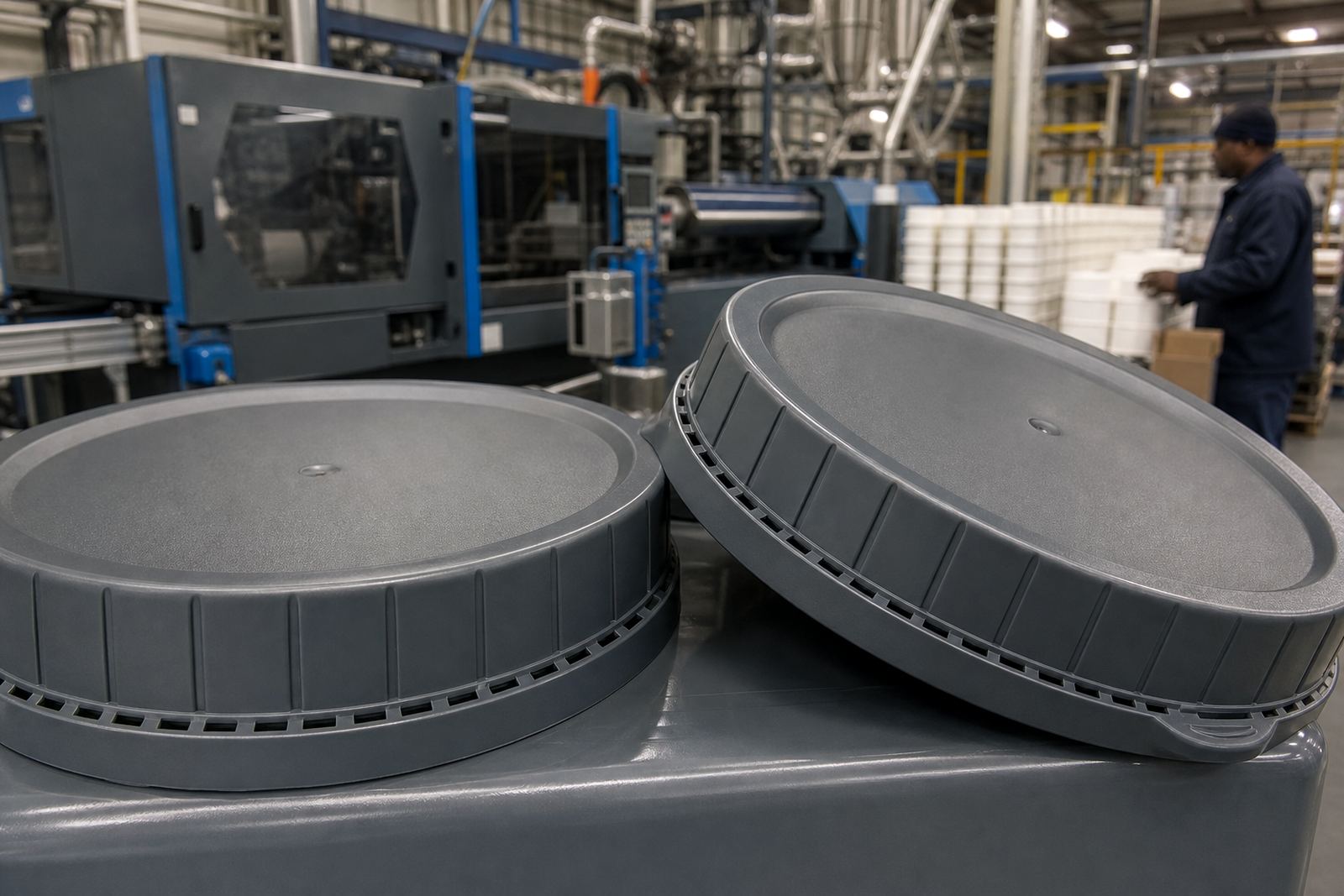
A good container is only part of the job, the lid and seal must suit the way the product is filled and sold. We work with closure options that support snug closing, product protection and a tidy shelf appearance. Where a tamper evident feature is needed, the closure design must be planned with the fill process and the end user in mind.
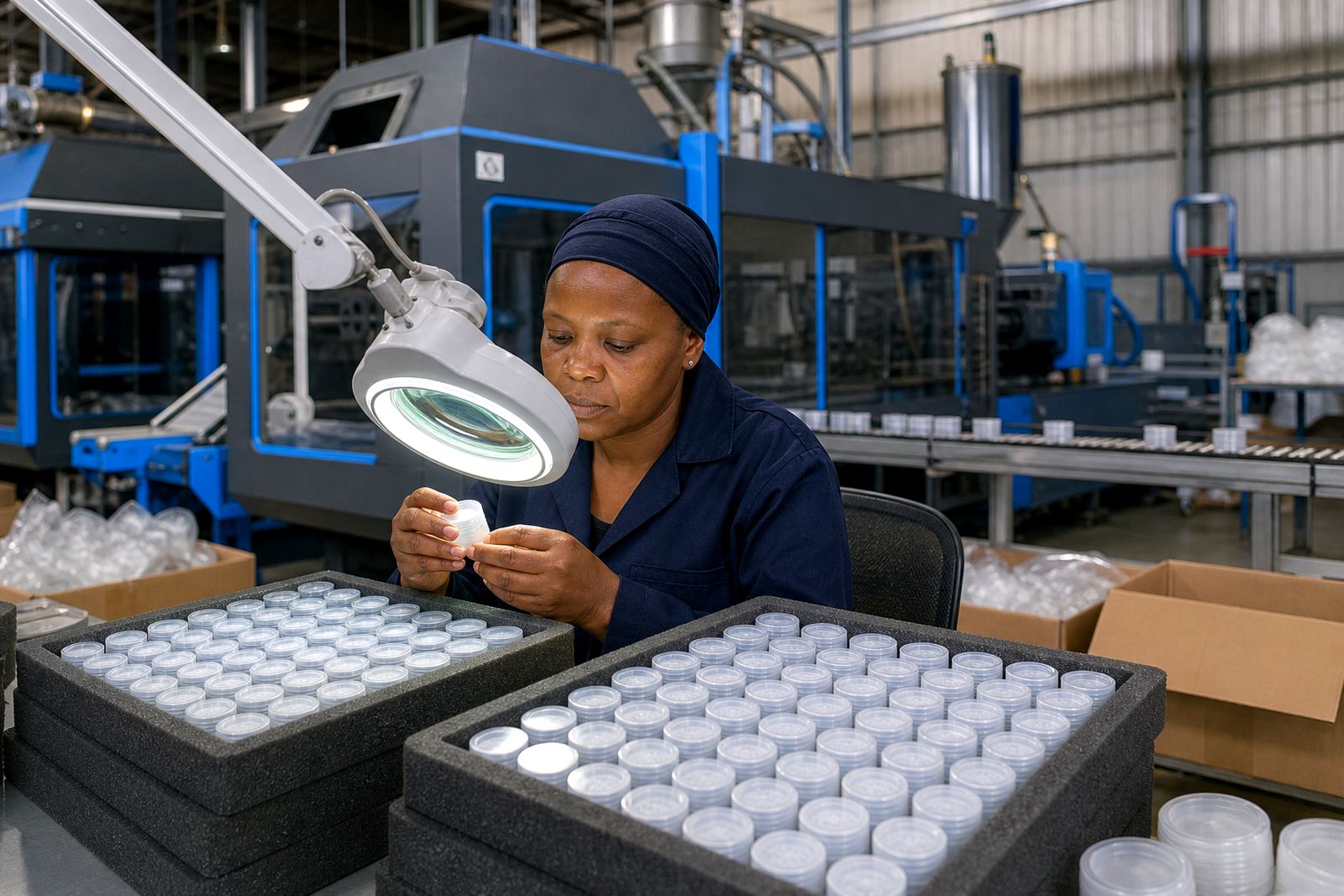
For packers, small details often decide whether a line runs cleanly or needs repeated hand correction. Lid depth, rim shape and seal engagement all matter. That is why lid development and tamper seal design are treated as part of the container, not as an afterthought.
- Lids for tubs, jars and other common pack formats
- Tamper seal design for visible opening control
- Closure fit checked against packing line handling
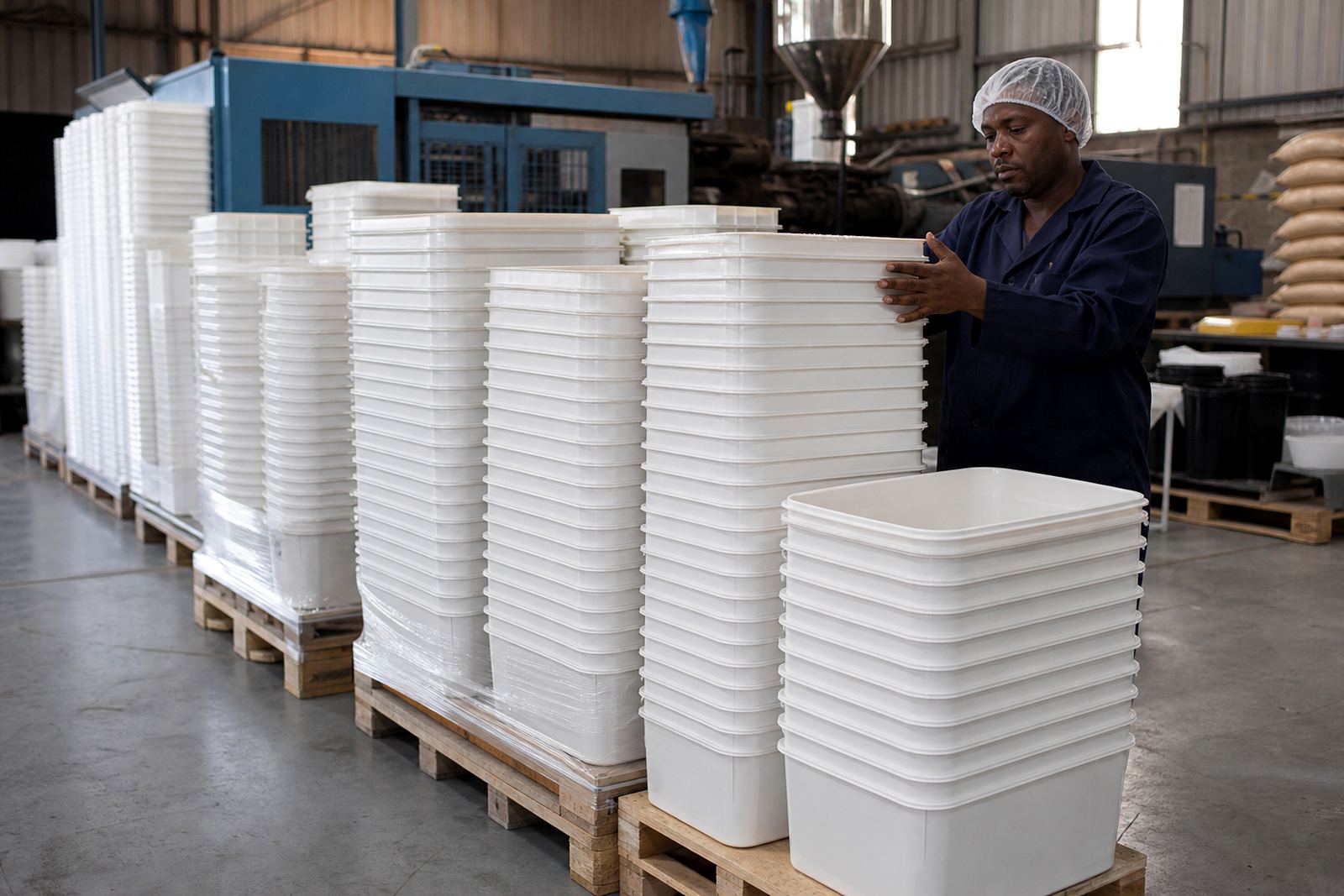
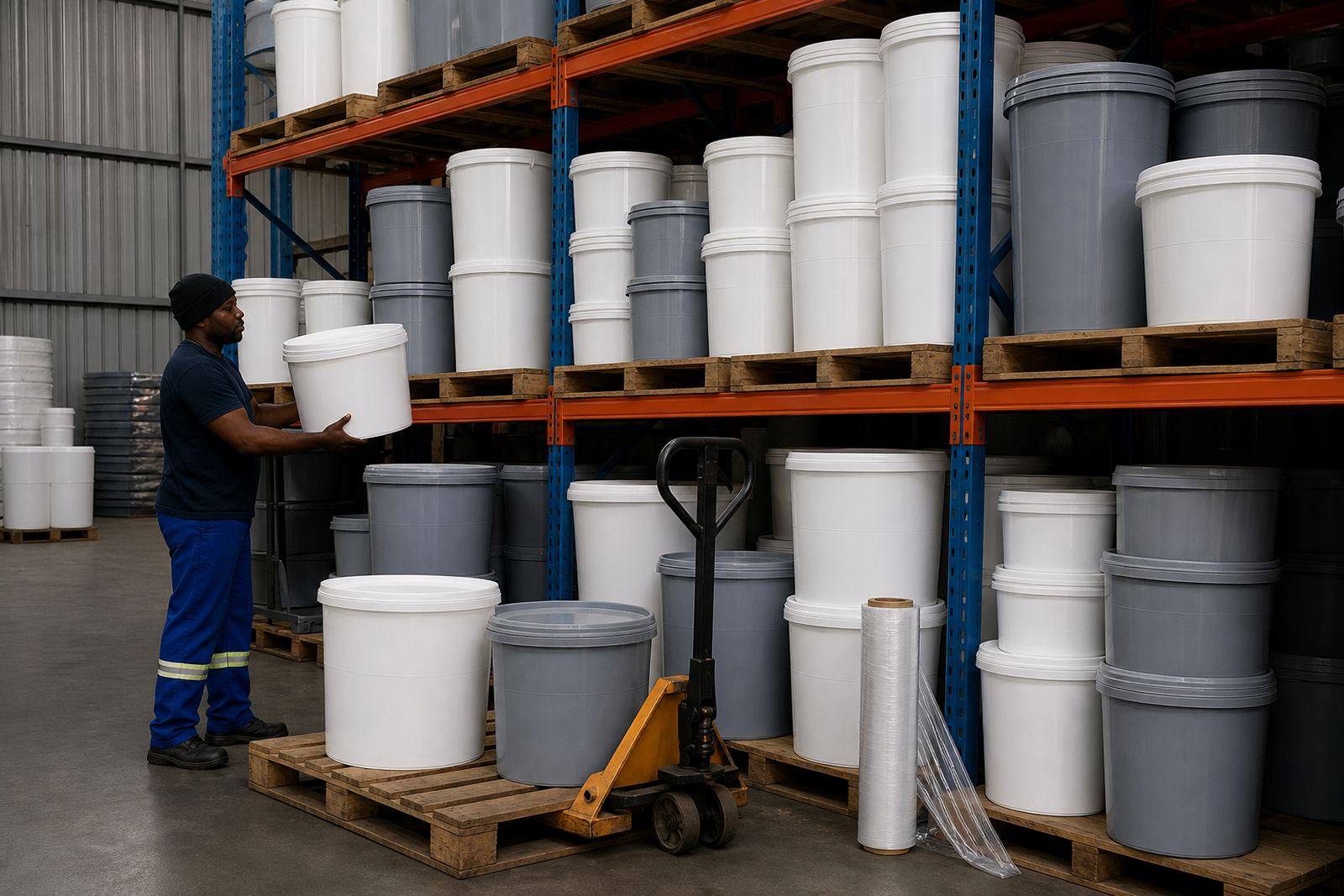
- Stacking and storage behaviour considered from the start
Food, pharmaceutical and cosmetic packing needs
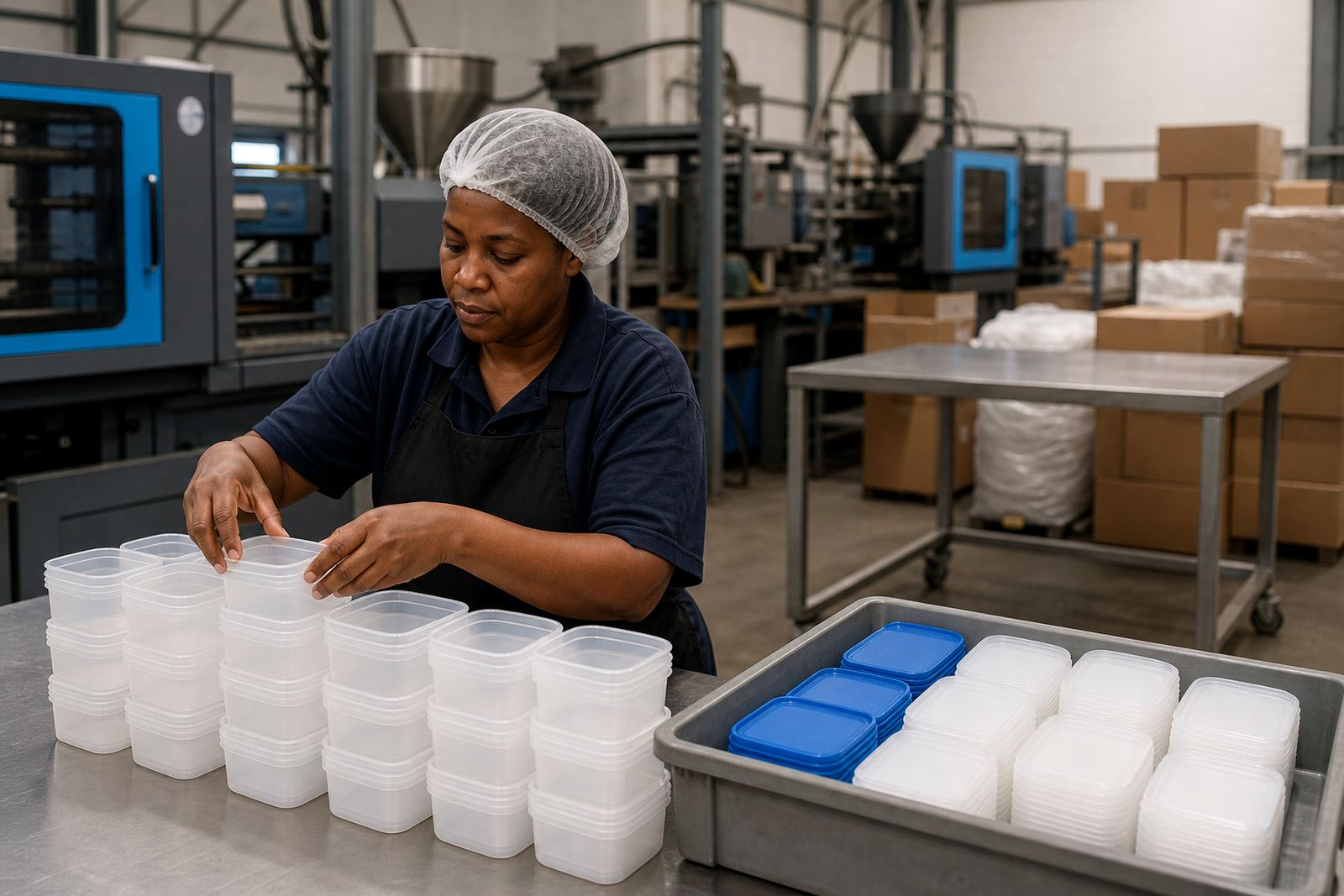
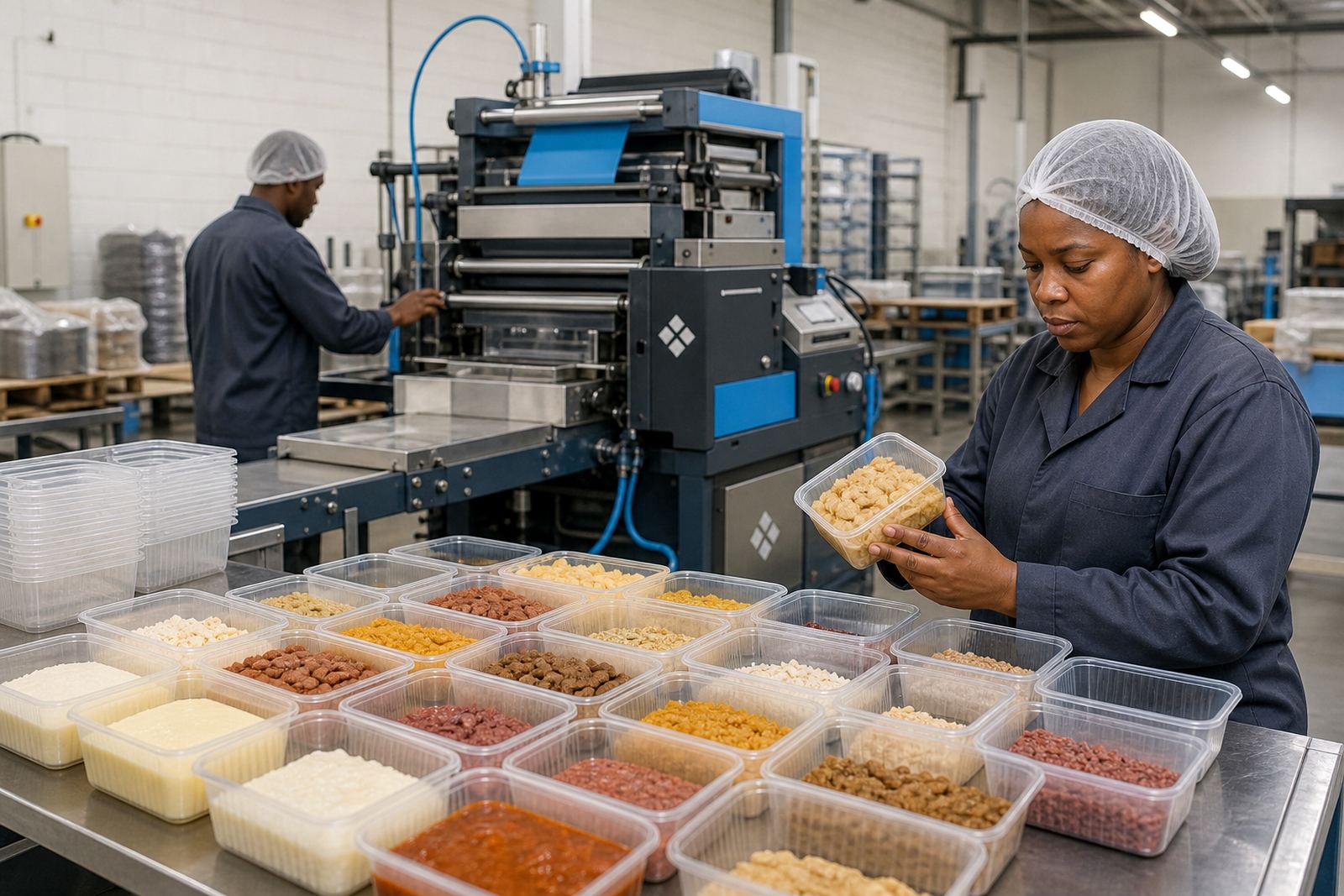
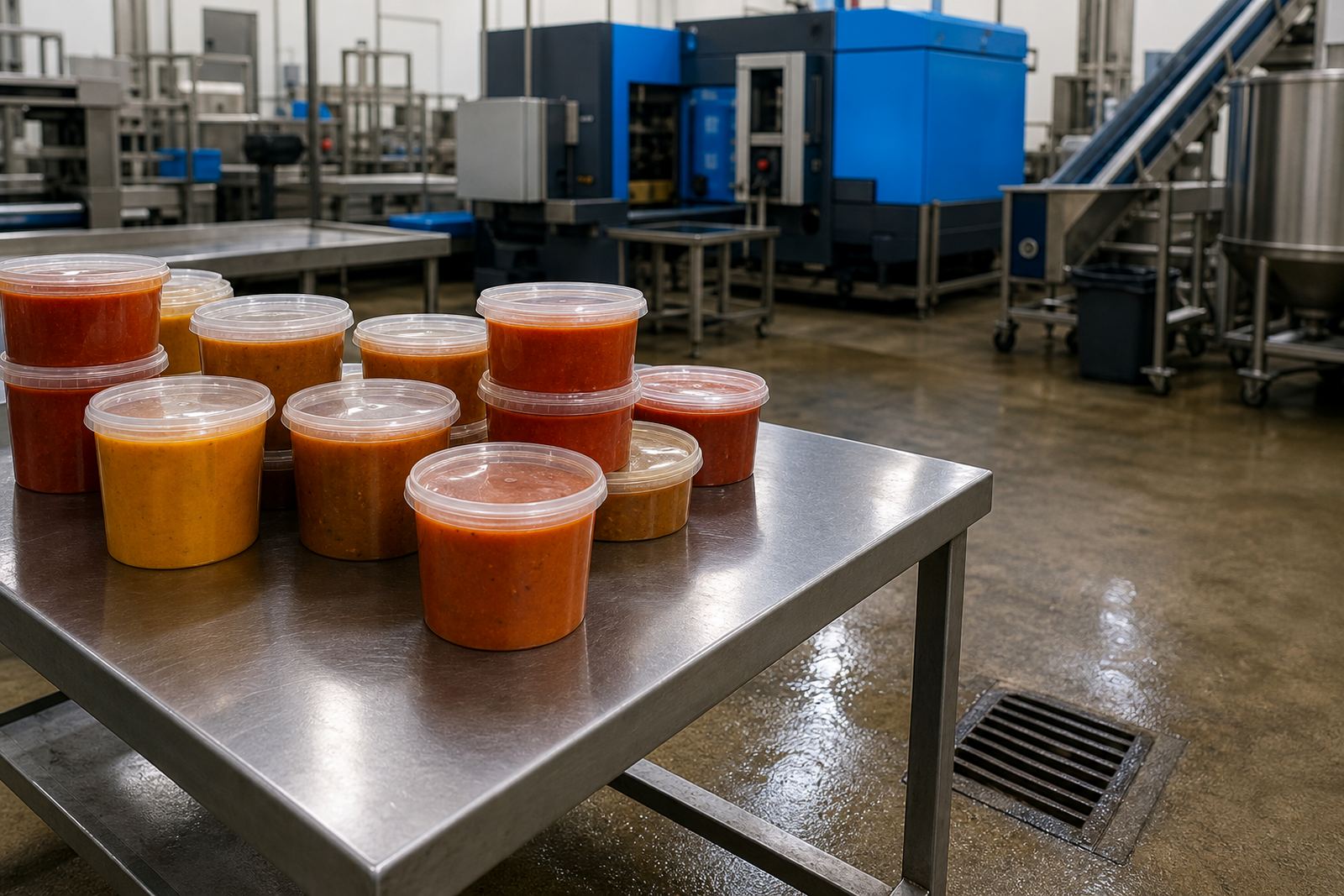
Food packers often need tubs that fill neatly, close well and keep product presentation tidy from factory to shelf. Pharmaceutical and cosmetic packers may need more attention to appearance, closure consistency and pack size control, especially where line fit and secondary packing are part of the process. Each sector asks for a different balance of strength, finish and handling comfort.
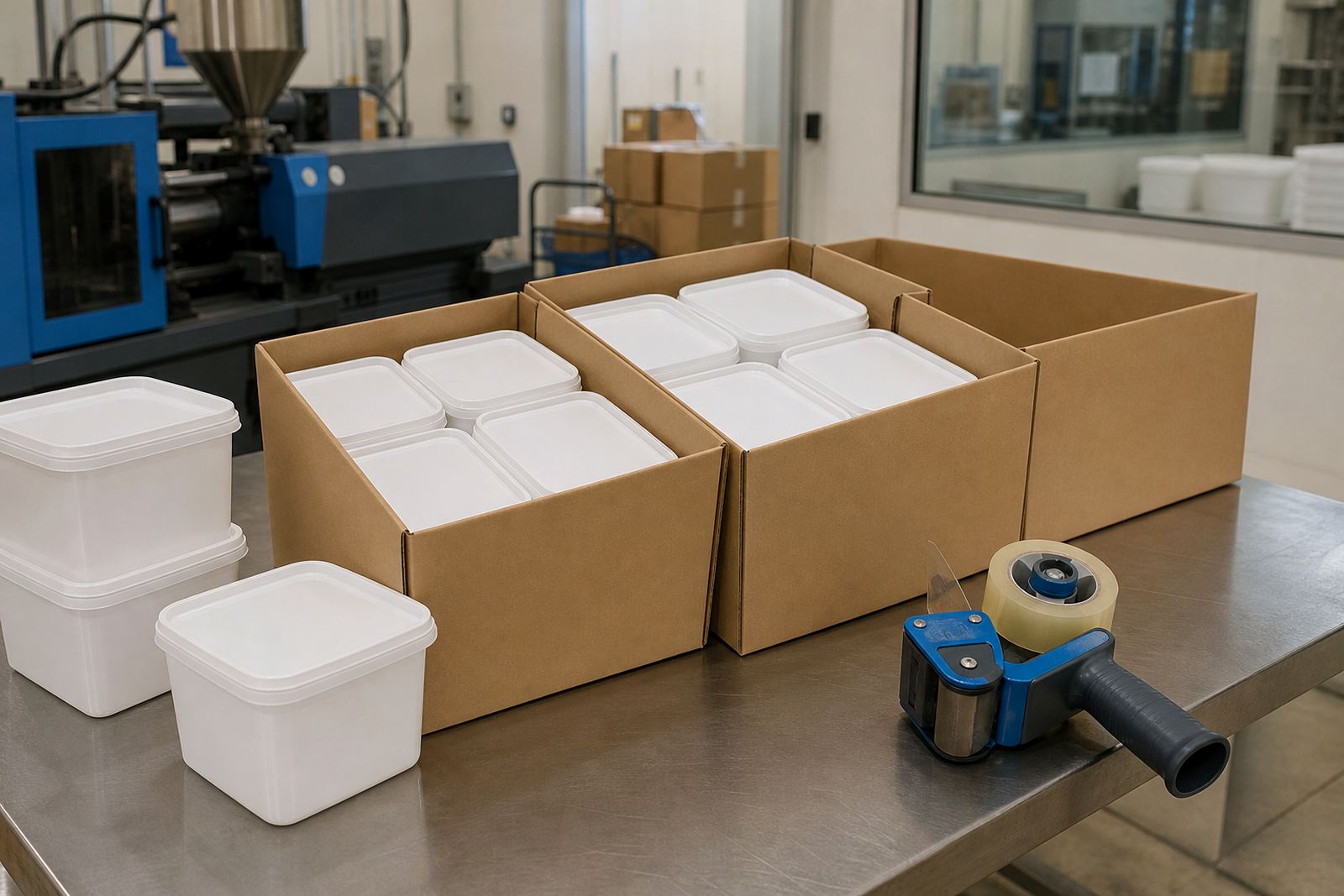
Material selection and trial production runs help check the pack in real use before volumes move up. That includes how the container sits in cartons, whether labels lie flat, and how the lid behaves after repeated handling. In Alrode and the wider Gauteng manufacturing belt, that practical checking saves trouble later on the packing floor.
Line fit checks and pack size planning
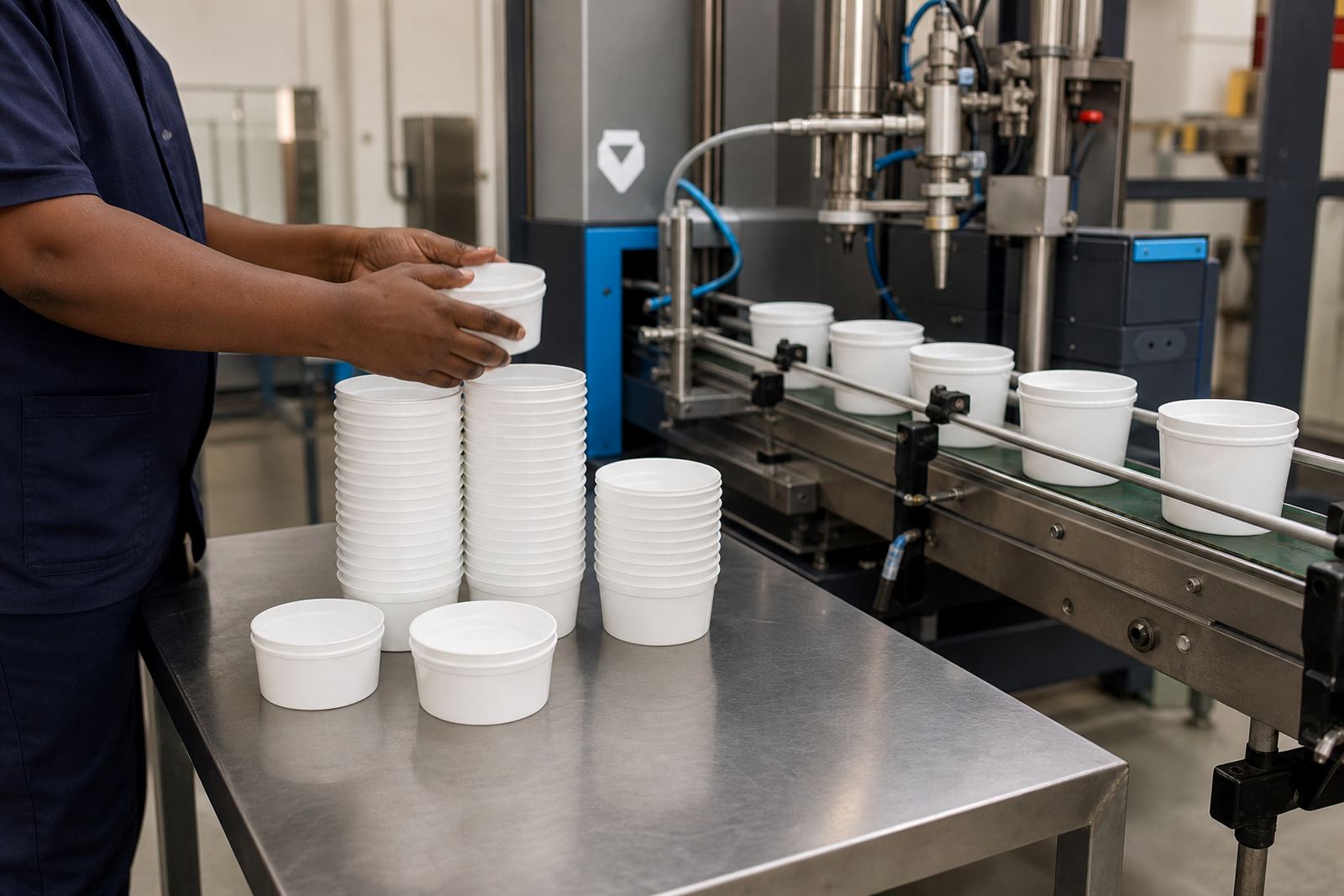
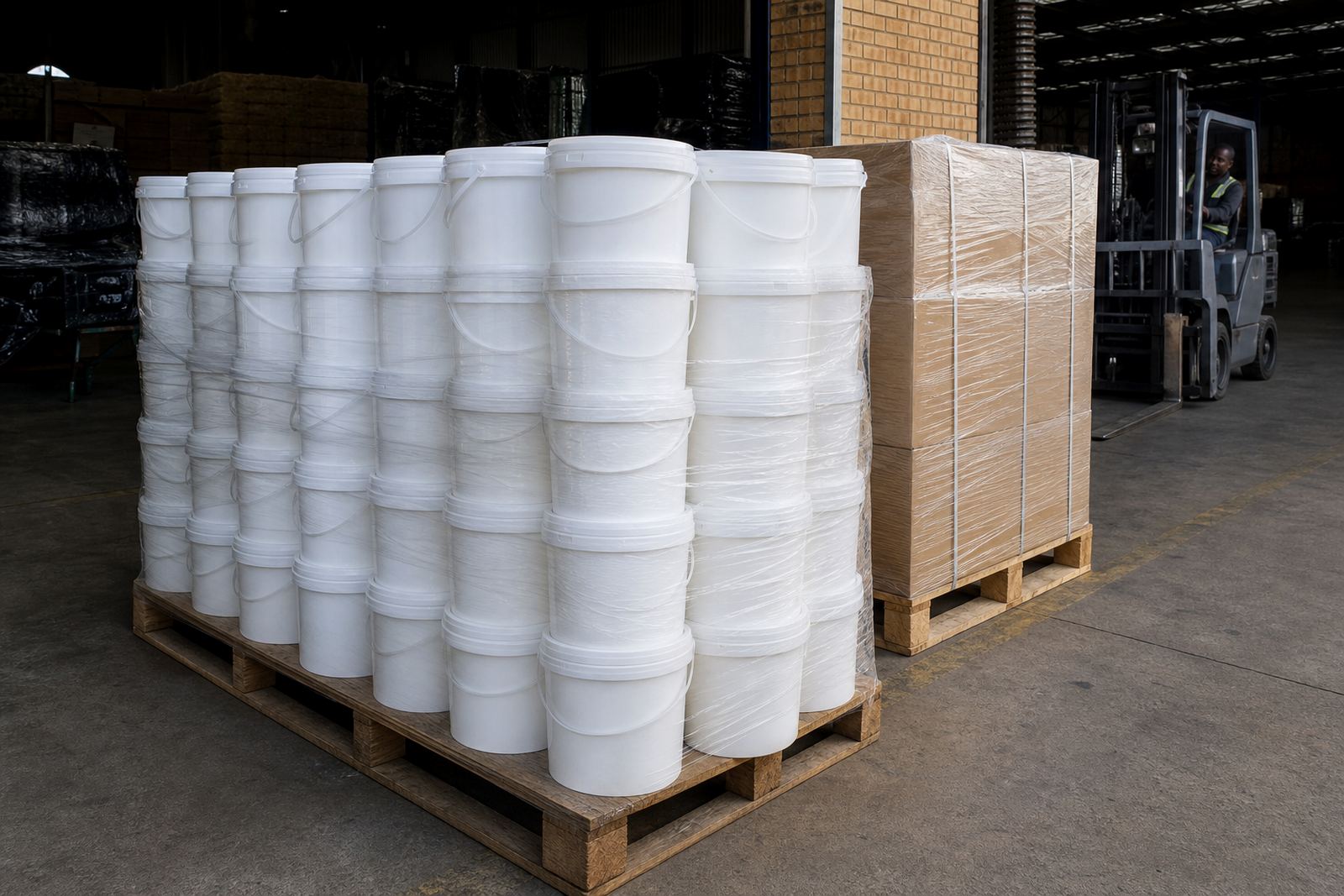
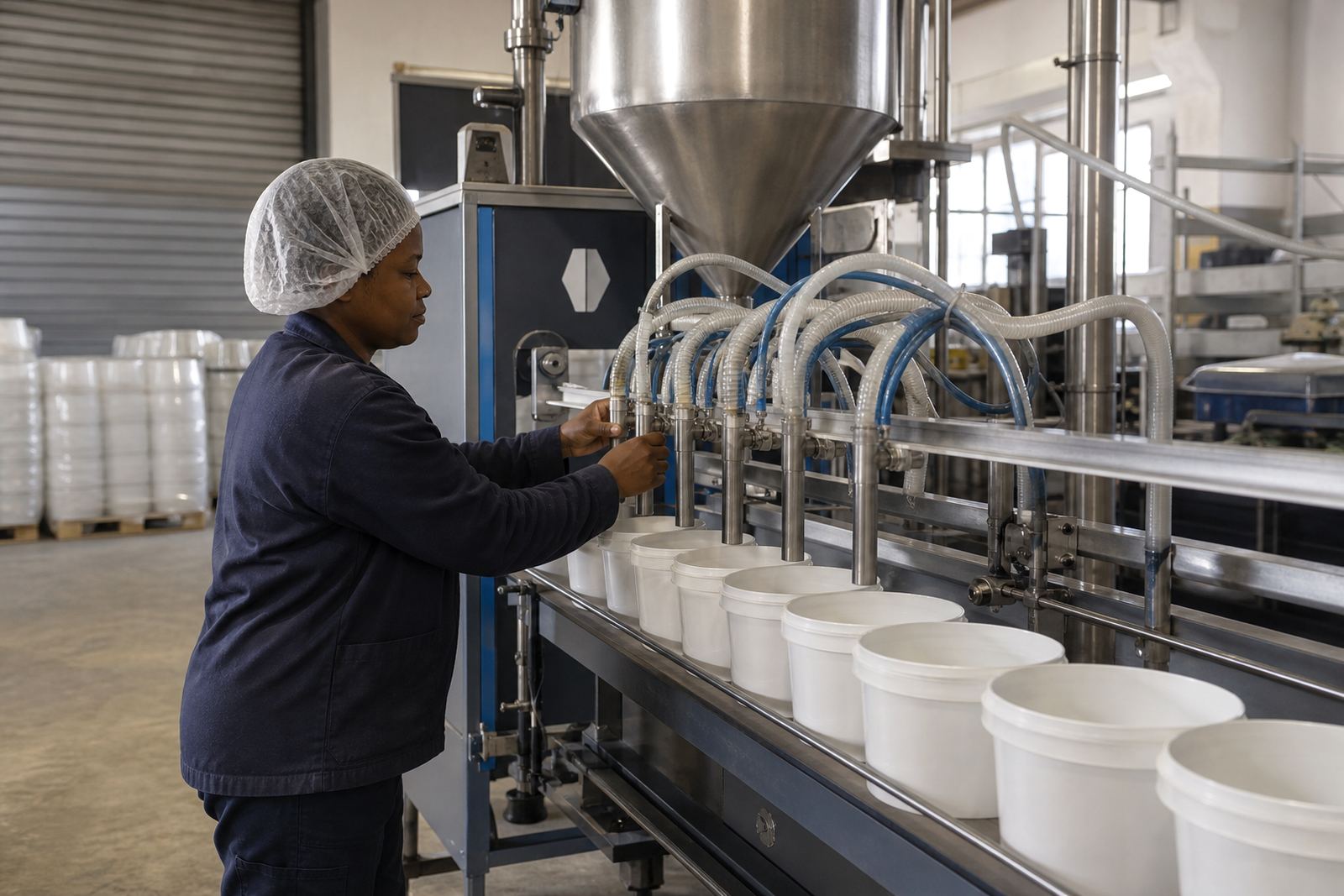
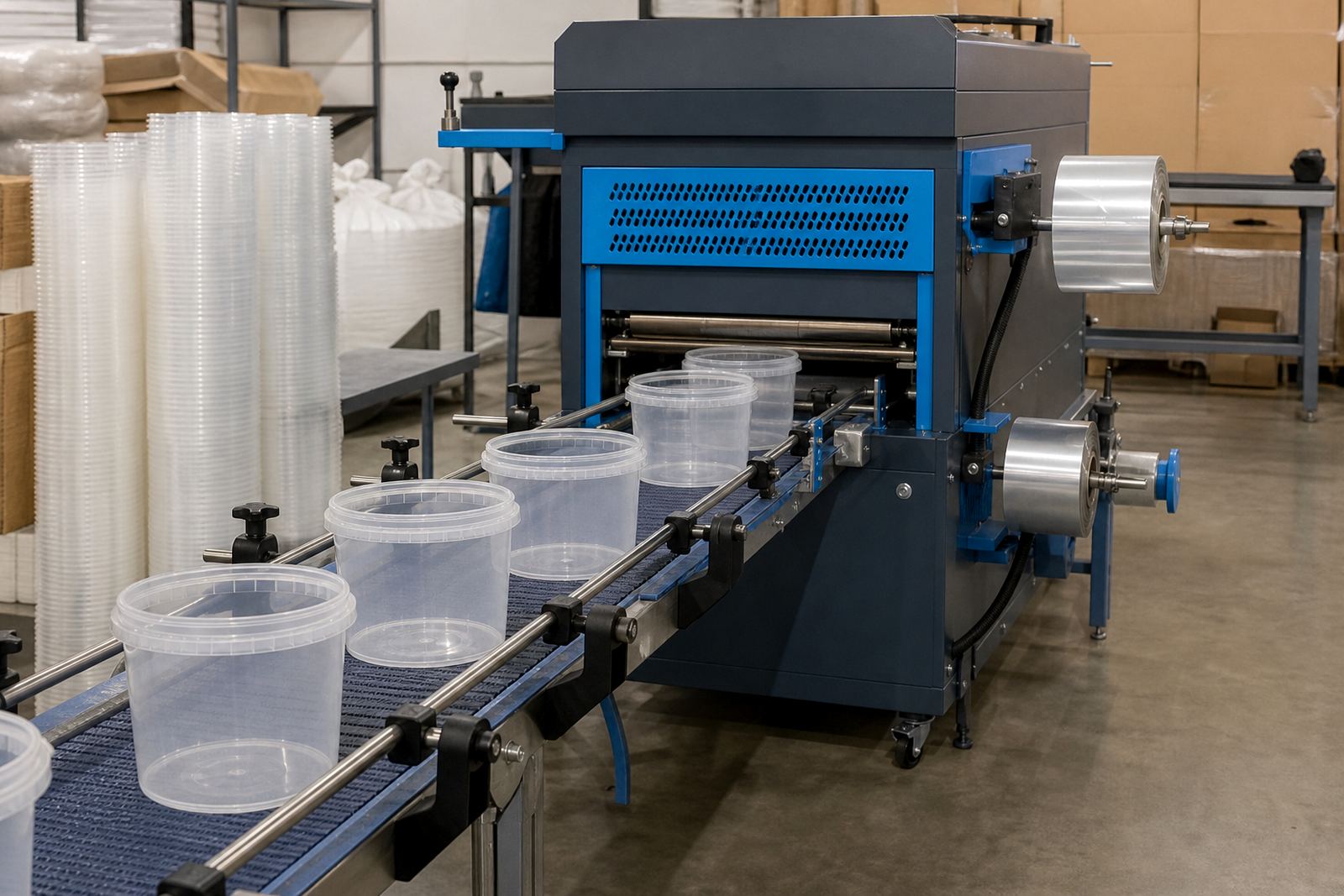
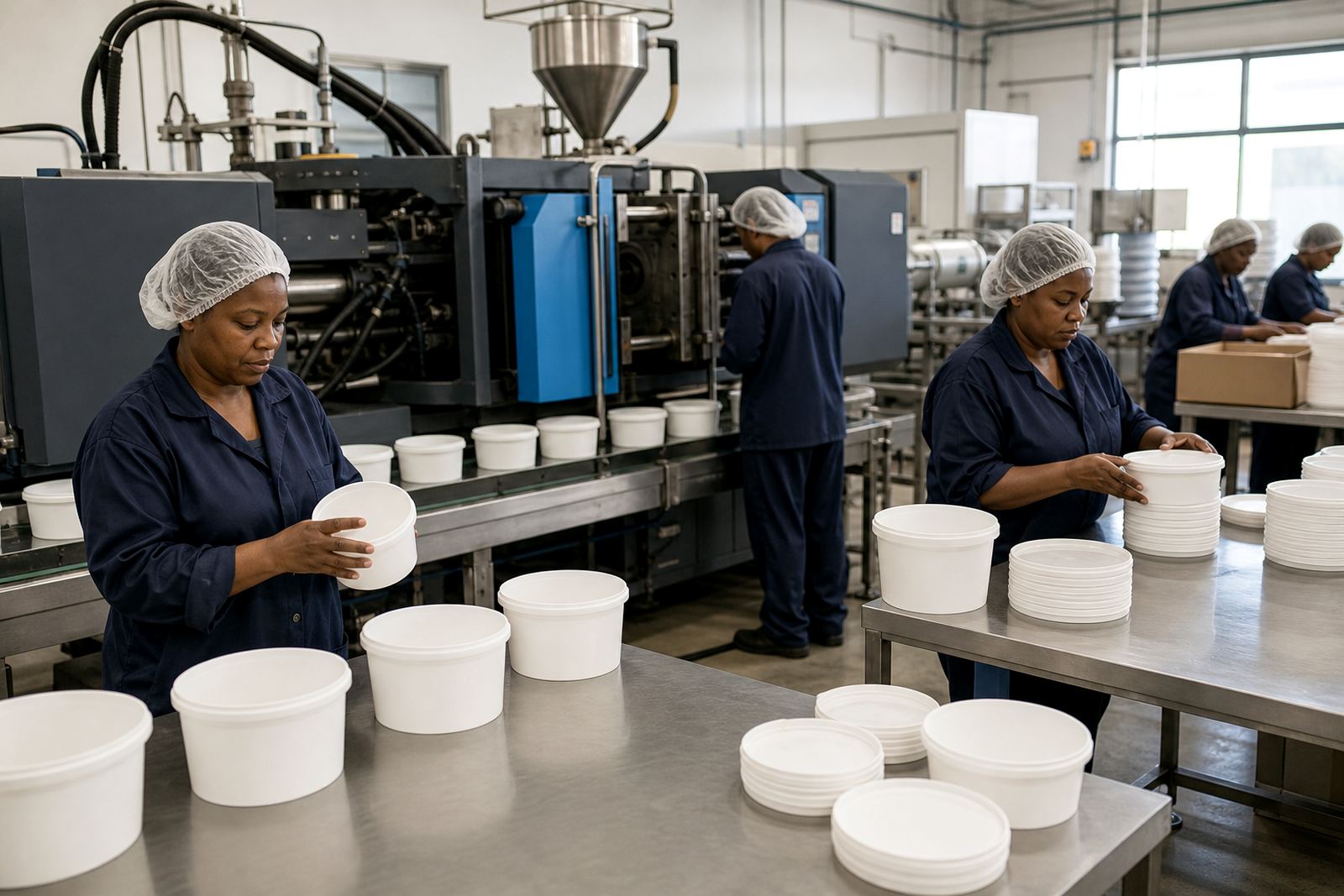
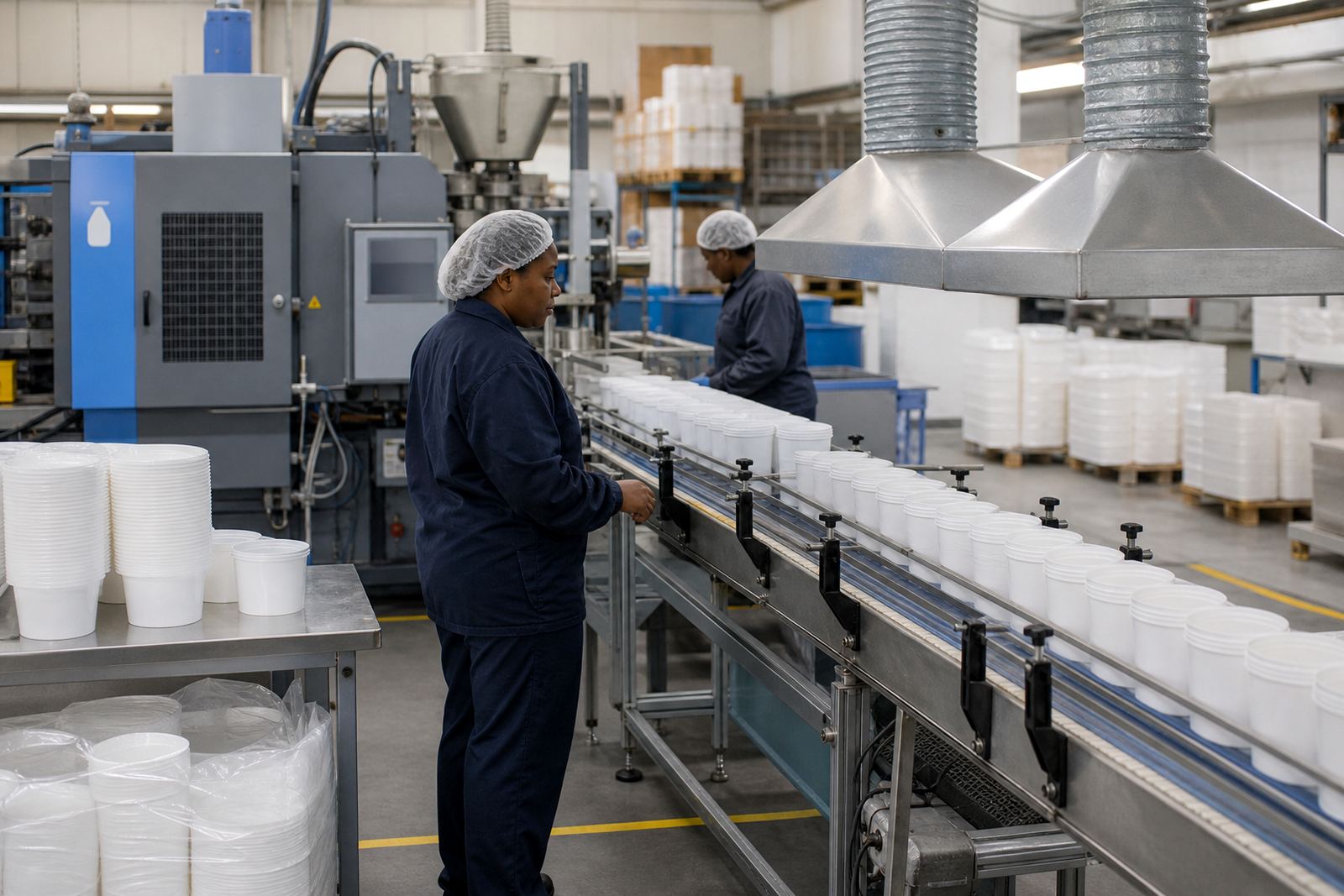
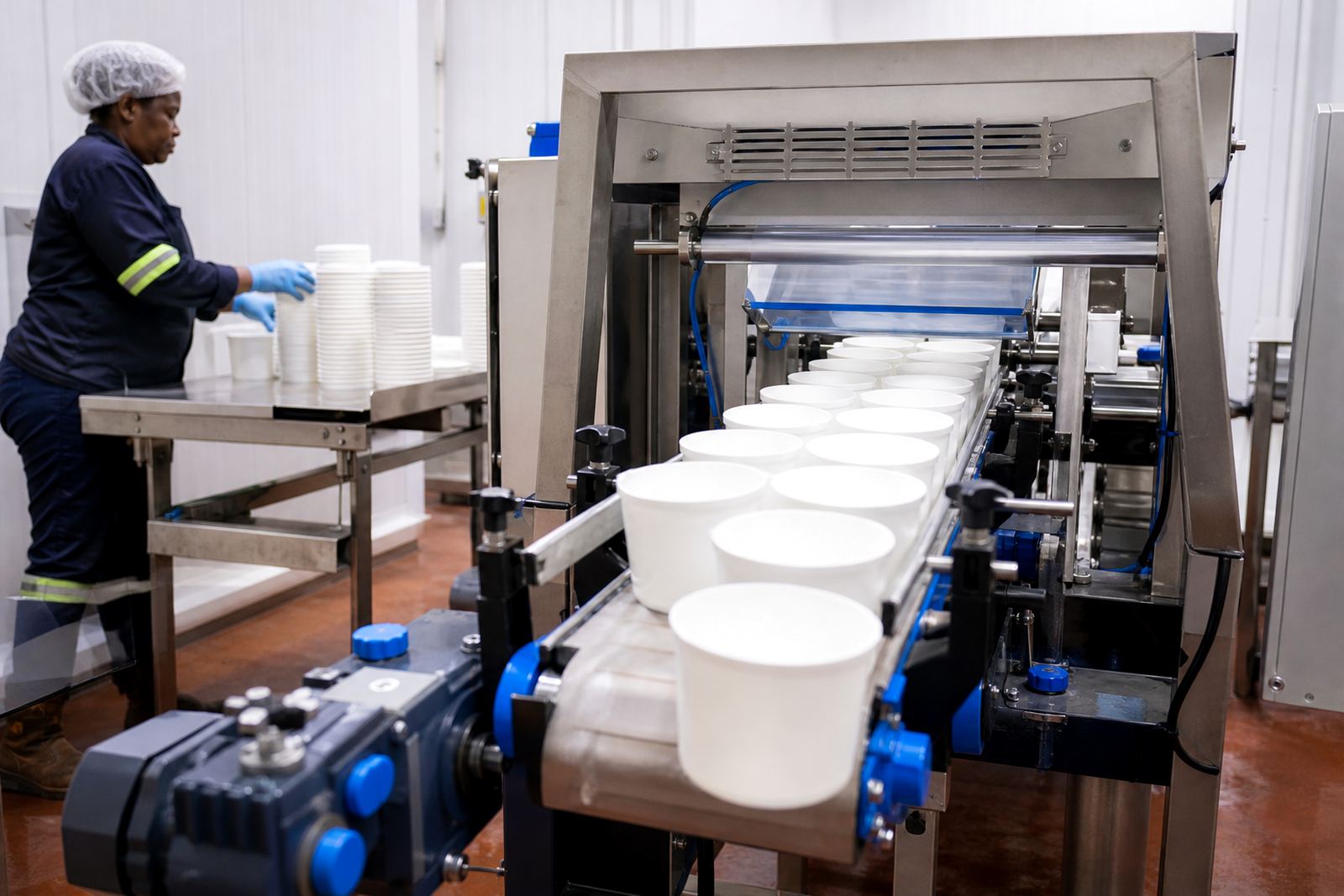
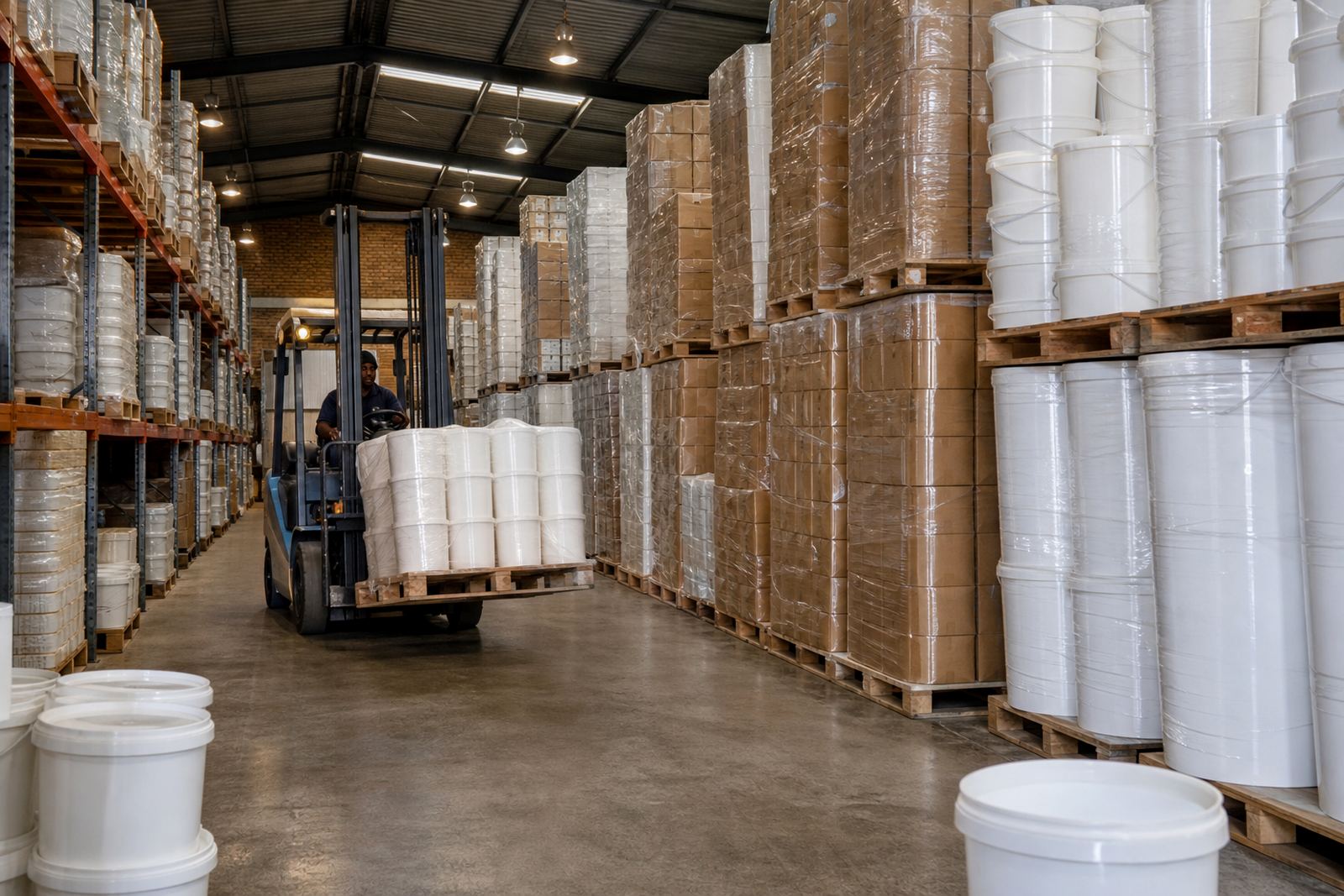
Containers and tubs must work with the equipment already on site. Line fit checks look at the path through filling, closing, labelling and cartoning so the pack suits the actual packing setup. Pack size planning then aligns the container with the volume you need, the carton count and the pallet load.
When those details are planned early, the result is easier to run and simpler to store. Secondary packing advice can also help with sleeves, cartons and grouped packs for dispatch into local retailers, wholesalers and regional depots. A neat pack family can reduce mix ups on busy floors with lots of different product lines.
Working from Alrode for national supply
Plastic Factory operates from Alrode, Alberton and supplies packers in Johannesburg, Germiston, Boksburg and further afield across South Africa. The team covers container selection, mould development, colour matching guidance and stock run planning with practical attention to how local businesses actually pack and ship. For many customers, the aim is a container range that stays consistent across product lines and delivery regions.
If your business needs a new tub profile or a small change to an existing closure, the range can be shaped around the product and the line it runs on. The enquiry form on our contact page is the route for starting that process, and the team can guide the next steps around material, size and closure detail.