Small Pots That Carry A Careful First Impression
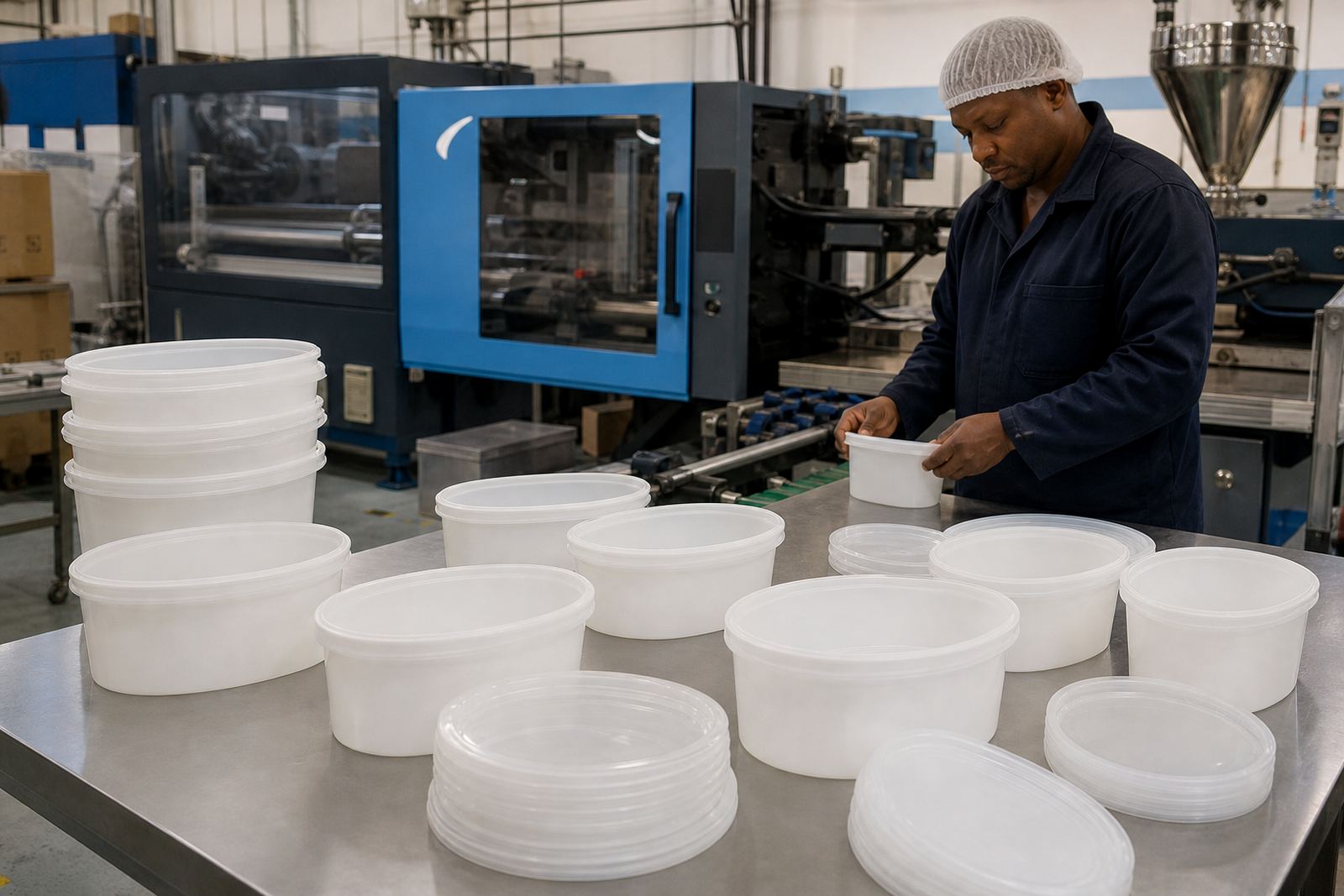
Sample pots are used when a product needs to be seen, handled and tested in a smaller measure before full pack sizes are released. In our range, the focus stays on neat filling, secure closing and a pot shape that sits well on shelf trays, promotion packs and counter displays. The pots are injection moulded from polypropylene or HDPE, depending on the product, the fill weight and the look needed at point of sale.
For food, pharmaceutical and cosmetic packers, the pot has to do more than hold product. It must fill cleanly on a packing line, stack neatly in cartons and keep its shape through transport and storage. A well chosen sample pot also helps with trial formulations, launch packs and short runs where presentation still matters, even if the pack size is small.
Materials, Wall Thickness And Closure Options
Polypropylene is often selected for sample pots where clarity of shape, stiffness and repeat handling matter. HDPE is suited to packs that need a tougher feel and reliable performance in busy distribution settings. Both materials are commonly used in food-safe packaging applications, and the final choice depends on the product texture, sealing method and the filling process in place.
- Pot sizes for small samples commonly start around 10 ml and run through to 250 ml.
- Round and square profiles are available, depending on the shelf footprint and label panel size.
- Lids may be plain, snap-fit or matched for tamper evident sealing.
- Colours can be guided to suit product range planning and brand consistency.
- Wall thickness is set to suit the intended pack weight and stacking pressure.
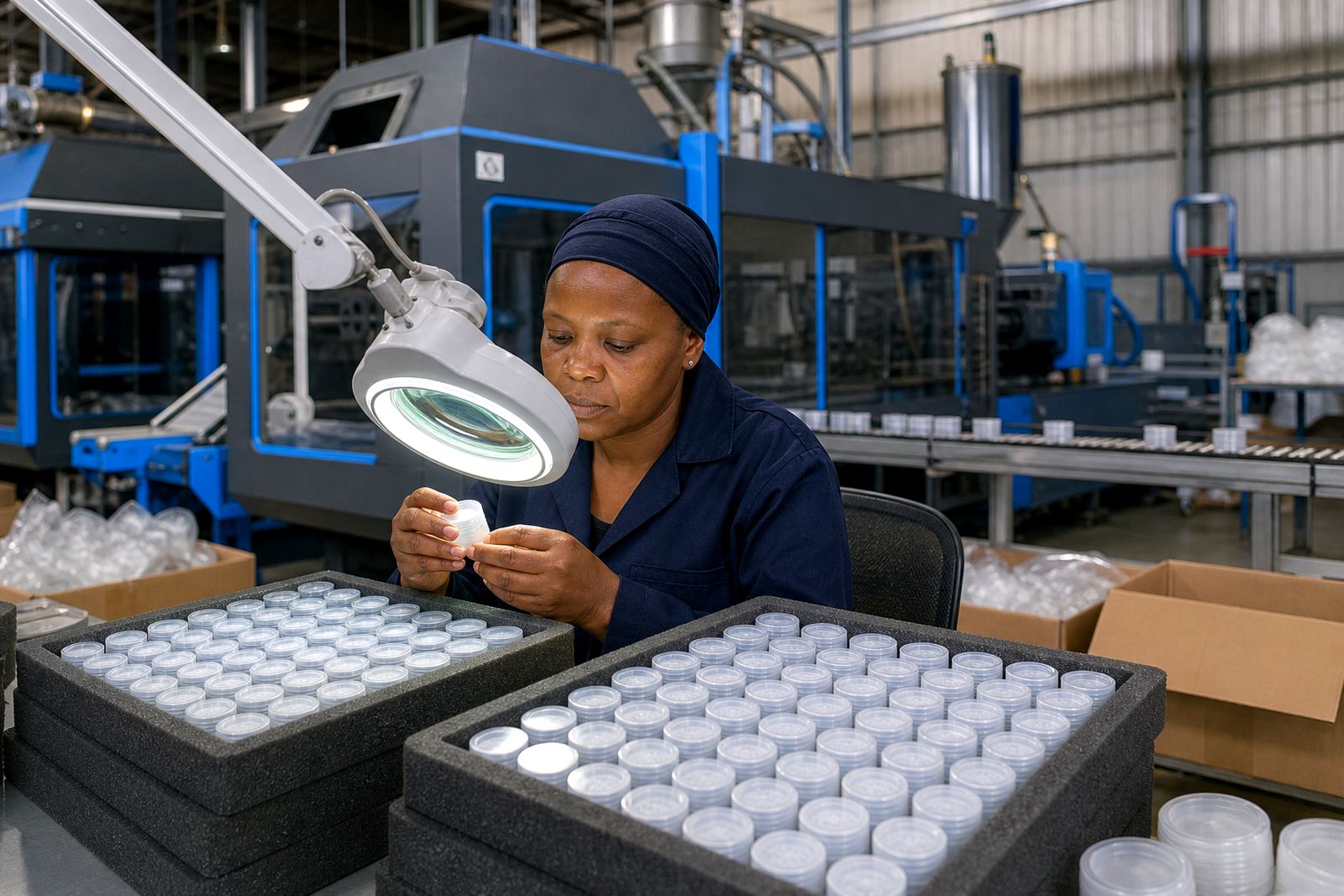
- Clearance around the rim and lid seat is checked for smooth closing on line.
Where a pack needs extra assurance, tamper seals or tear-band features can be developed for the specific pot style. That extra detail helps during retail handling and gives the end user a clear sign that the pack has not been opened.
Where Sample Pots Work Best In Practice
Sample pots suit packers who need compact units for product trials, promotional handouts, travel sizes and test market runs. They are used across creams, powders, gels, sauces, spreads and other measured fills where the product must stay contained and presentable. In the cosmetic sector, the smaller pack size makes it easier to present a new line without committing to larger stock levels. In food packing, the same pot can be used for tasting packs, condiment portions or controlled issue at events and wholesale counters.
For pharmaceutical and related packaging, the pot format is useful where the contents must remain neat, traceable and easy to identify on secondary packing lines. A sample pot also supports filling trials where the packer needs to confirm flow, closure fit and label placement before a broader production run.
- Trial fills for new formulations
- Promotional bundles and gift packs
- Retail tester units and shelf samples
- Travel-size or single-use portions
- Controlled issue packs for internal testing
Fit On The Line And Handling Through Dispatch
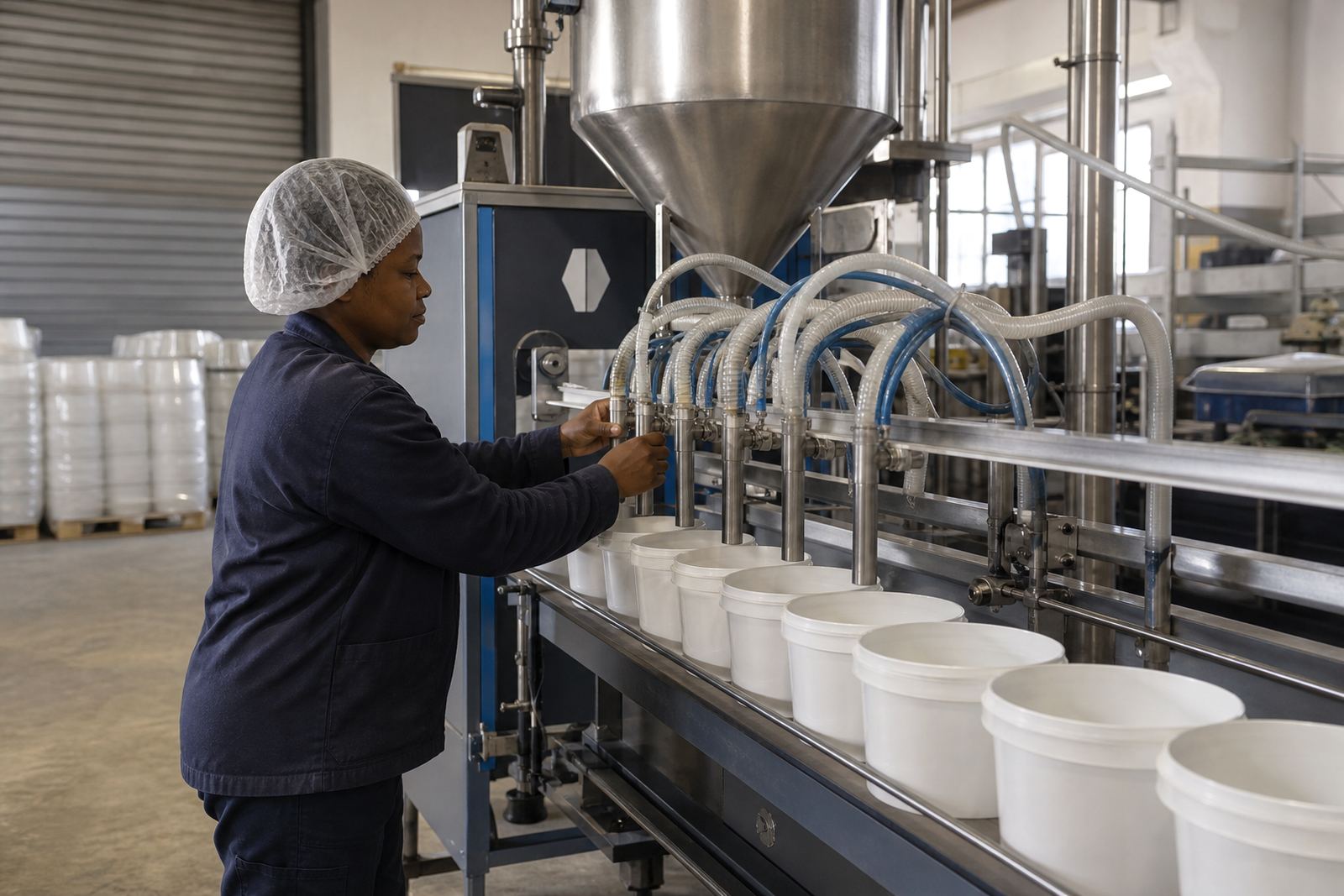
Most sample pots are handled on standard filling lines, either by manual filling or through lighter automated pack systems. The fit between pot and lid must suit the closing head, the fill viscosity and the handling speed used at the packing station. If the pot is too loose at the rim, the lid can sit badly; if it is too tight, line operators end up fighting the closure and the run slows down.
We look at line fit checks, trial production runs and pack size planning so the pot works with the way the product is actually filled. That includes checking whether the pot sits well in trays, secondary cartons or shrink wrapped sleeves, and whether the lid profile allows neat stacking in dispatch. Sibusiso and the dispatch side of the team also pay attention to how packs settle in cartons during transport, especially on longer routes to Durban, Cape Town or Port Elizabeth where rough handling can show up quickly.
- Check the fill weight against the chosen pot volume.
- Confirm whether a snap lid or tamper seal is required.
- Allow enough headspace for viscous or whipped products.
- Review carton counts for packing and delivery efficiency.
- Test label size against the pot panel before full production.
Care, Storage And Product Protection
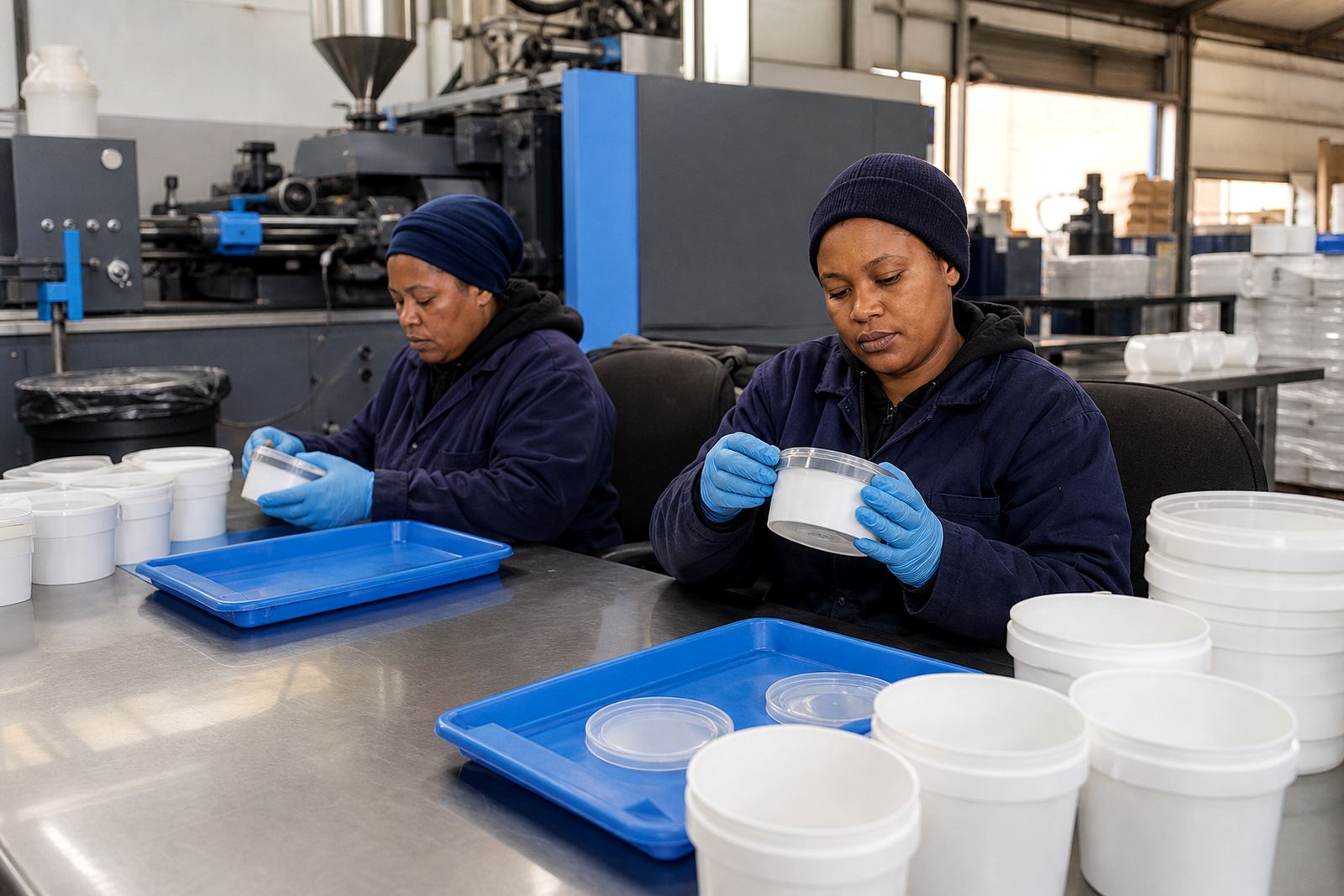
Sample pots should be stored in clean, dry conditions away from dust and direct heat. Although polypropylene and HDPE are both practical materials, the lid seal and rim finish still need careful handling before filling. A scratched rim or damaged lid seat can affect the closure, so the packs should be kept in their inner wrapping or cartons until use.
For products going through coastal distribution, such as Durban or Port Elizabeth, it is sensible to keep the cartons closed until the line is ready. Humidity and handling can introduce surface contamination if packs are left open for too long. On production floors in Alrode and surrounding industrial areas, storage discipline helps keep the sample pots ready for use without extra cleaning or sorting.
After filling, the pot exterior should be wiped clean before labelling or cartoning. Some products leave residue around the rim during filling, and that needs a quick check so the lid closes properly. A neat pack is easier to move through stock rooms and looks better on shelf too.
Order Details That Need To Be Locked In
When the sample pot range is being specified, the working details must be clear from the start. Size, resin choice, lid type and closure finish all affect the final result. The team at Plastic Factory works with food, pharmaceutical and cosmetic packers on material selection, mould development, mould trials and ongoing product updates, so the pot can suit the line and the product together.
Before a run is released, these points should be confirmed carefully:
- Pot volume and fill weight
- Round or square shape preference
- Polypropylene or HDPE material choice
- Plain lid, snap lid or tamper seal requirement
- Colour match or natural finish preference
- Label panel size and print position
- Carton count and secondary packing method
That level of detail helps avoid mismatched stock, especially where one pack size is used for several product variants. Thabo Letsoalo leads the business in Alrode, with Naledi Sauls, Johan Kekana, Ayesha Oosthuizen, Carla Naidoo and the rest of the team supporting pack development and dispatch across Johannesburg, Pretoria, Germiston, Boksburg, Durban, Cape Town and Port Elizabeth.
Key facts
| Product type | Injection-moulded sample pots |
|---|---|
| Material options | Polypropylene and HDPE |
| Typical sizes | About 10 ml to 250 ml |
| Closure options | Plain lids, snap-fit lids, tamper seal options |
| Use sectors | Food, pharmaceuticals and cosmetics |
| Supply area | Alrode, Alberton and nationwide delivery across South Africa |