Moulded for rough handling on packed product lines
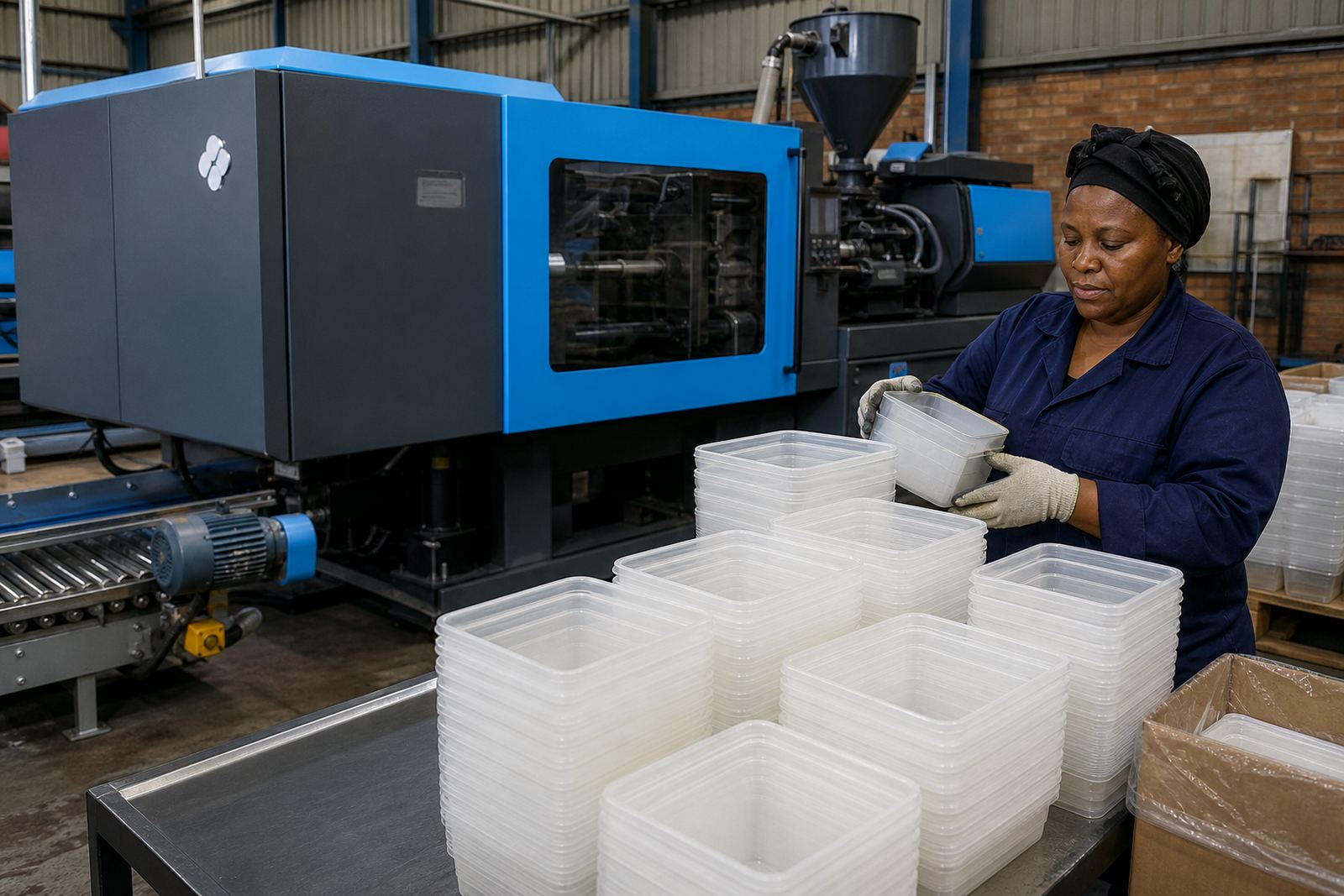
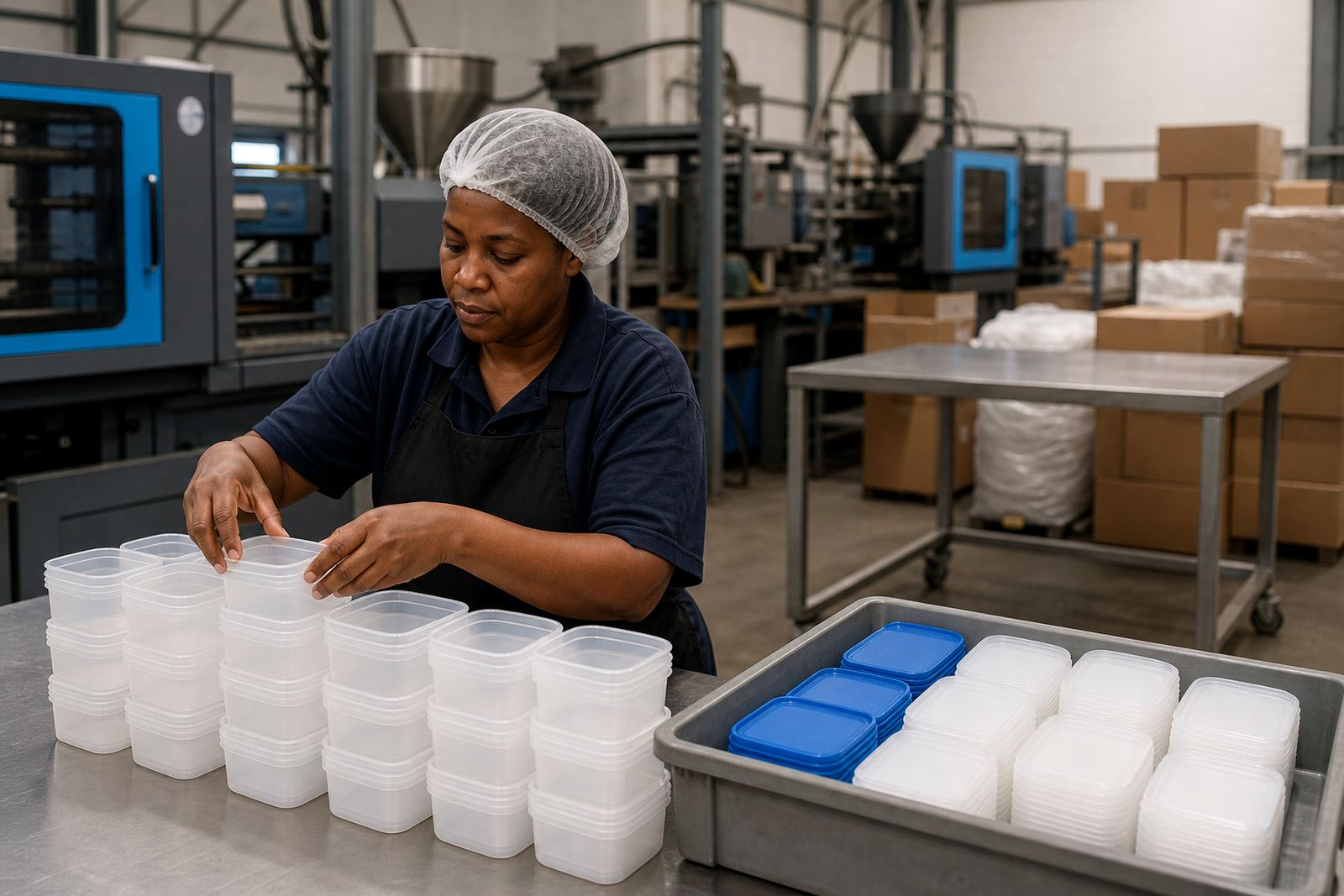
Our HDPE container range covers injection-moulded tubs and containers built for day-to-day packing work in factories, contract packhouses and blending rooms. HDPE gives a firm container wall, good impact resistance and useful chemical resistance for many common pack contents, while the moulded finish keeps the container shape consistent for stacking and pallet movement.
The range suits businesses that need a container that stays neat on the shelf and holds its form through transport, warehouse handling and store-room rotation. For packers in Alberton, Germiston and Boksburg, that usually means a practical container with a clean neck finish, a lid that sits square, and enough body strength for repeated handling without the tinny feel of thinner packaging.
- Injection-moulded HDPE tubs and containers
- Round and straight-wall container styles
- Matched lids, tamper-evident options and plain closures
- Food-safe material choices for approved pack applications
Size bands and pack formats that fit local production
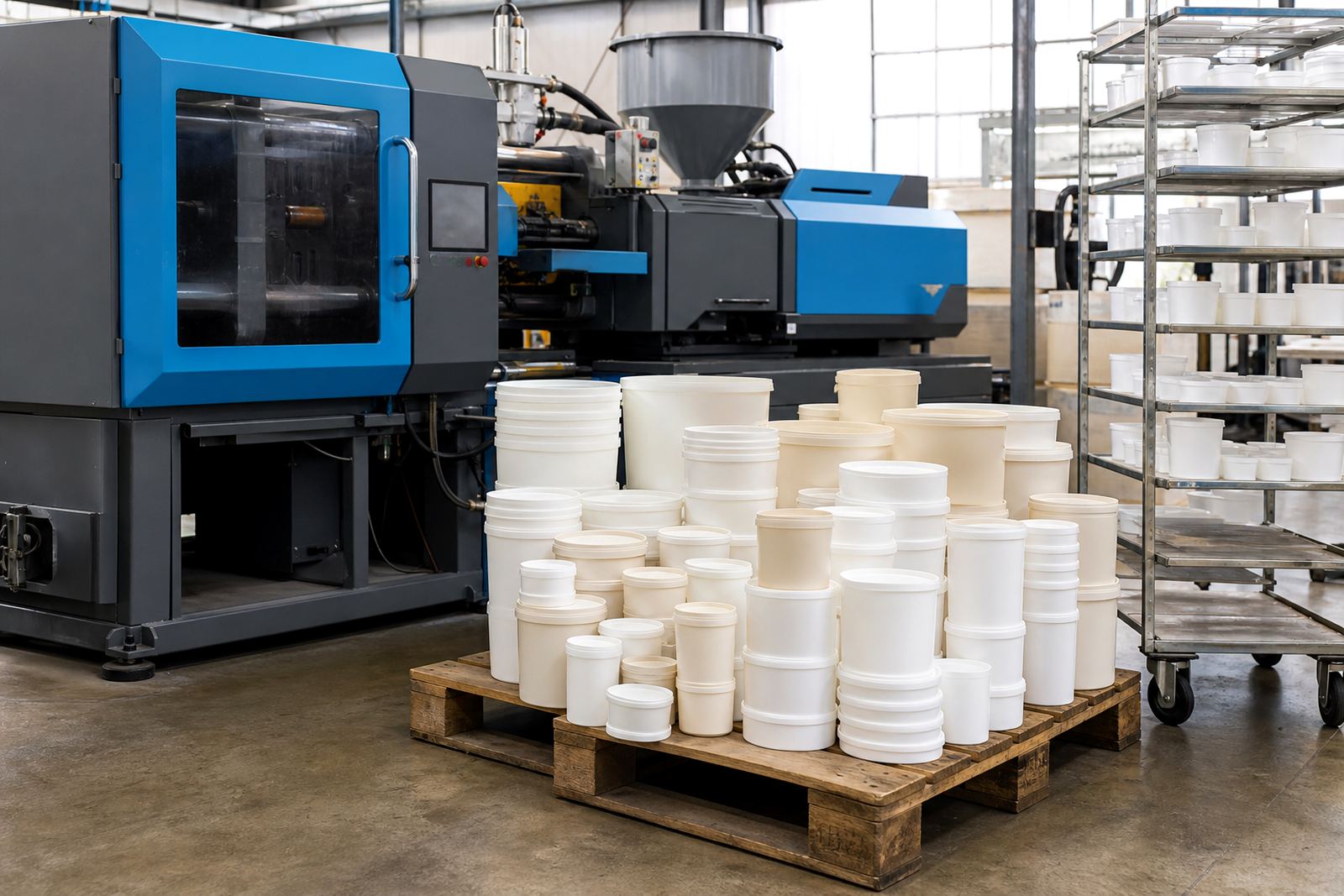
HDPE containers are available in a range of pack sizes for small retail fills and larger bulk packs. Common volumes include compact units for creams and spreads, medium tubs for powders and dry blends, and larger containers for ingredients, refills and back-of-house dispensing. Wall height, rim design and mouth opening all matter when the pack is going through a filler, hand pack station or lidding step.
Pack size planning is worth pinning down early, because a container that looks right by eye may not sit well in a carton, display tray or shrink pack. The fill volume, headspace and closure style all need to work together, especially where the product settles, shifts or needs a neat tamper finish. We also look at colour and material grade, because the same shape may be better in natural, white or another selected shade depending on the product and label layout.
- Small retail formats for personal care and specialty food fills
- Mid-size tubs for powders, gels and dry ingredients
- Larger containers for refill packs and bulk handling
- Options for plain lids, snap-on lids or tamper seal designs
Where HDPE suits food, pharma and cosmetic packing
HDPE is widely used where packers want a durable container with a practical balance of strength, weight and handling comfort. Food applications include dry ingredients, sauces, spreads and retail tubs where a clean internal finish matters. In pharmaceutical and cosmetic settings, the material is often selected for creams, powders, tablets, sample packs and similar products where tidy presentation and reliable closure fit are important.
The right container depends on what is being filled, stored and transported. Some products need a wide mouth for scooping or dosing. Others work better in a smaller neck with a tighter lid profile. If the pack will travel long distances to Durban, Cape Town or Port Elizabeth, the container also needs to hold its shape through temperature changes, coastal humidity and normal freight movement, without making the line harder to run.
- Food pack formats for dry and semi-viscous products
- Cosmetic packs for creams, balms and body products
- Pharma-style tubs for powders, tablets and controlled presentation packs
- Retail and wholesale options for shelf display or secondary packing
Lids, tamper seals and line fit checks
Container and lid design must work as one unit, not two separate choices. We look at the neck finish, closure method and seal requirement so the lid sits properly and the pack opens as intended at filling, dispatch and end use. For some lines, a simple snap-on lid is enough. For others, tamper-evident features help show if a pack has been opened before it reaches the buyer.
Line fit checks matter when a packer runs multiple container sizes or fills through existing equipment. A tub that feeds well by hand may behave differently on a conveyor, and a lid that closes neatly in the sample room may need checking against your actual process. We can guide the fit for hand packing, capping, labelling and carton loading, and also look at whether a stock run or a tailored mould change makes more sense for your volumes.
- Plain lids for everyday closing
- Tamper seal design where visible opening control is needed
- Neck and rim checks for fit on existing packing lines
- Trial production runs for new pack sizes or revised closures
Material choice, colour and product presentation
HDPE is often selected for its practical handling properties, but the exact grade and colour still need to suit the product. Natural, white and selected colour options can all be useful, depending on whether the pack must show product tone, hide fill marks or align with a label system. For cosmetic packs, a smoother visual finish can help the shelf look tidy. For food lines, clarity around material and closure choice matters just as much as appearance.
Colour matching guidance is useful when a packing room uses several product families and wants each one to read clearly on the shelf. The same tub shape may be used in different colours across a range, with lids matched to the container body or set off in a contrasting tone. That makes handling easier in the store room and helps staff sort finished stock without guesswork.
- Natural, white and selected colour options
- Material guidance for product compatibility
- Presentation choices for retail shelves and wholesale packs
- Range consistency for multi-product packing rooms
Caring for HDPE tubs in storage and dispatch
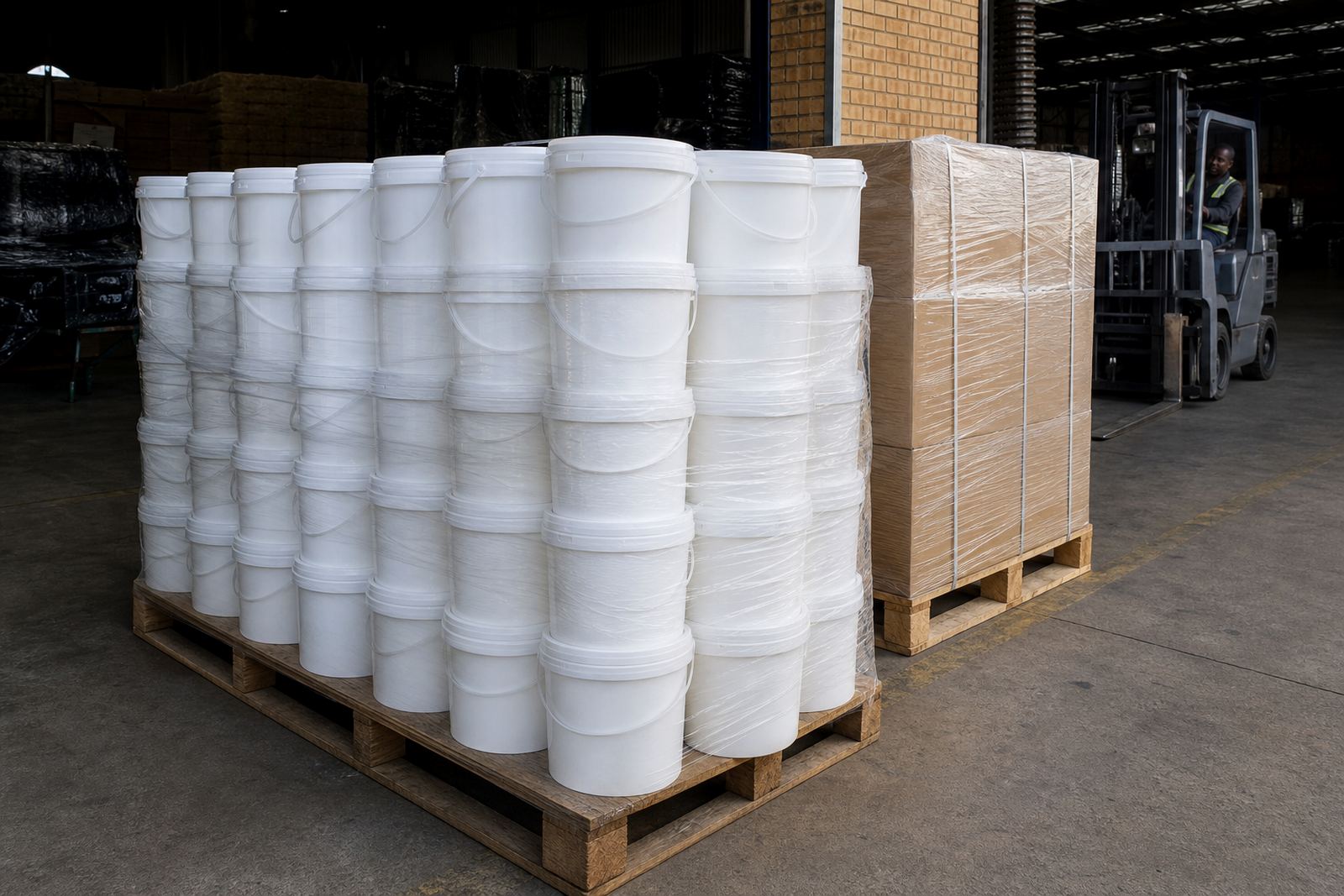
HDPE containers should be stored clean, dry and away from direct dirt or heavy stacking pressure that can distort the rim. In busy dispatch areas, packs need to be kept upright and handled with care around pallet edges and sharp carton corners. If the product is going into a humid coastal route, the closure should be checked for a firm fit before loading, especially on lighter retail packs.
For packers working from Alrode into Johannesburg, Pretoria or further afield, a stable container format helps reduce rejects in the line and avoids unnecessary rework. It is also worth keeping the inside of the container free from dust, trim or loose film before filling. Small issues at the start of the line can show up later as poor lid seating or a messy shelf pack.
- Store containers upright and in clean conditions
- Avoid over-stacking empty stock that can distort rims
- Check lids and seals before dispatching finished goods
- Keep filling areas free of loose dust and offcuts
Order details that need to be confirmed first
To match an HDPE container to your product, a few details need to be pinned down before manufacture or stock allocation. We need the fill volume, product type, closure preference, colour requirement and the packing method being used. If the line runs with a certain neck finish or tamper format, that also needs to be confirmed so the container and lid work together properly.
It helps to know whether the pack will be hand-filled or run through a line, whether it will be boxed, shrink wrapped or tray packed, and whether the goods need a plain retail appearance or a more technical finish. For custom tub design, mould development or ongoing product updates, those points shape the final container. A clear brief saves time on sampling and keeps the pack suited to real production, not just a drawing on paper.
- Required fill volume and headspace
- Product type and filling method
- Lid style, tamper seal need and neck finish
- Colour, labelling space and secondary packing method
Key facts
| Material | HDPE injection-moulded container grade |
|---|---|
| Formats | Tubs and containers with matched lids |
| Use cases | Food, pharmaceutical and cosmetic packing |
| Options | Plain lids, tamper seal designs, colour matching guidance |
| Production support | Trial runs, mould development, line fit checks |
| Delivery areas | Johannesburg, Durban, Cape Town, Pretoria and Port Elizabeth |