Tub bodies that carry a visible first-opening feature
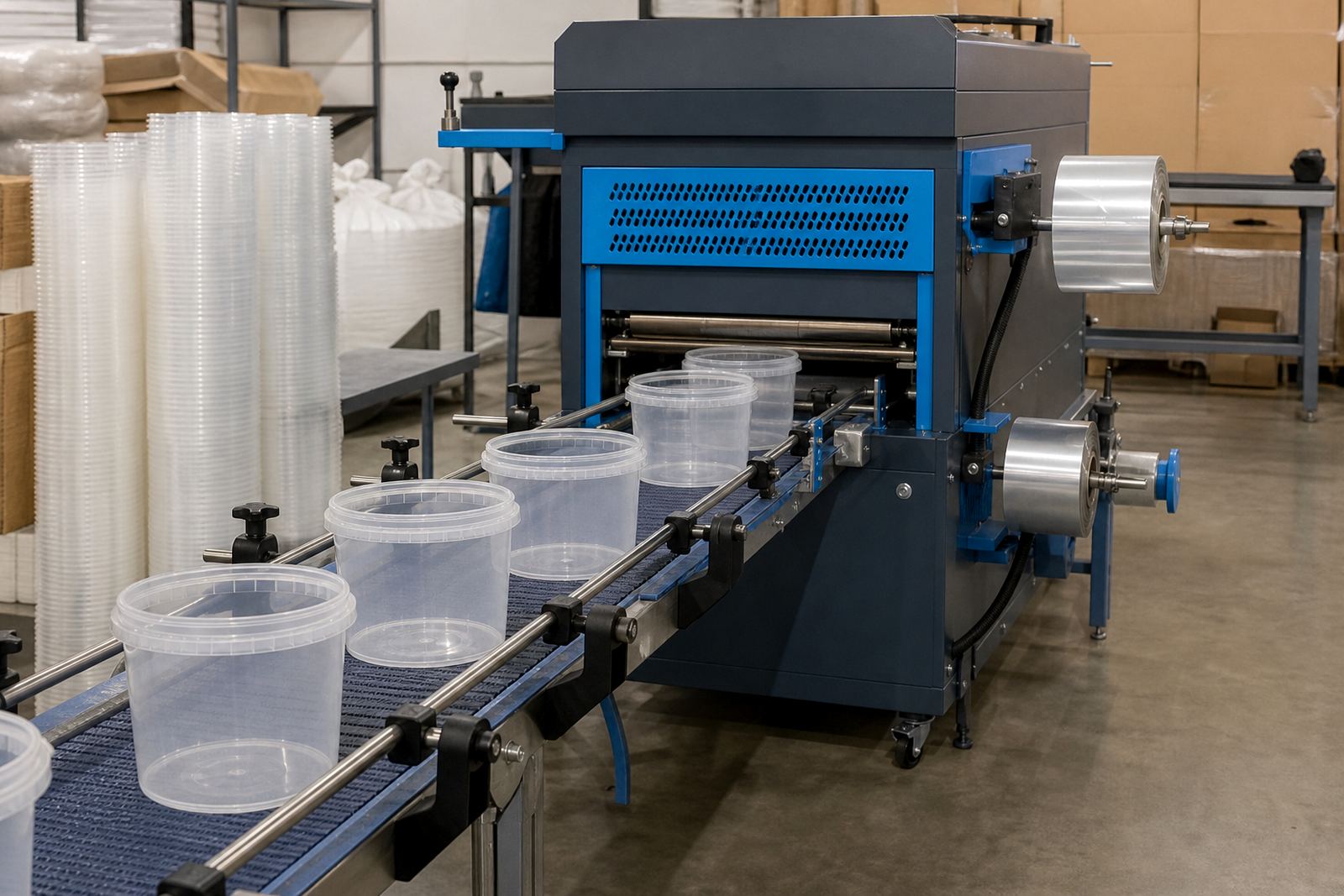
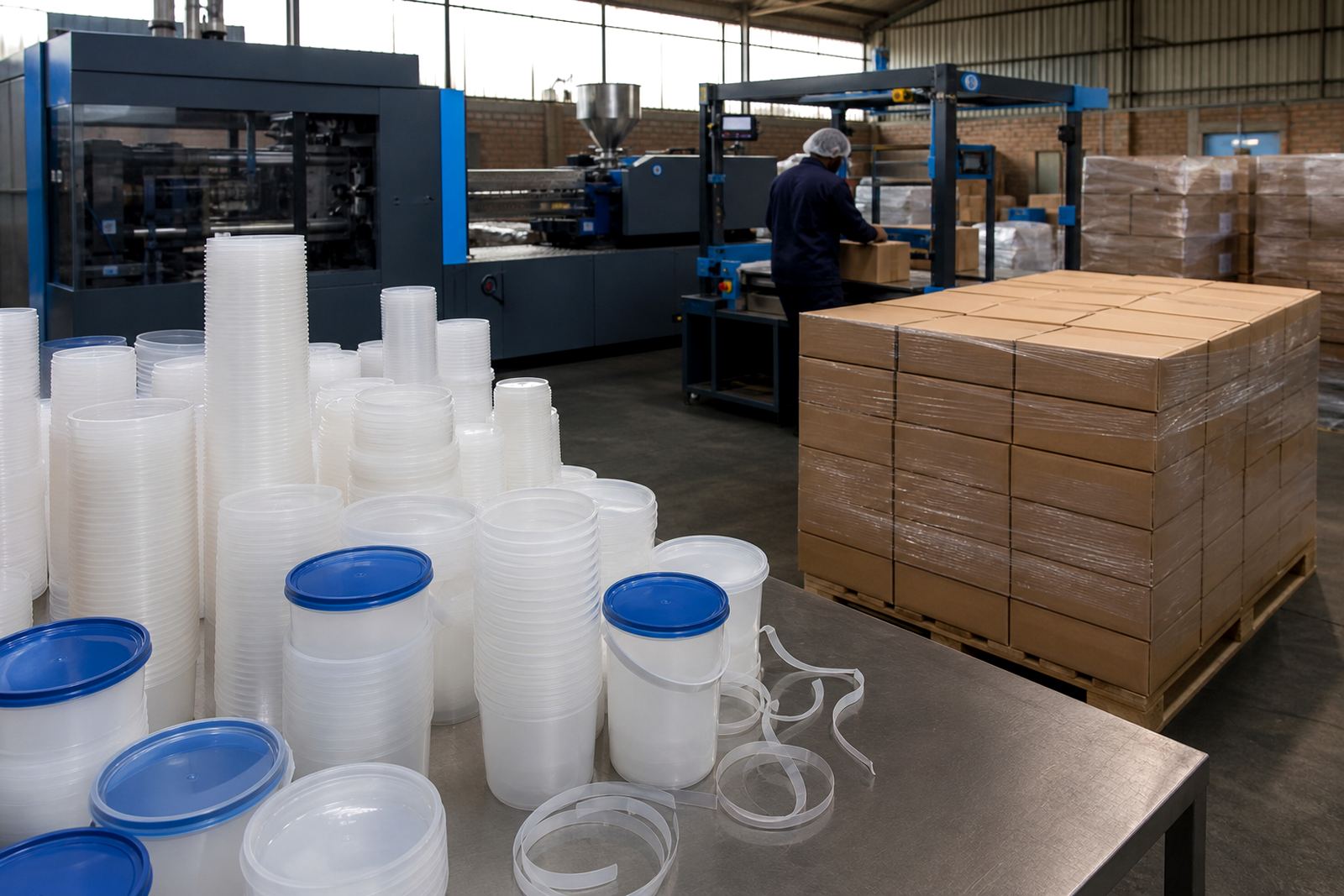
A tamper evident tub is built for packers who need the closure to show if a pack has been opened after filling. The tub body is injection moulded with a rim and lid interface that can take a seal band, tear strip, or similar tamper feature, depending on the pack format and the line setup. In food, pharmaceuticals and personal care, that visible break point helps the pack read as closed, clean and ready for shelf handling.
Plastic Factory works with polypropylene and HDPE tub formats for these applications. Polypropylene is often selected where a firmer lid fit and good clarity options are useful, while HDPE is commonly used where a tougher body and more flexible handling on the line is preferred. Both materials are widely used in contact packaging and are suited to the moisture, stacking and transport pressures that show up in South African packing rooms, warehouses and wholesale routes.
- Injection-moulded tubs for stable wall thickness and repeatable fit
- Tamper seal compatible rim and lid styles
- Polypropylene and HDPE material choices
- Options for plain, printed, or colour-matched packs
Sizes and finishes that fit real packing runs
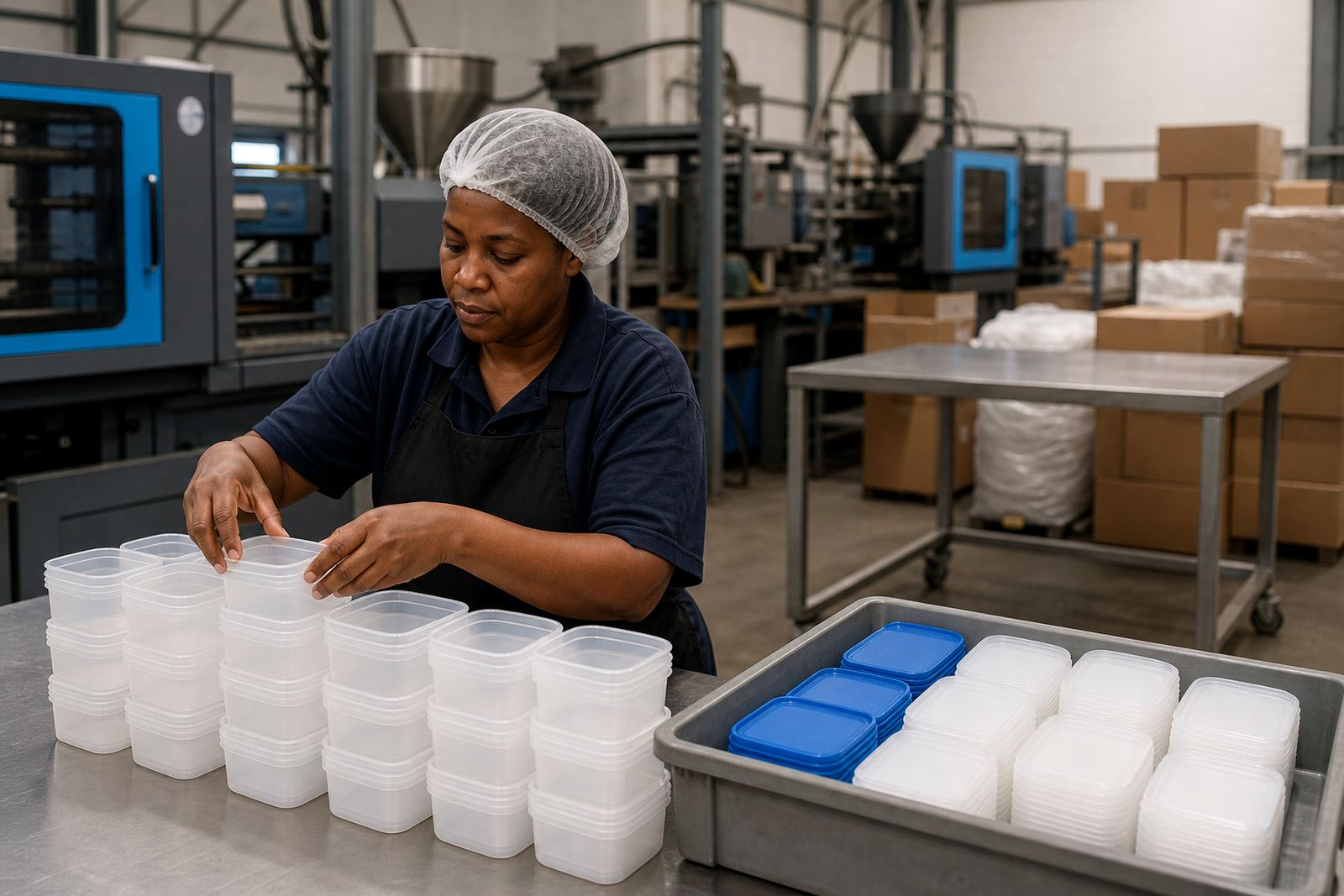
The size range depends on the product weight, fill volume and the look the brand wants on shelf. Small tubs can suit sample packs, sachet decants and cosmetic creams, while larger tubs work for dry ingredients, powders, spreads, processed foods and pharmaceutical preparations in secondary packing. Round tubs are common for general use, though square and rectangular formats can help when carton layout and pallet use matter.
Lid style matters just as much as tub volume. A tight-fitting lid with a tamper-evident feature has to sit square on the rim, seal cleanly and allow the line to keep moving at a sensible pace. If the pack needs a protective liner, a snap lid, or a tear-off band, that detail has to be matched to the filling method and the product's shelf handling. A small mismatch here can make a neat tub feel awkward on the line, and that shows up later in rejects and rework.
- Common pack sizes for small, medium and bulk fills
- Round, square and rectangular body options
- Clear, natural or tinted material choices
- Shallow or deeper wall profiles for different contents
Where this pack format works best
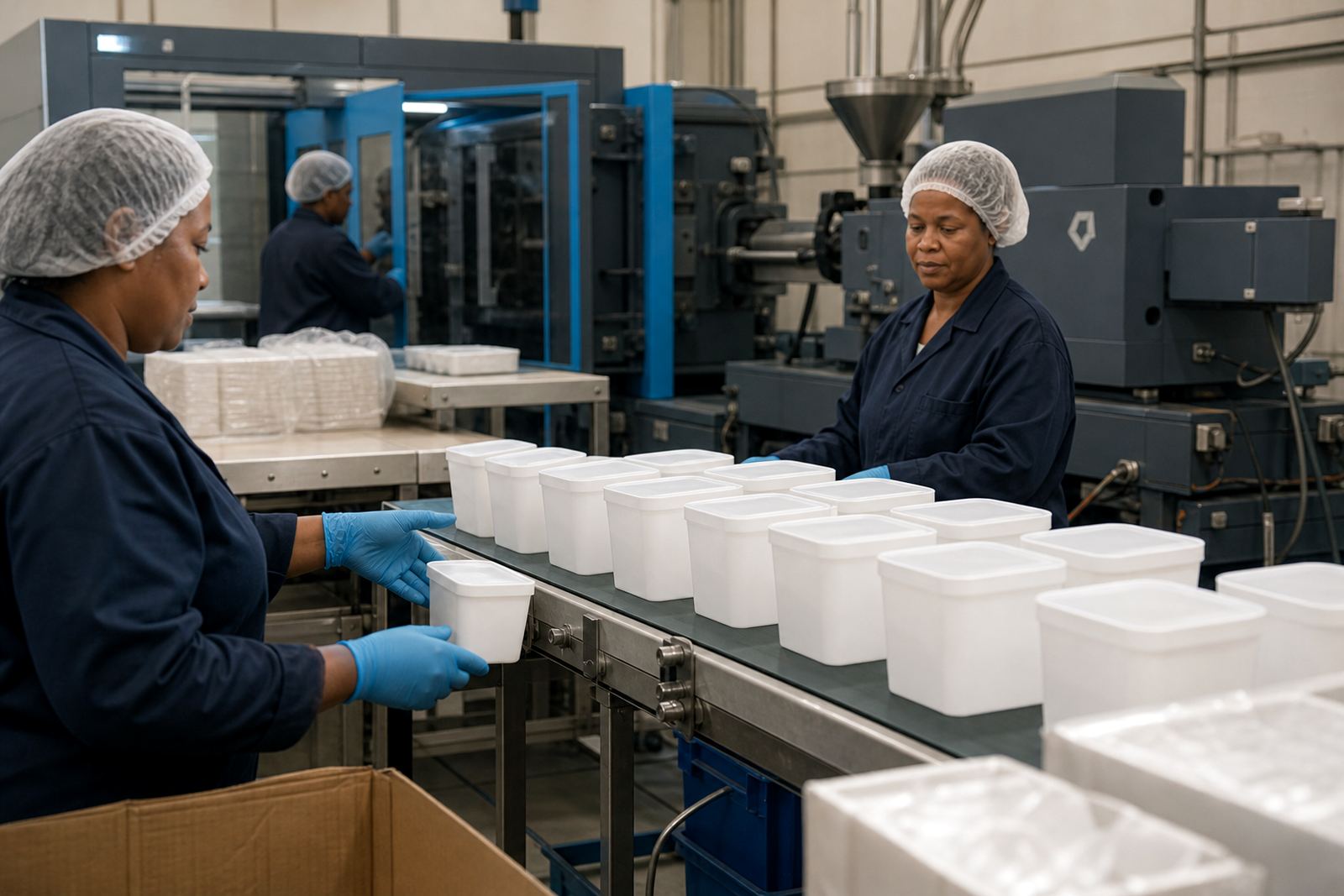
Tamper evident tubs suit packers who need a practical container that carries a clear closure signal without making the filling line complicated. Food processors use them for dry goods, spreads, sauces and prepared portions. Pharmaceutical packers use them for tablets, powders, creams and other regulated goods where closure control is part of the pack story. Cosmetic packers often use the same type of tub for balms, face masks, body scrubs and sample sizes, especially where the tub needs to look neat on the shelf and hold up through transport.
The format is also useful in jobs that travel through warm stock rooms, coastal humidity in Durban or fast-moving distribution from Johannesburg, Alberton and Germiston. A good tub needs to keep its shape, accept the lid properly and stay presentable after stacking, packing and last-mile handling. That is where material choice, rim design and seal style need to work together, not as separate decisions.
- Food packing lines with shelf-ready packs
- Pharmaceutical and health product filling
- Cosmetic jars and tubs for retail display
- Wholesale and distribution packs moving across provinces
Fitting the tub to the filling line
Getting a tamper evident tub ready for use is usually about line fit rather than a complex installation. The tub and lid have to match the diameter, rim profile and closure method used on the packing line. If sealing, lidding or coding equipment is involved, the container profile needs to leave enough room for the process to work consistently, with clean entry and a straight finish. Packing teams in busy plants often need a few trial runs to make sure the closure seats properly and the seal feature breaks the way it should.
Plastic Factory supports trial production runs, line fit checks and lid development where the pack needs to change from an older container to a tamper evident format. That work can include checking stacking height, sleeve fit, carton count and how the tubs sit in secondary packing. For some products, the seal line must align neatly with a printed label or a date code, so the final detail is not only about the tub itself but how it behaves inside the full packing sequence.
- Check rim diameter and closure profile against the filler
- Confirm label panel and date coding position
- Test stack height for cartons and shelf packs
- Review seal break behaviour during trial runs
Care and storage that protect the closure edge
These tubs keep best when they are stored flat, clean and away from rough handling that can dent the rim or close the seal channel. Dust and stray offcuts can get in the way of a proper lid fit, so good housekeeping around the packing area matters. If a tub has a tamper feature, the rim should be kept free of scuffing before filling, because a damaged edge can weaken the final seal feel and make the pack look untidy.
For dispatch and warehousing, the tubs should be stacked in a way that avoids crushing at the corners or ovalising the body. This is especially relevant in warmer storerooms and on longer freight routes, where containers can sit in mixed loads before they reach the packer. A plain cloth wipe or dry clean method is normally enough for handling, as long as the packer's own hygiene rules are followed on site.
- Store flat and out of direct dirt contact
- Keep rims and seal channels free from damage
- Protect stacked tubs from crushing weight
- Use clean handling practices before filling
Details to confirm before a tub run goes ahead
For a tamper evident tub order, the important details are the fill weight, tub volume, lid style, seal type and colour requirement. It also helps to know whether the tub must suit food, pharmaceutical or cosmetic packing, because that affects the material choice and the finish expectations. If the pack will sit on a retail shelf, a clear or tinted body may suit better than an opaque option, while some brands prefer a solid colour for a more controlled look.
Plastic Factory can also assist with stock run planning, colour matching guidance, mould development and ongoing product updates where a pack has to move with changing demand. With dispatch from Alrode, Alberton and delivery to Johannesburg, Durban, Cape Town, Pretoria and Port Elizabeth, the practical part is making sure the tub spec matches the packing plan before cartons are filled and sent out.
- Volume in millilitres or grams
- Material choice: polypropylene or HDPE
- Lid style and tamper feature type
- Colour, clarity and label area requirements
- Carton count, pallet plan and delivery destination
Key facts
| Product type | Injection-moulded tamper evident tub |
|---|---|
| Material options | Polypropylene and HDPE |
| Closure | Matching lid with tamper seal feature |
| Typical use | Food, pharmaceutical and cosmetic packing |
| Formats | Round, square and rectangular |
| Service area | Alberton supply with delivery across South Africa |