Membrane-seal ready tubs for cleaner pack lines
Heat seal compatible packaging refers to container formats that can work with a sealing membrane before final lidding where that is part of the pack format. In practical terms, the rim profile, wall stability and material choice all need to support a clean seal area so the membrane sits properly and the pack holds its shape through filling, sealing and transport.
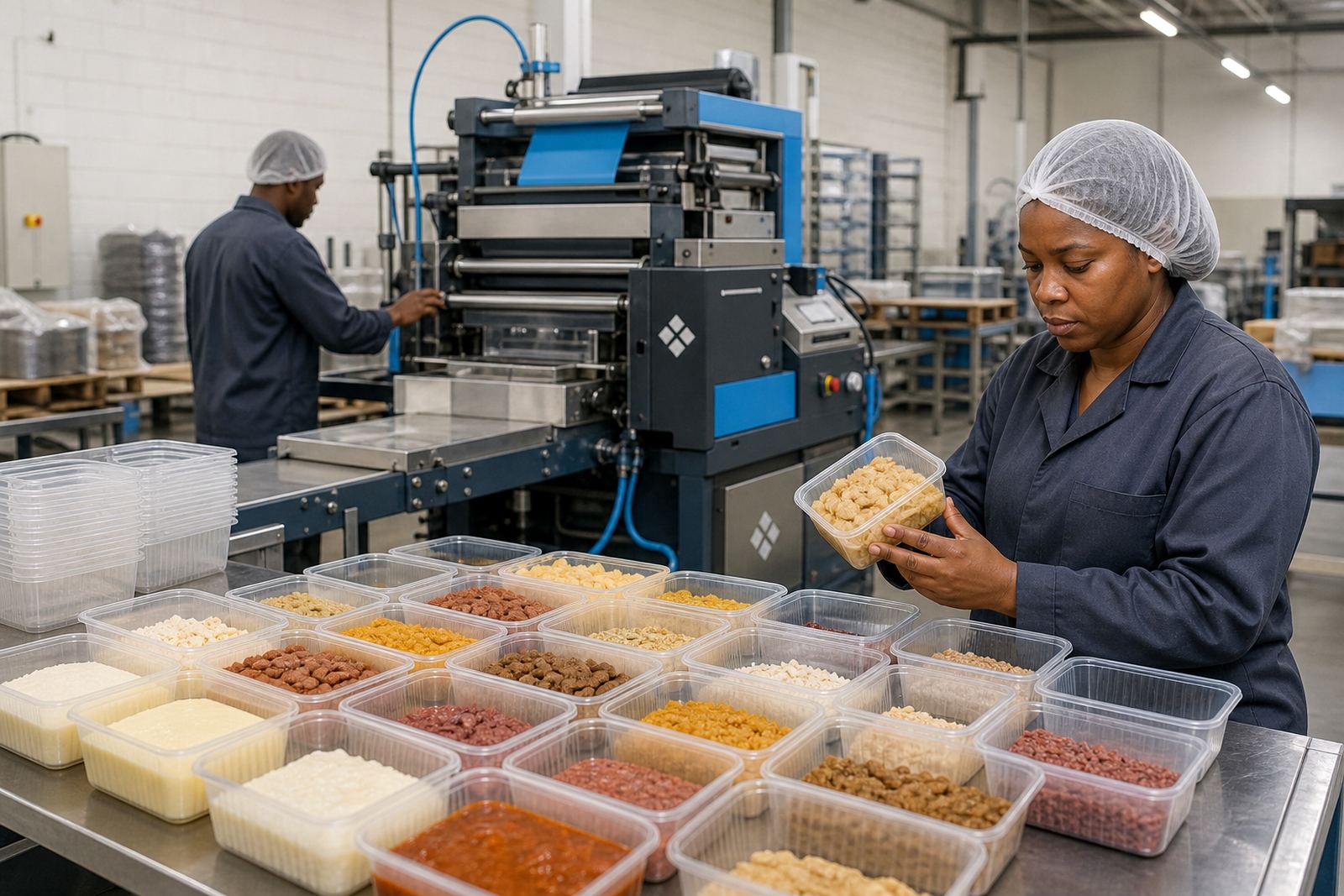
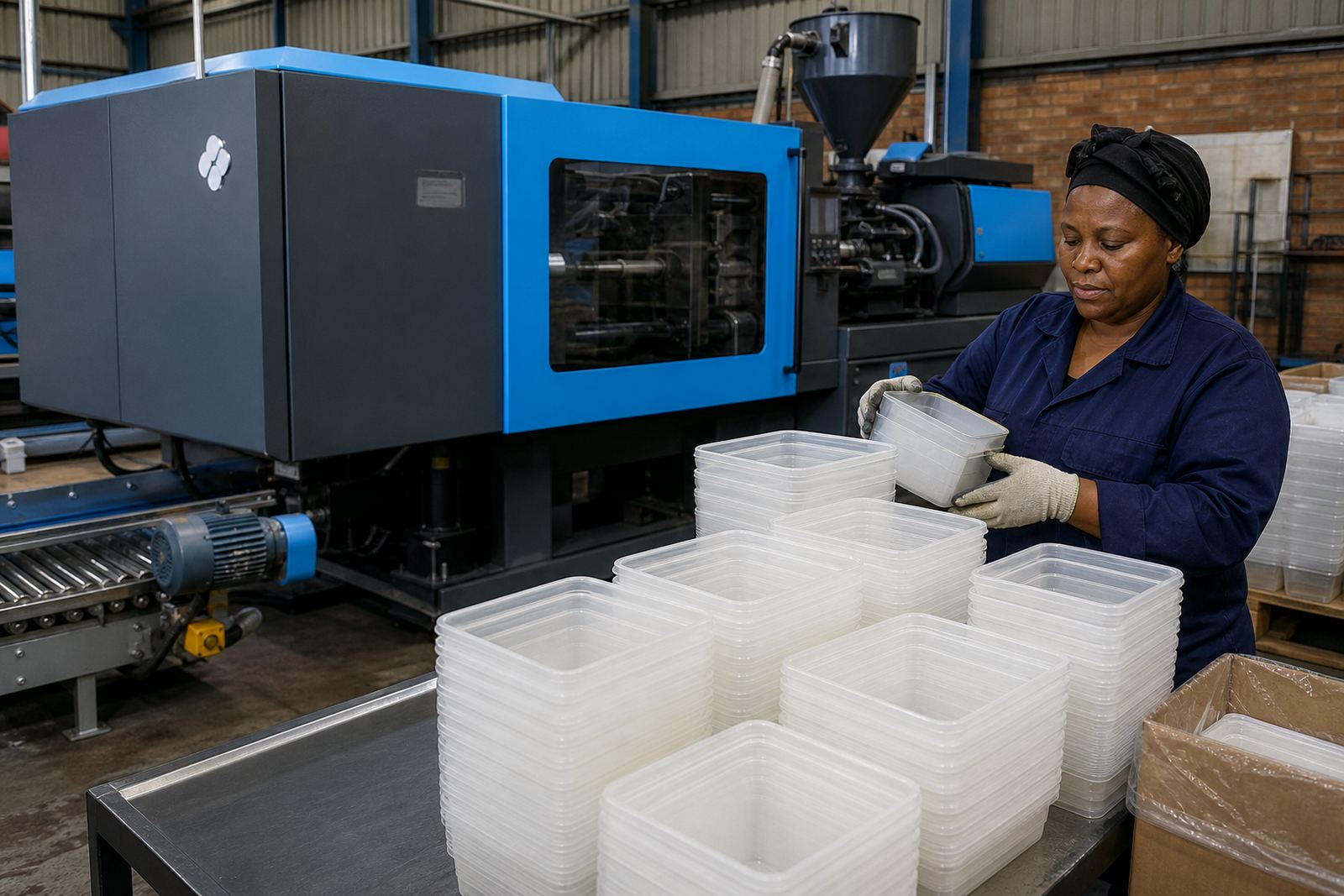
At Plastic Factory, the range is built around injection-moulded tubs and containers that suit filling lines handling powders, creams, gels, tablets, wipes and other packed goods. The focus is on a neat rim finish, repeatable sizing and a body that keeps its form under stacking pressure. That matters on busy pack floors in Johannesburg, Durban and Cape Town where cartons are handled more than once before leaving the site.
Polypropylene is often selected for heat-seal compatible formats because it offers good chemical resistance and practical heat behaviour for many packing applications. HDPE also has a place where the product, fill method or handling conditions call for a different balance of stiffness and toughness. The right choice depends on the product inside, the sealing method and the way the pack moves through the line.
Format choices that fit local filling work
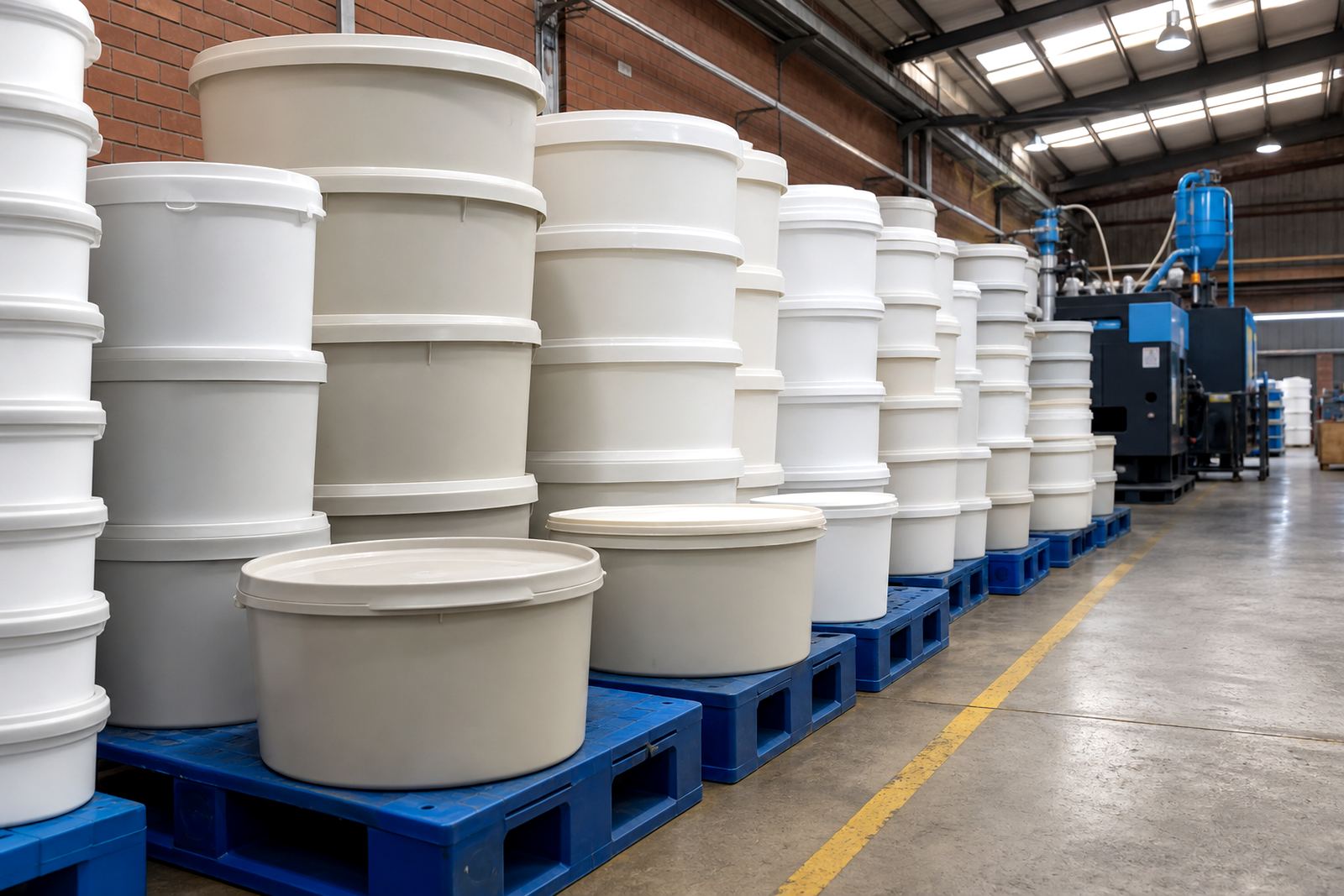
The product range covers a practical spread of round and square tubs, shallow containers, deeper pails and compact units for sample or retail packs. Depending on the fill volume, the same family can be used for light creams, dry powders, sauces, spreads, capsules or non-sterile pharmacy goods packed under controlled conditions. Sizes are generally chosen to suit standard pack counts, shelf space and shipping cartons.
- Small packs for samples, trial fills and cosmetic portions
- Mid-size tubs for sauces, condiments, creams and ointments
- Larger containers for bulk food packing and refill formats
- Matching lids where a neat closure is needed after sealing
- Tamper seals for visible pack security on retail lines
Colour options can be discussed for brand matching or for clear pack differentiation on the filling floor. Natural, white and other solid colours are often used where product visibility, light control or shelf presentation matters. For packers working with multiple SKUs, colour planning also helps separate ranges during stock holding and dispatch.
Where the range suits food, pharma and beauty goods
Heat seal compatible containers are used where the pack needs to stay tidy, closed and easy to identify through warehousing and delivery. Food packers often need a rim that seals consistently and a container body that stacks well in crates or cartons. Cosmetic packers usually look for a clean finish and a lid that sits square after sealing. Pharmaceutical packers place extra weight on repeatable dimensions, surface finish and reliable handling at line speed.
This range suits chilled distribution, ambient storage and route delivery across South Africa, including coastal routes where humidity can affect carton handling and secondary packing. A stable container profile helps reduce scuffing, lid lift and shape distortion when packs move from the filling room to the cold room or dispatch bay.
- Food packs for sauces, spreads, dry mixes and prepared goods
- Pharmaceutical packs for tablets, powders and controlled retail units
- Cosmetic packs for creams, balms, gels and sample ranges
- Contract packing lines needing repeatable rim and lid fit
Fitting details that matter on the line
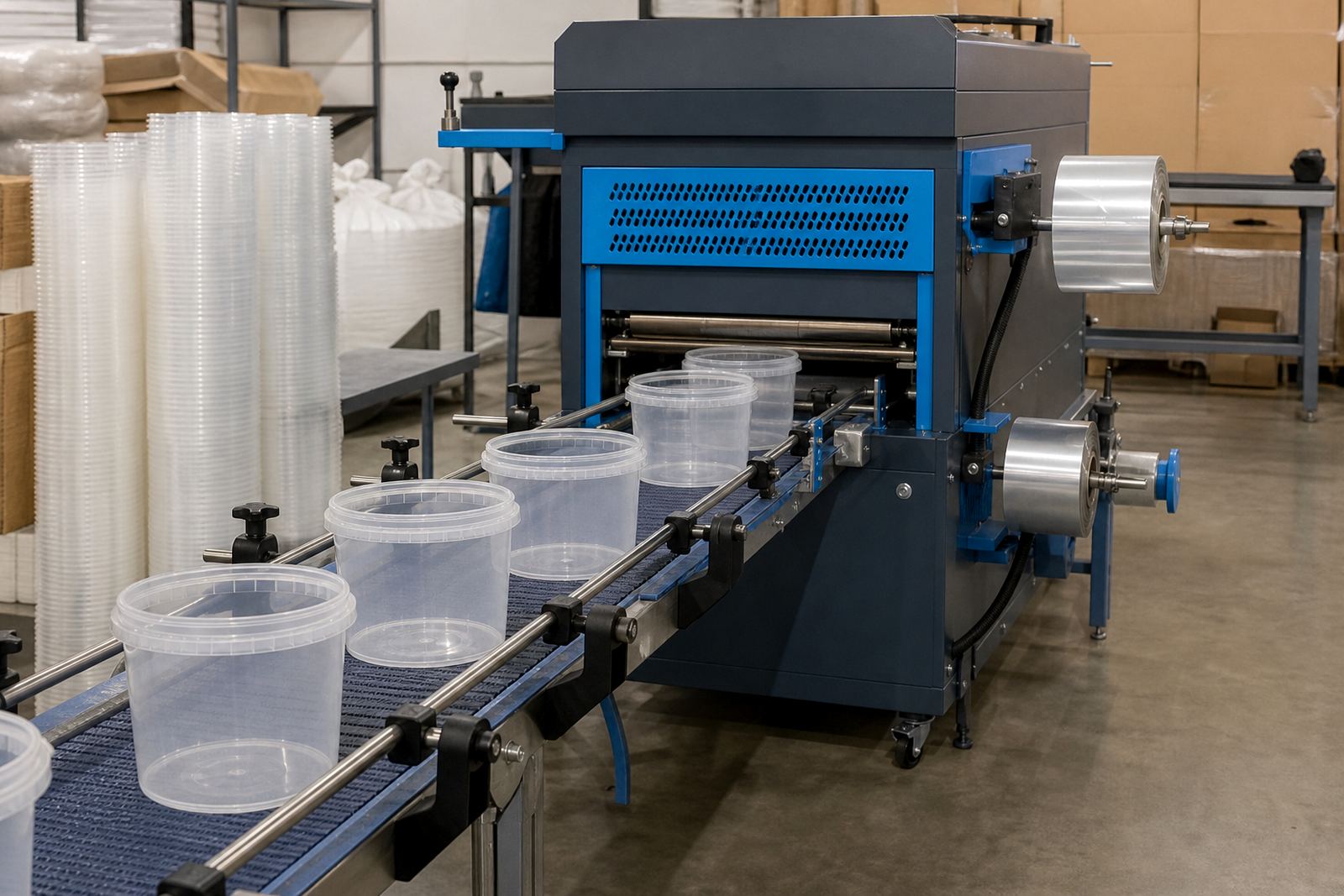
On a real packing line, the container has to suit the sealing head, the fill volume and the closing method. That means checking mouth diameter, rim width, wall stiffness and overall height before a mould is approved for production. Where a membrane seal is used, the rim must present evenly so the seal lands cleanly and the finished pack looks right on shelf and in transit.
Trial production runs are useful for confirming how the tub behaves under heat, pressure and handling. If the pack is going through a lidding step after sealing, the lid development has to match the container neck or rim closely enough to avoid loose closure or edge stress. The fit also needs to work with tamper seals where those are part of the pack specification.
- Check rim profile and sealing surface width
- Confirm internal volume against actual fill weight
- Match lid style to the container top finish
- Allow for stack height in cartons and crates
- Review tamper seal placement and removal method
Care, handling and store room discipline
Injection-moulded containers keep their best appearance when handled with clean storage and sensible stacking. Store them away from sharp edges, dust build-up and heavy side pressure that can mark the rim or twist the body. In humid coastal areas such as Durban or Port Elizabeth, keeping cartons closed until use helps protect the pack surface and keeps secondary packaging neater.
For packers using automated or semi-automated lines, it helps to keep lid sets and tubs grouped by code and size. Mixed stock on a filling floor slows down the line and increases the risk of a mismatch between tub, lid and tamper feature. If the packs are being held for later filling, keep them in orderly stacks, upright and out of direct sunlight.
- Keep packs clean and covered until use
- Do not crush stacked tubs under heavy cartons
- Group lids and containers by size code
- Store away from direct sun and dust
Details to confirm before ordering
For a heat seal compatible pack, the useful starting point is the fill product and the line it will run on. From there, the container dimensions, lid style, seal method and pack count can be matched to the job. If the product is hot-filled, cold-filled or packed at room temperature, that changes how the rim and body should be specified.
The most useful order details are the container volume, mouth size, height, material choice, colour, lid requirement and whether a tamper seal must form part of the pack. It also helps to know whether the goods are for retail, wholesale or export movement. A line fit check can then confirm whether the pack sits properly in the existing packing line and carton format.
- Product type and fill temperature
- Target volume in millilitres or grams
- Preferred material: polypropylene or HDPE
- Need for lid, membrane seal and tamper seal
- Carton count, pallet pattern and storage space
- Colour match or brand separation needs
Key facts
| Material options | Polypropylene and HDPE |
|---|---|
| Pack styles | Round tubs, square tubs, deeper containers and pail-style formats |
| Seal compatibility | Formats suited to membrane sealing before lidding where required |
| Closure options | Matching lids and tamper seals |
| Typical use | Food, pharmaceutical and cosmetic packing |
| Supply areas | Alberton, Germiston, Boksburg, Johannesburg, Durban, Cape Town, Pretoria and Port Elizabeth |