Rectangular tub shape for packed shelves and tight cartons
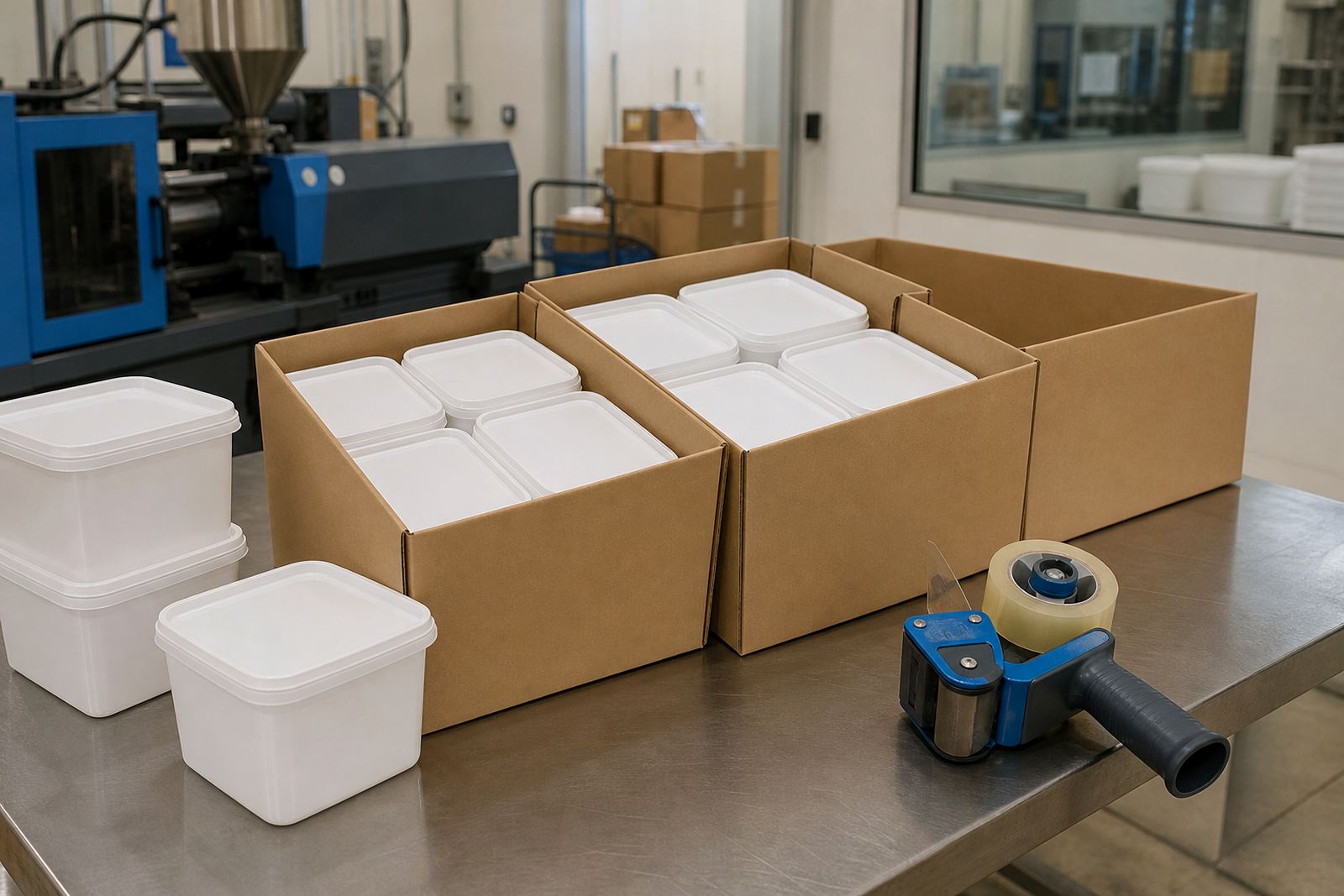
The rectangular deli tub is a practical pack format for foods that sit neatly in retail fridges, on wholesale shelves, and inside transport cartons. The straight walls use space well, while the corners give a clean stack and a steady fill line for packers working with varied portions.
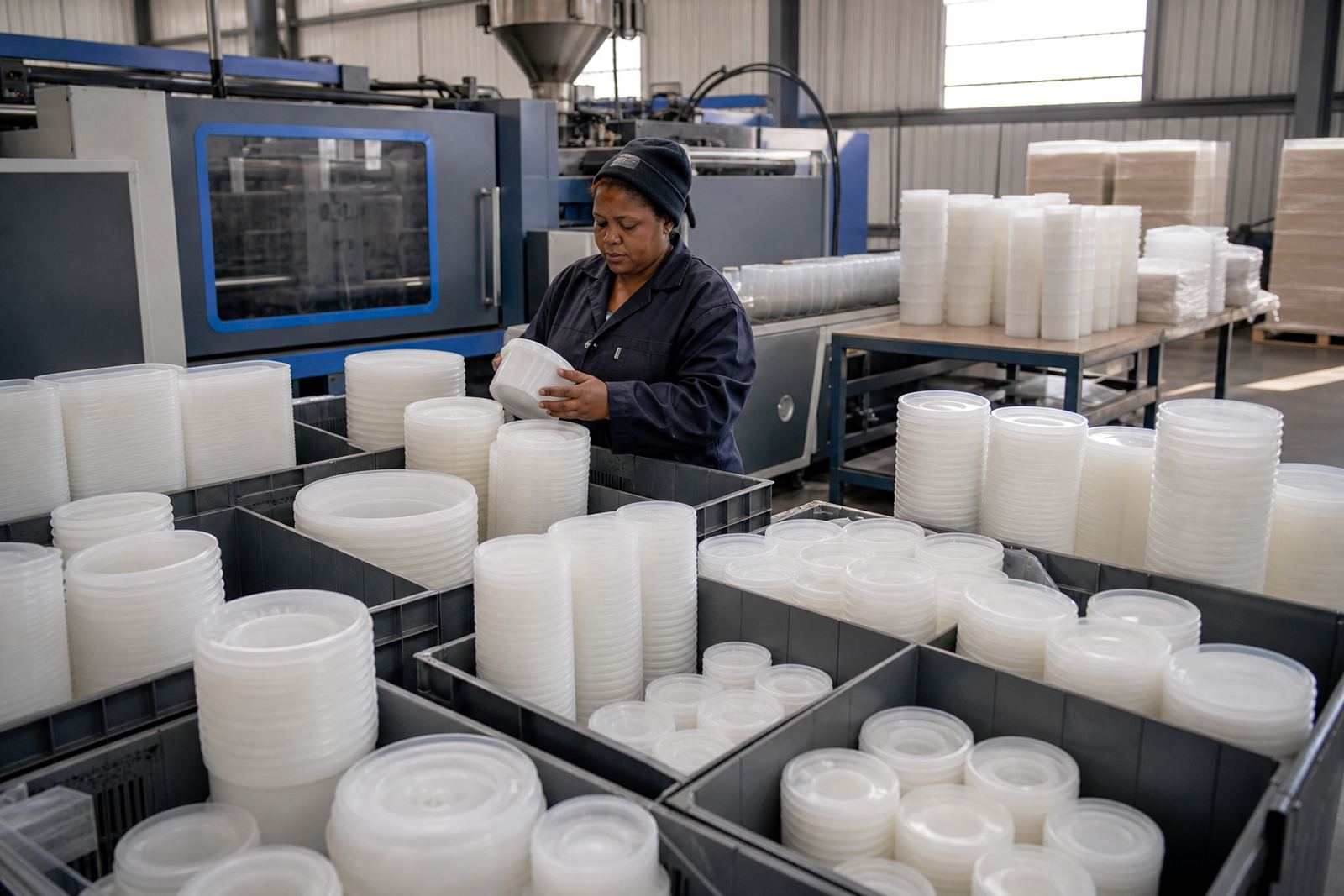
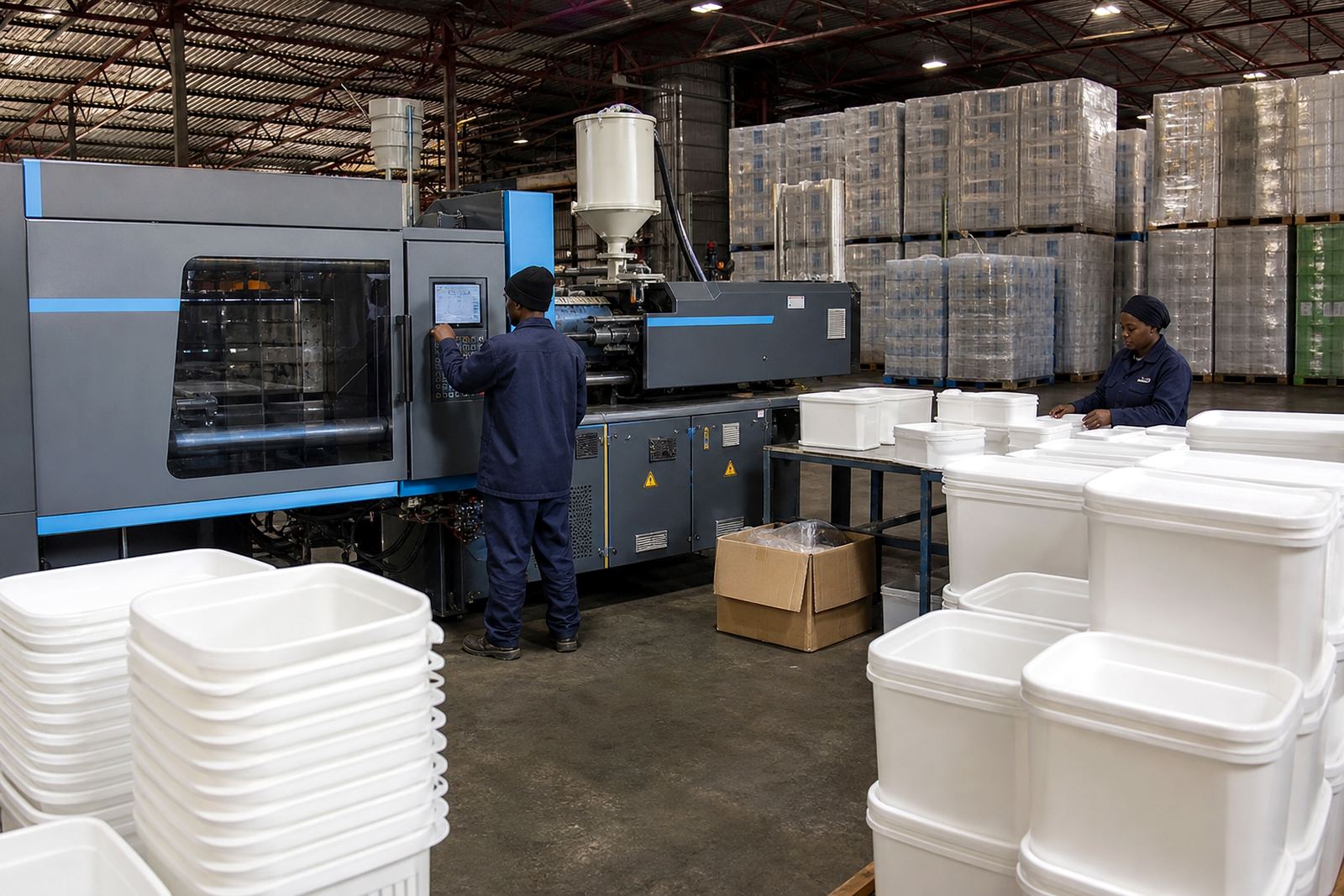
Injection moulding gives each tub a consistent wall profile and a repeatable rim, which matters when lids must sit evenly on a packing line. For prepared foods, spreads, sauces and chilled portions, the shape helps keep packs aligned during filling, sealing and dispatch around Johannesburg, Durban, Cape Town, Pretoria and Port Elizabeth.
- Rectangular footprint for space-efficient packing.
- Consistent rim profile for lid seating.
- Suitable for chilled, ambient and frozen product ranges.
- Works with manual packing tables and higher-output lines.
Materials, grades and finish options for different product lines
These tubs are commonly produced in polypropylene or HDPE, depending on the product, the required stiffness and the way the pack will be handled. Polypropylene is widely used where a cleaner finish and good rigidity are needed, while HDPE is often chosen for impact resistance and a slightly more flexible feel.
Food-safe material selection is handled with the filling line in mind, including contact with oils, moisture and cold storage. Colour matching guidance can be added where a range needs a consistent shelf look, and plain natural or solid colour finishes are both used across food, pharmaceutical and cosmetic packing.
- Polypropylene options for firm side walls and neat presentation.
- HDPE options for handling strength and good crack resistance.
- Food-safe grades for prepared foods and ingredient packs.
- Colour choices can support product coding or shelf grouping.
Sizes that suit portions, meal packs and ingredient tubs
Rectangular deli tubs are supplied in a range of sizes to match portion control, family packs and bulk ingredient packing. The right size depends on the product density, headspace, filling temperature and whether the pack travels through a lidding or tamper-seal step before dispatch.
Common project checks include height, top length, top width and fill volume, together with the outside footprint needed for cartons and display trays. For packers handling local distribution, it also helps to confirm how the tub nests, stacks and separates on the line, because that affects speed and carton use.
- Small tubs for sauces, dips and portion packs.
- Mid-size tubs for salads, spreads and prepared meals.
- Larger tubs for deli items, fillings and bulk kitchen use.
- Stacking profile suited to case packing and cold-room handling.
Lids, tamper seals and line fit checks
A rectangular tub only works properly when the lid, rim and seal all sit together without distortion. Plastic Factory can support lid development and tamper seal design so the closure suits the product, the shelf presentation and the packing method used on site.
Line fit checks matter where tubs move through filling heads, manual closing stations or sealing equipment. The closure needs to engage cleanly, the seal band must sit evenly, and the pack should travel through handling and cartoning without lifting at the corners. Trial production runs help confirm the fit before a full stock run goes ahead.
- Lids can be specified for snap fit or tight closing.
- Tamper seals support retail presentation and product protection.
- Trial runs confirm fit on the actual packing line.
- Secondary packing advice helps with carton counts and handling.
Where rectangular deli tubs sit best in the market
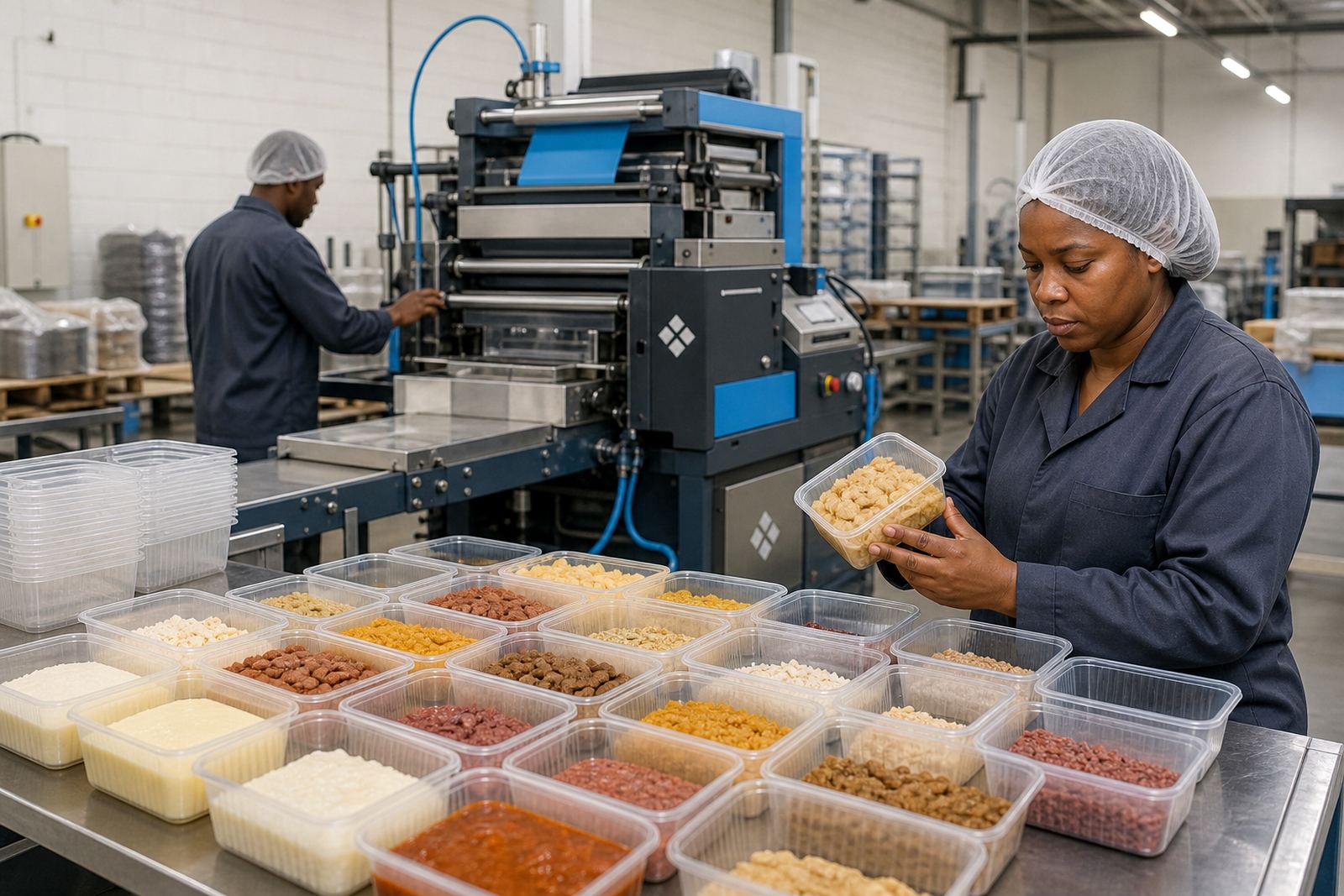
These tubs suit packers of prepared foods, chilled salads, sandwich fillings, confectionery ingredients and other controlled-portion products. They are also used for pharmaceutical and cosmetic related packs where a neat rectangular shape suits shelf stacking, storage and handling.
In humid coastal areas such as Durban and Port Elizabeth, secure lid fit and consistent sealing matter during distribution and storage. In Gauteng, the same pack format is often chosen for depot supply, retail back-up stock and contract packing work where carton efficiency has a direct effect on handling and transport planning.
- Prepared foods and deli counters.
- Spreads, sauces and portion-controlled fillings.
- Pharmaceutical support packs and sample containers.
- Cosmetic creams, masks and bulk refill formats.
Care, storage and order details worth confirming
Rectangular tubs should be stored in clean, dry conditions and handled so the rims stay free of dust, grease and foreign matter. When products are packed close to closing machinery, the tub stack should be kept level so the side walls do not twist before filling and lidding.
When ordering, confirm the product type, fill volume, preferred material, colour, lid style, tamper seal requirement and any special carton count. It also helps to confirm the line format, whether the fill is hot or cold, and whether the tub must suit refrigeration, freezing or a warehouse shelf. If a stock run is needed, the expected monthly pull and the delivery point across South Africa should be set out clearly, because that guides production planning and dispatch.
- Confirm top dimensions, base stability and fill volume.
- Confirm material choice for your product and storage method.
- Confirm lid type, seal detail and carton count.
- State delivery area, from Alberton supply to national routes.
Key facts
| Product | Rectangular Deli Tub |
|---|---|
| Material options | Polypropylene or HDPE |
| Typical uses | Prepared foods, spreads, portion-controlled products |
| Closure options | Matching lids and tamper seals |
| Process | Injection-moulded container |
| Supply area | Alberton, Johannesburg, Durban, Cape Town, Pretoria, Port Elizabeth and nationwide delivery |