Polypropylene tubs built for packing line work
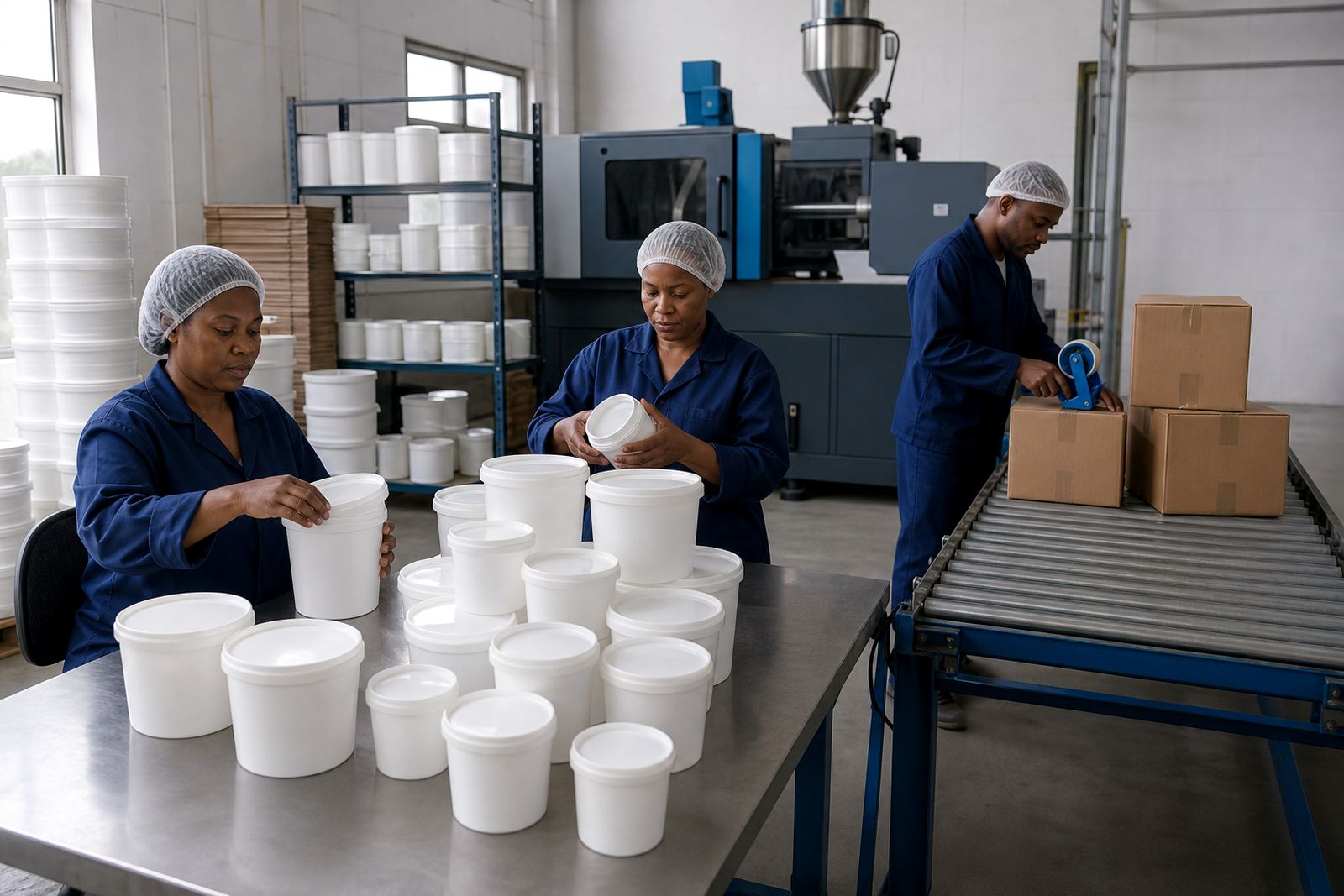
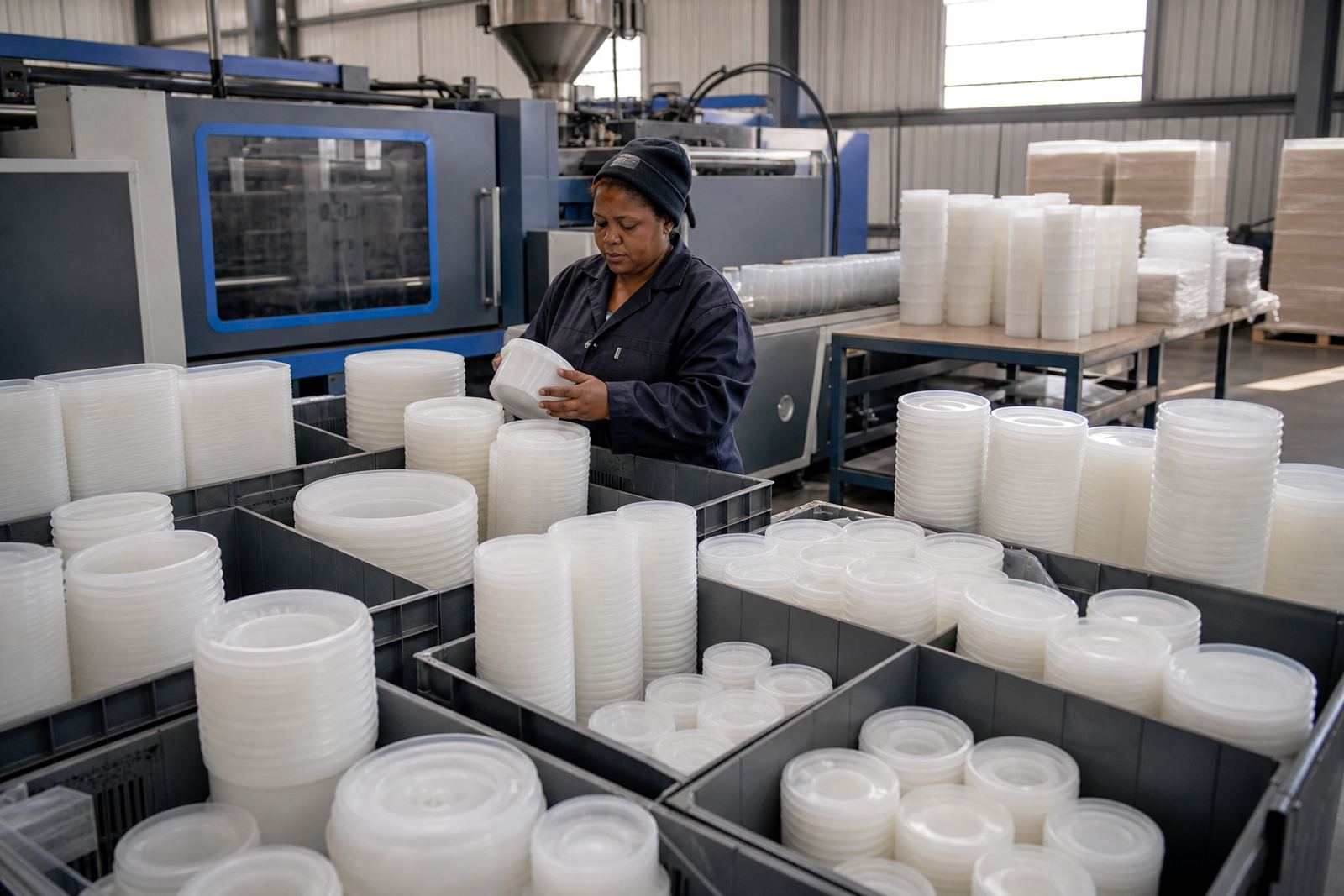
PP containers are injection-moulded for repeatable shape, even wall finish and reliable stacking. In plain terms, that means the tub holds its form through filling, capping and warehousing without feeling flimsy or awkward on the line. Polypropylene also gives packers a neat surface for labels and sleeves, while keeping the container light enough for regular handling.
Plastic Factory supplies PP tubs for local packers in Alberton, Johannesburg, Durban, Cape Town, Pretoria and Port Elizabeth. The range is suited to dry goods, semi-moist products and many personal care items where a tidy pack presentation matters. For food work, the material is used where packers need a food-safe polymer choice for contact packaging, with matching lids and seals available for controlled closing.
Sizes, wall profiles and closure options
The range covers small retail tubs through to larger trade and bulk pack sizes. Common formats include round and square containers, with shallow profiles for spreads or creams and deeper bodies for products that need more fill depth. Capacity planning matters here, because the same nominal size can behave differently once a product has a thick texture, a dome top or a top seal in place.
- Small tubs for single-serve or sample packs
- Mid-size containers for retail food, cosmetics and personal care
- Larger tubs for repack and foodservice packs
- Round and square bodies, depending on pack presentation
- Snap-on lids, sealing lids and tamper-evident options
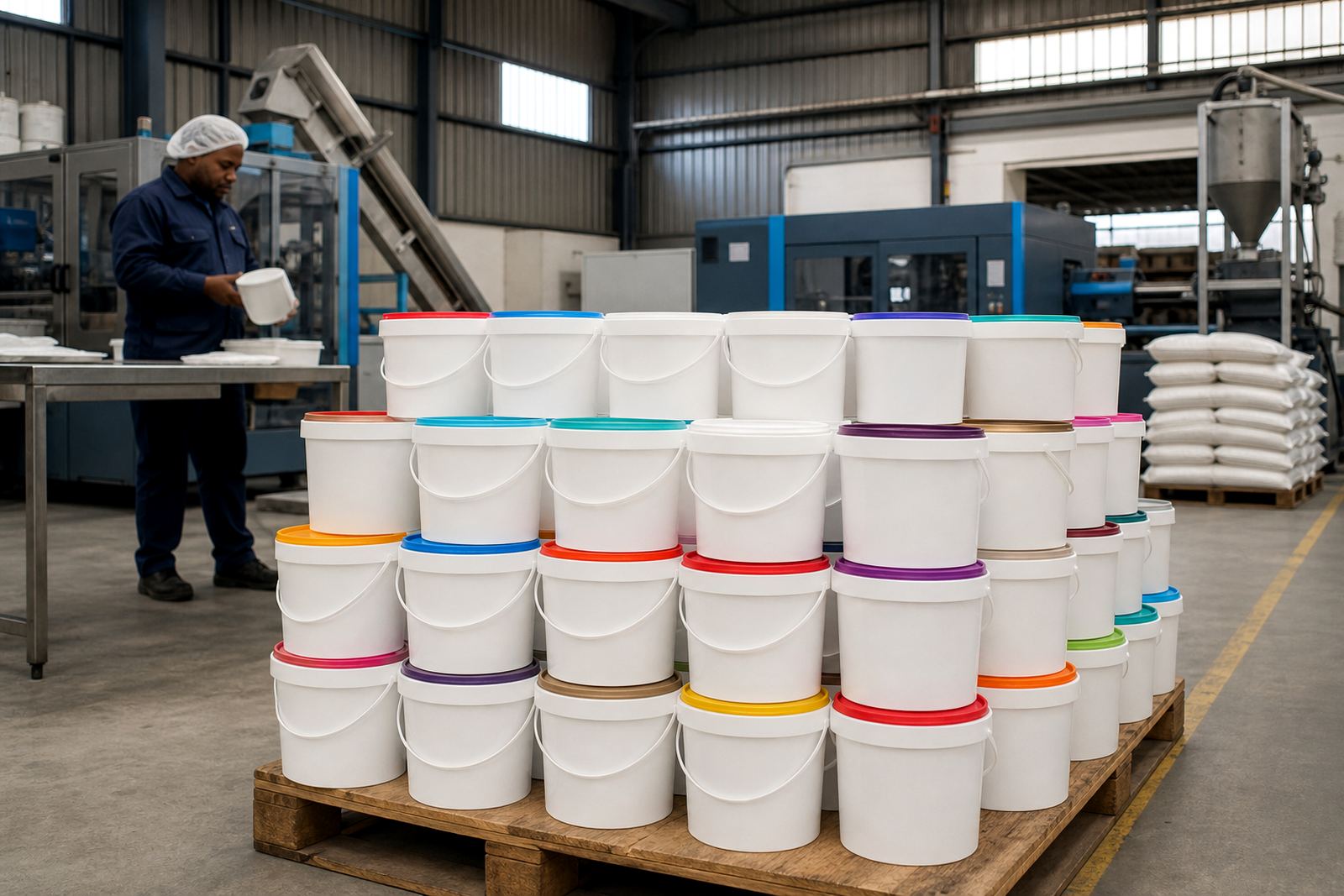
- Colour matching guidance for brand alignment
Where a pack needs extra line control, lids can be developed to suit the closure method and the product fill. Tamper seals can be matched to the container style, and the closure profile can be checked against the way the pack is filled, stacked and opened by the end user.
Where PP containers suit the best
Polypropylene has a practical balance of rigidity and finish, so it suits packers who need containers that look clean and handle well across day to day production. Food processors use PP tubs for sauces, prepared ingredients, powders and other products that need a stable pack. Pharmaceutical and cosmetic packers often prefer the neat appearance and consistent shape for tablets, creams, balms and sample lines.
The range also suits businesses that move products through secondary packing, where the tub must sit properly in cartons or trays. When the pack format is changing between product lines, a proper line fit check helps confirm that the container, lid and sealing method all work together without wastage or fiddly handling. That sort of check is usefull when packs move between sites in different provinces, because local distribution can expose weak pack choices quickly.
- Retail food packing
- Pharmaceutical repack and unit packs
- Cosmetic creams, balms and powders
- Prepared foods and takeaway supply
- Contract packing and private label runs
Material selection for product behaviour and shelf presentation
PP is often chosen where a packer wants a container that feels firm in hand but still packs efficiently on automatic or semi-automatic lines. The finish can be tailored through mould development and trial runs, which helps when a product needs a particular depth, shoulder shape or lip detail. For many buyers, the choice is between a lighter everyday pack and a heavier profile that gives more body on shelf.
Colour matching guidance can be used when the container is part of the brand look, whether that is a plain white body for food or a tinted body for cosmetic ranges. If a product needs clearer product visibility, pack size planning and lid development can be set around the material colour and the label area. A good match between material and closure reduces wasted product and keeps the pack looking tidy after transport.
Fitting the container to your filling line
PP containers need to suit the way your line closes, stacks and moves product through packing. That includes the mouth finish, lid engagement, tamper seal format and the way the pack behaves in trays or cartons. A trial production run helps confirm whether the tub sits properly on the line and whether the closure feels secure without forcing the operator.
Where packers work with heat-sealed liners, tamper rings or overcaps, the closing method has to line up with the moulded dimensions. This is especially important for food and pharmaceutical packs that travel through Johannesburg, Durban or Cape Town distribution routes, where a poor fit can show up as lid lift, scuffing or seal damage. The point is not fancy packaging, it is a pack that stays neat from fill point to shelf.
- Check container height against fill volume
- Confirm lid engagement and seal profile
- Match the tub to your carton or tray size
- Test label placement and shelf face area
- Review any tamper-evident feature before approval
Care, handling and stock planning
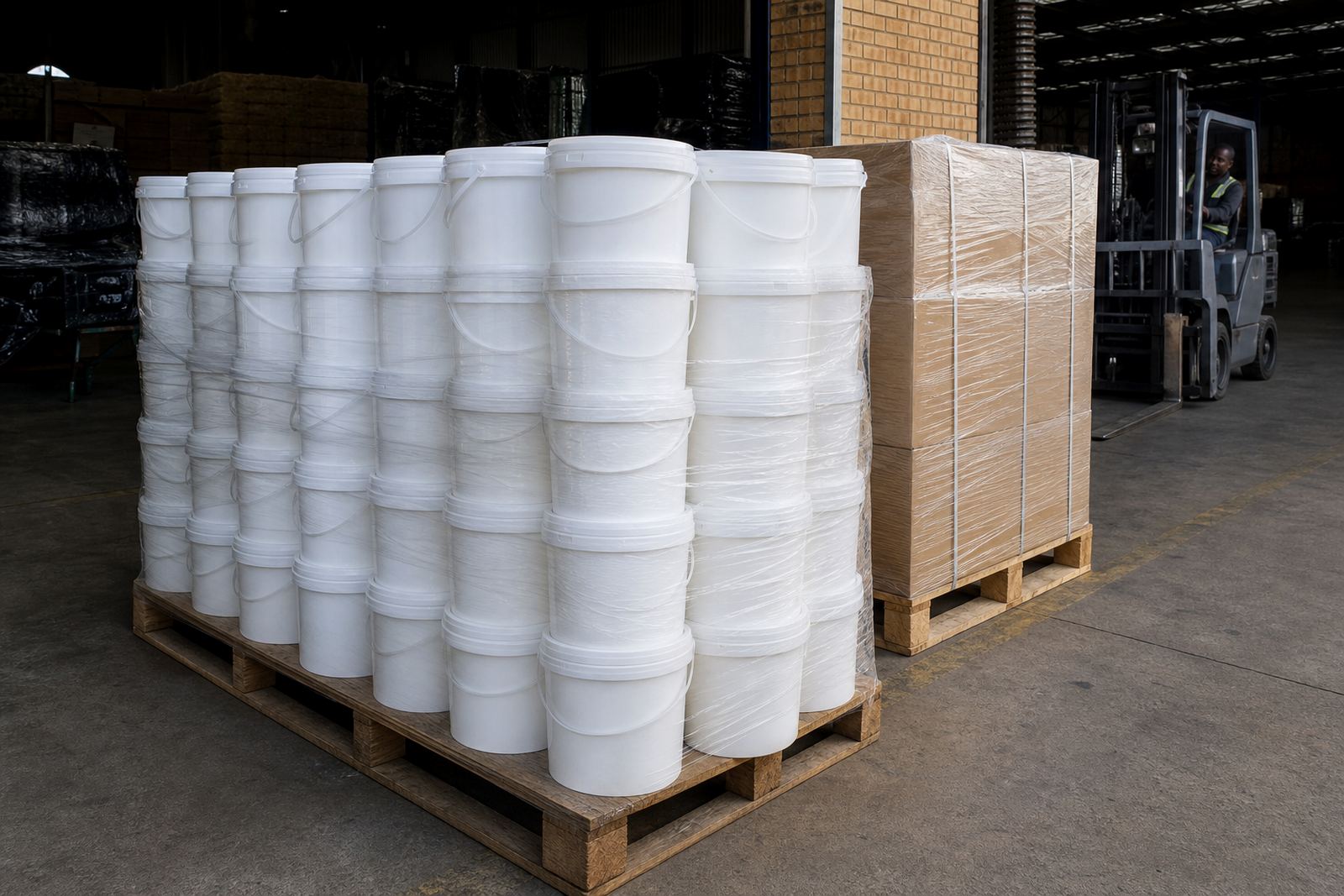
Polypropylene containers should be stored clean, dry and away from heavy dust so the rim and sealing face stay in good condition. On busy packing floors, the tubs should be handled by the body rather than the lip where possible, because that keeps the closure area straighter and cleaner. If the product is being held in stock before packing, rotation matters so older cartons are used first and the pack line is not left short at a critical moment.
Stock run planning is useful where multiple pack sizes are used across food, cosmetic or pharma lines. It helps to plan when a certain colour, lid style or tamper seal is needed in larger volume, and when a smaller run will do for a seasonal line. Secondary packing advice can also help when the containers need to fit into retail trays or shipping cartons that are already fixed in size.
- Keep containers boxed until use where possible
- Avoid crushing the rim or lid seat
- Store away from direct heat and grit
- Use first-in, first-out stock rotation
- Check cartons for transit damage before use
Key facts
| Material | Polypropylene (PP) injection-moulded containers and tubs |
|---|---|
| Formats | Round and square tubs with matching lid options |
| Closure options | Snap-on lids, sealing lids and tamper-evident formats |
| Typical uses | Food, pharmaceutical and cosmetic packing |
| Pack sizes | Small sample tubs through to larger trade containers |
| Supply areas | Alrode, Alberton, Johannesburg, Durban, Cape Town, Pretoria and Port Elizabeth |