A tub that keeps the pack line orderly
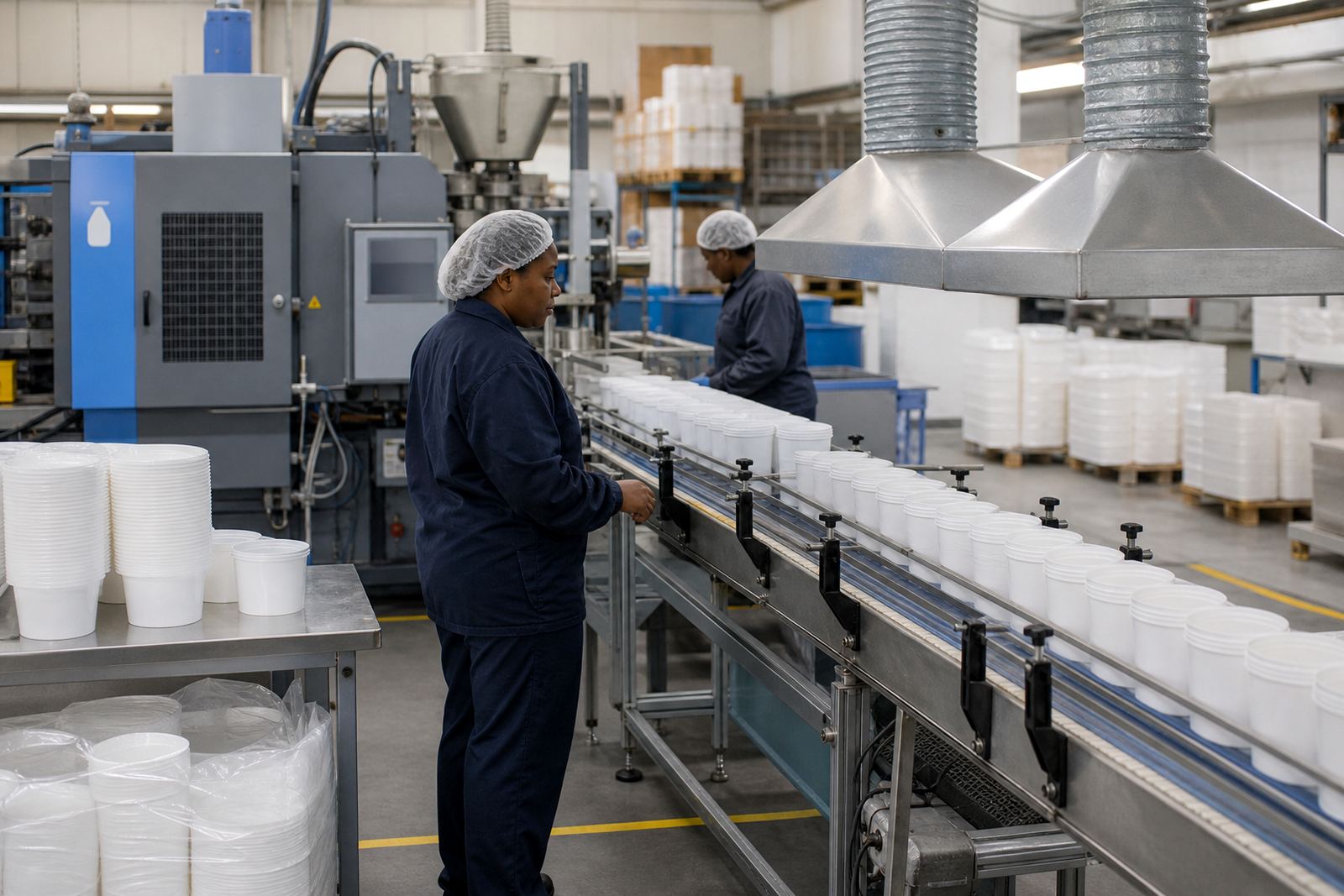
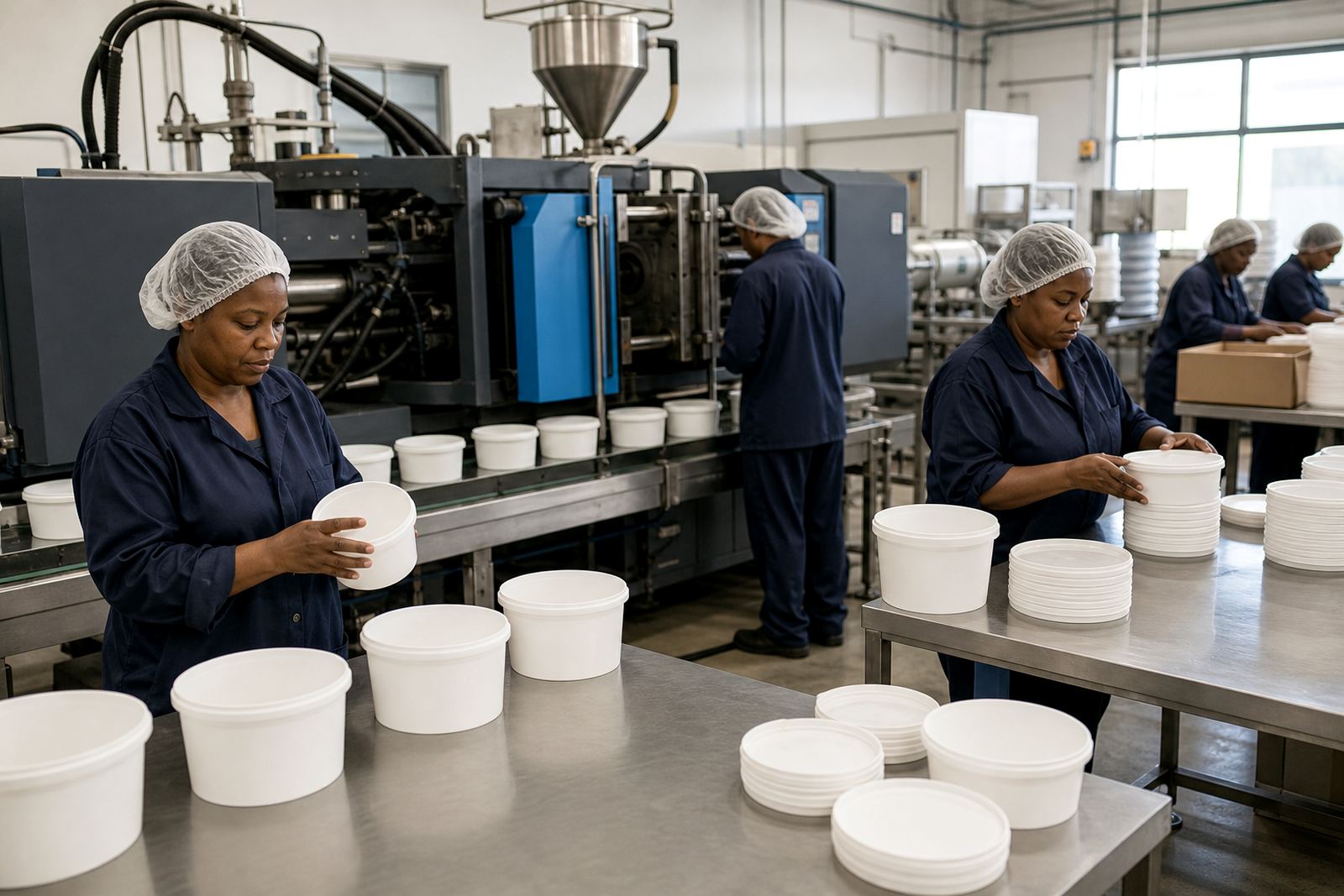
The Pharma Pack Tub is an injection-moulded container made for organised handling in pharmaceutical packing rooms, repacking areas, and distribution spaces. It is suited to tablets, capsules, topical products, sample kits, and grouped components that need to stay together in a dependable tub during filling, closing and movement through the pack line.
Injection moulding gives the tub a consistent wall profile, formed rims, and repeatable dimensions from batch to batch. In practical terms that means the tub sits neatly under a filler, stacks with fewer handling issues, and presents a uniform finish on the shelf or in transit. For packers working in Johannesburg, Alberton, Pretoria, Durban, Cape Town, Port Elizabeth and other South African centres, that consistency helps when a product line has to move between production, packing, and dispatch with less fuss.
The tub is generally supplied in polypropylene or HDPE, depending on the product, handling method and filling conditions. Both materials are used widely in packaging because they handle everyday use well and are suitable for many food-safe and non-sterile pharmaceutical applications. Lids, tamper seals and matching packs can be set up to suit the required closure style, the line speed, and the amount of protection needed in storage.
Sizes, volumes and closure options
Pharma Pack Tub sizing is selected around the pack count, fill volume, and the space available on trays, cartons or shelves. Some packers need a compact tub for sampling and small batch work, while others want a wider opening and a deeper body for bulk handling or grouped contents. Wall thickness, stacking profile and shoulder shape can also be adjusted during mould development to suit the product and the filling line.
- Small, medium and larger tub formats for different fill volumes
- Round or straight-sided profiles, depending on handling and shelf use
- Clip-on lids or press-fit lids, subject to the closure requirement
- Tamper-evident seal features where product security is needed
- Clear, white or colour-matched bodies for line identification
- Matte or smooth finishes for practical handling and presentation
Material choice is part of the specification. Polypropylene is often chosen for its light weight, resilience, and familiar use in packaging. HDPE is often selected where toughness, squeeze resistance, or a slightly different handling feel is preferred. The final choice depends on the goods, the expected storage conditions, and whether the tub needs to move through secondary packing, labelling, or distribution with minimal scuffing.
Where the Pharma Pack Tub fits best
This tub suits non-sterile pharmaceutical packing where products need to be grouped cleanly and handled in a controlled way. It is useful for secondary packaging, kit assembly, sample organisation, repacking, and holding loose items before final cartoning or labelling. It also suits allied sectors that need neat small-container handling, including cosmetic packing and certain health product ranges.
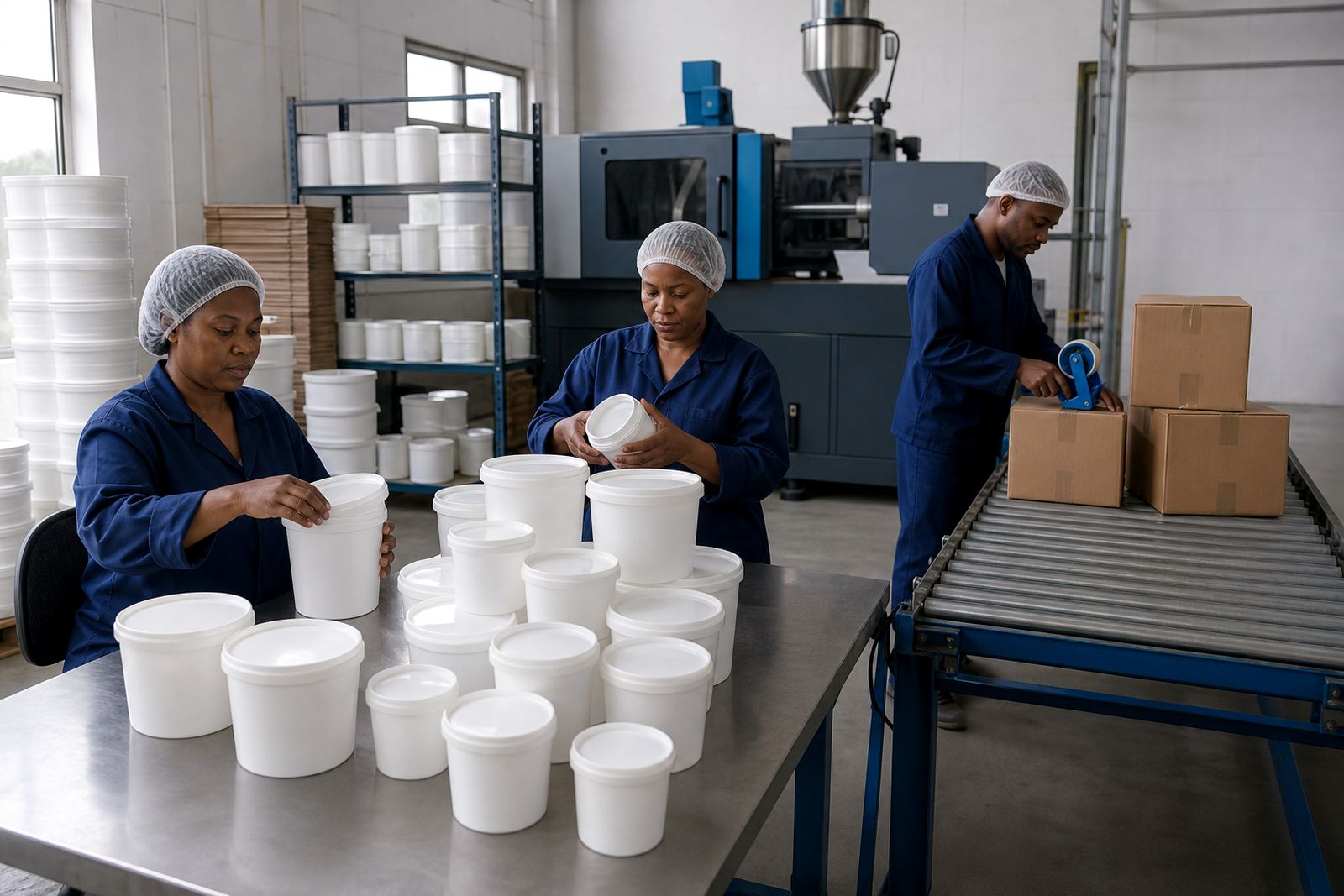
Packers often use this type of tub when the contents must remain visible, counted, and easy to move without unnecessary re-handling. On a packing line, the right tub shape helps with filling, capping, tray transfer and carton loading. In stores and dispatch areas, the stackable form helps keep batches separated and easier to identify, especially when several pack sizes are running in the same facility.
- Non-sterile pharmaceutical packing and secondary handling
- Tablet, capsule and powder grouping for pack-out stages
- Sample packs and promotional kits
- Cosmetic and personal care items in grouped form
- Short-run and recurring production in local packing rooms
For operations in coastal cities such as Durban and Cape Town, material choice and closure fit matter because storage conditions can vary. Humidity, dust and handling in busy packing areas can affect presentation, so the tub and lid combination should be matched to the actual route from filling to delivery.
Fitting the tub to your line
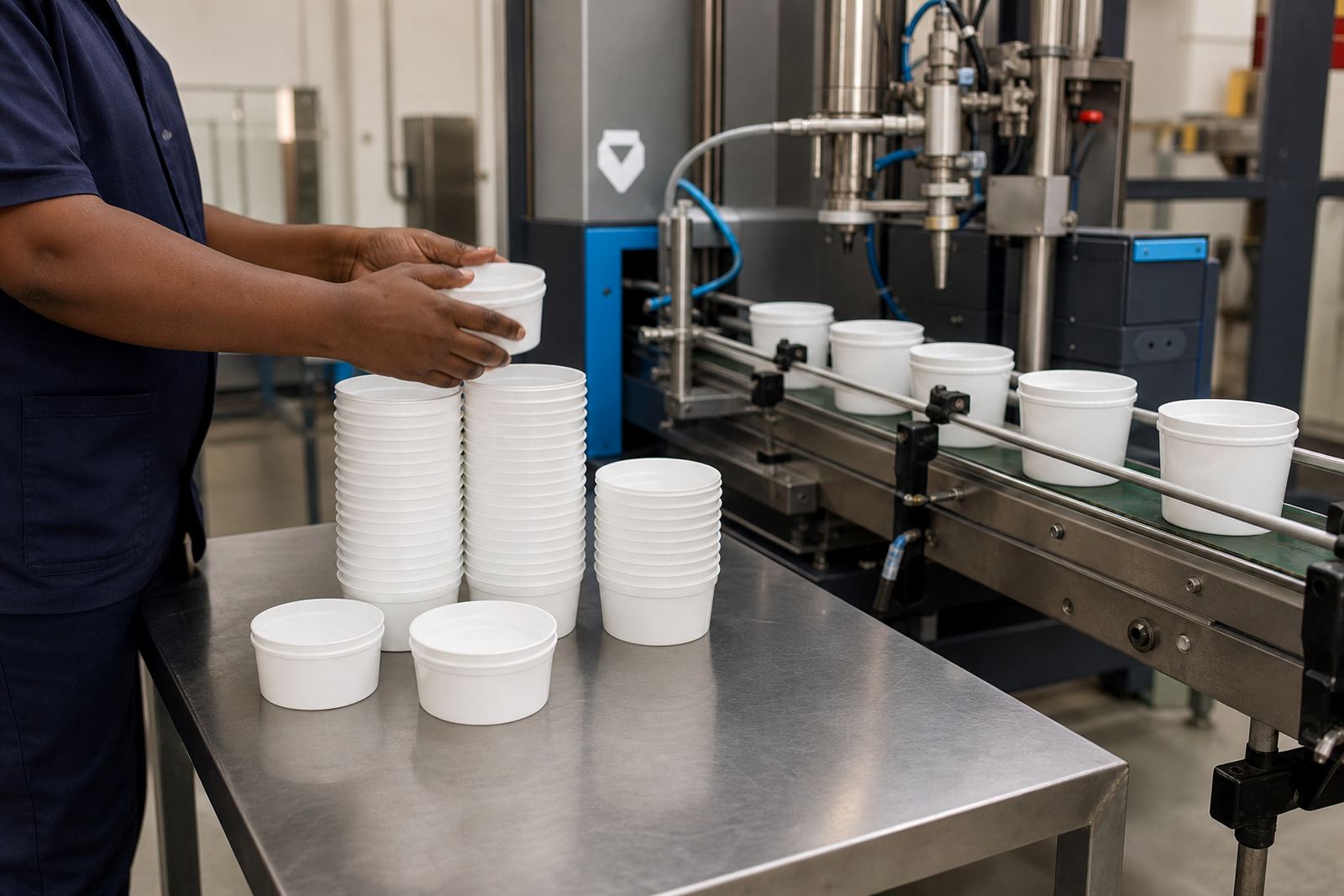
A Pharma Pack Tub needs to fit the way your line works, not the other way round. That includes the fill method, the closure method, the label position, the carton size and the tray pattern. If the tub is going onto an existing conveyor, turntable, bench fill point, or manual pack line, line fit checks help confirm that the body diameter, base stance and lid profile are workable before full production is set.
Where tamper seals are required, the seal band or shrink-style closure must suit the neck finish and the level of opening resistance expected. Trial production runs can be used to confirm how the tub behaves under filling, closing and transport. That is especially useful when the pack includes a printed label, insert leaflet, desiccant pouch or grouped components that need to sit neatly inside without bulging the closure.
- Confirm the fill volume and net content target
- Check opening diameter against product and tooling needs
- Match lid style to your packing method
- Confirm whether tamper evidence is required
- Check pallet, carton and tray dimensions for dispatch
For packers using automated or semi-automated lines, minor dimension differences can affect feeding and capping consistency, so the tub should be checked against the actual handling path. A good fit saves rework and keeps the pack line running in a cleaner sequence.
Care, storage and everyday handling
These tubs are intended for regular packing-room use, so care is straightforward. Keep them clean, store them in a dry, dust-controlled area, and avoid rough stacking that can distort rims or closures. If the tubs are used in a humid coastal store, allow the cartons or bags to stay closed until needed so the contents remain protected during holding and movement.
During routine handling, inspect the lid rim, base and seal area for any visible marks before filling. If a batch is being used on a recurring line, keep the same tub specification together so there is no mix-up between sizes or closure types. For colour-coded ranges, maintain the agreed shade across production runs so that stock separation remains clear for operators and dispatch staff.
In facilities where the tubs are filled and then packed into cartons or overwrapped for transport, the secondary pack should be checked for scuffing, label adhesion and lid security. Good handling habits reduce damage during storage and make batch control easier in the warehouse. A little attention at pack-off saves trouble later on the receiving side, especially when stock is moving between Alberton, Germiston, Boksburg and further afield.
Details to confirm before production begins
When ordering a Pharma Pack Tub, the most useful details are the actual pack count, the product form, the closure need and the route the tub will follow after filling. If the contents are loose, fragile or sensitive to movement, the body shape and lid fit should reflect that. If the product is part of a regular programme, the repeat order details should stay fixed so the same tooling and specification are used every time.
- Required capacity in millilitres or grams
- Product type, fill form and handling method
- Polypropylene or HDPE preference
- Lid style, tamper seal need and closure finish
- Colour preference and any line identification requirement
- Carton count, pallet pattern and delivery destination
For South African packers, delivery planning matters just as much as the container itself. Johannesburg, Pretoria, Durban, Cape Town and Port Elizabeth all have different receiving routines, so the pack size, carton count and dispatch format should be set to suit local handling on arrival. If you need a custom tub, lid development or material selection support, the specification can be built around the packing room and the product, not just a catalogue size.
Key facts
| Product type | Injection-moulded Pharma Pack Tub |
|---|---|
| Materials | Polypropylene or HDPE |
| Typical use | Non-sterile pharmaceutical packing and secondary handling |
| Closure options | Matching lid, press-fit lid, clip-on lid and tamper-evident sealing options |
| Sizes | Small, medium and larger capacities available by specification |
| Supply areas | Alberton, Germiston, Boksburg, Johannesburg, Durban, Cape Town, Pretoria and Port Elizabeth |