Built for dry fills that need neat handling
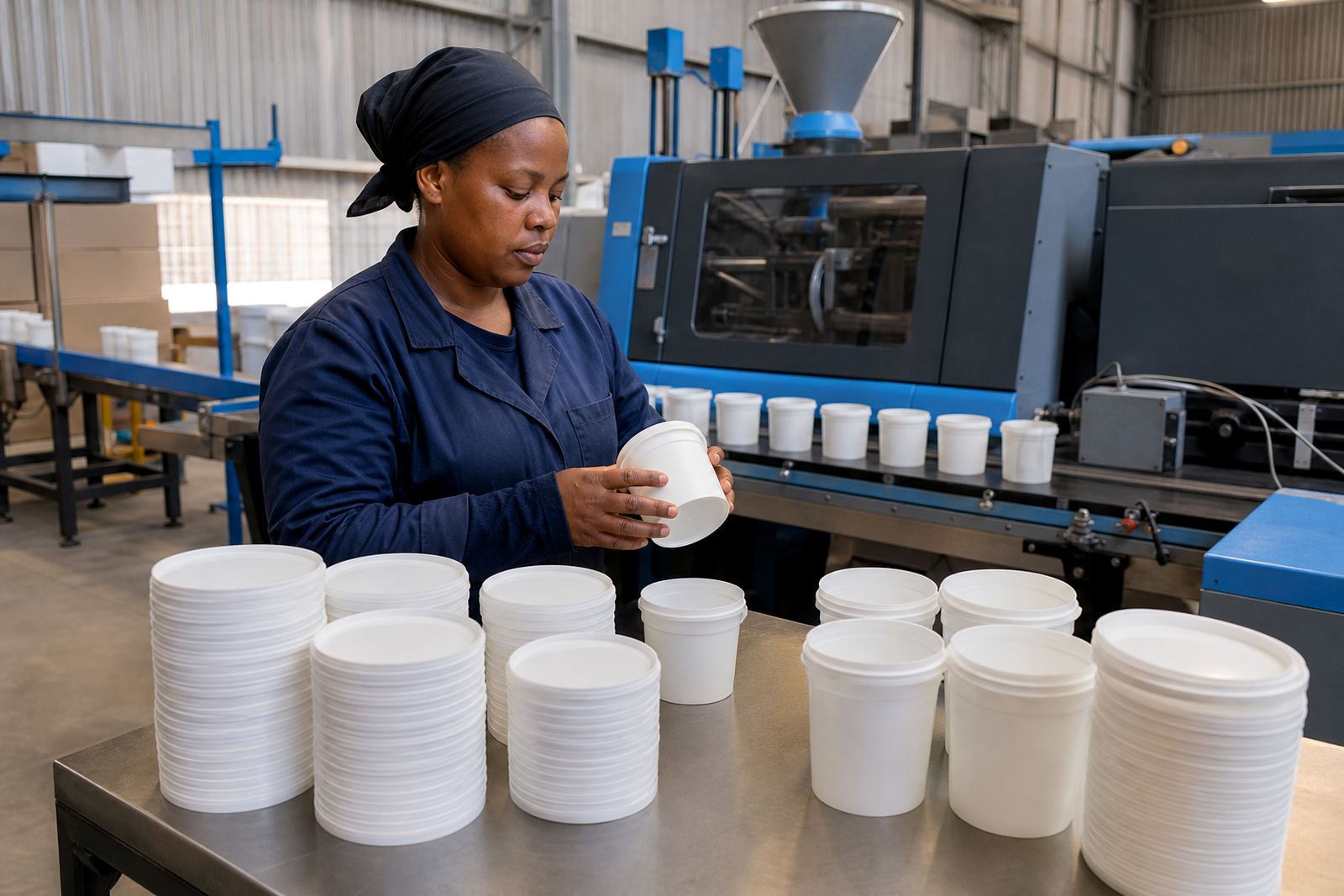
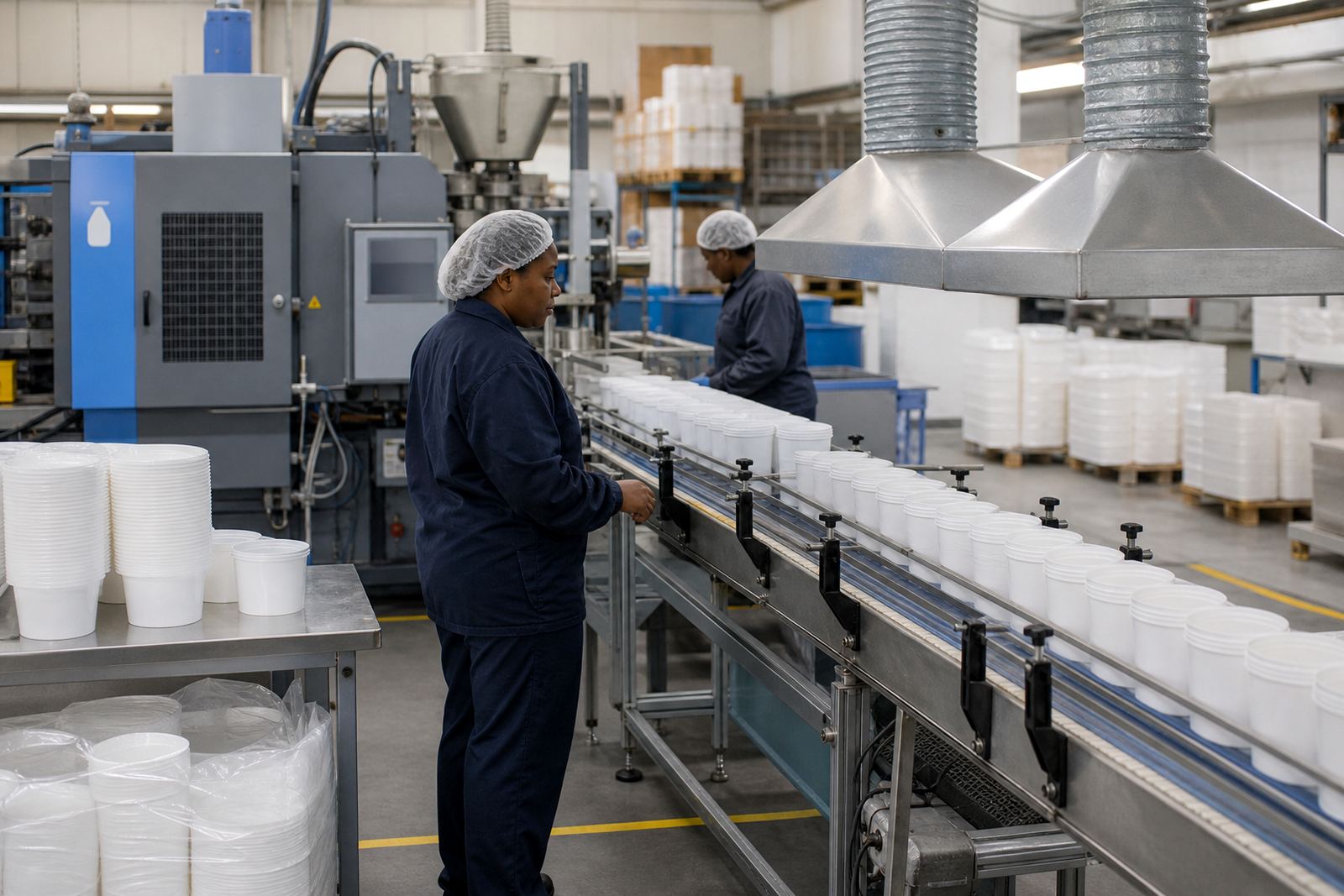
The Powder Pack Tub is an injection-moulded container made for dry product packs that move through busy filling lines. It gives a straight fill path, a stable rim for lidding, and a shape that sits properly on packing belts, crates and store shelves.
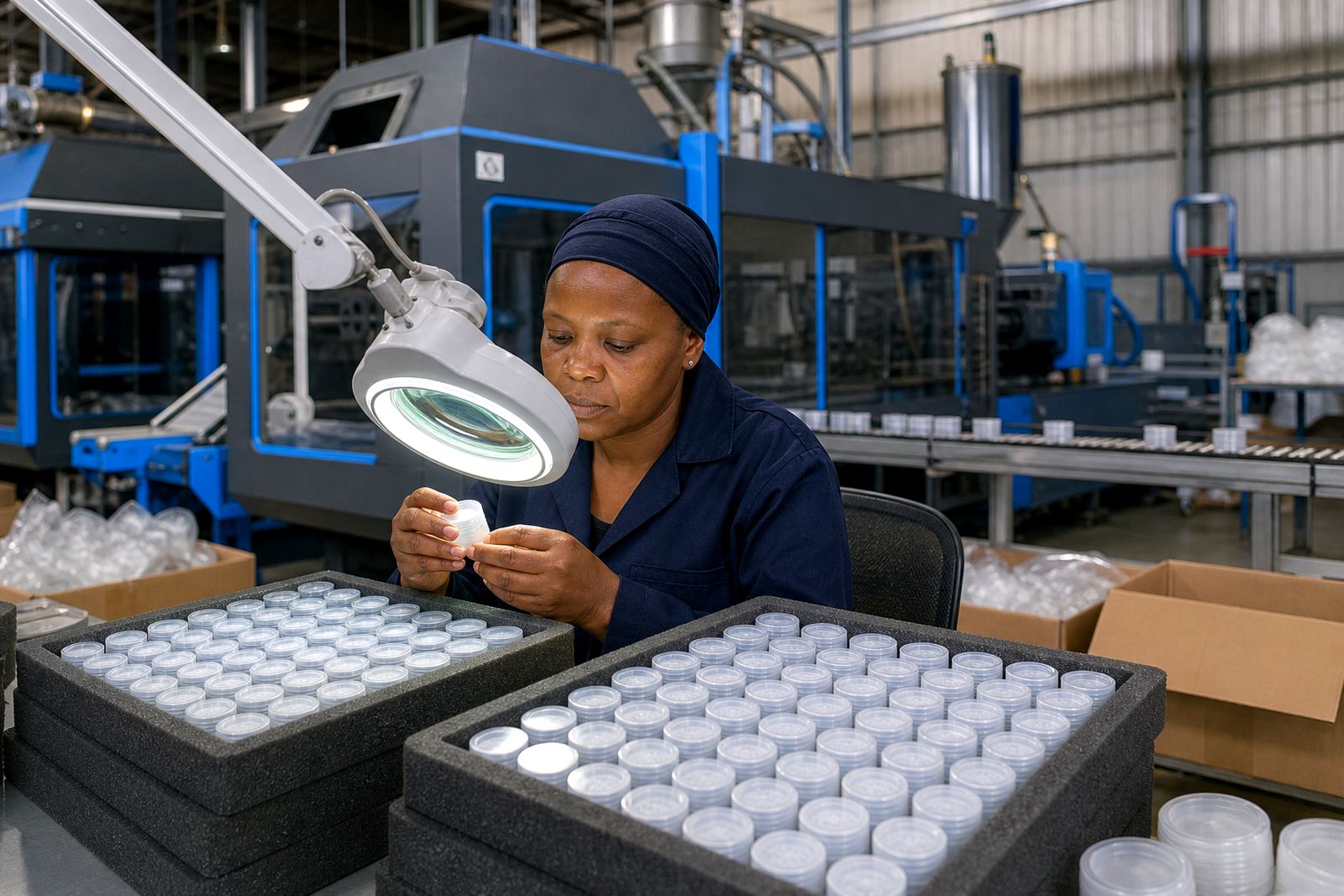
In polypropylene or HDPE, the tub can be specified for food packing, tablet and powder packing, bath salts, dry cosmetics, seasoning blends, sachet overpacks and other free-flowing materials. The wall structure is formed in moulded tooling, so the finish stays consistent from run to run and the side walls hold their shape during stacking and transit.
- Injection-moulded for repeatable sizing and neat stack handling
- Available in food-safe material options for packers that need clean contact surfaces
- Suitable for reseal use with matching lids and tamper seals
- Works well with manual filling, semi-automatic lines and faster packing tables
For Alrode and the wider Gauteng supply chain, that kind of repeatable container shape saves trouble at the packing bench. It helps reduce spill at the funnel edge and gives operators a tidier rim to work with, especially when dry product dust is part of the job.
Sizes, profiles and closure choices
Powder Pack Tub sizes can be planned around the product density, fill weight and shelf format. Smaller tubs suit sample packs and compact retail lines, while larger formats are used for bulk refills, catering packs and store-room issue. Shape, handle points and label area can all be adjusted to suit the pack line and the shelf footprint.
Common options include round tubs for easy filling, square tubs for better pallet use, and low profile tubs where height is limited. Lids may be plain push-fit, tight-fitting, or paired with a tamper evident seal where the product needs clear first-open protection.
- Round, square and space-saving rectangular profiles
- Multiple height and diameter combinations for different fill weights
- Lids available for reseal, tamper evidence or both
- Colour matching guidance for product separation or brand coding
Where packs move through Johannesburg, Durban, Cape Town, Pretoria or Port Elizabeth, the final container choice often depends on how the goods are packed and stacked before dispatch. A tub that suits one powder blend may be too tall or too shallow for another, so the dimensions are matched to the actual fill process rather than guessed from the shelf label.
Where this tub fits into real packing lines
The Powder Pack Tub suits filling lines where the product is dry and the packing action needs to stay tidy. It is commonly used for food powders, bakery ingredients, supplement blends, cosmetic powders, bath salts and similar free-flowing dry goods. The tub also works well where the pack has to be opened, used and closed several times in a storeroom or retail setting.
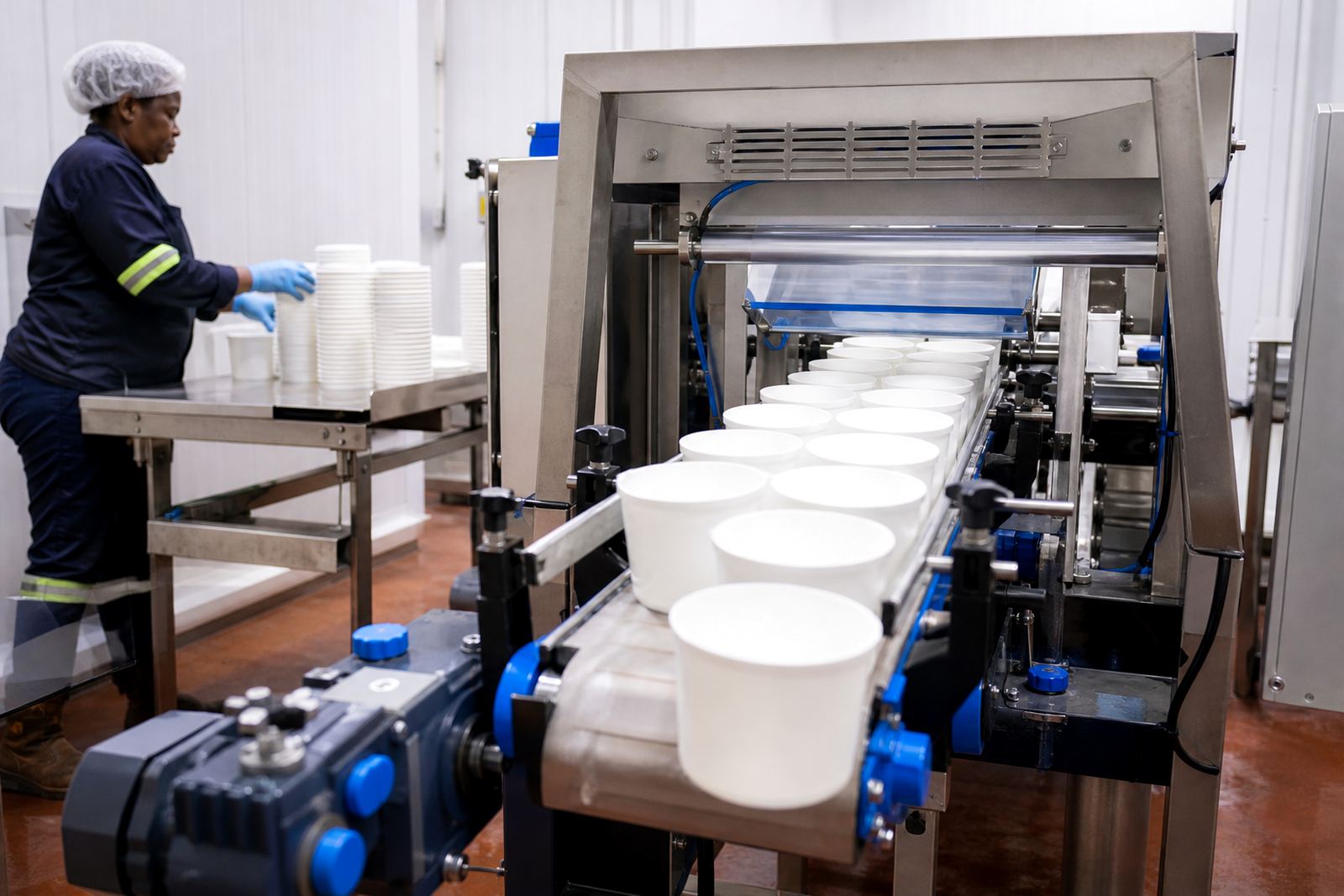
On a packing line, the key fit points are the tub mouth, lid seating, label space and the way the base travels on conveyors or tables. If the container is used with a secondary carton or shrink-wrapped tray, the outer pack should be checked against the tub’s height and shoulder shape. These details matter when the pack line runs in bulk and the containers are loaded into cartons for distribution across South Africa.
- Food packing for powders, dry mixes and seasoning blends
- Pharmaceutical and nutraceutical secondary packs for dry contents
- Cosmetic uses such as bath salts, powders and loose dry products
- Retail refill packs and store-room issue containers
In humid coastal areas such as Durban and Port Elizabeth, closure choice and label hold can matter even more, because packaging sits through changing store-room conditions. A well-matched lid and clean rim help keep the product tidy in storage and on the shelf.
Material options and line fit checks
Polypropylene is often used where a lighter rigid tub with good hinge and closure behaviour is needed. HDPE is often selected where toughness, impact resistance and a more forgiving side wall are valued. Both materials are established choices in injection moulding for pack containers, and the final selection depends on the product, the filling method and the handling pattern on site.
For packers using a dosing unit, auger filler, scoop fill or hand fill station, the tub opening and shoulder design should be checked against the machine head and the operator’s working space. That check also includes lid placement, tamper seal fit and whether the tub must pass through secondary packing in sleeves, cartons or crates.
- Polypropylene for rigid, neat-looking containers with stable closure fit
- HDPE for tougher handling and transport movement
- Food-safe material options for suitable dry goods contact
- Trial production runs and line fit checks available for new pack formats
Material selection can also be influenced by product dust, stored fragrance, or the need to keep a clean appearance on shelf. A matte or glossy finish can be guided by the product range and the labelling method, while colour can be kept neutral or matched to the pack family.
Care, storage and day to day handling
Powder Pack Tubs should be kept clean, dry and protected from grit before filling. During handling, the rim must stay free from powder build-up so the lid seats properly and the tamper seal closes without snagging. On a busy line, that usually means keeping the fill zone tidy and checking the first containers from every run.
For storage, stacked tubs should be kept level and not overloaded beyond the intended stack height. Where packs are moved in warmer inland conditions or through coastal humidity, the container and lid should be stored away from direct sunlight and heavy dust. This helps preserve the look of the pack and keeps the closure area in better shape for filling.
- Store containers flat and clean before use
- Keep rims free of powder, flakes and loose labels
- Check lid seating on the first filled tubs of each run
- Avoid rough handling that can distort the mouth or shoulder
If the tub is reused in an internal pack cycle, it should be inspected for scuffing, edge wear and any loss of closure grip. A clean visual appearance is especially important on products that sit in retail settings or are handed over across the counter.
Details to confirm before ordering
When ordering a Powder Pack Tub, the main details are product type, fill weight, closure style and the way the container will move through the line. These points decide the dimensions, wall thickness, material choice and whether a tamper seal or plain lid is the better fit.
For a proper match, confirm the pack volume in millilitres or grams, the powder behaviour, the preferred colour, the label panel size and whether the tub must be stackable. It also helps to note if the goods will be packed in Johannesburg, Durban, Cape Town, Pretoria or Port Elizabeth, because distribution routes and store-room conditions can affect the handling plan.
- Fill weight and expected pack volume
- Product type, flow behaviour and dust level
- Lid type, tamper seal requirement and reseal need
- Colour, label area and stacking format
- Whether the pack will be hand filled or machine filled
For custom work, the tub can be developed with the matching lid and seal system, then checked on a trial run before production goes ahead. That approach suits food packers, pharmaceutical packers and cosmetic packers that need the container to fit the line properly and the shelf presentation to stay clean.
Key facts
| Material | Polypropylene or HDPE |
|---|---|
| Manufacturing method | Injection moulded |
| Closure options | Push-fit lid, reseal lid, tamper seal |
| Typical use | Dry powders, granules, bath salts and blends |
| Pack formats | Retail, refill and bulk secondary packs |
| Supply area | Alrode, Alberton and delivery across South Africa |