Moulded for chilled dairy pack lines
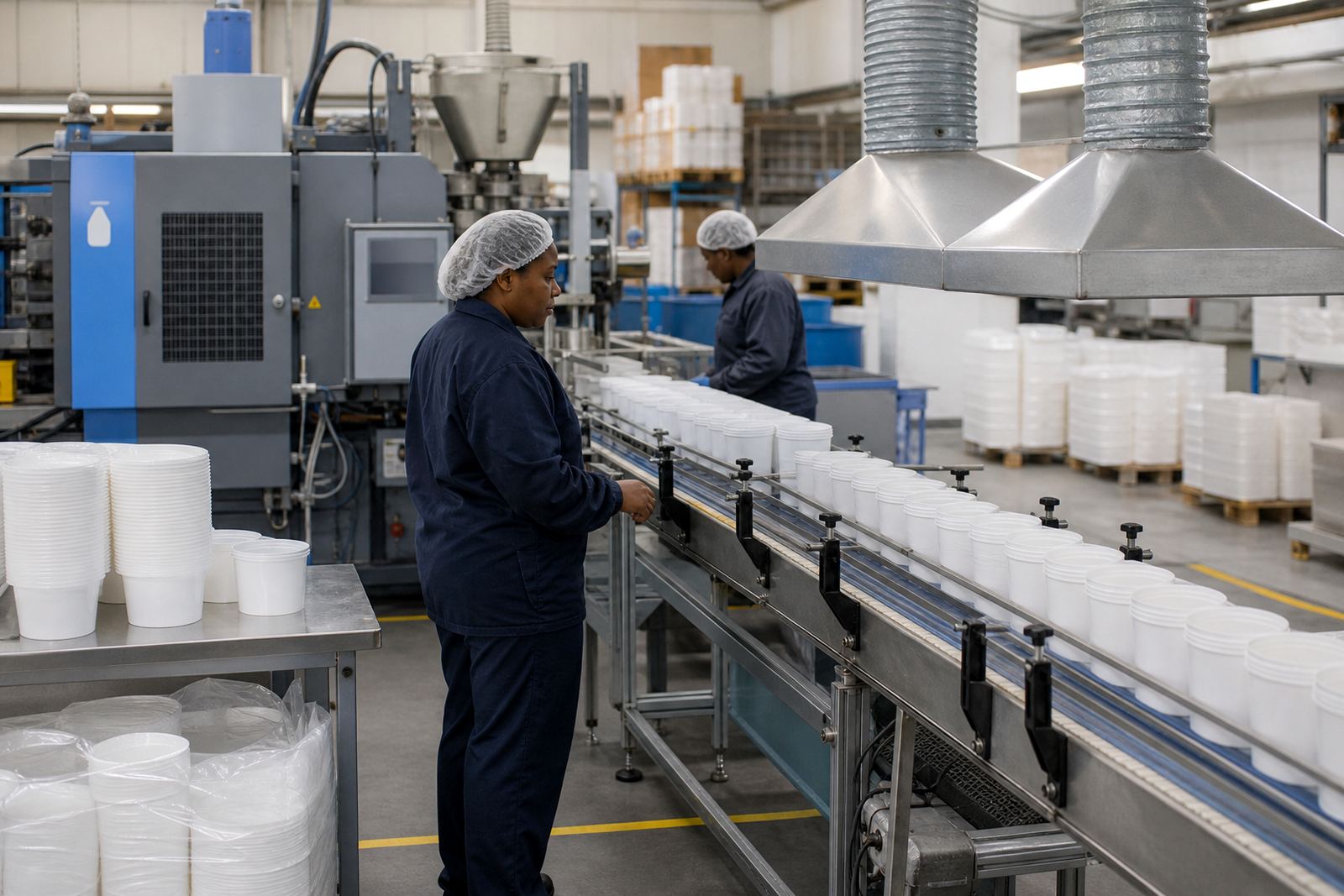
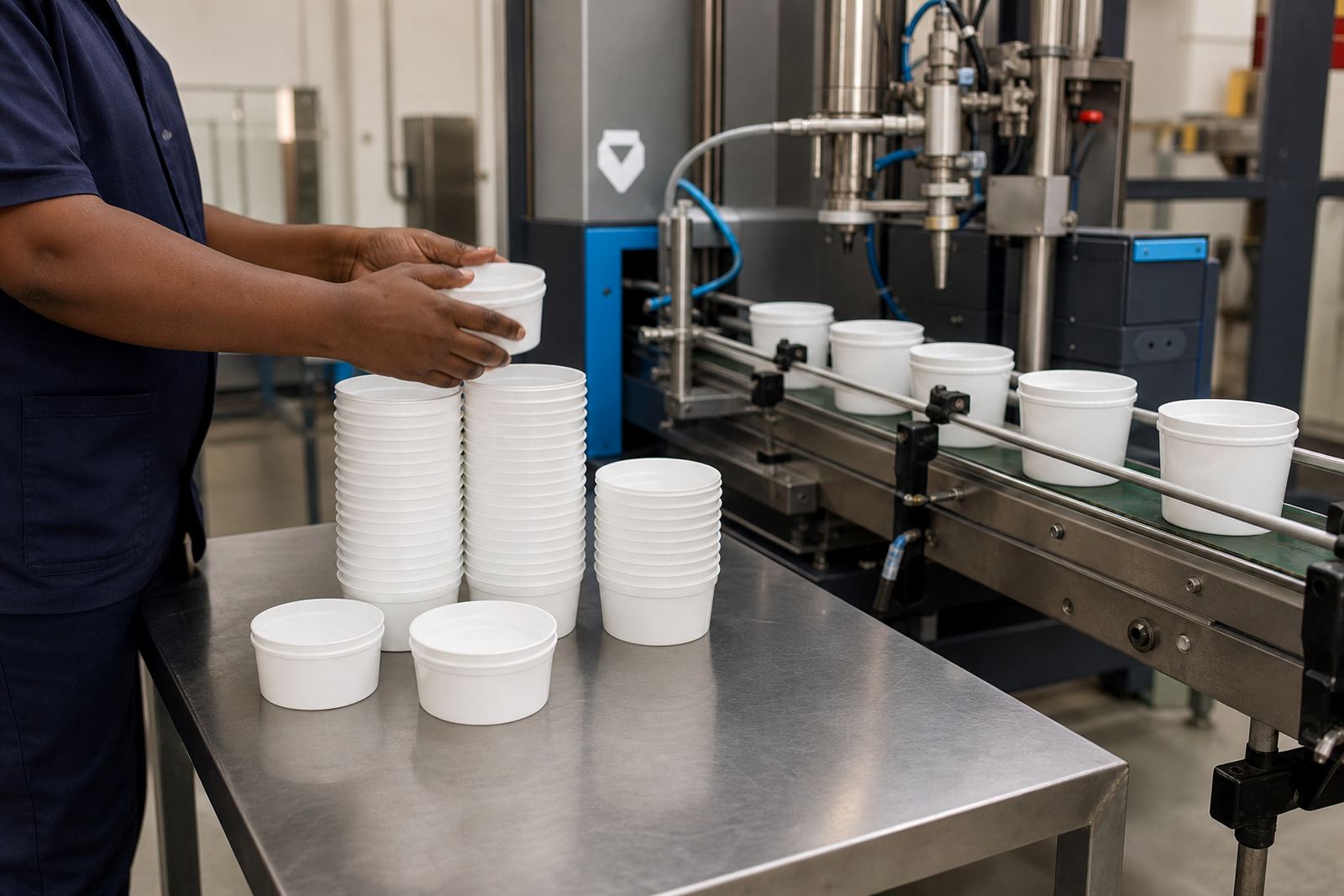
The Dairy Pack Tub is a formed container used for yoghurt, sour cream, maas, cultured milk and other chilled food products that move through filling, sealing and packing lines. It is injection-moulded for repeatable wall thickness, tidy stacking and a consistent rim that works with matched lids and tamper seals. That matters when tubs are filled in batches and packed into cartons or shrink-wrapped trays for distribution across Gauteng, the coast and inland routes.
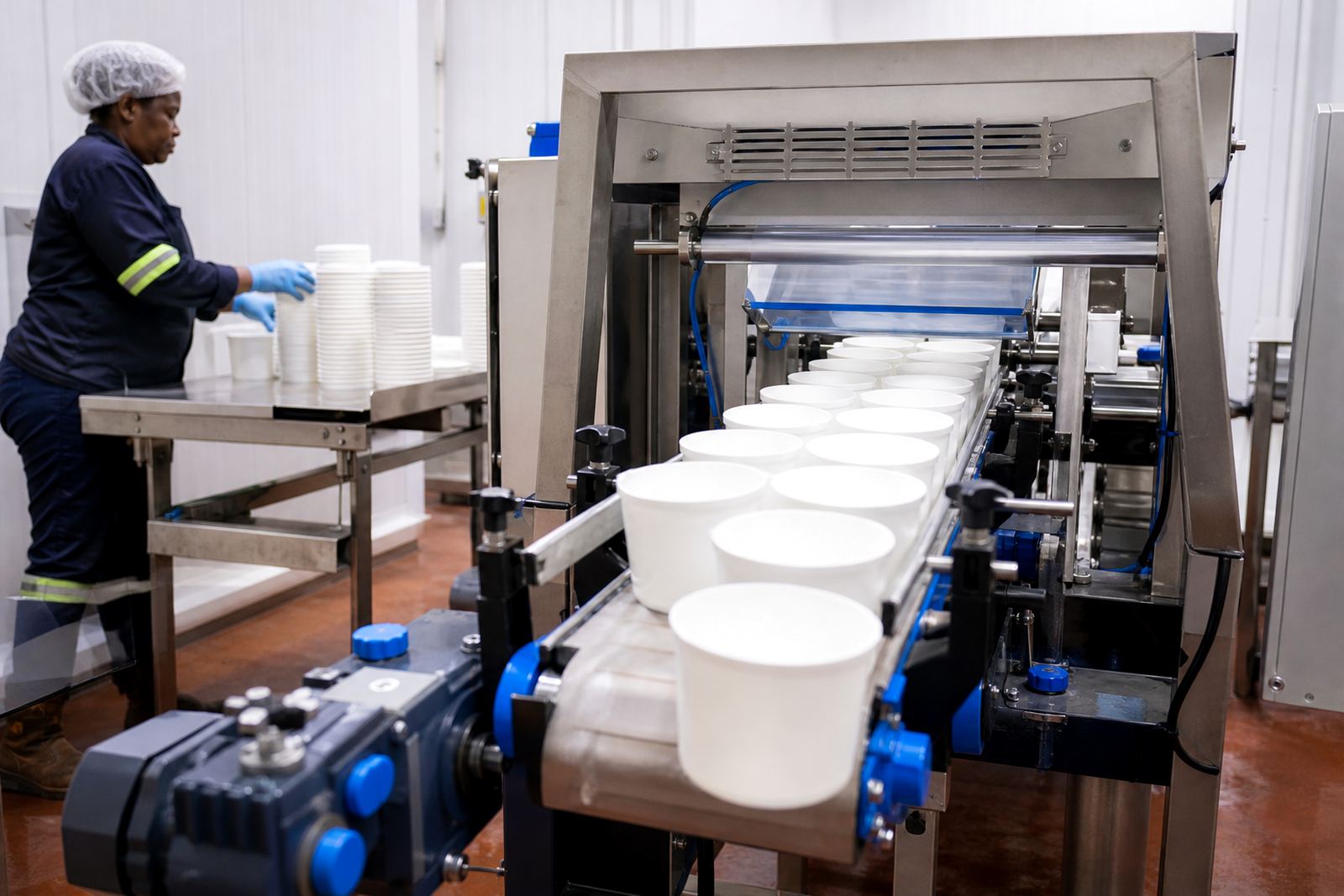
For dairy packers in Alrode, Alberton and nearby industrial areas, the main benefit is predictable handling on the line. The tub sits well on conveyors, nests in outer packs and keeps its shape in cold rooms, chilled depots and refrigerated vehicles. In humid coastal conditions, the material choice and wall design also help keep packs looking neat through loading and storage.
Material options for food pack use
These tubs are usually specified in polypropylene or HDPE, depending on the product, fill temperature and closing method. Polypropylene is often used for dairy packaging where a lighter pack with good clarity or stiffness is needed, while HDPE is a common choice where a tougher, more impact-resistant tub suits the pack handling and storage cycle. Both materials are widely used for food contact packaging when the grade is selected for the job and the line setup is checked properly.
- Polypropylene for yoghurt, cultured dairy and lighter pack formats.
- HDPE for stronger handling, transport movement and stacked storage.
- Food-safe material selection matched to the product and filling process.
- Colour options for plain white, natural or specified tinted packs.
- Surfaces that suit labelling, direct print or sleeve application.
Sizes, lid fits and pack counts
Size choice depends on the fill weight, retail shelf format and the way the outer case is packed. Dairy tubs are commonly supplied in small, medium and family pack sizes, with matching lid profiles to suit the intended closure. For many packers, the important point is not only the tub volume but the rim design, seal line and the way the finished pack stacks in cartons or crates.
- Common fills for 125 ml, 250 ml, 500 ml, 1 litre and related pack sizes.
- Lid options for snap-fit closing, seal-assisted closing or tamper evident finishing.
- Pack counts set for shelf packs, trade cartons or bulk dispatch cases.
- Stacking profile designed for tighter pallet use and cleaner warehouse handling.
- Trial runs available where the line needs checking before full production.
Where pack size planning is still being finalised, we look at the tub height, rim diameter and carton layout together. That makes it easier to keep the product stable through filling, sealing and dispatch without wasting space in secondary packs.
Lids, tamper seals and filling line fit
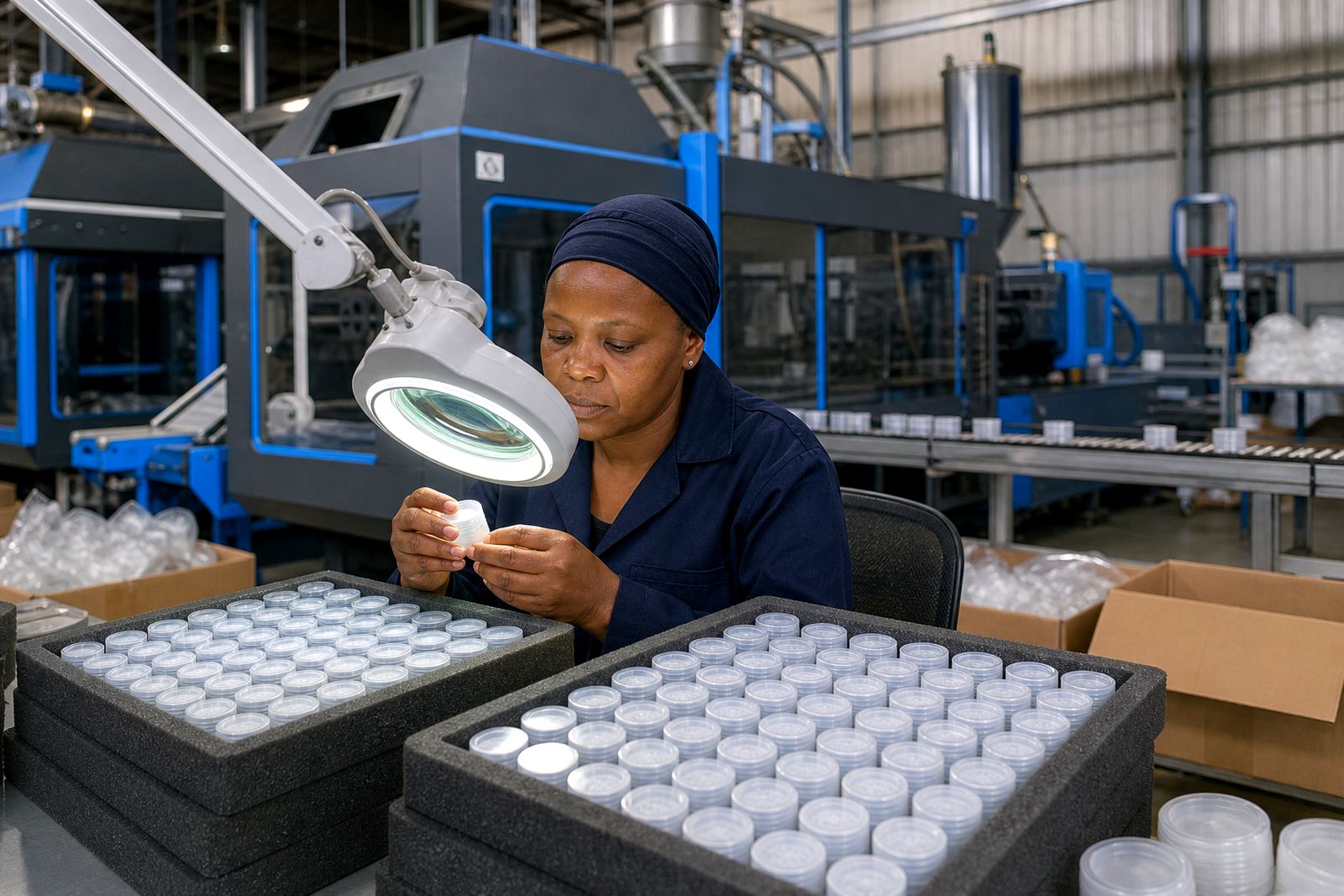
The right dairy tub is only part of the setup. The lid must match the rim closely, and the tamper feature has to work with the packer's closing method. Some lines use a simple snap-on lid, while others need a lid and seal combination that gives clearer evidence of opening. For filled dairy goods, the fit also needs to suit the product level, headspace and the speed of the packing line.
Line fit checks are useful where a packer is moving from one tub size to another, or where a new product has a thicker texture, such as cultured yoghurt or dairy dessert. During trial production runs, the tub, lid and secondary pack are checked together so the final pack does not pinch, lift or sit unevenly in cartons.
- Rim and lid compatibility checked against the closing method.
- Tamper seal design matched to the level of opening evidence needed.
- Line fit checks for conveyors, seal heads and pack-out trays.
- Secondary packing advice for cartons, sleeves and pallet layers.
Where the tub suits daily production
This tub suits dairy packers working on retail products, foodservice packs and private label runs. It is also used for related chilled goods where a neat sealed tub is needed for shelf display and cold-chain movement. Because the packaging is injection-moulded, it can be planned for steady supply and consistent pack presentation across different production runs.
In South African production environments, the pack has to move from filling to cold storage without losing shape or lid security. That makes the Dairy Pack Tub suitable for packers serving Johannesburg, Durban, Cape Town, Pretoria and Port Elizabeth, where dispatch routes and storage conditions can vary quite a bit. The same applies to Alberton and Germiston operations where warehouse space, pallet stack height and carton strength all matter.
Care in cold rooms and on dispatch
These tubs should be stored clean, dry and protected from dust before filling. In chilled stores, the packs should be kept away from direct sunlight and rough stacking that can distort the rim or stress the lid fit. When a pack goes through a full handling cycle, the tub, seal and outer carton should all be checked for scuffing, deformation and label movement.
Good pack care starts with a controlled receiving area and ends with careful pallet build. If the dairy product sits in humid conditions, especially around coastal dispatch points, the outer pack should still hold its shape and keep the branding legible. A tidy pallet also helps during loading, because the tubs stay aligned and the cases do not lean or compress unevenly.
Details that help us set the right specification
When ordering a Dairy Pack Tub, the practical details make the biggest difference to the final result. The fill volume, product texture, closure style and carton count all affect the mould choice and lid fit. If the pack is going into a private label range, colour matching and product presentation need to be considered alongside the technical side.
- Product type, such as yoghurt, maas or cultured dairy.
- Target fill weight or volume and the required headspace.
- Material preference between polypropylene and HDPE.
- Lid style, tamper seal requirement and any secondary packing method.
- Carton count, pallet pattern and dispatch route to the major centres.
- Colour preference, labelling method and any line-fit constraints.
Plastic Factory works from Alrode, Alberton and supplies packers across South Africa through the enquiry form on our contact page. The team, led by Thabo Letsoalo with support from Naledi Sauls, Johan Kekana, Ayesha Oosthuizen, Sibusiso Hartnick and Carla Naidoo, handles custom tub design, mould development, trial runs, pack size planning and stock run planning for dairy packaging projects.
Key facts
| Product type | Injection-moulded dairy pack tub |
|---|---|
| Materials | Polypropylene and HDPE |
| Typical pack sizes | 125 ml, 250 ml, 500 ml, 1 litre and related formats |
| Closure options | Matching lids with tamper seal options |
| Use case | Yoghurt, cultured dairy and chilled food products |
| Supply areas | Johannesburg, Durban, Cape Town, Pretoria, Port Elizabeth, Alberton and Germiston |