A lid built for everyday closure work
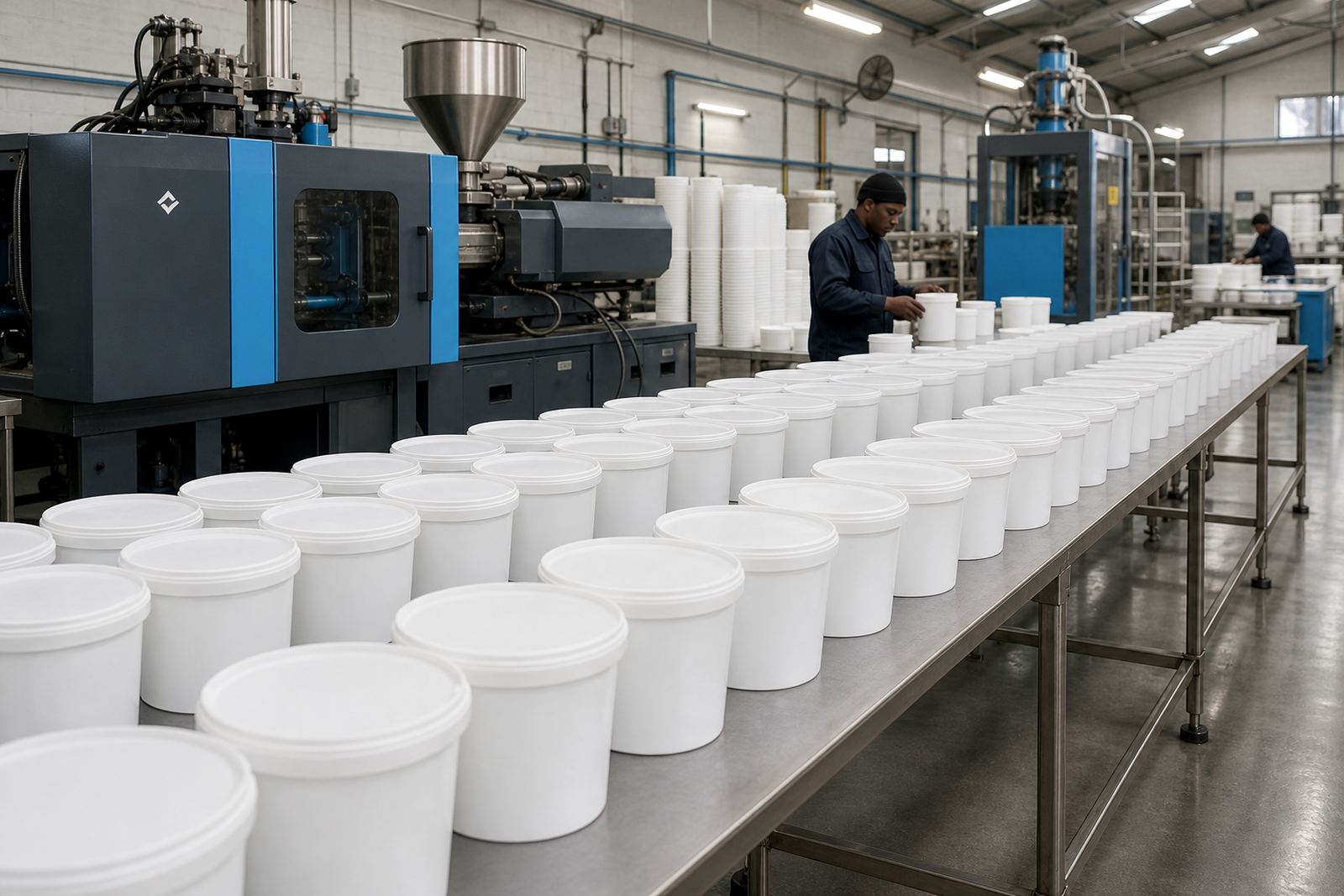
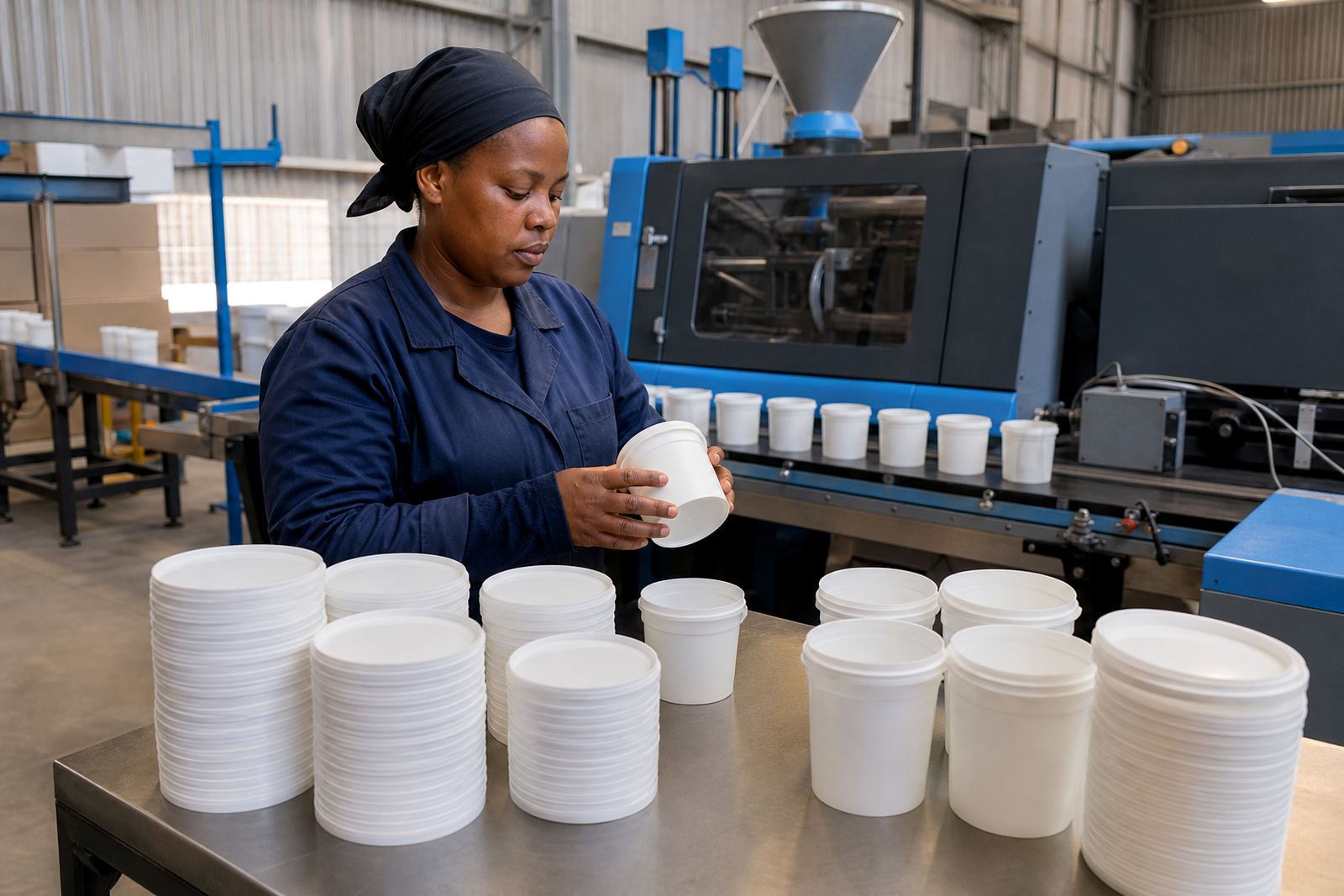
The Plain Snap Lid is made for standard closing jobs where a secure top matters more than decorative extras. It is used with injection-moulded tubs in polypropylene or HDPE, giving packers a practical cover that seats firmly around the rim and stays in place through handling, warehousing and delivery.
In a busy packing room, the lid must sit squarely, lock onto the tub edge and keep the fill neat. That is the point of this type of closure. It suits dry goods, powders, creams, tablets and many general pack formats where a plain top is preferred. The finish is clean and the profile stays low, so stacked cartons and wrapped pallets remain tidy in transit.
Sizes and closure styles that match your tub range
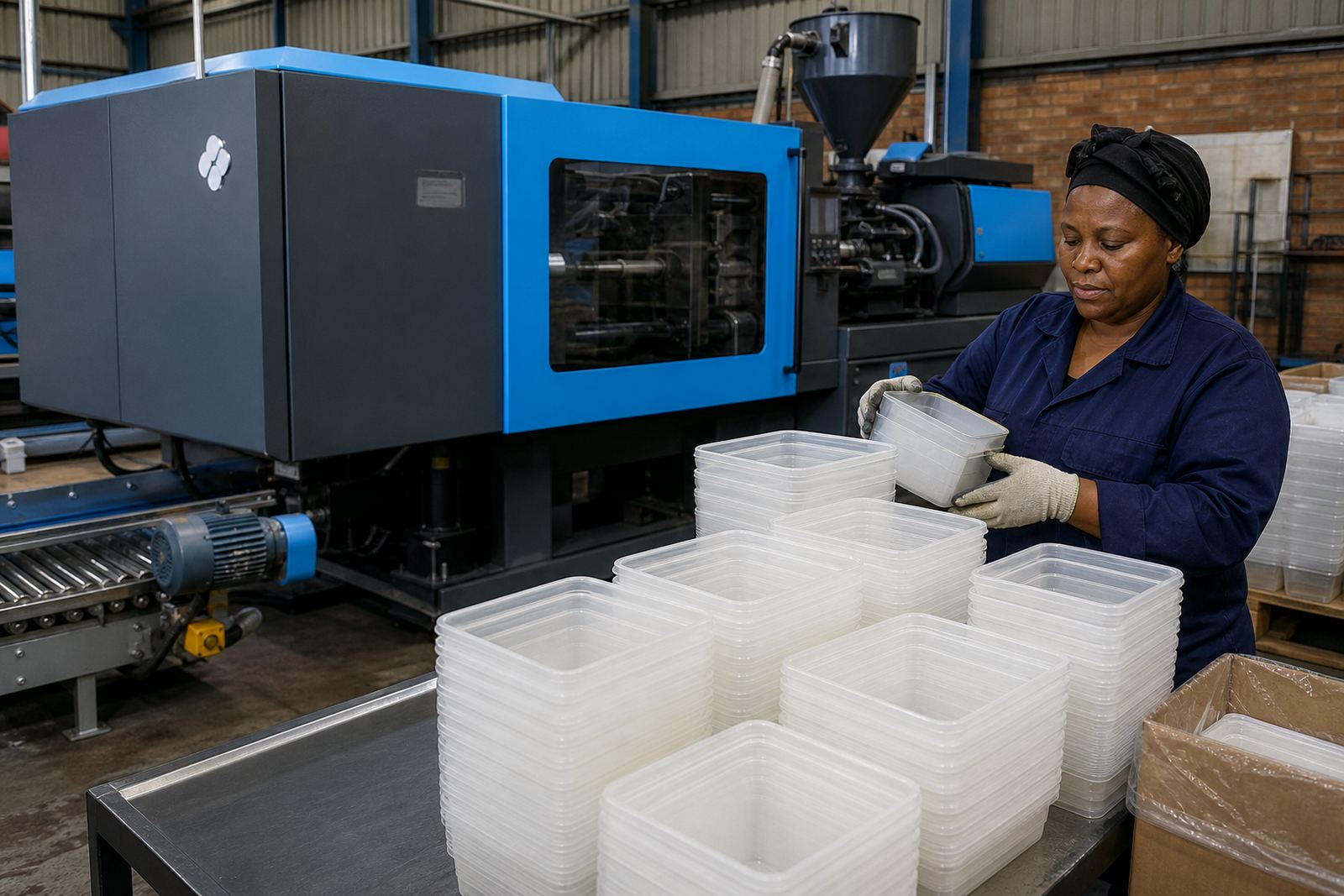
Plain Snap Lids are made to match specific tub diameters and wall profiles, so sizing must be checked against the container range in use. On larger packs, the lid needs a stronger rim engagement, while smaller tubs call for a tighter, lighter closure that still clips evenly around the edge.
Common options are selected around the pack line and the product fill, not only the volume printed on the tub. A good fit depends on the mouth size, rim shape and the way the tub is filled and sealed. Colour can also be matched to the pack family, with natural, white and other standard tones often used in food and personal care work.
- Matched to round or square tub formats, depending on the moulded range
- Available for small retail sizes and larger bulk tubs
- Can be supplied in food-contact suitable material grades on request
- Works with plain tubs where labelling or outer print carries the product information
Where a plain snap lid suits the line
This lid is often chosen for products that move through local packing lines in Johannesburg, Durban, Cape Town, Pretoria and Port Elizabeth. It suits food packers handling dry ingredients, confectionery, sauces, snack items and portion packs. In pharmaceutical work it is used for secondary packaging and general closure needs around tablets, capsules and non-sterile packaged goods. Cosmetic fillers use it for creams, powders, bath salts and other retail tubs where the closure must look neat on shelf.
The plain snap format is also useful where stock must move fast from packing to dispatch, with the same lid fitting across more than one tub size in a planned range. That helps keep line changeovers controlled and storage more orderly. In warmer coastal areas, a proper fit matters even more because soft packs and dusty conditions can affect how clean the rim feels during closing.
- Food packing lines for retail tubs and refill packs
- Pharmaceutical secondary packaging and general closure needs
- Cosmetic tubs for creams, powders and bath products
- Dispatch packs where a low-profile lid helps with carton stacking
Fitting on the packing line
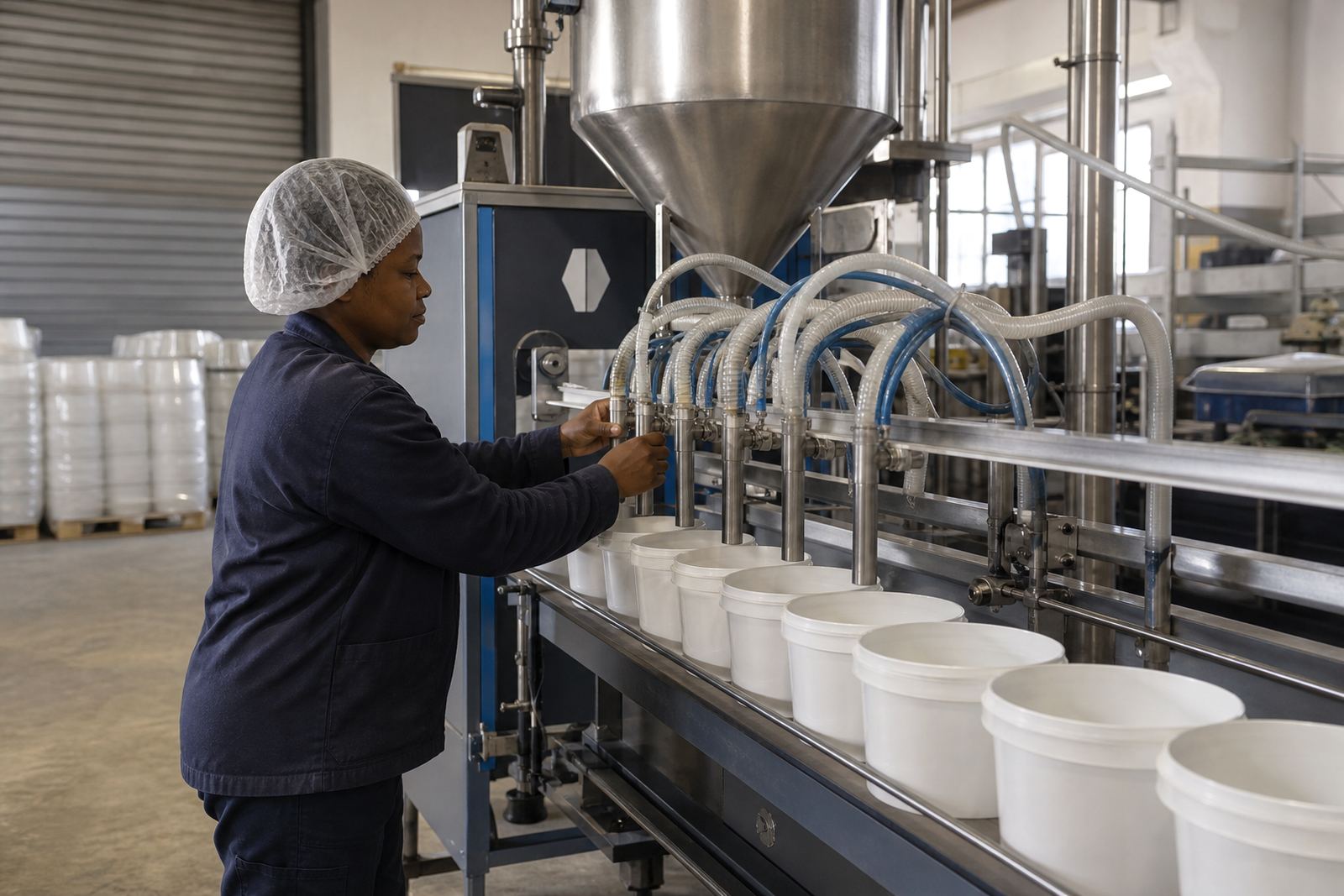
Plain Snap Lids are normally applied by hand or through a simple closing setup on the packing line. The lid must align with the tub rim before pressure is applied around the edge, so the seal forms evenly and the closure sits flush. On high-volume lines, packers often use guides or closing stations to keep the lid angle consistent. Where filling runs fast, a checked fit saves trouble later in carton packing and pallet wrapping.
If the lid is used with tamper evident features, the closure spec must be matched to the tamper seal design or ring layout. Some tubs need a firmer snap to suit the fill weight, while others need a lighter closure for easier opening at retail level. The moulded parts should be tested together before full stock runs are approved.
- Check rim diameter against the matching tub
- Confirm whether the lid is for manual closing or guided line use
- Review snap force with the pack weight and product texture
- Test the fit with labels, sleeves or overwrap if these are part of the pack
Keeping the closure clean in storage and use
Plain Snap Lids are best stored clean, dry and away from direct sun, heavy dust and sharp handling that can nick the rim. Injection-moulded closures keep their shape well, but rough stacking can distort the edge and affect the snap fit. In coastal storage areas, especially where humidity is higher, it helps to keep cartons closed until use so the parts stay free of grit and moisture marks.
During use, operators should avoid forcing a lid onto the wrong tub size, as that can weaken the rim grip and lead to loose closure later on. If the lids are supplied in bulk bags or cartons, the pack line should keep them separate by size and colour. That makes stock control easier and reduces mix-ups when a plant is handling more than one product family at once.
Details to confirm before the lid is made up
For a plain snap lid, the important details are the tub size, material choice, colour, pack quantity and the end use of the product. If the lid must fit a current container range, a sample or drawing of the matching tub helps to confirm the rim profile. For food, pharmaceutical and cosmetic packs, it is also worth stating whether the lid must support a clean retail look, a stock run, or a more frequent changeover on the filling line.
The team in Alrode works through tub fit, lid development and pack size planning with local businesses across South Africa. That includes choosing the right moulded material, checking line fit and setting the right carton quantity for dispatch into Johannesburg, Durban, Cape Town, Pretoria and Port Elizabeth.
- Tub diameter and rim profile
- Material preference, such as polypropylene or HDPE
- Colour requirement for the pack range
- Quantity per carton, bag or stock run
- Use case, including food, pharmaceutical or cosmetic packing
- Any matching tamper seal or secondary closure need
Key facts
| Product type | Plain snap-on lid for injection-moulded tubs |
|---|---|
| Material options | Polypropylene or HDPE, depending on the tub range |
| Closure style | Snap-fit rim closure |
| Typical use | Food, pharmaceutical and cosmetic packing |
| Finish options | Plain surface in selected standard colours |
| Supply area | Alberton, Germiston, Boksburg, Johannesburg, Pretoria, Durban, Cape Town and Port Elizabeth |