Tub bodies built for packing rooms and cold stores
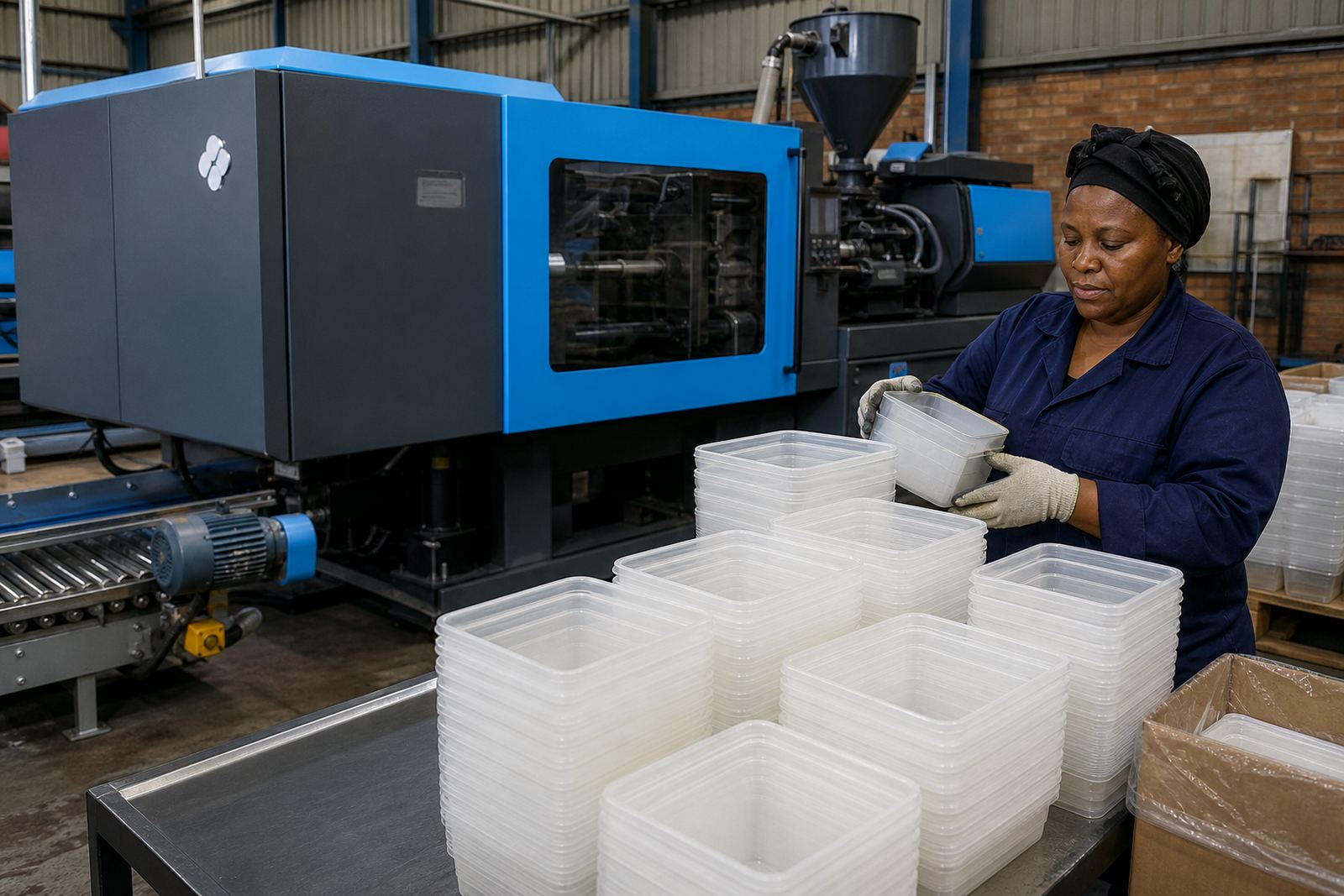
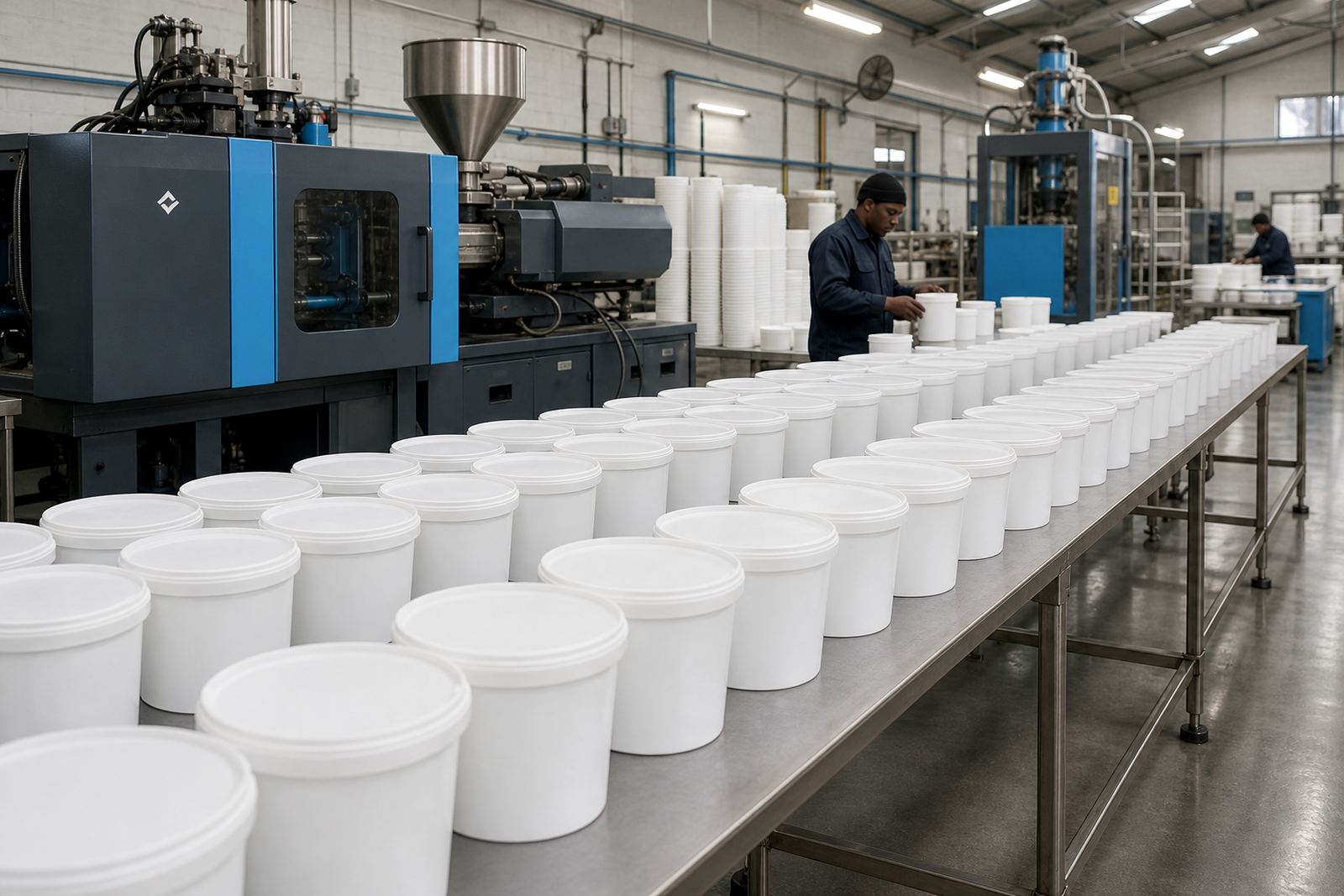
A food safe tub is a rigid injection-moulded container used for packing, handling and storing food products in a controlled packing room. The tub body is formed as one consistent piece, with clean wall sections, a stable base and a rim that accepts a matching lid or seal. That matters on busy lines where tubs are filled, stacked, sleeved and moved through dispatch with little room for damage.
Polypropylene tubs are commonly specified where light weight, chemical resistance and a neat finish are needed. HDPE tubs are often chosen for tougher handling, impact resistance and general plant use. Both material groups are widely used in food packaging, with food-contact suitability depending on the exact compound selected for the application.
- Injection-moulded tub construction
- Round and rectangular formats available
- Matching lids and seal options
- Suitable for packing lines, stores and distribution
Sizes, wall thickness and pack format choices
Food packing runs ask for different volumes, so the tub range is usually planned around pack size, product density and shelf presentation. Smaller tubs suit spices, spreads, toppings and portion packs, while larger tubs are used for bakery ingredients, confectionery, powders and prepared food storage. Straight-sided tubs help with filling and labelling, while tapered shapes can assist with nesting before use.
Size choice also affects pallet efficiency, secondary packing and how the tub sits in crates or cartons. On the production floor, a tub that packs too tightly can slow filling, while one that is too large can waste material and space. In Alrode and Germiston, many packers ask for a fit that works with local storage conditions and transport over longer Gauteng routes.
- Common pack sizes from small portion tubs to bulk tubs
- Wall thickness matched to handling and stacking needs
- Round, square and rectangular profiles
- Space for wraparound labels, date codes or sleeves
Lids, tamper seals and closure details that matter
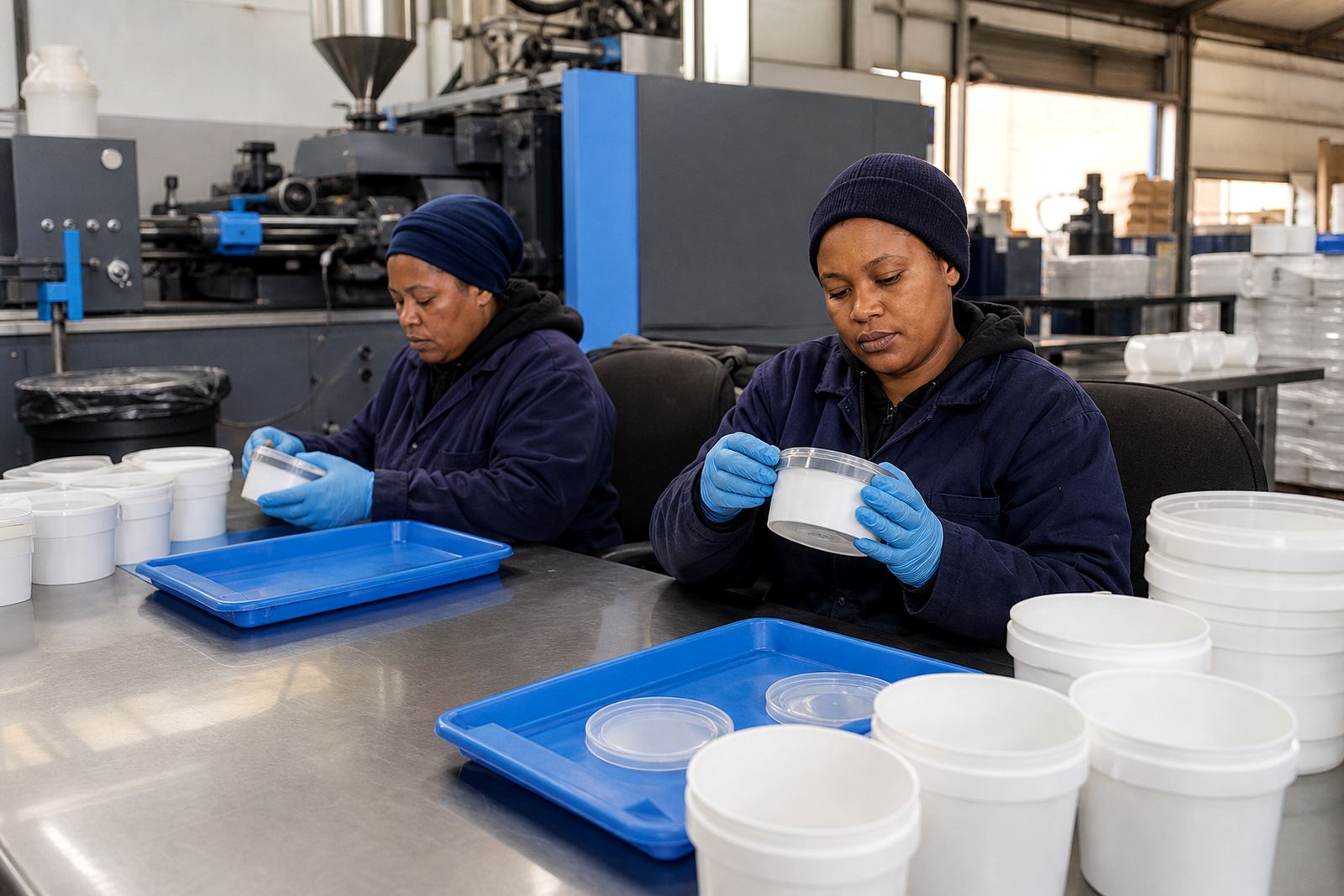
A tub is only as useful as the closure system that goes with it. Matching lids need to seat firmly so that the product stays protected during transport and storage. For many food packers, a tamper seal feature adds visible evidence of opening, which helps when goods move through wholesalers, food service channels or retail shelves.
We also look at how the lid edge meets the tub rim, because a loose fit can lead to product loss, contamination risk or complaints from dispatch. Some lines need a snap fit lid, while others need a tamper evident band or additional sealing step. The best choice depends on the product itself, the filling method and how the pack is handled after filling.
- Snap-on or press-fit lid options
- Tamper seal features for visible closure control
- Rim and bead detail checked against the lid style
- Options for stackable finished packs
Where these tubs suit the local market
This range suits food businesses that need a clean, repeatable pack for ingredients, chilled goods and shelf stock. In Johannesburg and Pretoria, tubs are often used for packing runs that feed wholesalers, contract packers and bulk distributors. In Durban and Cape Town, humidity and temperature swings can shape the choice of material and closure style, especially where packed goods sit in stores or travel further before sale.
Some packers use these tubs for dry foods, frozen goods, dairy-related packing, sauces, condiments and specialty products. Others need them for secondary packing, where a smaller retail tub sits inside a larger transport carton. The same container can serve different lines if the label, lid and size are planned correctly.
- Food processors and contract packers
- Retail-ready and wholesale food packs
- Chilled product storage and shelf display
- Dry ingredient and powder packing
Line fit checks and fitting support for packers
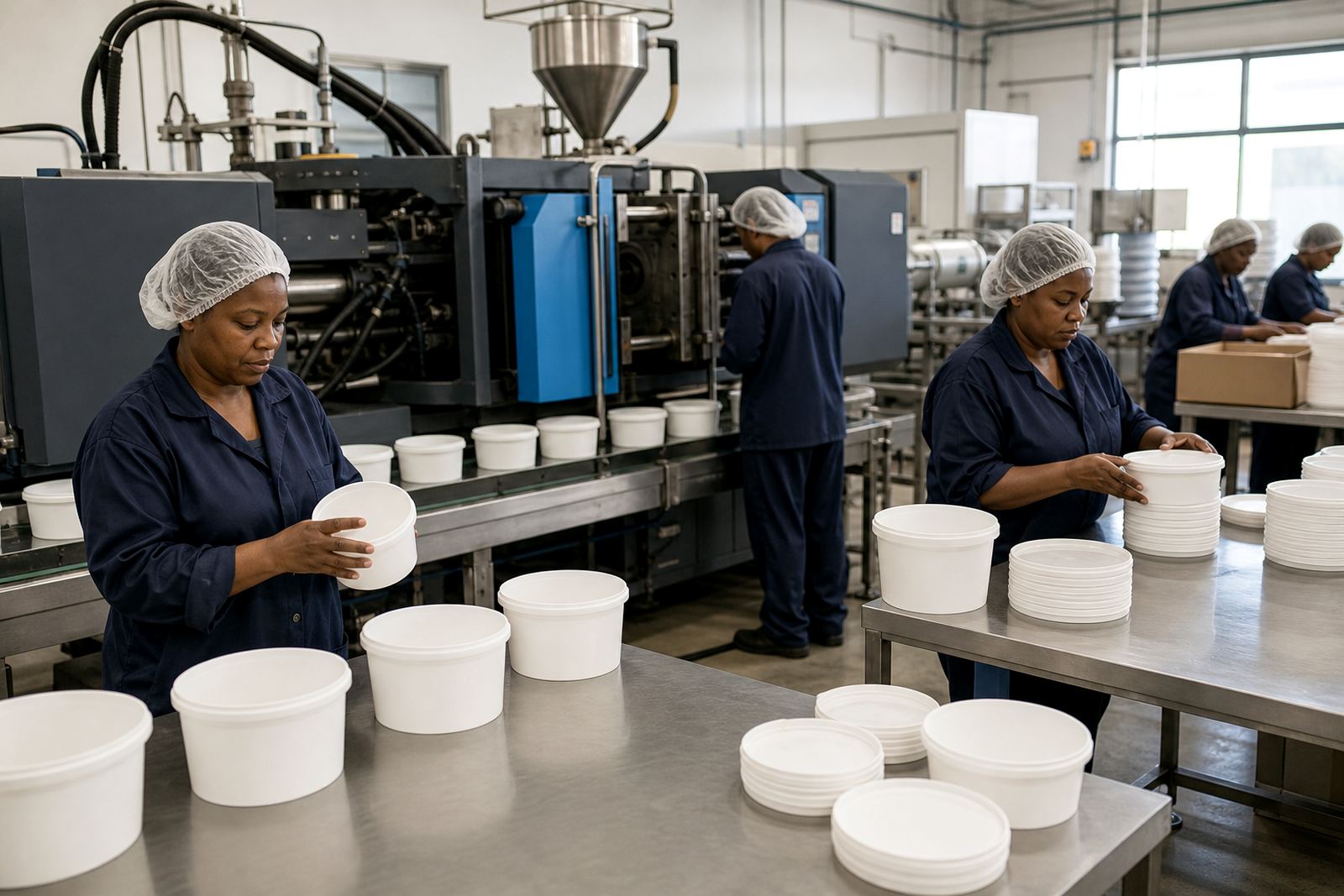
Before a tub is put into regular use, the packing line should be checked for how the container feeds, fills, lids and stacks. That includes the opening size, lid engagement, label position and how the tub sits on conveyors or in trays. A container that is a fraction too wide or too tall can interrupt the line rhythm and create handling issues at the packing table.
Plastic Factory works with line fit checks, trial production runs and pack size planning so the tub matches the reality of the pack room. For some customers, the main concern is whether the container clears an existing filling head. For others, the issue is whether the finished pack holds its shape after palletising or refrigerated storage.
- Trial runs for fit, handling and fill behaviour
- Pack size planning around product volume
- Secondary packing advice for cartons and sleeves
- Colour matching guidance for product ranges
Care, cleaning and ordering details to pin down
Food safe tubs should be handled with clean packing practices, dry storage and sensible stacking so the rim and lid seal stay true. During use, avoid dragging containers across rough floors or pressing heavy loads onto the rim. A well-kept tub keeps its shape longer and gives better closure performance over repeat handling.
When ordering, it helps to confirm the product type, fill volume and the closure method needed for the line. The team at Plastic Factory in Alrode, Alberton works through container size, material choice and production detail before a run is planned. That keeps the order aligned with the packing room instead of forcing the product to fit after the fact.
- Product being packed and required fill mass or volume
- Preferred material, polypropylene or HDPE
- Need for lid, tamper seal or stackable finish
- Label area, colour requirements and dispatch quantities
Key facts
| Material options | Food-safe polypropylene and HDPE compounds |
|---|---|
| Manufacturing method | Injection moulded tub bodies with matching lid profiles |
| Closure types | Press-fit lids, snap lids and tamper evidence options |
| Shapes | Round, square and rectangular formats |
| Use environments | Packing rooms, stores, chilled areas and distribution |
| Service areas | Johannesburg, Durban, Cape Town, Pretoria, Port Elizabeth, Alberton and Germiston |