A stronger tub for tougher packing work
This tub range is made for loads that travel, get lifted often, and sit in warehouses where packs are stacked close together. The wall profile is thicker than a light utility tub, with shape control that helps the container keep its form through repeated handling and pallet movement. For packers in Alrode, Germiston, Johannesburg and further afield, that matters when the same pack has to move from filling line to store room to distribution bay without losing its shape.
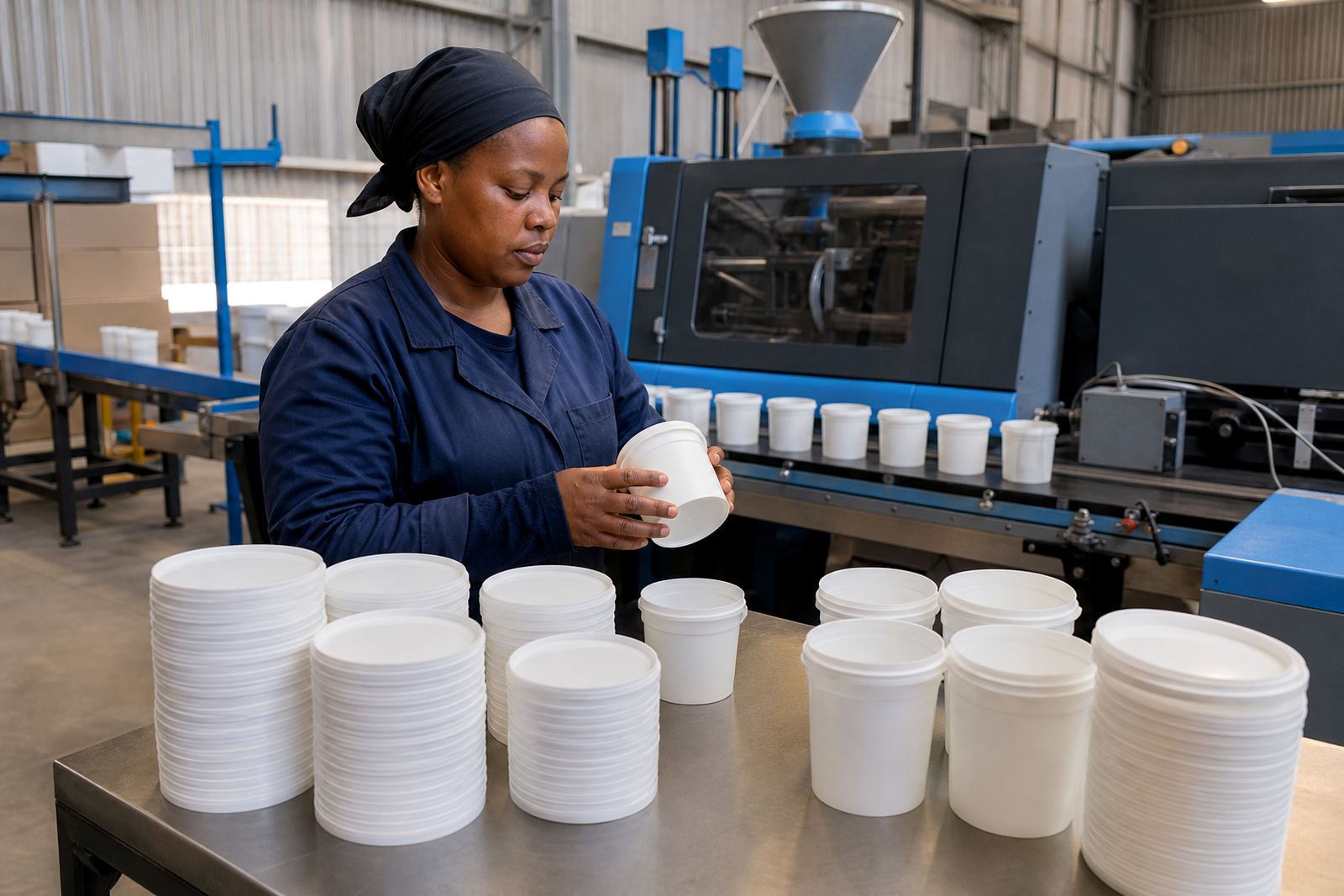
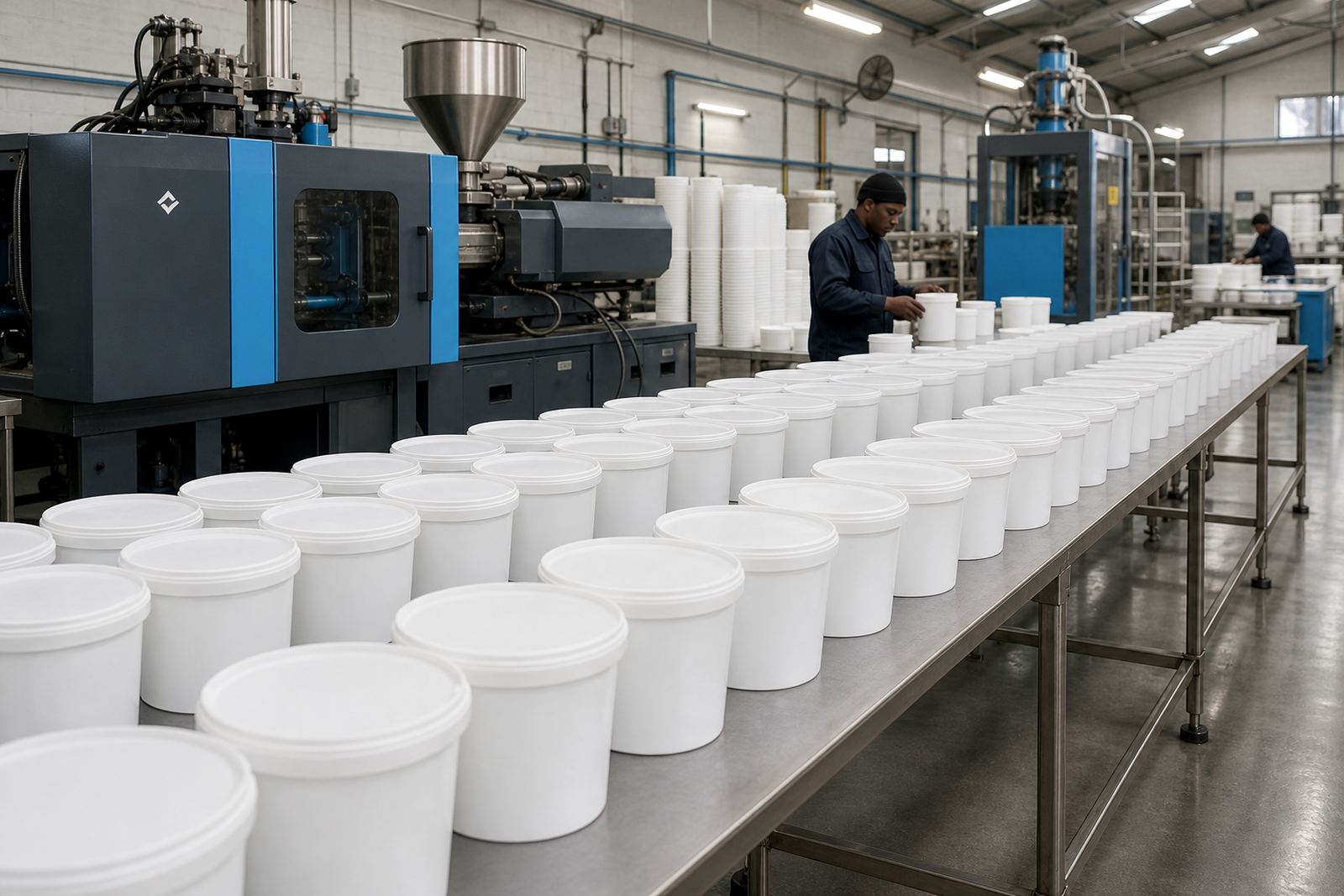
Injection moulding gives a consistent wall thickness, clean edge detail and reliable lid fit when the mould is set correctly. Depending on the pack requirement, the tub can be supplied in polypropylene or HDPE, both widely used in packaging work where toughness, moisture resistance and steady performance matter. Food-safe material selection is available for product contact uses, and the finish can be adapted for plain stock or a labelled retail pack.
Sizes, lid styles and finish options
Heavy duty tubs are normally specified around pack volume, product weight and the way the tub will be stacked. Common working sizes range from small tubs for creams and powders through to larger pails for food ingredients, compounds or bulk cosmetic stock. Matching lids can be flat, recessed or tighter profile styles depending on the line and the sealing method. Where tamper evidence is needed, the closure can be planned around a tear band, seal feature or separate tamper seal solution.
- Polypropylene for good stiffness and general packing use
- HDPE where impact resistance and tougher handling are important
- Clear, white and natural base colours, with colour matching guidance for branded runs
- Plain or printed lid surfaces, depending on the pack plan
- Stackable body profiles for warehouse and transport use
- Options for matched container and lid sets across repeated stock runs
Packers in Durban, Cape Town and Port Elizabeth often ask for tubs that move well in humid coastal conditions. For those jobs, the material choice and lid fit need to be checked with storage, transit time and the product itself in mind so the tub does not deform or pick up handling marks too easily.
Where this tub fits best on site
The heavy duty tub suits food packers, pharmaceutical blenders and cosmetic producers that need a container with more body than a standard retail tub. It works well for dry goods, powders, pastes, creams, tablets, ingredient blends and refill packs where the container may be opened, closed and moved several times before final sale. On a packing line, the tub needs to sit square under filling heads, accept the lid cleanly and hold its form once filled and stacked.
For larger production sites, line fit checks help confirm that the tub runs properly through the filling sequence, capping station and secondary packing area. The rim profile, lid depth and stack height all need to suit the line guides and crate layout. Where a product is sensitive to dust or moisture, the closure and seal arrangement should be matched to the pack route from filling to dispatch, especially in warm inland conditions or humid coastal storage.
- Food packers handling powders, seasonings, spreads and dry ingredients
- Pharmaceutical packers moving tablets, capsules or blended materials
- Cosmetic packers filling creams, balms, scrubs and body products
- Contract packers managing repeat runs with varied pack sizes
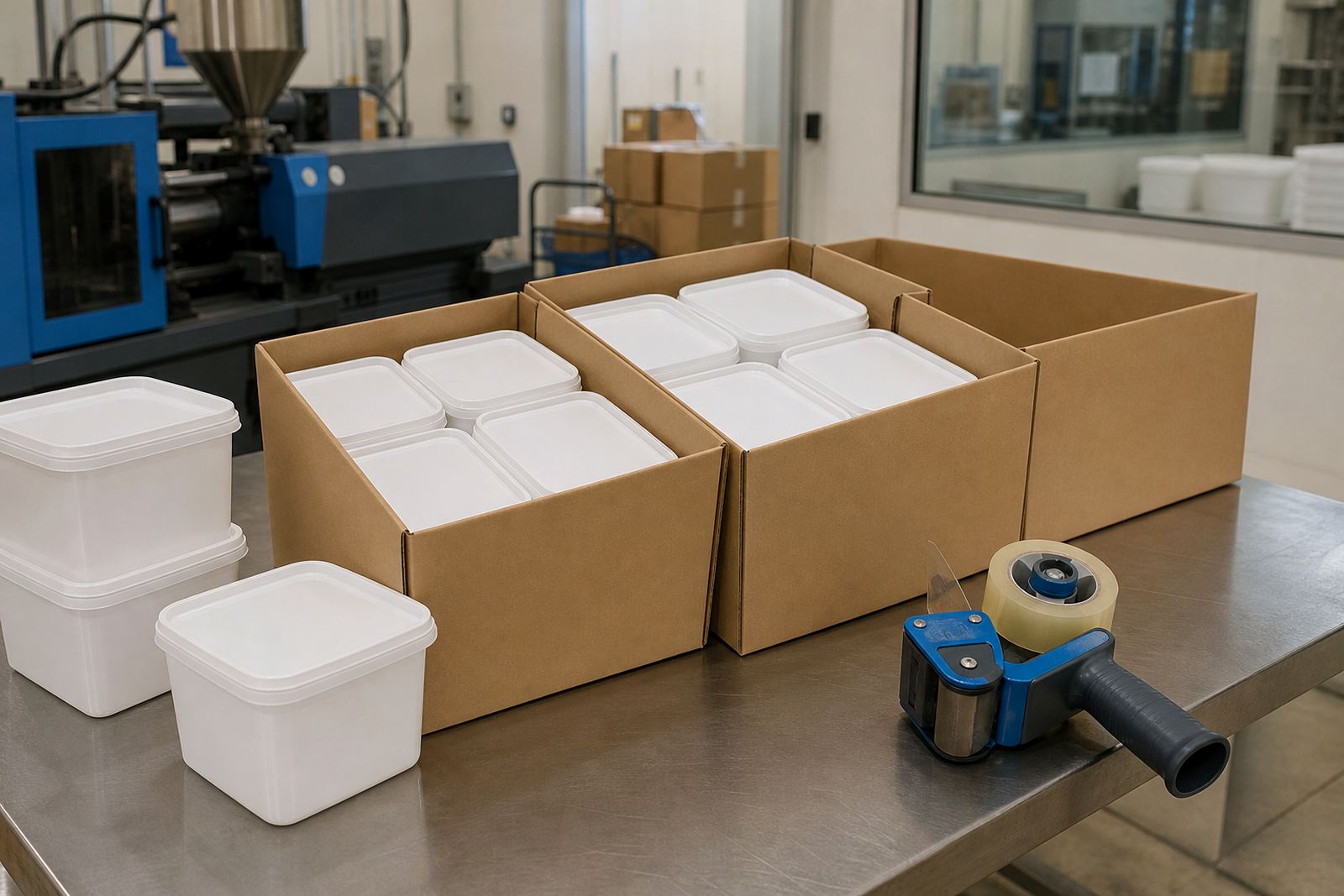
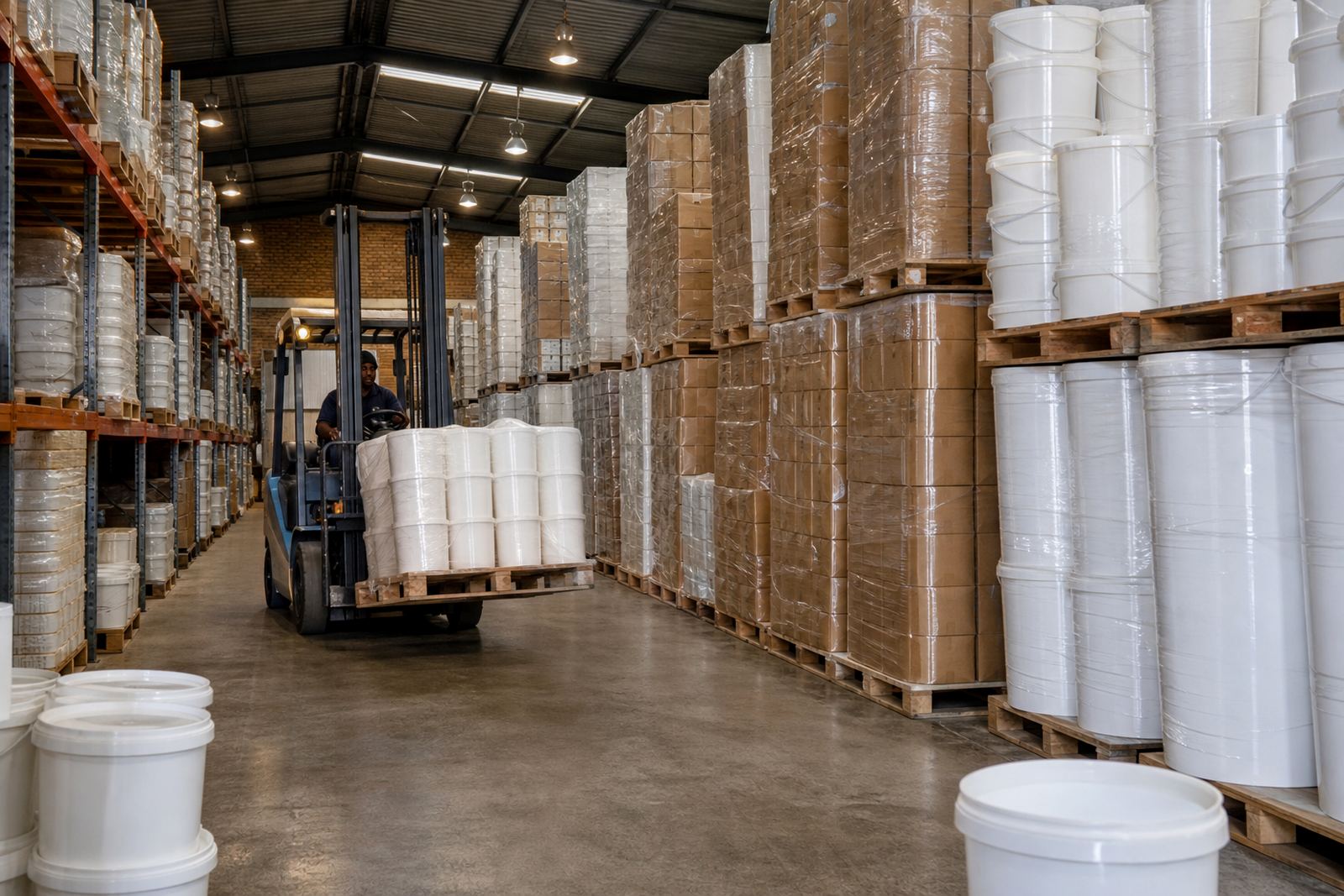
- Warehouses that need neat stacking and stable pallet use
Moulding, line fit and trial runs
Where a standard tub is not quite right, custom tub design can adjust the wall height, base shape, rim detail and label area. Mould development then follows the approved working shape, with trial production runs used to check fit, handling and finish before the pack is set for regular supply. This stage is useful when a packer needs the tub to match a filling nozzle, a heat seal flow, or a manual packing method that uses lids in bulk.
Material selection also matters. Polypropylene is often used where a stiffer container is wanted, while HDPE can be a better fit for rough handling or where a slightly more forgiving body is preferred. The right choice depends on product weight, stacking pressure, cold room storage, transport route and the type of closure. For some food lines, pack size planning may also include volume marks, fill level allowance and headspace so the product sits correctly once the lid is on.
Caring for heavy duty tubs in storage and use
These tubs keep best when stored upright, out of direct heat and away from sharp edges that can mark the rim or lid. In busy stores, it helps to keep lids paired with the correct tubs and not mix sizes on the same pallet. When packs are reused inside a plant, basic cleaning should suit the material and the product residue, with care taken around sealing edges so the closure stays neat.
For coastal deliveries to Durban or Port Elizabeth, keep stock dry and off damp floors where possible. On inland routes through Johannesburg and Pretoria, dust control matters as much as temperature swings. If the tubs are part of a stock run, secondary packing advice can help with inner cartons, bagging and pallet layout so the load arrives in cleaner condition and the tubs are easier to count and issue on site.
- Store tubs and lids together by size code
- Keep rim edges free from nicks and crush marks
- Avoid overfilling where stacking pressure is expected
- Check seal fit before large batch packing starts
- Separate colour batches if appearance must stay consistent
Details to confirm before the tub is made
To match the tub to the packing line and product, a few details need to be set at the start. That includes volume, fill weight, lid type, sealing method, colour, finish and whether the pack must suit food contact use. If a label is going on the side or lid, the label panel size and any curved surfaces should be confirmed as well. For tamper sealing, the tear point or band position must be planned with the closure and the pack opening method.
It also helps to confirm the delivery area and the way stock will be used. A line in Alberton may want a steady supply of repeat sizes, while a packer in Cape Town may need a run planned around storage space and dispatch pattern. If the tub is part of a larger packaging system, the lid development, pack size planning and line fit checks should all sit in the same set of notes so the final pack works cleanly in daily use.
- Required volume or nominal capacity
- Product type, fill weight and packing temperature
- Polypropylene or HDPE preference
- Lid style and tamper seal need
- Colour, finish and label area requirements
- Quantity pattern for stock runs or repeat supply
Key facts
| Product type | Injection-moulded heavy duty tub |
|---|---|
| Material options | Polypropylene or HDPE |
| Typical use | Food, pharmaceutical and cosmetic packing |
| Closure options | Matching lids, tamper seal features and seal planning |
| Size range | From small retail tubs to larger bulk pails, size set by application |
| Supply areas | Alrode, Alberton, Johannesburg, Durban, Cape Town, Pretoria and Port Elizabeth |