Natural finish for a tidy packing line
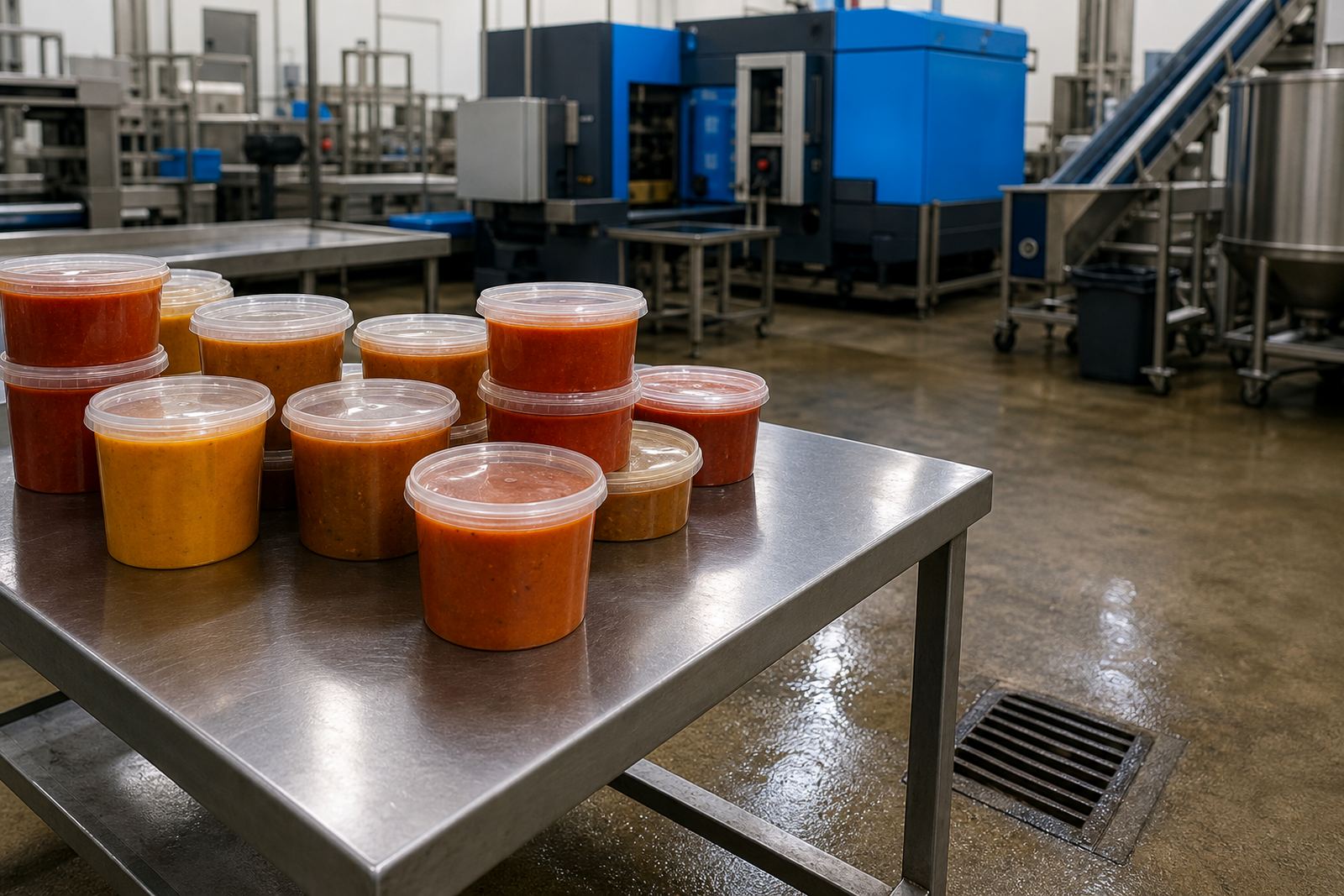
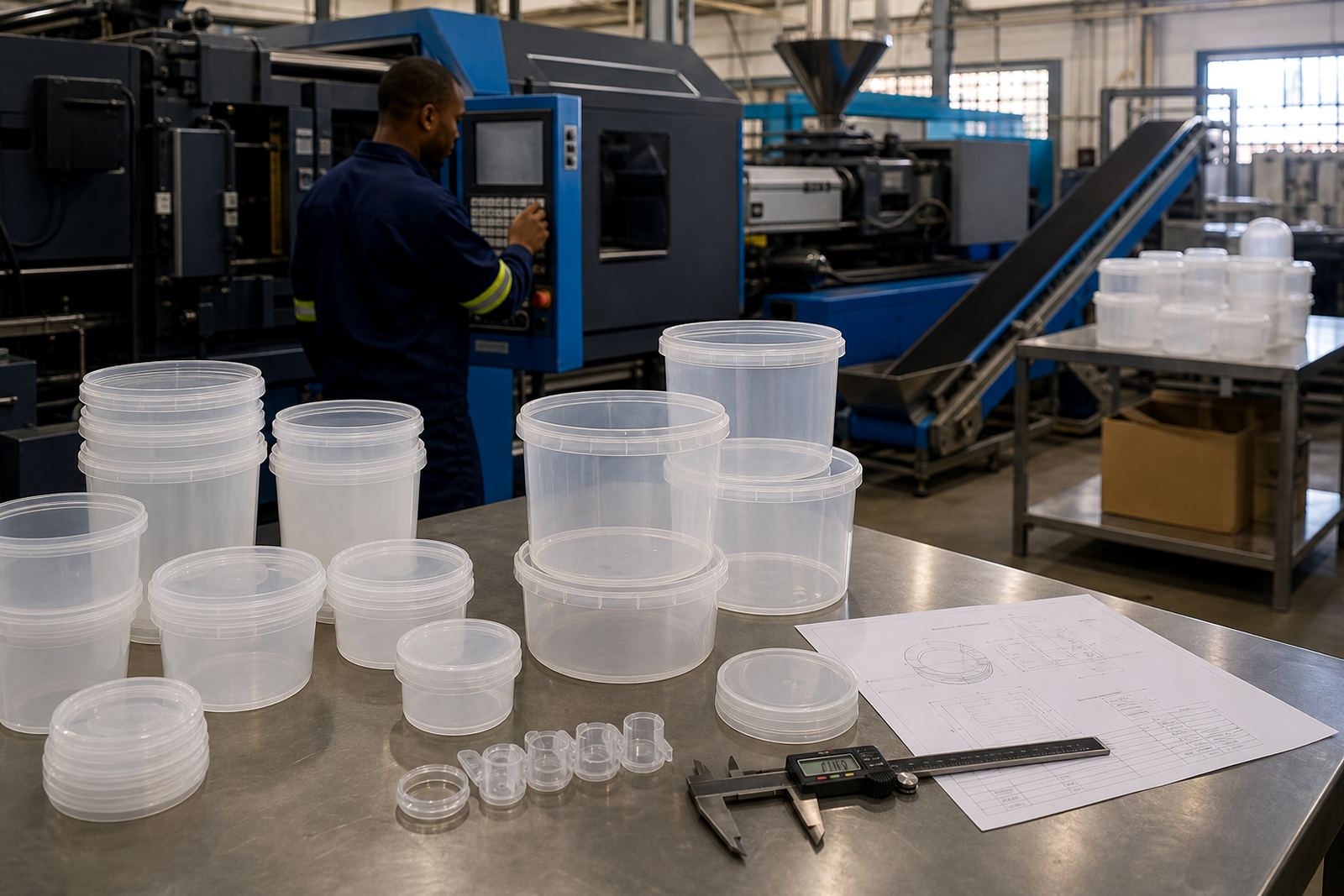
The Natural Container Range covers injection-moulded containers and tubs made in a pale, uncoloured resin tone that lets the material itself show through. In most packing rooms that means an understated shelf presence, clearer visual checks on fill level and a neat fit with secondary labels or printed sleeves where required. The finish is popular with packers who want a clean, honest look without a bright coloured body taking over the presentation.
These containers are made for repeat handling on fast moving lines, with straight walls, stable rims and bases shaped to sit properly on conveyors, benches and carton packs. For factories in Alrode, Alberton and surrounding industrial areas, the range works well where tubs are filled, sealed and packed into outer cartons for distribution across Johannesburg, Durban, Cape Town, Pretoria and Port Elizabeth.
Sizes, volumes and container styles
The range is available in several common pack sizes, from smaller tubs for samples and premium food portions through to larger industrial packs for bulk ingredient use. Available mould sizes can be matched to the product density, fill weight and label space needed on the line. Some packers need a short wide tub for easy scooping while others need a taller profile for neat shelf stacking and carton efficiency.
- Round and straight-sided tub profiles for different filling styles
- Low, medium and deeper wall heights for portion control
- Matching lids for push-on or secure closure styles
- Optional tamper evident sealing features where the pack line requires them
- Natural resin appearance for products that need a plain, material-led look
Pack size planning is worth confirming early because the outer carton, pallet pattern and transport weight all shift with the container volume. A 250 ml tub behaves very differently from a 1 litre pack on the line, and the final choice needs to suit filling speed, seal placement and shelf display.
Where the range fits best
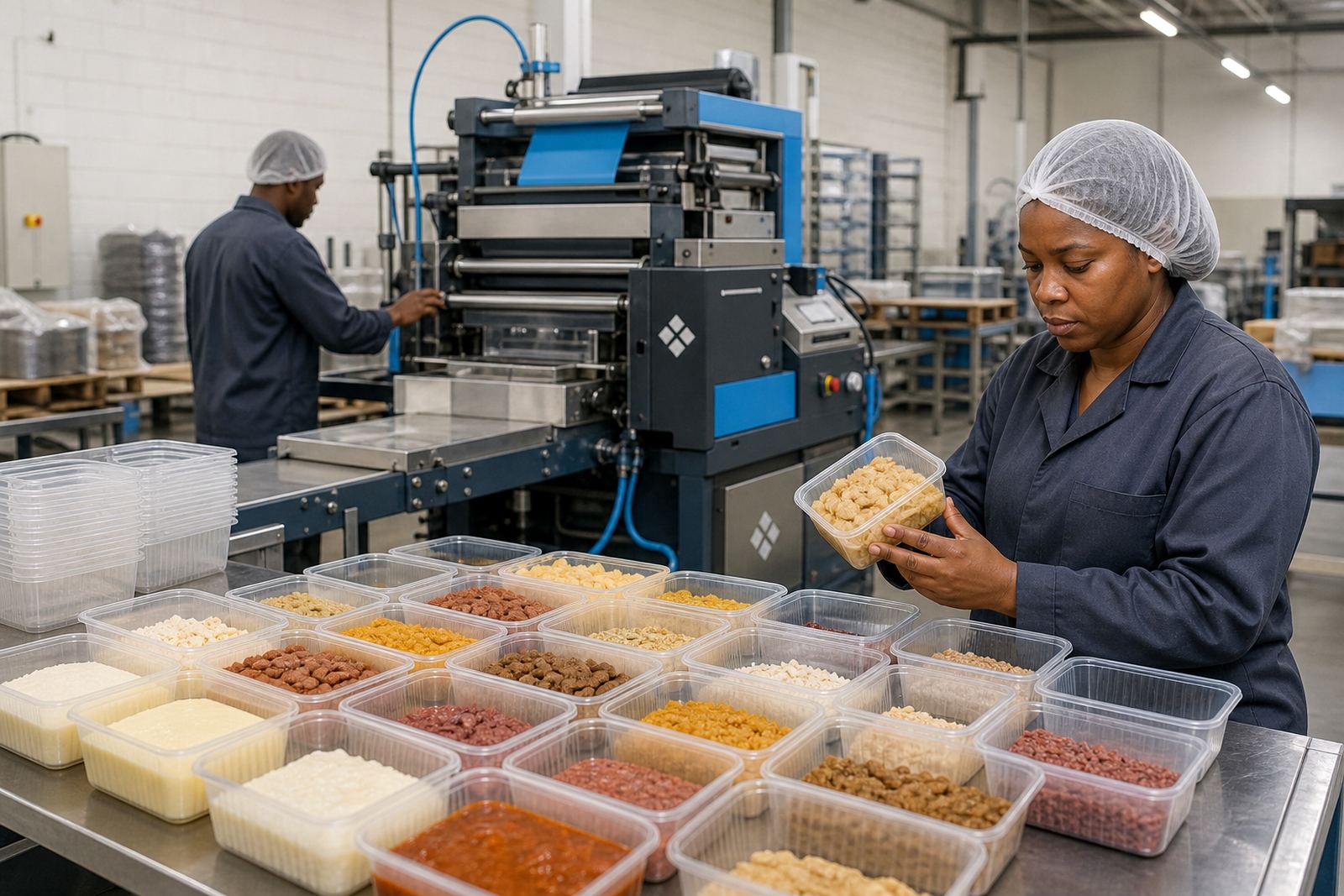
This container style suits food packers, pharmaceutical fillers and cosmetic producers who need dependable tubs for dry goods, semi-viscous products and shelf-ready packs. In food use it often suits confectionery, spreads, powders, dry mixes and chilled items packed for store distribution. In pharmaceutical and personal care work, the same family of containers can suit creams, ointments, balms, powders and similar packed goods where a clean presentation matters.
The natural tone is useful where the packer wants the product to stay visually close to the container material. That helps on lines where colour matching is not the main focus and where the pack should read as practical, clean and orderly. For some customers the neutral appearance also makes it easier to use one container family across several product ranges without forcing every SKU into a bright branded body.
- Food packers needing visible fill levels and tidy stacking
- Pharmaceutical packers working with controlled, repeatable pack sizes
- Cosmetic fillers needing a plain base for printed labels or sleeves
- Co-packers running several product lines through one packing room
Lids, tamper seals and line fit
These tubs are normally paired with lids designed for close fit, good closure feel and stable stacking after sealing. Depending on the application, lid development can include a push-on cover, a tighter closing profile or a format that carries a tamper evident seal. Where a tamper seal is used, the pull band, bridge layout and tear line need to work cleanly with the packer’s closing process and the end user’s opening routine.
Plastic Factory also works on line fit checks so the container, lid and any seal features suit the packing equipment already on site. That includes checking rim engagement, lid seating, label clearance and how the pack runs through secondary packing. If the line uses heat-sealed film, snap-fit lids or a sleeve applied after filling, the final pack structure needs to be matched carefully to avoid waste and off-centre closure issues.
- Lid geometry matched to the rim profile
- Tamper seal options for visible closure control
- Pack line checks for fit, stacking and sealing flow
- Secondary packing advice for cartons and trays
Material choice, product handling and care
Natural containers in polypropylene or HDPE are selected for different handling needs, product types and storage conditions. Polypropylene is commonly used where stiffness, clarity of form and heat tolerance matter in processing, while HDPE is often selected for its tough handling, good chemical resistance and practical performance in a busy plant. The right material depends on what is being packed, the filling temperature and the way the packs are stored, moved and displayed.
Care on site is straightforward but important. Containers should be stored clean and dry, away from crushing loads that can distort the rim or base. In humid coastal areas like Durban and Port Elizabeth, packers often pay close attention to storage discipline so the outer packaging stays in good condition before filling. During use, keep the sealing area free of dust, powder carryover and spilled product, because even a small amount of contamination can affect lid seating.
- Store in clean stacks with rim protection in place
- Keep lids and tubs matched by size and profile
- Avoid heavy side pressure on pallet edges
- Check the seal area before closing each batch
Confirm these details before the mould is set
Before production is released, the container size, wall thickness, target fill weight and lid type need to be fixed against the actual product. It also helps to confirm whether the pack will carry a tamper seal, a plain lid, or a label that must wrap around a curved body. For some products the important point is not only volume but also how the container sits in the carton and how it lands on the shelf.
Material selection should be checked against the product ingredients, the filling temperature and any longer storage conditions that may affect the pack. If the line is using automatic filling or sealing equipment, the neck finish, closure depth and release point all matter. Colour matching guidance is available where a slight tint or a more neutral natural tone is needed for a particular pack family, and trial production runs help confirm that the chosen mould behaves well under real packing conditions. It is a lot easier to correct a rim detail before full run production starts then after cartons are already moving through dispatch.
- Container volume and target fill weight
- Material choice, including polypropylene or HDPE
- Lid style and tamper seal requirement
- Carton pack pattern and pallet arrangement
- Label area, print position and product code spacing
Dispatch across South African packing centres
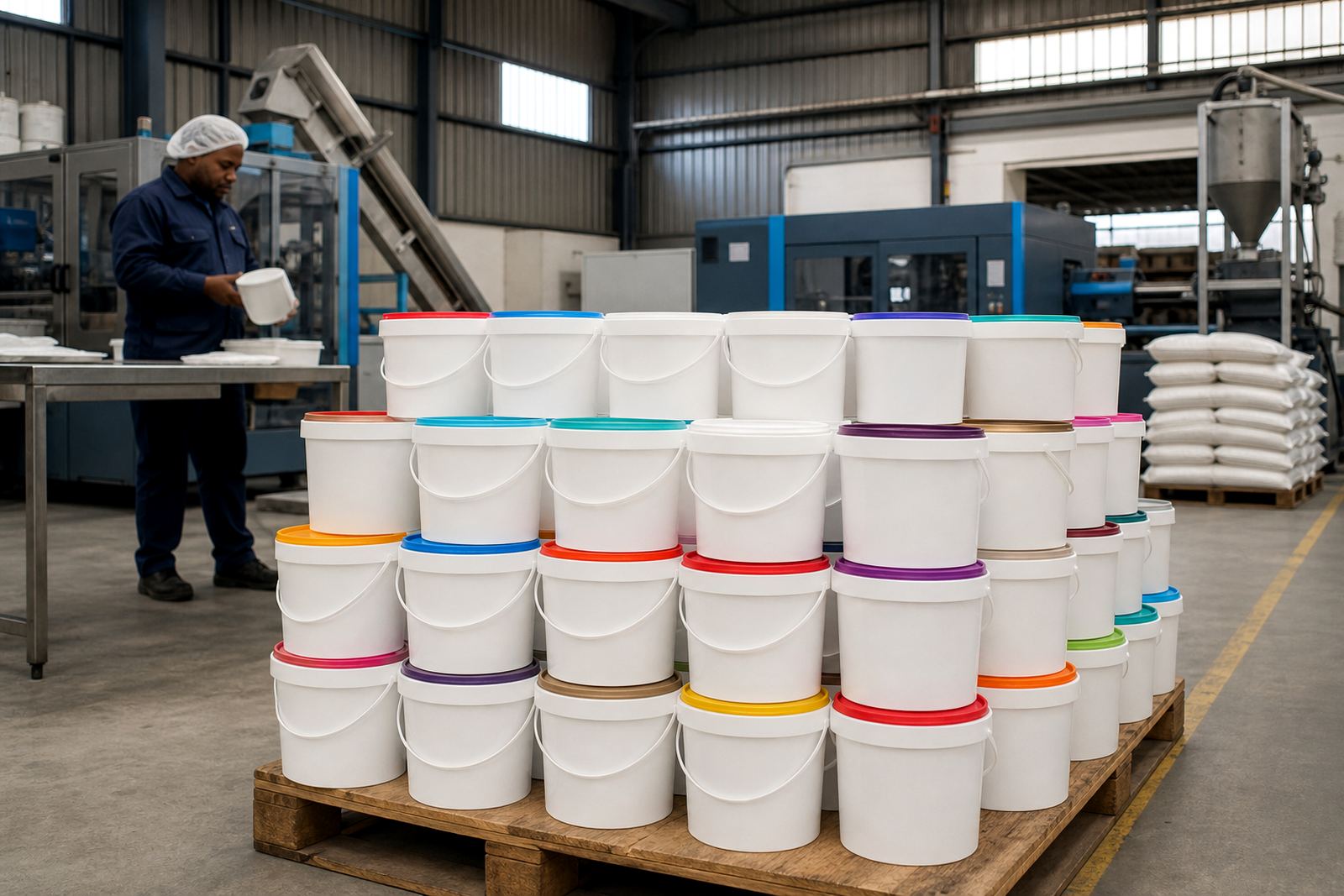
The Natural Container Range moves through Plastic Factory’s Alrode base for supply into Johannesburg, Germiston, Boksburg and wider Gauteng distribution, with national delivery support to Durban, Cape Town, Pretoria and Port Elizabeth. That reach suits packers who need regular stock planning for scheduled runs, seasonal volume changes or new product launches that have to slot into a live factory flow. The dispatch team works with stock run planning, while production can align mould development and trial runs to the pack size you need.
For packers handling food, pharmaceutical and cosmetic goods, a stable container supply matters just as much as the product inside it. The plain natural finish keeps the presentation controlled and the moulded structure keeps the pack moving through filling, sealing, palletising and store delivery with fewer surprises. When the spec is right, the whole line feels more orderly, and that saves trouble further down the chain.
Key facts
| Material options | Polypropylene and HDPE |
|---|---|
| Finish | Natural-toned, uncoloured appearance |
| Common pack styles | Round tubs, straight-sided tubs, matched lids |
| Closure options | Push-on lids and tamper evident seal formats |
| Typical uses | Food, pharmaceutical and cosmetic packing |
| Supply area | Alrode, Alberton with delivery across South Africa |