A tub built for thick and runny sauces
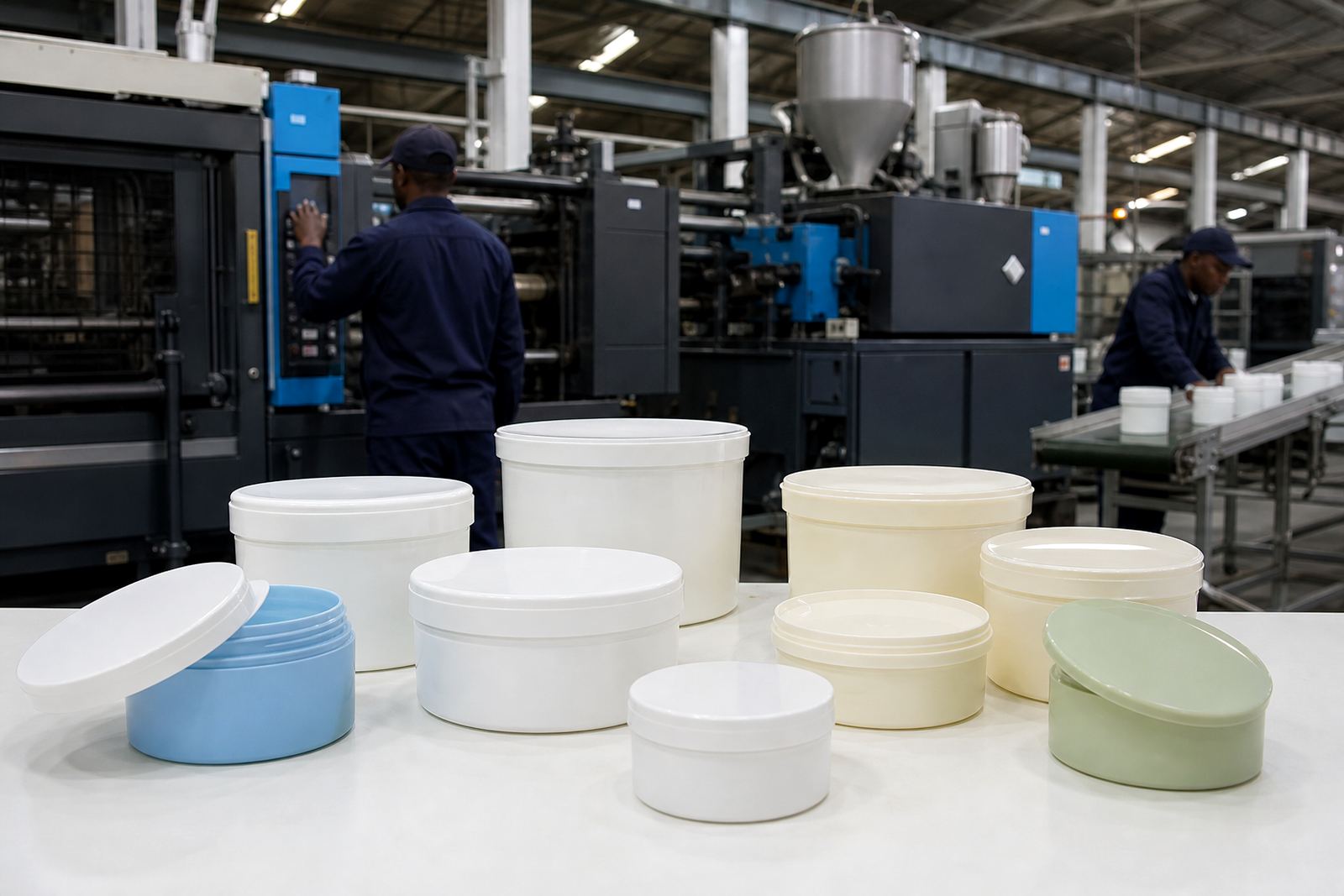
The Sauce Pack Tub is an injection-moulded container used for ketchup, chutney, mayonnaise, salad dressing, relish and other condiments that need a clean fill and a dependable closure. The body is formed for regular stacking and stable handling on packing lines, while the rim profile is made to suit matching lids and tamper evident seals where required. For Alrode, Johannesburg and other inland depots, the tub needs to hold shape under transport and warehouse handling, and coastal humidity in Durban or Cape Town can also influence the final material choice.
These tubs are usually specified in polypropylene or HDPE, depending on the packer's product, filling temperature and how the pack will be used after filling. Polypropylene is often selected for its clarity of purpose in food packaging and its stiffness, while HDPE is valued for impact resistance and a slightly more flexible finish. The right choice depends on the sauce type, the fill weight and the look you want on shelf, not guesswork.
Sizes, wall thickness and closure options
Sauce pack tubs are supplied in a range of practical capacities, from small single-serve packs to larger family sizes. The exact moulded volume and brimful capacity need to suit the fill line, headspace, and the style of lid being used. For many condiment ranges, the tub must also work neatly with a secondary carton or shrink wrap if the product is grouped for retail.
- Common pack sizes can be set from small portion cups to larger tubs for deli and catering use.
- Matching lids can be plain press-on lids, snap-fit lids or tamper evident lids.
- Tamper seals can be designed to suit visible break points or sealing bands.
- Colour matching guidance is available for clear, white and custom tinted packs.
- Pack size planning helps align the tub with sauce density and target fill weight.
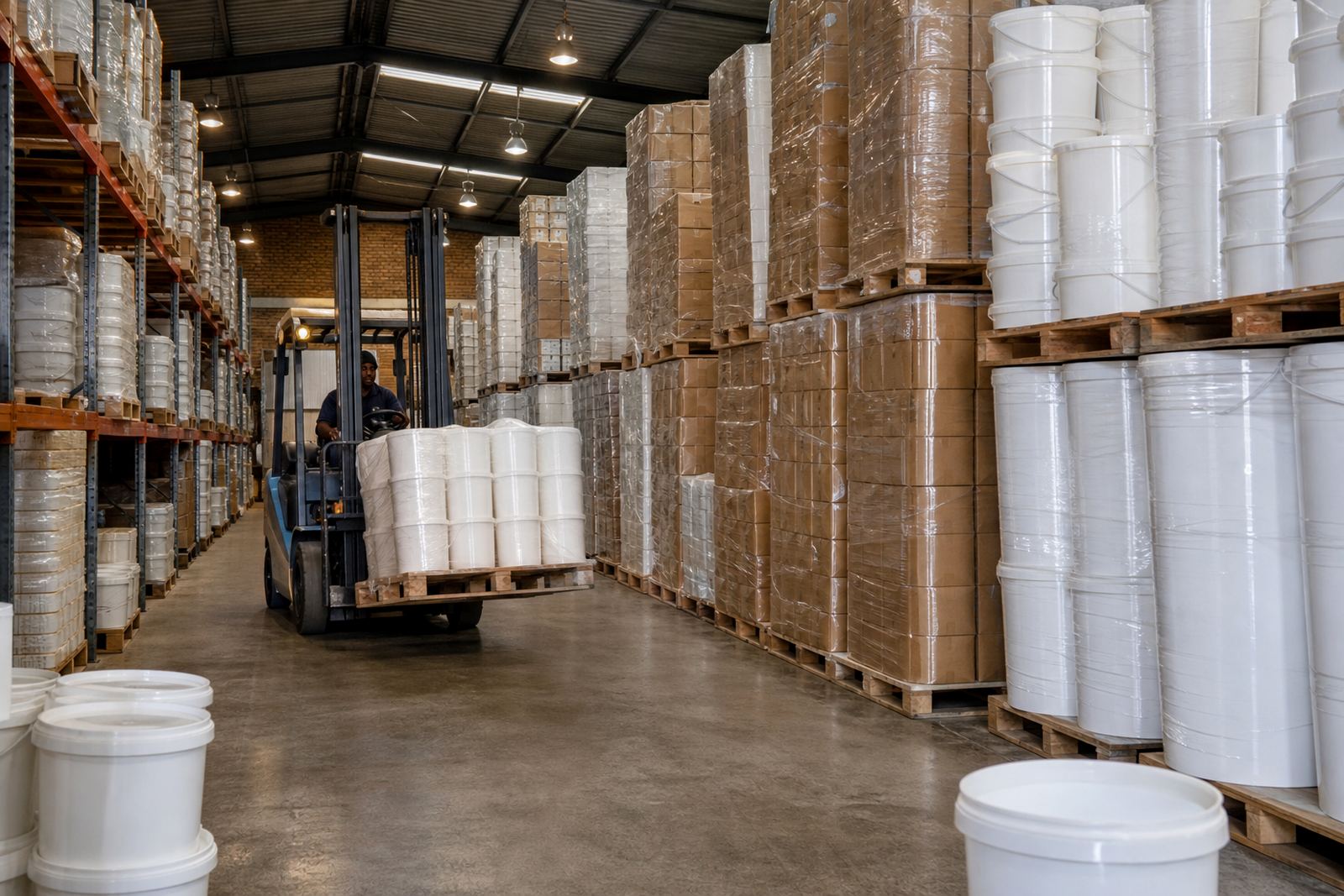
Where the pack must travel through wholesalers or direct store supply, the wall profile matters. A thin wall may save resin, but the pack still has to survive stacking, cold rooms and transport vibration. That is where trial production runs and line fit checks become useful, especially when a packing line uses high speed dosing or repeated capping pressure.
Where sauce tubs suit the pack line
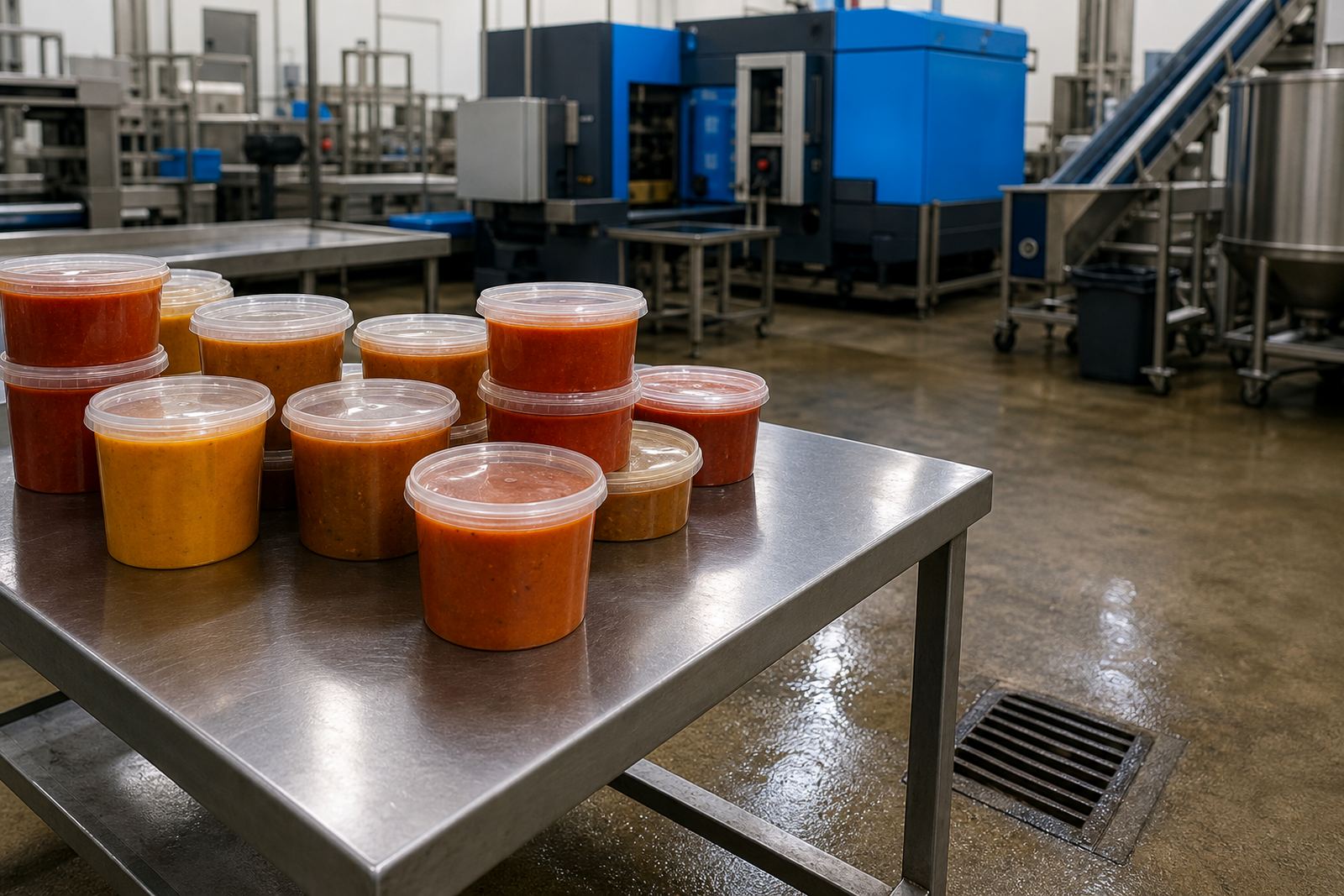
These tubs suit food packers working with wet, oily or acidic condiments, as well as chilled products that move through cold rooms before dispatch. They are used by processors, co-packers and private label packers who need a container that fills cleanly, closes neatly and presents well on shelf. In Johannesburg, Pretoria and Germiston, the pack often moves from filling straight into labelling and carton packing, so the tub has to line up with the rest of the process.
They also work well where product shape and portion control matter. A sauce tub may need to fit a promotional multi-pack, a meal kit or a deli shelf tray with measured spacing. For cosmetic or pharmaceutical packers using similar moulded formats, the same design thinking applies, though the product contact requirements and closure details differ.
- Food packers using sauces, condiments and dips
- Co-packers running retail and food service packs
- Plants needing a tub that suits automated filling lines
- Operations that move product through cold storage or distribution depots
Material selection for product behaviour and shelf life
Material choice is a practical part of the order. Polypropylene is often used where a pack needs stiffness, neat stacking and a tidy finish for branded shelf presentation. HDPE is often chosen where toughness and impact resistance matter more, especially for packs that will be handled repeatedly through secondary packing and dispatch. Both are used widely in food packaging, with food-safe material selection handled as part of the specification for the product and its intended use.
Thicker sauces, oily dressings and acidic condiments can each behave differently inside a container. That means the tub body, lid profile and tamper seal must all work together. If a sauce is filled warm, the container has to cope with that fill condition without distortion, and the closure must seat properly after cooling. Small details like the rim finish, neck profile and stacking lip can make a real difference on the line.
For coastal deliveries, storage in humid air can affect cartons, labels and outer packs even when the tub itself is sound. It helps to keep the whole pack system in view, including the tub, lid and secondary packing advice for the final dispatch format.
Trial runs and line fit checks before scale-up
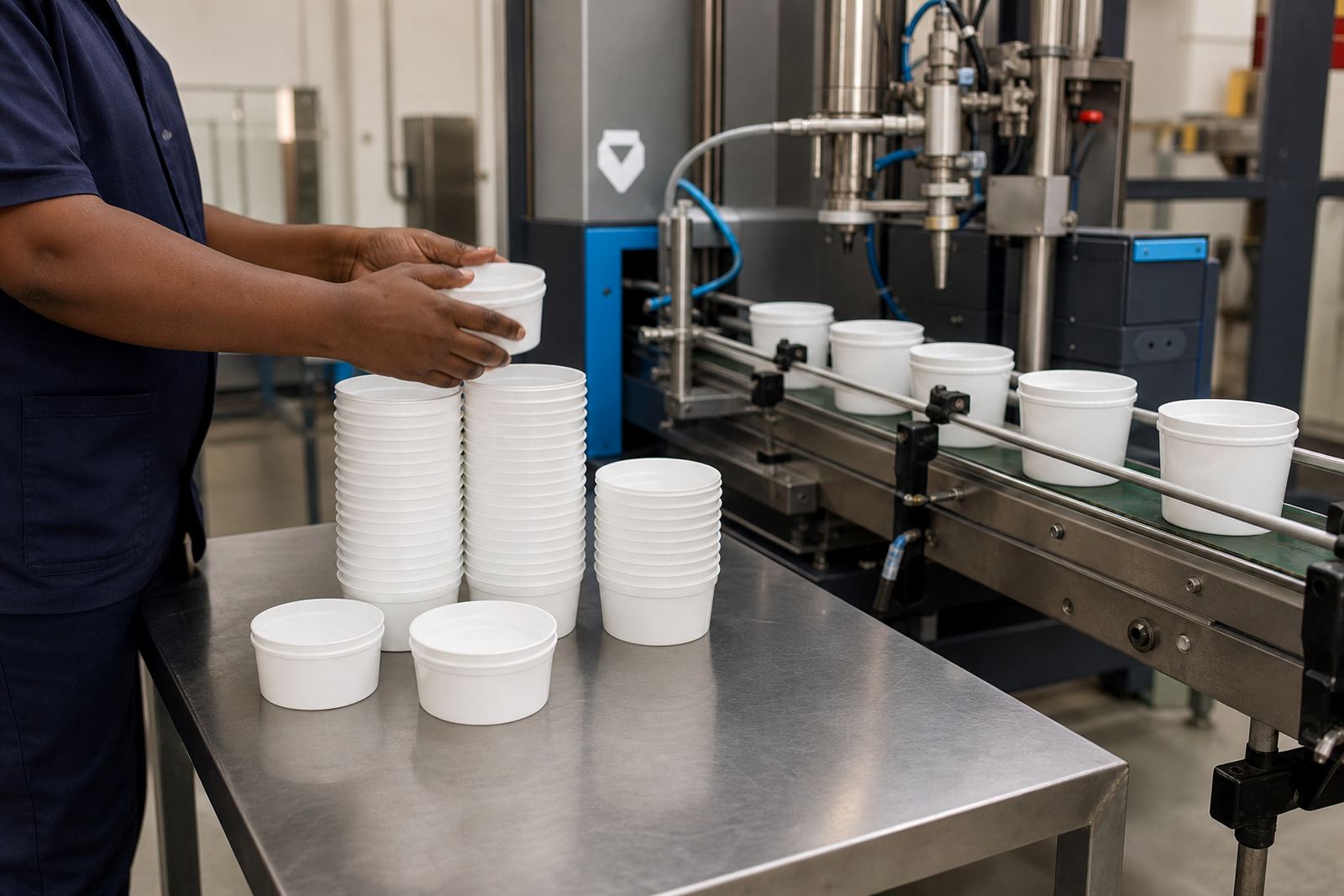
When a new sauce pack tub is introduced, a trial run helps test the fit on actual filling and capping equipment. This is where the packer can check whether the lid seats properly, whether the tamper seal closes cleanly, and whether the tubs feed without jamming on the line. Trial production runs are useful for both new launches and changes to an existing pack size.
- Check the filling temperature and how it affects the container shape.
- Confirm lid engagement under the chosen closing pressure.
- Review labelling space and label wrap on the moulded body.
- Test carton count, stacking height and pallet stability.
- Confirm whether the tamper seal needs a bridge, band or tear strip.
Where a line runs on mains powered filling and capping equipment, the container has to work with the machine settings already in place. A small change in rim depth or wall thickness can alter how the pack behaves at speed, so line fit checks save a great deal of back and forth on the floor.
Care, storage and order details to confirm
Sauce pack tubs should be stored in a clean, dry pack area away from dust and sharp handling. Keep lids matched to the correct tub size, and avoid mixing similar looking parts on the packing floor. If the product is packed in clear tubs, the handling area should be kept especially tidy because fingerprints, dust and scuffing show up quickly on shelf packs. During dispatch, outer cartons should protect the rims and lids from pressure and distortion.
When placing an order, it helps to confirm the finished fill weight, the sauce type, whether the pack is chilled or ambient, and whether a tamper evident feature is required. Also confirm the preferred colour, the required closure style, the label panel size, and whether the pack must fit a specific carton or tray. For longer production runs, stock run planning can help balance order quantity, warehouse space and line set-up time.
Plastic Factory works from Alrode, Alberton and supplies Johannesburg, Durban, Cape Town, Pretoria and Port Elizabeth, with support for local packers in Germiston and Boksburg as well. Enquiries can be sent through the enquiry form on the contact page, where the pack details can be set out for the container, lid and any extra closure parts needed.
Key facts
| Product type | Injection-moulded sauce pack tub |
|---|---|
| Material options | Polypropylene or HDPE |
| Closure options | Press-on lid, snap-fit lid or tamper evident lid |
| Common uses | Sauces, condiments, dressings, relishes and dips |
| Pack features | Stackable body, matching rim, label-friendly side wall |
| Supply area | Alrode, Alberton and delivery across South Africa |