A tub profile made for creams that need clean presentation
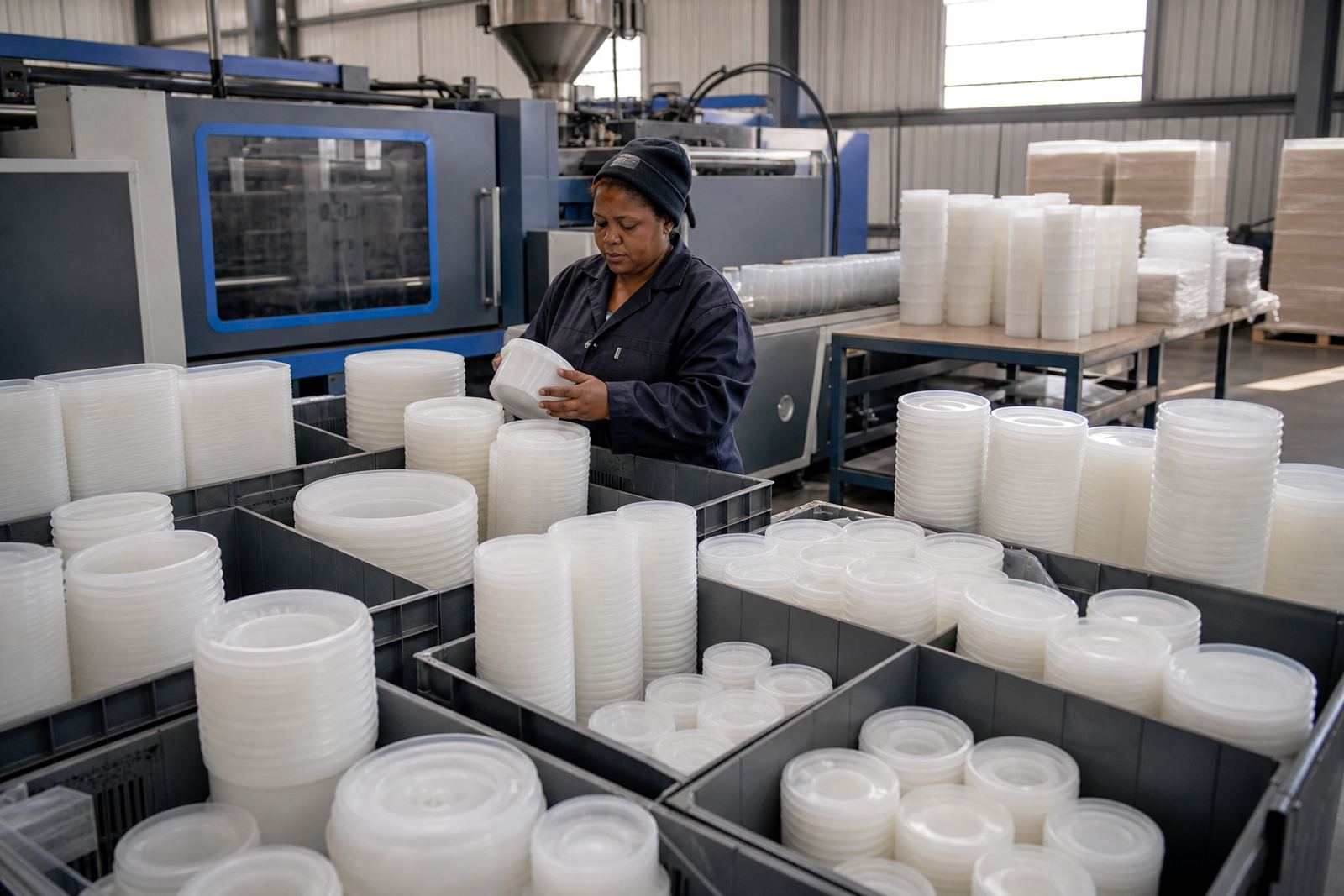
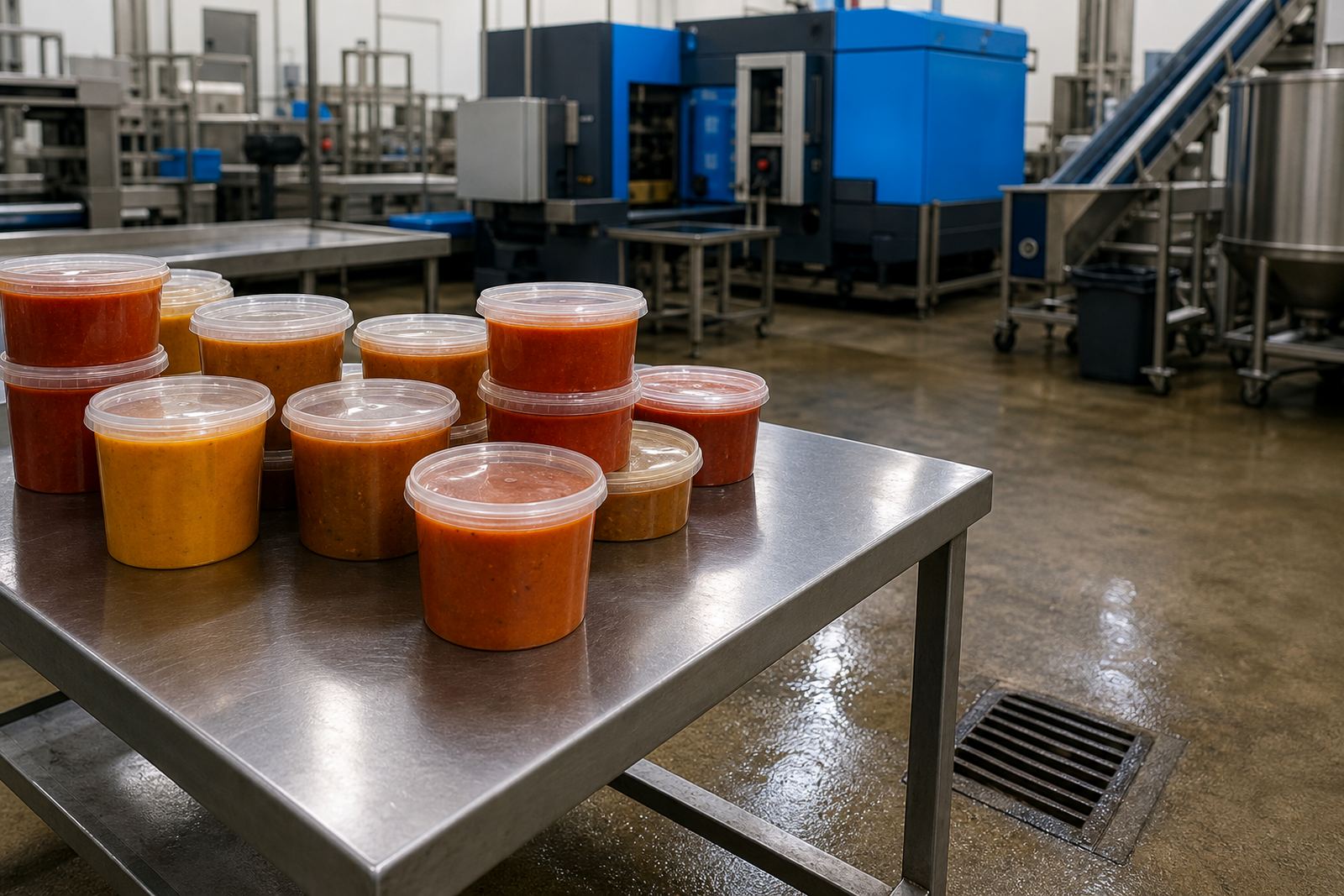
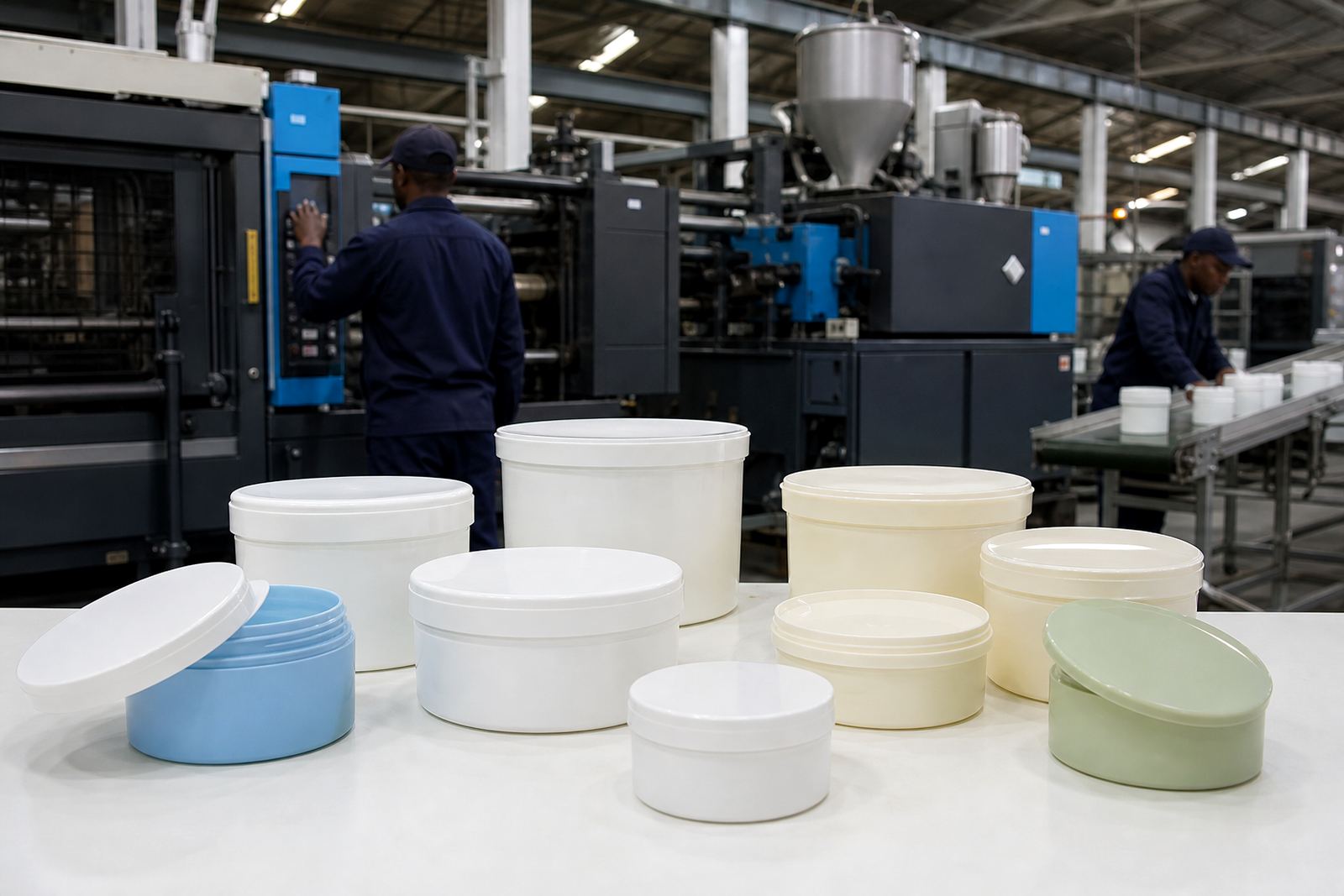
The cosmetic cream tub is a round, injection-moulded container used for thicker personal care products that are filled by weight or volume and packed on automated or semi-automatic lines. It suits face creams, body butters, hair masks, scrubs and similar ranges where the pack must hold shape, stack neatly and close with a lid that sits true. The wall finish, rim detail and base form can be set up for reliable handling through filling, capping and carton packing, with a neat retail shelf look once the label is applied.
Plastic Factory works with polypropylene and HDPE tub formats, depending on the product, the fill temperature and the look required. Polypropylene is commonly used for a clean white or tinted finish with good rigidity, while HDPE is often selected where a softer feel or different chemical behaviour is needed. For cosmetic packers, the main concern is steady performance through the line and a tub that protects the product from handling marks, spillage and lid lift. In coastal towns such as Durban and Port Elizabeth, material choice also matters because humid storage can affect how labels sit and how packs are handled in transit.
Sizes and format choices for body care ranges
Cosmetic cream tubs are usually selected by fill size, neck finish and the way the product is dosed at the line. Common pack sizes range from small sample tubs through to larger retail packs, and the internal geometry can be adjusted to suit the product texture. A whipped cream may need a wider mouth for easy filling, while a dense mask may need a deeper tub with a stable base. Lids can be matched to the tub profile, with options that support snap-fit closure, tamper evidence and clean stacking in cartons.
- Small pack sizes for travel items, testers and trial retail ranges
- Mid-size tubs for face creams, body butters and daily care lines
- Larger tubs for salon packs, spa packs and refill formats
- Plain or tinted finishes for product separation on shelf
- Matching lids with optional tamper seals for added pack integrity
Where a packer runs multiple body care items in one line, the tub profile can be planned so the same outer diameter or lid family works across several fill sizes. That helps reduce changeover pressure and keeps secondary packing more orderly. It also makes carton and pallet planning simpler for dispatch into Johannesburg, Pretoria and the coastal routes.
Material selection for creams, masks and sensitive fills
Material choice matters when the product has oils, actives or fragrance load. Polypropylene is widely used for cosmetic tubs because it offers good rigidity, a clean finish and a familiar feel for retail packs. HDPE is also used in the packaging trade for tubs and lids where the brief calls for a different balance of toughness and flex. The final choice depends on the fill, the closure style and whether the pack is going to sit on a warm packing line, in warehouse storage or on a retail shelf near windows and display lighting.
For food-safe or cosmetic-safe applications, the selected material and mould finish should suit the packer's process and product contact needs. Surface finish can be specified to support labelling or direct print, while colour matching guidance is available for brands that need a house colour across several pack sizes. If a line uses hot-fill or warm product transfer, that detail needs to be confirmed early so the tub, lid and seal arrangement are set correctly from the first trial. Johan and the production team work through mould development and trial runs when a shape needs adjustment for fill behaviour or stacking.
- Polypropylene for rigid cosmetic tubs with a clean retail look
- HDPE for applications needing a slightly different handling feel
- Natural, white or matched colour options depending on the range
- Surface finish that supports label placement and carton packing
- Material selection aligned to the product fill, storage and display
Lids, tamper seals and line fit on packing runs
A cosmetic cream tub is only as dependable as its closure system. Lids need to sit squarely, seal consistently and move through the packing line without snagging. Where tamper evidence is required, a seal detail or band can be developed to suit the tub and lid combination. That becomes important for pharmacies, cosmetic counters and export-style retail packs where the end user expects a clear sign that the pack has not been opened. Secondary packing advice is also useful when the tubs are going into cartons, sleeves or shrink-wrapped bundles.
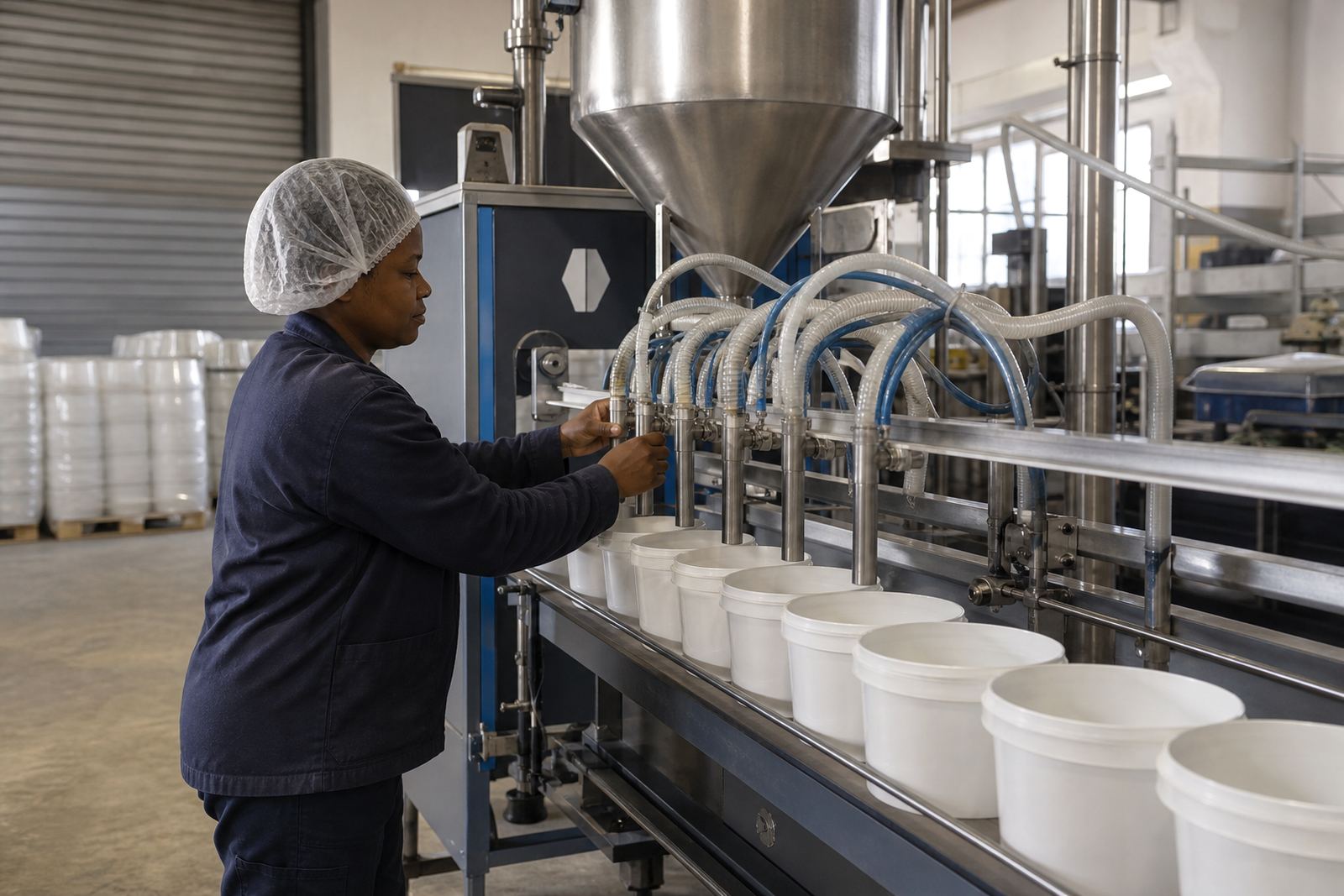
Line fit checks look at how the tub behaves through filling, lidding and stacking. The important points are the neck finish, lid engagement, whether the base nests properly and if the filled pack remains stable during transport. In a busy packing room, a tub that shuffles or tips can waste product and slow the whole run. We also look at how the pack is handled after filling, because a cream tub that lands neatly in a carton is easier to keep clean and presentable through delivery to Alberton, Boksburg and Germiston supply points.
Where cosmetic cream tubs suit the shelf and the filling room
This format suits skincare ranges, private label body care, salon products and compact pharmaceutical-style topical packs. It works where the product is thick enough to hold its shape and where the consumer expects to open, use and reclose the pack many times. Cream tubs also suit ranges that are sold in multiple sizes, because the same family look can be kept across the shelf with only the volume changing. For a packer with several products on one filling line, the tub gives good control over presentation and stock planning.
For local businesses in South Africa, practical details often matter more than a glossy finish. A pack running through a humid Durban store room may need a label and lid combination that stays neat after handling, while a Cape Town dispatch run may need carton strength and pallet stability for a longer transport leg. Cosmetic cream tubs from Plastic Factory are planned around those everyday conditions, not just the sample on the table.
- Creams, masks, body butters and exfoliating scrubs
- Salon backbar packs and retail body care ranges
- Pharmaceutical-style topical products in consumer packs
- Private label ranges with matching lid and colour options
Ordering details that help set the mould correctly
When asking for a cosmetic cream tub, the most useful details are the fill volume, product type, desired colour, closure style and whether tamper evidence is required. It also helps to note the way the pack will be filled, capped and boxed, because that affects the neck finish, base form and stacking behaviour. If the range is being added to an existing line, the current line settings and carton pattern should be included so the tub can be checked against the machine and the pack-out method. The more specific the brief, the easier it is to align the mould and the lid.
The enquiry form on our contact page is the normal route for product enquiries, and our team handles the follow-up from Alrode, Alberton. Thabo Letsoalo leads the business, with Naledi Sauls handling sales, Ayesha Oosthuizen on quality coordination, Sibusiso Hartnick on dispatch and Carla Naidoo on customer support. That structure keeps the tub specification tied to the actual packing and delivery process, not just the drawing. For South African packers, that practical link matters when stock needs to move cleanly into Johannesburg, Durban, Cape Town, Pretoria or Port Elizabeth.
- Target fill volume and finished pack height
- Product type, viscosity and whether it is filled warm or cold
- Lid style, tamper seal need and colour preference
- Expected packing line speed and carton arrangement
- Delivery area and whether the range is for ongoing stock or trial production
Care and handling after the packs leave the line
Finished cosmetic cream tubs should be stored upright, away from unnecessary pressure and kept clean before filling. Dust and off-cut contamination can interfere with lid fit and label adhesion, so the packing area needs orderly handling from the start of the run. During transport, carton compression should be kept in check so lids do not distort under load. In storage, the tub should not be exposed to conditions that soften the pack or affect the printed label face. Where stock sits for longer periods, rotation matters, especially for ranges moving through different provinces in varying temperatures.
For packers working with body care items, the best results usually come from a stable tub, a lid that closes evenly and a label layout that leaves enough clear area for batch codes and product notes. That combination helps the product look right on shelf and keeps the packing room moving without unnecessary sorting.
Key facts
| Product type | Injection-moulded cosmetic cream tub |
|---|---|
| Materials | Polypropylene or HDPE |
| Closure options | Matching lid, tamper seal detail, snap-fit closure |
| Typical uses | Creams, masks, body butters, scrubs, salon packs |
| Fit support | Line fit checks, trial production runs, colour matching guidance |
| Base and supply area | Alrode, Alberton with delivery across South Africa |