A round tub that suits steady packing lines
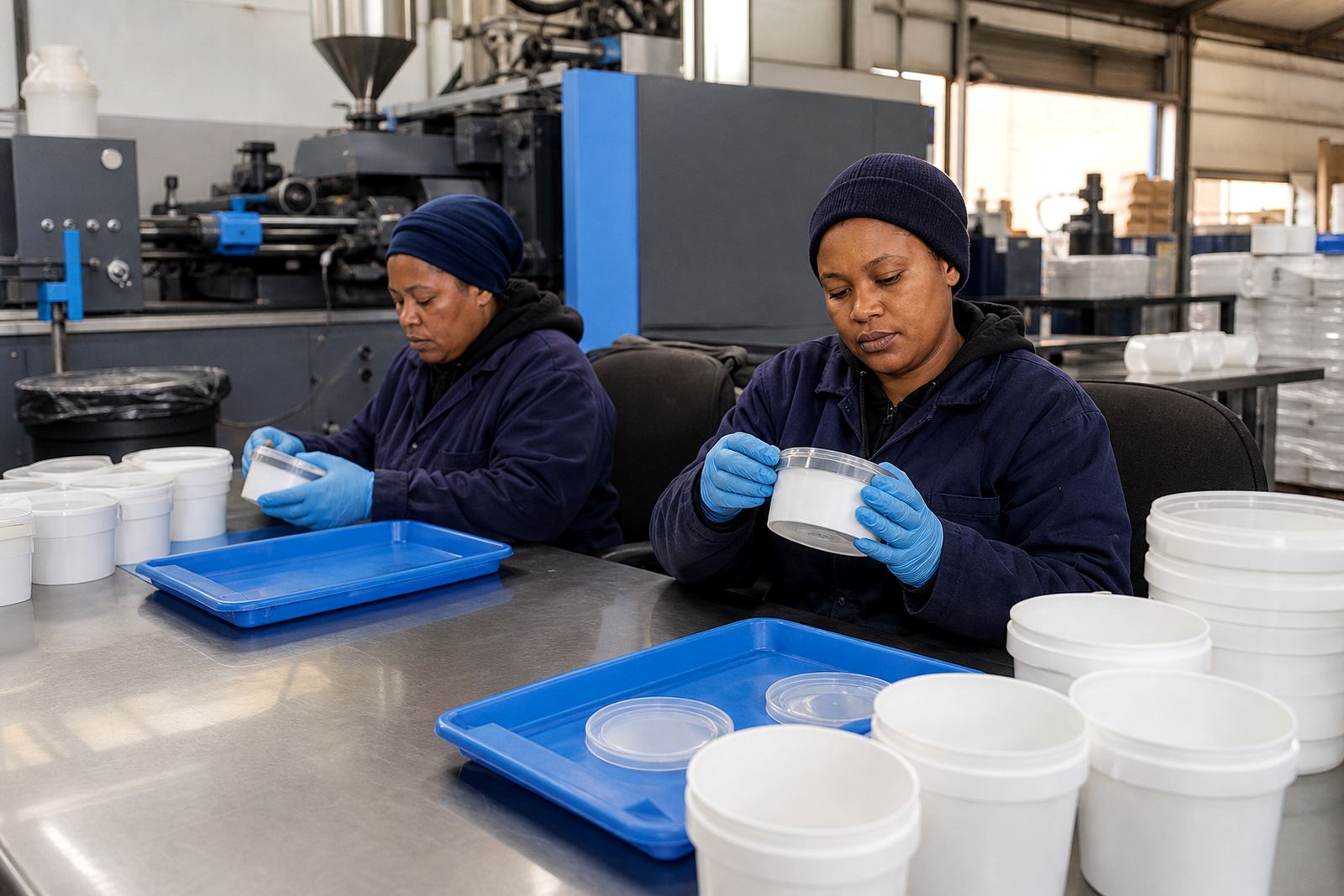
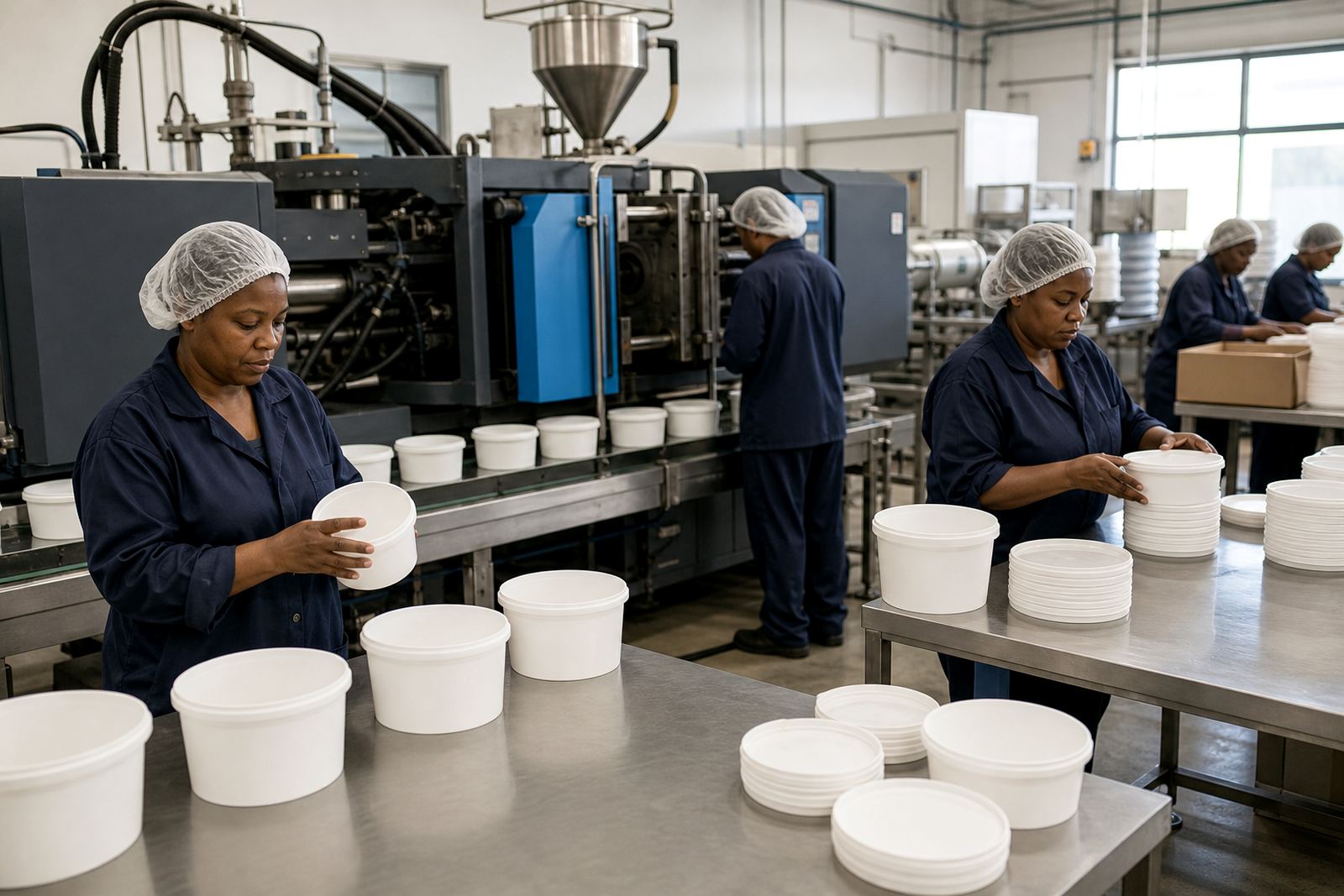
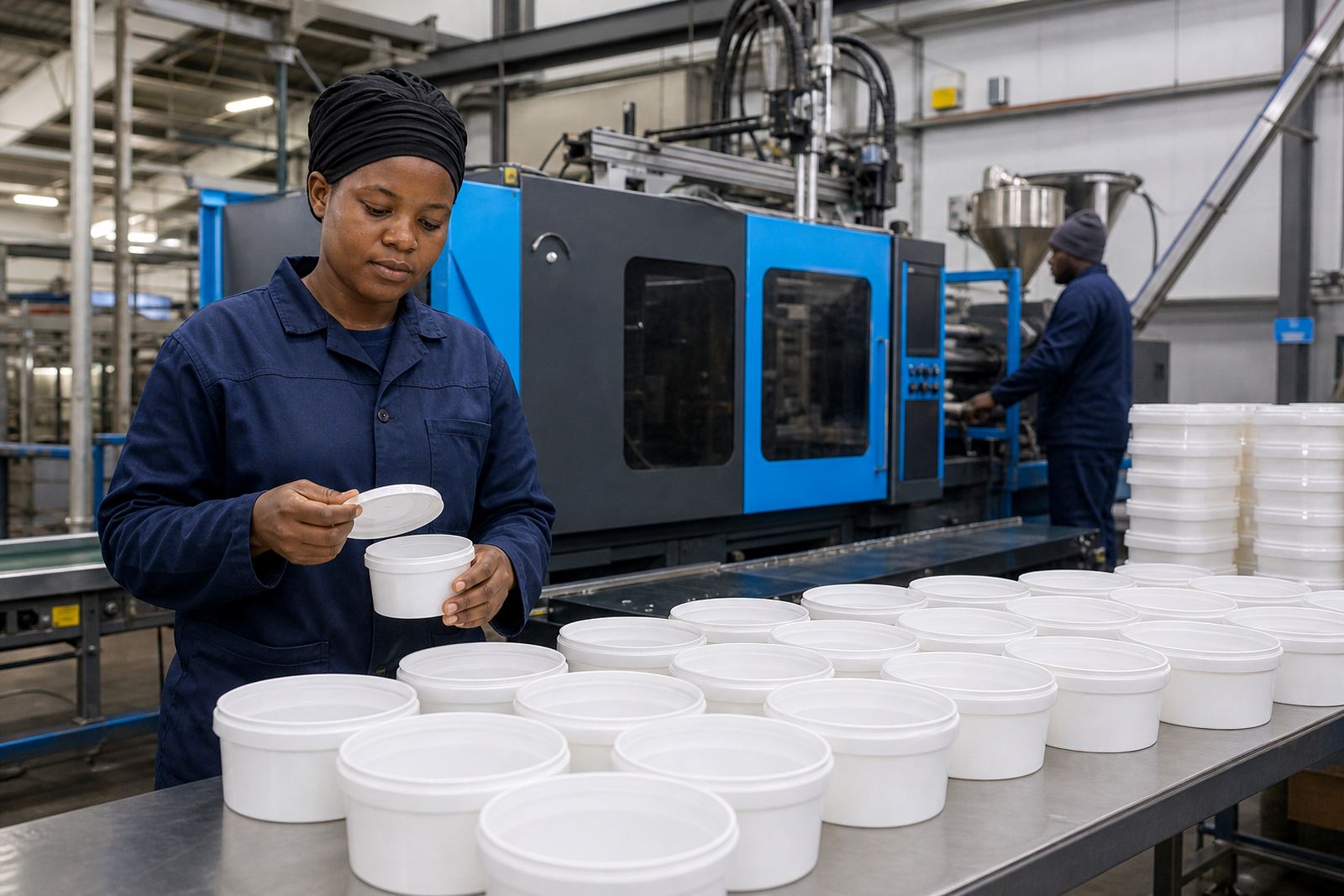
The 500ml round tub is a familiar shape on South African packing lines because it stacks neatly, fills cleanly and gives a tidy finish on the shelf. It is commonly used for yoghurts, cream cheese, butter blends, dips, body butters and similar products that need a container with a consistent rim and dependable closure.
Injection moulding forms the tub wall and base in one controlled process, which helps keep the wall thickness even and the rim true for lid fit. That matters when packs move through filling, lidding and secondary packing at speed, especially where jars and tubs must sit square in cartons or shrink-packed trays.
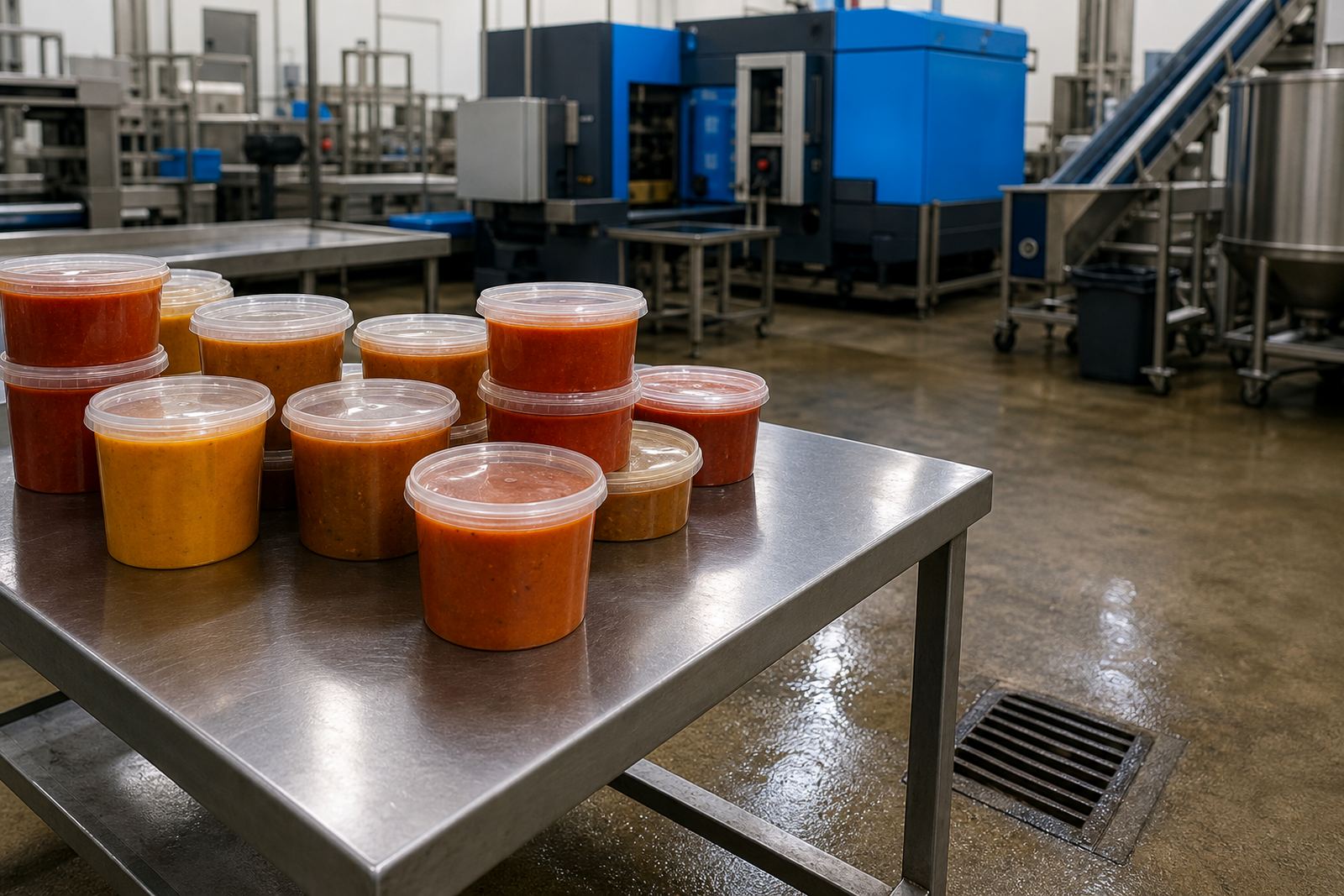
For food packers in Johannesburg, Germiston, Boksburg and Alberton, the 500ml size offers a practical middle ground between trial packs and family packs. It also suits cosmetic fill sizes where the product needs a wide opening for scooping, spooning or dipping.
Polypropylene and HDPE options for different product lines
Plastic Factory supplies the 500ml round tub in food-grade polypropylene and HDPE options, depending on the product and the way it is filled. Polypropylene is often selected for warmer fills and products that need a firmer feel in hand, while HDPE is commonly used where impact resistance and chemical compatibility are important.
The right material choice depends on the product, the storage conditions and the fill route. A dairy packer in Pretoria may need one wall feel for chilled filling, while a cosmetic line in Cape Town may prefer a different finish for creams or balms packed into the same nominal size.
- Polypropylene for a cleaner rigid feel and good heat tolerance in many filling conditions
- HDPE for strong impact resistance and reliable day-to-day handling
- Optional opaque, natural or tinted colourways subject to production planning
- Matching lids with snap fit or tamper-evident features where specified
Lids, tamper seals and line fit checks
The 500ml round tub is usually paired with a matching lid that seats evenly around the rim. Depending on the product, this can include a plain snap-on lid or a lid that works with a tamper-evident seal. The right closure helps protect product integrity through filling, dispatch and retail handling.
For pack lines, the important points are the rim profile, lid engagement and how the pack behaves under pressure from capper heads or manual closing. A line fit check helps confirm that the container, lid and seal arrangement sit properly on the customer’s existing equipment and tray sizes.
- Lid profile matched to the tub rim
- Tamper seal design for pack security and shelf control
- Trial production runs for new pack introductions
- Secondary packing advice for cartons, sleeves and display trays
Where closures are run on automated equipment, the pack needs to feed evenly and close without distortion. Small differences in neck finish or lid grip can affect consistency, so the practical check is done against the actual line set-up and pack handling method.
Where the 500ml size fits on shelf and in transit
This size is well suited to chilled food ranges, ambient pantry goods and personal care products that need a moderate fill volume without taking up too much shelf space. In supermarkets, deli counters and cosmetic displays, the round form gives a familiar look that is easy to label and easy to stack.
It also works well for packing and distribution where tubs must travel from Gauteng to coastal centres such as Durban, Cape Town and Port Elizabeth. Good stacking strength and a stable base help reduce scuffing and crushed corners in outer cartons, which is useful when pallets are handled several times before the product reaches store or depot.
For food packers, the 500ml round tub can be a practical choice for products that are portioned by volume rather than by weight alone. For cosmetics, it gives enough opening width for thicker creams and body products, while still keeping the pack compact.
Care, storage and product handling on site
Injection-moulded tubs should be stored in a clean, dry packing area with care taken to avoid dust, grease and heavy pressure on the rims. Keep cartons flat and avoid placing loose weights on the packs, because rim distortion can affect lid fit later on the line.
In humid coastal conditions, especially around Durban and the Eastern Cape, packaging should be kept inside covered storage until use. Clean handling is important for food and cosmetic lines, and any colour matching or printed component should be checked against the full production batch before fill runs begin.
Where the pack is used with a tamper seal, the sealing method must be matched to the lid and the filling sequence. If the product is hot-filled or moved through a warm room, that detail needs to be part of the specification so the pack shape and closure stay consistent.
Ordering details that need to be confirmed
When specifying a 500ml round tub, the working details should be fixed before moulding or stock allocation. That helps keep the pack aligned with the filler, the label and the shipping carton, and it avoids avoidable changes once line trials begin.
- Product type, such as dairy, spread, cream or personal care fill
- Material choice, polypropylene or HDPE
- Preferred lid style and tamper seal requirement
- Colour preference, including natural, white or tinted options
- Label area needed and whether full-wrap or spot labelling is planned
- Case pack quantity and pallet pattern for dispatch planning
Custom tub design, mould development, pack size planning and colour matching guidance are all handled to suit the product and the line environment. For packers in Alberton Supply, Germiston Supply or Boksburg Supply, the aim is to keep the tub practical from the first fill through to final dispatch.
Key facts
| Product | 500ml round tub |
|---|---|
| Material options | Polypropylene or HDPE |
| Typical use | Dairy, spreads, personal care and similar fills |
| Closure options | Matching lid and tamper-evident sealing options |
| Form | Injection-moulded round tub |
| Supply areas | Alberton, Johannesburg, Germiston, Boksburg, Pretoria, Durban, Cape Town and Port Elizabeth |