Tubs shaped for the pack, not the other way round
Custom tub design starts with the product itself. A tub that works for a dry food, cream, powder or tablet needs the right wall thickness, stack stability, neck finish and lid engagement, otherwise filling gets messy and storage space is wasted. We look at the product weight, the way it settles in the pack, how it sits on shelf and how it travels through your packing line.
For most projects the design work centres on polypropylene or HDPE, both widely used for injection-moulded containers and tubs. Each material has a different feel and performance profile, so the choice depends on the product, the look you want and the way the container will be handled in distribution. We also keep an eye on mould release, rim finish and whether the tub needs easy nesting or stable stacking for dispatch.
What is included in the development work
The service covers the shape, closure interface and production practicality of the tub. If a lid needs a snap fit, screw fit or tamper-evident feature, that is built into the design early. We also consider labels, coding areas and secondary packing so the container works properly on the shop floor and in the warehouse, not only on a drawing.
- Tub shape and capacity planning
- Wall, base and rim design guidance
- Polypropylene and HDPE material selection
- Lid fit and seal detail development
- Tamper seal features where needed
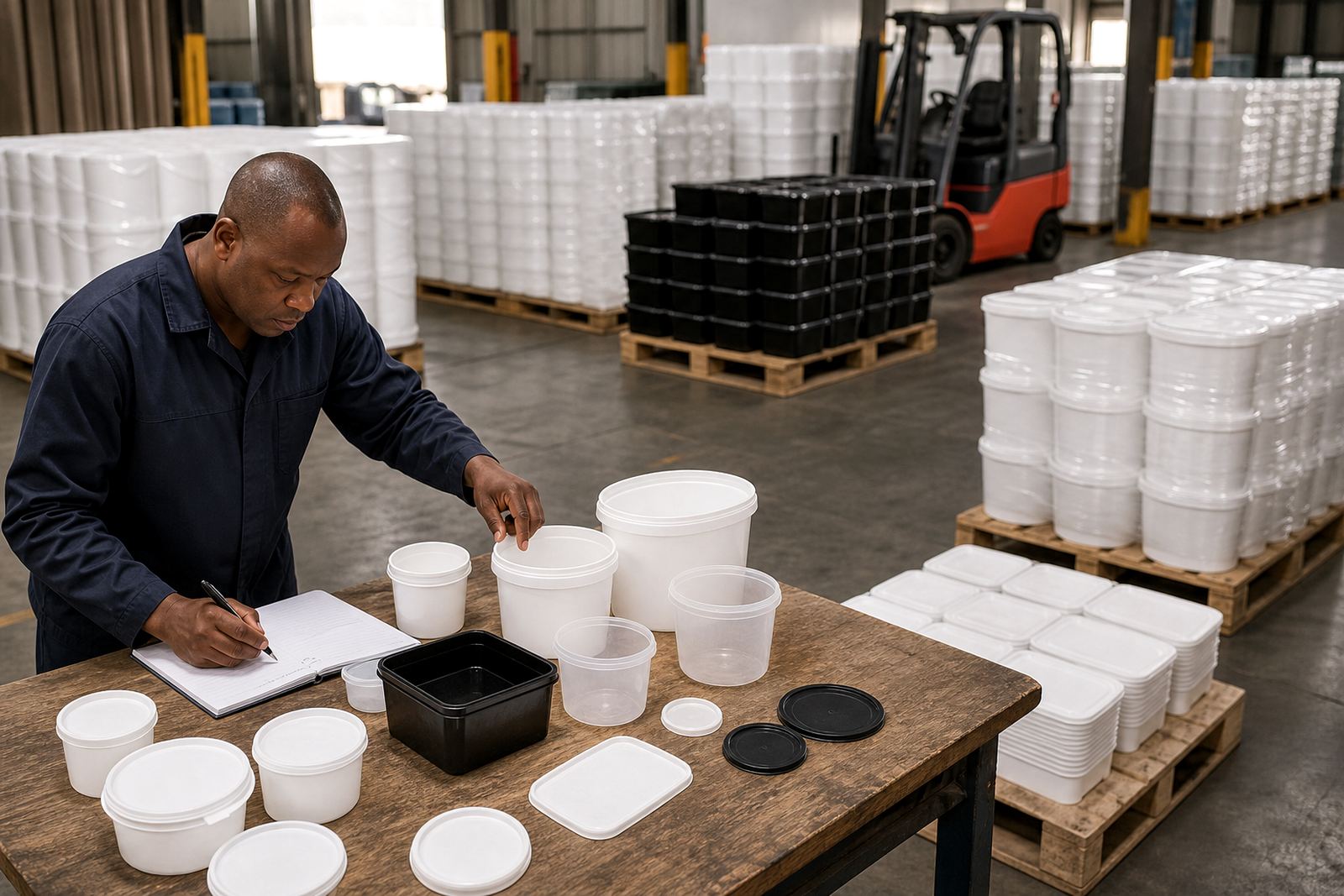
- Stacking, nesting and pallet use checks
- Colour matching guidance for branded runs
For food packers, the finish needs to be practical and clean to fill. For pharmaceutical and cosmetic packs, consistency matters just as much because the container must sit well on automated or semi-automated lines. Small changes to rim geometry or shoulder shape can make a real difference to line handling.
How a new tub moves from brief to trial run
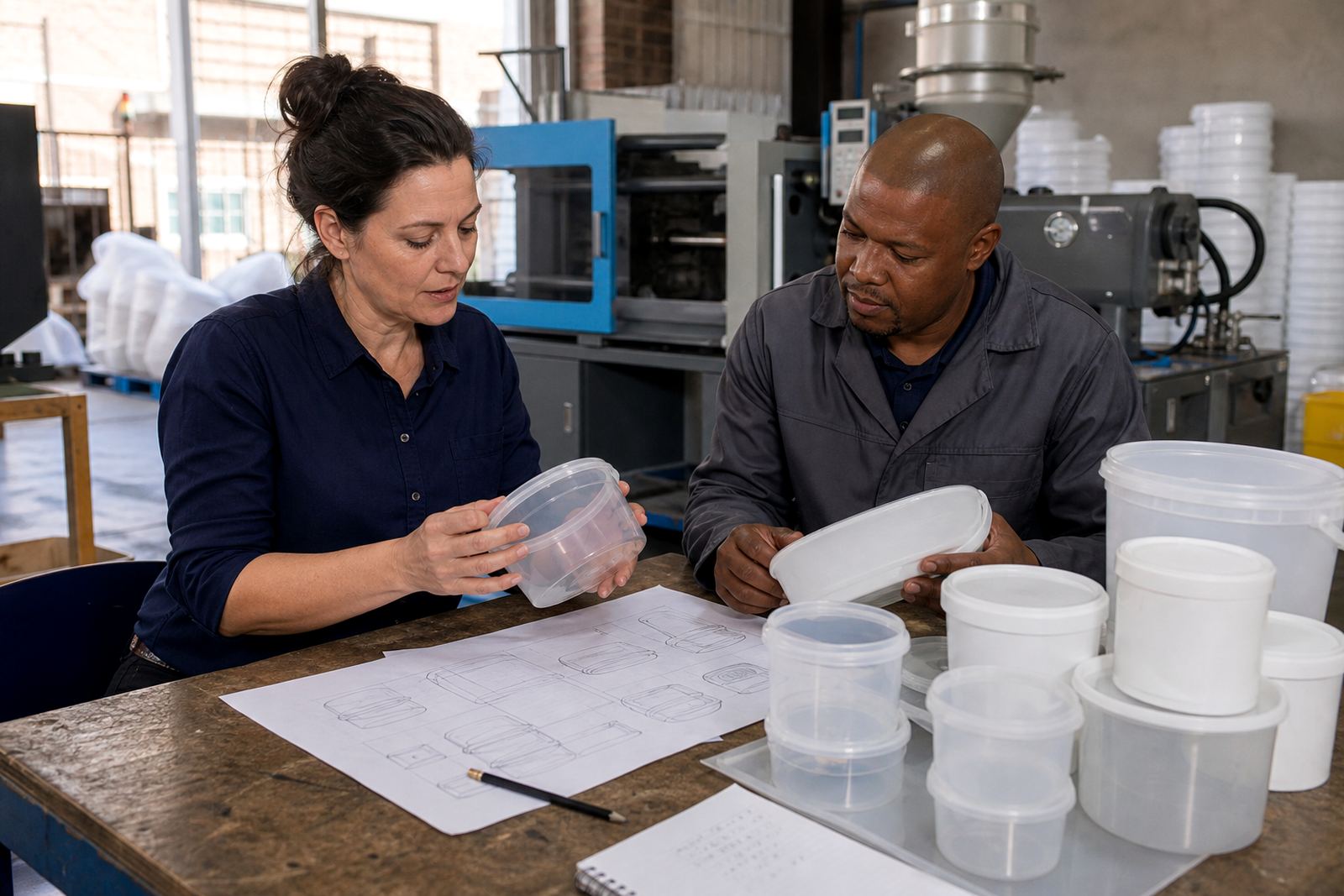
We usually begin with your pack size, target fill weight and how the product is filled or closed. From there, the mould development stage focuses on dimensions that suit your process and the shelf space available in stores or depots. If you are replacing an existing container, a line fit check helps confirm that the new tub behaves properly with the current fill heads, capping equipment and carton packs.
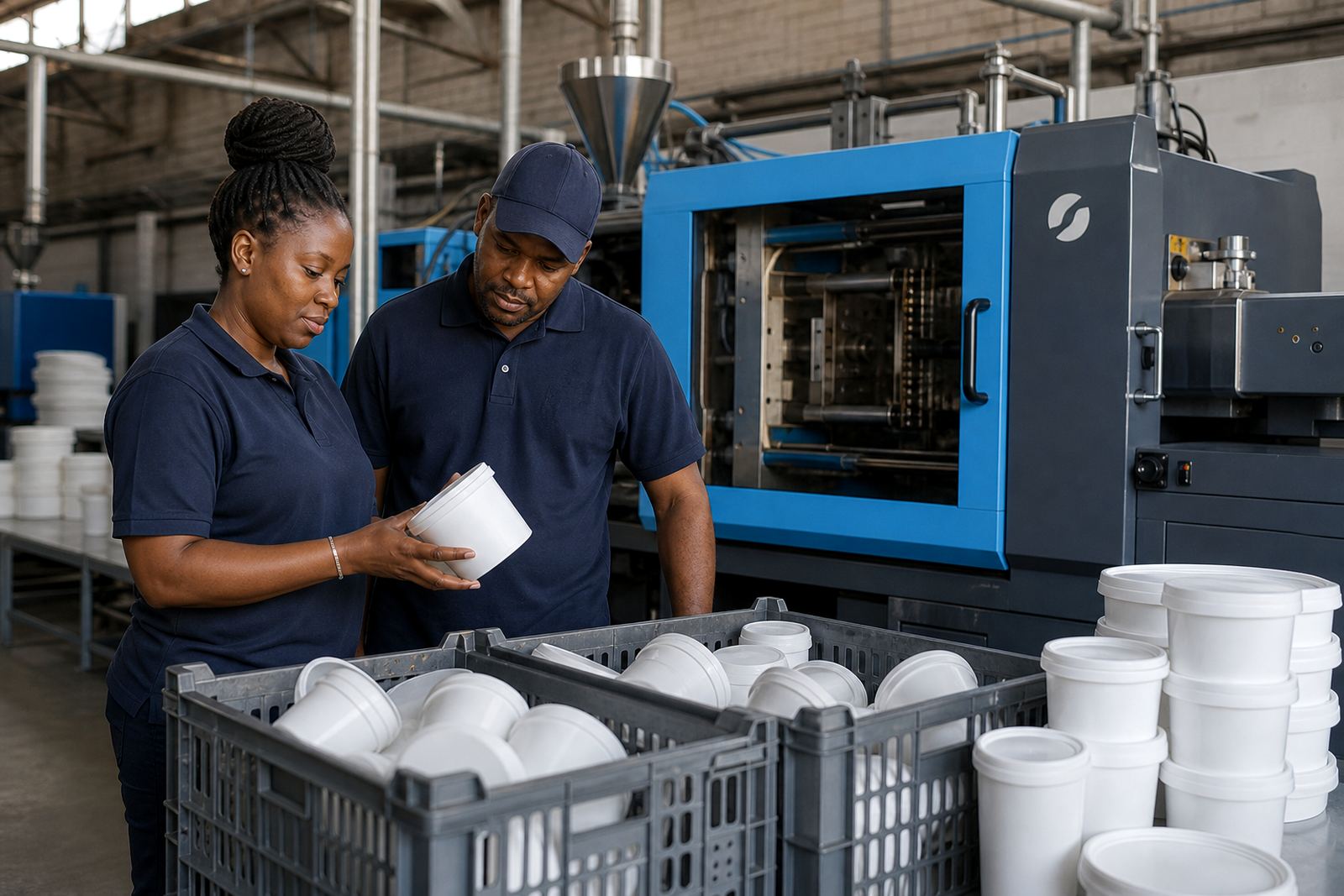
Trial production runs are useful when the pack is new to your operation. They allow checks on lid engagement, seal performance, stacking and the way the tub holds up during transit. Where needed, we adjust the wall profile, neck finish or base detail before larger stock runs are scheduled. That saves a lot of unwanted handling later on.
- Brief and product information review
- Dimension and capacity proposal
- Mould concept and technical sign-off
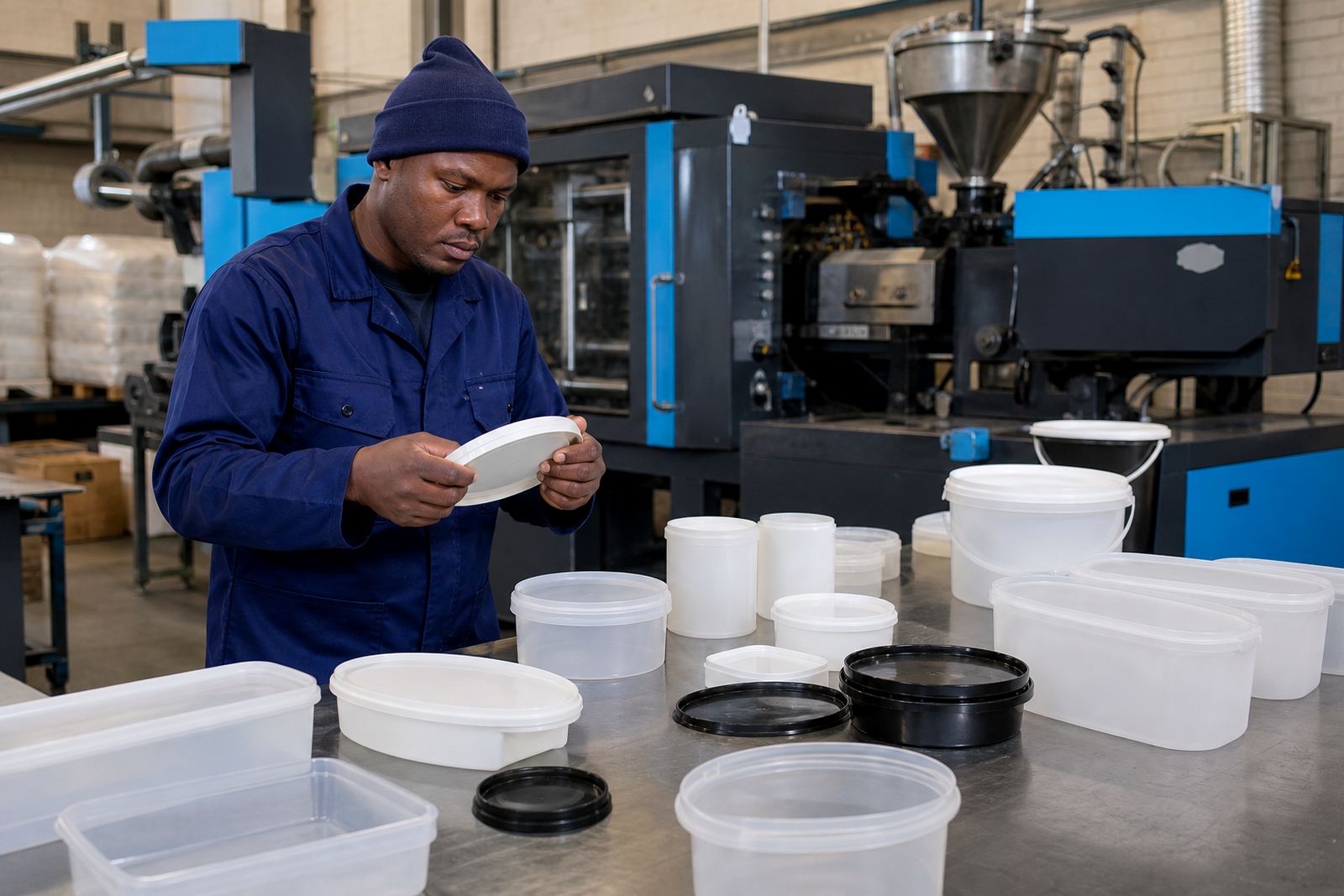
- Trial run with sample tubs and lids
- Line fit check at filling point
- Finalisation for stock or custom production
Materials, food-safe use and packing line fit
Polypropylene is often preferred for light, tidy handling and good general packaging performance. HDPE is also widely used where toughness and chemical resistance are important. The right choice depends on the contents, the closure, the storage conditions and whether the tub must keep its shape under load in transit. In humid coastal areas such as Durban or Port Elizabeth, the container also has to cope with warehouse conditions without warping or becoming difficult to handle.
For food-safe use, the full pack system matters, not only the tub body. Lid fit, tamper seals, secondary packing and carton sizing all influence whether the finished product arrives clean and presentable. On busy packing lines, a tub that feeds neatly and stacks evenly can reduce stoppages and handling waste. That is especially important where pack sizes change often or where multiple product lines use the same equipment.
- Typical capacities from small sample tubs to larger retail packs
- Common formats for round, square and rectangular tubs
- Lids matched to snap fit or tamper-evident use
- Options suited to manual or semi-automated packing lines
- Colour guidance for clear, white or branded tones
Turnaround, pricing and how quotes are handled
Turnaround depends on the complexity of the tub, the mould work involved and whether the project needs trial production before release. A straightforward shape with existing tooling knowledge may move faster than a new pack with special lid requirements or a difficult fill profile. If the project calls for colour work or stock run planning, that is built into the schedule from the start.
Pricing is based on the container size, material choice, mould development requirements and the volume expected for production. A new design can involve tooling work, test runs and set-up time, while repeat stock orders are usually priced differently because the development cost is already covered. We keep the commercial side tied to the actual packaging task, not broad assumptions.
For local supply into Alberton, Germiston and Boksburg, the practical part is often the repeat pack consistency. For deliveries to Johannesburg, Pretoria, Durban, Cape Town and Port Elizabeth, we also factor in packing protection and pallet stability so the tubs land in usable condition.
Aftercare after the tub is in production
Once a new tub is in use, the focus shifts to keeping the pack consistent across production runs. That can include minor product updates, revised lid details or colour matching guidance when a brand changes its visual line. If your pack size changes, or the fill weight moves, we can look at whether the same container still fits the job or whether a small redesign is needed.
Ongoing product updates are useful where one pack serves several formats, for example a family of tubs for different sizes in the same range. It is easier to keep artwork, lids and secondary packing aligned when the container dimensions are reviewed properly. That avoids odd gaps in cartons and keeps the shelf face neat.
Clients often use the enquiry form on our contact page when a current pack needs refining or a new line is being planned. The details that help most are the product type, fill size, preferred material and whether the tub has to work with an existing lid or sealing method.
Key facts
| Material options | Polypropylene and HDPE |
|---|---|
| Manufacturing method | Injection moulded tubs and lids |
| Typical use | Food, pharmaceutical and cosmetic packing |
| Closure options | Matching lids, tamper seals and fit checks |
| Development support | Custom shapes, mould development and trial runs |
| Service area | Alberton, Johannesburg, Durban, Cape Town, Pretoria and Port Elizabeth |