What a trial run covers on the shop floor
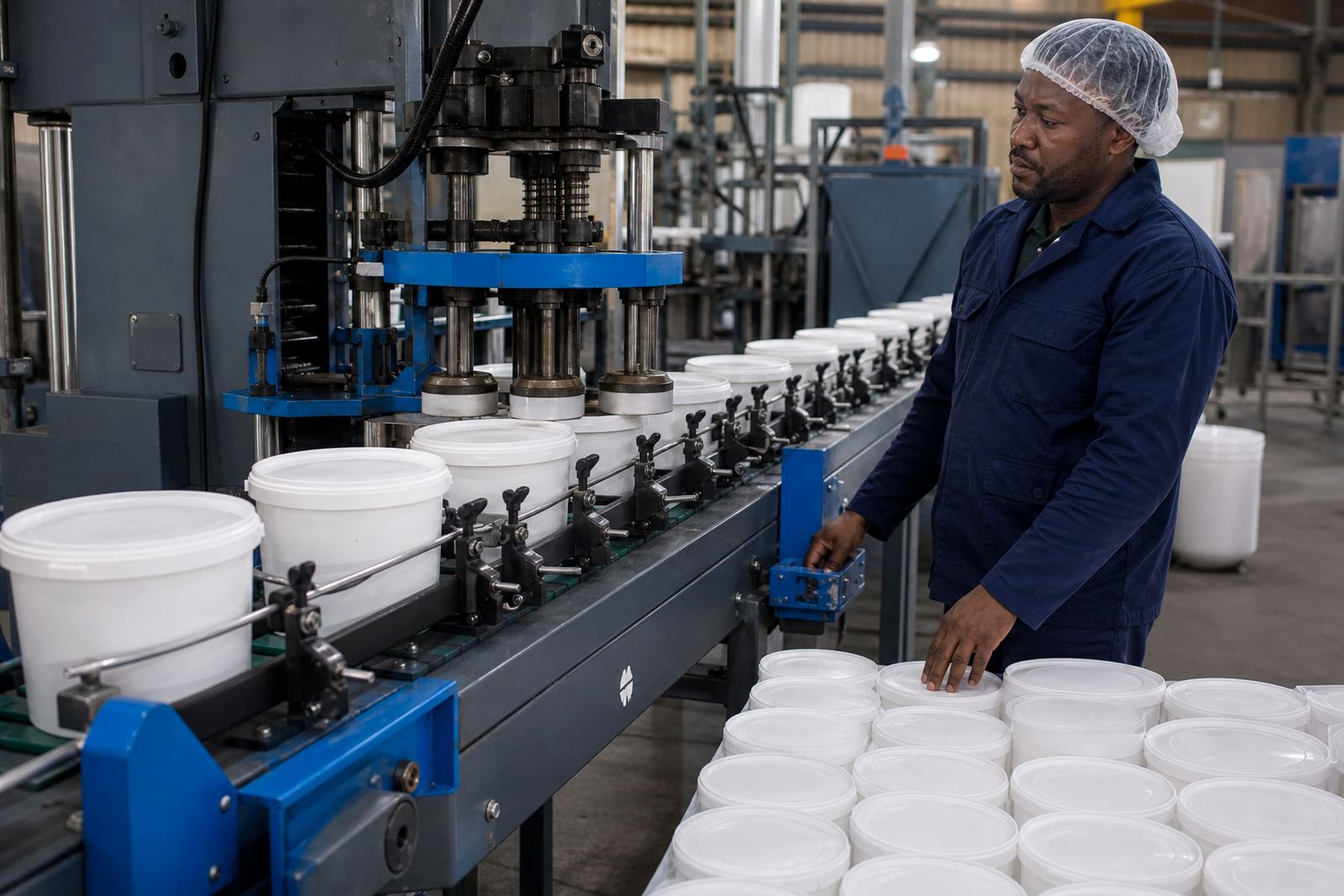
A trial run is a controlled production test, not a theory exercise. We run the agreed container or tub through a short batch so packers can see how it fills, closes, stacks and travels through their line. That includes injection-moulded tubs, wide-mouth containers, matching lids and tamper seals where required. It is useful for polypropylene and HDPE packs, especially where wall thickness, neck finish and lid grip all affect how the pack behaves.
We use trial runs to pick up issues before full orders are committed. A lid that seats too tightly can slow down packing, while one that is too loose can create leak risk or handling problems. For products in food, pharmaceutical and cosmetic sectors, that practical check matters. Coastal humidity, cold rooms and warm packing areas can all affect handling, so the trial shows how the pack holds up in real conditions, not only on a drawing.
- Short batch production for fit and handling checks
- Testing with lids, tamper seals and closures
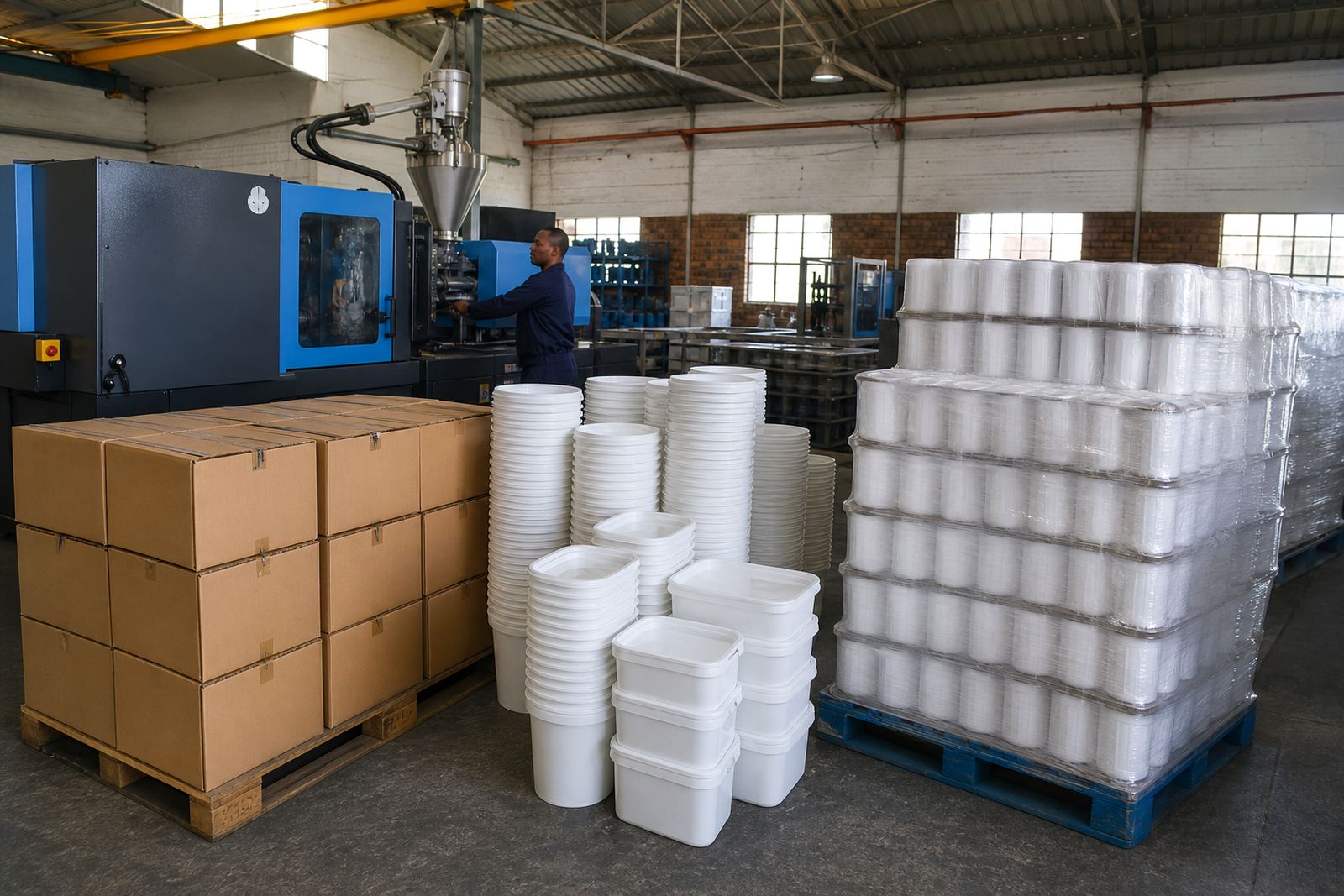
- Checks for stacking, filling and pallet movement
- Useful for new pack sizes and revised tooling
How we set up the sample run
We start with the pack specification, target fill mass or volume, container style and the line conditions it must suit. That can include neck diameter, rim profile, base stability, wall weight, colour, handle detail and whether the pack must work with a heat seal, snap lid or tamper evident band. If the pack is for a high-speed line, we look more closely at pick-up, misfeed risk and whether the lid tracks neatly during closure.
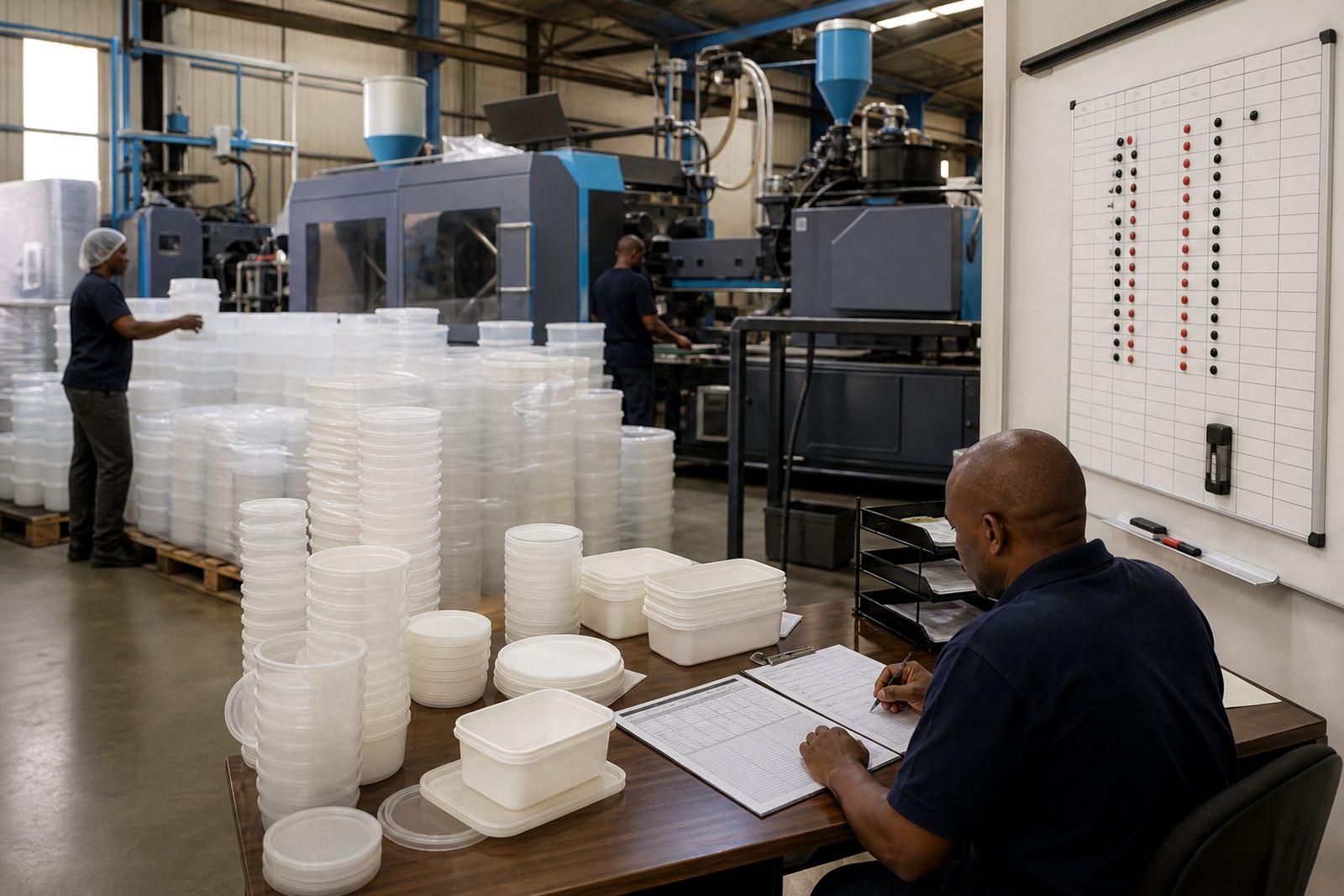
Where a new mould is involved, the run may also confirm mould venting, gate balance and surface finish. Injection moulding gives good repeatability when the tool is correct, but trial work is still useful because real packing lines can reveal things that drawings miss. Our production, quality and dispatch teams coordinate the run so the samples are consistent and labelled for the client’s own checks.
- Review of pack size, closure style and material choice
- Set-up against the planned packing line conditions
- Sample labelling for internal testing and approvals
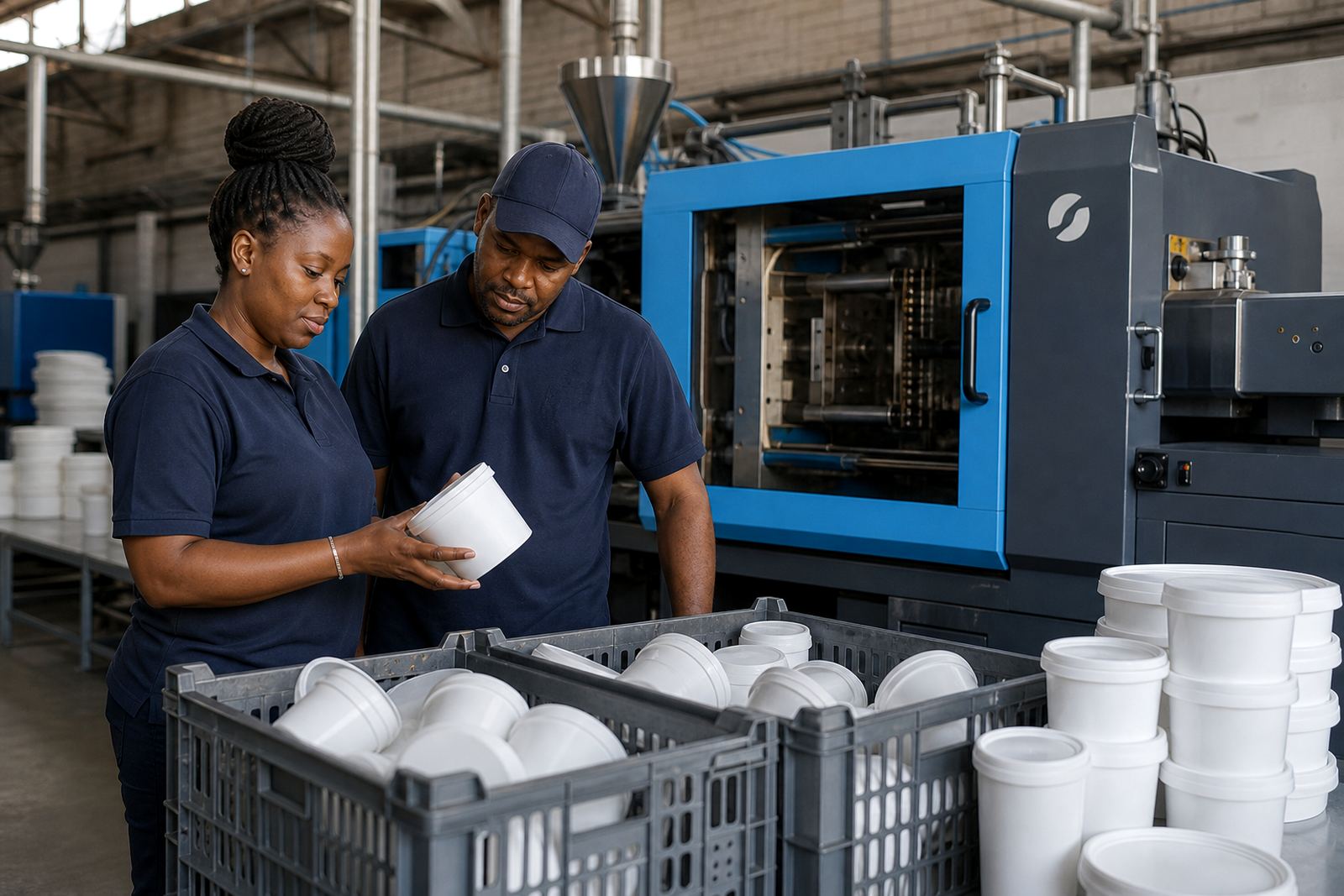
- Checks on part weight, finish and closure seating
The material and fit points we watch
PP and HDPE behave differently in use, so the trial tells us which material suits the product better. Polypropylene often gives good stiffness and a clean finish for tubs and containers, while HDPE is commonly used where toughness and squeeze resistance matter. Food-safe materials need careful handling in production and storage, and the trial helps confirm whether the chosen material, colour and closure set is working as planned.
We also look at the small things that affect day-to-day packing. A lid can sit properly yet still feel awkward on a fast line. A tamper seal can meet the design need but catch on a guide rail. A tub can look correct in the hand but tilt under load when packed in cartons. Those details are checked during the run, not guessed from a sample on a table.
- Container weight and wall consistency
- Lid engagement and tamper seal performance
- Stacking strength in carton and on pallet
- Fit with filling nozzles, guides and capping points
Trial production steps from brief to sign-off
Most trial runs follow a clear sequence. First we review the brief and agree the target pack. Then we prepare the tooling and confirm the material grade, colour and finish. After that, the line is set for the sample run and the packs are checked during production. If needed, a second pass is used to test small changes such as lid depth, seal pull strength or minor tooling adjustment.
Once the run is complete, we gather the findings and compare them with the packing requirements. If the container needs a revised profile, mould change or a different closure set, that becomes the next step. Where the result is right, the run gives the packer a practical basis for moving into stock production or further line testing. The process is direct and measurable, which matters when a plant has to keep packing moving without unnecessary stoppages.
- Brief review and pack specification check
- Tooling, material and colour preparation
- Short production run and live handling checks
- Review of findings and follow-up actions
Turnaround and pricing approach
Trial runs are priced according to the work involved, not as a one-size-fits-all item. The cost depends on the container size, the material, the complexity of the lid or tamper seal, whether new tooling is needed, and how many sample units are required for testing. Where a project needs custom tub design or mould development first, the trial forms part of a larger production plan.
Lead time depends on material availability, tool readiness and the scope of the test. A straightforward check on an existing pack is quicker to organise than a run that needs new tooling changes or colour matching guidance. For packers working across Johannesburg, Durban, Cape Town, Pretoria and Port Elizabeth, the delivery plan is arranged around the sample scope and the destination. The purpose is to keep the trial practical, not padded with extras that add cost without helping the result.
- Pricing depends on size, tool condition and sample quantity
- Separate pricing applies when tooling changes are required
- Complex closures and tamper seals affect the quote
- Delivery is arranged with the sample run scope
Aftercare once the samples are in your plant
After the samples are delivered, we stay available for follow-up technical discussion through the enquiry form on our contact page. That is where packers often raise questions about line fit, seal behaviour, stacking, or whether the colour needs a small adjustment for shelf presentation. If the trial shows a better wall weight, a firmer lid or a different pack count per carton, those notes can be used to plan the next run.
For food, pharmaceutical and cosmetic packs, aftercare often means checking how the sample behaves under routine plant handling. The container may need a slight mould change, a revised tamper seal, or a different packing arrangement for secondary cartons. We keep the focus on useful detail, because a trial only pays off when the lessons are carried into the next production step.
- Follow-up on fit, closure and handling findings
- Support for pack size planning and carton layout
- Notes for revisions to moulds, lids or seals
- Guidance on stock run planning after approval
Key facts
| Materials | Polypropylene and HDPE |
|---|---|
| Pack styles | Injection-moulded containers, tubs and matching lids |
| Trial scope | Fit, sealing, handling, stacking and line movement |
| Closure options | Snap lids, tamper seals and matching closure profiles |
| Typical sectors | Food, pharmaceutical and cosmetic packing |
| Service area | Alrode, Alberton with delivery across South Africa |