Cream Tubs That Sit Cleanly On Shelf And Line
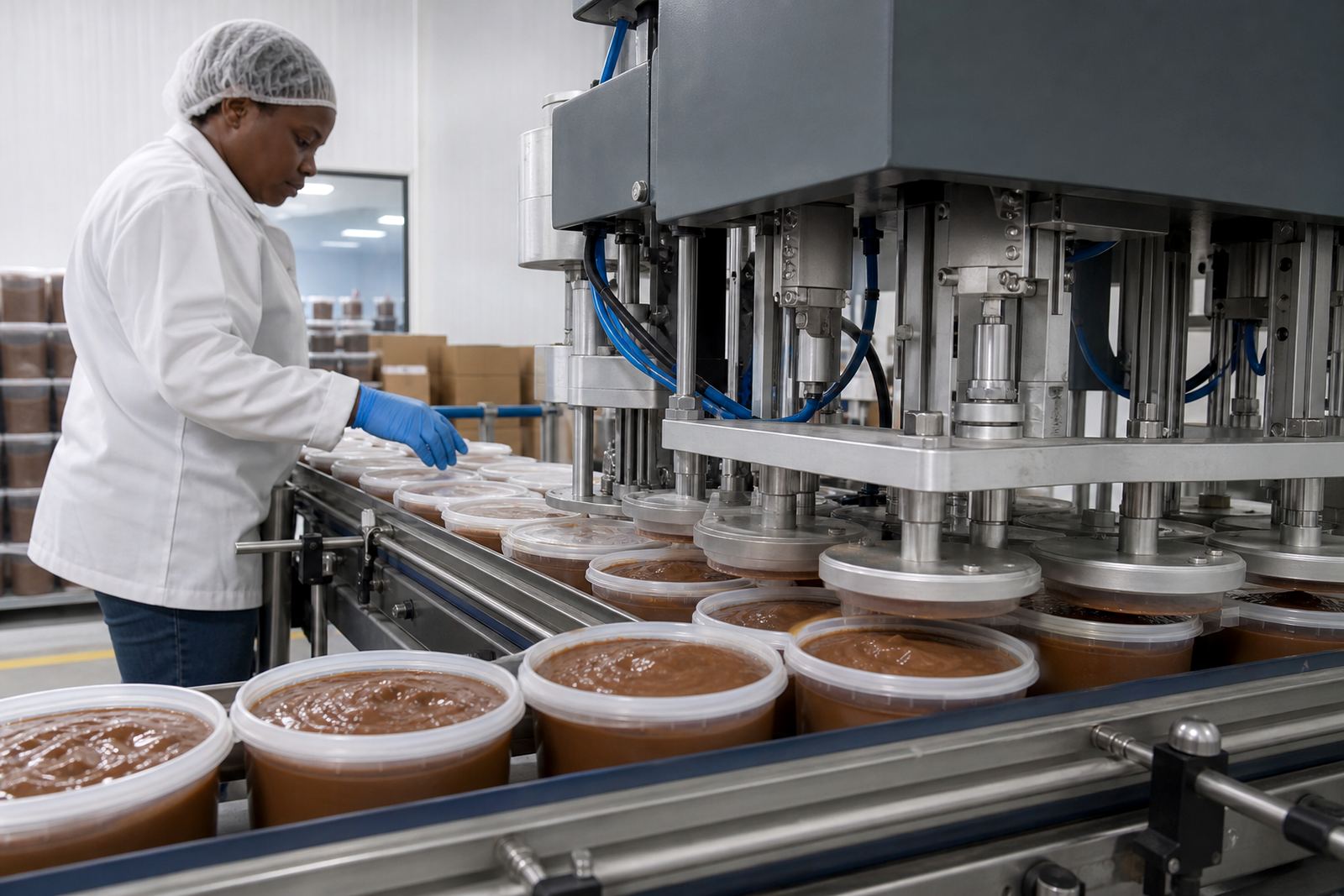
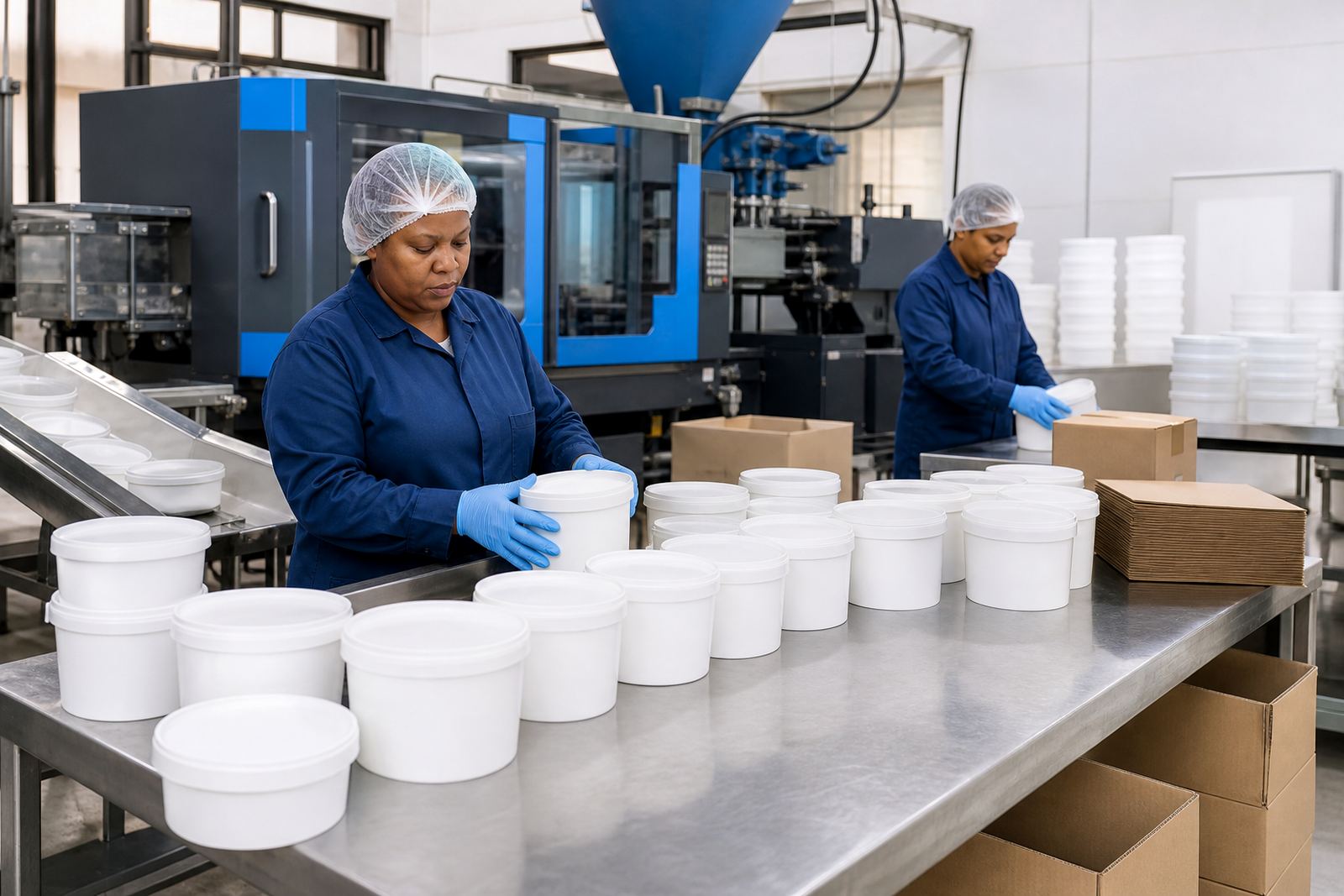
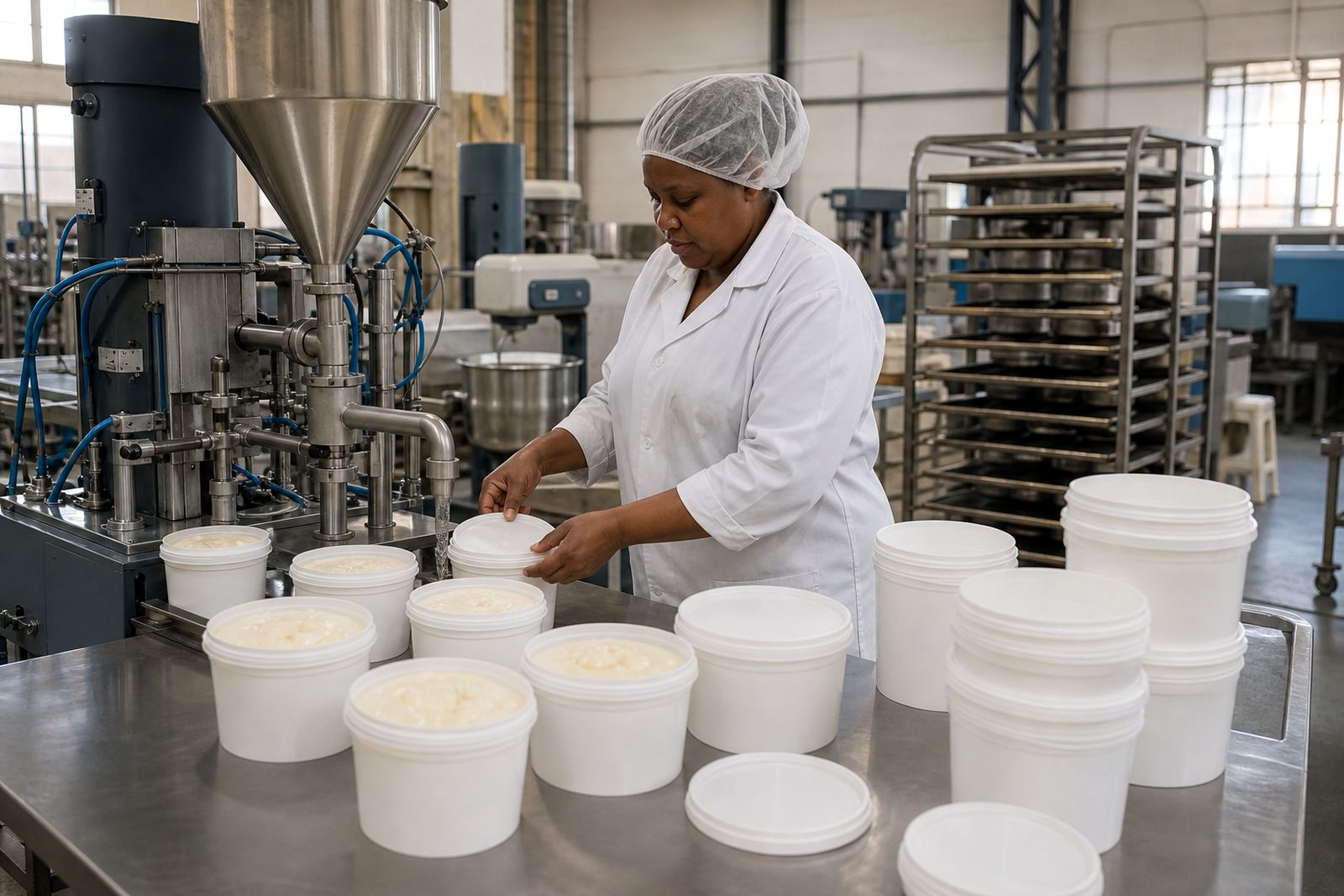
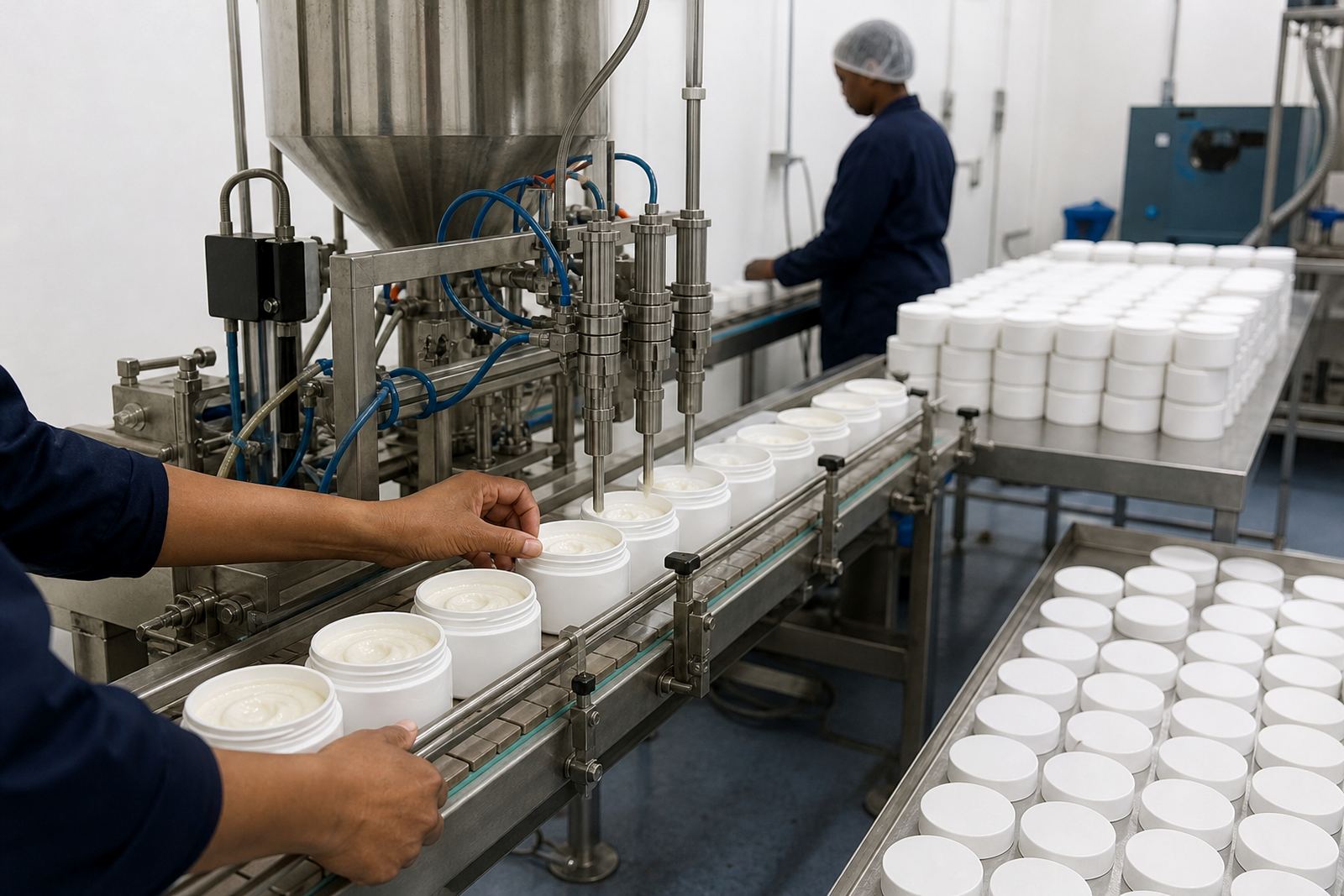
Face and body creams usually travel through filling lines that need a steady tub shape, a lid that closes squarely, and a finish that looks tidy when the jar reaches retail or salon counters. Smooth wall injection-moulded tubs are a common fit for this work because they stack neatly, fill without fuss, and give a good surface for labels or direct print. For thicker creams, body butters, scrubs and lotion-rich products, the right wall profile helps the pack stay presentable after handling, sealing and carton packing.
At Plastic Factory in Alrode, Alberton, the focus is on practical container choices for cosmetic packers working in Johannesburg, Durban, Cape Town, Pretoria and Port Elizabeth. Many customers need a family of sizes rather than one loose container, especially where face cream, hand cream and body cream use related pack sizes. That makes line changeovers easier and the outer cartons easier to plan.
Polypropylene Or HDPE For Cream Packing
Polypropylene and HDPE both have a place in cream packaging, but they behave a little differently on the filling floor. Polypropylene is often used where a firmer feel and clean closing action matter, while HDPE is valued for impact resistance and a slightly softer handling feel. Either can be used for food-safe and cosmetic applications when the product and the packing line are matched properly.
Material selection should take the cream texture, storage conditions and shelf presentation into account. A light face cream packed for pharmacies may call for a different wall thickness than a body cream sold in larger tubs to spas or distributors. On coastal routes, humidity and warm warehouse conditions can also affect labels and secondary packing, so the container and closure should be planned with that in mind.
- Polypropylene suits neater shelf presentation and crisp lid fit.
- HDPE suits tougher handling and broader distribution routes.
- Clearer wall finish helps with label placement and panel visibility.
- Longer shelf life products need closure choice matched to the seal system.
Lids, Tamper Seals And Closure Choices
Face and body creams move through many hands before they reach the customer, so the lid and seal matter as much as the tub itself. A well matched lid should close evenly without rocking, while a tamper seal gives the packer a clear extra step in the security of the pack. For creams that travel through pharmacies, salons and retail groups, the closure system must stay neat after carton stacking and storage.
Plastic Factory handles lid development and tamper seal design for cosmetic packers who need the container, cap and seal to work as one system. That may include trial production runs and line fit checks where the pack is tested against filling equipment, capping tools and carton sizes. A pack that looks good in isolation can still be awkward on the line if the shoulder height, thread form or seal band sits wrong.
- Snap-on lids suit simple manual or semi-automatic closing.
- Screw lids suit products that need a firmer closure feel.
- Tamper seals help show if a pack has been opened.
- Matched neck finishes reduce wobble during closing and stacking.
Planning A Range That Works Across Sizes
Cosmetic packers often need a small family of tubs for samples, retail sizes and larger treatment packs. A 50 ml face cream, a 100 ml hand cream and a 250 ml body butter may share the same branding line, but each one needs a different fill level and closure height. That is where pack size planning becomes useful, because the range must work with labels, trays and shipping cartons.
Secondary packing advice is useful too, especially when the tubs need shrink wrap, carton sleeves or grouped retail packs. If the outer pack is too tight, the lid can distort. If it is too loose, the tubs can scuff in transit and the shelf finish looks tired. Good planning saves time on the floor and avoids packaging that looks fine on paper but awkward in real use.
Colour matching guidance can help when a cream range uses a distinct house colour, a muted pharmacy tone, or a clean white body with a tinted lid. For premium creams, a consistent colour across the tub and cap gives a neat appearance. For volume packs, a simple neutral finish is often the more practical choice.
Trial Runs That Show Up Line Problems Early
Trial production runs are worth doing before a full stock run, especially when the cream has a particular viscosity or when the filler nozzle sits close to the rim. A tub that seems fine in samples may show a small tilt on the conveyor, or the lid may not seat evenly when the pack is warm from filling. These are the sorts of issues that are easier to catch before the order is scheduled in full.
Line fit checks should include the filling stage, lid placement, tamper seal application and carton loading. If the pack is too tall for the existing tray or too wide for the carton grid, the problem tends to travel right through the process. A careful test saves wasted material and keeps the packing room tidy, which matters on busy production days.
- Check fill level against the intended headspace.
- Test the lid under normal closing pressure.
- Watch for label lift around curved shoulders.
- Inspect cartons for crush marks at the corners.
Budget Bands For Cream Packaging In Rand
Budget for cream tubs usually moves with size, wall thickness, lid style, seal detail and the number of colours involved. A small, plain stock tub sits in a different range from a specially tooled container with a matched lid and tamper feature. For many cosmetic packers, the initial spend is less about the tub alone and more about the full setup across tooling, samples and production planning.
As a rough planning guide, a simple stock-style solution can sit in the low thousands of Rand for early trial quantities, while a custom family with mould development, lid work and repeat stock planning can move into the mid tens of thousands of Rand or more. Exact figures depend on pack size, order volume and the level of design work needed. Larger ranges for national distribution often make more sense when the same pack will be used across Johannesburg, Durban, Cape Town, Pretoria and Port Elizabeth.
Thabo Letsoalo oversees the broader direction at Plastic Factory, with Naledi Sauls, Johan Kekana, Ayesha Oosthuizen, Sibusiso Hartnick and Carla Naidoo handling the sales, production, quality, dispatch and customer support work around each project. That setup helps keep the job practical from first discussion through to delivery in Alberton and further afield, and it keeps the pack details aligned with what the line actually needs.
Where Face Cream Packs Usually Go Wrong
The most common problems are seldom dramatic. A lid that feels fine in hand may rock on a warm fill. A tub that looks attractive may not nest properly in cartons. A seal that suits one cream may be too stiff for another, and then the packer starts fighting the closure instead of filling product. Small mismatches like these are expensive because they slow the line and create extra handling.
Another frequent issue is designing the container before the fill volume is final. A cream that thickens after cooling may need more headspace than first expected, while a lighter lotion can sit lower in the same style of pack. It is worth testing the actual product on the actual equipment, not only in a sample that looks neat on a table. That practical step usually avoids rework, and the production floor notices the difference.
For face and body creams, the right pack is the one that closes properly, keeps the product tidy and stays sensible to run. The finish matters, but the daily handling matters too, and that balance is what makes the packaging work for both the shelf and the line.