Sweet spreads need a tub that behaves on the filling line
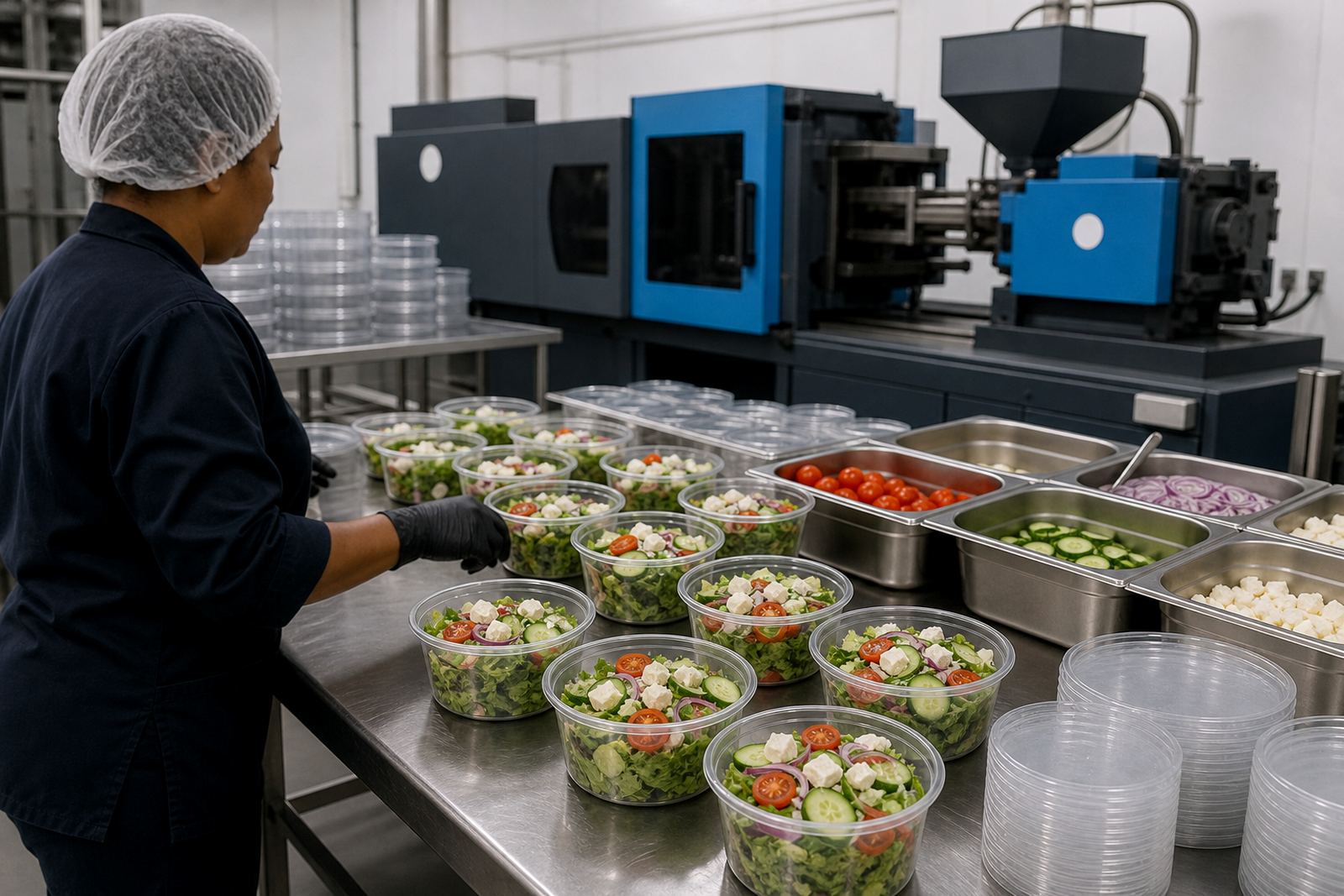
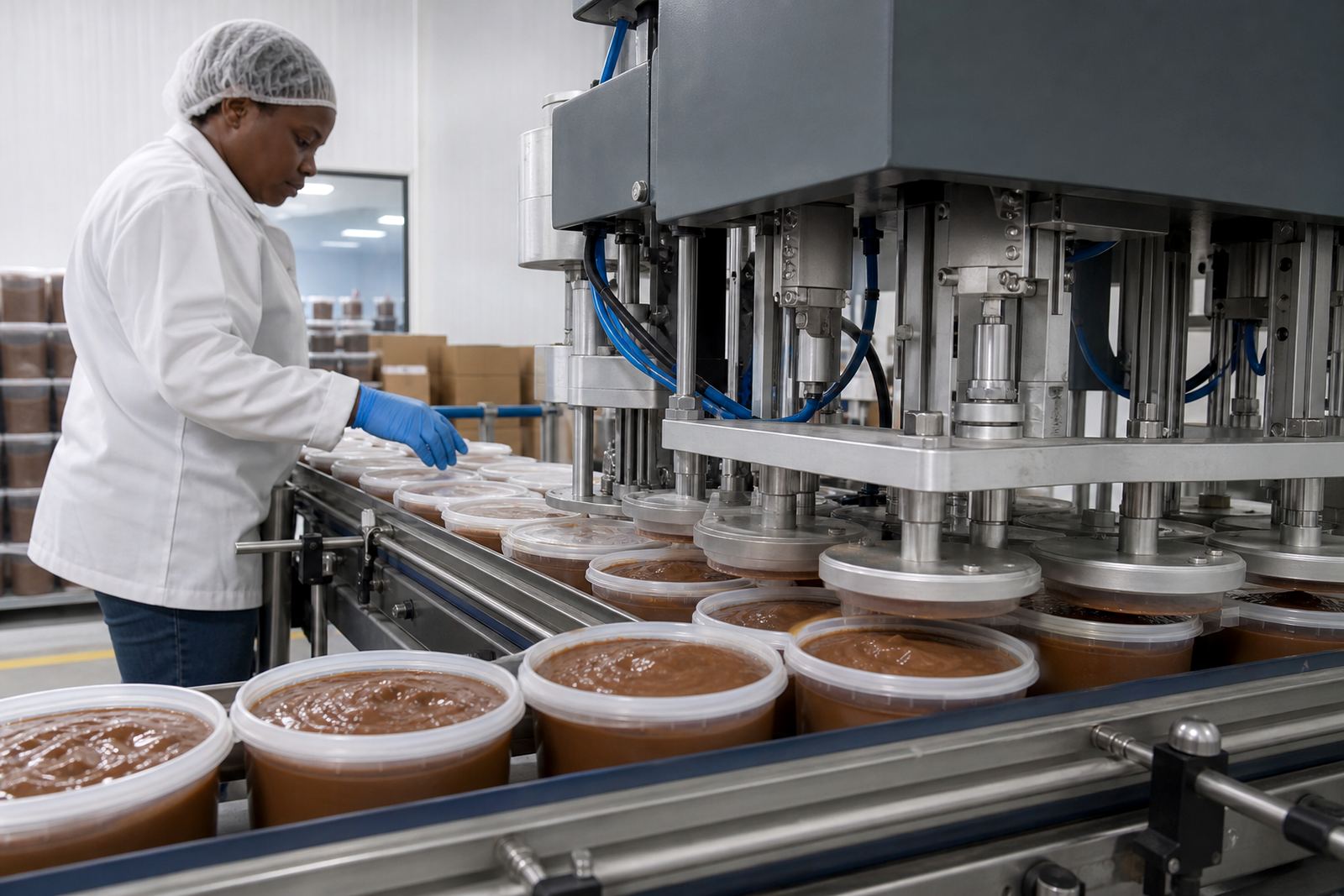
Peanut spread, hazelnut style spreads and chocolate blends are thick, sticky and often filled warm. The container has to sit square under a filling head, accept a lid without distorting, and travel through packing lanes without leaning or rubbing off the label panel. That is where injection-moulded polypropylene and HDPE tubs earn their place.
For spoonable products, the pack must keep its form after filling, closing and case packing. A soft wall can buckle when the lid is pressed on, while a brittle container can crack at the rim or base. The right wall thickness, rim detail and stack shoulder make a real difference on the line and in storage.
Tubs, lids and seals that suit spread filling
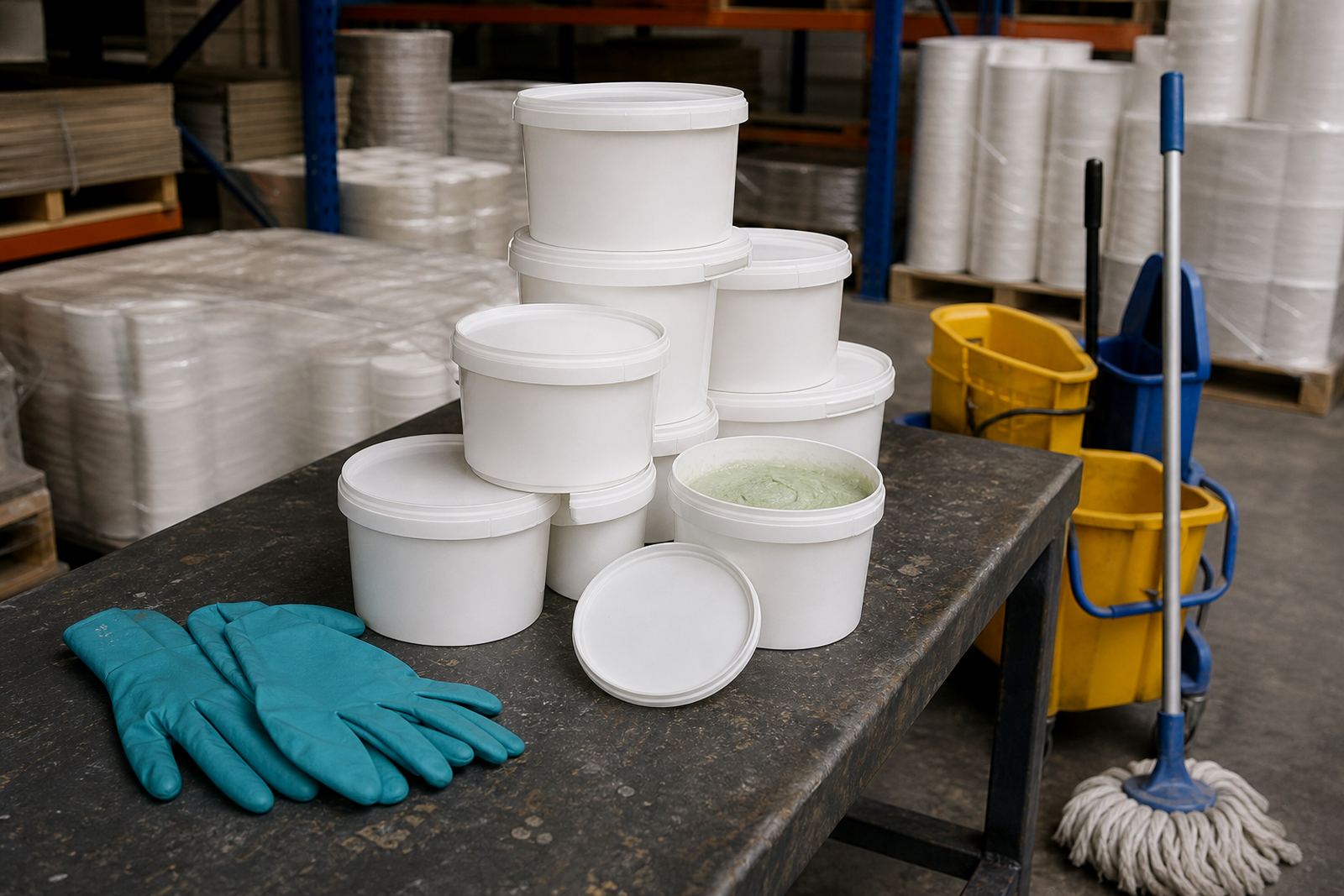
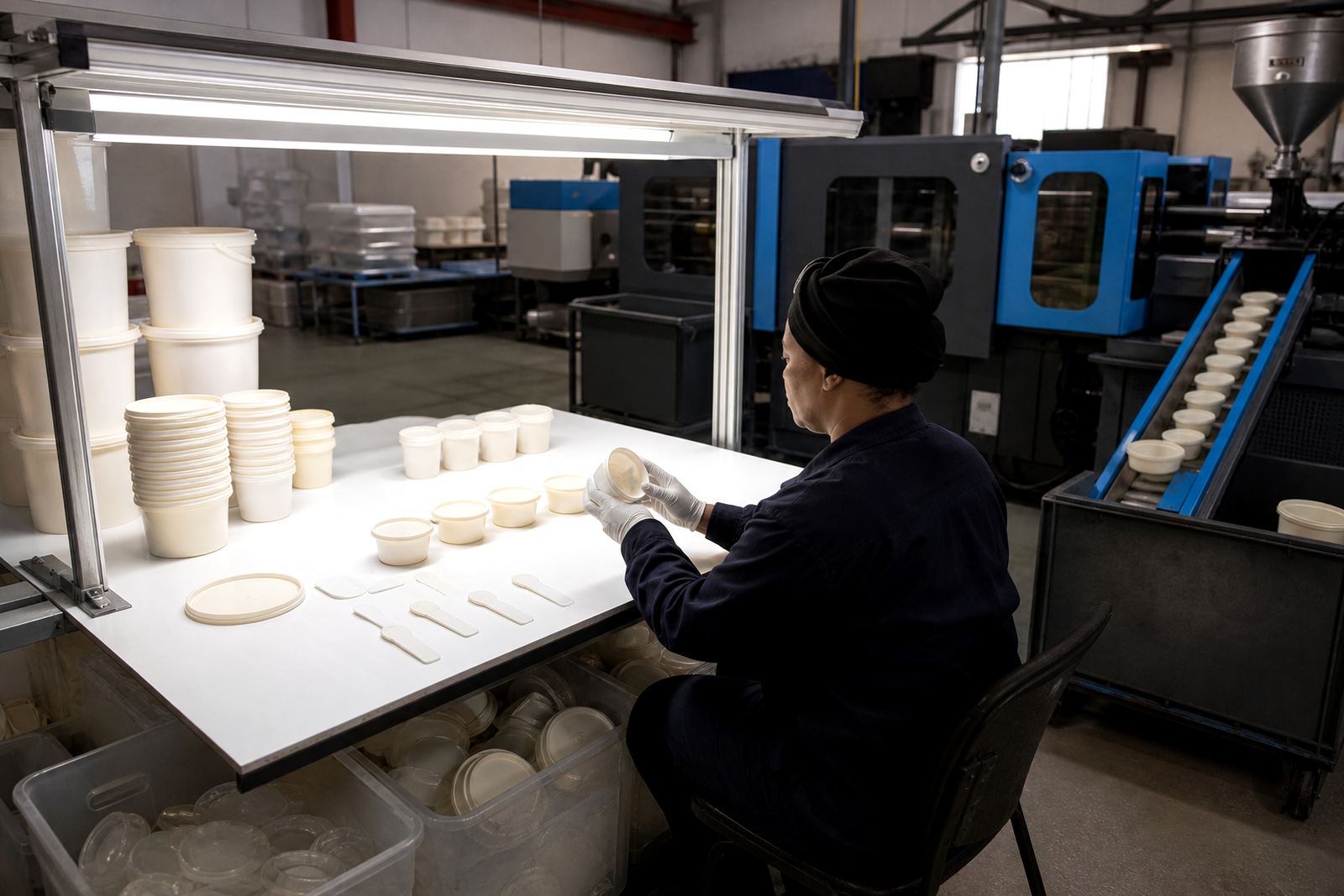
Sweet spread packs are usually built around a matching tub, a flat or domed lid, and a tamper feature where the pack format calls for it. Injection moulding allows consistent shape from batch to batch, which helps when a pack is running through a semi-automatic or fully automatic line. PP is common for many food packs because it handles everyday handling well, while HDPE is also used where a tougher feel or different closing behaviour is needed.
- Round tubs for standard shelf packs and easy filling
- Oval or shaped tubs where shelf width matters
- Lids with firm snap engagement to reduce lifting in transit
- Tamper seals for products that need a clear first-open signal
- Matched base and lid colours for brand range separation
For sweeter fillings, a clean rim and consistent closure matter more than fancy styling. If the lid lands unevenly, product can creep into the seal area and cause problems when the pack is opened at home or on a retail shelf.
Planning the pack around your filling line and shelf plan
The best pack size is not guessed from the product alone, it needs to fit the full process. A 250 ml tub might suit a smaller retail jar line, while 500 ml or 1 kg formats can work for family packs and foodservice tubs. The right choice depends on filling temperature, product viscosity, label space and how the tubs are nested or stacked before filling.
At plant level, a good pack plan checks the filling nozzle clearance, lid placement, case count and pallet pattern. If the tubs need to run through a chute or conveyor, the side wall finish and base profile must support that movement. In some plants the issue is not the tub itself but the way secondary packing is arranged, which can lead to scuff marks, unstable cartons or slow pack-out.
- Confirm the fill volume against the real product weight
- Check whether a tamper seal or heat-seal feature is needed
- Allow space for labels, date coding and batch marking
- Match lid profile to the closing head or manual closing method
- Plan case pack counts for easier warehouse handling
Common mistakes that make sweet spread packs troublesome
One common mistake is choosing a container that looks right on the shelf but fights the line. A narrow opening can slow filling and increase mess, while a shallow rim can make lid placement uneven. Another issue is picking a colour or finish that hides product information, which makes brand range control harder in stores and depots.
Some packers also overlook the effect of warm product on closure behaviour. If the fill is too hot, the tub can soften slightly and the lid fit changes. In coastal areas, especially around Durban and Port Elizabeth, storage conditions can add moisture to cartons and outer packs, so the secondary packing advice matters as much as the container itself. Small problems here often show up later as crushed corners, lifted lids or poor shelf presentation.
Another mistake is mixing pack sizes without checking the pallet and carton pattern first. It can leave dead space in the warehouse and make dispatch harder than it should be.
Material choices for sweet spread products
Polypropylene and HDPE are both used in food packaging, but they behave differently. Polypropylene is often selected for its balanced rigidity and good closure feel, while HDPE offers a familiar toughness and is widely used for tubs and lids in food lines. The final choice depends on the product, the closing system and the look the packer wants on shelf.
For sweet spreads, food-safe material choice is only one part of the picture. The mould finish, wall uniformity and lid seal line all play a role in keeping the pack neat through transport from Alrode to Johannesburg, Pretoria, Durban, Cape Town or Port Elizabeth. If the product is for pharmaceuticals or cosmetics in adjacent ranges, the same plant discipline applies, though the pack geometry changes with the fill.
We also look at colour matching guidance when a range needs one family look across several flavours or pack sizes. That helps where the same sweet spread is sold in plain, premium or limited range packaging.
Budget ranges for sweet spread tubs in Rand
Budgets shift with size, wall thickness, lid style, seal features and order volume. A plain standard tub and lid will sit at the lower end of the range, while a custom mould, special closure or trial run pushes the job higher. For planning, many packers work with these broad bands:
- Standard tub and lid ranges for entry packs: often from around R3 000 to R12 000 per production setup, depending on volume and format
- Custom tub or lid development: often from around R18 000 to R65 000, depending on tooling detail and testing
- Trial production runs and line fit checks: often from around R5 000 to R20 000
- Ongoing stock run planning and staged supply: usually shaped by the pack count, colour and dispatch pattern
Those figures are only working bands, not fixed prices. A small flavour split in colour, or a tamper detail added late in the process, can shift the cost quite a bit. It helps to settle the pack size, lid style and packing line needs early so the spend stays tied to the real use.
From Alrode to packhouse shelves across South Africa
Plastic Factory works from Alrode, Alberton and supports packers in Johannesburg, Germiston, Boksburg, Pretoria, Durban, Cape Town and Port Elizabeth. The team includes production, quality, dispatch and customer support roles, which matters when a sweet spread line needs a new tub shape, a lid change or a better case pack pattern. That mix keeps the project grounded in what the line must do, not only what the shelf must show.
For sweet spread packs, the useful work often starts with the product weight, the filling temperature and the storage plan. From there it becomes a matter of selecting the tub, checking the lid fit and planning the pallet pattern so the goods move cleanly through the plant and into the trade. The same pack can behave very differently in a warm inland warehouse and a humid coastal store room, so local handling conditions need to be part of the brief.
Clients send enquiries through the form on our contact page. From there the focus stays on the pack detail, the line fit and the supply plan, with no wasted motion.