Powder packs that stay neat on the line
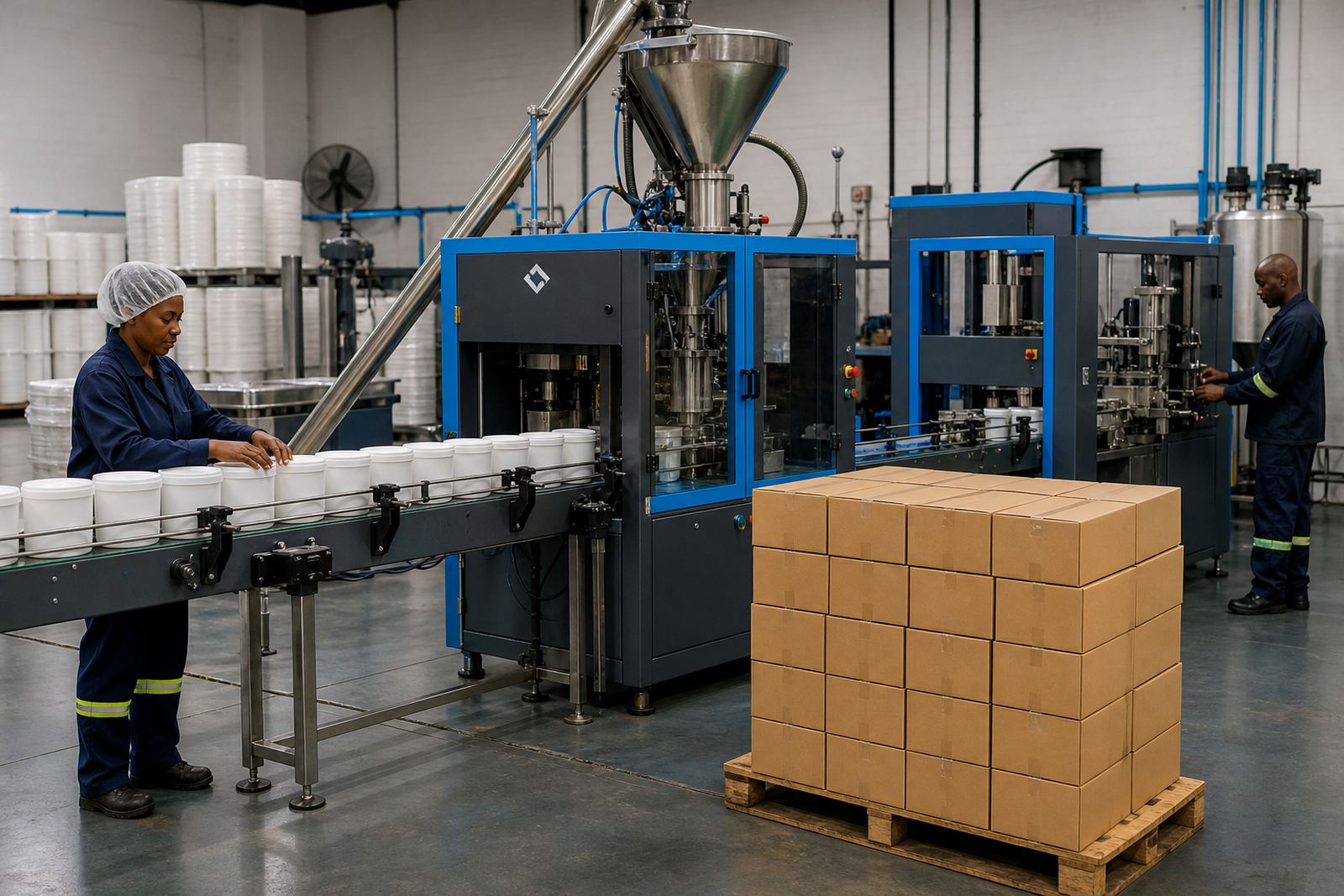
Dry powders behave differently from liquids, so the pack needs a shape that supports controlled filling and a clean seal. Fine meal, protein blends, drink mixes, spice powders and cosmetic powders all move through a line with less mess when the container mouth, body and lid match the product flow. A good tub also needs enough wall strength to handle stacking in storerooms and during transport, especially when cartons are moving between Gauteng, Durban and the Cape where handling can be rough.
Injection moulding suits this work because it forms repeatable containers with consistent walls, formed rims and lids that seat properly. Polypropylene is often used where light weight and a good balance of stiffness are needed, while HDPE is useful where toughness and squeeze resistance matter. For food-safe dry goods, the material choice, colour choice and lid fit all need to work together, otherwise powder dust collects around the rim and the pack looks tired before it reaches the shelf.
Container shapes that work with dry fill lines
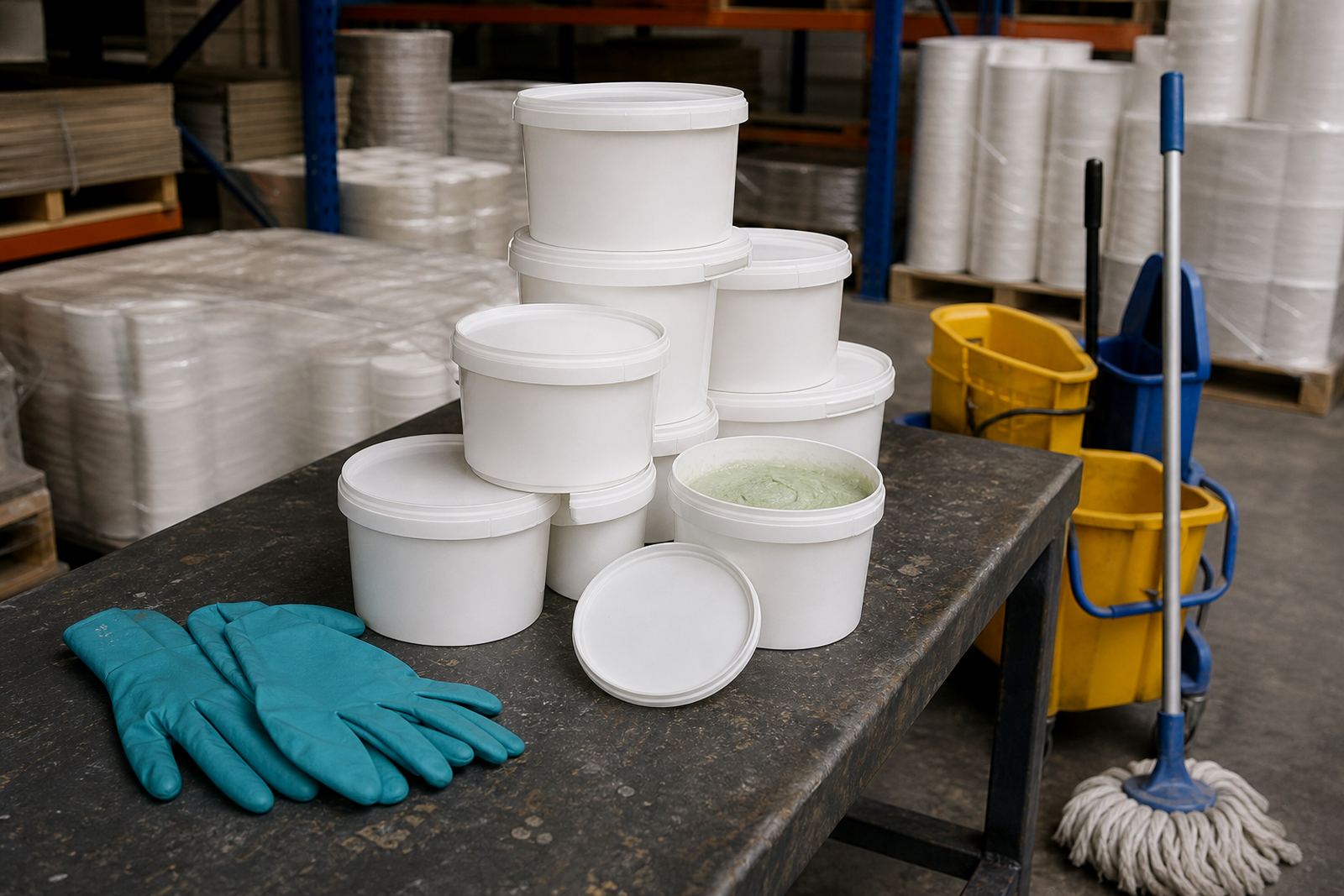
Dry powder packers usually want a range that includes round tubs, square tubs and wider opening containers for scooping or dosing. The right format depends on the fill method, the scoop size and how the finished pack will sit in a carton or on a pallet. A narrow mouth can reduce spill, but it can also make filling slower if the powder bridges near the opening. A wider mouth helps with easy dosing and quicker access, though it needs a lid that closes without fuss.
- Round tubs suit smaller pack sizes and neat shelf presentation.
- Square or rectangular containers make better use of carton space.
- Deeper bodies help with stacking when the pack height matters.
- Wide openings suit powders that are scooped or tipped by hand.
- Low-profile lids help the final pack stay stable in transit.
For cosmetics and pharmaceutical powders, the pack should also support clean presentation around the neck and shoulder. A messy closure line or uneven lid engagement can create complaints at retail level, even if the product inside is sound.
Lids, seals and pack security
Powder packs often need more than a basic snap-on lid. Depending on the product, the pack may use a tamper-evident seal, a firmer lid profile or a liner-style closure to help protect the contents from dust and accidental opening. Where the product is fine and free-flowing, lid tolerance matters because tiny gaps can let product dust collect in the closure area. That does not just affect appearance, it also affects confidence on the line and in the warehouse.
For packers working with food, pharmaceuticals or personal care goods, the closure system should suit the filling method and the final retail size. If the lid is too tight for the operator, line speed suffers and lids get damaged. If it is too loose, the pack may lift during transport. The better solution is usually to test the lid with the actual powder, the actual fill weight and the carton format used in dispatch.
Planning the pack size around real storage space
Dry powder products need a pack size that fits the shelf, the carton and the pallet. That sounds obvious, but the wrong height or width can create real waste in the warehouse. In Alberton, Boksburg and Germiston, many packers work with standard pallet footprints, so the container should nest with the carton plan and not leave awkward gaps. If the pack is too tall, stacks become unstable. If it is too wide, the carton count drops and freight costs rise.
Pack size planning also affects how the powder behaves after filling. A very small headspace can cause product to press against the lid, while too much headspace gives a loose feel and more movement inside the pack. Trial production runs help check those details using the actual filling line, the actual lid and the actual secondary packing arrangement. That is where the practical issues show up, not on paper.
- Match pack height to the carton and shelf layout.
- Allow enough headspace for the powder to settle.
- Check whether the lid can be applied by hand or by machine.
- Test stack stability before committing to a full run.
- Use colour guidance where product coding is needed.
Common mistakes on dry powder packs
One common mistake is treating every powder like flour. Fine cosmetic powders, pharmaceutical blends and food seasonings all flow differently, and that changes the container choice. Another mistake is picking a lid that works during a short test but gives trouble on a longer run. If the closure drifts even slightly, the line may keep stopping for checks and the fill area gets dusty.
Another issue is using a container that looks neat but does not stack well. If the base and rim are not properly matched, the pack can wobble in storage. Some packers also underestimate how much the product settles after filling. The result is a finished pack that looks underfilled, even when the weight is correct. That is especially noticeable in retail packs where the customer can see the fill level through clear or light-coloured plastic.
Dry powder packaging also needs a clean approach to secondary packing. If cartons are too loose, tubs shift around and lids can rub against one another. If they are too tight, the pack can deform during closure. The best result usually comes from testing container, lid, label space and carton arrangement together.
Budget ranges that make sense in Rand
Budget depends on container size, lid style, colour, seal detail and whether new tooling is needed. For straightforward stock-style containers in common sizes, the per-unit cost can sit in a modest range when volumes are steady. Once a pack needs a new mould, special lid detail or a specific neck finish, the upfront spend changes, and trial work should be allowed for as part of the project.
As a working guide, small and mid-size dry powder pack projects may start with tooling and development costs from roughly R45,000 to R180,000, depending on the complexity of the container and lid. Higher-volume production can then bring the unit cost down, while lower runs need more careful planning around stock holding and batch size. Trial production, line fit checks and pack size planning are worth including early, because fixing a closure issue after full production has started usually costs more than getting the fit right upfront.
For packers serving Johannesburg, Pretoria, Durban, Cape Town or Port Elizabeth, delivery costs and pallet planning also matter. A well planned container range can reduce breakages, improve warehouse stacking and keep the finished pack looking consistent from the first pallet to the last.