A packing line built around stacking, not guesswork
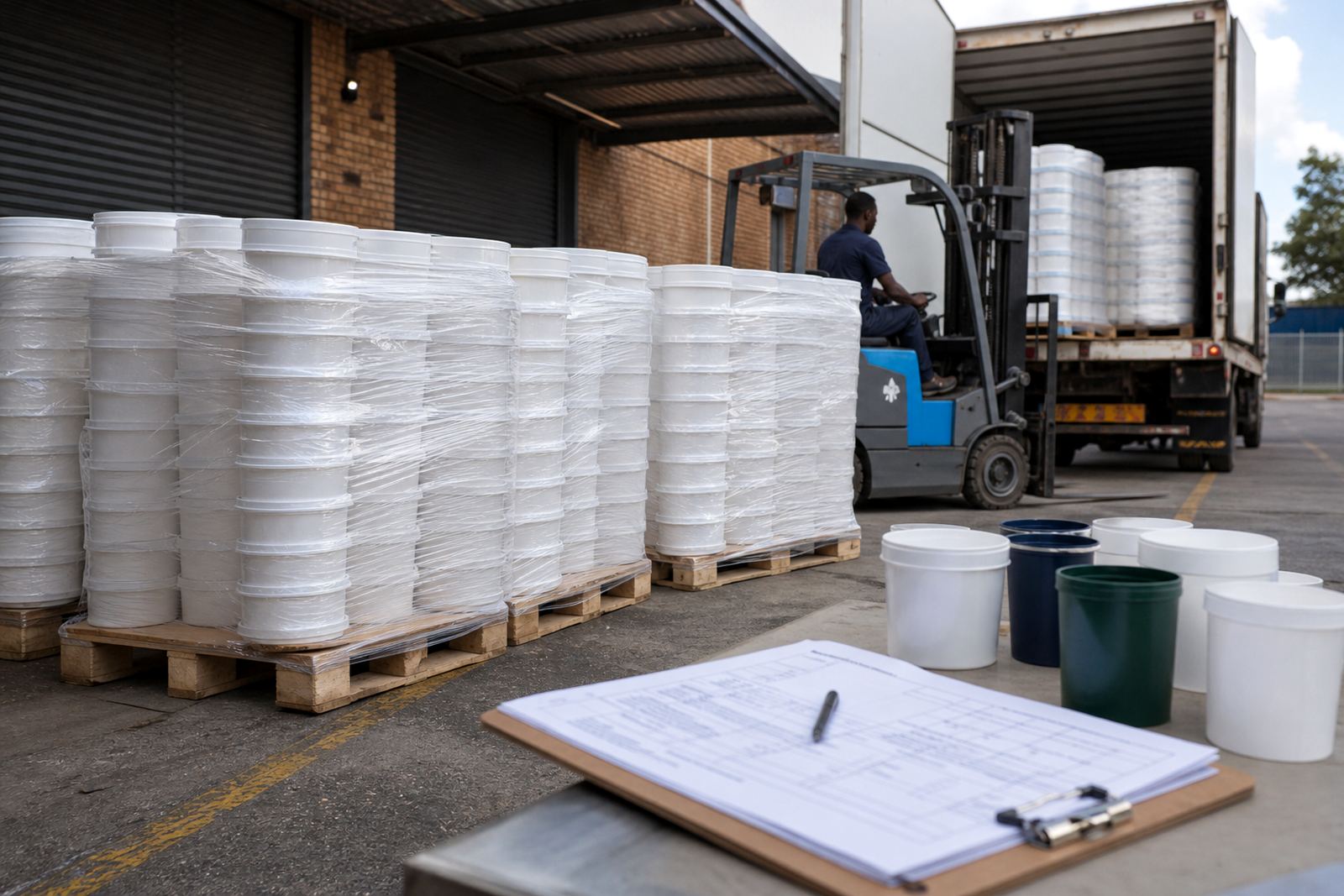
The team in Port Elizabeth was filling a food product that needed tidy units for transport, retail back-of-house storage, and warehouse stacking. The packer wanted tubs that sat square on each other, kept their shape under load, and made seal control straightforward on the line. There was also a strong preference for food-safe materials and a finish that looked clean on shelf without extra handling.
The main constraints were space on the pallet, repeatable lid fit, and a container wall that would not warp when filled warm and moved through a busy shift. The product also had to suit local distribution, where a tub may be handled several times before it reaches the end user. We worked around those points from the first specification discussion through to the final trial run.
- Client type: food manufacturing packer in Port Elizabeth
- Container style: stackable injection-moulded tubs with matching lids
- Main material direction: polypropylene for general food packing, with HDPE considered for selected uses
- Closure option: tamper seal feature for product security
Container geometry that would sit neatly on a pallet
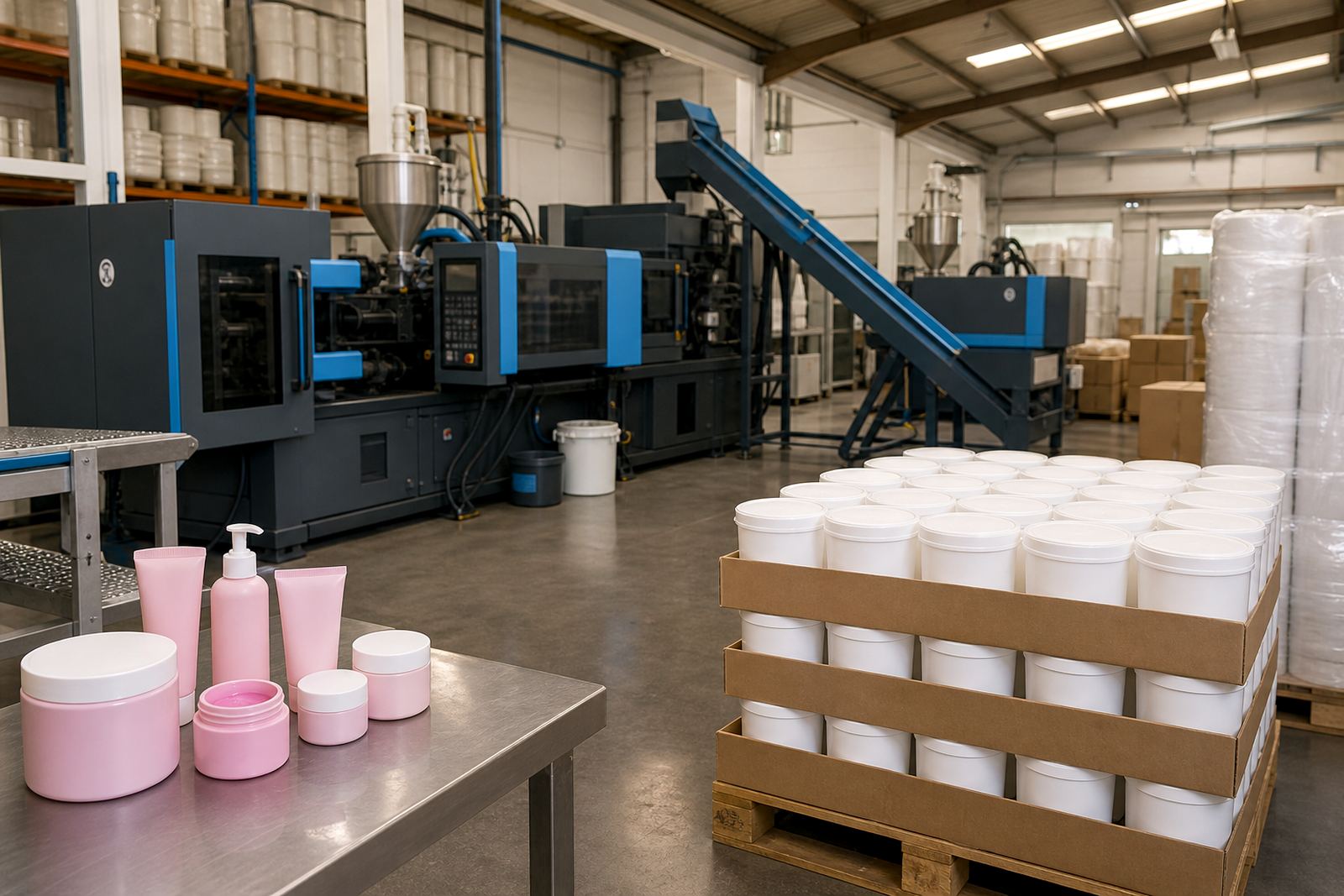
We developed a family of tubs with straight side walls, a stable base, and a stacking rim that locked the units neatly when packed full. The wall profile was chosen to help the tubs keep form during transport and storage, while still allowing efficient release from the mould. That balance matters on a packing line where poor shape control quickly becomes a handling problem.
The packer needed sizes that made practical sense for their batch weights, so we used a pack size plan that matched their filling rhythm and downstream storage. The lids were shaped to close evenly around the rim, and the tamper seal detail was adjusted so the break line was clear without being awkward to apply. It was a plain industrial answer, not a fancy one, but it suited the work.
- Stacking tubs for neat pallet build-up
- Clear lid engagement for steady line handling
- Tamper seal feature for visible opening control
- Size set matched to batch fill volumes
Material selection for food contact and repeated handling
For the main run, polypropylene was the first material we set against the product brief because it suits many food packing applications and holds up well in everyday distribution. We also reviewed HDPE where extra toughness and a different hand feel were useful for specific pack formats. Material choice was not treated as a generic step, because the product, fill temperature and storage conditions all affect how a tub performs.
The packer also wanted consistent colour and a clean surface finish that would not show handling marks too easily. We gave guidance on colour matching so the tubs looked uniform across production lots, and we checked how the finished pieces would behave beside the existing packing line equipment. That kept the changeover practical for their operators, who needed containers that settled into the line without fuss.
- Polypropylene selected for the main food tub range
- HDPE reviewed for selected pack applications
- Food-safe material direction used throughout the run
- Colour matching guidance given for consistent presentation
Mould development, trial run, and fit checks
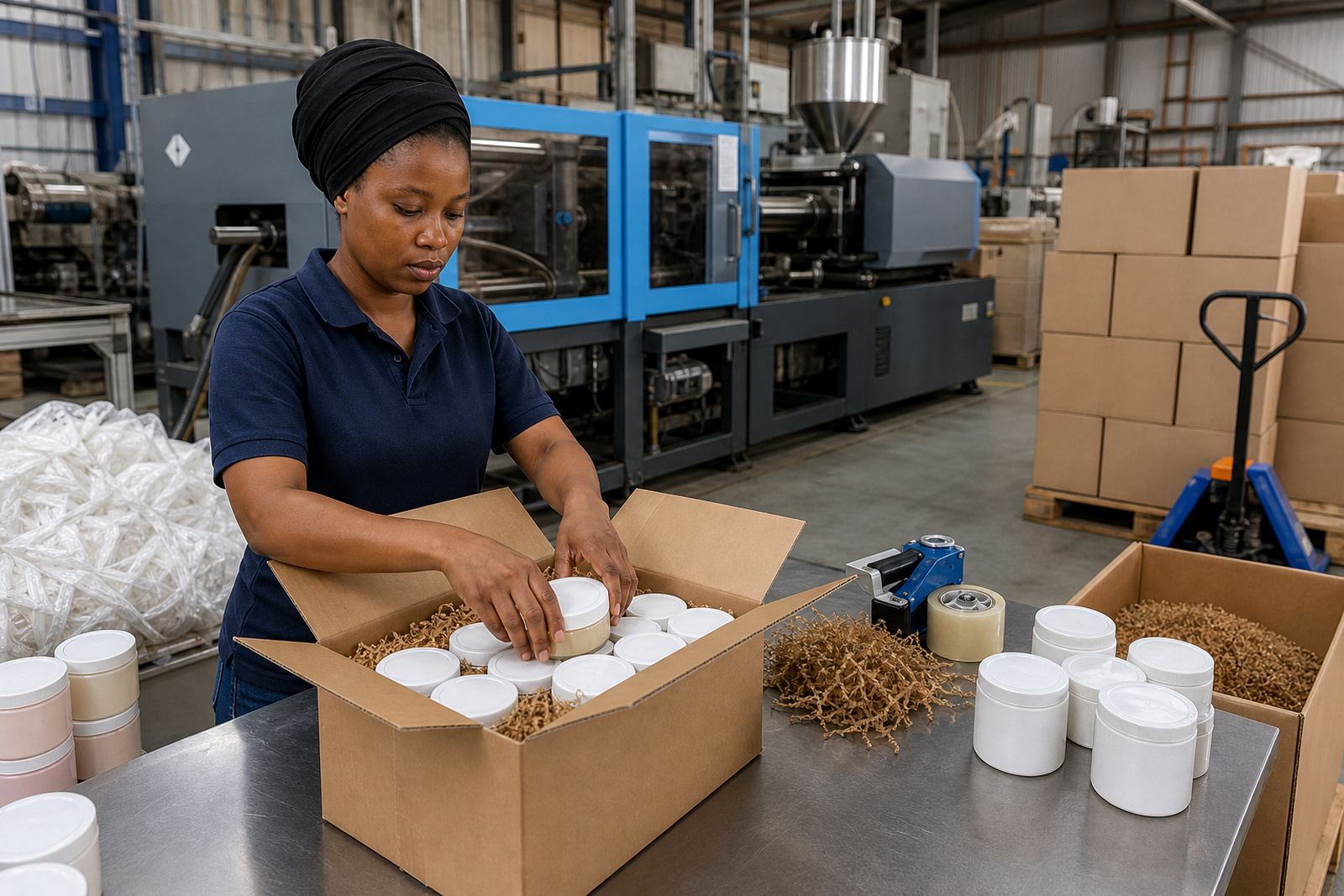
Once the dimensions were agreed, we moved into mould development and trial production runs. The first samples were checked for wall strength, lid fit, stacking behaviour, and how the tamper seal feature behaved in hand. Any small movement at the rim showed up quickly, so the trial work focused on the points that affect everyday packing more than just the appearance of the tub.
We also carried out line fit checks against the client’s filling and closing setup. That mattered because a tub can look right on paper but still snag, tip, or sit poorly under the guide rails. A few small adjustments were made to improve feeding and closing behaviour, and those changes helped the line settle into a more consistent rhythm.
- Trial production runs used to confirm the form
- Line fit checks completed on the packing setup
- Minor rim and lid adjustments made after sampling
- Closure movement checked for clean tamper seal use
From first sample to production in three weeks
The project moved in a short, practical sequence over three weeks. Week one covered specification review, pack size planning, and material selection. Week two focused on mould development and the first trial run. Week three covered line fit checks, final sample sign-off, and preparation for stock run planning.
That timing worked because the brief was clear and the product needed disciplined execution rather than heavy redesign. The packing line team could see the difference between a container that only stores product and one that actually supports the day-to-day workflow. The tubs loaded neatly, the lids seated properly, and the stack remained stable through handling.
- Week 1: specification and size planning
- Week 2: mould development and trial production
- Week 3: fit checks and production preparation
- Output shaped for food packing and warehouse movement
What the Port Elizabeth run changed on the floor
The final result was a cleaner packing operation with fewer handling concerns around lid alignment and stacking stability. The food packer gained a tub range that suited transport, storage, and display handling without needing awkward workarounds. That sort of detail sounds small, yet it matters when a line is running through long shifts and product needs to move smoothly between different parts of the business.
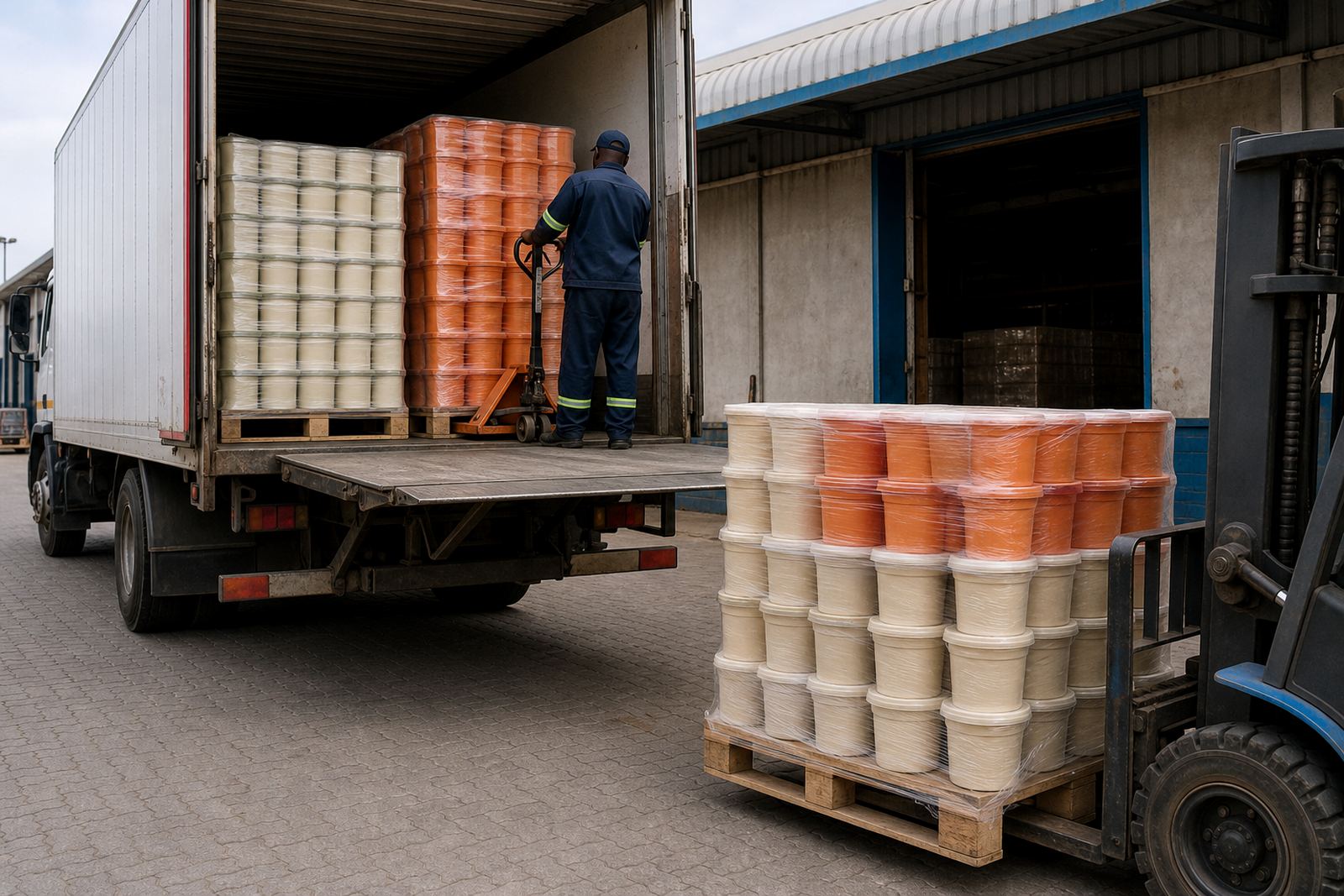
What worked best was the combination of tub geometry, material choice, and closure control. The packing team could load, seal, and stack with more confidence, and the warehouse side had a container that behaved predictably on pallets. In practical terms, the product was easier to keep tidy and easier to move through the chain.
- More stable stacking during transport and storage
- Cleaner lid fit on the packing line
- Better control of tamper seal application
- Practical pack handling for warehouse movement
What to carry through on a similar food packing job
On a similar run, we would keep the same sequence: define the pack sizes first, lock the material choice against the product, and test the line fit before full production. That order saves time later because container issues are easier to catch in sampling than after the first large stock run. For food packers in coastal and inland markets alike, a plain, well-formed tub with a proper lid usually does the job better than something overworked.
We would also keep the secondary packing advice tight, especially where cartons, pallet layers, and storage height all affect the final move through dispatch. The right tub is not only about the moulded shape, it is also about how the pack behaves once it leaves the filling point. That was the point of this Port Elizabeth project, and it stayed the point right through to dispatch.
- Confirm pack size against batch weight and storage height
- Test lid action and seal control on the line
- Check pallet stability before stock release
- Keep colour and finish consistent across runs
Key facts
| Project | Port Elizabeth food packer |
|---|---|
| Container type | Stackable injection-moulded tubs |
| Materials | Polypropylene and selected HDPE options |
| Closure | Matching lids with tamper seal feature |
| Use case | Food packing, storage, and transport |
| Timeline | 3 weeks from brief to production preparation |