The brief from the packing floor
The job came from a dairy packer in Alrode, Alberton that fills chilled products into round tubs for retail and food service lines. The brief called for a container that would keep its shape in cold rooms, stack cleanly on pallets and close with a snap lid that packing staff could fit without slowing the line.
The packer wanted one family of tubs for a few fill weights, with enough wall strength for handling through the plant and during regional distribution. They also needed the pack to look neat on shelf, with a lid that sat square and gave a clear seal line for final inspection.
- Round injection-moulded tubs for dairy packing
- Snap lids for fast closing at line speed
- Pallet-ready stacking for bulk dispatch
- Food-safe material choice for chilled product contact
Format, material and handling details
We worked with polypropylene for the main tubs because it suits food contact packs that need light weight, stiffness and good resistance to cracking during normal handling. For some related pack sizes, HDPE also stayed on the table where a softer, more impact-tolerant body made sense for transport and cold storage use. The final set was kept generic and practical, with no ornament and no unneeded profile changes.
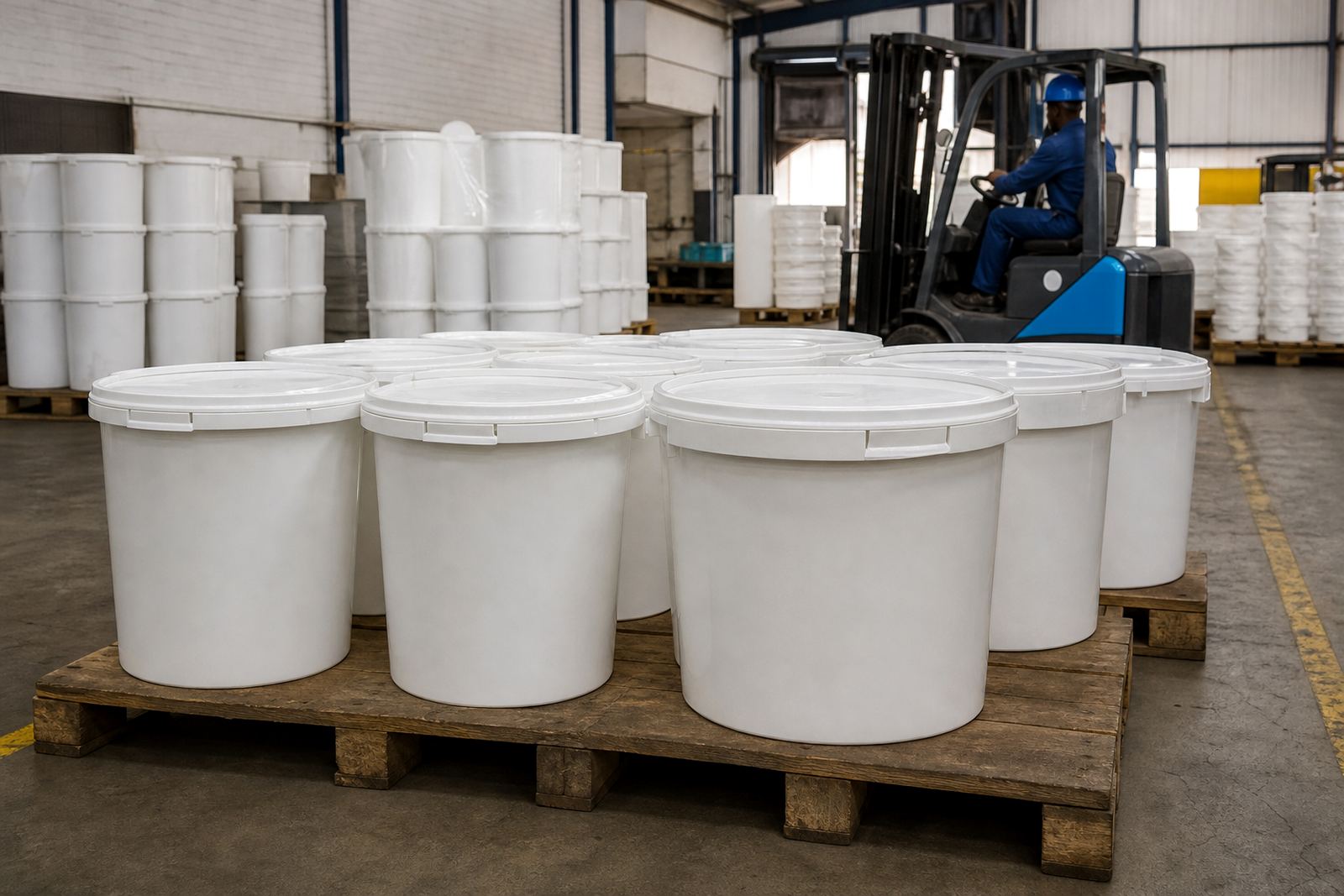
The lids were shaped for a firm snap fit and a clean seating edge. We also kept the rim geometry consistent so the same filling line checks could be used across the pack range. In a dairy setting, that matters because one loose lid or awkward stack can slow the whole day by a small but real amount.
- Container family: round tubs in multiple fill sizes
- Main material: polypropylene
- Alternative material where needed: HDPE
- Lid style: snap-on with seated sealing edge
- Stacking: pallet-ready with stable nesting and load bearing shape
Trial runs on the filling line
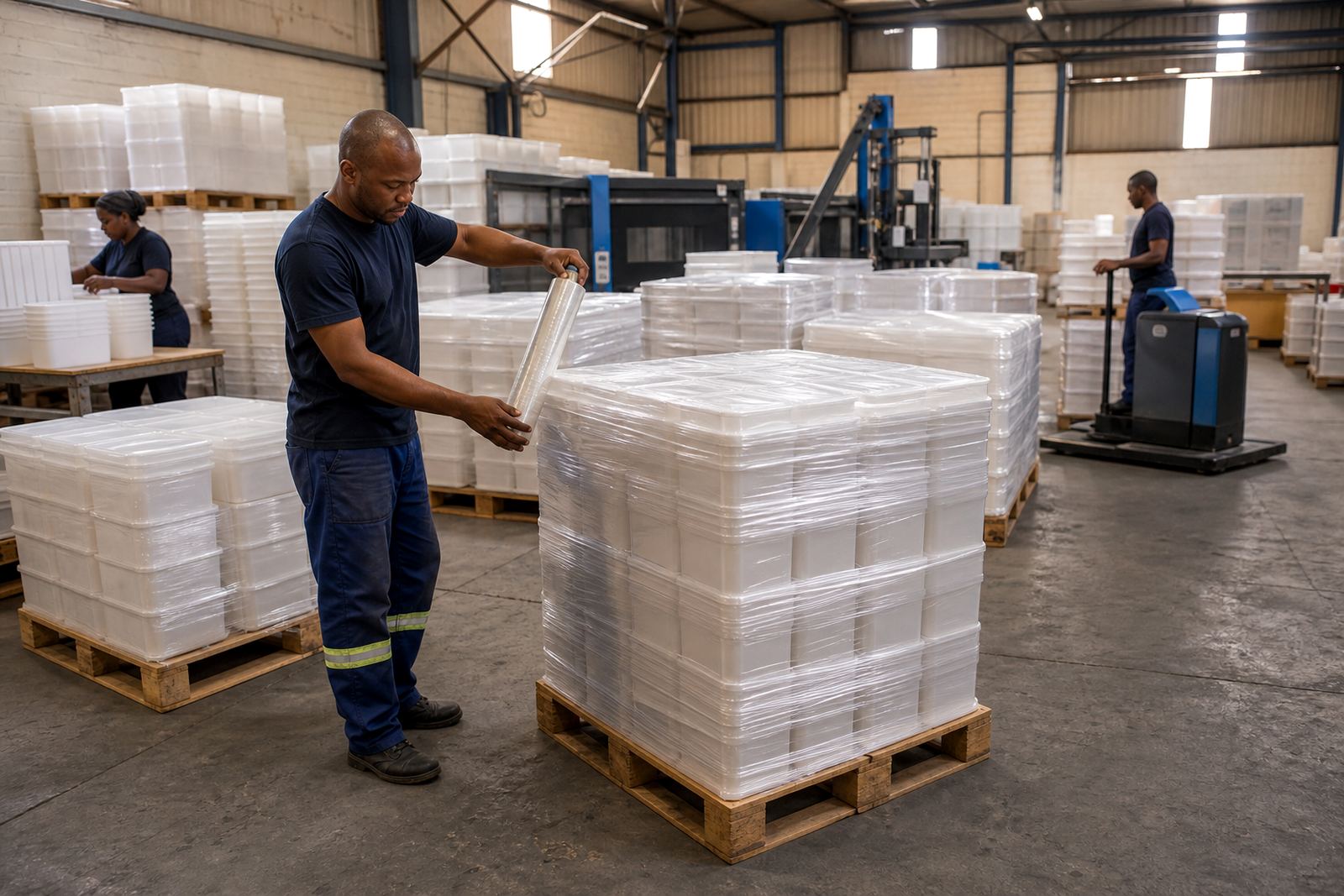
We set up trial production runs to check fit on the packing line, lid engagement and how the tubs behaved when filled, sealed and stacked. The team checked rim finish, lid pull, label space and the way the tubs sat in crates and on wrap-wrapped pallets. Those checks were important because a dairy pack can look fine in isolation yet still shift, lean or scuff once it moves through the real handling flow.
Pack size planning was part of the same work. The product needed a range that made sense for retail and food service, so the tubs were arranged around practical volumes that the packing team could fill without changing the whole process from one size to the next.
- Trial runs confirmed lid seating and handling ease
- Pack sizes were aligned to the existing fill pattern
- Stack tests helped set pallet load behaviour
- Label panels stayed clear for product and batch markings
Tamper seal and shelf protection
The dairy pack needed a tamper seal option that could sit neatly over the lid area and support the pack from filling through to retail delivery. We developed the seal format alongside the lid so the opening line stayed visible and the pack did not feel overworked by extra parts. That balance helps in a chilled dairy line where staff still need to move at a sensible pace.
Secondary packing advice formed part of the delivery too. Cartons, inner grouping and pallet stack pattern were set to reduce corner damage and keep the top layers steady during local and interprovincial transport. In Gauteng humidity and on cooler coastal routes the pack still had to hold its shape, so the handling notes stayed grounded in actual delivery conditions.
- Tamper seal line aligned to the lid profile
- Secondary packing set for grouped transport
- Pallet layers planned for steady top-load behaviour
- Handling notes covered chilled storage and long hauls
What moved from brief to finished pack
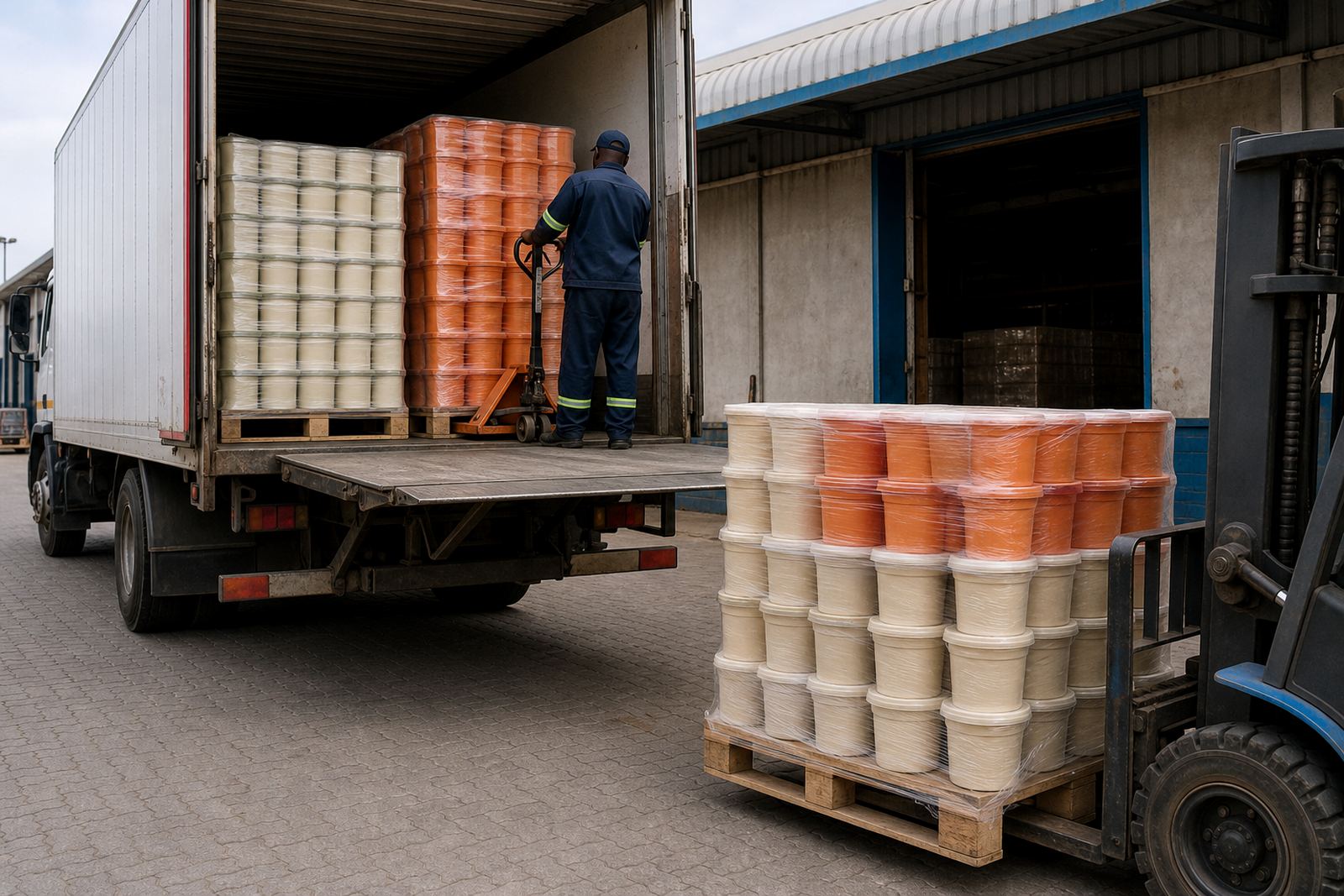
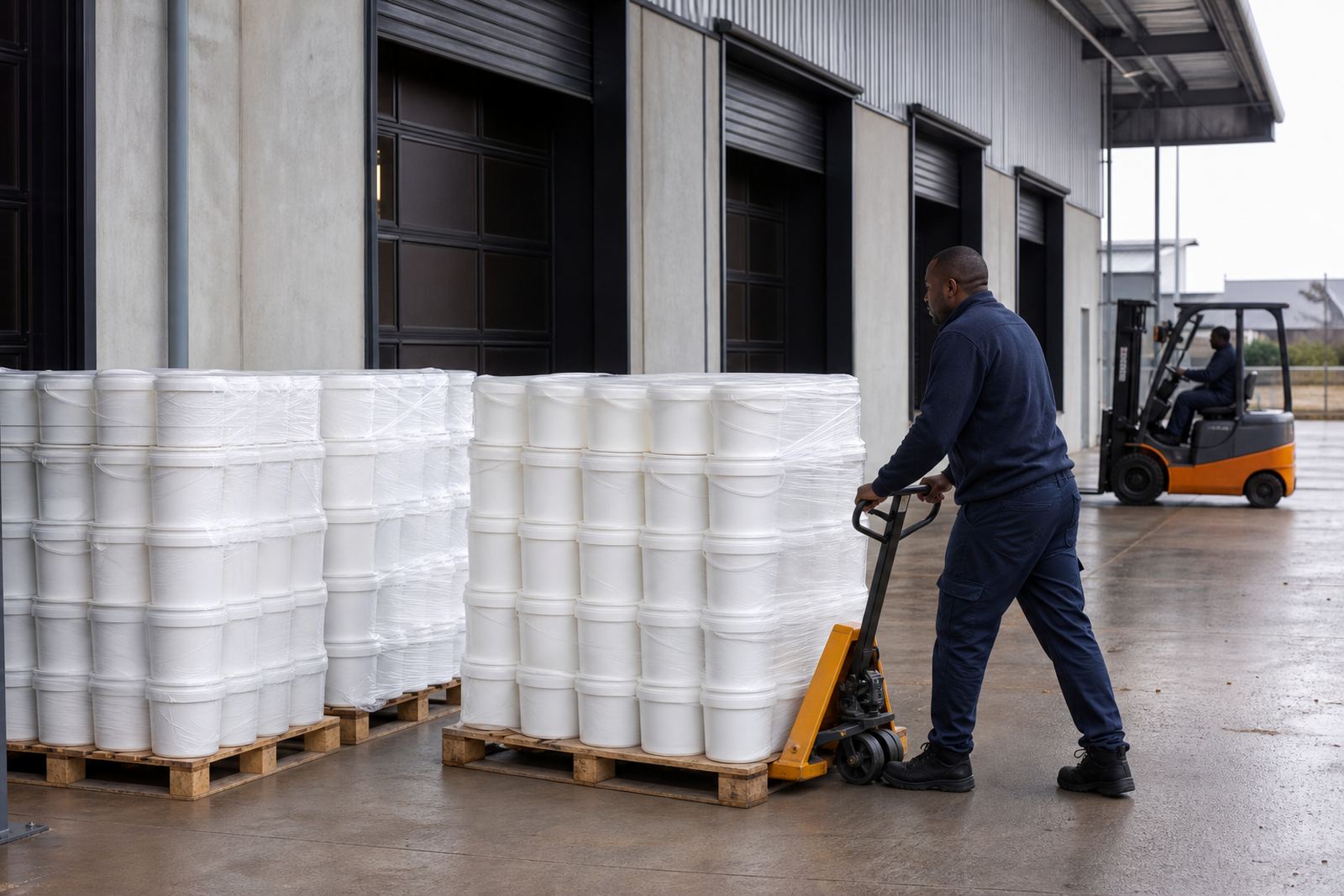
The finished tub range gave the dairy packer a consistent look across sizes, with a lid that seated properly and a body that stayed neat after filling and stacking. The pack line ran with fewer small adjustments, and the warehouse team had a cleaner pallet format for dispatch to Johannesburg, Pretoria, Durban, Cape Town and Port Elizabeth. For a dairy business, that sort of order in the pack room matters as much as the container itself.
The client used the same container family across more than one product format, which helped keep stock planning easier and reduced the amount of packaging detail the team had to manage. The result was a practical pack that suited daily filling, cold storage and regional delivery without forcing the operation into awkward workarounds.
- Cleaner lid fit across the test batch
- Better stacking on pallet loads
- Consistent pack appearance for retail display
- Reduced handling adjustments on the line
If a similar dairy run lands next
If a similar dairy run comes through, we would keep the same plain, line-friendly approach: confirm the fill sizes first, match the wall strength to the transport route, and keep the lid pull and tamper seal simple enough for the packing team to use without fuss. That keeps the work tied to the real pack floor, not just a sample on a table.
For dairies around Alberton, Germiston and Boksburg, the useful detail is usually in the fit, the stack and the finish. Get those three working together and the container stops being a small problem on the line, which is usually the point anyway.
- Keep the fill sizes tied to packing speed
- Match stack strength to pallet height and route
- Keep lid and seal action simple for operators
- Allow for cold-room handling and transport scuffing
Key facts
| Project | Alrode dairy packer |
|---|---|
| Location | Alrode, Alberton |
| Container type | Round injection-moulded tubs |
| Materials | Polypropylene and HDPE |
| Closure | Snap lids with tamper seal option |
| Timeline | 3 weeks from brief to trial run |
| Delivery reach | Johannesburg, Durban, Cape Town, Pretoria and Port Elizabeth |
| Use case | Chilled dairy packing and pallet delivery |