A cosmetic pack for a cream line in Randburg
The project came from a Randburg body cream packer working on a retail range for local distribution and store shelves. The pack format had to suit a medium body cream fill, sit well in cartons, and give the product a tidy finish once the lid was fitted. The team wanted a container that looked right in hand, but also behaved properly through filling and sealing, which is where the small details matter.
We worked on a cosmetic tub pairing in a size that suited the fill volume and the shelf presentation. The container profile needed a stable base, a clean shoulder and a lid that closed without distortion. In packaging work like this, a fraction of a millimetre can affect the feel of the cap, so we paid close attention to the neck and closure area.
- Client type: body cream packer
- Town: Randburg, Gauteng
- Pack format: cosmetic tub with matching lid
- Use: retail cream filling and carton packing
Material choice and the way the pack had to behave
The brief called for food-safe material choices in the broader sense of clean handling and sound pack performance for cosmetic use. We discussed polypropylene and HDPE options, then matched the material to the product feel, the lid action and the line conditions. Polypropylene suits a wide range of tubs and lids because it moulds well and holds detail, while HDPE is often selected where toughness and squeeze resistance are important.
For this run, the focus was on a smooth moulded surface, reliable stacking and a lid that would not shift under normal packing movement. The pack also had to cope with transport through Gauteng and storage in warmer plant areas, so wall consistency and closure integrity mattered. Cosmetic cream can be forgiving on the formula side but unforgiving on the pack side if the closure is weak or uneven.
- Injection-moulded tub body for repeatable dimensions
- Matching lid developed for consistent closure feel
- Material guidance based on fill handling and shelf use
- Surface finish kept neat for cosmetic presentation
Fitting the tub to the filling line
Before production, we checked the tub against the client’s packing line requirements. That included the way the tub sat on conveyors, how the lid aligned during closing and whether the pack stack stayed square in cartons. Line fit checks are practical work, not paperwork. If the container rocks, jams or closes awkwardly, the problem shows up fast on the floor.
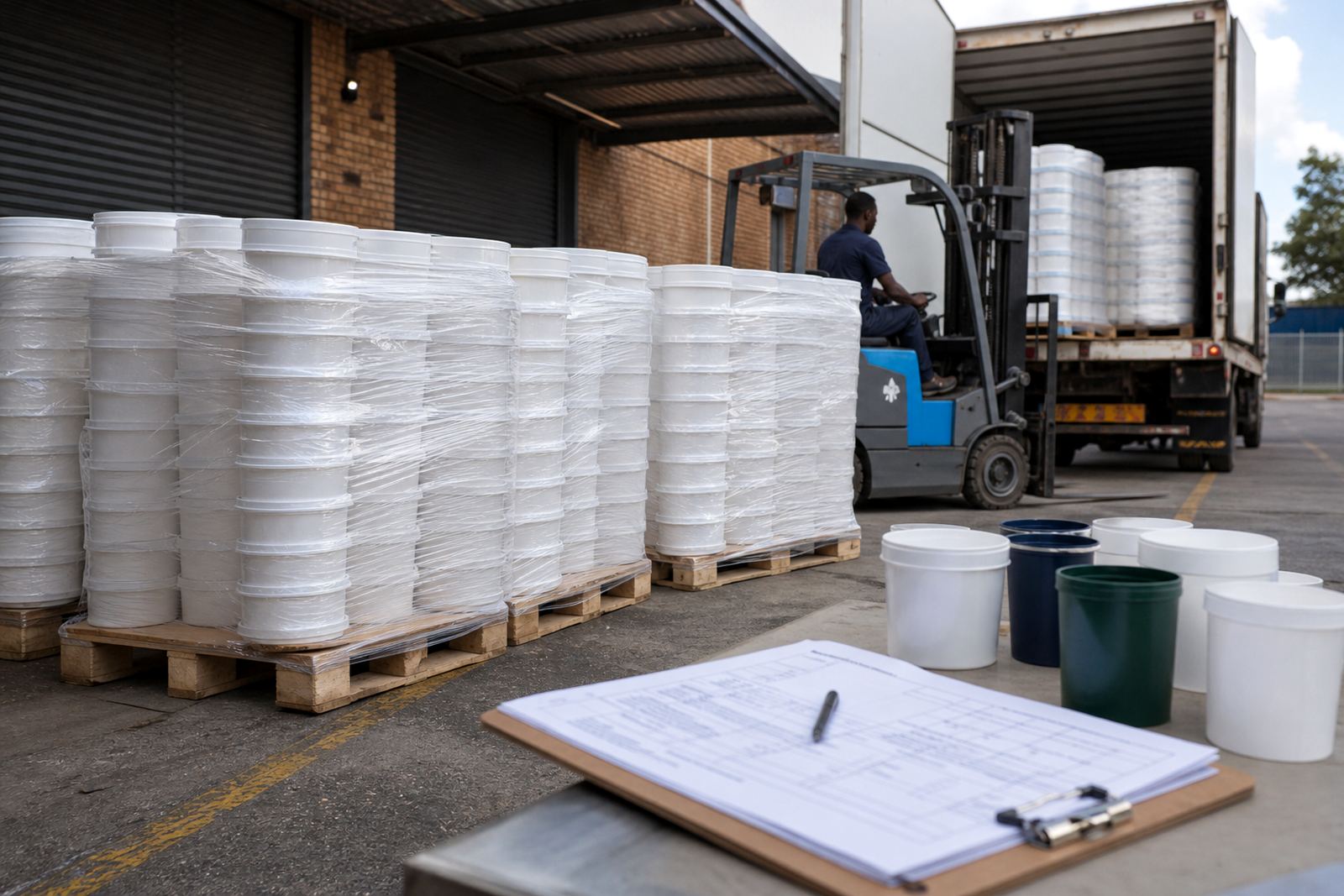
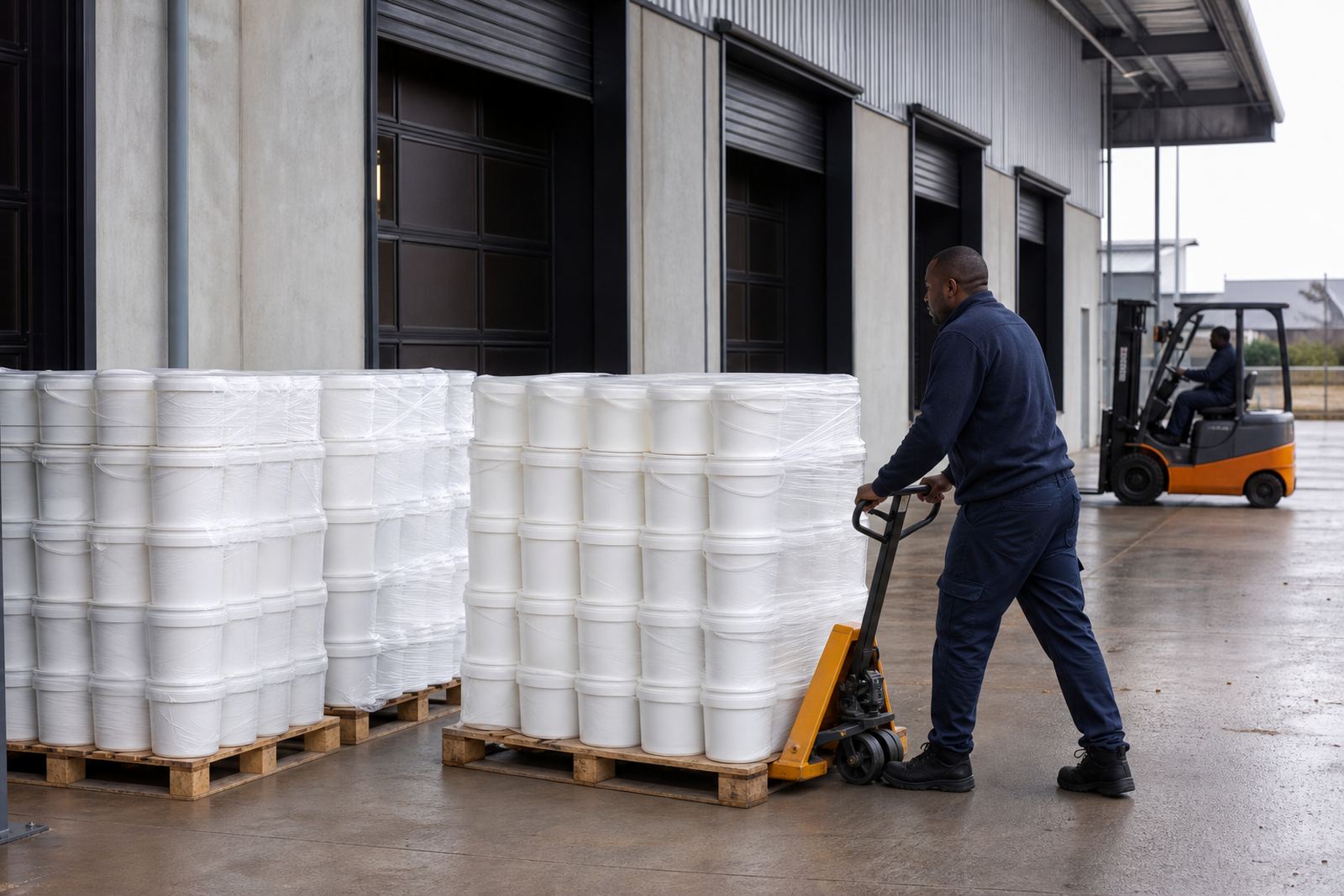
We also gave secondary packing advice so the filled units would move cleanly into outer boxes without scuffing the lids. The client wanted neat shelf-ready packs, so we looked at stack height, carton count and the spacing between tubs. That stage helped us keep the pack size practical, and it reduced the chance of line stoppages caused by misaligned closure parts.
- Line fit checks on the intended packing flow
- Carton fit reviewed for stack height and spacing
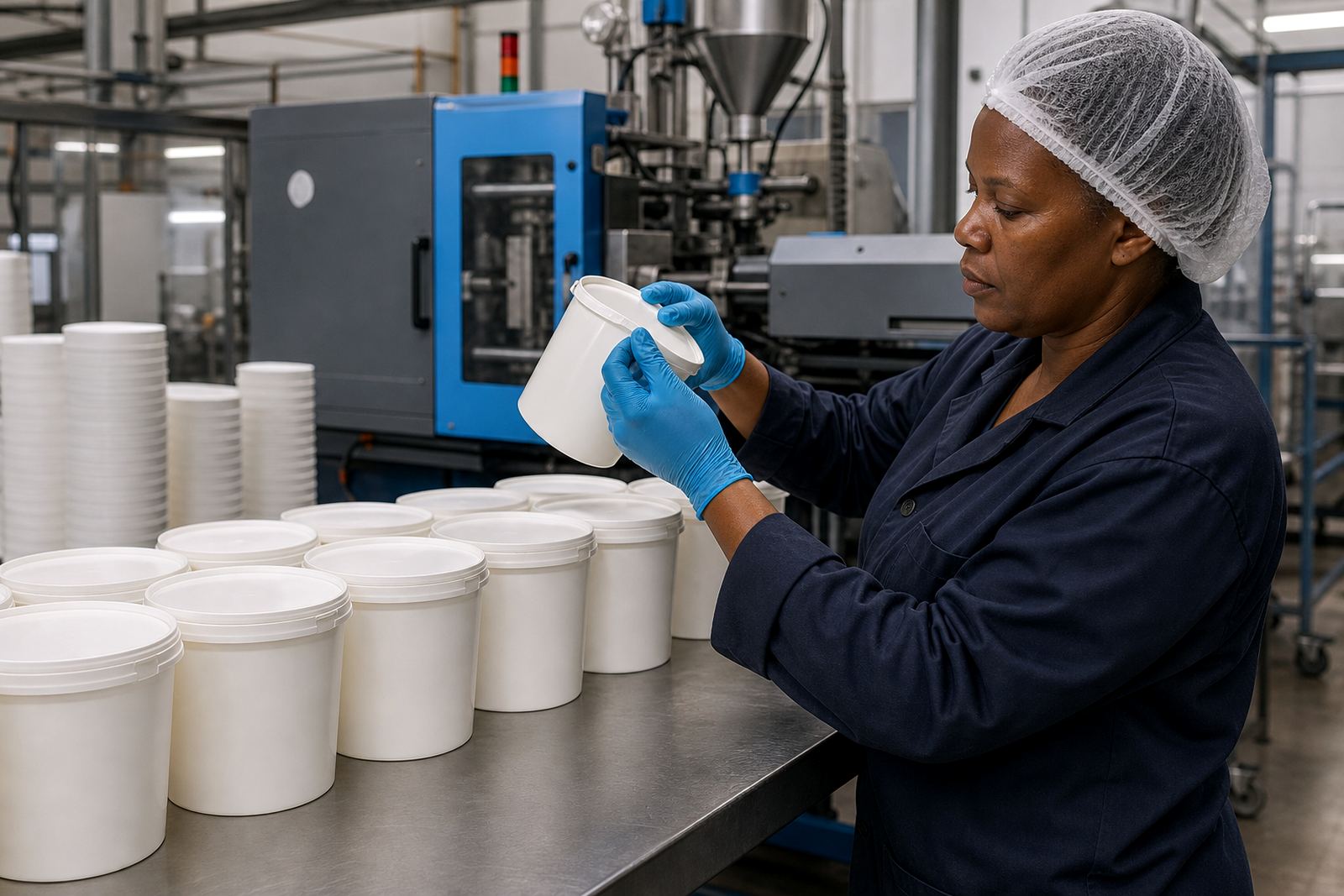
- Lid alignment checked for consistent closing
- Secondary packing kept simple for handling on site
Trial runs, mould work and colour guidance
The job moved into trial production runs after the container shape and closure detail were settled. Those runs let us confirm the tub feel, the lid grip and the general handling on the line before full quantity production. Trial work is where small changes show up, like a lid that sits a touch tight or a tub wall that needs more even mould flow.
Our production team handled mould development input, while the quality coordinator checked finish, closure and visual consistency. We also provided colour matching guidance so the tub could suit the brand tone without fighting the printed label or outer carton. In cosmetic packaging, colour is part of the shelf language, and it needs to sit properly with the rest of the pack.
- Trial production runs used to settle the closure feel
- Mould development supported repeatable tub shape
- Colour matching guidance kept the pack visually steady
- Quality checks covered finish, fit and handling
Lead time and what happened across the weeks
The project unfolded over four weeks from brief to confirmed production. The first week covered the pack discussion, material direction and closure requirements. The second week focused on tub geometry, lid profile and practical line checks. The third week was used for trial runs and adjustment, with the final week going into scheduled production and dispatch planning.
Because the client was packing a cosmetic cream, the team needed a clean handover into their filling schedule. We kept the communication tied to pack details rather than broad talk, and that helped the process stay practical. The result was a tub and lid combination that suited the product, stacked properly and moved through the packing routine without awkward handling.
- Week 1: brief, material direction and pack size discussion
- Week 2: tub and lid profile work
- Week 3: trial runs and adjustment
- Week 4: production planning and dispatch preparation
What the finished pack delivered on the floor
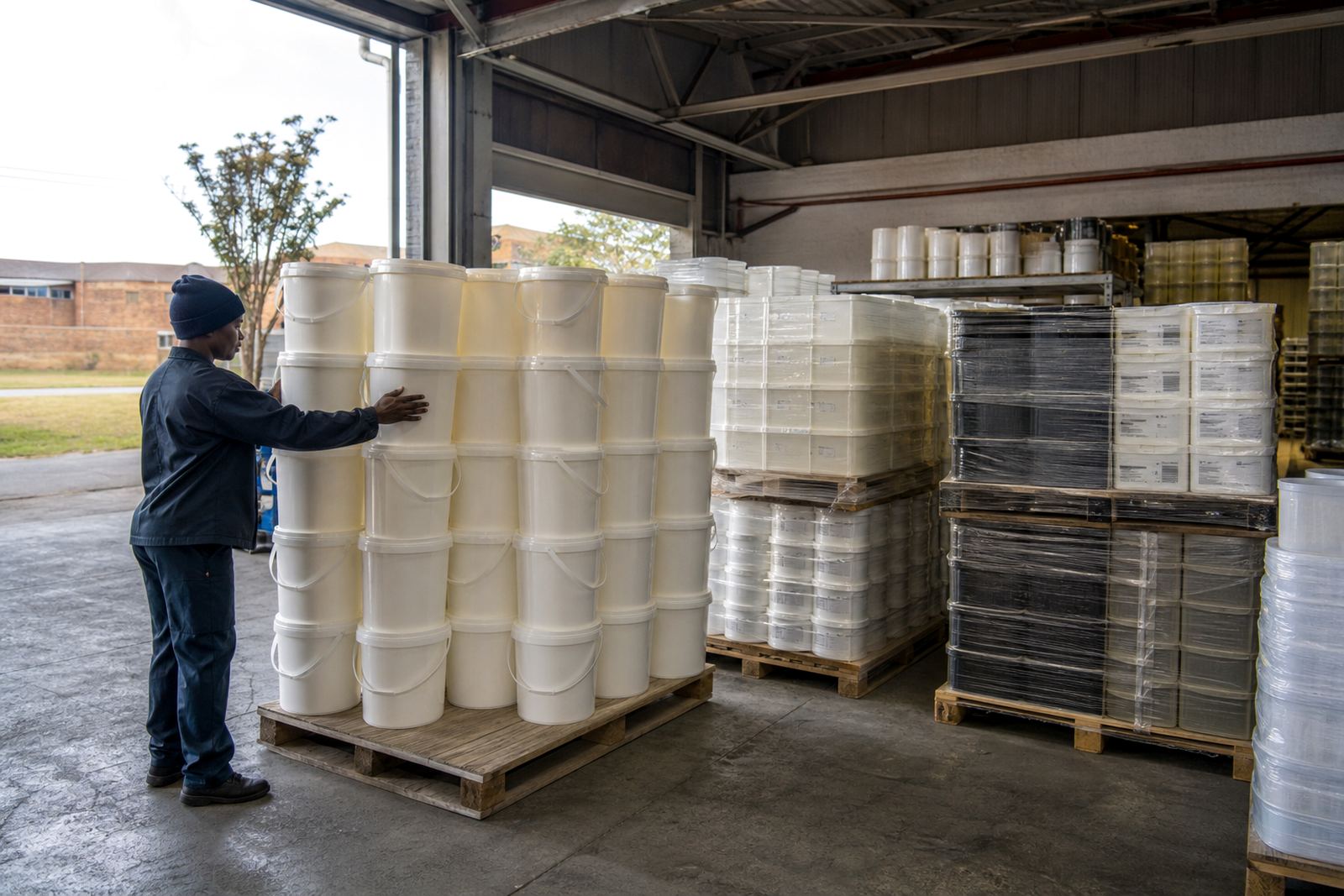
The finished cosmetic tub gave the Randburg team a tidy pack for their body cream range, with a lid fit that supported normal handling and retail presentation. The shape held well in cartons, and the closure detail was suited to repeated packing movement without looking rough at the end of the line. The product moved through the process neatly, which is usually what matters most when the pack lands on a busy floor.
The client also had a cleaner path for stock planning because the tub size, lid type and packing method were all aligned. That makes ordering and warehouse handling simpler, especially when the range is moving into different branches or retail routes. A good cosmetic pack should not call attention to itself unless someone is looking for the wrong reason.
- Neat shelf presentation for body cream retail packs
- Stable carton stacking for warehouse handling
- Lid fit suited normal filling and closure work
- Pack format supported repeat production planning
What to carry through on a similar cream run
On a similar cosmetic project, we would keep the same sequence of pack review, line fit checks and trial production runs. That order gives the client clear points to sign off the tub shape, the lid action and the practical handling before full production starts. For cream packs, the closure detail is never a small issue, so we would keep that under close review from the outset.
We would also keep the material discussion tied to the actual product and the packing method, not just to appearance. Polypropylene and HDPE each have their place in injection-moulded packaging, and the right choice depends on the fill, the stack and the handling around the line. For this Randburg job, that practical way of working gave the client a pack that suited the product and the plant without extra fuss.
- Keep closure testing early in the process
- Check carton fit before full production
- Match material to product handling and storage
- Use trial runs to settle lid feel and stack behaviour
Key facts
| Project | Randburg body cream packaging run |
|---|---|
| Pack type | Injection-moulded cosmetic tub with matching lid |
| Material | Polypropylene and HDPE options reviewed |
| Use | Body cream filling, retail presentation and carton packing |
| Process | Custom tub design, lid development, trial runs and line fit checks |
| Timeline | 4 weeks from brief through production planning |