Where a standard tub holds its own
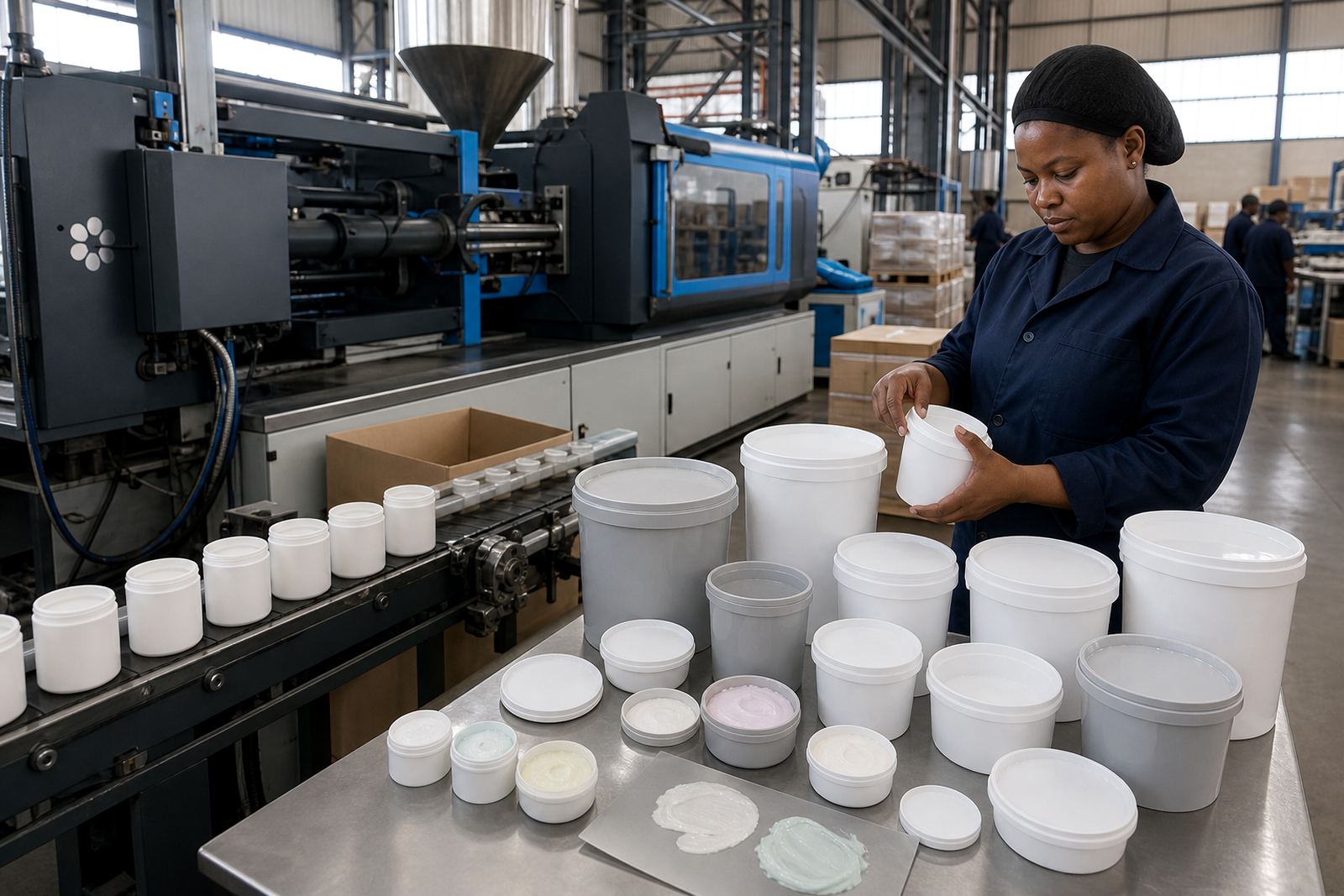
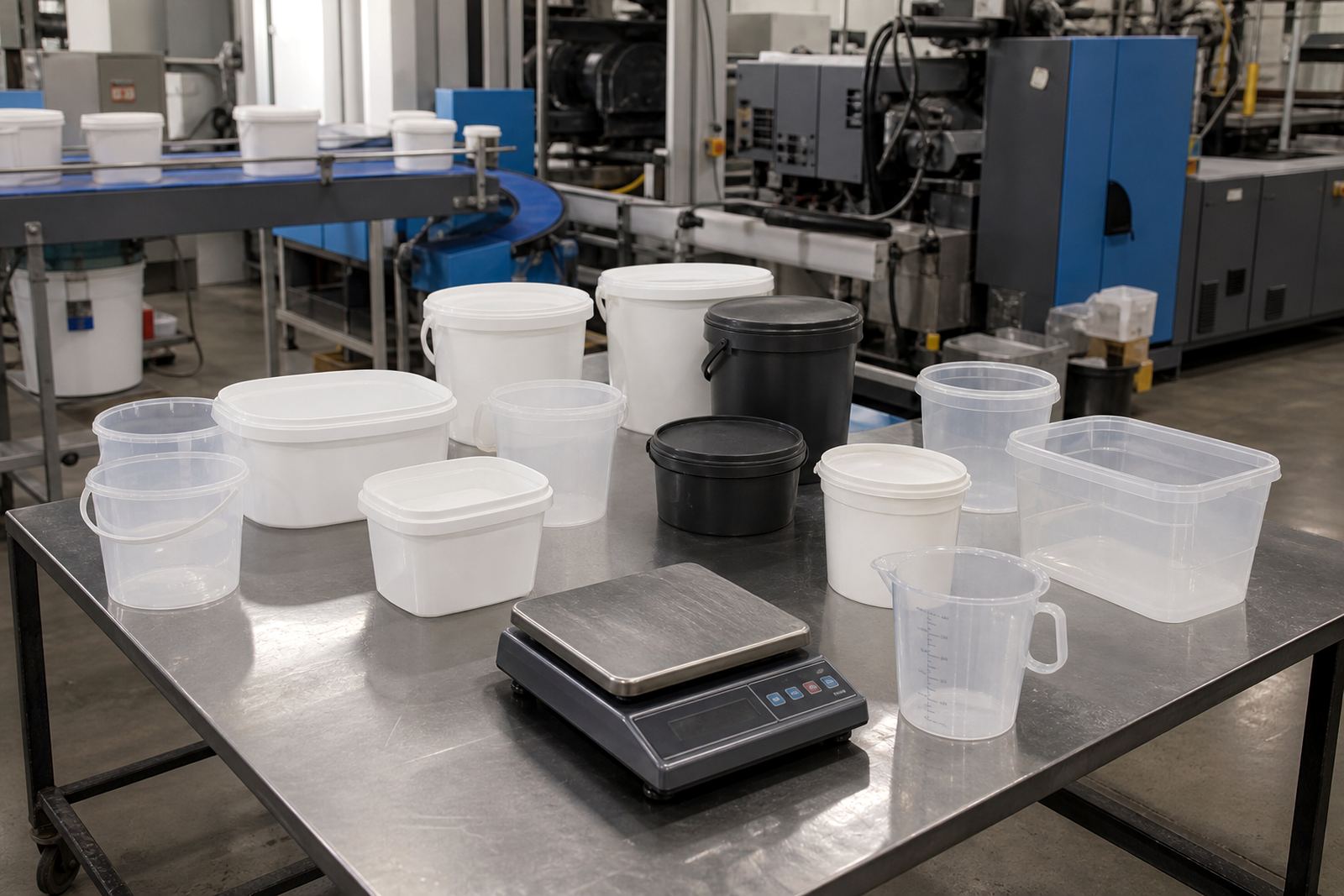
Standard injection-moulded containers are often the quickest path when the product already fits common pack sizes and the line runs smoothly with off-the-shelf lids. For dry powders, tablets, creams and many ready-packed food items, a well-sized polypropylene or HDPE tub can do the job without extra mould work.
The real test is not whether the tub looks neat on a shelf, but whether it protects the product, loads cleanly on the line and sits properly in crates or cartons. In many Gauteng and coastal packing rooms, that means checking stack height, lid grip and how the container behaves in warm storage areas where humidity can lift labels and soften some closures.
- Product volume matches a common size.
- Lid fit is already secure enough for handling and transport.
- Fill lines do not need special neck shapes or pour points.
- Secondary packing and pallet stacking already work.
- Artwork and labelling fit the available label panel.
Signals that custom moulding is worth exploring
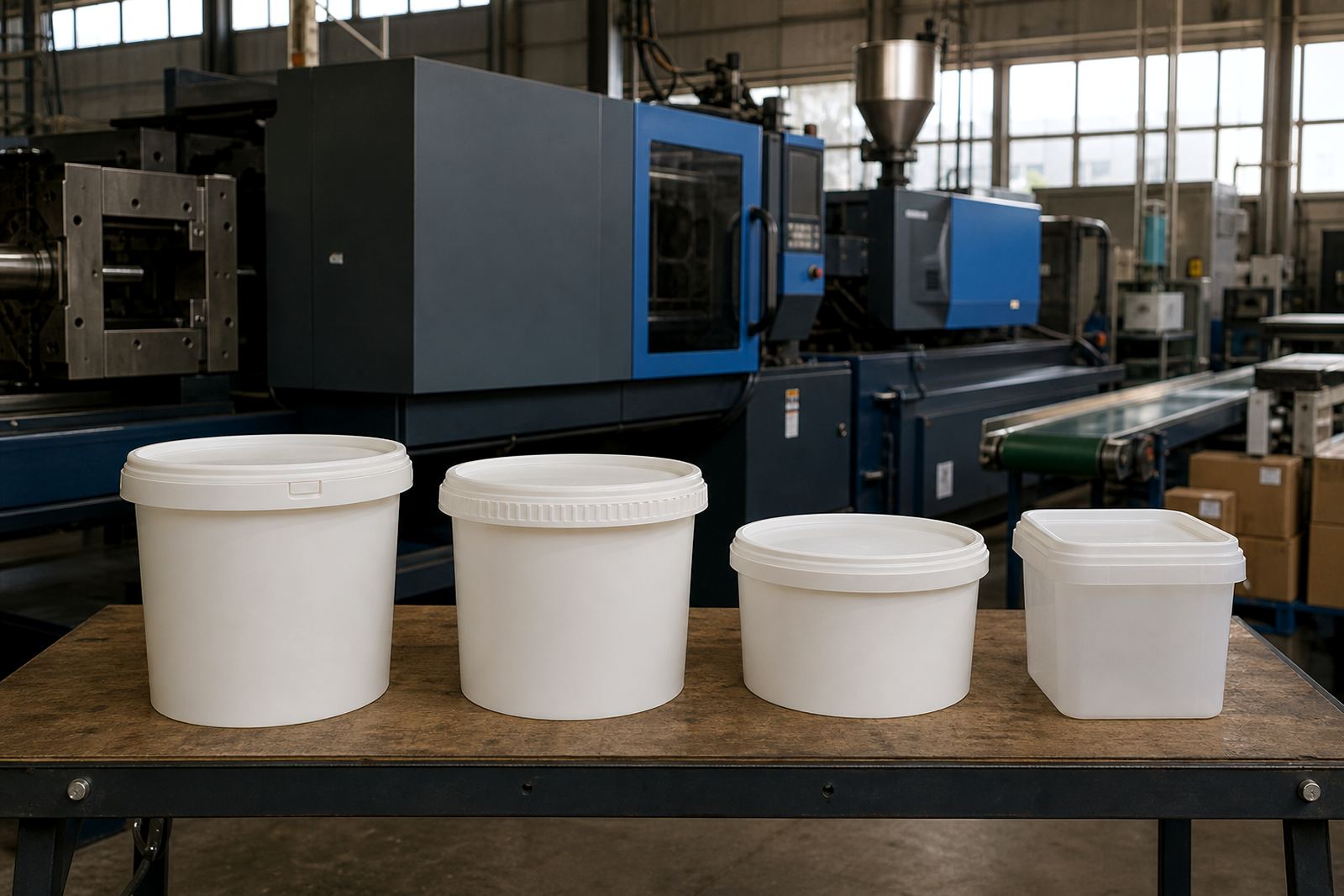
Custom moulding makes sense when the pack itself is part of the packing problem. A product that shifts inside the tub, needs a tighter seal, or carries a label that keeps wrinkling on a rounded wall is telling you the standard shape is close, but not quite right.
Food packers often ask for better stacking and tighter tamper control. Pharmaceutical and cosmetic packers may need a different mouth size, a more stable base or a lid that works more cleanly with their line tools. A custom tub can also help when a product range shares one brand look but uses several fill sizes, and the pack family needs to stay visually consistent.
- The current container wastes headspace or leaves no headroom.
- Lids lift during transit or fail a pull test on the line.
- Labels sit badly on the surface you are using now.
- Crates, cartons or shrink wrap need too much force to close.
- Colour separation is needed across product ranges.
Polypropylene, HDPE and the job each one does
Polypropylene is widely used for tubs and lids where good stiffness, decent heat resistance and clean moulding are needed. It handles many food, cosmetic and pharmaceutical pack styles well, especially where the pack must keep its shape through filling, capping and distribution.
HDPE is a useful option where a tougher feel and good impact resistance are more important. It is often chosen for containers that must travel through warehouse handling, courier sorting or distribution into regions with hotter conditions and rougher loading. Material choice should follow the product, the closure and the line setup, not just the price of the resin.
For food-safe use, the container, lid and any tamper feature need to suit the intended application and the full packing flow. That includes checking how the material behaves with product oils, light exposure, cleaning routines and longer storage periods.
The checks that matter before a mould decision
The strongest decisions usually come from a small set of practical checks. A pack that looks fine on a sample bench can still cause trouble once it meets a filling line, a pallet wrap, or a hot storeroom in Durban or Port Elizabeth.
Before choosing standard or custom, look closely at the whole path from filling to delivery. That means the container, the lid, the tamper seal, the label area and the secondary pack all working together, not just the tub on its own.
- Measure the exact fill volume and headspace.
- Check whether the lid must resist tampering.
- Confirm stack height and crate fit.
- Test label placement on the actual surface.
- Review handling in warm or humid storage.
- Look at how the pack behaves during transport.
Trial runs help separate theory from line reality
Trial production runs are useful when the pack is close, but not yet settled. They show whether the mould, resin and closure work under real packing conditions, not just under a hand-fitted sample. That is often where issues like poor nesting, uneven filling or awkward lid engagement show up.
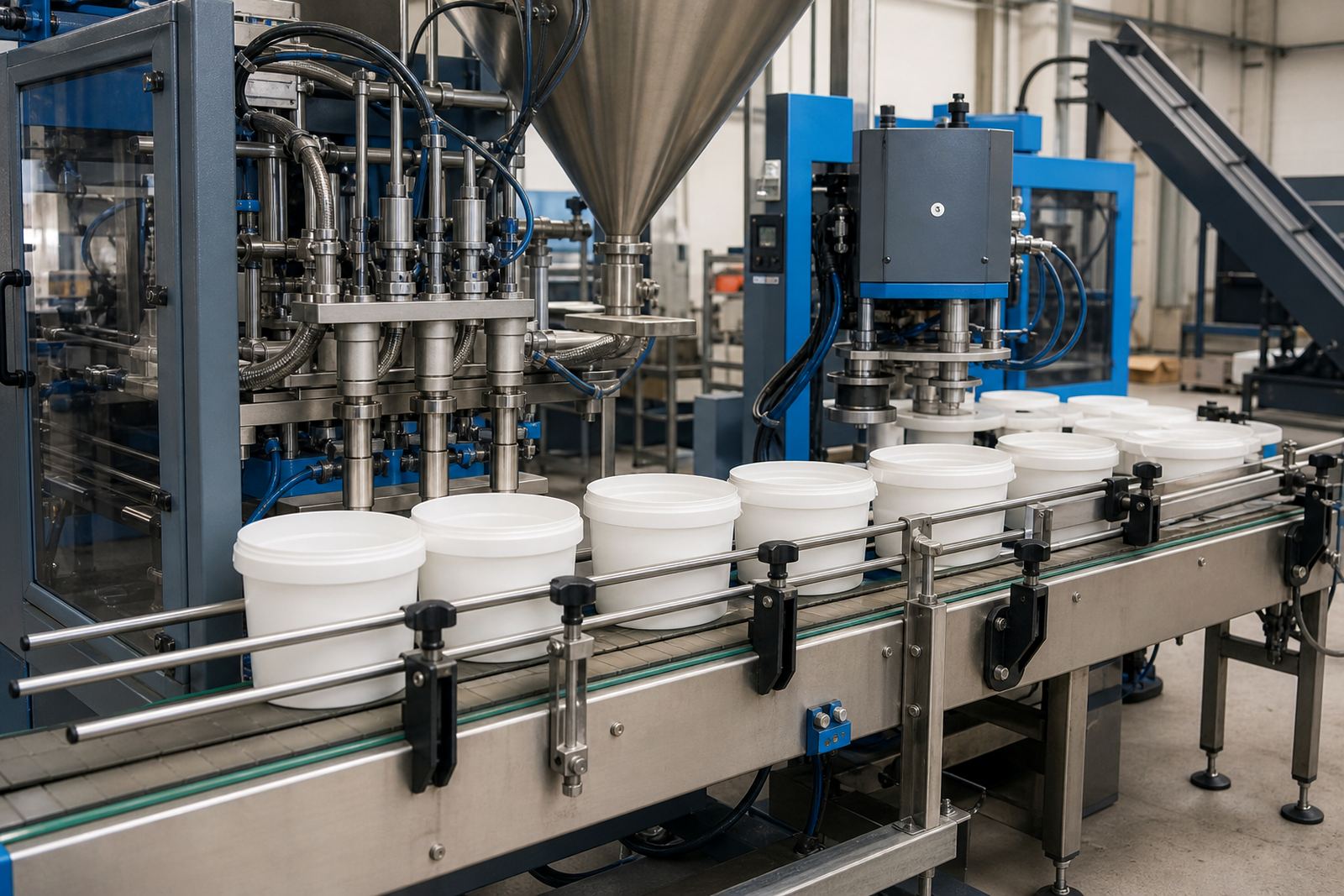
At this stage, line fit checks and pack size planning matter as much as the shape itself. A tub that saves a few millimetres in resin but slows the line is not a practical win. The aim is to keep the pack easy to run, easy to seal and easy to store without forcing the team to fight the container every shift.
- Run a small batch on the actual line.
- Check lid application and seal placement.
- Watch for scuffing, distortion or weak stacking.
- Inspect label alignment after filling and cooling.
- Confirm how the pack handles in cartons and on pallets.
When stock planning matters more than new tooling
Sometimes the best answer is not a new mould at all, but a better stock plan for an existing tub. If the product range is stable and the same pack sizes move regularly, stock run planning can keep production moving without committing to a custom shape too soon.
That approach often suits businesses that need predictable replenishment into Johannesburg, Pretoria, Cape Town, Durban or smaller regional depots. It also helps when secondary packing needs are straightforward and the team wants a repeatable container that can be held in stock for regular fills.
When the packaging brief changes often, ongoing product updates become important. A small adjustment to lid design, colour match or tamper feature can improve line handling without forcing a full redesign every time.
A practical way to compare the options
Comparing standard and custom packaging works best when you write the brief in plain terms. Start with product size, fill method, storage conditions and the look you want on shelf. Then add the handling issues that matter on the packing floor, such as stacking, sealing and transport damage.
From there, the decision usually becomes clearer. If the current tub meets the brief with no strain, a standard option is often enough. If the product, line or presentation keeps forcing workarounds, custom mould development, lid development or tamper seal design may be the better route.
Plastic Factory works with food, pharmaceutical and cosmetic packers from Alrode, Alberton across South Africa, including Johannesburg, Germiston, Boksburg, Pretoria, Cape Town, Durban and Port Elizabeth. Enquiries can be sent through the enquiry form on our contact page.