Start With The Product, Not The Picture
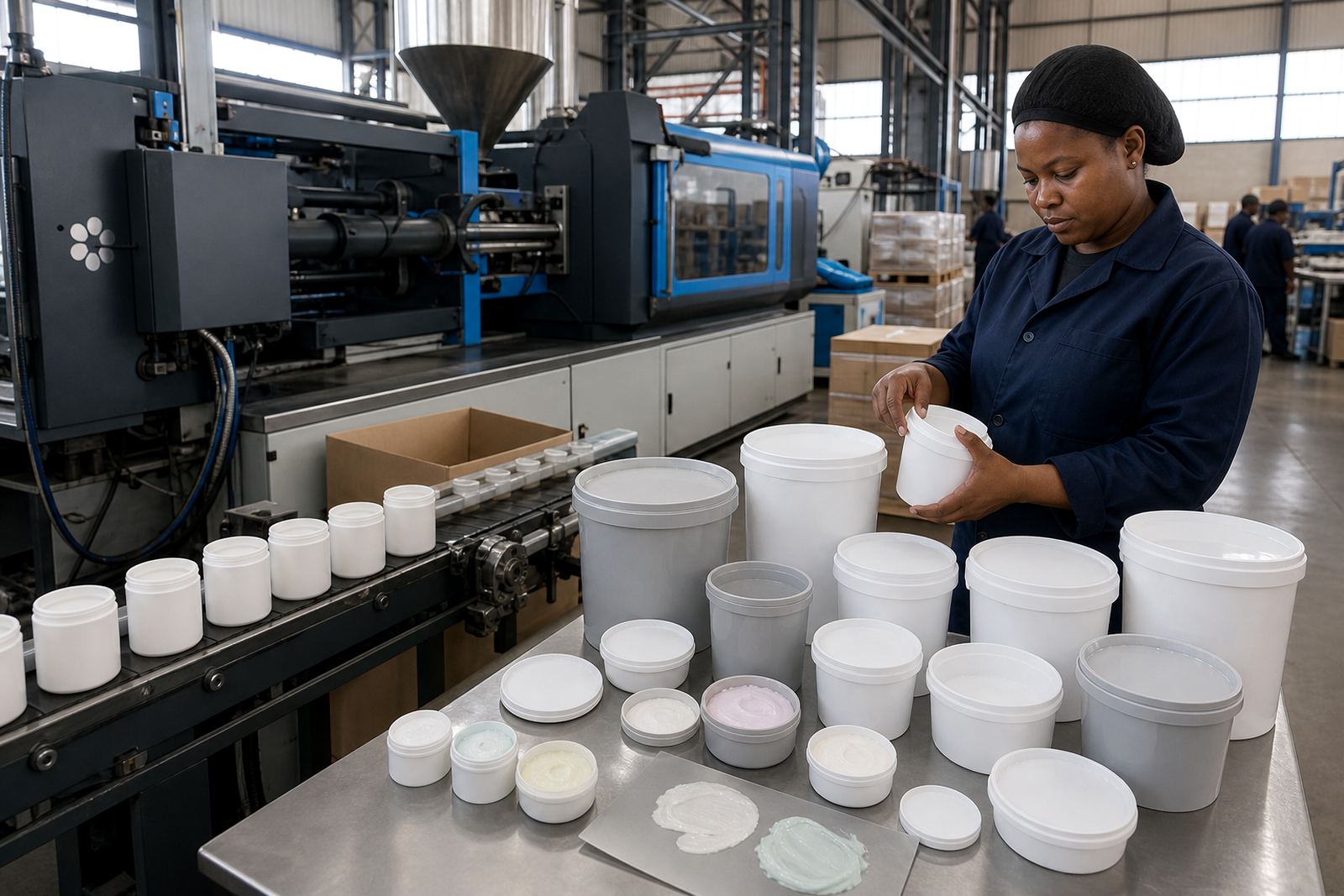
Creams, body butters, face masks and gels do not behave the same way in a pack. Some are thick and hold their shape, while others move easily and can creep into the lid thread or under the seal area if the tub is not suited to the fill. A cosmetic tub should match the texture, fill temperature and way the product is used at the counter or at home.
In Alrode and across Gauteng, many packers look first at capacity, then at opening width and wall strength. That order helps reduce filling mess and keeps the tub easy to handle on the line. A wider mouth can suit thicker products, while a deeper tub may suit higher fills with a neat shelf profile.
Pick The Right Material For The Product
Injection moulded polypropylene and HDPE are common choices for cosmetic tubs because they are practical, light and suitable for many personal care pack formats. Polypropylene is often used where a cleaner moulded finish and a slightly stiffer feel are useful. HDPE is valued for toughness and handling, especially where tubs are stacked, packed or moved often.
Food-safe material practice matters where a cosmetic pack also needs to suit ingredient hygiene, clean handling and careful storage. For creams and masks, the material must work with the product, not stain easily and not react badly with the fill. Coastal humidity in Durban can also influence storage and handling, so the pack should hold up well in warm, damp conditions.
- Check whether the product needs a clear, white or coloured tub
- Confirm if the fill will be hot, warm or room temperature
- Match wall thickness to handling and stacking pressure
- Make sure the tub suits your secondary packing method
Choose A Lid That Follows The Line
The lid should close cleanly, sit square and support the way the pack is filled and finished. A loose fit can lead to spill risk, while a tight lid may slow down packing if the line needs extra pressure or repeated checks. On a busy line in Pretoria or Johannesburg, small fit problems can add up quickly.
Where a product needs a tamper seal, the tub and lid should be planned as one unit. The seal area must be consistent, easy to apply and easy for the customer to open without damage to the rim. That matters for face creams, masks and retail packs that are handled often after purchase.
- Ask if the lid closes with a firm, even press
- Check whether the seal band or seal strip sits neatly
- Confirm the lid profile suits your label placement
- Test opening by hand with the final product inside
Match The Tub To Your Filling And Packing Line
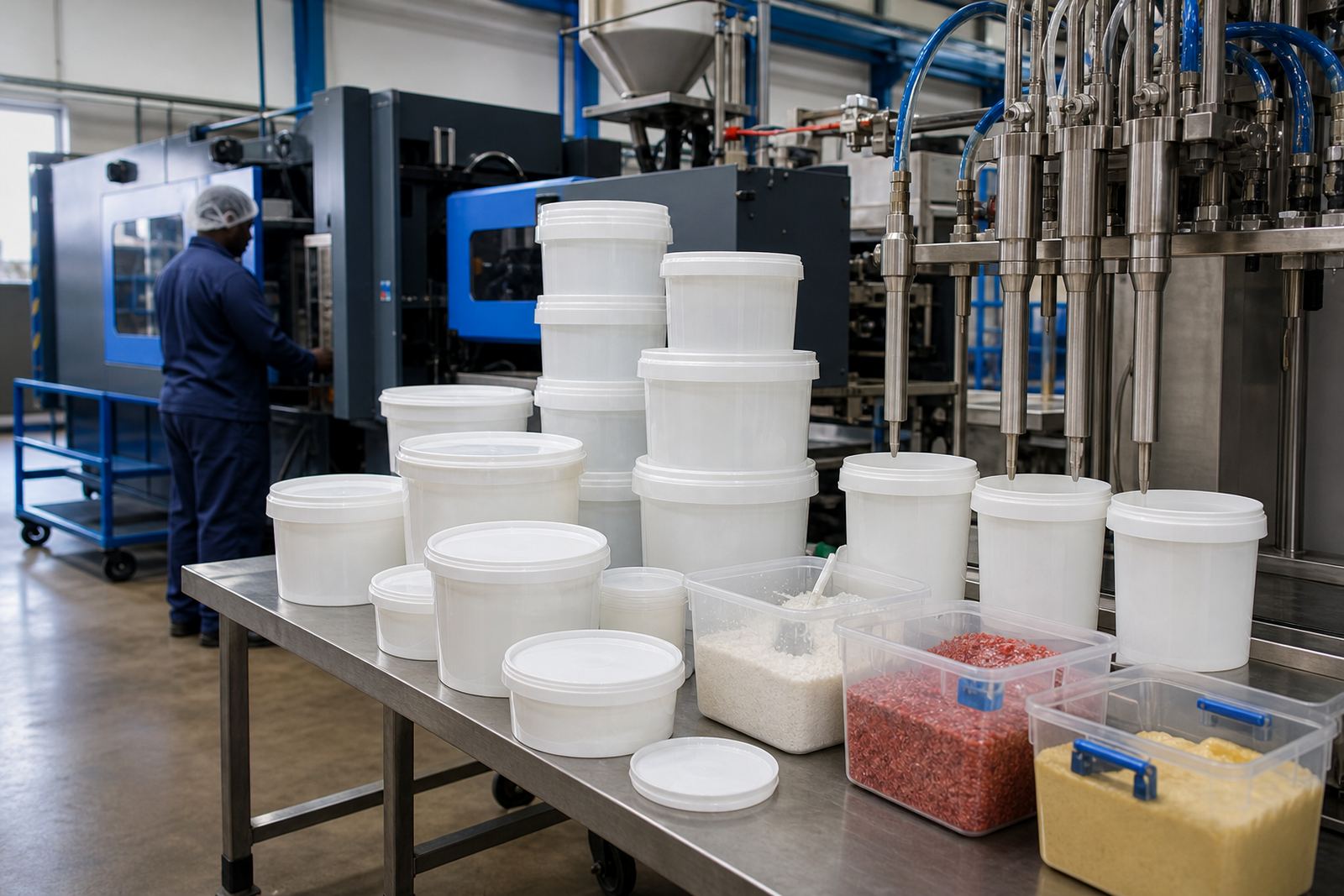
A cosmetic tub should pass smoothly through filling, capping, labelling and carton packing. If the opening is too small for the product or the fill head, the line slows down. If the neck finish is uneven, lids can sit crooked and labels may not line up well on the shelf.
Trial production runs are useful for checking how the tub behaves under real line conditions. A pack that looks fine on paper can show issues once filled, capped and moved through the normal packing flow. That includes slip on belts, lid bounce, carton fit and how the tubs stack in transit to Cape Town, Port Elizabeth or Durban.
- Test the tub on the actual filling equipment
- Check stack stability in cartons and outer cases
- Look at label wrap space and print placement
- Confirm the finished pack fits your shelf case or display tray
Size, Shape And Colour Need To Work Together
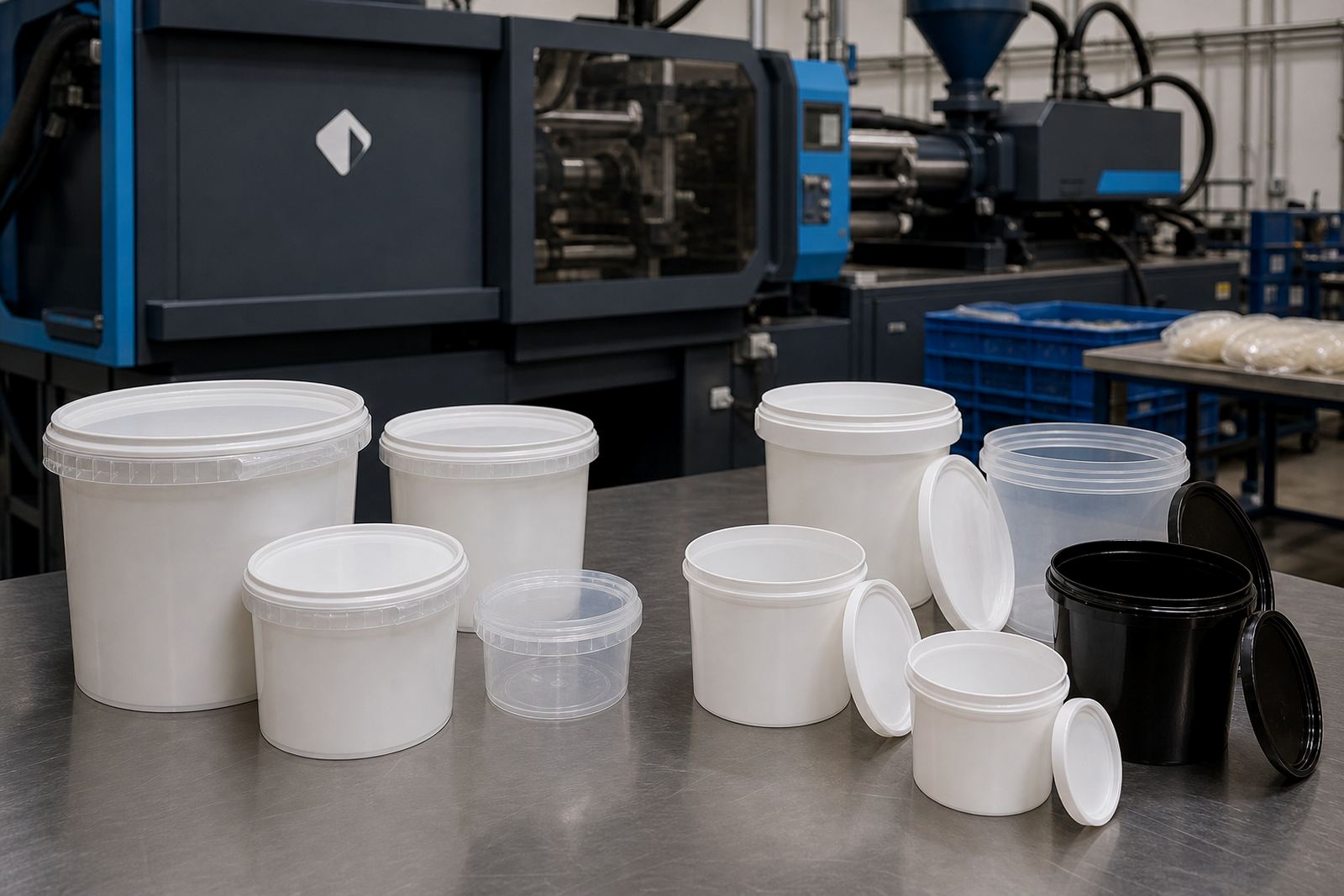
Tub shape affects how the product looks and how easy it is to use. A round tub is common for creams and masks, while a wider profile can help with scooping. Straight walls can make labelling easier, while a tapered form may help with nesting or storage. The best shape depends on the fill weight, the look you want and the way the product is opened each day.
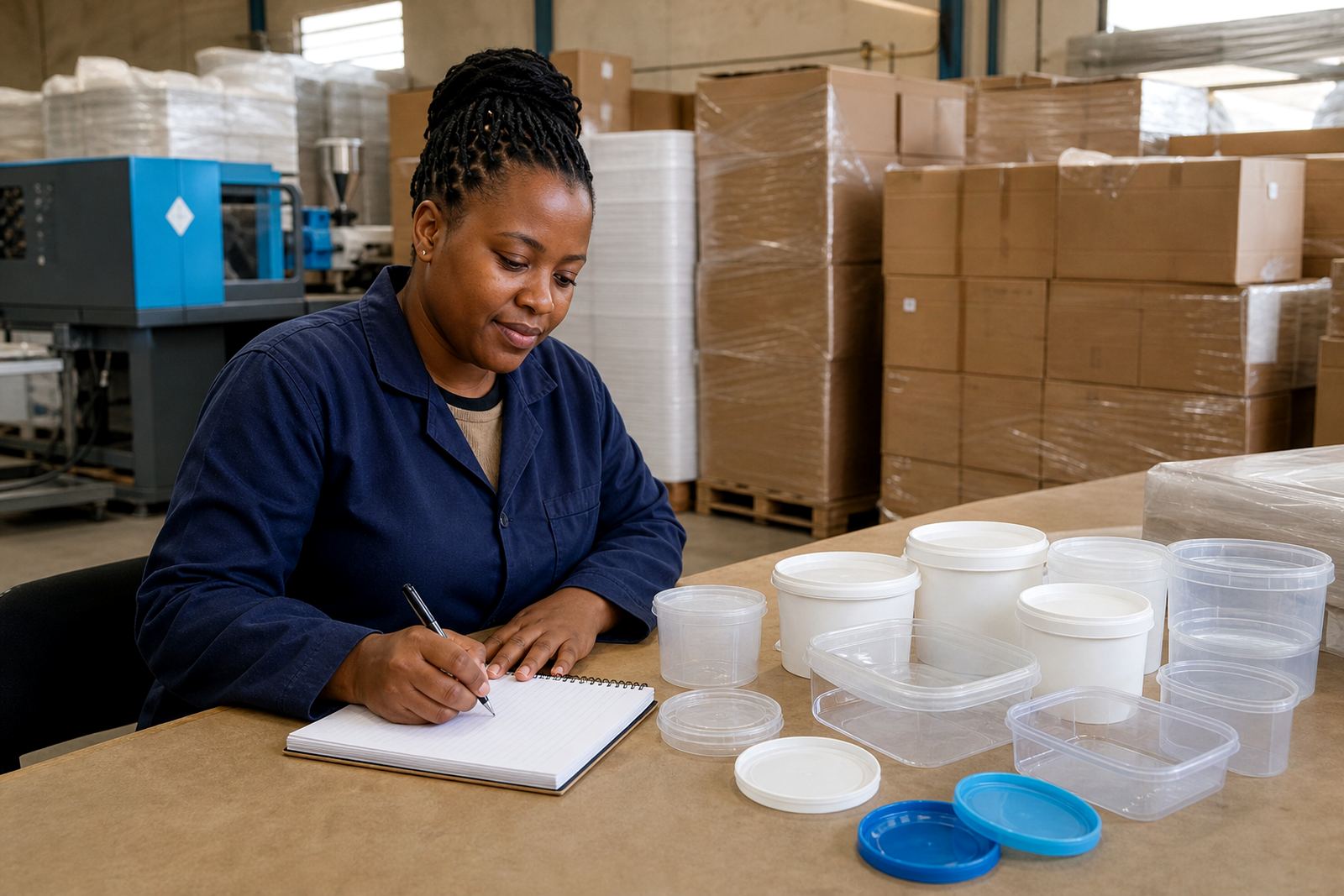
Colour matching guidance is useful when the pack forms part of your brand identity, but practical matters should lead the decision. White, natural and custom coloured tubs each behave differently in presentation and stock control. In Alberton and Germiston, some packers keep the tub colour close to the lid colour for a cleaner shelf result, while others use contrast to make the product line easier to sort.
A Short Checklist Before You Commit To A Run
Before setting a stock run or a custom mould development plan, it helps to work through a plain checklist. The aim is to avoid mismatch between the product, the pack and the packing line. That saves handling problems and keeps the line moving in a controlled way.
- Product type, fill weight and texture confirmed
- Material choice settled for handling and storage
- Lid fit checked with the intended seal method
- Label area and print position measured
- Carton and pallet packing plan agreed
- Trial run done with filled product
- Spare stock plan ready for repeat runs or seasonal demand
Where a line uses secondary packing, such as inner wraps or carton sleeves, the tub should not fight the rest of the pack. The container, lid and outer pack need to work together on the floor, in storage and during delivery to branches in Johannesburg, Durban, Cape Town, Pretoria and Port Elizabeth.