Start With The Product, Not The Container
Food packers get better results when the container follows the product, not the other way around. A yoghurt, dry snack, chutney, sauce, or ready meal each behaves differently in the pack line and on the shelf, so the tub has to suit the fill weight, texture, and storage conditions. A good fit also reduces waste, spillages, and lid strain during closing.
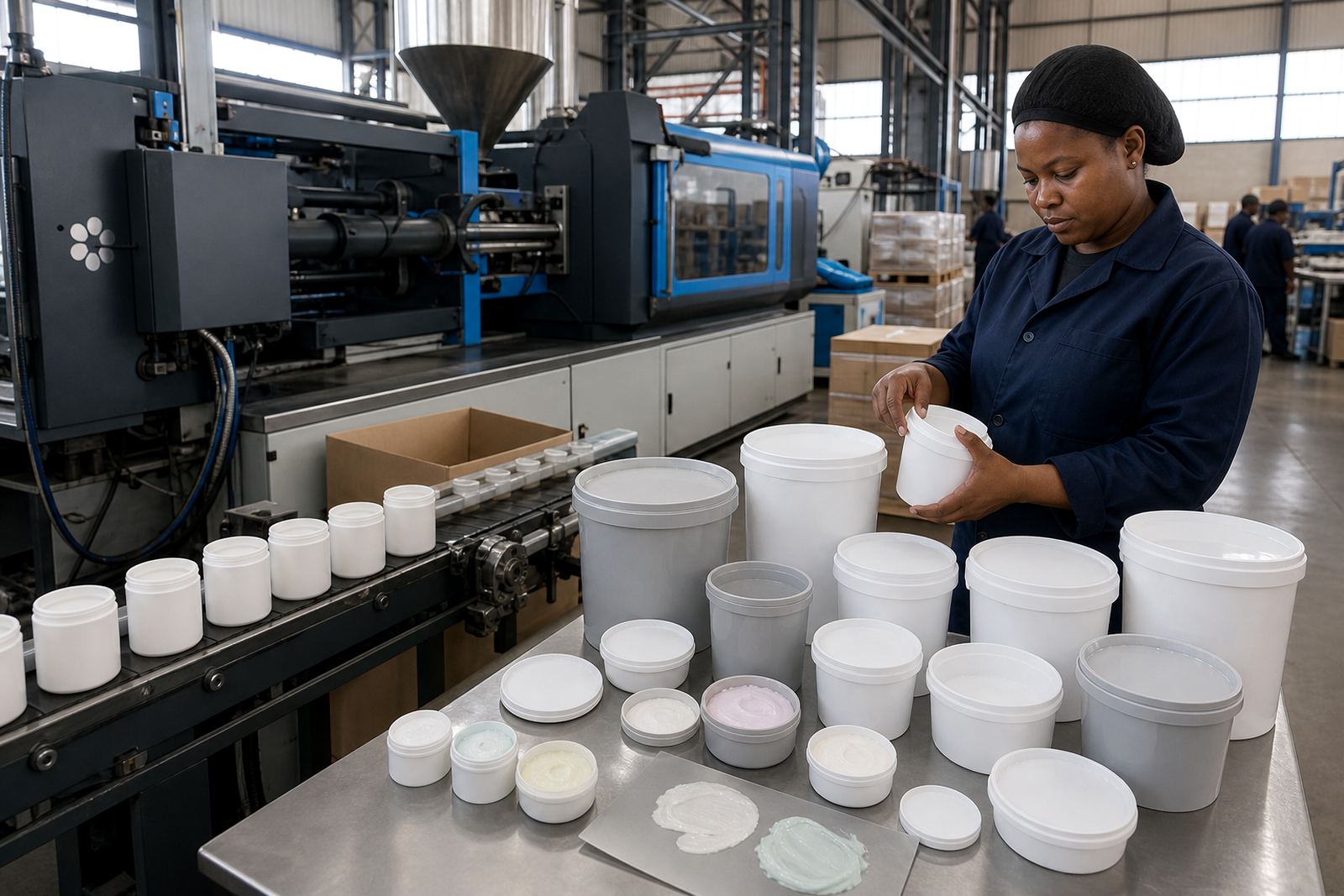
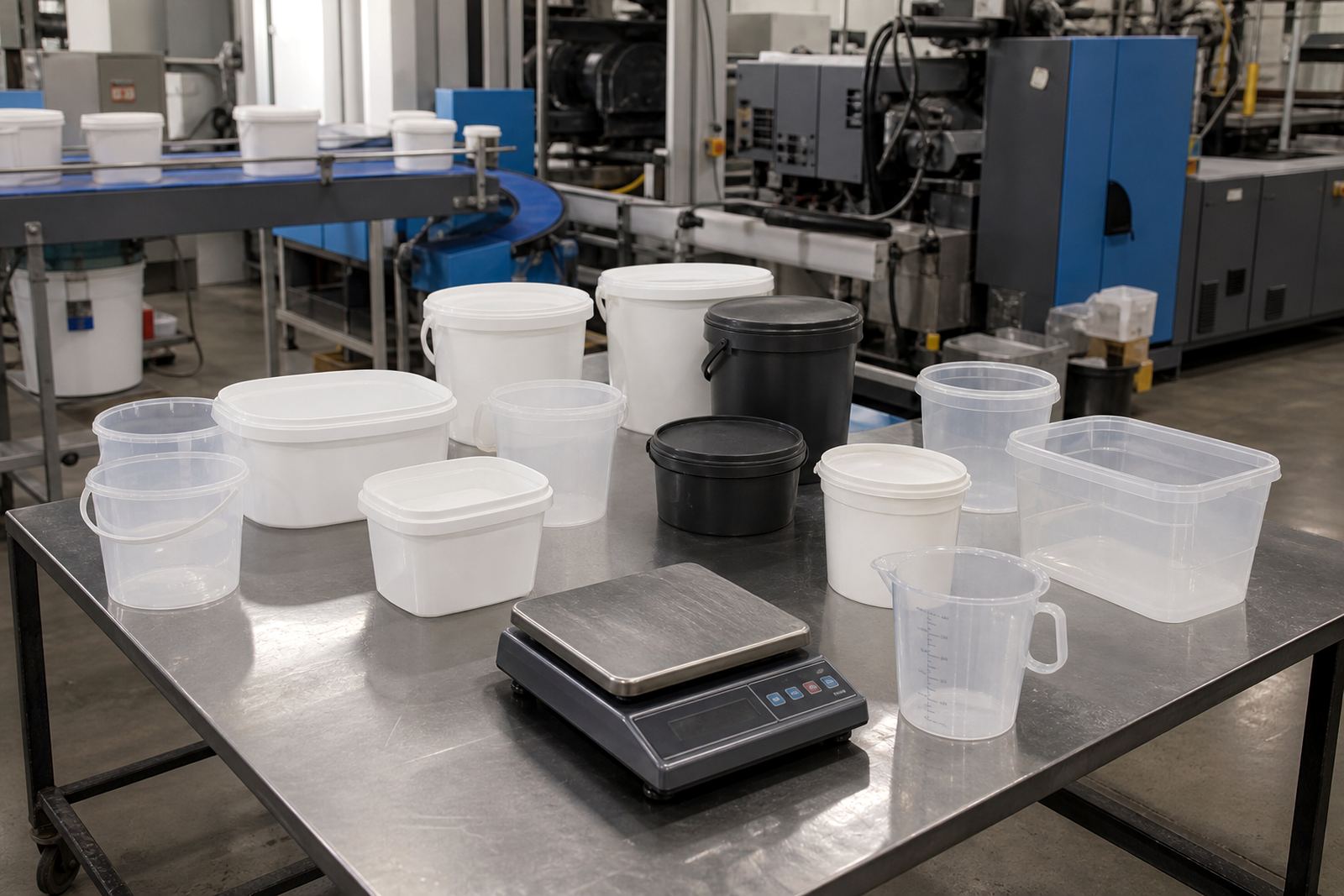
Injection-moulded tubs are popular because they hold shape well, stack neatly, and can be made in a range of capacities for retail or bulk use. In practice, that means a small portion pack can sit beside a larger family size without changing the filling method too much. The real test is whether the pack protects the product in transit and during handling, not just how it looks in the tray.
Polypropylene Or HDPE For The Job At Hand
Polypropylene and HDPE are both widely used for food packaging, but they behave differently. Polypropylene is often selected for tubs that need a firmer feel and good clarity options, while HDPE is valued for impact resistance and dependable handling in colder stores or busy distribution chains. The right choice depends on the product, fill temperature, and the way the pack will be stacked or moved.
- Use polypropylene when the pack needs shape stability and neat shelf presentation.
- Use HDPE when the pack must cope with rough handling or repeated movement.
- Match the material to the seal method, lid style, and filling line speed.
- Check whether the product is oily, acidic, or moisture-sensitive before choosing wall thickness.
A packer who is filling across Gauteng, KwaZulu-Natal, the Western Cape, or the Eastern Cape may also need to think about transport vibration and heat in vehicles. Those conditions can matter as much as the product itself.
Lids, Seals And The First Line Of Protection
The lid does more than close the tub. It helps hold freshness, supports stacking, and gives the packer a better chance of keeping the contents secure from filling through to retail display. A snug lid fit matters, but so does how consistently it closes across a full production run. If the lid is too tight, operators fight it on the line. If it is too loose, the pack looks careless and may leak in transit.
Tamper seals are often part of the decision for food and personal care products. They give a visible sign that the pack has not been opened before sale, which is useful for products moving through wholesalers, pharmacies, and supermarkets. For some applications the seal also supports tamper evidence during distribution, especially where cartons are opened and closed several times before reaching the shelf.
Line Fit Checks Save Trouble Later
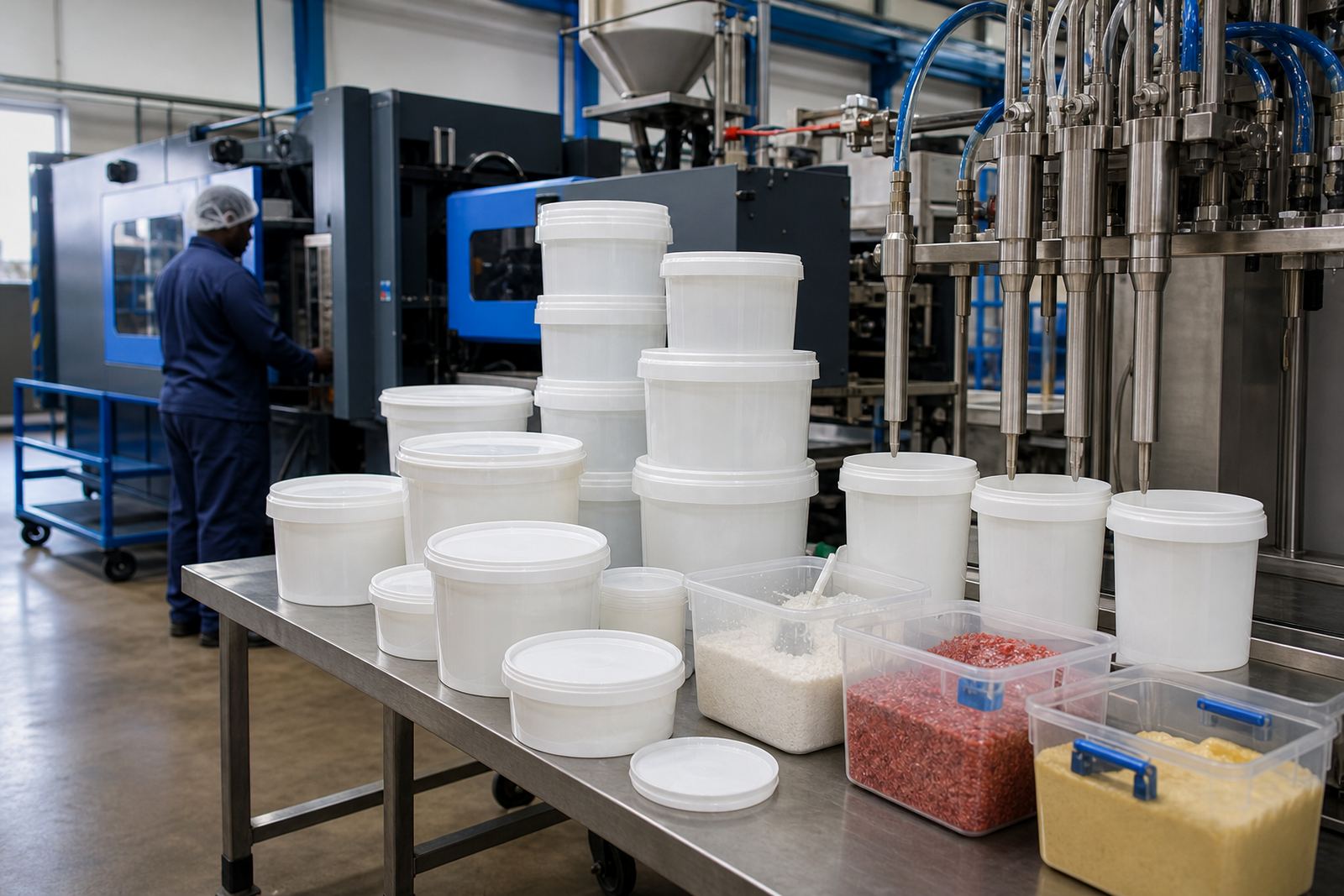
A tub can look ideal on paper and still be awkward on the packing line. That is where line fit checks earn their place. The tub has to move through filling, sealing, labelling, packing, and palletising without slowing the team down. Small details like rim shape, lid snap, and pack height can change the pace of the line in a way that is easy to miss at first.
- Measure the fill level against the final headspace needed for the lid.
- Check whether tubs nest or stack as required for storage.
- Confirm that labels sit flat on the container surface.
- Test whether the closed pack stays secure in cartons and trays.
- Review whether operators can handle the pack comfortably at speed.
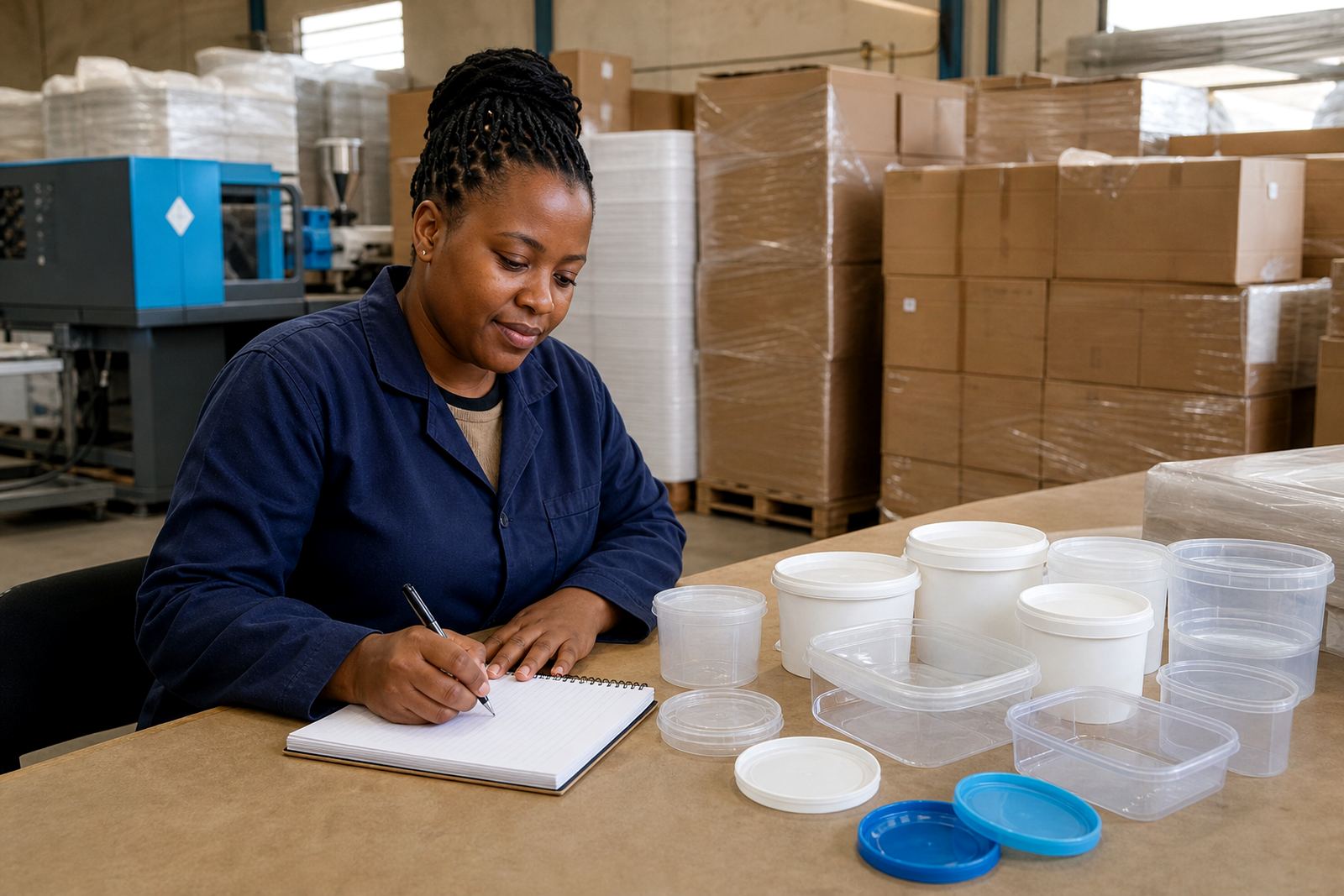
Trial production runs are useful here because they show where friction appears. A small adjustment in mould detail, lid profile, or wall thickness can make the pack easier to use without changing the product itself.
Food Safety Starts With Material Choice
Food-safe materials are not a marketing line in this kind of work, they are the starting point. The tub, lid, and seal must suit contact with the product and the packer’s handling process. That includes dry foods, chilled goods, oily fillings, and items that move through warm filling rooms or cold rooms. A material that performs well in one line may not suit another, so the product details matter.
For packers working with sauces, spreads, powders, or confectionery, the question is not only whether the tub is suitable, but whether it stays suitable after storage, transport, and display. Colour matching guidance can also help where the packer wants a specific look for brand consistency or product coding. That work needs care, because a poor colour match can make the pack look out of place even when the rest of the specification is right.
Plan Stock Around Demand, Not Guesswork
Stock run planning helps avoid gaps in supply and prevents excess packs sitting unused in the store room. Food packers often deal with seasonal peaks, promotion cycles, and changing order sizes, so container planning needs a bit of flexibility. If the tub is used across several pack sizes, it may be worth thinking about one mould family with different fill volumes rather than several unrelated packs.
Secondary packing advice matters too, especially when cartons, trays, and shrink wrap have to work with the finished pack. A tub that is easy to seal may still be awkward to carton if the height or footprint is wrong. Production teams in Alrode, Germiston, and Boksburg often look at the full route from filling point to dispatch bay, because that is where packing issues show up in real life.
A Practical Checklist For Your Next Pack Decision
Before settling on a tub and lid combination, packers should work through the same practical questions every time. The aim is to keep the product secure, the line moving, and the pack consistent from trial to full production. A good checklist removes a lot of second-guessing and helps the team talk about the same details.
- What product is going into the tub, and how does it behave?
- What capacity is needed for retail, food service, or bulk packing?
- Does the filling line suit the chosen container height and lid type?
- Is tamper evidence needed for the route to market?
- Will the pack stack safely in cartons, on pallets, and in store?
- Does the material hold up in heat, cold, and rough handling?
Plastic Factory works with food, pharmaceutical, and cosmetic packers from base in Alrode, Alberton, with deliveries across Johannesburg, Durban, Cape Town, Pretoria, and Port Elizabeth. The team includes production, quality, dispatch, and customer support staff who handle custom tub design, lid development, tamper seal design, mould development, trial production runs, line fit checks, and ongoing product updates.