Start with the fill volume, not the label size
Begin with the actual product weight or volume that will go into the container. For powders, granules, creams and pastes, the fill can behave differently from water, so the marked size on a pack spec is only a starting point. The right injection-moulded tub leaves enough room for a clean fill, a neat finish at the rim and a lid that seats properly.
On a packing line in Alberton or a contract packer in Durban, a few extra millimetres can make the difference between smooth lidding and overflow. Measure the product in the state it will be packed, then allow for settling, surface movement and a little headspace where needed.
Match headspace to the product and lid
Headspace is not wasted space. It helps protect the product, keeps fill levels consistent and allows the lid or tamper seal to fit without distortion. Too little headspace can push product into the seal area, while too much can leave the pack looking underfilled on the shelf.
- Wet foods and pastes often need a cleaner rim and a little extra clearance.
- Dry products may need room for settling during transport and storage.
- Cosmetic creams usually need a neat top finish so the lid closes evenly.
- Pharmaceutical packs may need tighter control on fill height and closure fit.
For tubs with tamper seals, the top profile must leave enough room for the band or strip to sit without snagging. That matters on lines that run quickly and on packs that move through secondary packing afterwards.
Choose the shape that suits the contents
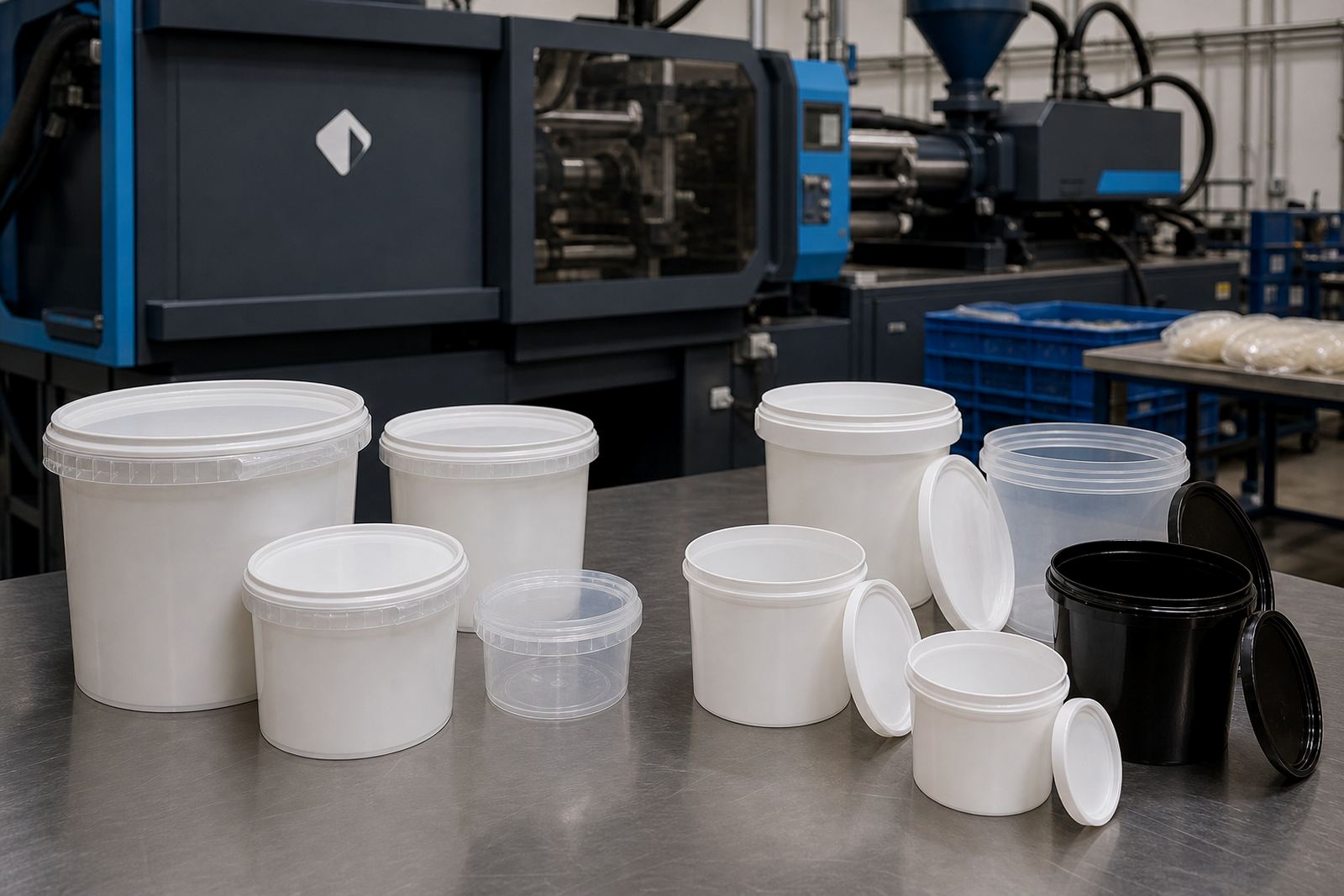
Round tubs are common for scooping, stacking and mould release, while square or rectangular containers can use shelf space more efficiently. The best shape depends on the product and how the carton or crate is handled. A short, wide tub may suit a spread or dip, while a taller format can work better for powders or bulkier fills.
Think about whether the pack will be opened by hand, displayed on a shelf or stacked in transport trays. The lid style, grip points and wall profile should all suit the way the container will be used in local distribution, whether the goods move through Johannesburg, Pretoria or Port Elizabeth.
Check handling on the packing line
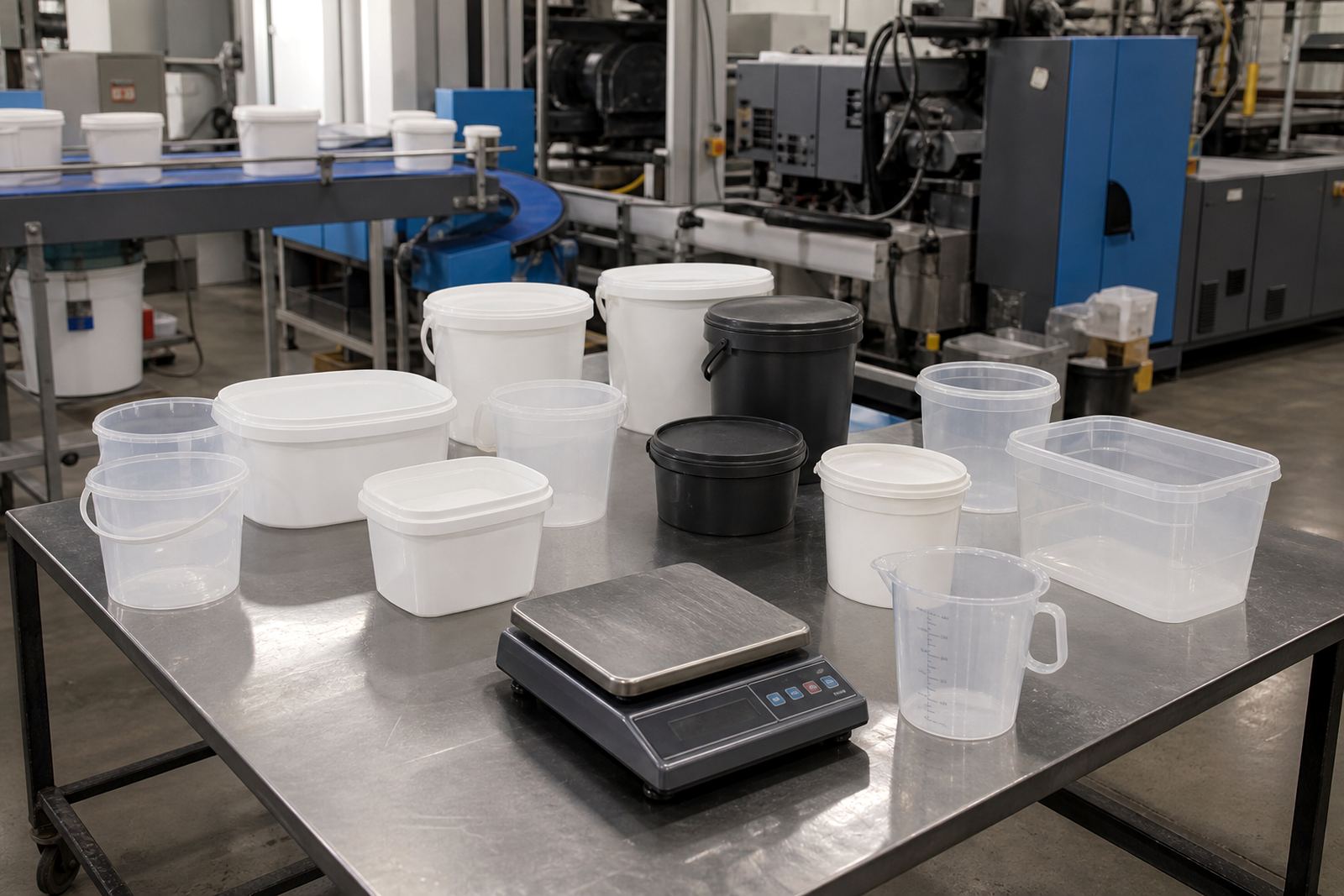
A container that fills well by hand may behave differently on a filling, lidding or sealing line. Trial runs show whether the tub sits steady, whether the rim picks up product and whether the lid lands squarely. That is where line fit checks matter, especially for packers running mixed sizes on the same shift.
- Confirm the container stands stable on the conveyor or bench.
- Check that the rim stays clean enough for sealing.
- Look at how the lid engages after filling.
- Make sure the pack stacks without crushing the side walls.
- Test whether the finished pack fits the outer carton or sleeve.
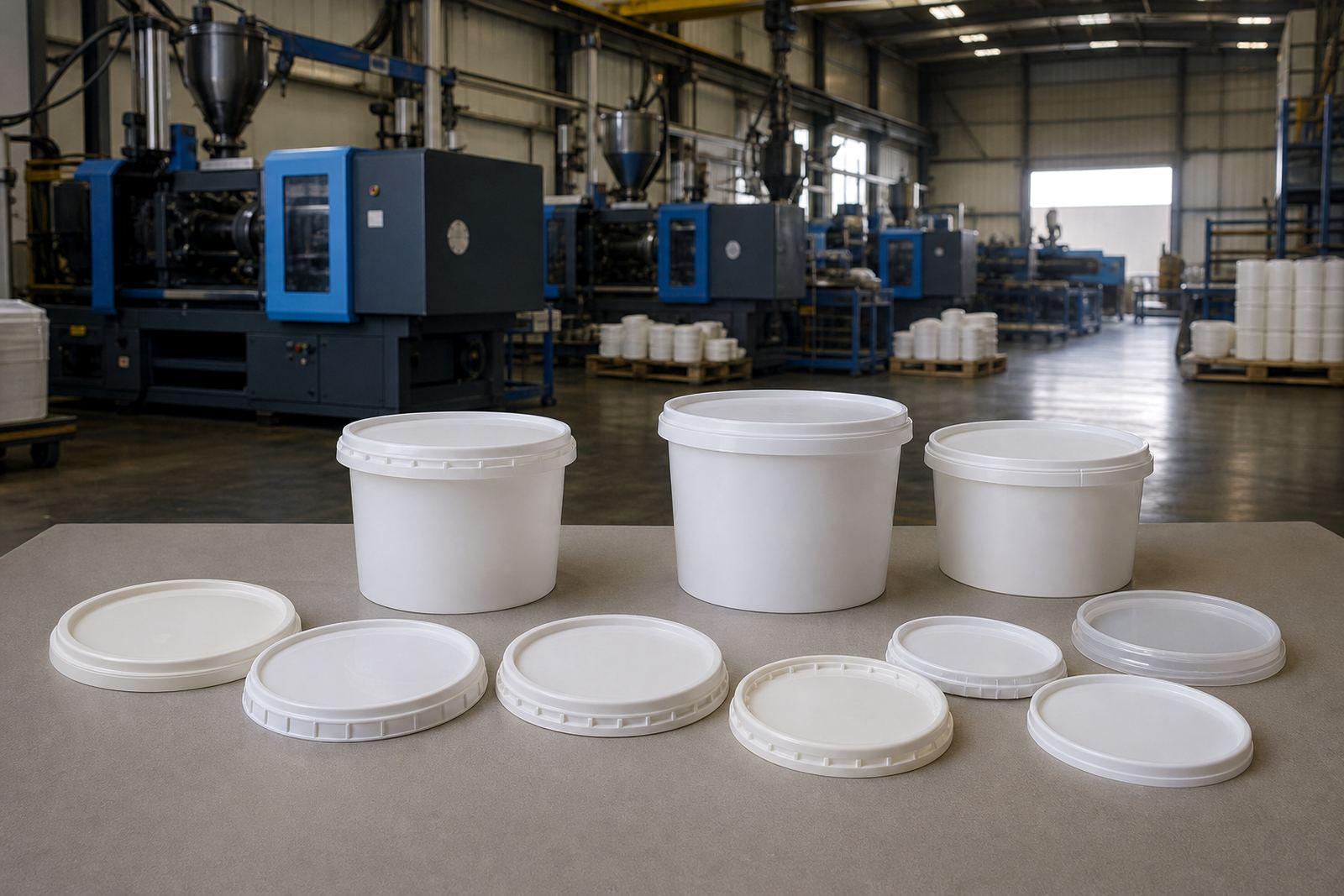
Injection moulded containers and tubs can be designed with consistent wall thickness and rim detail, which helps when the line must run the same pack size from one batch to the next. A sound trial saves guesswork later.
Material choice changes the usable size
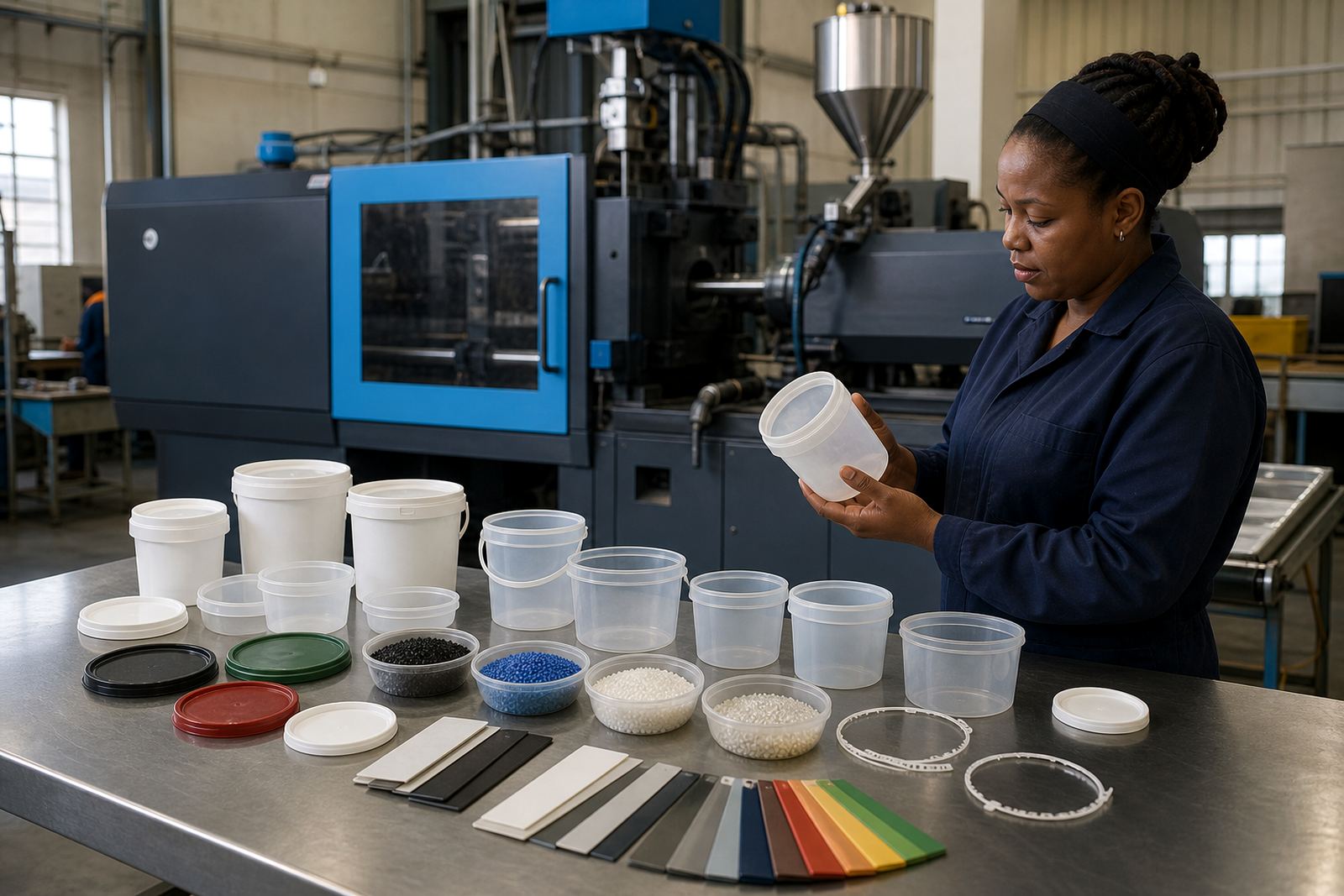
Polypropylene and HDPE each behave differently in moulding and in use. Polypropylene is often selected where stiffness, a cleaner finish and good hinge or lid performance are needed. HDPE is often used where toughness and impact handling are more important. The material choice affects wall thickness, weight and the final inside volume.
Food-safe materials are used where the pack will hold edible goods, while pharmaceutical and cosmetic packers may need different surface finishes or closure details depending on the product. The material, wall profile and lid design should be considered together, not one after the other.
Use a short sizing checklist before tooling starts
A clear brief helps avoid changes later in the mould development stage. Before a new tub is signed off, it helps to pin down the measurements that affect performance and packaging flow. That includes the product fill, the finished pack height, the way the container nests or stacks, and any tamper seal or secondary packing step.
- Measure the real fill volume and not only the target label claim.
- Allow for product movement, settling and headspace.
- Check the lid profile and seal area together with the tub rim.
- Confirm carton dimensions if the pack travels in outer cases.
- Note whether the pack will be stored in warm stores or coastal humidity.
Stock run planning is easier when the pack size already suits the line, the shelf and the distribution route. A good fit in the plant usually means fewer handling issues later.
When a custom size is worth the effort
Standard tubs suit many products, but some packs need a different depth, diameter or closure detail. That is often the case where a product settles heavily, where the visible fill level matters, or where the container has to fit a specific carton, display tray or secondary pack. Custom tub design can also help when a brand needs a colour match or a lid that carries a specific seal feature.
For food, pharmaceutical and cosmetic packers in South Africa, the useful size is the one that works across filling, storage and dispatch. The right container should feel ordinary on the line, because it has already been thought through properly.