Start With the Load Before the Wrapping
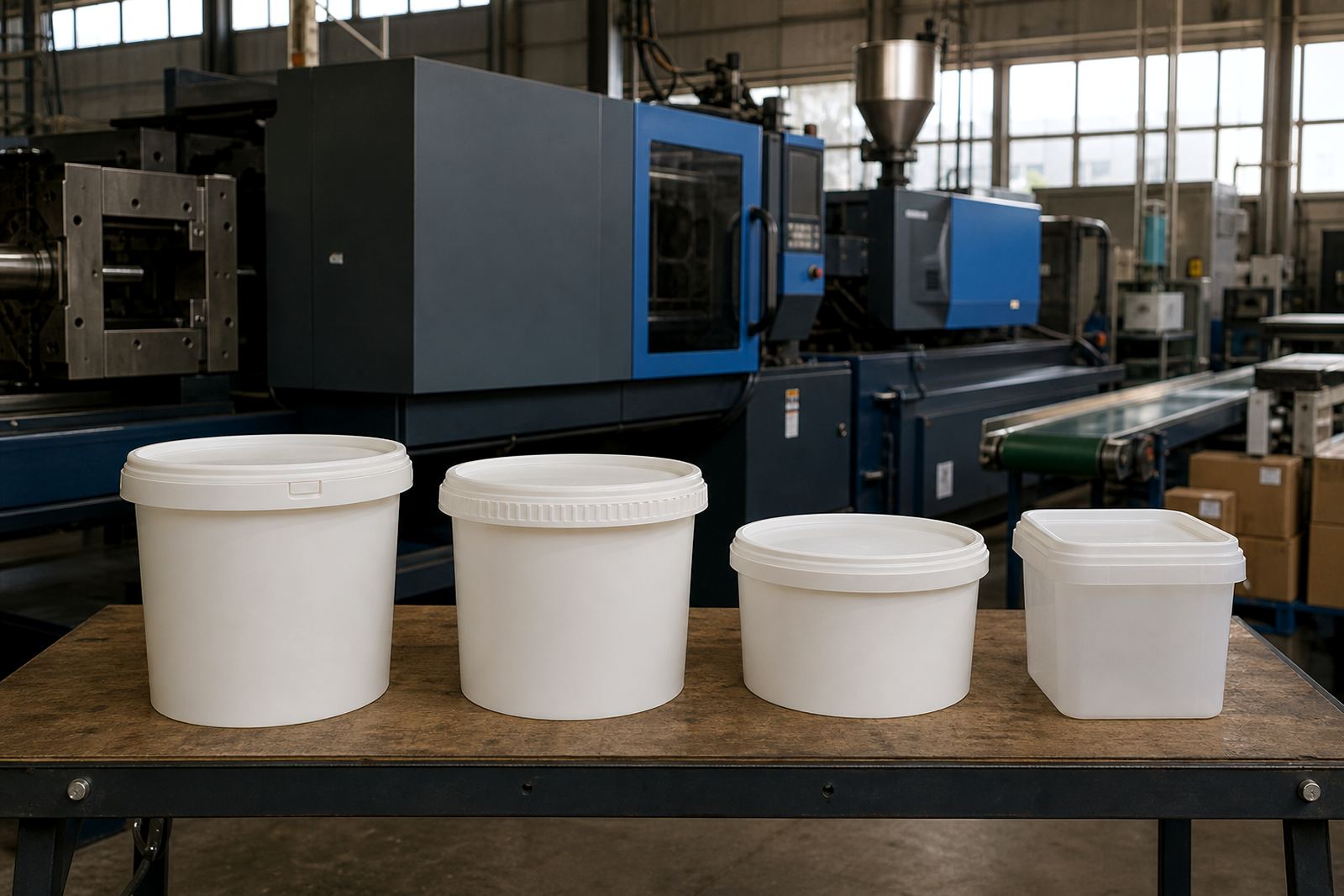
Begin with the tub size, the lid style and the number of packs per pallet. A 5 litre tub stacks very differently from a shallow cosmetic tub, and the footprint matters more than people sometimes expect. For food, pharmaceutical and cosmetic packers, the aim is a load that stays square from Alrode to a warehouse floor in Durban or Cape Town.
Check the base size, the nesting depth and whether the tubs sit nested or sleeved during transport. If the product includes tamper seals or loose lids, those parts should be kept in a separate inner pack or tied to the pallet plan so they do not shift across the stack.
- Confirm the tub dimensions in millimetres and the pack count per layer.
- Note if the lids are packed loose, bagged or fitted to the tubs.
- Separate heavy outer cases from lighter top layers where needed.
- Set aside space for labels, batch codes and secondary packing.
Build a Stack That Carries Its Own Weight
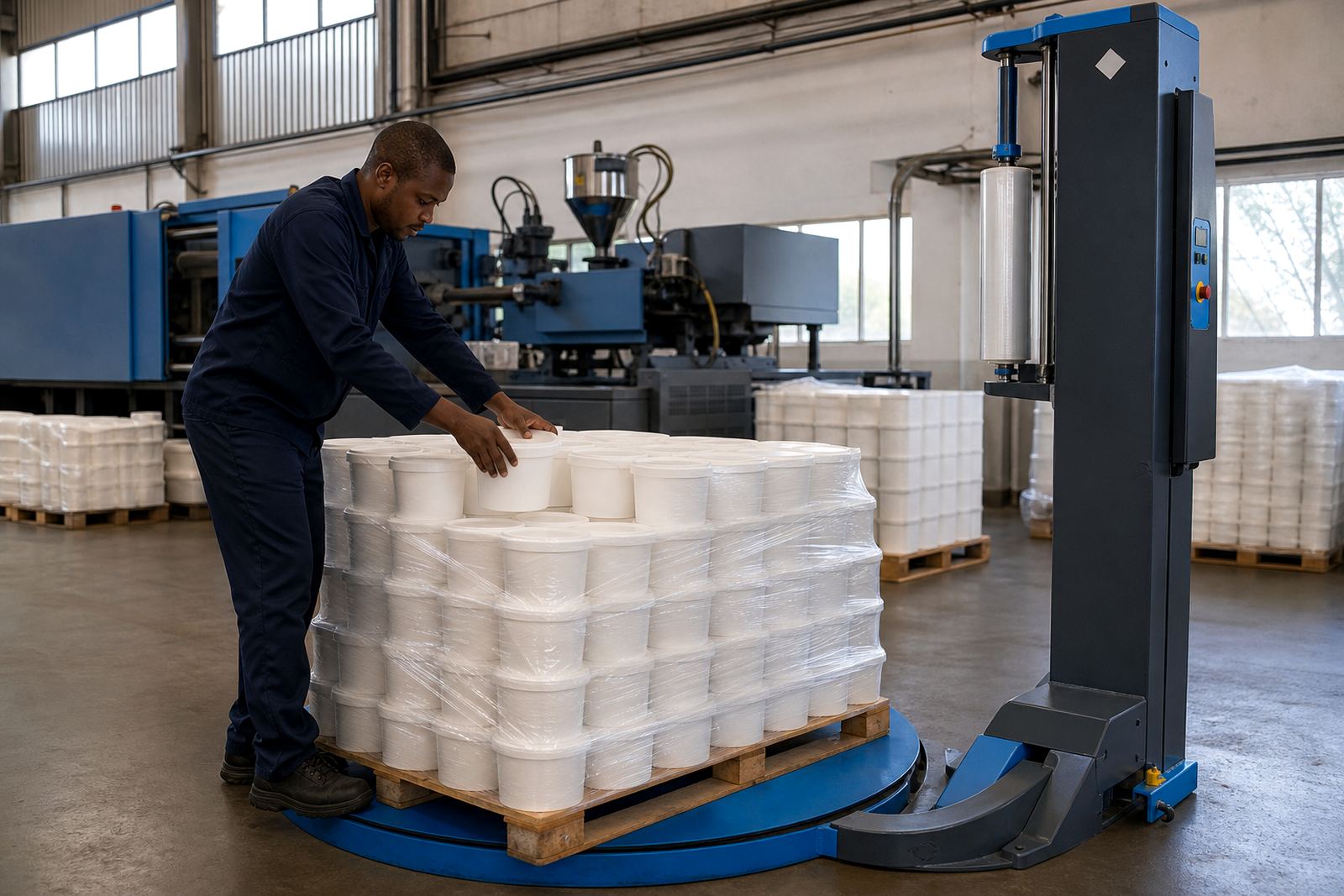
Injection-moulded polypropylene and HDPE tubs are light, but the load still needs a sensible pattern. Tall stacks can lean if the pallet is uneven, while mixed carton sizes can leave soft spots that collapse under wrap tension. A clean block pattern usually travels better than a random pile, especially on longer routes through Johannesburg, Pretoria or Port Elizabeth.
Keep the heaviest cartons at the bottom and avoid letting a top layer overhang the pallet edge. If the order contains different tub sizes, group them by footprint rather than mixing every carton into one layer. That makes fork movement steadier and reduces crushed corners in transit.
- Use one pallet size through the whole load where possible.
- Keep carton edges flush with the pallet footprint.
- Place the strongest cases on the bottom layers.
- Do not build a top layer that rocks when pressed by hand.
Wrap Tension and Corner Support Matter
Stretch wrap does more than hold the cartons together. It also keeps loose movement out of the corners and helps the load stay tight against the pallet boards. Too little wrap lets the stack drift, while too much tension can squash cartons and bow the top rows. The right balance depends on the carton strength, the height of the stack and how far the goods are travelling.
Corner boards can help when the pallet is tall or when cartons are soft from storage in coastal humidity. That extra support is useful for tubs packed in large quantities, because the outer cartons carry most of the strain during transport and offloading.
- Start wrap below the top edge of the pallet base.
- Build several turns around the lower third of the load.
- Carry wrap upward in overlapping passes.
- Add corner protection if the load rises above shoulder height.
Keep Lids and Tamper Seals in Their Own Place
Lids, tamper seals and fitted inserts can be packed with the tubs, but they need clear separation inside the order. Mixed loose components create confusion at receiving, and that slows the line when packers are setting up for filling. If a customer uses different sizes in the same dispatch, mark each pallet face clearly so the product can be moved straight to the right bay.
For many orders, a pallet with tubs only and a second pallet with lids works better than combining everything on one stack. That keeps the heavier container load stable and protects the lighter items from getting crushed near the top of the pallet.
- Mark each pallet with the product size and colour.
- Keep loose lids in sealed inner bags or cartons.
- Keep tamper seals away from crushing edges.
- Group related parts together for easier receiving.
Match the Pallet to the Packing Line
A good pallet layout supports the way the line is loaded at the receiving side. If cartons need to be opened at floor level, the load should be arranged so the first cartons off the pallet are the ones needed first. That is useful for stock run planning where the pack line draws from several pallet positions in the same day.
Line fit checks help here too. A carton that looks neat in storage may still be awkward to lift if the pallet pattern does not suit the packing bench or the conveyor height. When pallet shape and pack count are planned together, the order moves with less fuss and fewer pauses.
- Place fast-moving cartons near the outside where practical.
- Keep the pallet label visible from two sides.
- Arrange the stack so top layers can be lifted cleanly.
- Leave enough room for a jack or forklift entry point.
Receiving Checks That Save Trouble at the Bay
When the pallet arrives, a quick inspection can prevent a lot of handling trouble. Look for broken wrap, crushed corners, uneven stacking and any sign that the pallet has shifted during transit. In humid coastal areas, cartons can soften a little, so the condition of the wrap becomes more important than it might be inland.
A clean receiving check also helps with secondary packing advice. If the cartons are being broken down into smaller batches, the pallet should be stable enough to allow safe splitting without the rest of the stack starting to move. That matters whether the goods are heading to Alberton, Germiston or a larger dispatch floor in Cape Town.
- Check the wrap seal before the pallet is moved.
- Look for leaning corners or bowed side walls.
- Confirm the product count against the pallet label.
- Move damaged loads aside before opening them.
A Useful Pattern for Mixed South African Deliveries
For mixed deliveries across South Africa, a dependable pallet plan is usually the one that keeps each tub size separate, each layer square and each label readable. It also helps to plan the load with the return trip in mind, because empty space on a truck can press against the pallet and disturb the wrap. Sibusiso Hartnick often treats dispatch as part of the product, not an afterthought.
At Plastic Factory in Alrode, the team works with custom tub design, lid development, tamper seal design and material selection, so pallet layout can be considered alongside the container itself. That makes it easier to keep food-safe materials, packing lines and transport handling aligned in one plan.
- Separate sizes where stacking heights differ.
- Keep labels clear for warehouse staff and drivers.
- Use the same pallet pattern for repeat stock runs.
- Review the layout when pack sizes change.