Why coastal delivery changes the packing brief
When tubs leave Alrode for Durban, Cape Town or Port Elizabeth, the job is no longer only about moulding a neat container. It becomes a handling question. Coastal depots often work in humid air, with longer yard exposure and more hands touching the load before it reaches the filling line or shelf. A tub that performs well in a dry inland store can still pick up scuffing, lid movement or label issues if the pack format is not thought through.
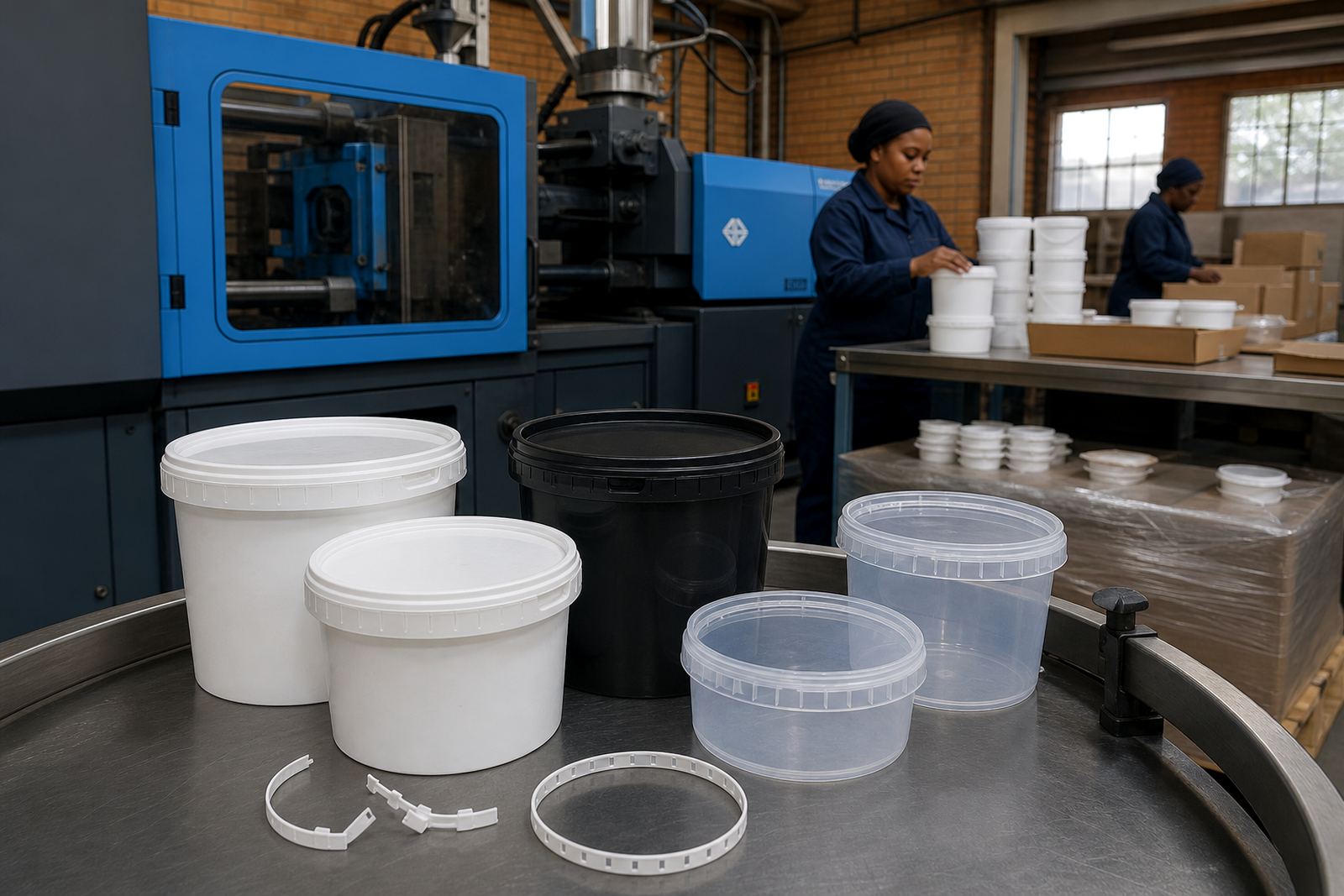
For food, pharmaceutical and cosmetic packers, the first step is matching the container shape to the route. Wide tubs with a shallow stack can move differently to tall narrow ones. A tight nest helps with transport, but it also needs enough release so the line can unpack them cleanly. If the stacking force is too high, the rims can mark or the lids can deform in the yard before the pallet is even opened.
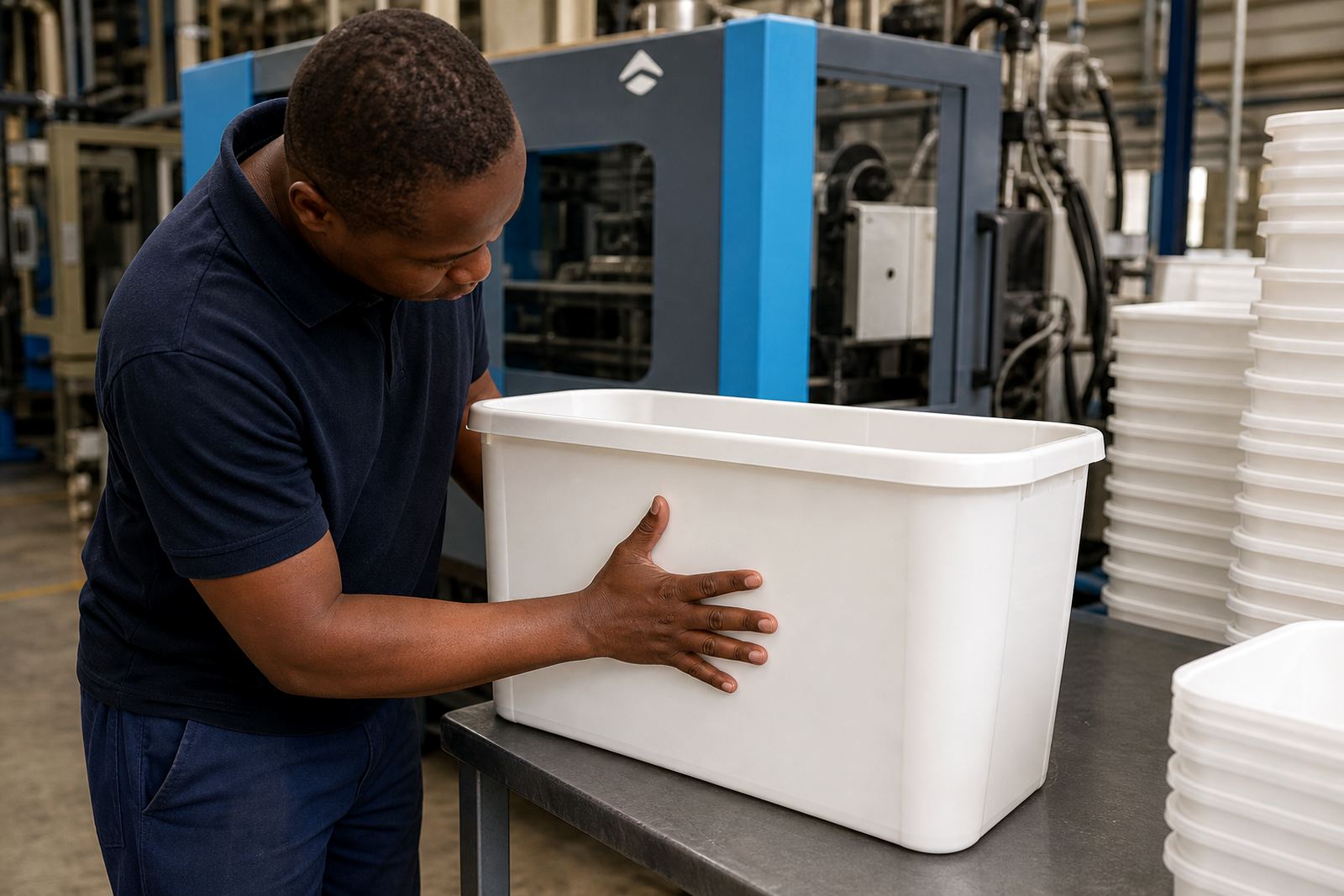
At Plastic Factory, dispatch planning sits close to production, so the moulded item, the lid and the pack count are considered together. That matters on national runs, where a small change in wall thickness or rim profile can save trouble later on.
Polypropylene and HDPE in plain dispatch terms
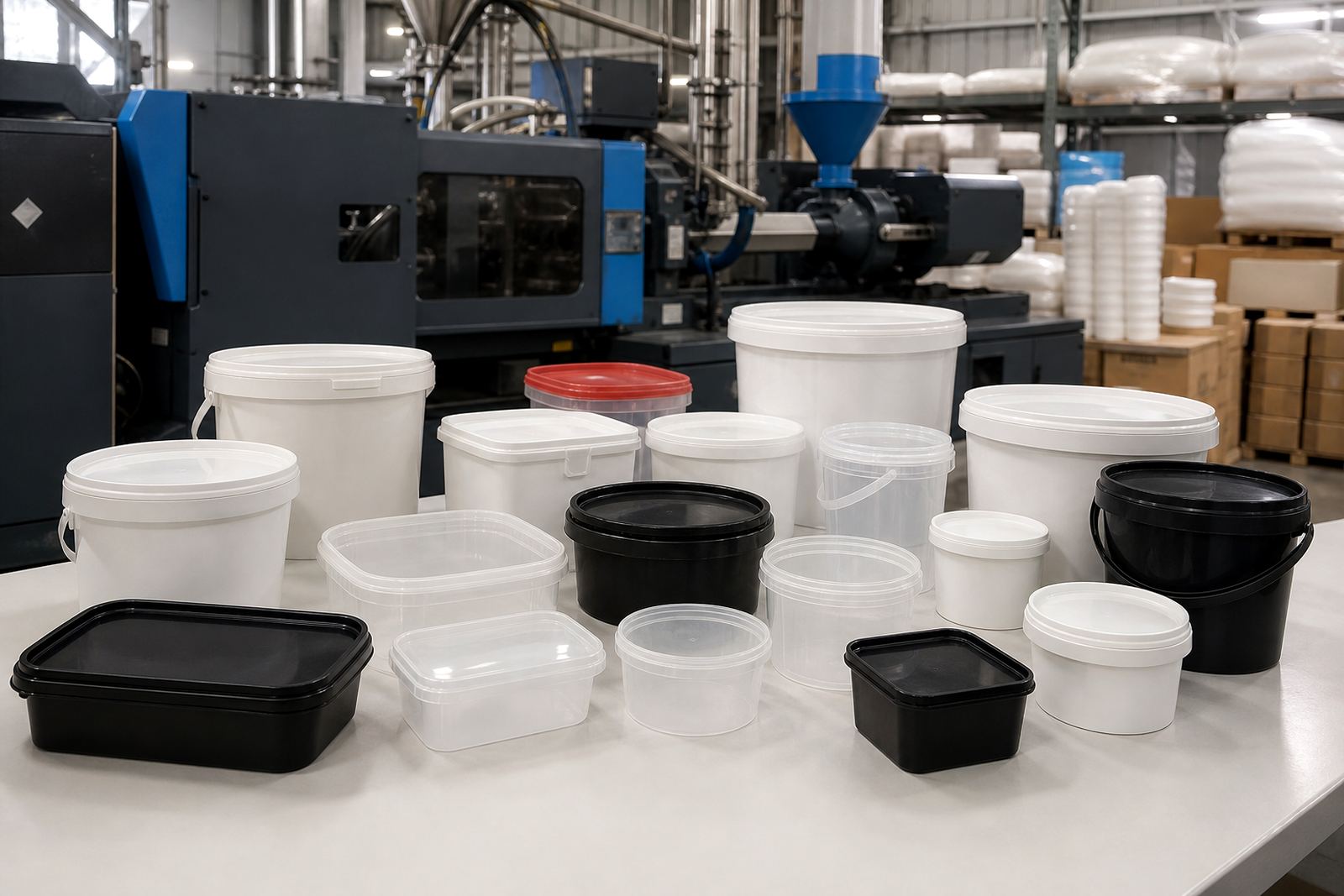
Polypropylene and HDPE are the two materials most packers ask about for tubs and lids. Polypropylene is commonly used where a light, rigid container is needed, with good shape retention and a clean finish. HDPE is known for toughness and a slightly more forgiving feel when containers are handled often or packed in bulk. Both can be used for food-safe packing formats when the design and material choice suit the product, fill temperature and closure method.
The material choice affects dispatch as much as product performance. Polypropylene containers often hold their form neatly in stacked pallets, while HDPE can be a practical choice where the tub needs extra resistance to knocks during transfer. In coastal centres, humidity can also influence how cartons and labels behave, so the full pack line has to be checked, not just the tub itself.
- Polypropylene is often selected for crisp shape, stable stacking and a clean presentation.
- HDPE suits tougher handling, frequent movement and some bulk packing patterns.
- Both materials can be matched to lids, tamper seals and different pack sizes.
- Colour guidance helps if a pack line uses visual sorting or coded product groups.
Lids and tamper seals need to travel as one system
A tub without the right lid is only half the answer. On a national run, the lid profile must match the rim precisely, and the tamper seal needs to sit cleanly without extra strain on the closure. If the fit is too tight, the line wastes time opening packs. If it is too loose, the container can lose confidence before it reaches the packer’s own filling stage.
For cosmetic and pharmaceutical packers, tamper evidence is often part of the packaging decision from the start. That affects the mould design, the seal geometry and the way the items are packed for transport. A lid that holds well in Johannesburg may still need a different storage and dispatch approach when it is travelling to Durban where warmth and moisture can change how cartons behave in a warehouse.
Carla Naidoo and the customer support team often work through these pack details with buyers who need a consistent closure across different branches. A little adjustment in pack count or carton division can make the receiving process far less awkward.
Packing lines do not forgive loose planning
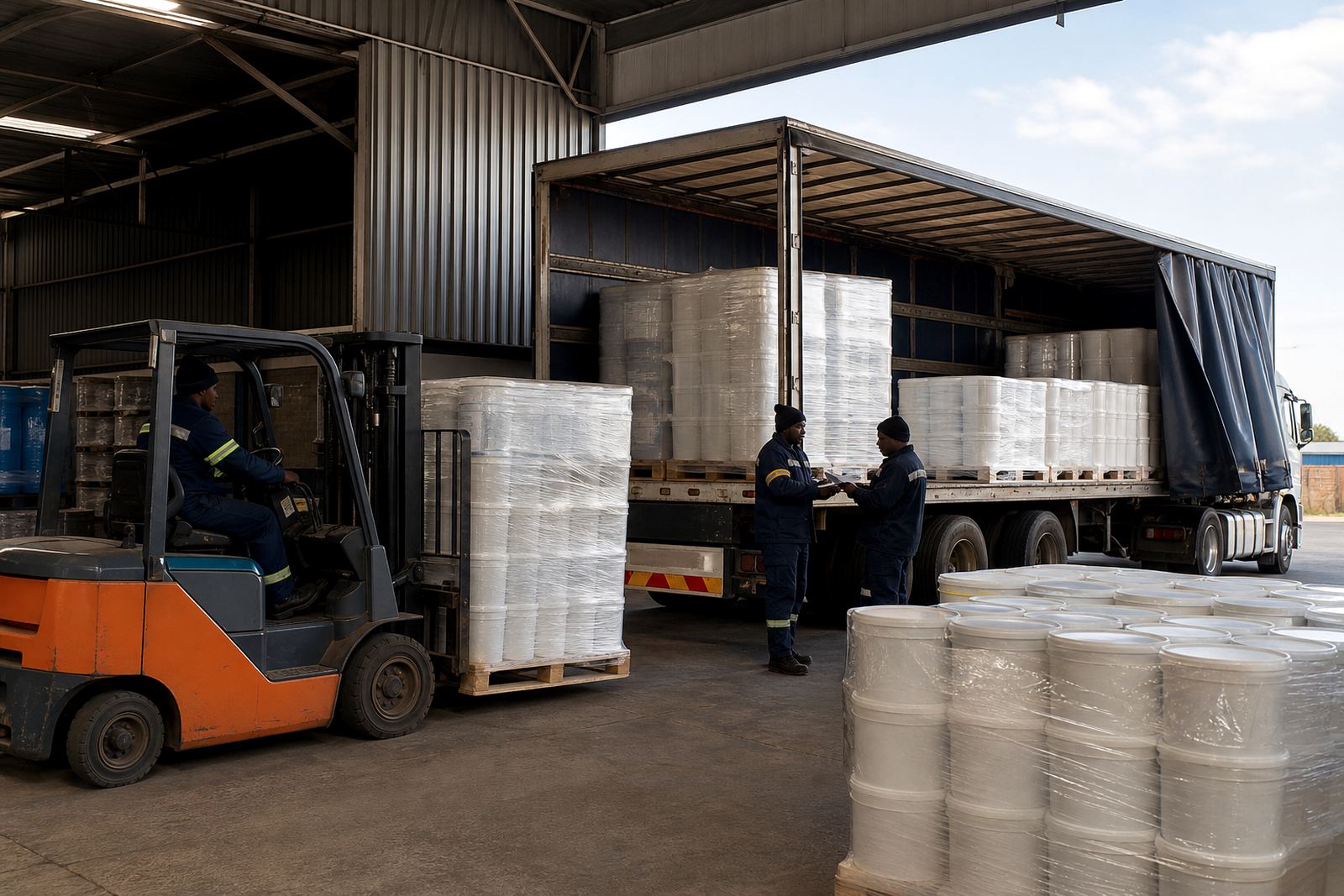
When tubs arrive in Pretoria or Cape Town, the receiving line wants uniform packs that open cleanly and stack without fuss. That means the export-style thinking of exact counts, carton strength and pallet stability is useful even for local delivery. Secondary packing advice is not a side note, it can change how many containers survive the trip in good shape and how much time the packer spends sorting them out.
Trial production runs are useful for this reason. A line fit check shows whether the tub, lid and tamper seal work with the packer’s current process. If a client fills on a semi-automatic line, the rim profile and lid release matter a great deal. If the containers are hand packed, the comfort of handling matters just as much as the shape.
- Confirm carton size against the pallet pattern used on site.
- Check whether the lid is meant to be applied before or after filling.
- Look at how the tub nests when lifted in humid conditions.
- Allow space for protective dividers if the route is rougher than expected.
A Gauteng to Durban run needs different handling than Cape Town
Durban delivery is often the hardest coastal test because the air can be warm and humid for long stretches. Cartons should not be overfilled, and labels need to stay legible once the load is handled at the receiving point. In Cape Town, wind and yard handling are more likely to affect the outer pack, so pallet wrap and carton compression need close attention. Port Elizabeth sits somewhere between the two, but the receiving conditions can still vary from site to site.
A local example helps. A food packer in Germiston moving a batch of polypropylene tubs to Durban may ask for a carton count that suits their filling line, then discover the receiving team prefers a different split for quicker shelf allocation. That is where stock run planning helps. A small change in how the tubs are packed can make the same moulded product easier to use across several branches, without changing the tub itself.
Dispatch for national runs is really about reducing friction. The goal is not just to send containers, but to send containers that arrive in the state the packer needs, with lids, seals and pack counts still behaving the way they should.
What to line up before a long haul leaves Alrode
Before a run leaves Alrode, the production and dispatch teams need the same picture. Material selection, pack size planning and mould development all have a role, but so does the final route. A tub for a food packer in Johannesburg may move in smaller batches, while a pharmaceutical order for Cape Town may need tighter batch control and clearer cartoning. The product itself stays the same, but the way it is packed for delivery changes with the destination.
Thabo Letsoalo, together with Naledi Sauls, Johan Kekana, Ayesha Oosthuizen and Sibusiso Hartnick, keeps the practical side of the process in view. That includes checking what the line can accept, how many units sit safely in a carton and whether the chosen container family suits regular supply or a one-off run. The detail matters because a national dispatch is only useful if the receiving site can put the product straight into use.
For packers across Johannesburg, Durban, Cape Town, Pretoria and Port Elizabeth, the safest approach is usually the one that treats the container, closure and transport pack as one unit. That is where the real value sits.