
The open-and-close feel starts in the mould
Lid removal ease is not an afterthought added later with a softer cap or a looser fit. It starts with the mould, the wall profile, the locking feature and the small details that control how much force is needed to lift the lid clear. On injection-moulded polypropylene and HDPE containers, those details can be tuned for repeat use without making the closure flimsy.
A pack that is too tight frustrates shoppers and slows staff on the filling line. A pack that is too loose can leak, pop open in transit, or lose the clean closing feel that customers expect from a reusable container. In practice, the best result sits between those two points and it is usually found through trial production runs and line fit checks, not guesswork.
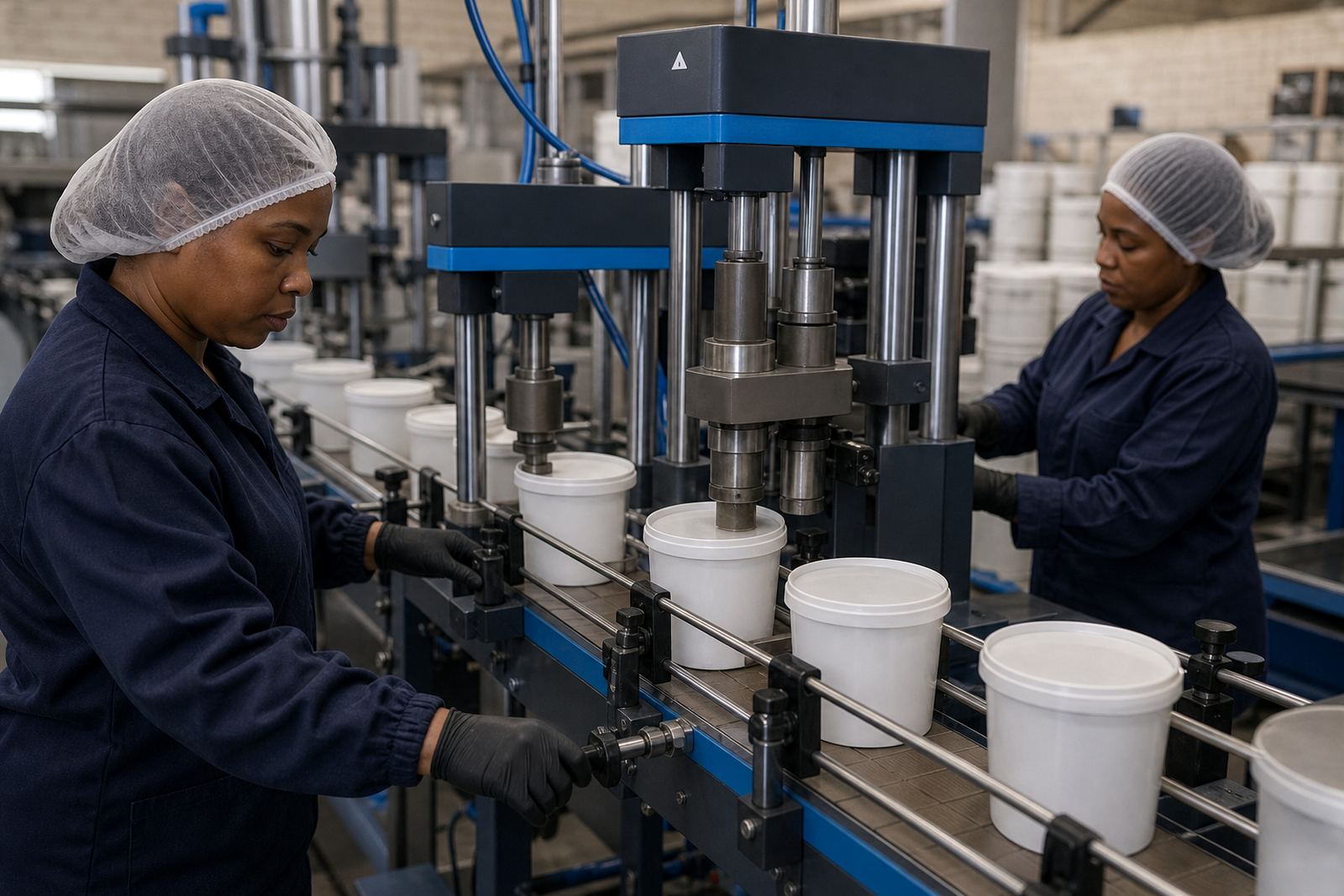
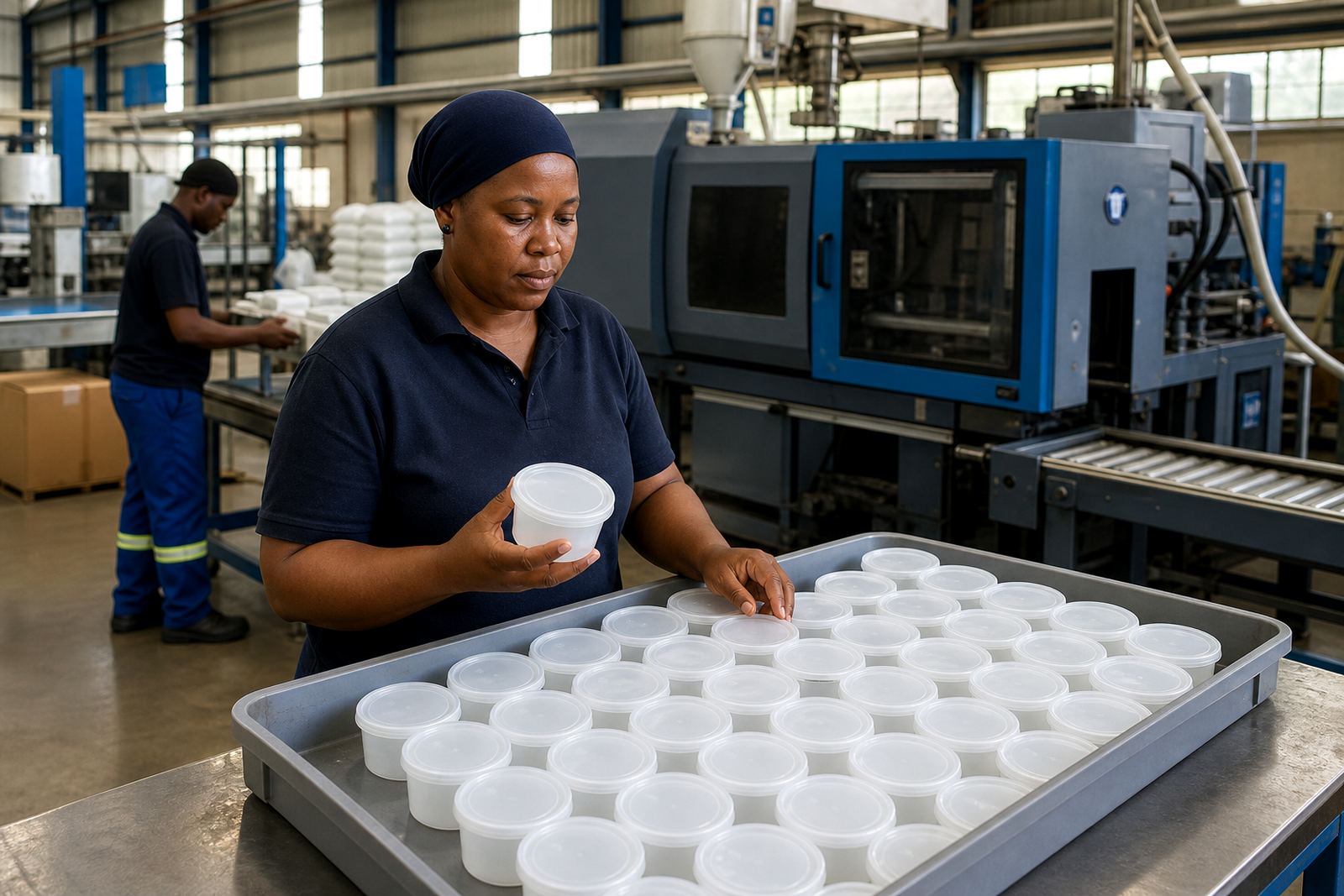
For packers in Alrode, Alberton and the wider Gauteng area, this matters on busy shifts where operators handle thousands of tubs. The difference between a lid that lifts cleanly and one that needs awkward prying can be felt immediately at the bench, and again at the depot when cartons are stacked for delivery.
What makes a lid easy to open without feeling weak
Good lid removal starts with a clear lead-in edge, enough purchase for the fingers, and a sealing surface that releases evenly. If the rim is too sharp or too shallow, the user struggles to get a grip. If the engagement is too aggressive, the pack may hold well but it becomes tiring to open across repeated cycles.
Material choice plays a part too. Polypropylene is often used where a light, workable feel is needed, while HDPE can suit containers that need a sturdier body and dependable closure. The final experience also depends on the product packed inside, because oily, sticky or powdery products can change the way a lid moves during opening. Even a small change in fill level can alter the feeling at the rim, so line trials matter.
- Finger access should be clear, even on small tubs.
- The seal line must release evenly around the full rim.
- Hinge or snap features need enough flex for repeated opening.
- The lid should close with a clean, direct press, not a wrestling match.
Tamper evidence and easy opening can work together
Many packers want a tamper seal that shows first opening without making the lid unpleasant to remove. That is possible, but the design has to be considered as one system. A tamper band, tear strip, or sealed sleeve can protect the product while the lid itself remains manageable for later use.
The challenge is avoiding a pack that feels secure only because it is hard to open. Security should come from the closure, the seal and the evidence of first opening, not from excessive force. If a customer must use both hands and a lot of pressure every time, the pack begins to feel clumsy. For cosmetic tubs in particular, that can affect how users judge the product inside.
Where goods are packed for resale or professional use, a neat opening action also helps with presentation on the shelf. A lid that comes off cleanly and closes again without visible damage supports repeat use, which matters for tubs that are opened many times on pharmacy counters, salon shelves, or at home.
Line fit matters before the first carton leaves the floor
A lid that opens well in hand still has to work with the packing line, the sealing step, and the carton pattern. If the closure is too stiff, operators may slow down, lids may not seat properly, and the pack can look uneven after capping. If it is too easy, vibration in transit can loosen the closure before the product reaches Durban, Cape Town or Port Elizabeth.
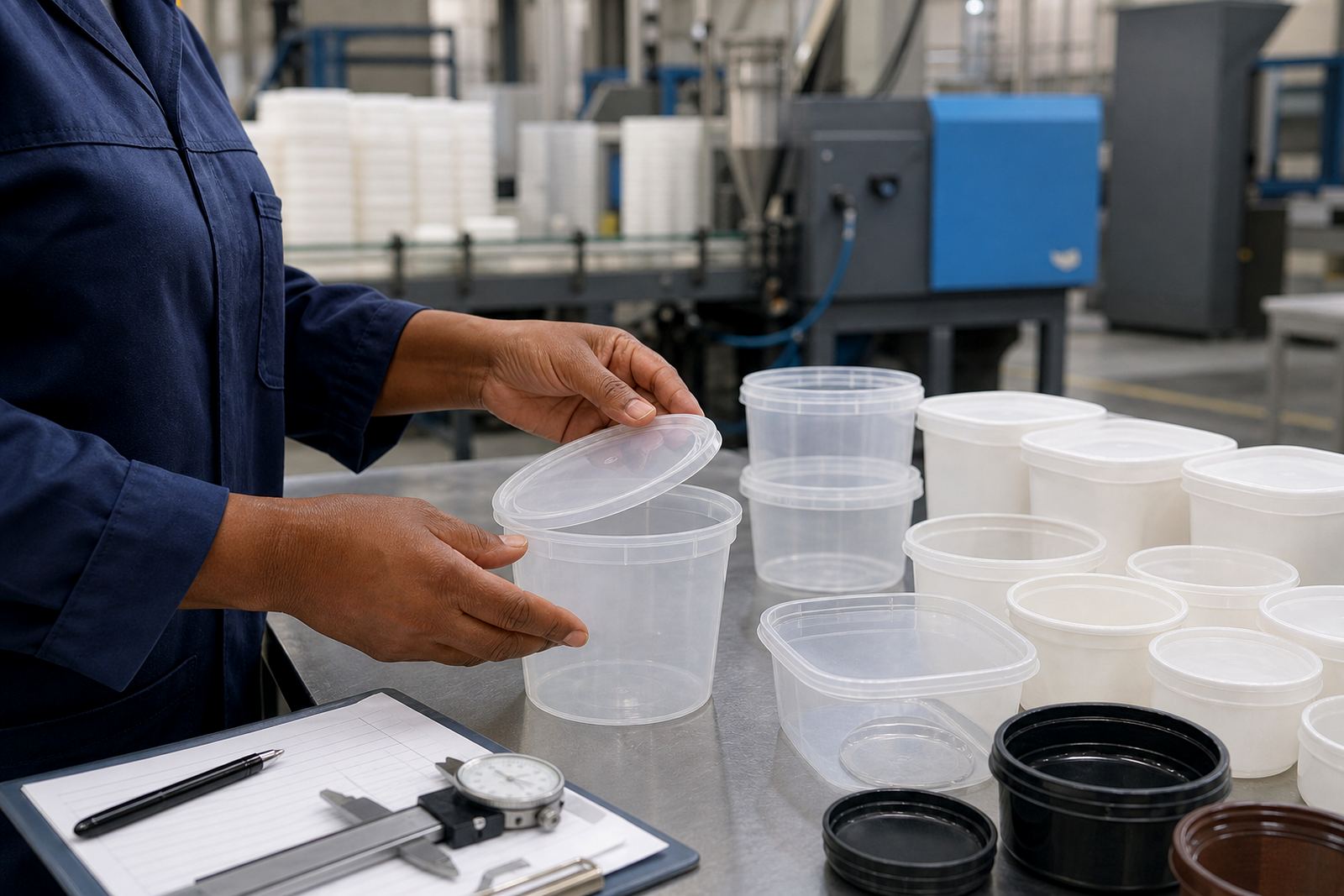
Line fit checks show where the pressure lands, how the lid engages, and whether the pack survives normal handling in the warehouse. This is where secondary packing advice is useful too, because the best lid design can still be let down by a carton insert that allows too much movement. The goal is not just a nice feel in the hand, but a pack that behaves consistently through filling, dispatch and store handling.
- Check seating force with the actual fill product in place.
- Watch for edge deformation after repeated opening.
- Test cartons under normal stacking and pallet movement.
- Review whether operators need a better handhold at closure.
A local example from a Gauteng packing floor
A cosmetic packer in the Alberton area may need a small tub for creams that are used daily, with a lid that opens smoothly but still closes with confidence. If the lid is too firm, staff on the filling line lose time and end users struggle at home. If the fit is too loose, the pack can feel cheap and the product may be exposed to dust or spills.
In that setting, the answer is often a lid with a defined snap, a clear grip point, and a material pairing that suits the product weight and the way the pack is handled. The same thinking applies to food packers in Johannesburg and Pretoria, where repeated opening is common in kitchens, delis and takeaway counters. A secure closure is still needed, but the user should not have to fight the tub each time it is opened.
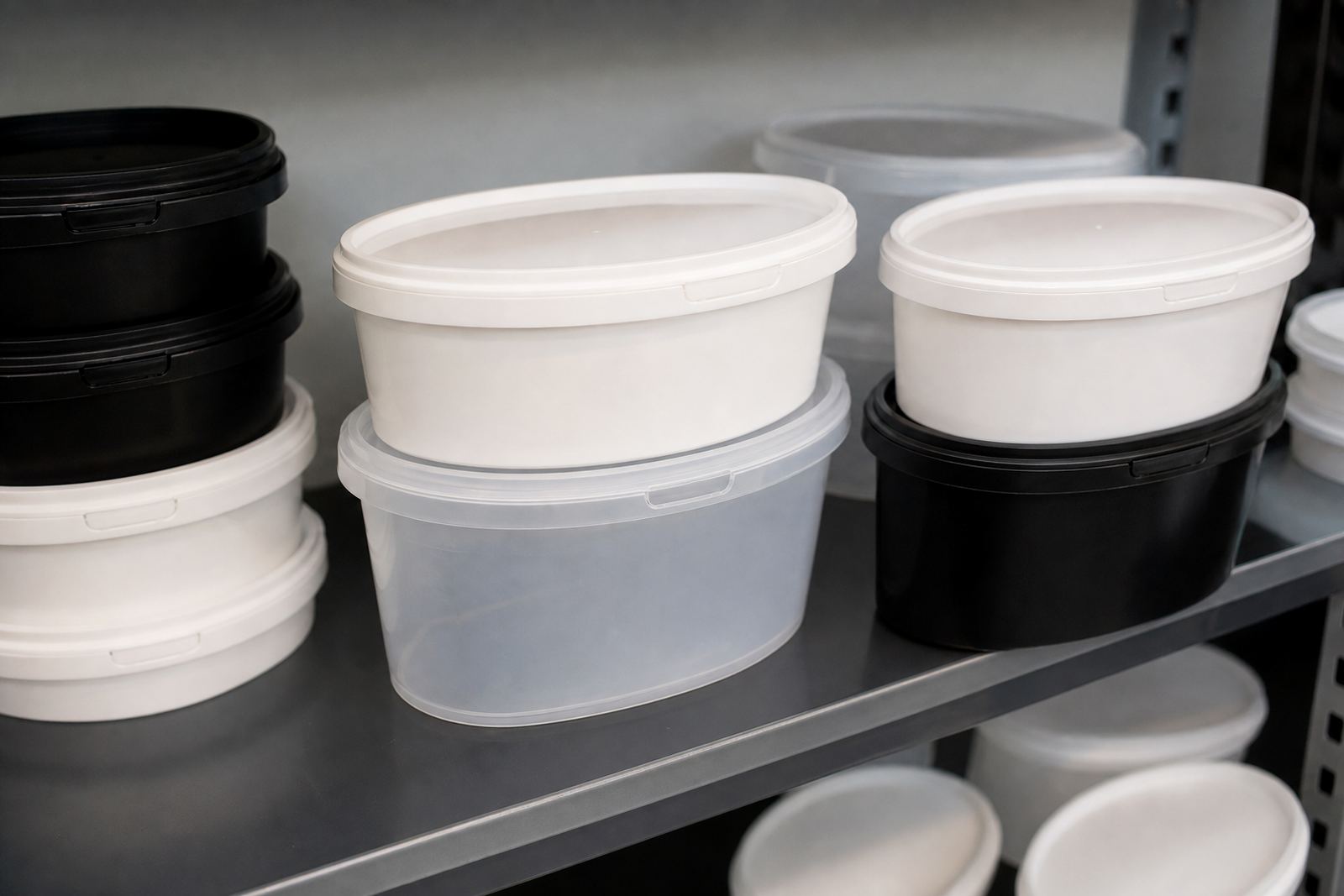
This is also where colour matching guidance can matter. A lid and base that are easy to distinguish make opening more intuitive, especially when the pack is used in a busy workplace with gloves, steam, moisture, or cold storage conditions.
Small design changes that make opening feel right
There is rarely one trick that solves the problem. More often, the right result comes from a few careful adjustments to the lid profile, the rim depth, the seal band and the way the closure engages. A millimetre here or there can change the opening force more than people expect, and the difference shows up quickly in trial production runs.
When we look at lid removal ease, we also look at the product itself, the pack size, the likely repeat use pattern and the conditions in which the tub will be stored. Heat, chill and humidity can all affect how a closure feels, particularly in coastal areas where packs may sit through warm, damp transport or storage. A good lid should still open cleanly after that, not only on a cool test bench.
For food, pharmaceutical and cosmetic packers, the practical route is to match the closure to the real use case, not to chase the tightest fit possible. Secure, neat and easy to remove can sit together when the mould, the material and the packing line are considered as one working system.