Small Fills Need a Clear Pack Shape
Portion packs are usually chosen for items sold in modest quantities, such as tasting samples, single-serve condiments, trial batches and colour test packs. In practice the pack has to hold the right fill weight, close cleanly and sit properly on a tray or in a carton without wasting space.
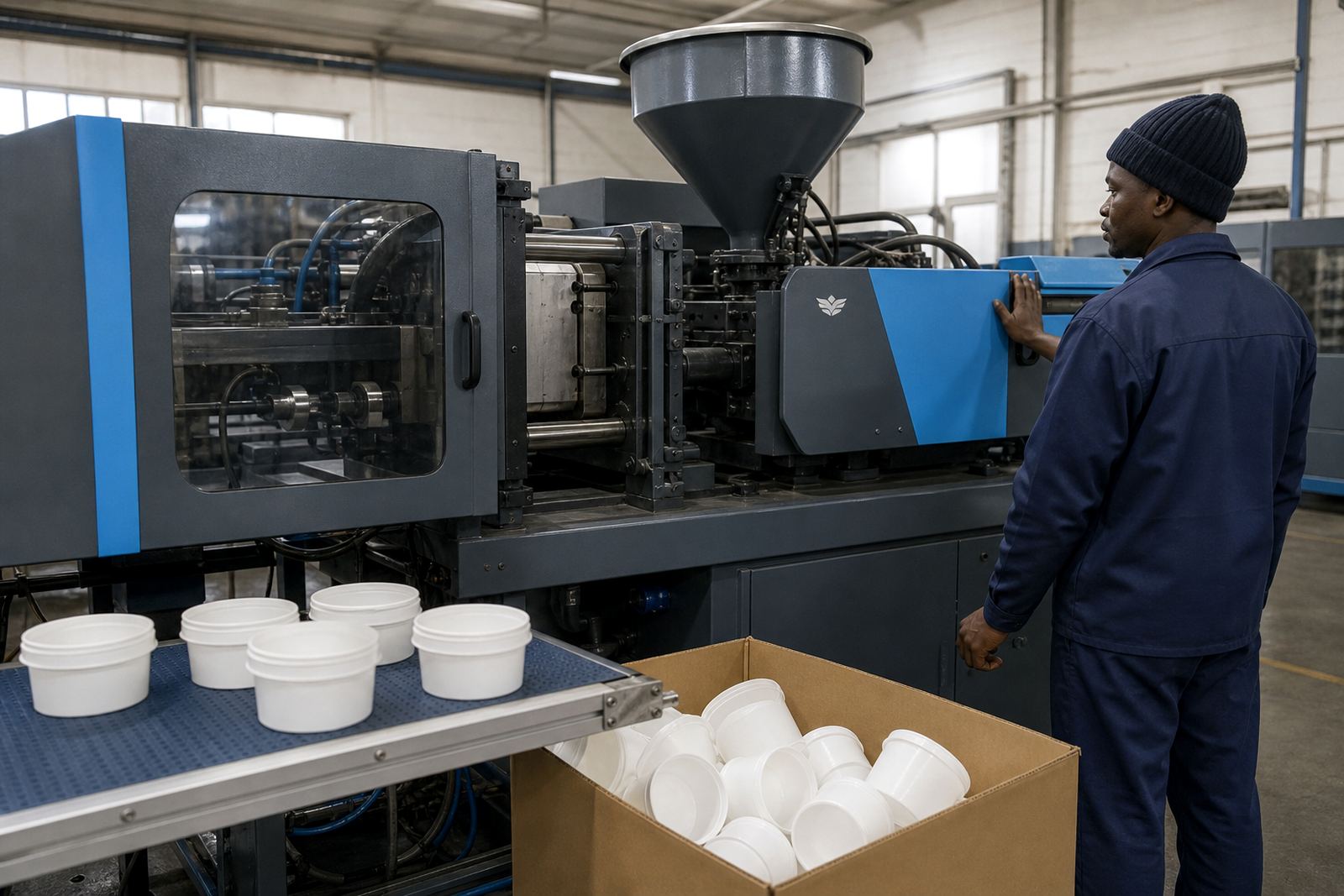
Injection-moulded tubs give consistent wall thickness and repeatable dimensions, which matters when a packing line needs the same height and rim finish across many units. That consistency helps with stacking, sealing and labelling, especially where a pack must move from a filling head to a cold room or a delivery crate with no fuss.
Choosing Between PP and HDPE for Portions
Polypropylene and HDPE both serve portion packs well, but they behave differently on line and in storage. Polypropylene is often used where a crisp pack shape and tidy lid fit are useful, while HDPE is valued for its toughness and practical handling in busy packing rooms.
The choice usually depends on the product, the fill temperature and how the pack will be treated after sealing. For example, a yoghurt style sample, a cosmetic cream trial or a sauce portion may each call for a different rim profile or a different wall feel, and that is where material selection becomes part of the pack format rather than a separate decision.
- Choose a material that suits the product texture and handling speed.
- Match the tub depth to the fill weight so the headspace is sensible.
- Check whether the lid needs to seal tightly or open easily for sampling.
- Keep the rim clean and even for reliable closing on the line.
Lids, Tamper Seals and the First Hand-Feel
A portion pack often lives or dies on the first touch. If the lid snaps on unevenly, or the tamper seal pulls off in a messy strip, the pack feels cheap even when the product inside is sound. That is why lid development and tamper seal design matter just as much as the tub itself.
For food and personal care portions, the pack should show that it has not been opened before use. Tamper evidence can be built into the lid or added as a separate feature depending on the line and the product. On a high-turnover deli counter in Johannesburg, a clean seal that opens predictably saves time and reduces complaints from customers who want the pack to open neatly rather than tear all over the label.
- Lids should sit flat with no rocking on the rim.
- Tamper features must open cleanly without shredding the pack.
- The closing force should suit the packing line and the person sealing by hand.
- Label space should remain clear after sealing and stacking.
Trial Runs Tell You More Than a Drawing
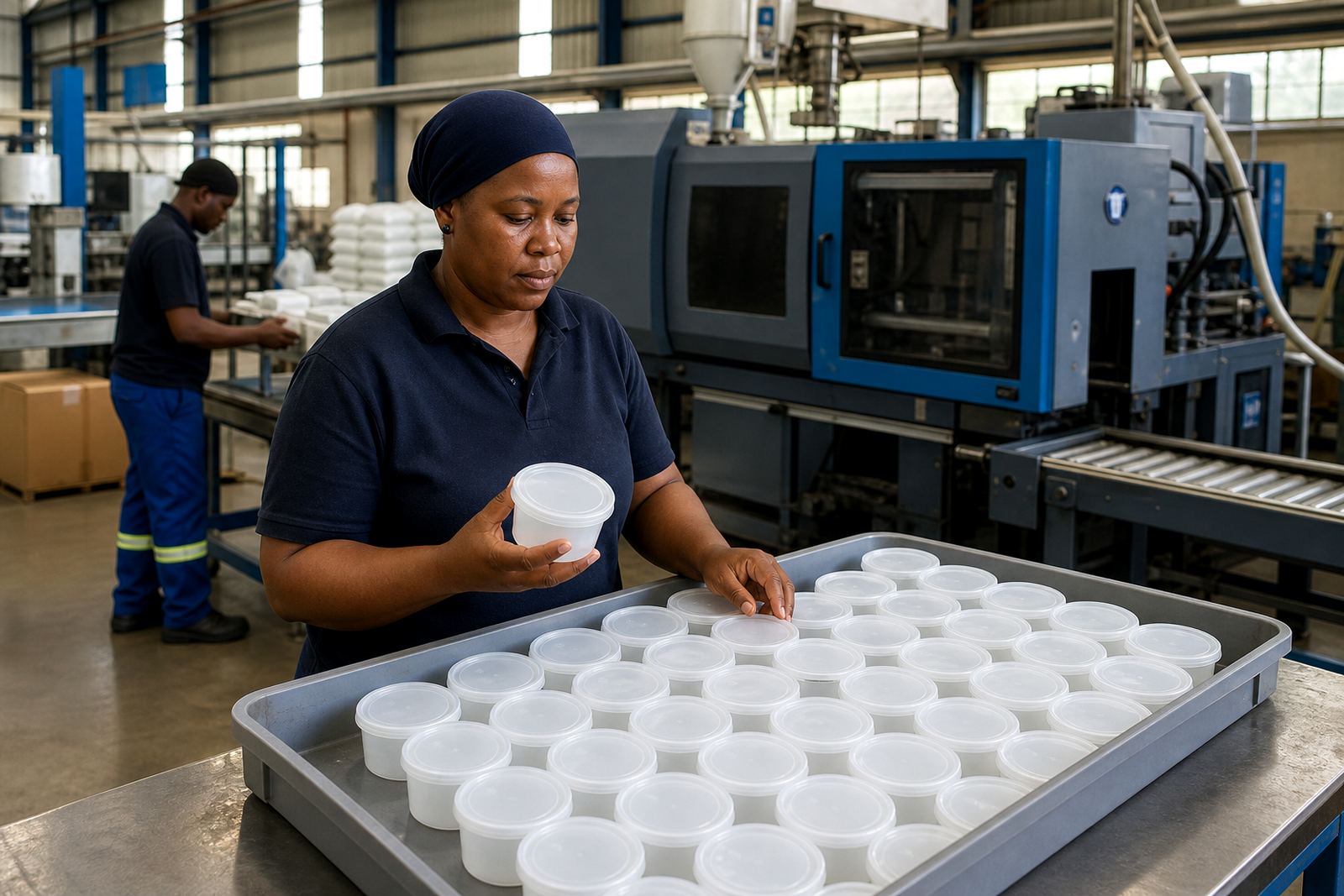
A drawing can show dimensions, but a trial production run shows how the pack behaves in real conditions. The fill may settle differently, the lid may sit tighter than expected, or the pack may lean slightly on a conveyor if the base profile is not right. Those details matter when the format is meant for samples and small portions, because even a small problem gets repeated across every unit.
Trial runs also help with pack size planning. A 25 ml tub may be fine for one product, but a thicker cream or a coarse relish may need a different mouth opening to fill cleanly. In Alberton and Germiston packing rooms, where orders often move through mixed product lines, a trial batch is usually the easiest way to confirm the format before larger production is set.
Colour and Secondary Packing Still Shape the Format
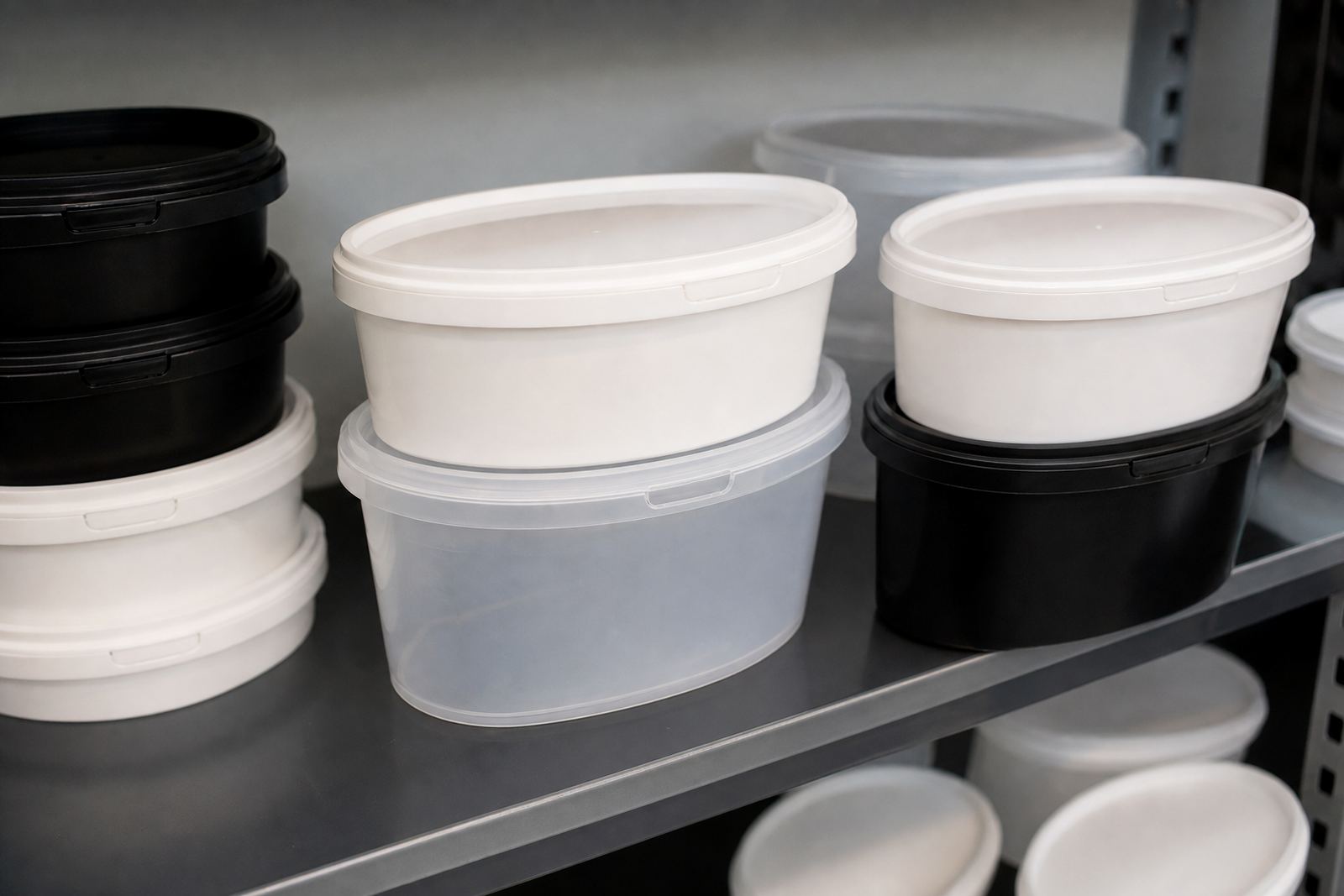
Colour matching guidance is useful when a portion pack needs to sit within a product family or be easy to sort on a busy line. Natural, white and tinted packs all behave differently under warehouse lighting and in cold storage, so the selected finish should suit the packing and dispatch flow as well as the shelf presentation.
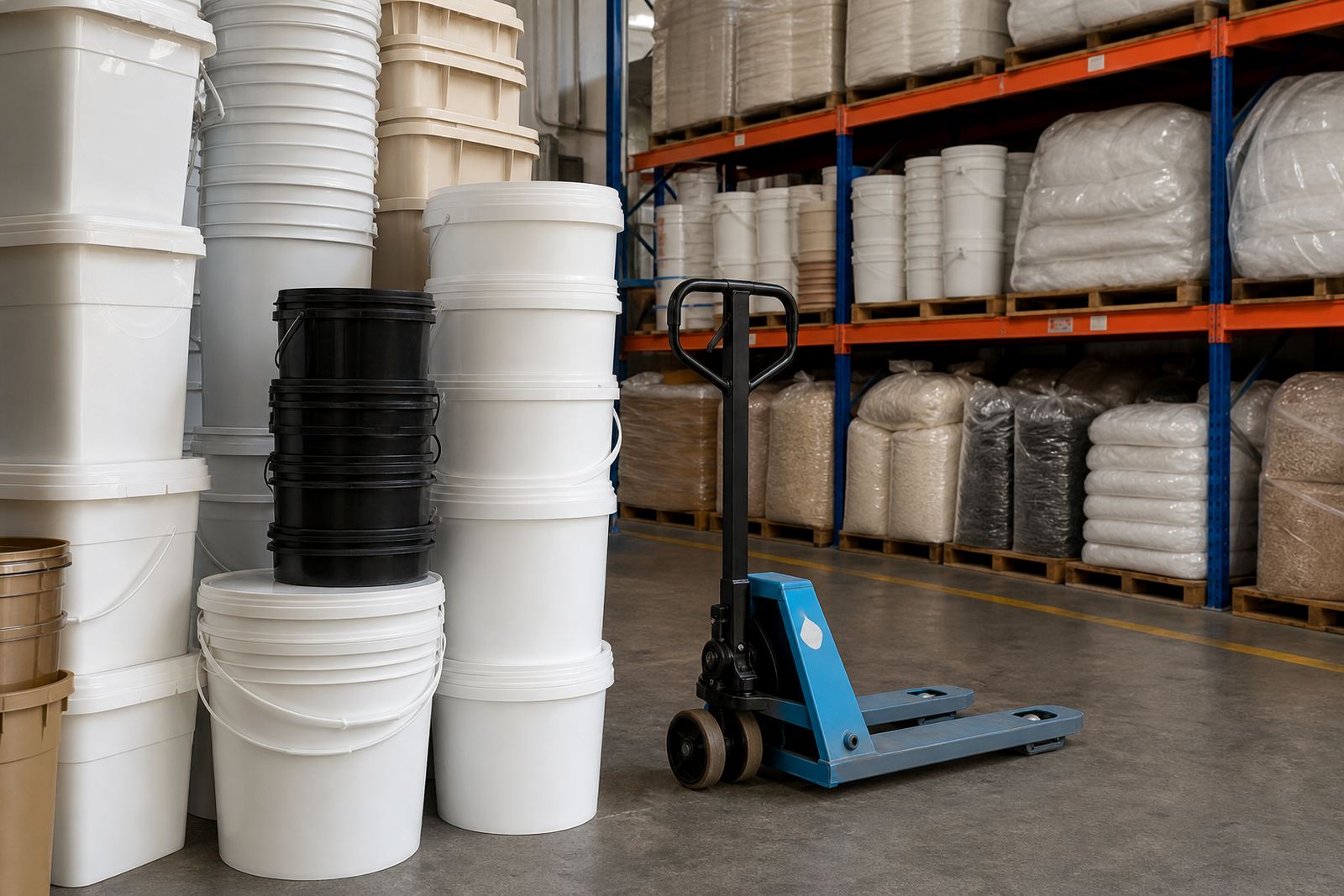
Secondary packing advice matters too, because small tubs are easy to miscount or crush if the tray layout is poor. The right inner pack, carton height and stack pattern can reduce damage during transport to Durban, Cape Town, Pretoria or Port Elizabeth. Coastal humidity in Durban and Cape Town also makes tidy closure and stable stacking worth checking before stock is released.
- Use a carton size that supports the full tray without squashing the lids.
- Allow for label placement on the lid or side wall.
- Set the stack height so the bottom tubs do not deform.
- Keep the pack format consistent across each batch size.
A Local Example from Alrode to the Coast
A cosmetic packer in Alrode may need a 15 ml sample tub for a promotion, a 30 ml trial tub for salons and a larger 100 ml tub for retail checks. Each size can share the same family look, but the mouth opening, lid fit and fill line change with the product. That keeps the range tidy while still giving each pack its proper function.
For food portion packs heading to shops in Johannesburg or for dispatch to coastal towns, the format must suit both filling and transport. A sturdy injection-moulded tub with a sound lid and clear tamper seal gives the packer confidence on the line and gives the customer a portion that arrives clean and intact. For that reason, portion pack planning is not only about size, it is about how the whole pack behaves from mould to shelf.