
Road shake starts with the pack, not the pothole
On paper, a tub can look fine in the packing room and still behave badly on the road. Vibration from gravel patches, uneven tar, hard braking and repeated cornering works on the whole pack, not only on the container wall. That movement can loosen lids, bruise closures and shift product inside the carton until the stack no longer sits square.
For food, pharmaceutical and cosmetic packers, the concern is not just damage. A lid that lifts slightly during transport can collect dust, leak fine product, or lose the neat shelf finish expected at the other end. In warmer coastal routes, humidity also adds pressure because cartons soften faster and taped seams can lose body when they absorb moisture.
Closure engagement needs a real handling margin
Injection-moulded polypropylene and HDPE containers perform differently under vibration, and the closure style must match the fill and the route. A snap-fit lid may be adequate on short local delivery, yet the same lid can shift if the pack is tall, lightly filled, or stacked tightly in a vehicle. Where tamper evidence is required, the seal has to sit cleanly and stay intact through repeated movement.
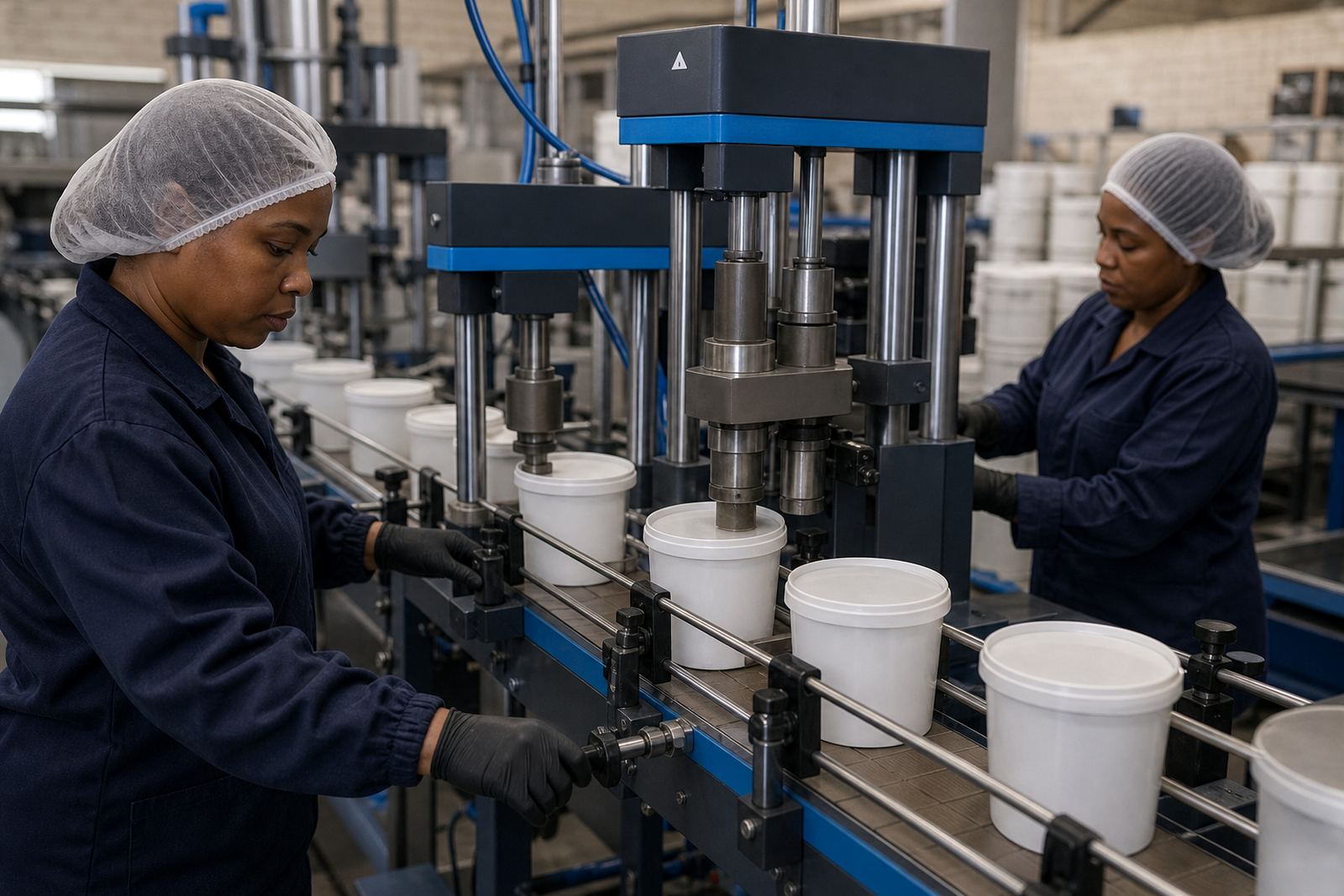
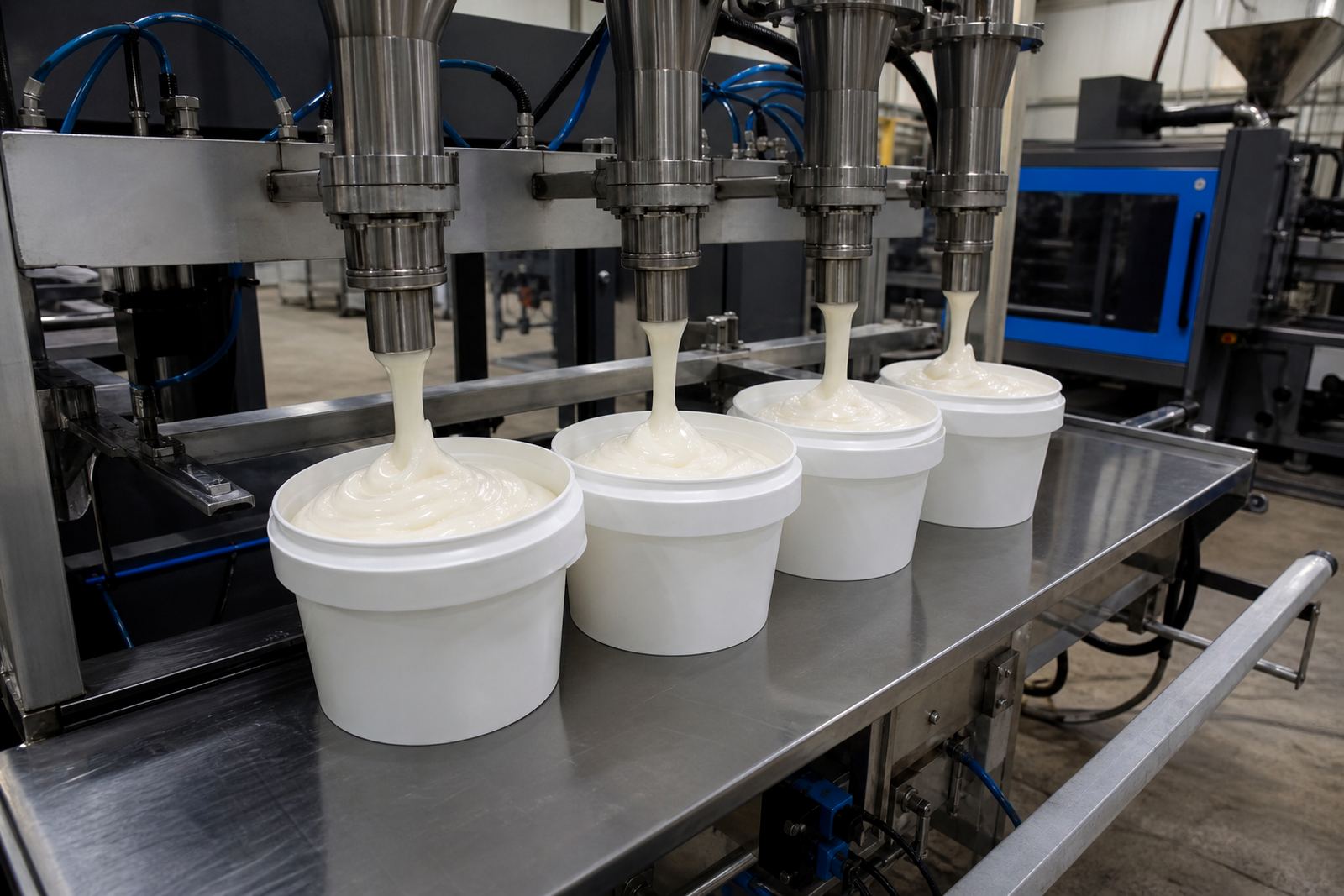
Practical line checks help before stock runs move in bulk. The lid should close evenly around the rim, the seal should sit flat without stress marks, and the filled pack should tolerate a short shake test without opening at the corners. If the closure depends on a very narrow fit, the packing line may need a small adjustment to avoid overfilled or underfilled tubs.
- Check how the lid sits after fill, not only before.
- Test the pack at the same fill level used on the line.
- Watch for corner lift where the rim takes the most strain.
- Match seal strength to the route and the product weight.
Carton support carries more than the container
Cartons are part of the protection system. Even a strong tub can shift inside a loose outer box, and once that happens the load begins to knock against itself. Dividers, tight-fit inners and correct carton height help reduce movement so the pack travels as one unit instead of one container against another.
Secondary packing advice matters most on longer routes from Alrode to Durban, Cape Town or Port Elizabeth, where loads may stand on a yard before final delivery. A carton with too much empty space lets the pack bounce. A carton that is overfilled can compress the lid, which is just as risky because the closure takes a constant upward push during the trip.
- Use carton depth that supports the full pack height.
- Keep headspace small enough to limit bounce.
- Separate light lids from heavy filled tubs where needed.
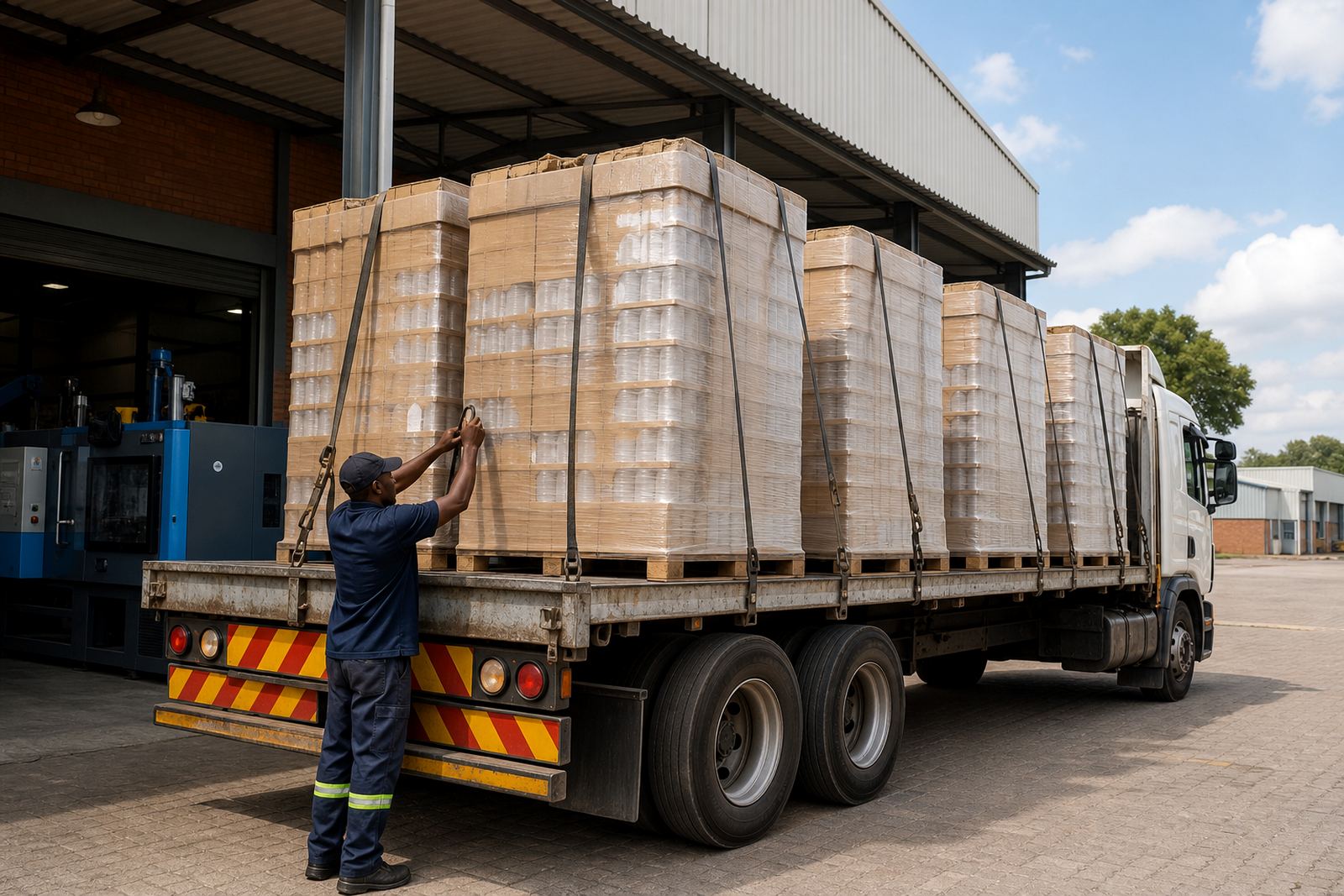
- Stack with the weight spread evenly across the pallet.
How vibration shows up on real routes
A Johannesburg delivery on good tar does not behave the same way as a longer coastal run with stop-start traffic, temperature swings and warehouse handling at both ends. In practice, the first signs of trouble are often small. A seal ring may sit slightly skew, a corner of the lid may lift, or the pack may arrive with scuffing at the base where cartons have rubbed together.
For cosmetic packers, that scuffing can spoil the shelf look. For pharmaceutical products, any sign of tamper damage brings concern during inspection. For food lines, movement inside the pack can lead to powder carryover, label damage or a carton that looks tired before it reaches the retailer. These are all transport issues that start with vibration and finish with presentation.
One local example is a bulk cream pack leaving Alberton for a distributor in Durban. If the tub is filled close to the rim and the lid is only lightly seated, the repeated flex on the N3 can work the closure loose. A tighter seal, a more stable carton insert and a better pallet pattern usually do more than a heavier outer box.
Material choice changes the way a pack travels
Polypropylene and HDPE each bring different handling traits. Polypropylene generally gives good rigidity and a neat closing feel, which helps on packs that must hold shape under stacking pressure. HDPE has a different flex profile and can cope well where impact resistance matters and the pack may be handled more roughly in transit.
The fill product also matters. Powder, cream, granules and liquids each place different pressure on the wall and closure. That is why material selection, line fit checks and trial production runs are part of transport planning, not just product design. A tub that works in a still warehouse may need a different rim detail, lid profile or seal arrangement once it faces road vibration.
Packing line checks that reduce losses on arrival
Transport issues are easier to manage when the packing line and the dispatch area work together. If the closure is too tight, staff may deform the rim while forcing it shut. If it is too loose, vibration will find the weak point. The best result usually sits in the middle, where the lid closes cleanly and the pack survives the route without extra strain.
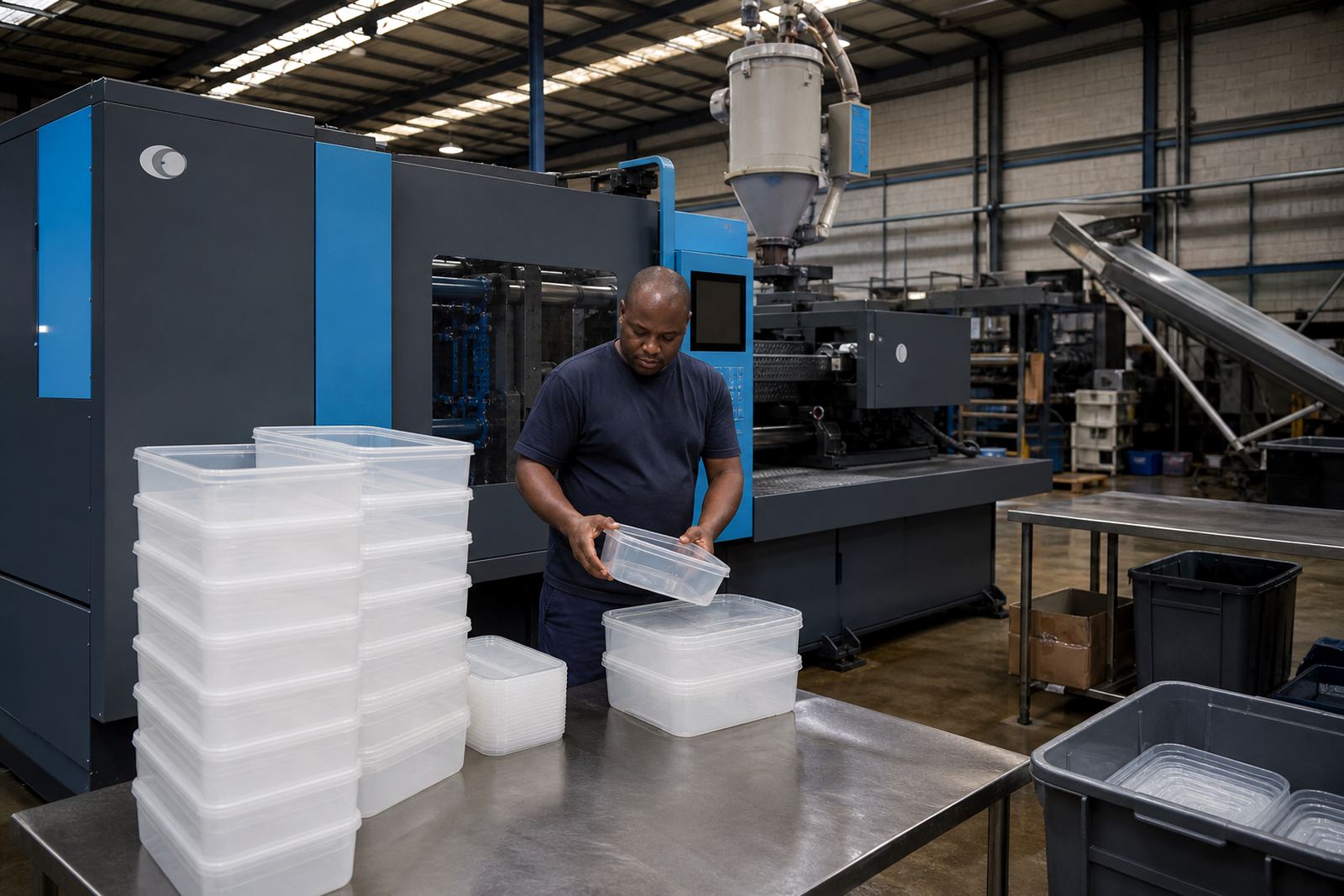
At Plastic Factory, that kind of planning often starts with a discussion about pack size, closure type and the route the stock will travel. In Alrode, Alberton, the team can look at mould development, lid development and tamper seal design alongside the way the cartons are loaded. That practical link between container and dispatch keeps the pack honest from the filling line to the receiving bay.
- Confirm the lid fit on the actual filled product.
- Review the pallet pattern before stock moves in volume.
- Consider a tamper seal where the route is long or rough.
- Use colour matching guidance where shelf presentation matters after transit.
A better transit pack stays square from start to finish
Transport vibration cannot be removed, but its effect can be reduced. When closure engagement is correct, the carton has enough support and the pallet is stacked with care, the pack arrives with less scuffing, fewer loose lids and better shelf appearance. That matters on long South African road journeys where temperature, handling and distance all work on the pack at once.
For packers sending goods from Alberton to Johannesburg, Pretoria, Durban, Cape Town or Port Elizabeth, the safest route is a tested pack that suits both the product and the trip. A container that seals well, sits square in the carton and holds its shape on the road saves trouble later in the chain, and that is usually where the value shows.