When Product Texture Decides the Container Shape
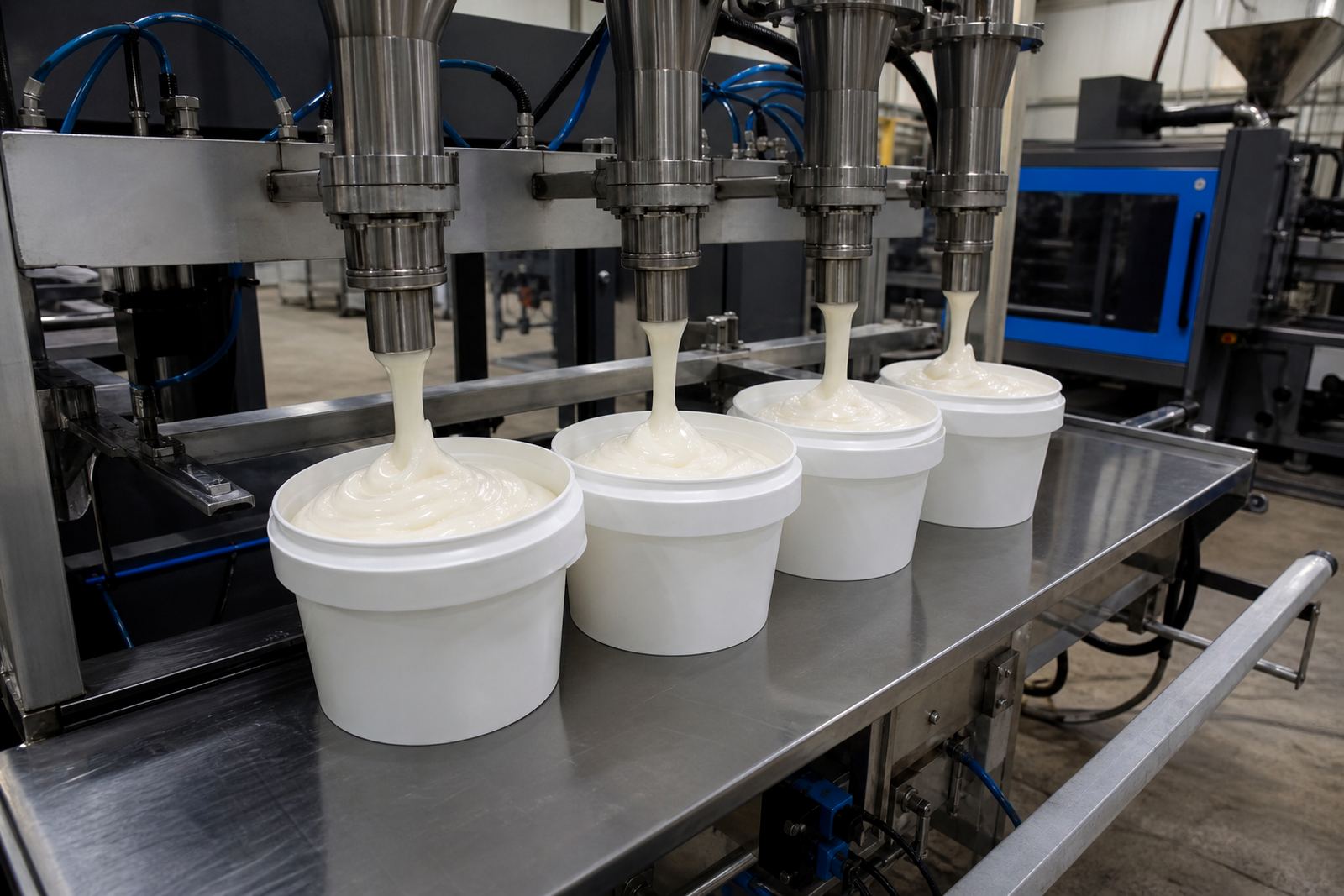
A wider opening is more than a neat look on the shelf. It gives packers a better way to handle dense products such as pastes, spreads, powders with larger particles, gels, creams and confectionery pieces that do not pour cleanly. If the mouth is too narrow, product can hang up at the neck, slow the fill line and leave more residue on the rim.
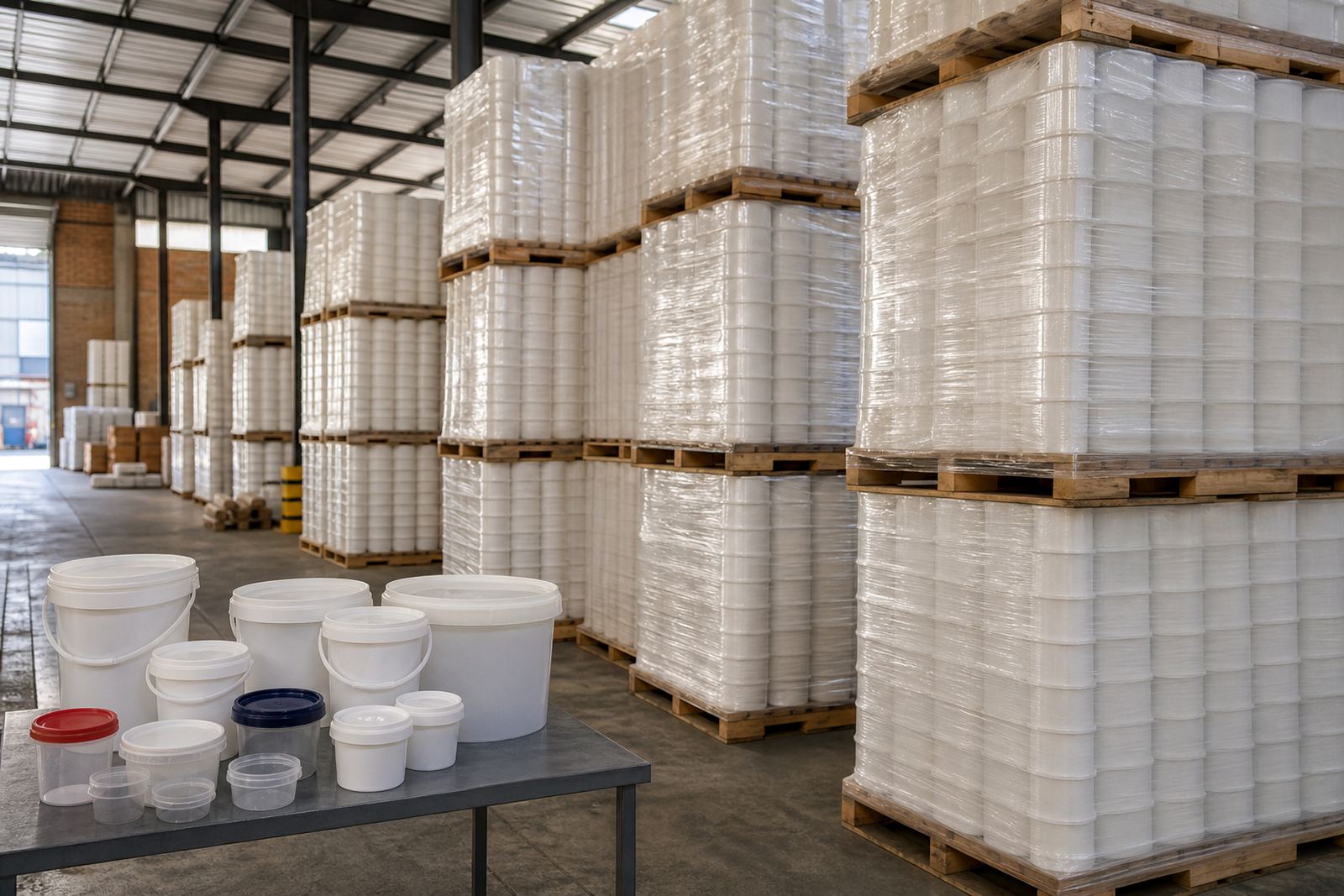
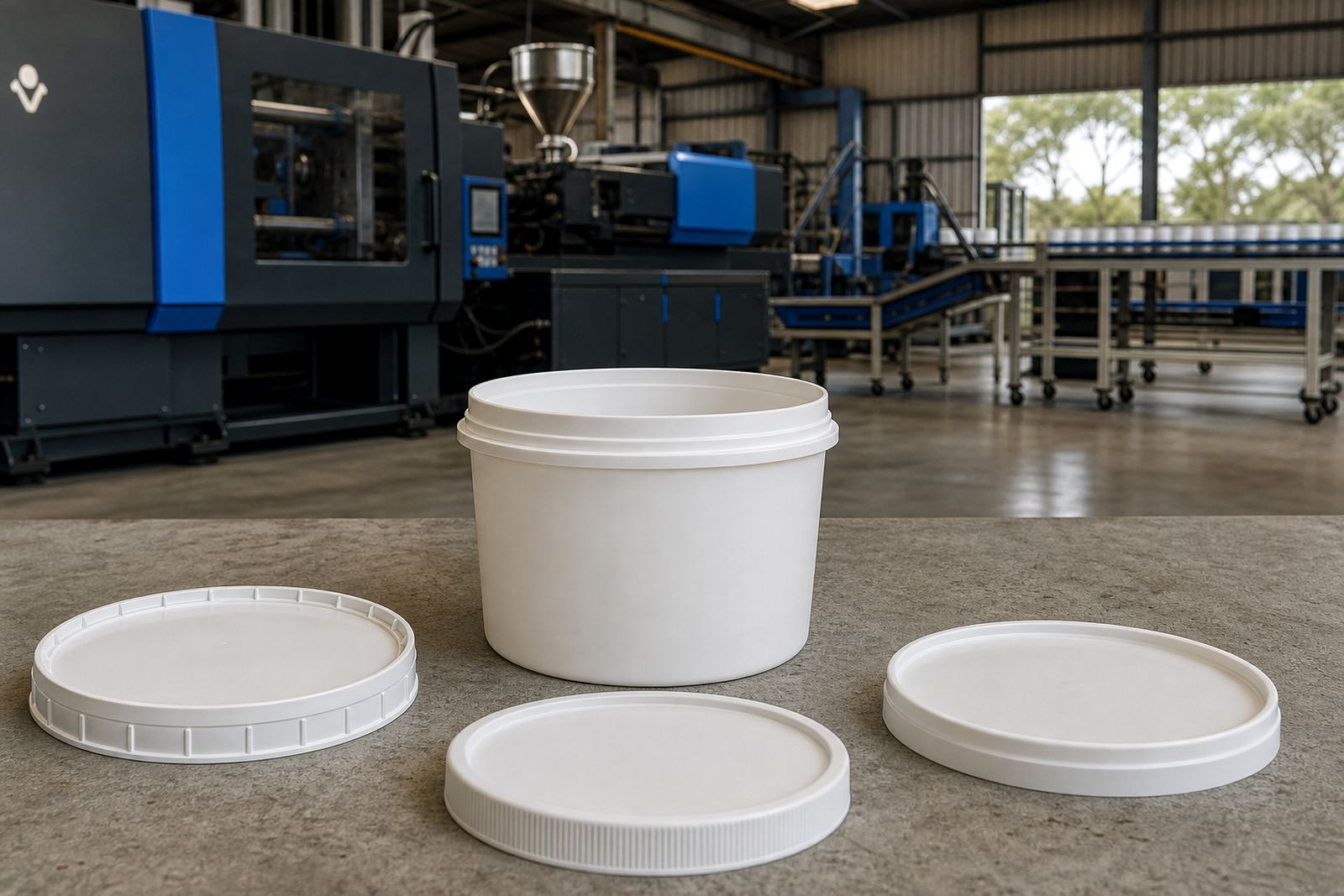
Injection moulded polypropylene and HDPE tubs suit these jobs because they hold shape well and can be made in sizes that match the product weight and pack count. For food, pharmaceutical and cosmetic packers, the wider mouth also helps with visual checks before sealing, especially where the line moves quickly and the product must sit neatly inside the tub.
- Wider access helps with thicker fills and manual top-up work.
- Less product clings to the rim during filling and closing.
- The packer can inspect the surface of the product more clearly.
Scoop-Friendly Packs for Retail and Back-of-House Use
Some products are meant to be opened, measured and closed many times. A wide mouth container supports that routine because a scoop, spoon or dosing utensil can enter and leave without scraping the sides. That matters for bakeries, labelling kitchens, cosmetic mixers and pharmaceutical packers who need a neat pack that still feels practical in daily use.
In South African packing rooms, a scoop-friendly format often reduces mess around the filling point too. Staff can work with better control on a busy line, especially when packs are being filled in mixed ambient conditions and the product consistency changes through the day. A wider mouth gives more working room, and that can keep the process steadier.
- Useful for products that need repeated access after opening.
- Makes hand filling simpler where dosing is done by volume.
- Supports cleaner pack presentation on the shelf.
Why Lids and Tamper Seals Matter More on Wide Openings
A broad opening needs a lid that fits firmly and closes evenly. The lid design, tamper seal and rim profile must work together so the pack stays secure through transport, stacking and retail handling. If the closure is not matched well to the mouth size, the container can feel awkward to close or show uneven contact around the edge.
For food and cosmetic lines, tamper evidence is often part of the packaging brief. A wide mouth tub can still carry a neat seal if the closure system is planned around the exact rim detail. That is why lid development and tamper seal design are usually considered with the container, not after the fact.
- Check how the lid seats on the rim during closing.
- Match seal design to the opening diameter and wall strength.
- Keep the pack easy to open without losing closure control.
Material Choice for Thick Products and Local Conditions
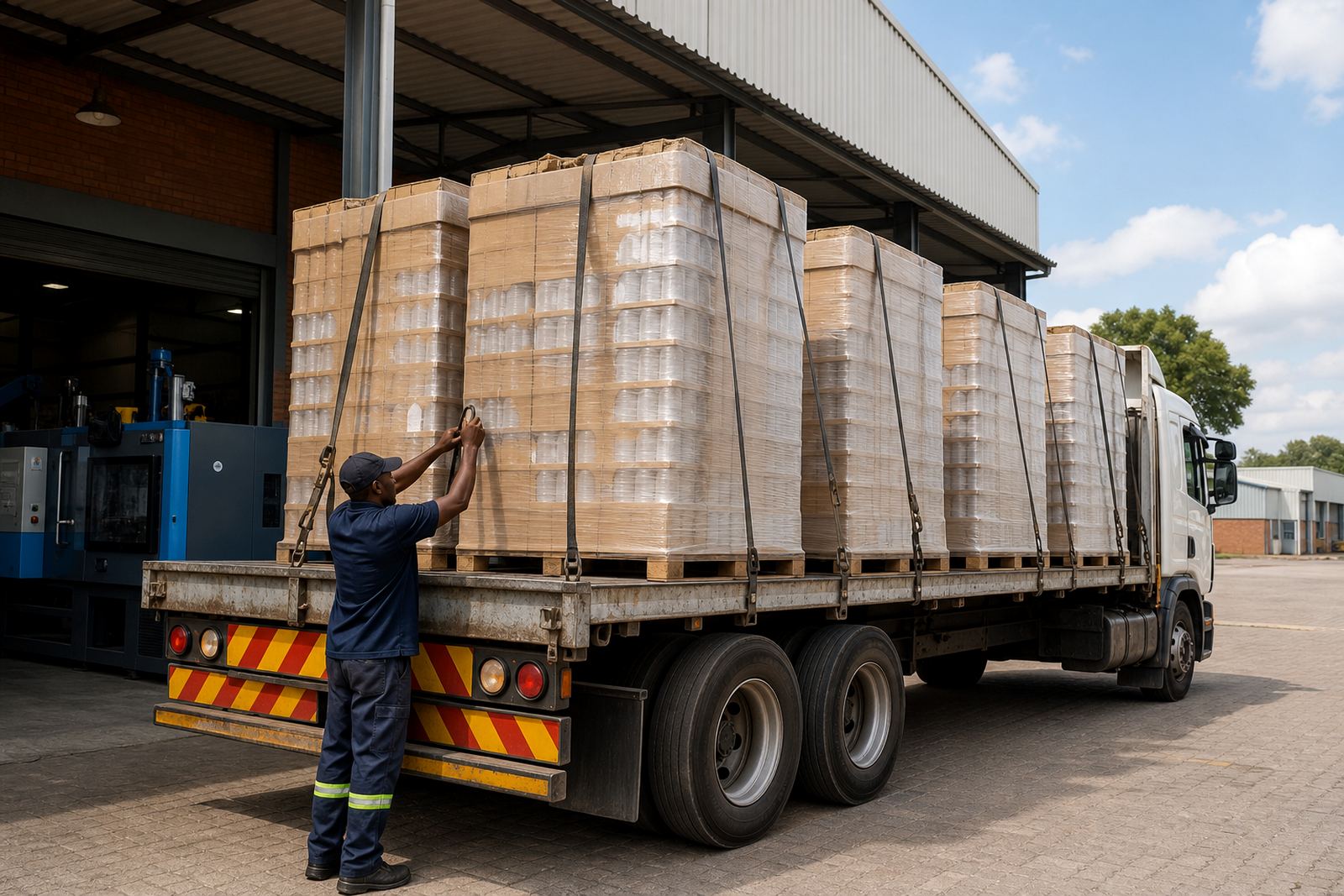
Polypropylene and HDPE are common choices for injection moulded tubs because both handle everyday packaging demands well. Polypropylene is often selected for lighter packs and general food and cosmetic use, while HDPE is useful where toughness and impact resistance matter more. The right material depends on the product, the fill temperature and how the pack will travel from Alrode to regional distribution points.
For coastal deliveries into Durban or Port Elizabeth, packers often pay closer attention to closure fit and storage conditions, because humidity and handling on the route can test any container. Wide mouth tubs help because they are practical to fill, but the material still has to suit the product and the line. Colour matching guidance can also matter when a brand wants a clean shelf presentation without losing function.
- Polypropylene suits many food and cosmetic applications.
- HDPE is often chosen where extra toughness is useful.
- Material choice should follow the product, not only the look.
Pack Line Fit Checks Around Wider Necks
A wider opening changes how a line behaves. Fill nozzles, caps, torque settings, secondary packing trays and label placement all need a proper line fit check before full production starts. A container that looks fine on paper may still need small adjustments on the line so it feeds cleanly, stacks squarely and seals without tilt.
Trial production runs are valuable here because they show how the tub behaves under real packing conditions. In a Johannesburg plant, for example, a thick spread might fill cleanly into a broad tub but need a different head height than a thinner sauce. Those small checks can prevent spillages and help keep the packing room moving at a practical pace.
- Confirm fill height against the product body and closure line.
- Check stackability for cartons, crates and pallet loads.
- Test the pack under the same handling used in daily production.
A Durban Example: Thicker Product, Easier Handling
A Durban packer handling a dense cosmetic cream may find that a narrow neck slows the line and leaves more product on the rim. Switching to a wider mouth tub can make the fill cleaner, improve the scoop access for sample filling and give the closure system more room to work. The result is often less mess at the fill point and a pack that feels better in the hand.
That same thinking applies to food products that are portioned by spoon, scoop or spatula. Wide mouth tubs suit curry pastes, spreads, nut mixes and dessert bases where the opening needs to support both production and end use. The container becomes part of the workflow, not just a shell around the product.
- Better access for thick or piece-heavy products.
- More comfortable for repeated opening and closing.
- Cleaner handling during packing and shop-floor use.