A shape that wastes less shelf and crate space
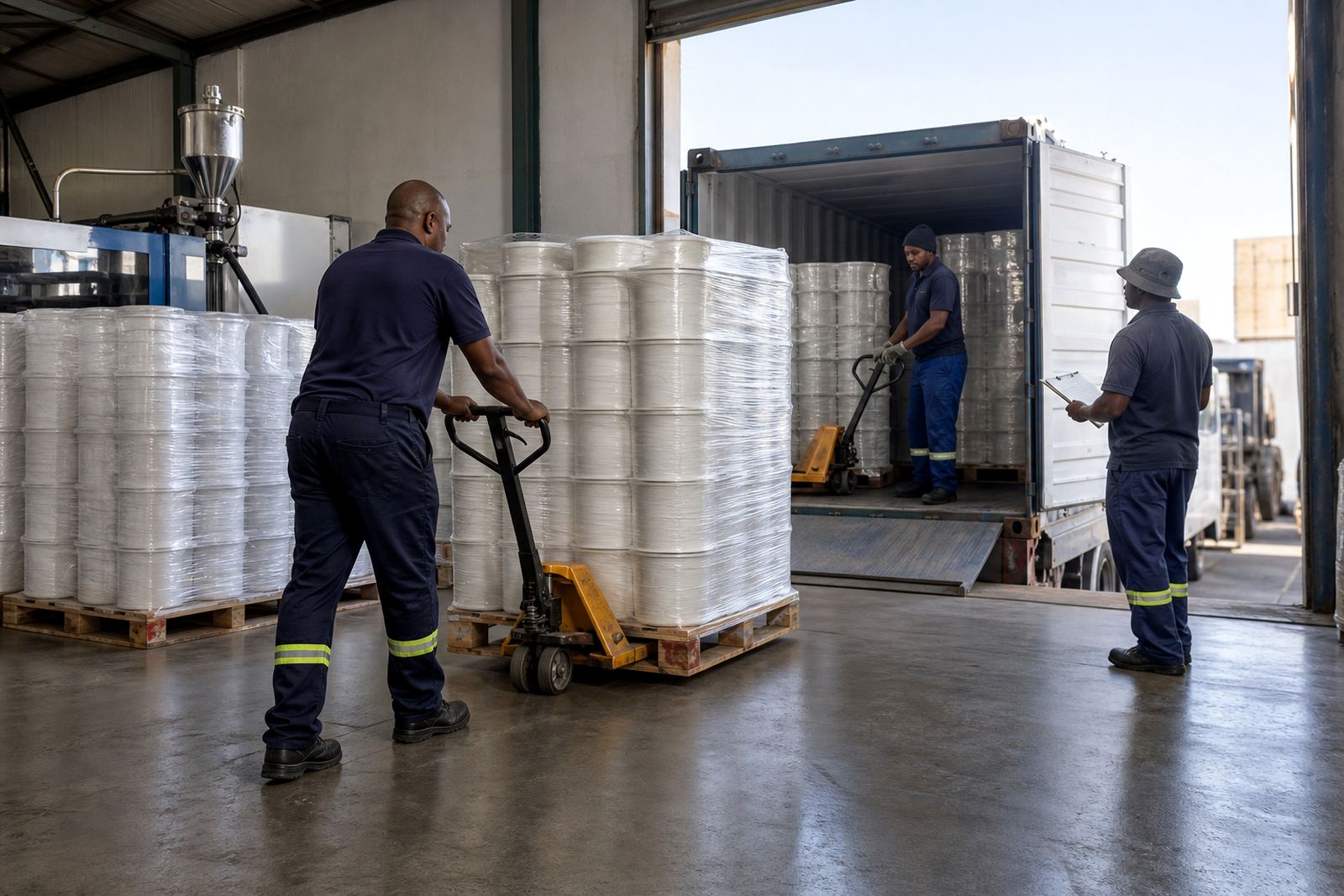
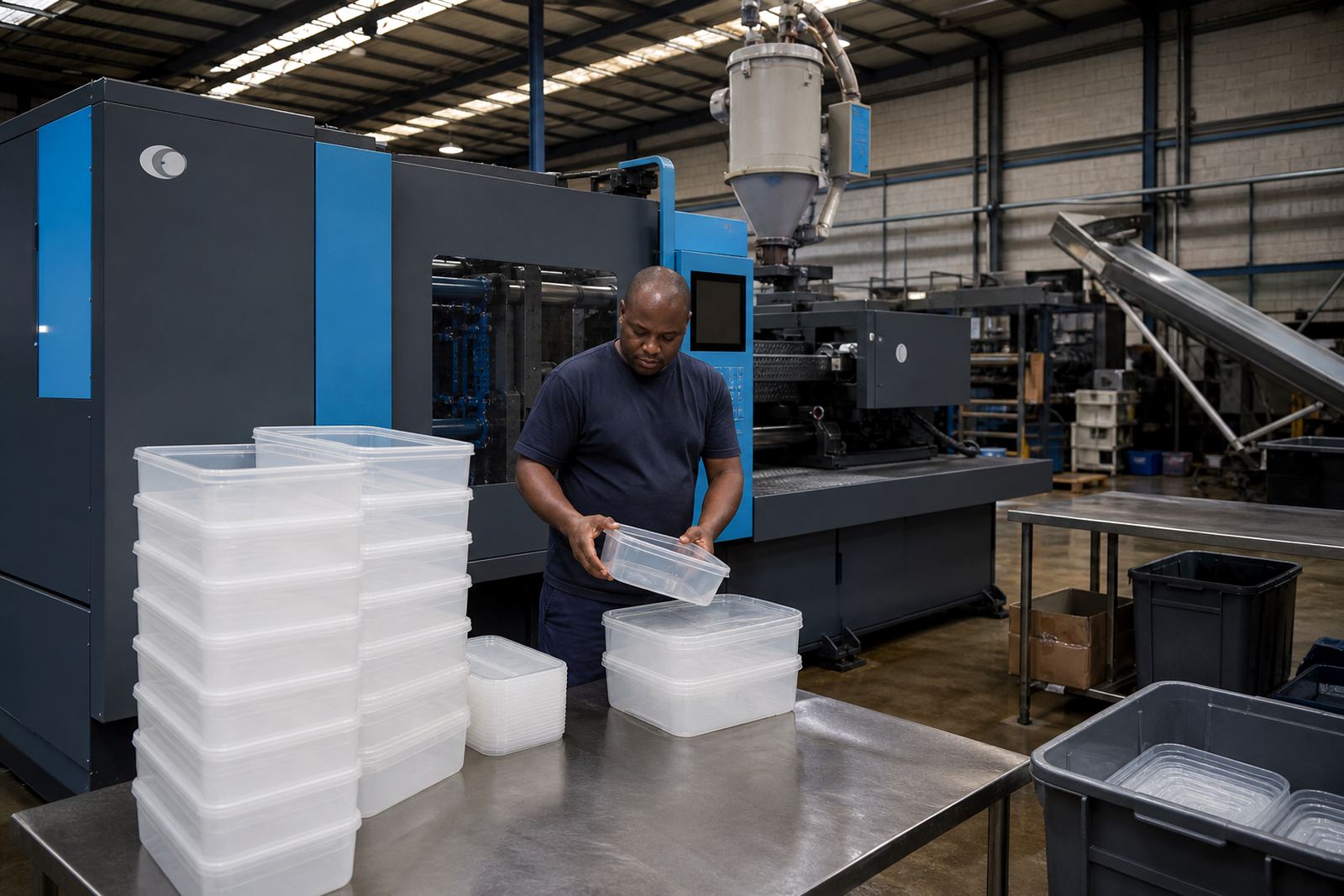
Rectangular tubs use straight sides and square corners to make better use of cartons, crates and cold-room shelving. When a packer is moving high volumes of sliced meats, salads, sauces, or ready meals, that extra order in the pack pattern can reduce awkward gaps and wasted space. It also helps when tubs are packed into outer cartons for distribution across Gauteng, the coast, and inland routes.
On a busy line, the shape gives staff a more predictable hand grip and a cleaner stacking pattern. That matters when packs are moving from filling to lidding, then into secondary packing and cold storage. In a depot, rectangular tubs tend to sit flatter and shift less than round containers, which is useful when loads are handled many times before they reach a retailer or food service customer.
Better fit for tamper evident lids and pack control
Rectangular deli formats are often paired with lids that close evenly around the rim and support tamper evidence where the pack spec calls for it. A consistent rim profile matters because a lid that sits well improves line control and gives packers a more dependable seal area. When a product goes through trial production runs, the lid fit, rim strength and opening point can all be checked against the way the pack is filled and stacked.
- Even rim contact supports cleaner sealing on the line.
- Clear lid placement helps operators spot misaligned packs sooner.
- Tamper seal design can be matched to the product and pack size.
- Trial runs show whether the lid keeps its hold during transport and chilling.
For prepared foods that travel from Alberton to coastal warehouses, the lid has to cope with movement, chilling and repeated handling. If the closure is sound, packers spend less time dealing with loose lids and damaged stock at dispatch.
Food-safe materials that suit chilled and fresh products
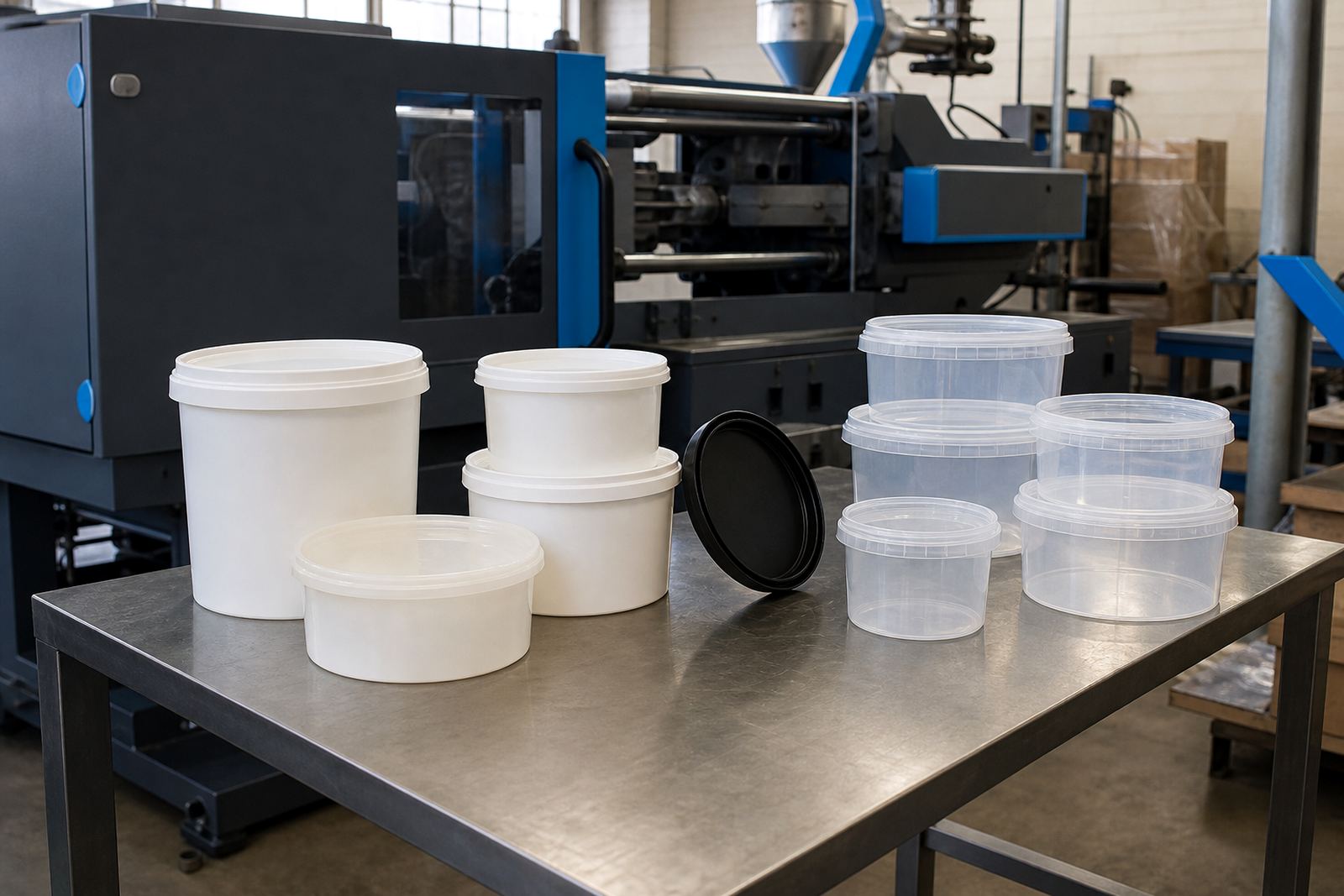
Rectangular deli tubs are commonly made in polypropylene or HDPE, depending on the product, the filling temperature and the handling pattern. Polypropylene is often selected where clarity of form, stiffness and heat tolerance are useful, while HDPE is valued for its toughness and practical handling. The right material choice depends on whether the pack will hold salads, dairy items, spreads, sauces or other prepared food lines.
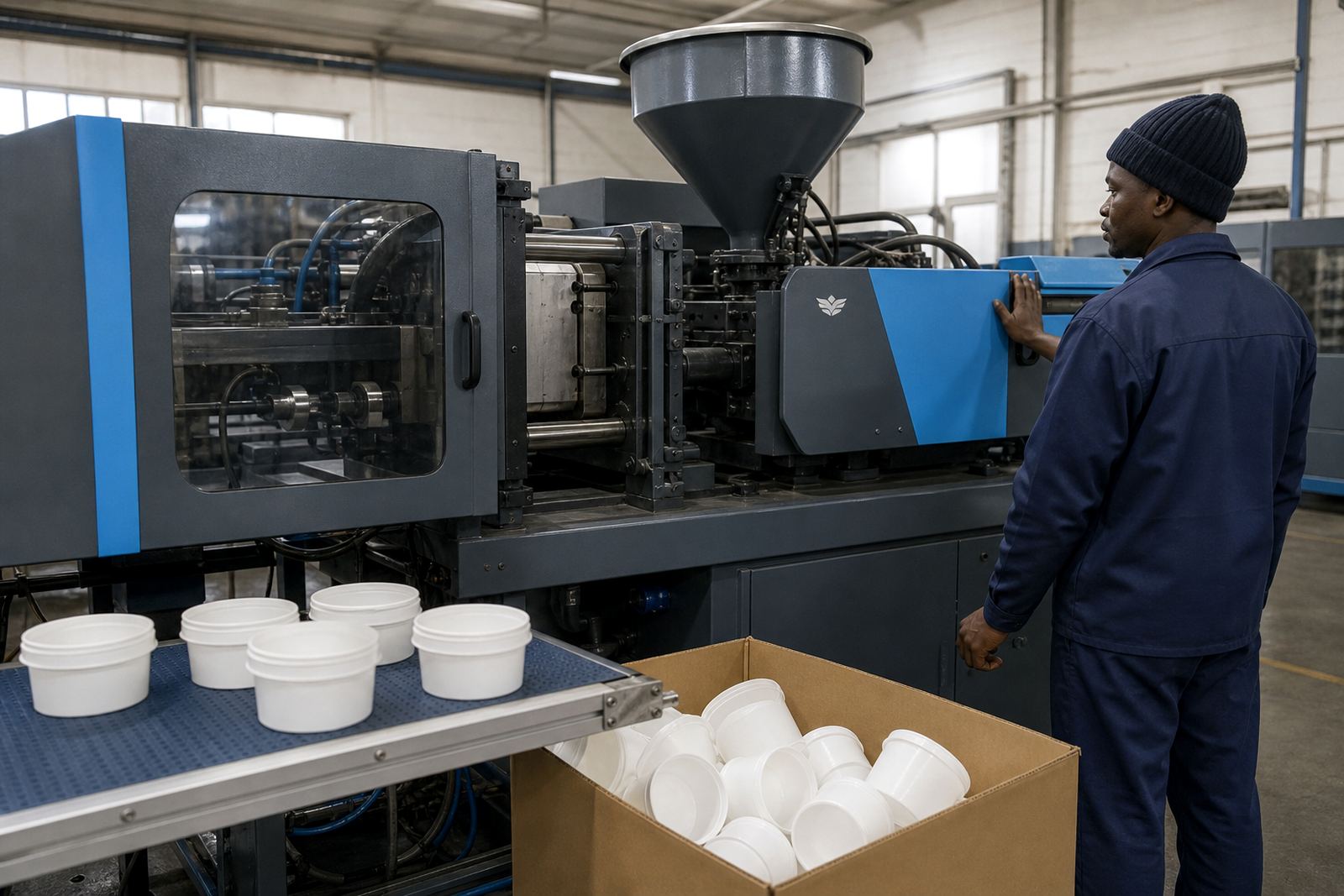
For food packers, the main point is not the material name alone, but how it behaves in a real packing room. A tub must sit straight on the conveyor, hold its shape under filling, and remain stable in the crate without warping. In humid coastal conditions, and in dry inland stores too, the pack still has to present properly on shelf and protect the contents during movement.
- Material selection should suit the product weight and temperature range.
- Colour matching guidance can support brand presentation across sizes.
- Stock run planning helps when demand changes between retail and food service orders.
- Line fit checks help confirm the tub runs cleanly on existing equipment.
Packers get cleaner product separation and portion control
Rectangular tubs lend themselves to portioned products because the footprint is easy to plan around. A deli packer can use the same format for several fills, then adjust depth or lid style to suit different weights. That is useful when a product range includes 250 ml, 500 ml, 1 litre and larger trade sizes. The straight walls also help with visual alignment, so the pack looks neat on the shelf and in chilled display cabinets.
Where a pack line handles multiple items in one shift, a rectangular format can simplify counting, pack size planning and secondary packing advice. Staff can group packs by size with fewer odd gaps in trays or cartons. That may sound small, but on a high volume run every little bit of consistency helps reduce handling mistakes and mixed lots.
Local production needs practical mould and run planning
In Alrode, packers often want a container that works with local supply schedules and the realities of South African distribution. A rectangular deli range can be developed around the fill line, the label area and the outer carton size, rather than forcing the operation to adjust around an awkward format. That is where mould development, pack size planning and trial production runs become important.
For example, a prepared food business in Durban may need tubs that stack neatly for chilled dispatch, while a Pretoria packer may focus more on carton efficiency for inland deliveries. The same family of tubs can be adapted through lid development and mould adjustments, but the shape remains practical for shelf presentation and transport. In many cases, the best result comes from checking the line fit before volume production begins.
A regional example from the packing floor
Consider a Cape Town prepared food packer sending mixed deli lines to retail stores and food service customers. The filling room needs tubs that move neatly through the line, close cleanly, and stack well in refrigerated transport. Rectangular tubs help because they sit tightly in cartons, display label panels clearly, and leave less wasted space in the truck. When the same packer sends product to Johannesburg, the shape also helps the goods stay organised through longer transport and more handling points.
That kind of job often benefits from a short list of practical checks before full production:
- Does the tub sit flat on the conveyor and in the carton?
- Does the lid seal evenly across the rim?
- Does the pack hold its shape after chilling?
- Is the print or label area clear enough for the product details?
- Does the chosen size suit the intended retail shelf or food service use?
When those points line up, the rectangular format does more than hold product. It supports the whole packing flow, from filling to dispatch, without unnecessary handling trouble.