Start with the pack size that actually leaves the line
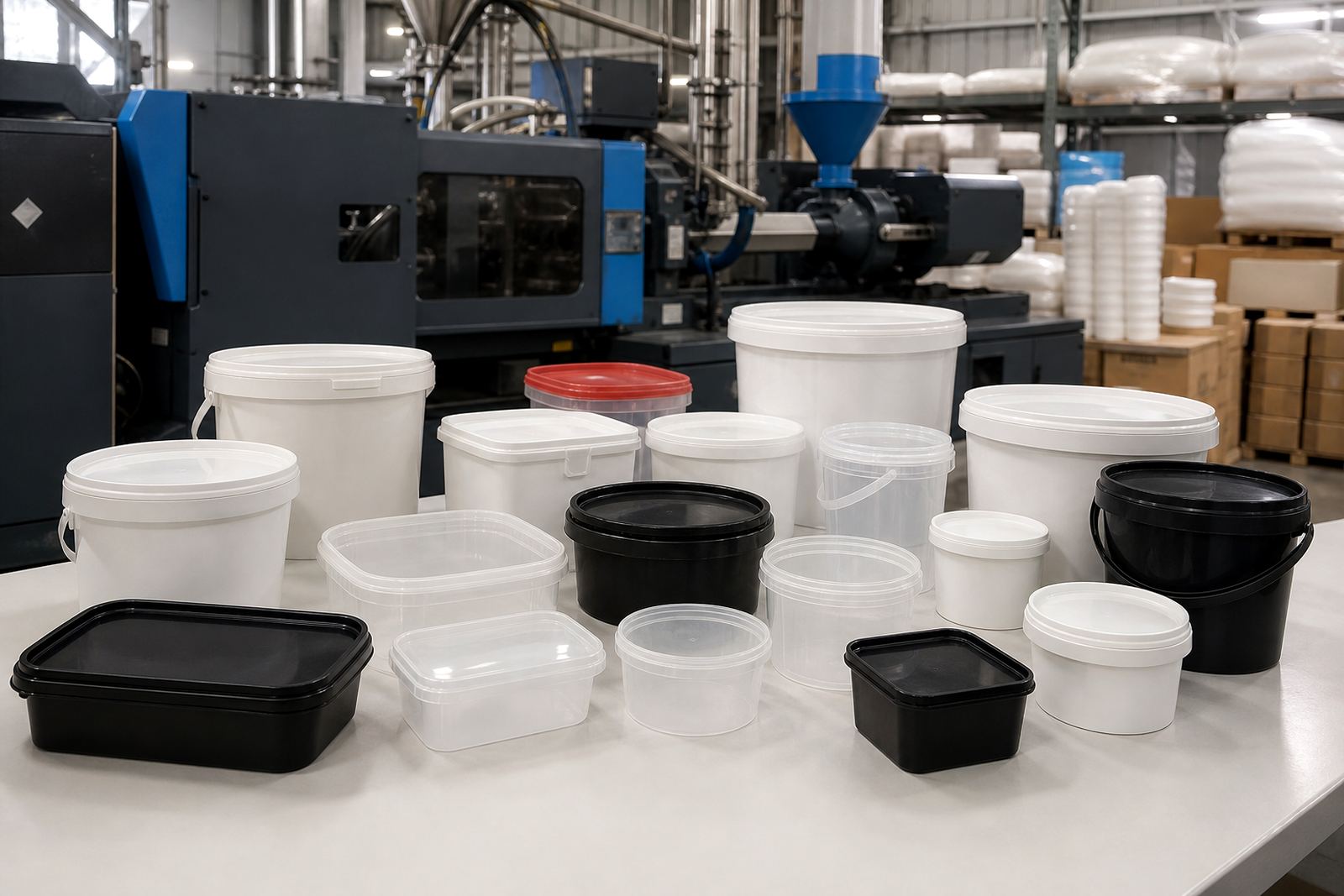
Repeat ordering becomes easier when the pack size is tied to the product that is filled, closed and stored every week. A 500 ml tub for a spread, a 250 ml tub for a cream, or a larger tub for bulk handling all affect carton counts, pallet heights and the number of lids needed at the sealing point.
At Plastic Factory in Alrode, Alberton, we see how small changes in the filled weight can affect the full order. If a packer changes from a shallow tub to a deeper one, the line may need a different stack pattern and different secondary packing. In that case, the repeat order should follow the real production mix, not last month’s estimate.
- Confirm the fill volume used on the line.
- Match the lid profile to the tub rim.
- Allow for rejects, spillage and line stoppages.
- Keep a note of the carton count per pallet layer.
Build regular supply around line fit, not just carton counts
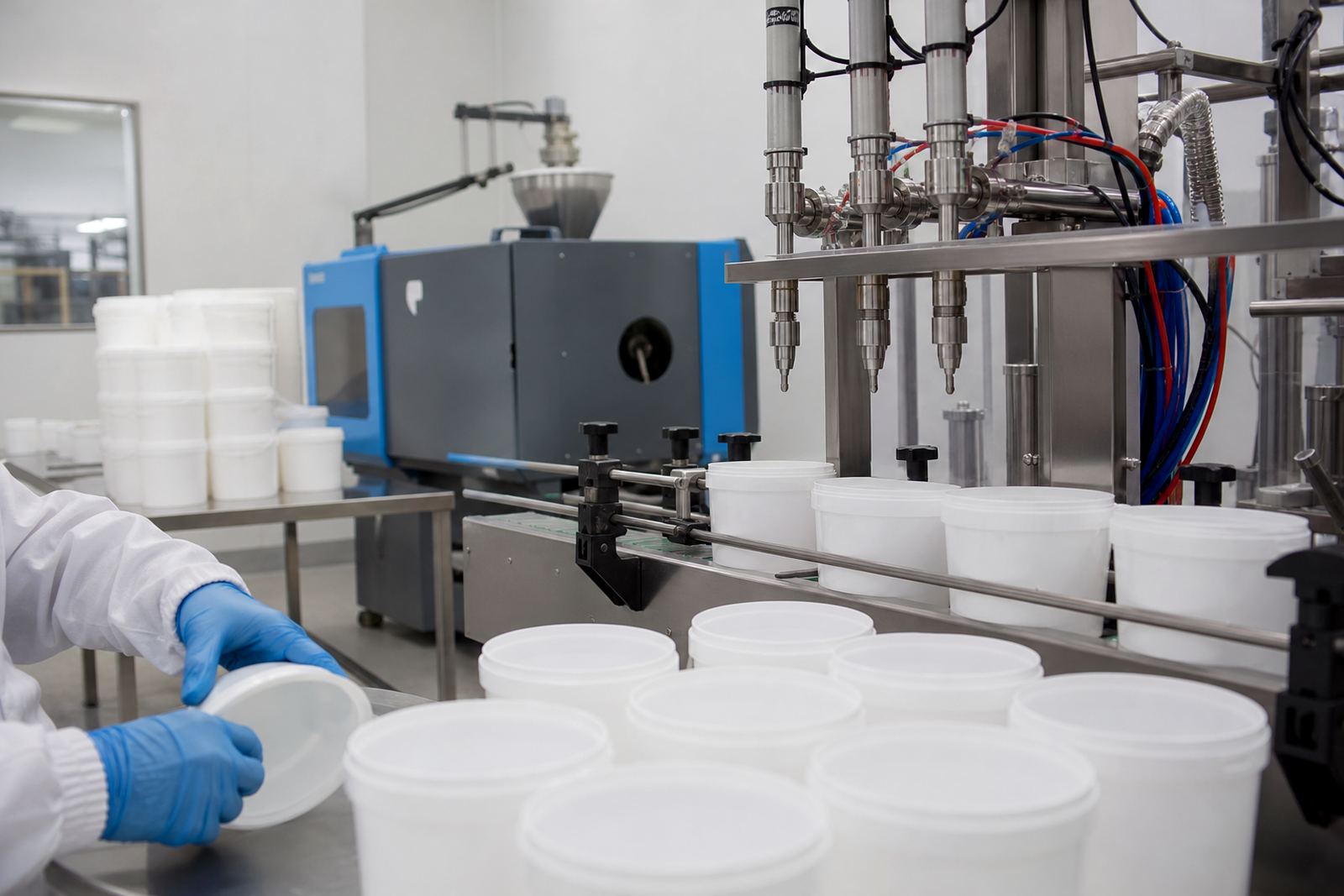
A container may look right on paper yet still cause trouble on the packing line. Some closures sit tight and need a firmer press, while others suit faster hand packing. In a plant near Germiston or Boksburg, that difference shows up in operator fatigue, seal consistency and the way filled stock moves into cold storage or dispatch.
Line fit checks help packers compare the tub, lid and tamper seal against the way the product is handled. A good fit reduces rework and gives a clearer picture of how many units should be held as repeat stock. It also makes stock run planning easier when sales move up or down across Johannesburg, Durban or Cape Town.
- Test the container on the same packing line used for production.
- Check hand grip, nesting and stacking during live filling.
- Review whether the lid sits cleanly after closure.
- Watch how tamper seals behave during final packing.
Keep one eye on material choice and storage conditions
Polypropylene and HDPE are both common choices for injection-moulded containers and tubs, but they are not identical in use. A packer storing goods in a hot inland warehouse may want different handling characteristics from a business moving stock through humid coastal conditions in Durban or Port Elizabeth. Material choice can affect stiffness, feel and how a container behaves in storage.
Food-safe materials matter where direct contact is part of the process, and the same is true for pharmaceutical and cosmetic packing where consistency is important. Regular supply should reflect the exact material already approved for that product line. If a business shifts from one shade to another, or adds a clearer wall finish for display, that change should be recorded before the next stock run is placed.
- Keep a written record of the approved material type.
- Note storage conditions in warehouse and transit.
- Track colour changes where presentation matters on shelf.
- Review how the container behaves in stacking and transport.
Use trial runs to set the next stock run
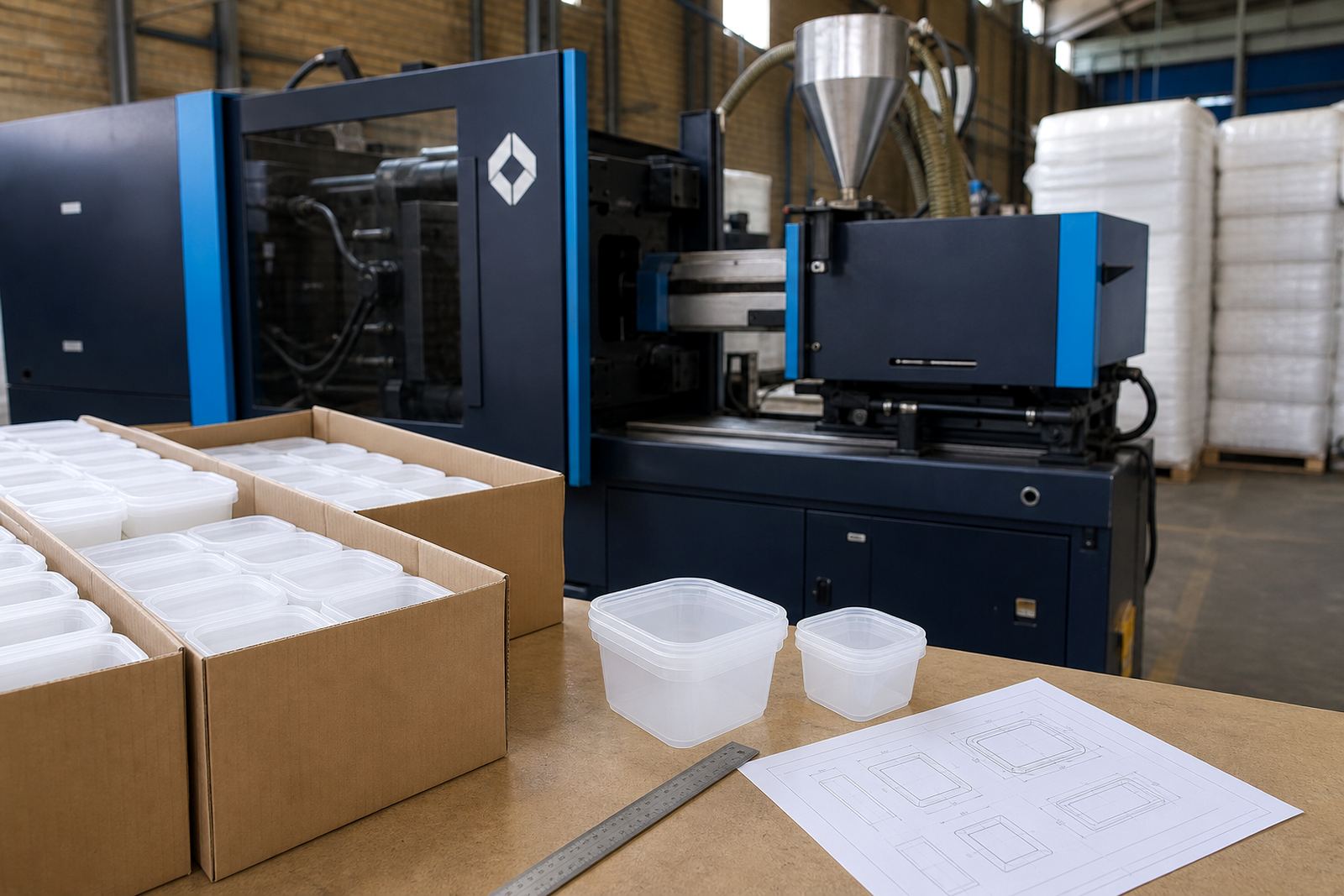
Trial production runs are useful when a packer is preparing for a repeat order with tighter tolerances. A new lid development, a revised tamper seal design, or a fresh tub profile can all benefit from a short production test before the main stock run is approved. That test gives production, quality and dispatch a chance to see how the pack behaves in real use.
For packers working to municipal waste rules and product safety controls, the detail matters. A container that seals well in the lab still needs to work on the floor, on the pallet and in the truck. Trial runs also help when a business is adjusting secondary packing advice, because sleeve counts and carton sizes can change the whole loading plan.
- Check closure pressure on the actual line.
- Review any marking, sealing or stacking issues.
- Confirm how the pack looks after transport handling.
- Use the trial results to set the next repeat quantity.
Plan around forecast production instead of old stock habits
Supply planning should follow forecast production needs, not just what was used last month. A cosmetic packer may build stock before a seasonal push, while a food business may prefer smaller, more frequent runs to keep warehouse space open. Both approaches can work, but the order plan should match the real production picture.
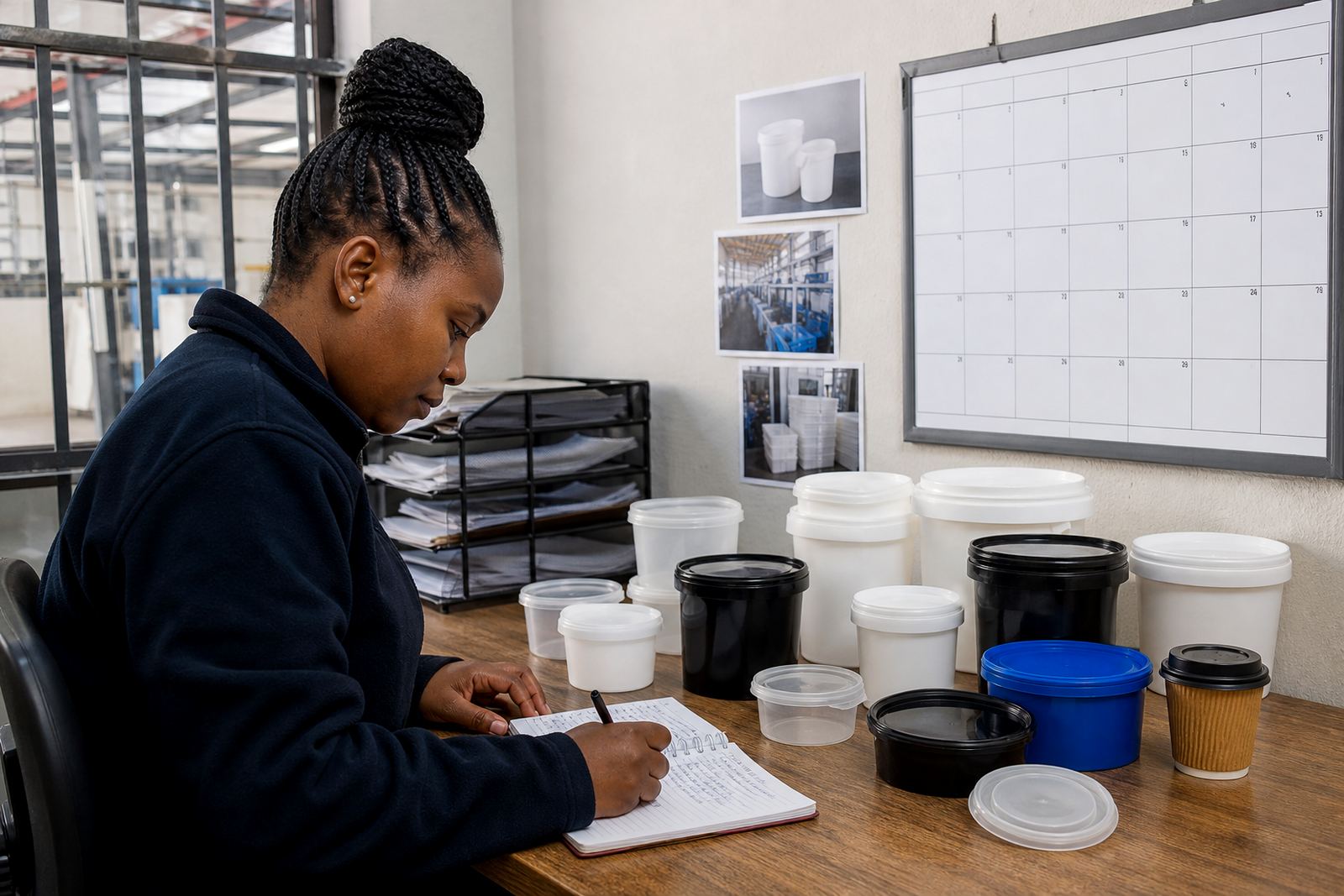
A simple forecasting sheet helps. List the product line, the pack size, the average weekly use, the expected change in output, and the stock already on hand. From there it becomes easier to decide whether the next order should cover a short run, a full pallet pattern, or a larger manufacturing batch. That is often more practical than chasing a fixed number each time.
- Use weekly usage as the base figure.
- Add planned promotions or product launches.
- Include safety stock for rejects and line loss.
- Allow separate quantities for each container size.
Keep changes visible to production, quality and dispatch
Repeat ordering works best when everyone handling the pack knows what has changed. The production manager may need a different mould development note, the quality coordinator may want to verify a new tamper seal, and dispatch may need updated carton counts. If one part of the chain is using old details, the order can still move, but it moves with avoidable friction.
At our Alrode base, repeat planning is cleaner when the history of each pack is written down with the tub, lid, seal, colour and pack size. That record helps during stock run planning and makes future orders easier to set up for Johannesburg Delivery, Pretoria Delivery, Durban Delivery, Cape Town Delivery and Port Elizabeth Delivery. A small file of notes can save a lot of warehouse movement later.
- Record the exact pack used on the last run.
- Note any line fit issues or packing delays.
- Keep dispatch instructions close to the stock record.
- Update product notes after any change to the closure.
A local example from Alrode to the coast
A mid-sized packer in the Johannesburg area may run a 250 ml tub for one product and a 500 ml tub for another, then move stock to Durban and Cape Town through separate dispatch windows. The inland line may see dry storage and fast loading, while the coastal route brings more humidity and longer transport time. That difference changes how supply should be packed and stored.
In a case like that, a practical order plan keeps the approved tub, lid and tamper seal together, with only the forecast quantity changing from month to month. The result is less sorting at dispatch and less time spent checking mixed stock. It also gives the customer support lead a clearer view of what is on hand for Alberton Supply, Germiston Supply and Boksburg Supply.
Supply planning does not need to be complicated. It needs accurate pack details, a clean link to production forecasts, and enough discipline to keep changes visible. When those pieces stay in step, the next stock run is easier to place and easier to move through the line.