Where rim damage starts on the packing floor
The rim is the working edge of a tub or container. It carries the lid bead, supports the seal and takes the load when cartons are stacked or pallets are wrapped. A slight nick, oval shape or dent can make a lid feel loose in one spot and tight in another. That is where leaks, poor closure feel and rejects begin.
Damage usually happens during transfer, not during filling. A tub dropped into a tote, scraped against a metal rail, or pressed too hard by a guide on a fast line can lose shape at the top. In a Durban packing room, humid air can also leave surfaces a bit more slippery which makes handling mistakes more likely when operators move tubs by hand.
Keep the top edge clear of rough contact
Most rim faults come from contact with hard corners, sharp clips or poorly set guides. If a conveyor rail sits too high, the container mouth takes the rub before the body does. If a stack is dragged instead of lifted, the top edge gets scraped and the lid seat can flatten on one side.
- Set guides to touch the body, not the rim.
- Use smooth transfer points between machines and tables.
- Avoid tipping tubs across metal edges or tray lips.
- Train staff to lift full cases, not slide them.
On a busy Johannesburg packing line, small adjustments like these matter. A guide moved by just a few millimetres can be the difference between a clean run and a tray of lids that will not sit properly.
Match the container style to the way it will be filled
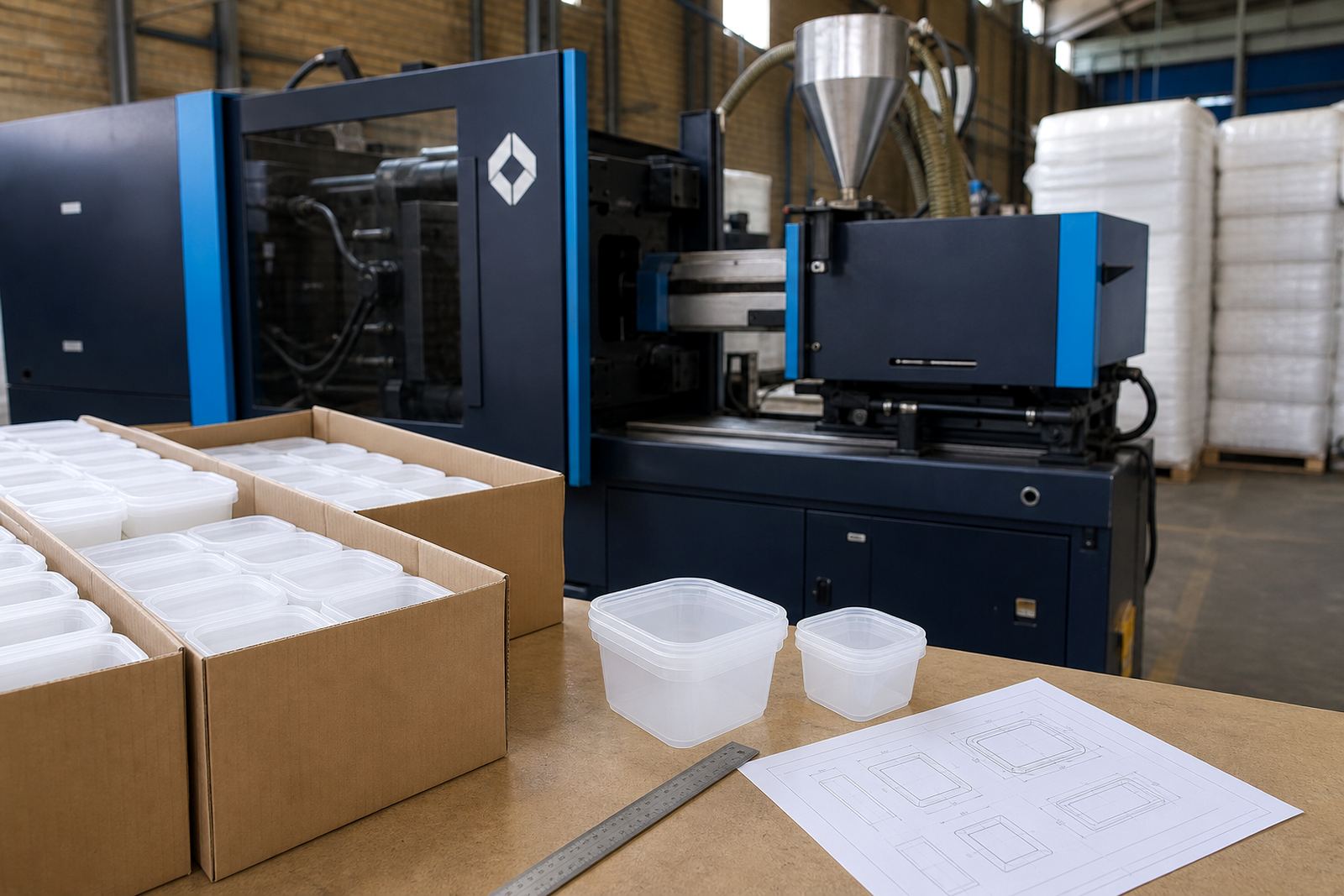
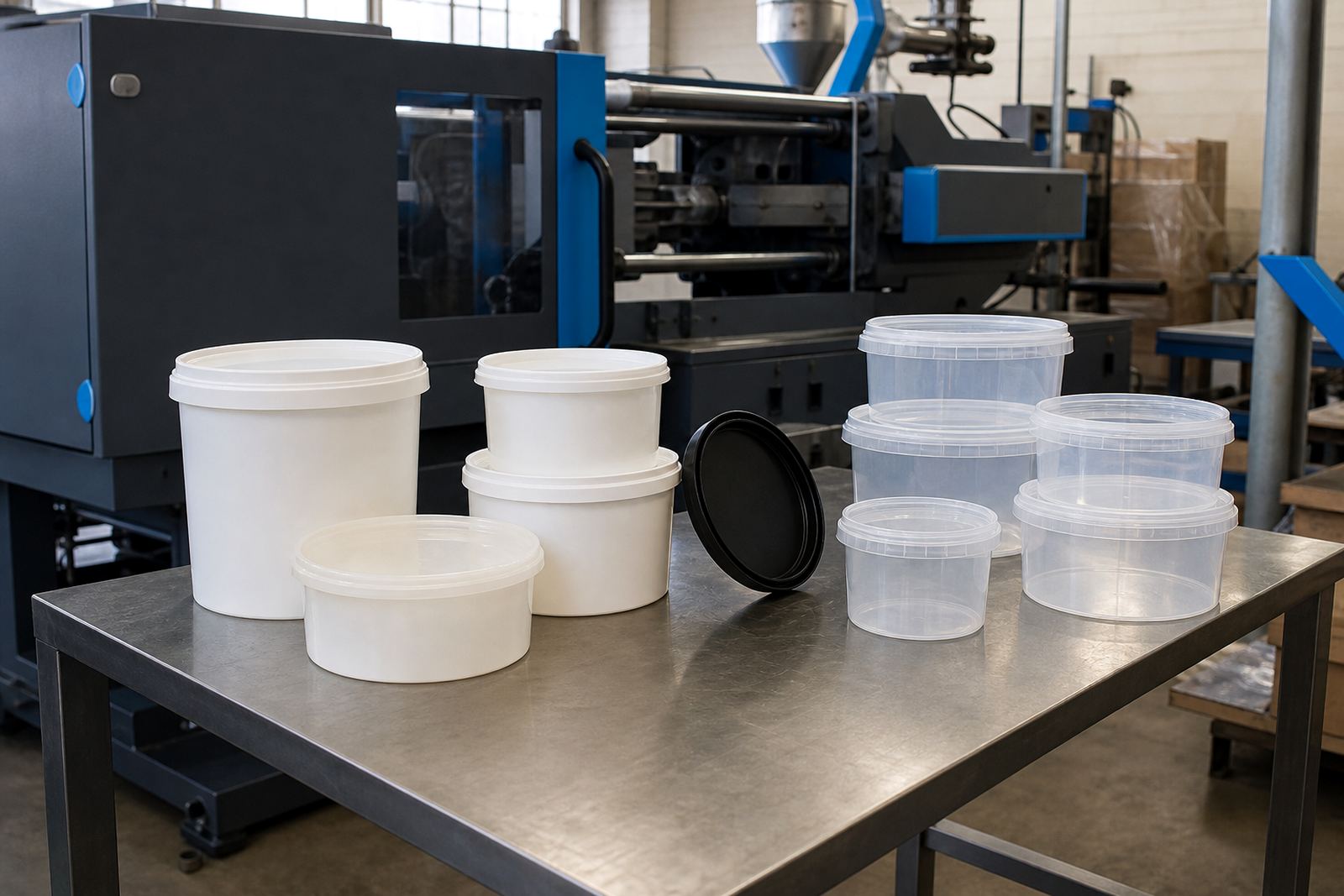
Injection moulded polypropylene and HDPE containers behave differently under handling. Some walls are stiffer, some lids grip tighter and some shapes carry stack loads better. If the rim profile does not suit the packing line, the top edge can take strain every time a tub is lifted, nested or capped.
For food, pharmaceutical and cosmetic packers, pack size planning needs to look at the full route from mould to pallet. A wide tub that works well on a calm bench may be awkward on a line where operators work fast and cartons move through several hands. Where the pack is heavier, a stronger rim profile helps hold shape during closure.
- Check whether the lid snaps on from above or with side pressure.
- Match tub stiffness to the weight of the product inside.
- Consider how nesting or stacking affects the top edge.
- Keep rim dimensions consistent across trial and stock runs.
Lids and tamper seals must meet the rim cleanly
A lid can only perform well if the rim presents a clean, even seat. If the top edge is distorted, the seal line will not compress evenly. That affects tamper evidence too, especially where a separate seal band or film has to sit in a precise groove.
For packers working with creams, powders or dry food products, a good closure depends on the container mouth staying true from the first fill to final case pack. Even a small twist in the rim can change the feel when the lid is pressed down. That is why trial production runs are useful before a container is put into routine use.
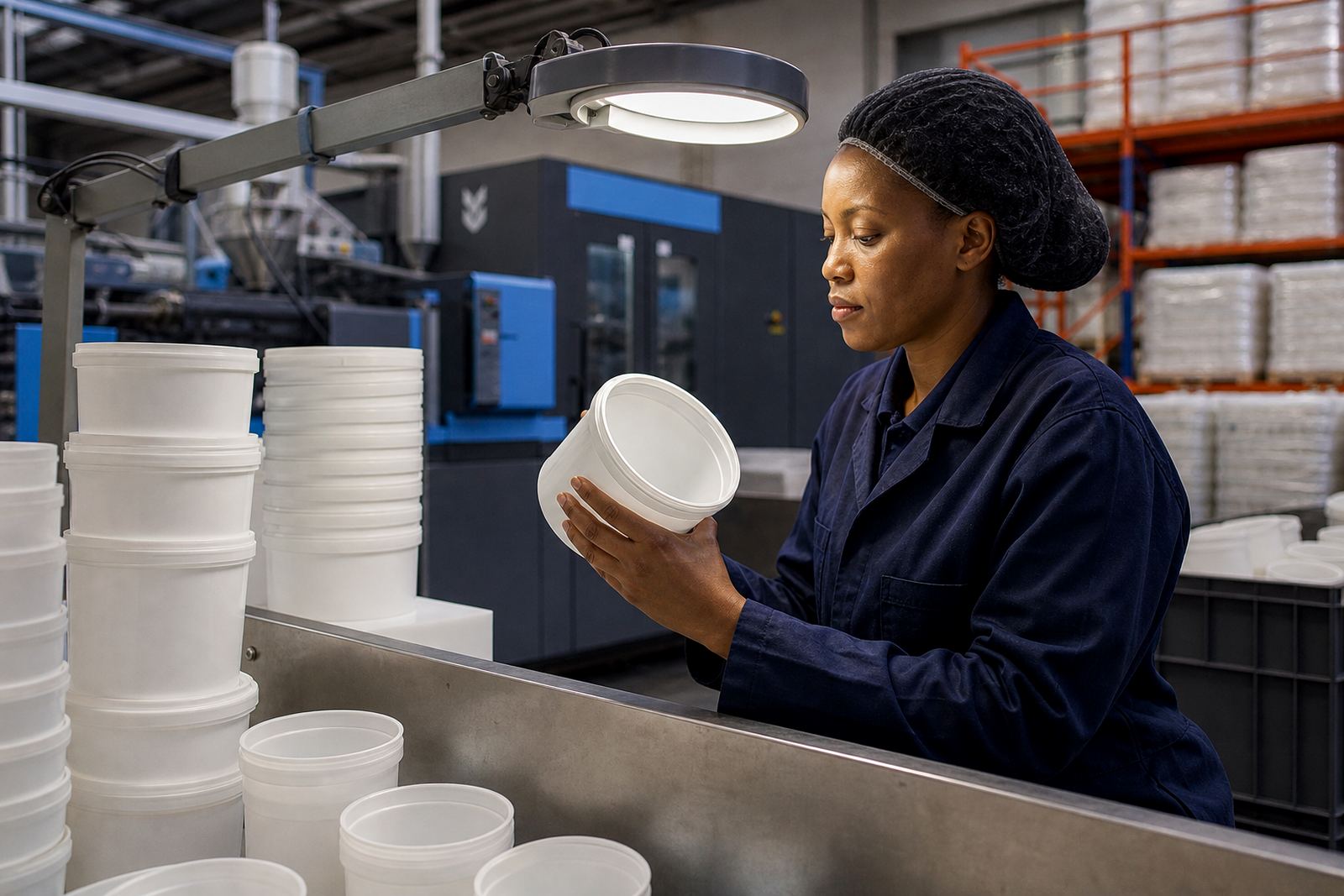
- Inspect the first few closures every shift.
- Look for lids that sit higher on one side.
- Check seal bands for uneven pinch points.
- Replace damaged sample tubs before the line settles into poor habits.
Stacking, pallet wrap and secondary packing can protect the edge
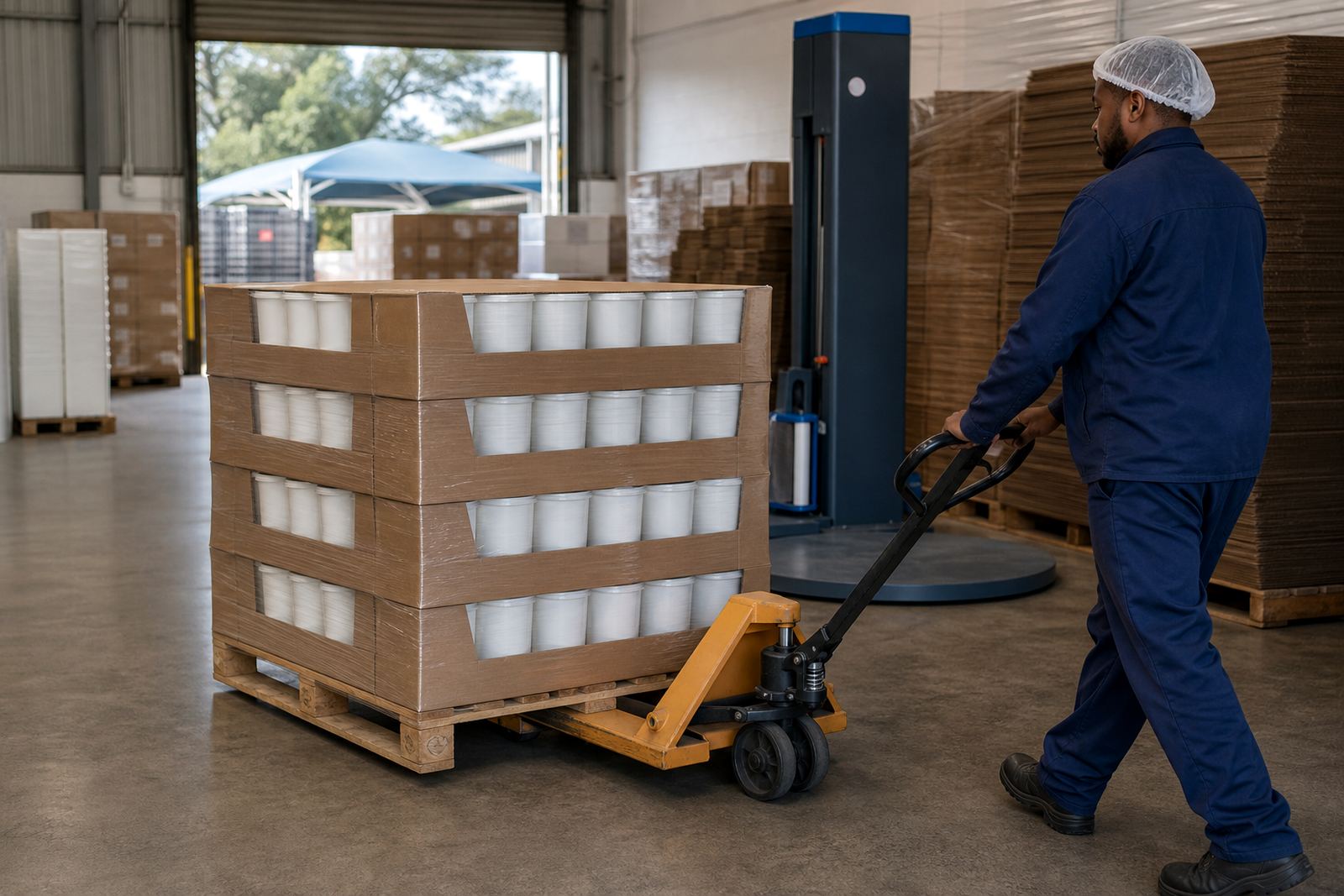
Rim damage often appears after the product has already been packed. Cases that are overfilled, stacked unevenly or wrapped too tightly can press downward on the top layer and distort the container mouths below. In transit to Cape Town or Port Elizabeth, rough handling at depots can turn a small packing error into a whole pallet of distorted lids.
Secondary packing advice should look at the way cartons compress under load. If the top carton bows inward, the tubs inside can press against each other and mark the rim. A cleaner pack pattern, firmer case size and better load planning usually give the top edge more protection. It is not flashy work, just careful work and it saves rejects.
A Gauteng example from a cosmetic packing line
A cosmetic packer in the Alrode and Germiston area was seeing closure complaints on a round tub used for creams. The line itself was sound, but operators were lifting loose tubs by the rim after tray loading. A few tubs arrived at the filling point with tiny flats on the mouth, enough to upset the lid grip.
The fix was practical. The team changed the way trays were lifted, adjusted the guide rails and reviewed the pack size so the tubs did not shift inside cases. The result was steadier lid fit and fewer damaged tops moving through the dispatch area. It was not a new machine or a costly change, just better handling from one step to the next.
That same approach works for food and pharmaceutical packers too. A clean rim is only useful if the whole packing line treats it carefully.
Small checks that keep closure performance steady
Rim care is mostly about habits. Once those habits settle, lid fit becomes more predictable and the packing floor runs with less noise around rejects, rework and loose closures.
- Store empty tubs upright and away from crush points.
- Keep lids and tubs matched by size and profile.
- Use sample closures during line set-up.
- Check for scuffing after transport between areas.
- Review moulded rim shape when changing product weight or fill level.
Plastic Factory works with injection moulded containers, lids and tamper seal features for packers across South Africa. From Johannesburg Delivery to Durban Delivery, Cape Town Delivery, Pretoria Delivery and Port Elizabeth Delivery, the same principle holds true: protect the rim and the closure performs better. The enquiry form on the contact page is the place to raise a packing line question or discuss a container change. That is where material selection, lid development and trial production runs start to make sense for the job at hand.